May 22, 2024
Reading time 4 min.
The Evolution of the Men's Wristwatch: A Decade-by-Decade Guide
TIMEPIECE TIMELINE
World War I coincided with the breakthrough of the wristwatch. New and trailblazing designs followed in each subsequent decade. From the WatchTime archives, here are our highlights, from the beginning of the 20th Century to the present day.
World War I coincided with the breakthrough of the wristwatch. New and trailblazing designs followed in each subsequent decade. From the WatchTime archives, here are our highlights, from the beginning of the 20th Century to the present day.
1910s
Many soldiers in World War I preferred a quickly readable watch on the wrist to a timepiece safely tucked away in a pocket of their uniform jacket. One consequence of this was that after the Great War ended, the wristwatch became popular among men, many of whom had formerly belittled it as a feminine accessory. Wristwatches worn by soldiers on the front lines were typically equipped with protective grids to cover their crystals, which were not yet shatterproof.
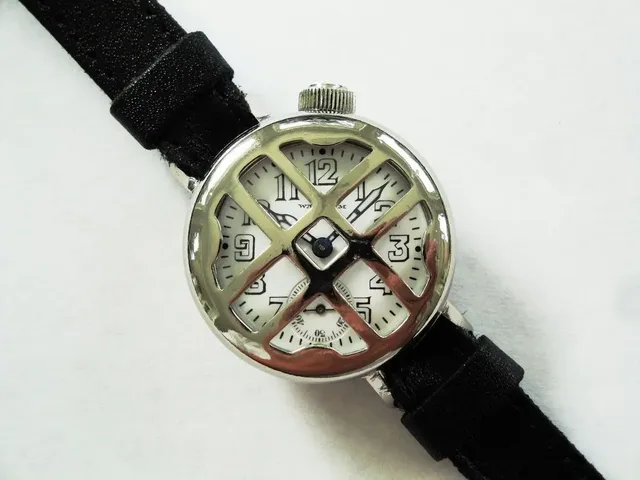
Waltham World War I Military Watch
PR
1920s
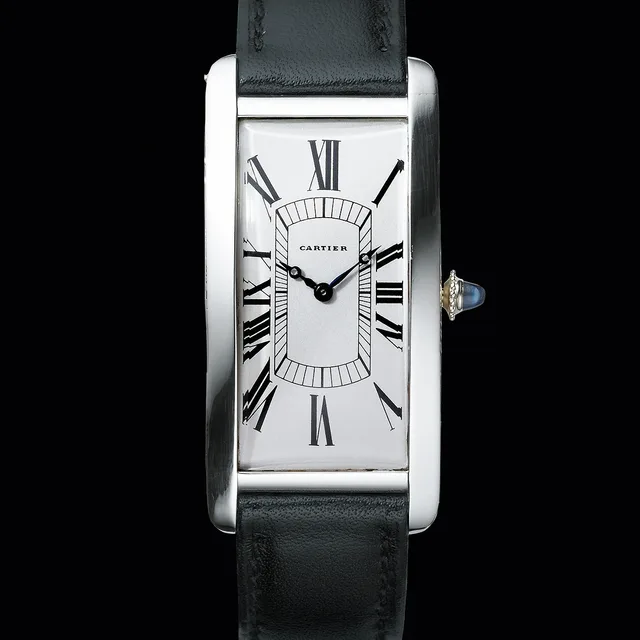
Wristwatches emerged as a genre in their own right during the Roaring ’20s, and Louis Cartier was among the trailblazers. He sketched his first Cartier Tank in 1917. The model was first produced in 1919 and it was given its elongated “cintrée” shape in 1921.
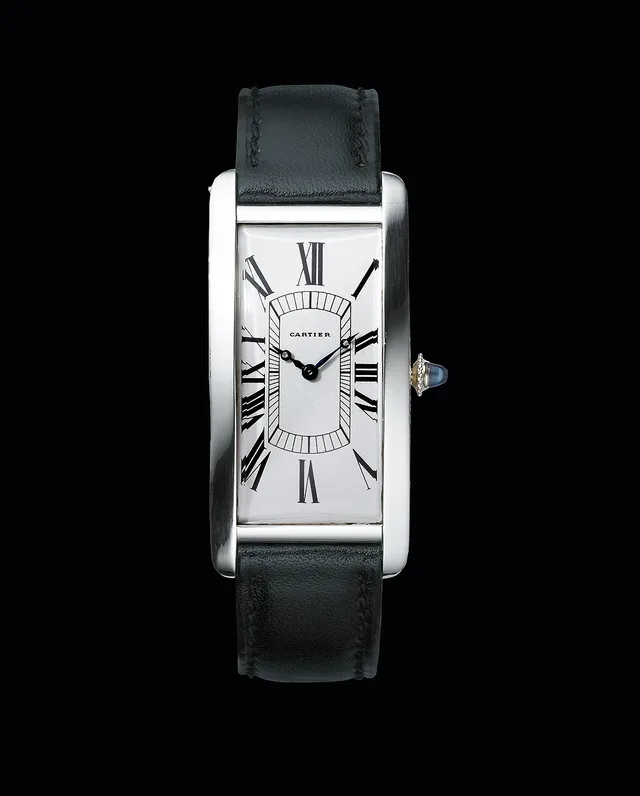
Cartier Tank Cintré
PR
1930s
The Art Deco style also influenced the design of wristwatches. With a rectangular case engraved with parallel lines at its upper and lower margins, the Reverso was a child of its era. LeCoultre was one of its producers.
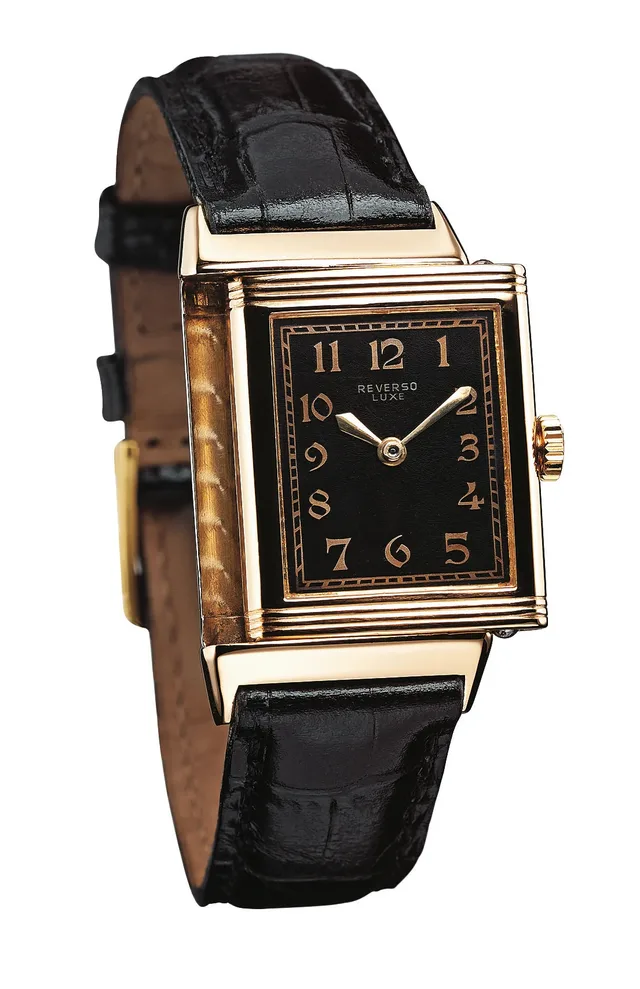
LeCoultre Reverso
PR
1940s
With the outbreak of World War II, the military again strongly influenced design in the ’40s. Pilots’ watches like the Big Pilot’s Watch, which IWC first produced for the German Air Force in 1940, were easy to read thanks to their big cases and black dials. They also had easily graspable crowns that pilots could operate while wearing gloves and their often extra-long straps enabled airmen to buckle these watches around their thighs.
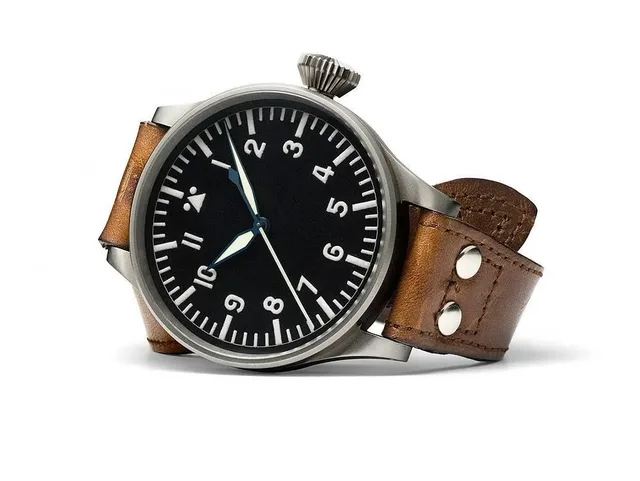
IWC Big Pilot's Watch°
Felix Streuli, Zurich
1950s
Hardly any model has influenced the watch world as strongly – and has been copied as often – as Rolex’s Submariner. Its debut in 1953 inaugurated the era of round, watertight, sporty, self-winding watches.
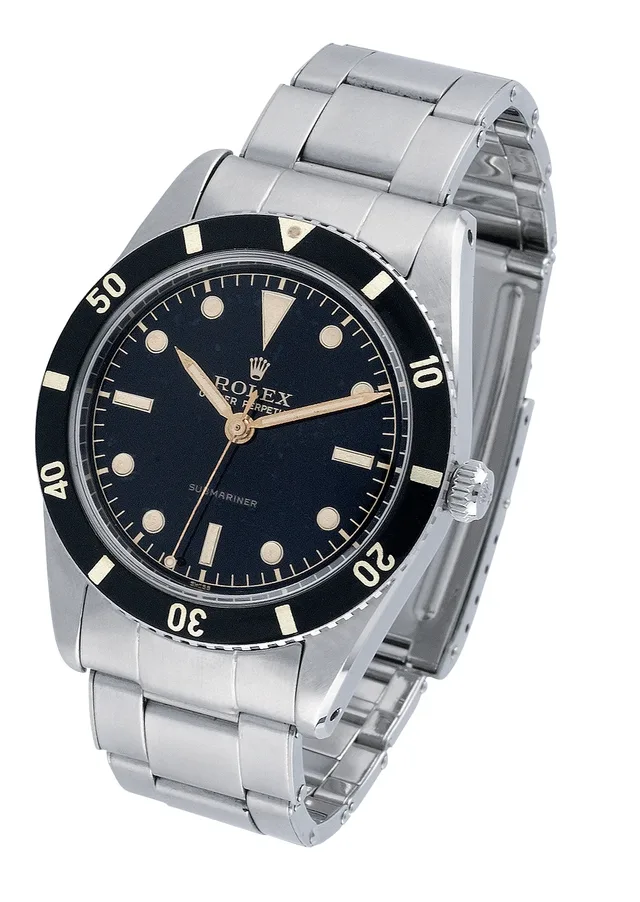
Rolex Submariner 1953
PR
1960s
The ’60s were the epoch of outer space. This bold adventure was embodied in wristwatches like Omega’s Speedmaster Professional, the first watch on the moon. Buzz Aldrin wore the Reference 105.012 when the Apollo 11 mission landed on the lunar surface in 1969.
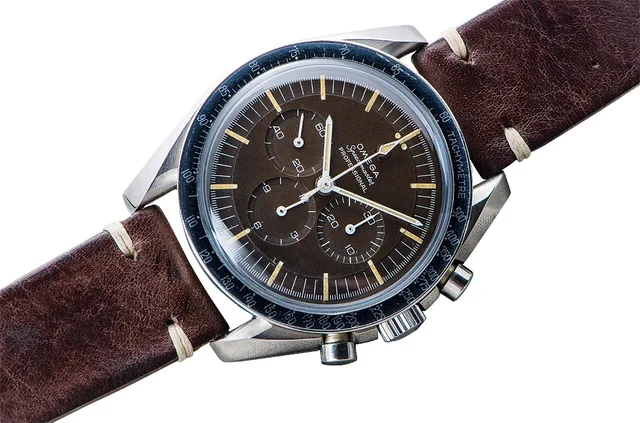
Omega Speedmaster Professional
PR
1970s
Quartz watches dominated the ’70s. Their glowing digital indicators initially relied on reddish LEDs (light emitting diodes) and later on LCDs (liquid crystal displays). The Chronosplit chronograph, which Heuer launched in 1975, was equipped with both.
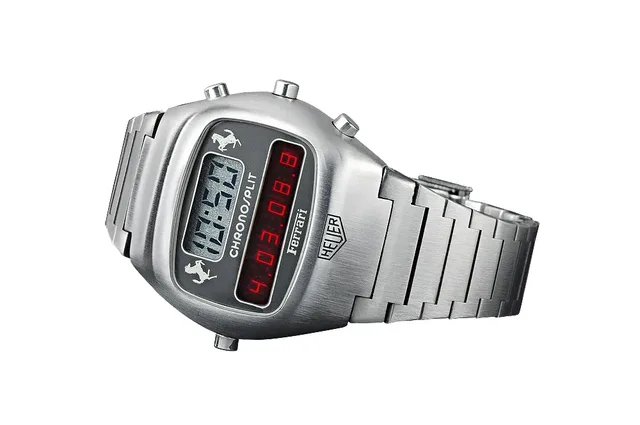
Heuer Chronosplit
PR
1980s
“Fun” was the name of the game for buying and wearing watches in the ’80s. Thanks to its incredible diversity of motifs, the plastic Swatch watch persuaded millions of people to buy watches not primarily to read the time, but to have fun and be able to quickly switch from one look and color scheme to another.
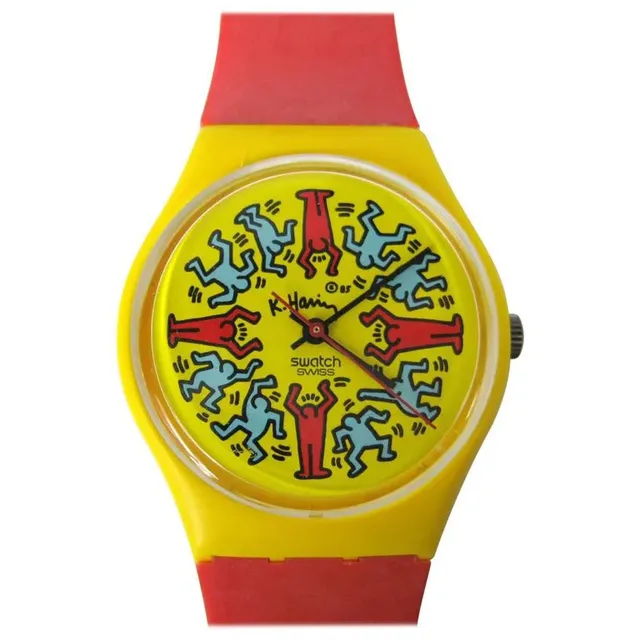
Swatch Keith Haring Watch
PR
1990s
The mechanical watch began its renaissance in the ’90s and horological technology and complications basked in the limelight. But there were also innovations in design, for example, the Lange 1 by A. Lange & Söhne: its off-center dial arrangement would later be adopted by other manufacturers.
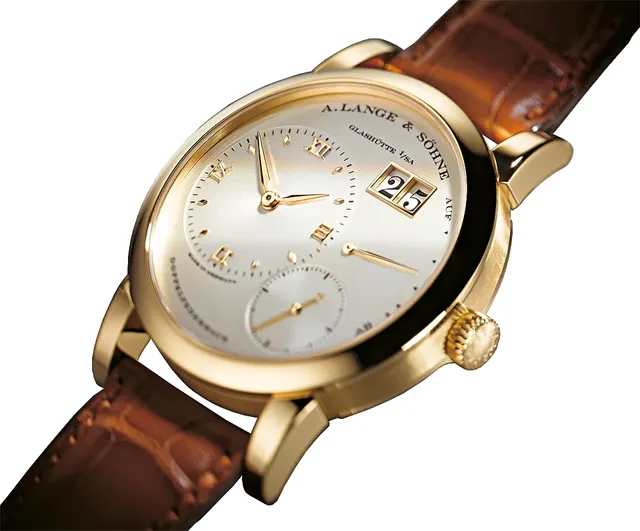
A. Lange & Söhne Lange 1
PR
2000s
Scarcely any new design in the ’00s could rival the success of Hublot’s Big Bang. Its theme was the combination of widely diverse materials. This mix was made possible by the structure of the case, which combined more than 50 individual parts. The large number of limited editions also contributed toward making Hublot synonymous with bold color, diversity and joie de vivre.
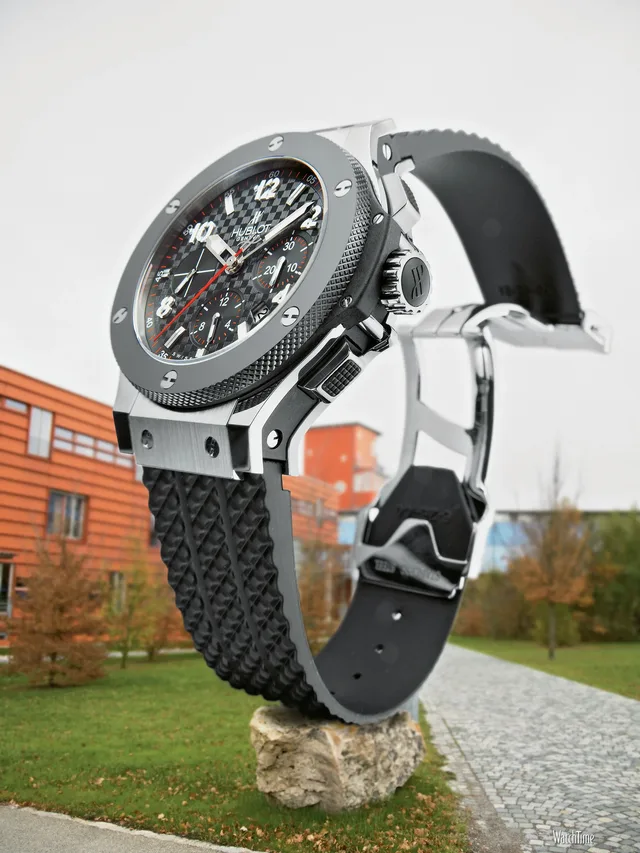
Hublot Big Bang
PR
2010s
The trend toward revealing the inner workings of a watch by skeletonizing the dial had already begun in the ’00s, but dials were often eliminated altogether after 2010. Richard Mille ranks among the pioneers of this new openness.
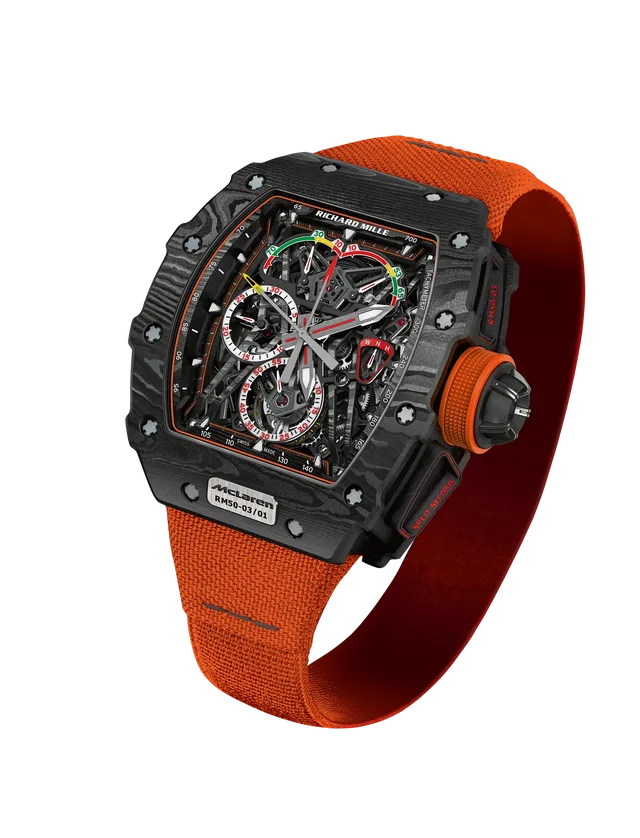
Richard Mille RM 50-03 Tourbillon Split Seconds Chronograph Ultralight McLaren F1
PR