Mar 18, 2024
Reading time 4 min.
10 Milestone Moments in the History of the Wristwatch
TIMEPIECE TIMELINE
Today it is common for a man to wear a watch on his wrist, but it was a different story around 100 years ago. World War I, which started in 1914 and ended in 1918, brought to the battlefield much that was new — airplanes, mustard gas, military tanks. It also brought something new to civilian society: wristwatches, formerly restricted to ladies, became military-issue equipment, supplanting pocketwatches in popularity among gentlemen. Soldiers returning home from the war brought their wristwatch-wearing habit with them, thus beginning the fascinating history of the wristwatch, an invention that has become an integral part of our modern life.
In this article from the WatchTime Archives, you'll discover 10 milestone moments from the first 100 years of the wristwatch's history. It is an excerpt of the feature "A Wristwatch Timeline," which you can download from the WatchTime Shop.
1. Breitling Chronograph
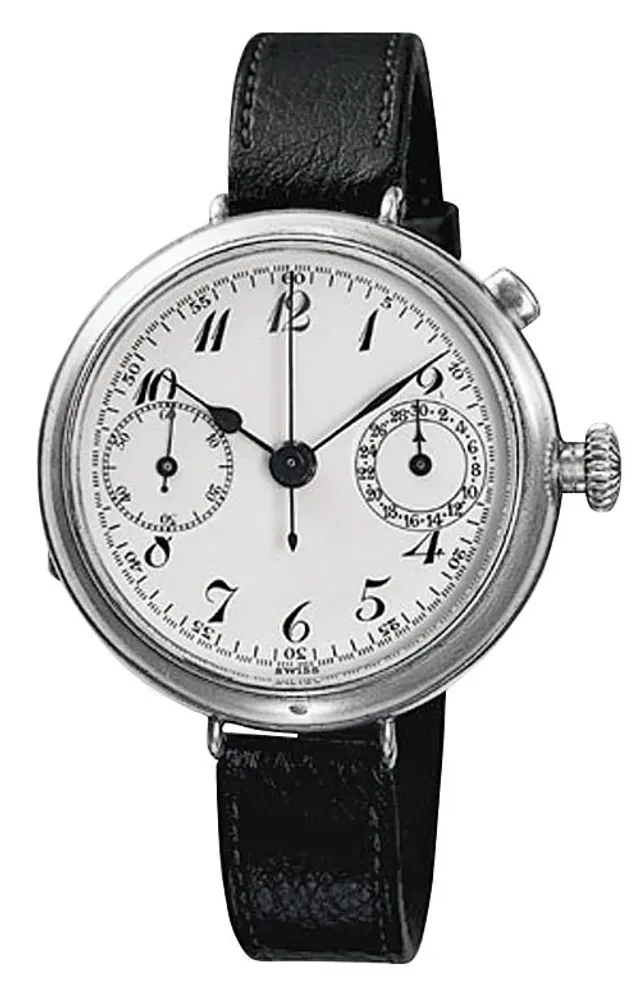
Breitling: Chronograph, 1915
PR
1915: Breitling launches one of the first wrist-worn chronographs. It features something new: a push-piece at 2 o’clock, separate from the winding crown, rather than integrated into it as on the pocketwatch chronographs of the time.
2. Cartier Tank
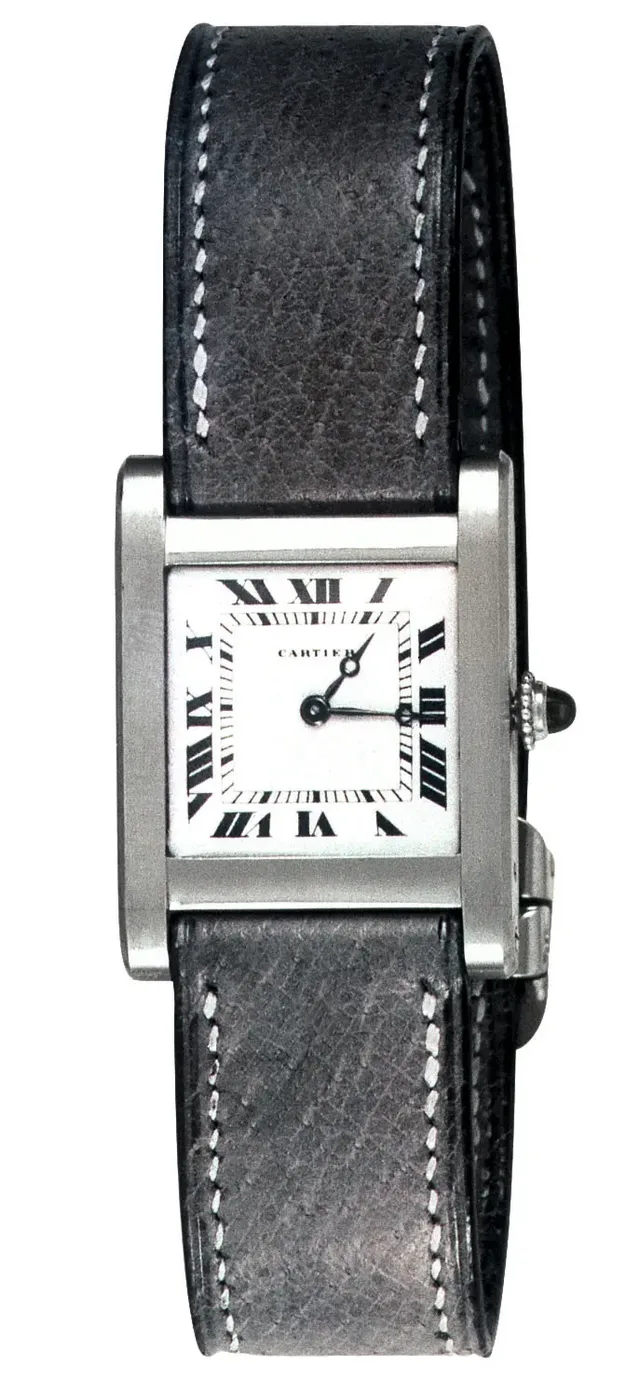
Cartier: Tank, 1919
PR
1919: Cartier introduces the Tank watch. The company says that the shape of the case sides was inspired by the treads on military tanks, which were first used in WWI.
3. LeCoultre & Cie. and Jaeger Reverso
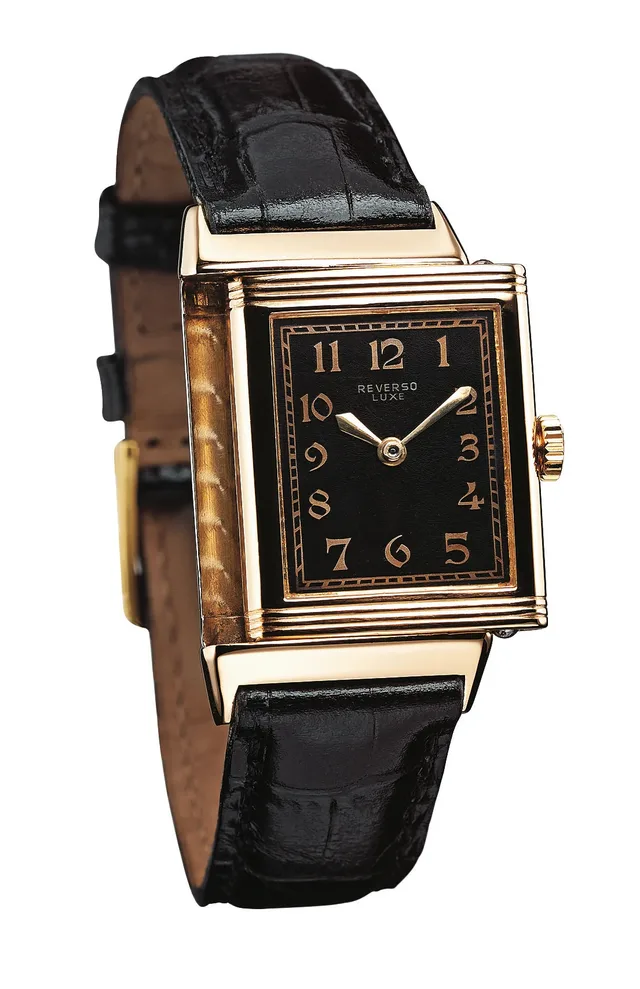
Le Coultre & Cie and Jaeger: Reverso, 1931
PR
1931: The Swiss company LeCoultre & Cie. and the French firm Jaeger collaborate to bring out the Reverso, whose case can be slid sideways and flipped over to protect its crystal. (The two companies will merge in 1937.)
4. John Harwood designs the winding mechanism
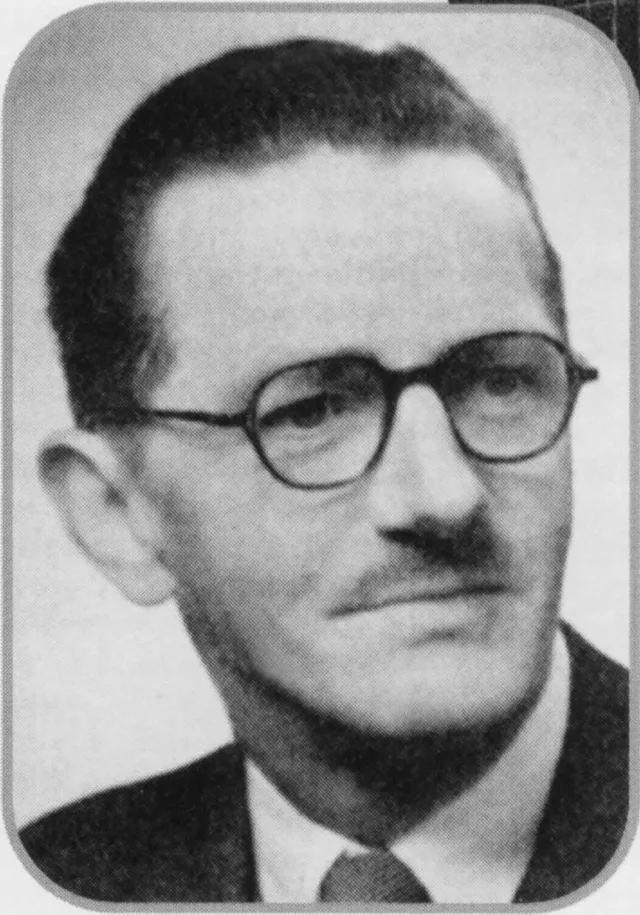
British watchmaker John Harwood, 1926
PR
1926: Fortis introduces the first wristwatch with an automatic winding rotor. The winding mechanism was designed by the British watchmaker John Harwood, who modeled it on the one that Abraham-Louis Perrelet devised for pocketwatches in the 18th century.
5. IWC's First Pilot's Watch
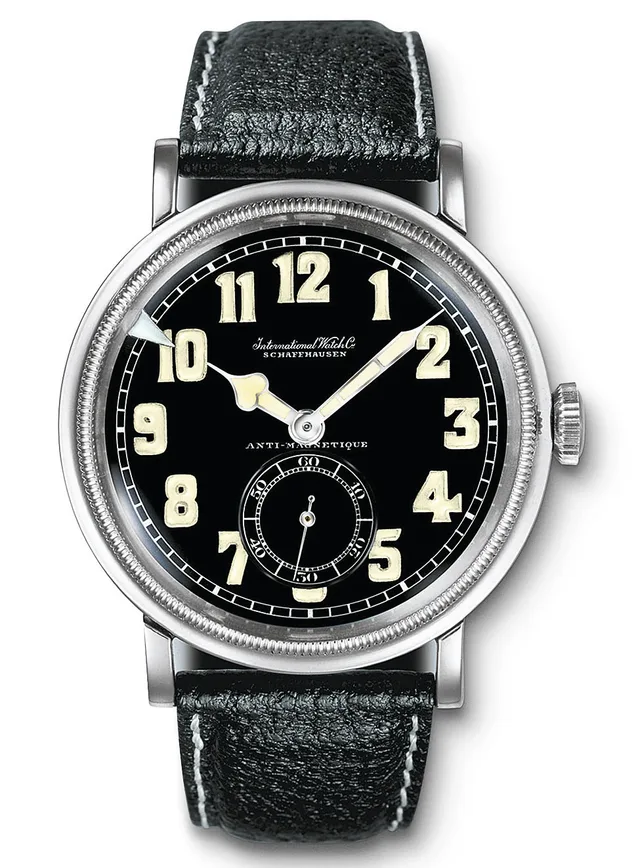
IWC Schaffhausen: First Pilot's Watch, 1936
PR
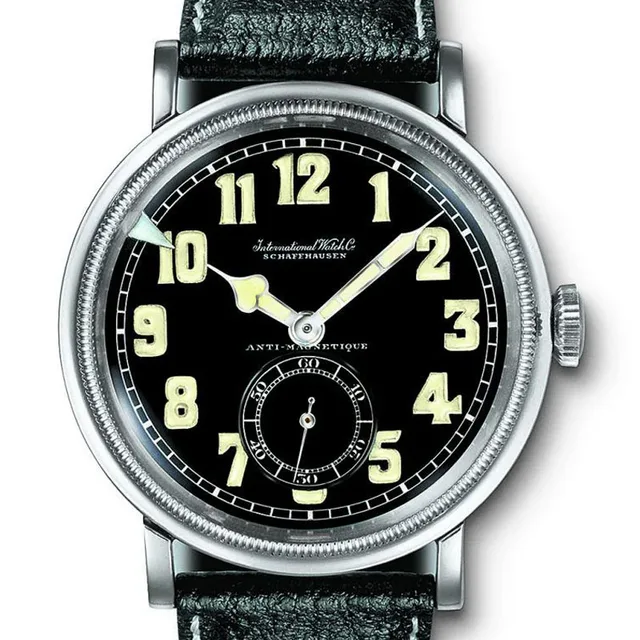
1936: IWC Schaffhausen makes its first pilots’ watch, which it calls the Special Watch for Pilots. It has a rotating bezel for measuring elapsed times.
6. A. Lange & Söhne's factory is destroyed
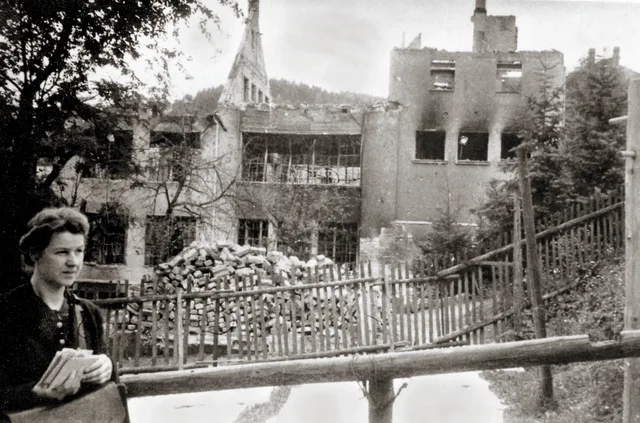
A. Lange & Söhne's company building was destroyed in 1945
PR
1945: Russian planes bomb the A. Lange & Söhne factory in Glashütte, Germany, nearly destroying it just hours before the armistice is signed.
7. First automatic chronographs
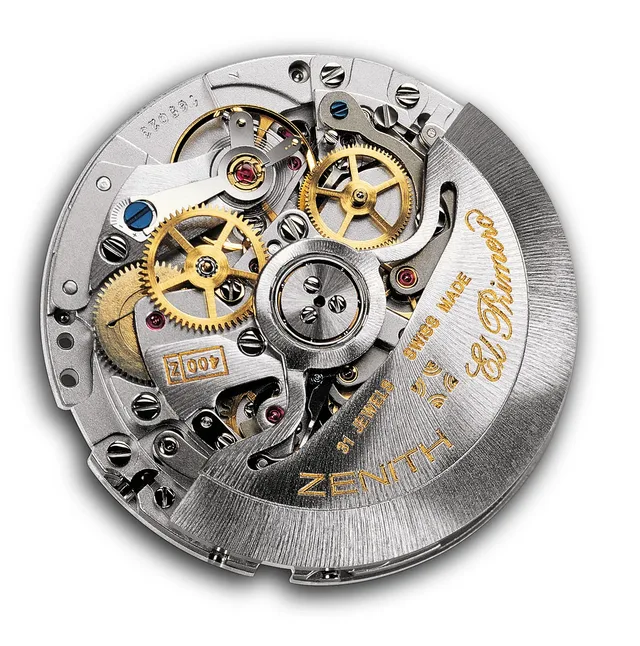
Zenith El Primero movement, 1969
PR
1969: The world’s first automatic chronographs are introduced. One, Caliber 6139, the first to hit the market, is from Seiko; another, the now-famous El Primero, is from Zenith; and a third, Caliber 11, is the work of a consortium of companies: Heuer-Leonidas, Breitling, Dubois Dépraz, Büren, and Hamilton.
8. Jean-Claude Biver and Jacques Piguet buy Blancpain
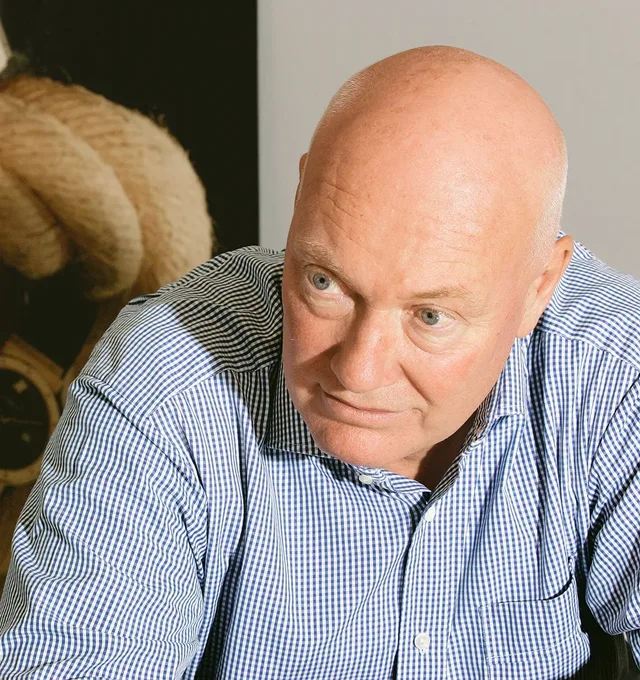
Jean-Claude Biver, 1983
PR
1983 Jean-Claude Biver and Jacques Piguet, head of the Frédéric Piguet movement manufacturer, buy the defunct Blancpain brand and relaunch it as an all-mechanical-watch brand with movements supplied by Frédéric Piguet.
9. SMH, now known as Swatch Group, is formed
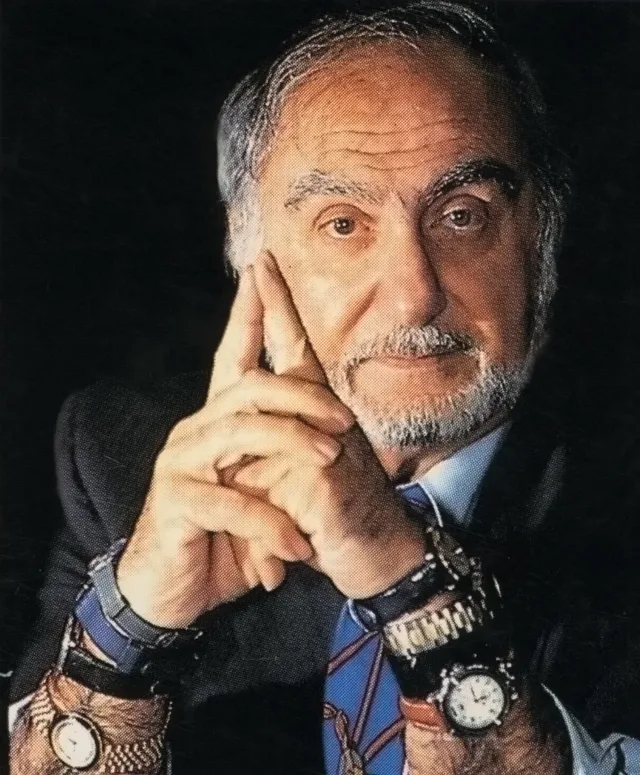
Nicolas Hayek, SMH CEO, 1983
PR
1983: The two financially troubled Swiss watch conglomerates ASUAG and SSIH are merged to form SMH (Societé Suisse de Microélectronique et d’Horlogerie), now known as the Swatch Group. Nicolas Hayek engineers the merger and becomes CEO.
10. Rolex's new Cosmograph Daytona
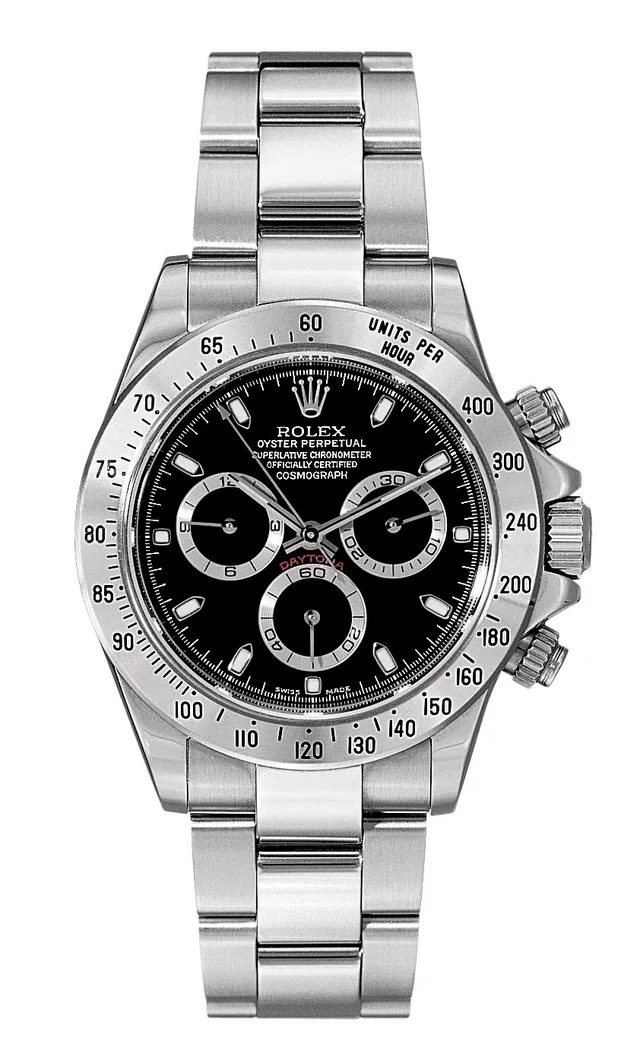
Rolex Cosmograph Daytona, 2000
PR
2000 Rolex launches a new version of the Cosmograph Daytona containing the new, in-house Caliber 4130. The introduction means that all Rolex-brand mechanical watches now have in-house movements.
These milestones are part of our 12-page timeline devoted to chronicling the first 100 years of the wristwatch's history. Download it now for just $2.99 from the WatchTime Shop!
Merken
Merken
Save
Contents
- 2. Cartier Tank
- 3. LeCoultre & Cie. and Jaeger Reverso
- 4. John Harwood designs the winding mechanism
- 5. IWC's First Pilot's Watch
- 6. A. Lange & Söhne's factory is destroyed
- 7. First automatic chronographs
- 8. Jean-Claude Biver and Jacques Piguet buy Blancpain
- 9. SMH, now known as Swatch Group, is formed
- 10. Rolex's new Cosmograph Daytona