Ad
Ad
Ad
Ad
Ad
Ad
Reading time 3 min.

Did You Know That: A Tourbillon Is Not A Complication
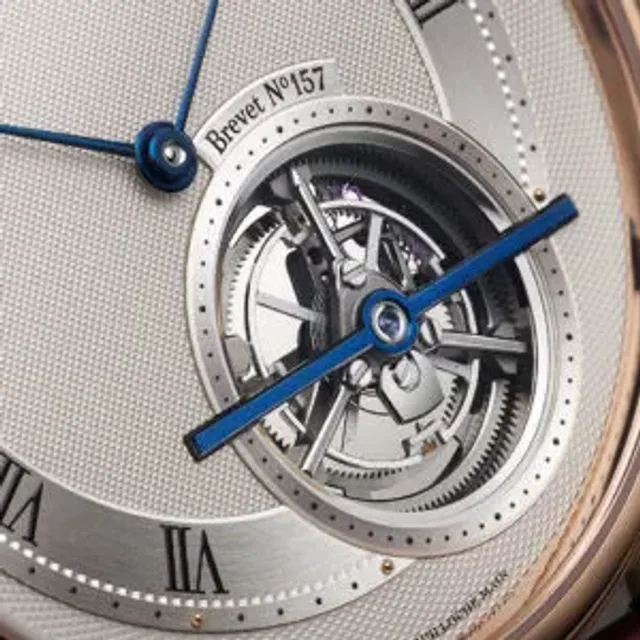
Breguet_Classique_Tourbillon_ExtraPlat_Anniversaire_dialCU_1000-300x300
© PR

This article is from the WatchTime Archives and was originally published in February 2022.

In a successful attempt to cancel out as much of the influence of gravity on the precision of a pocket watch, Abraham-Louis Breguet invented the tourbillon. On June 26, 1801, he was granted a patent for it, yet the production for clients didn't commence before 1805. Even after the patent expired, a pocket watch with a tourbillon remained rare, as it took exceptional skills to craft. In wristwatches, the tourbillon was a late bloomer. Some brands, including Omega, experimented with tourbillon movements in prototypes, but it wasn't until after the quartz crisis that this complication became truly popular and more commonly seen.
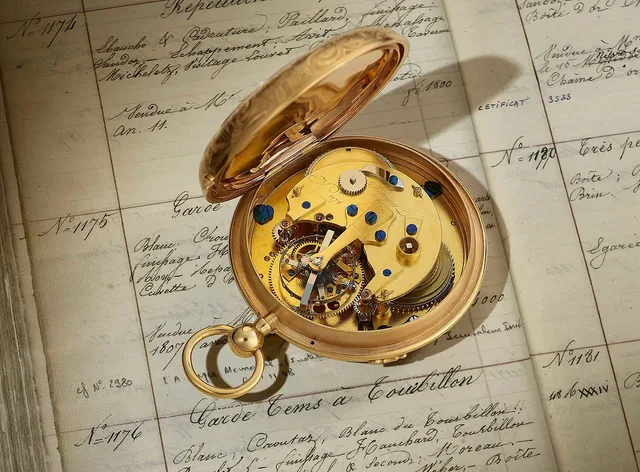
Breguet-tourbillon-pocketwatch_1000
© PR

Many still think that the tourbillon is a complication. While it is most certainly complex to make, it is an addition to the escapement of the watch. As this is an essential piece of a mechanical watch, it doesn't count as a complication. In this same light is also a remontoire, or the co-axial escapement invented by George Daniels, not a complication, while they do require considerable expertise to make.
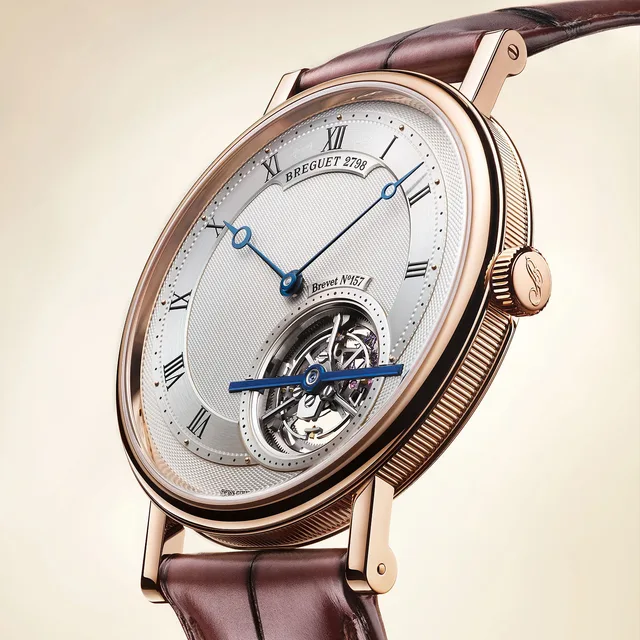
Breguet Classique Tourbillon Extra-Plat Anniversaire
Breguet Classique Tourbillon Extra-Plat Anniversaire © PR

This brings up the question of what is a complication? The answer to that depends on who you are asking. A purist might say anything but the hour hand. Early clocks had only a single hand to tell the time. However, as we are talking here about wristwatches, the most widely accepted consensus on this matter is that any added function to a watch beyond the display of hours, minutes, and seconds counts as a complication. So even when a 60-seconds tourbillon doubles as a seconds hand, it still doesn't make the cut.

Do you have any questions you want the answer to? Ask us in the comment box below, and we might feature it in an upcoming edition of "Did you know that…."

Archiv

Latest Articles

Bulgari Dresses the Octo Finissimo Perpetual Calendar in Monochromatic Blue - A cool blue entrance to the ultra-thin perpetual calendar
Bulgari introduces a striking new blue titanium version of its record-setting Octo Finissimo Perpetual Calendar. Combining ultra-thin watchmaking with a monochromatic aesthetic, the latest interpretation brings a fresh look to one of contemporary horology’s most celebrated complications.
3 minutes
Jul 14, 2026
Meet the Zenith Chronomaster Original Paris Edition - A tribute to the City of Lights
Limited to 50 pieces and available exclusively in France, the new Chronomaster Original Paris Edition combines the heritage of the El Primero chronograph with a verdigris-green dial inspired by Parisian architecture and urban perspectives.
3 minutes
Jul 14, 2026
Introducing the Czapek Promenade Goutte de Rosée - Morning dew in grand feu enamel
Created in collaboration with Donzé Cadrans, the new Promenade Goutte de Rosée captures the fleeting beauty of a dew drop in a mechanical work of art.
4 minutes
Jul 16, 2026

You might also be interested in

A Modern “Milsub": A Spotlight on the Tudor Pelagos FXD
A modern tribute to U.S. Navy dive watches, the Pelagos FXD from Tudor pairs a matte black dial and titanium case with fixed strap bars and a purpose-built tool-watch design.
5 minutes
Jun 22, 2026
To the Summit without Oxygen: A Spotlight on the Montblanc 1858 Geosphere 0 Oxygen
Montblanc is emphasizing the meaning of its brand name to a greater degree and creating innovative watches connected to alpinism. The company recently collaborated with extreme mountaineer Reinhold Messner to create a watch with no oxygen inside its case.
9 minutes
May 25, 2026
Who Owns What: A Guide to the Watch Groups - INDUSTRY
We present here a guide to the major watch groups and their holdings, including Swatch Group, Richemont, LVMH, Kering Group, Seiko Group and others.
9 minutes
Ad
Ad
Ad
Ad
Ad