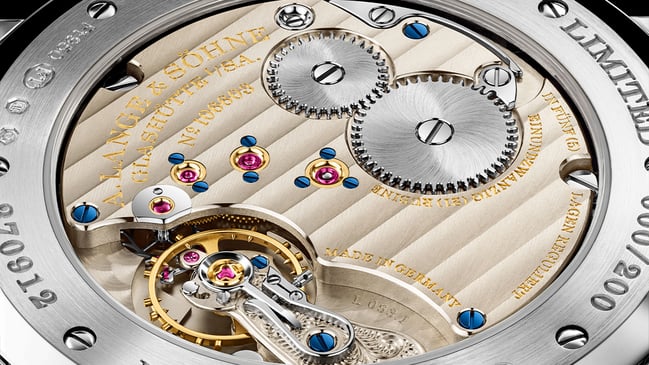
How One Watch Becomes Twenty: The Five Stages of Every Collector
From the first sensible purchase to the collection that never stops evolving
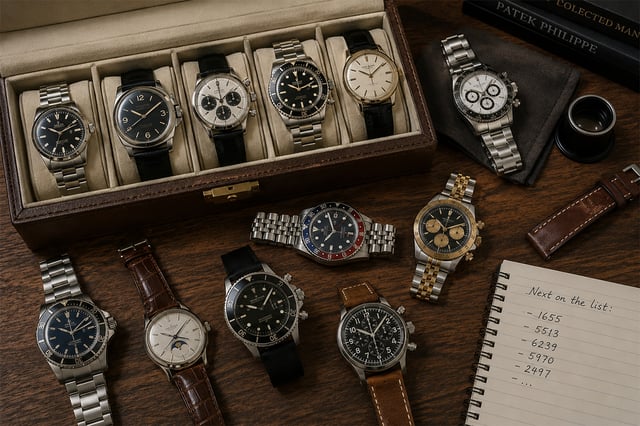
It starts innocently enough. Almost no one wakes up and decides to spend the price of a new car on a mechanical wristwatch with hand-beveled bridges and black-polished steel components. Instead, nearly every collecting journey begins with a much simpler thought: I just want one good watch. That’s where it all begins.
What follows is a journey familiar to almost every enthusiast. Some move through it quickly, while others proceed more gradually — and often at a far greater expense than they ever imagined. Along the way come moments of excitement, endless rationalization, late-night YouTube rabbit holes, stacks of watch magazines, constantly evolving wish lists, and the firm conviction that the next watch will be the last. Spoiler alert: it won’t.
You’ll notice that almost every collector follows the same path. Everyone believes their journey is unique, yet the conversations at collector meetups, in online forums, and at watch fairs all sound strikingly familiar. Only the reference numbers change.
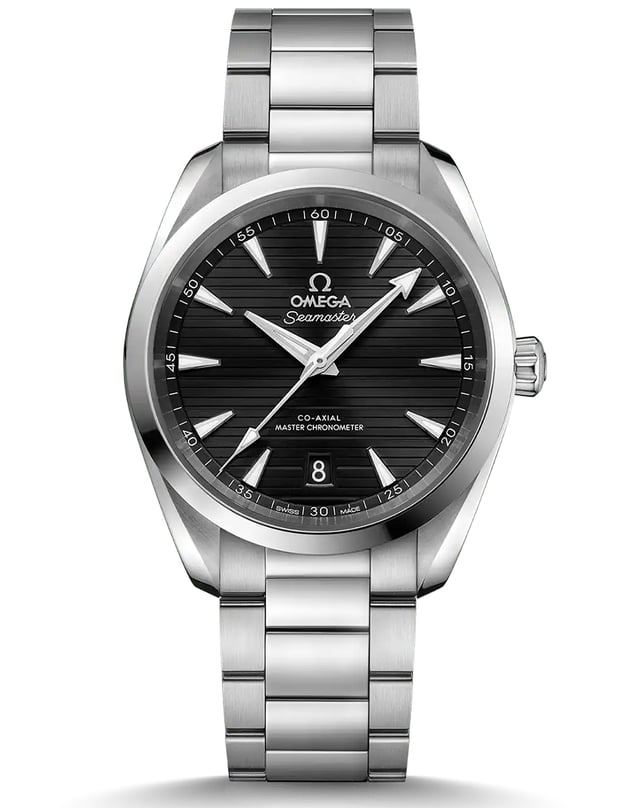
For many enthusiasts, the passion for collecting begins with an Omega watch.
Omega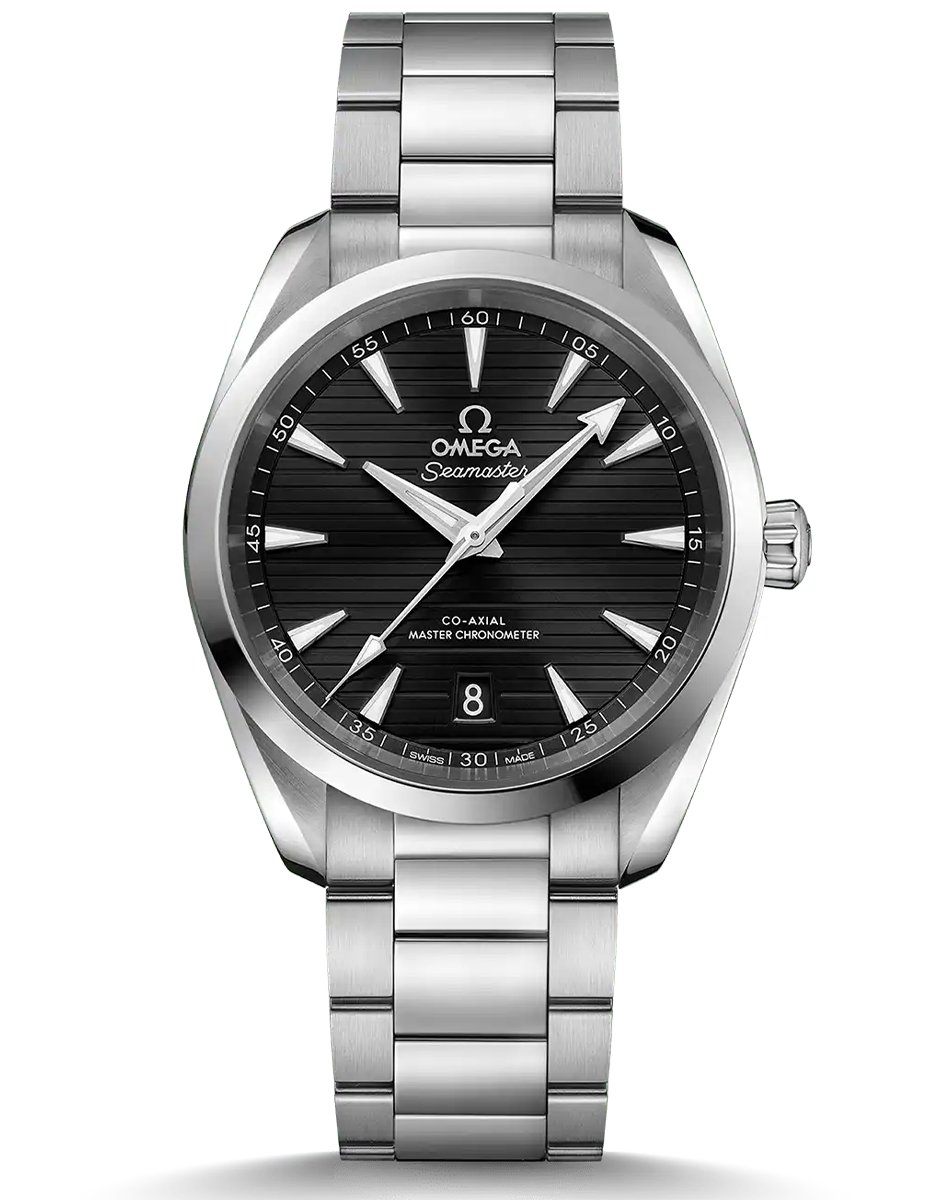
Phase 1: The Rational Beginning
For most people, the first mechanical watch is a thoroughly rational purchase. The goal is straightforward: one high-quality timepiece that will last a lifetime and suit every occasion. The budget is set. So are the requirements. It should be robust, timeless, water-resistant, and versatile enough to pair with jeans or a tailored suit. After all, what more could anyone need?
Then the research begins. Suddenly, terms like power reserve, COSC, caliber, sapphire crystal, and chronometer start to matter. Before long, you discover that mechanical isn’t synonymous with automatic. You learn the difference between manufacture movements and Sellita or ETA calibers and realize there’s an entire world of engineering hidden beneath the dial.
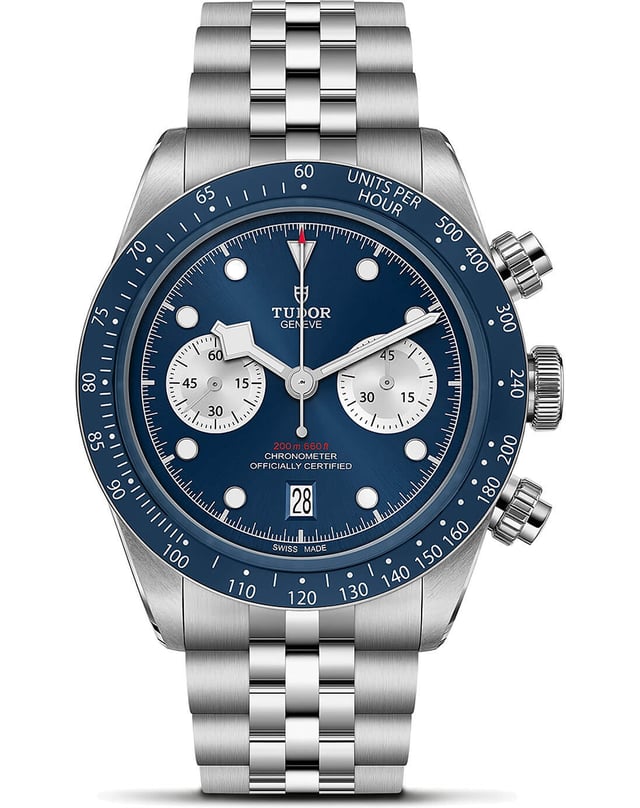
A chronograph should not be missing in most collections.
Tudor
Phase 2: Expert Status After Three Weeks
It takes remarkably little time for a newcomer to become a self-proclaimed expert. Suddenly, details that once seemed insignificant become subjects of passionate debate. Naturally, the sunburst finish on one reference is far superior to the competition’s. The clasp bevel could have been finished more cleanly. The movement beats at 4 Hz but, regrettably, lacks a silicon hairspring. And really, 13.2mm is simply too thick for a watch like this.
Friends and family should proceed with caution during this stage. An innocent compliment about the latest purchase can quickly turn into an impromptu masterclass on calibers, power reserves, escapements, and the history of the manufacture. You’ll leave the conversation knowing considerably more about mechanical watchmaking than you ever intended, despite never asking for the lesson.
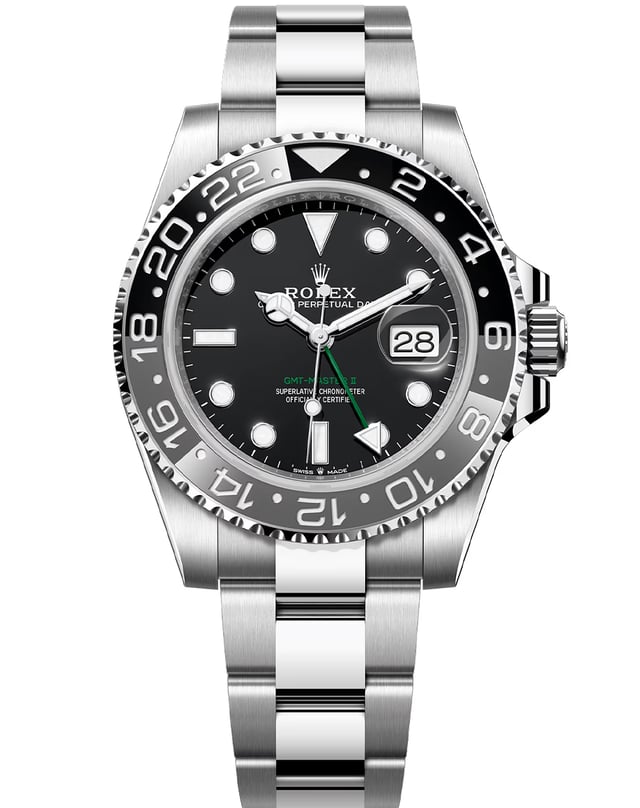
The GMT-Master II by Rolex is very popular among many enthusiasts.
Rolex
Phase 3: The Collection Needs Structure
Sooner or later, the collection grows to three or four watches. Objectively, that’s enough for almost any occasion. Subjectively, the real challenge is just beginning.
That’s when the gaps become impossible to ignore. There’s already a dive watch, but surely every collection needs a proper dress watch. Once that’s acquired, a chronograph suddenly feels indispensable. No sooner has it found its place than it becomes obvious that a GMT is essential for travel.
Every new acquisition seems to complete the collection while simultaneously revealing the next missing piece. From this point on, the search is no longer about individual references. It’s about building a well-rounded collection. Wish lists grow to a dozen watches, even though there’s only room for one watch on your wrist.
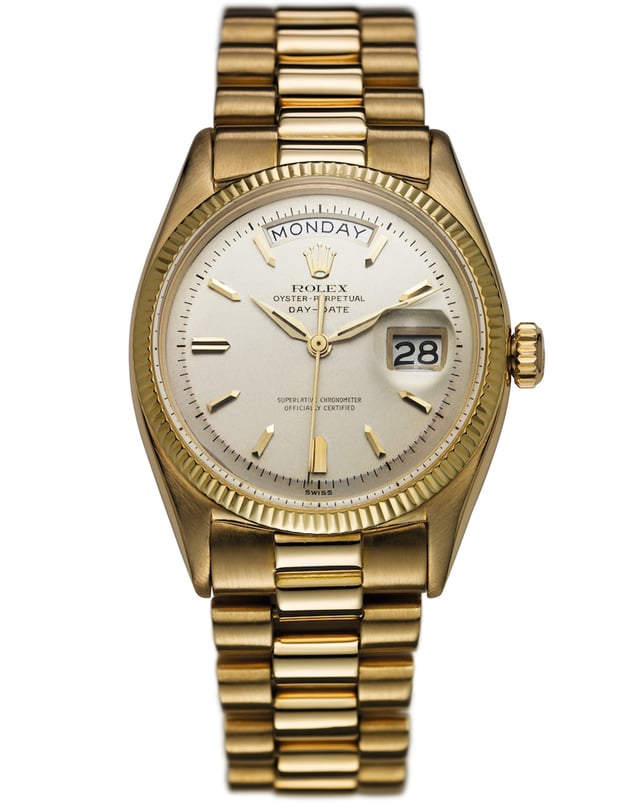
It is not uncommon for an interest in vintage watches to develop at some point.
Rolex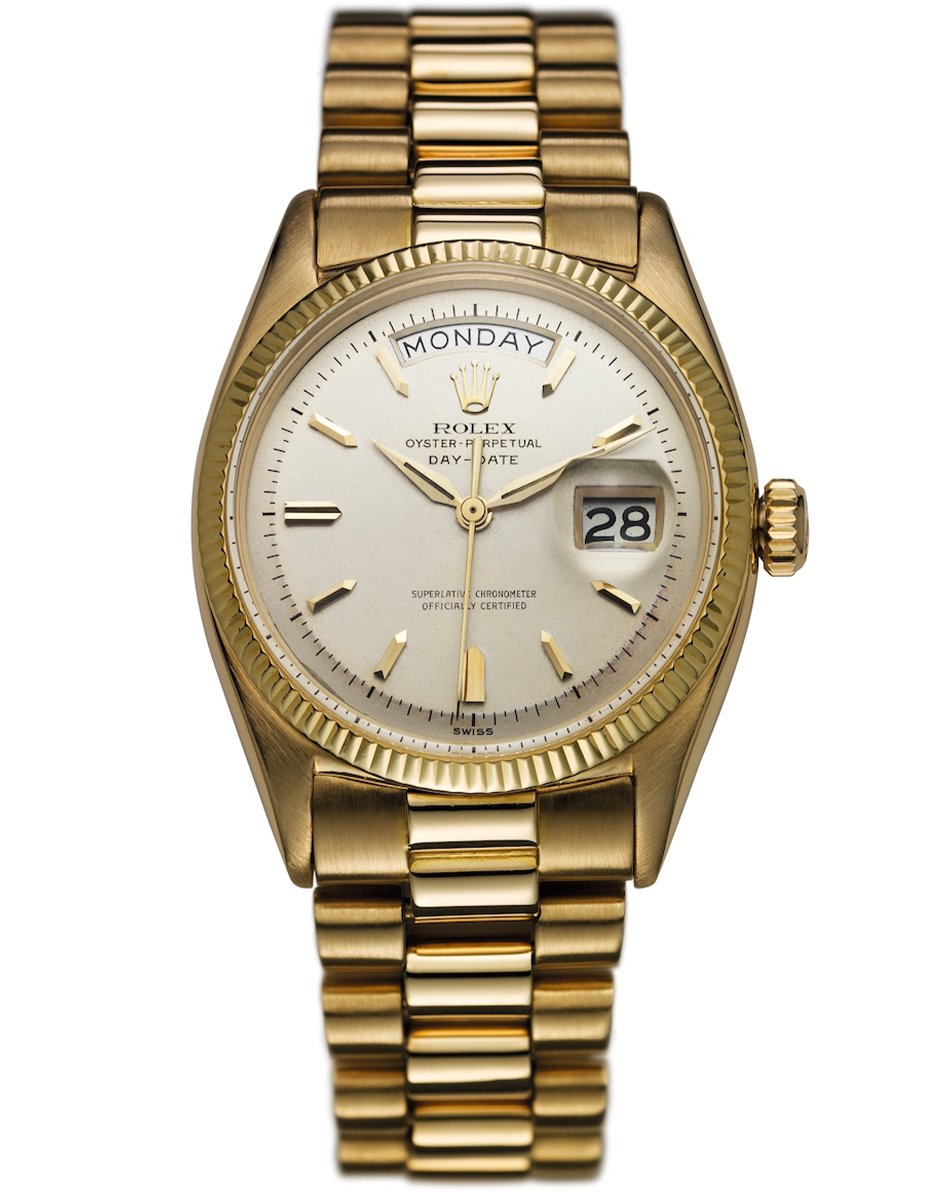
Phase 4: The Vintage Obsession
At first, every watch has to be brand new. Even the smallest scratch feels like a flaw to be avoided at all costs. But as the collection matures, so does the collector’s perspective.
What once looked like damage becomes patina. A scratched case or stretched bracelet is no longer worn out; it’s honestly aged, carrying the marks of a life well lived. A faded bezel may no longer offer perfect legibility, and discolored lume is no longer a defect — it’s part of the watch’s story.
Sooner or later, every collector starts saying things like, “It actually looks a little too perfect,” or, “I hope the dial develops some nice patina.” Suddenly, faded colors become desirable, and a rattly vintage bracelet has more charm than a modern solid-link bracelet with on-the-fly adjustment.
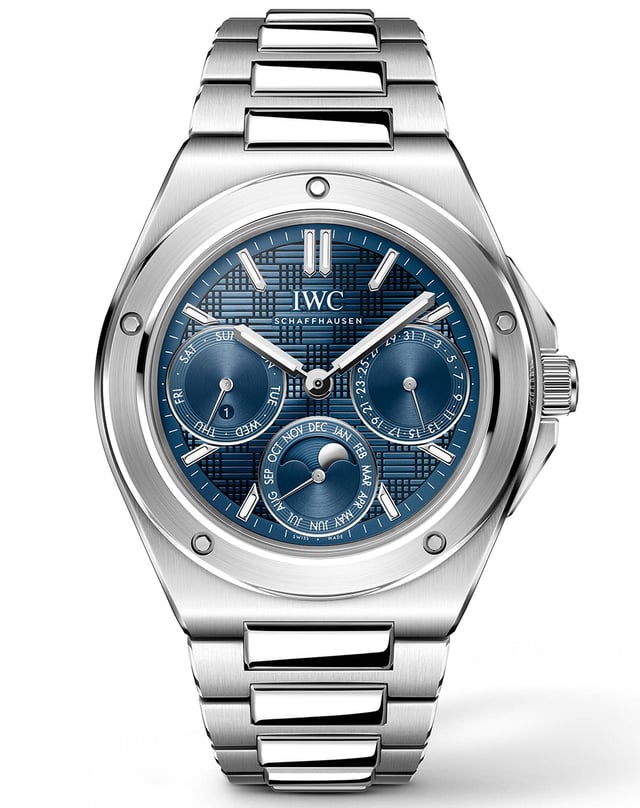
(Major) complications must also not be missing from one's own collection.
IWC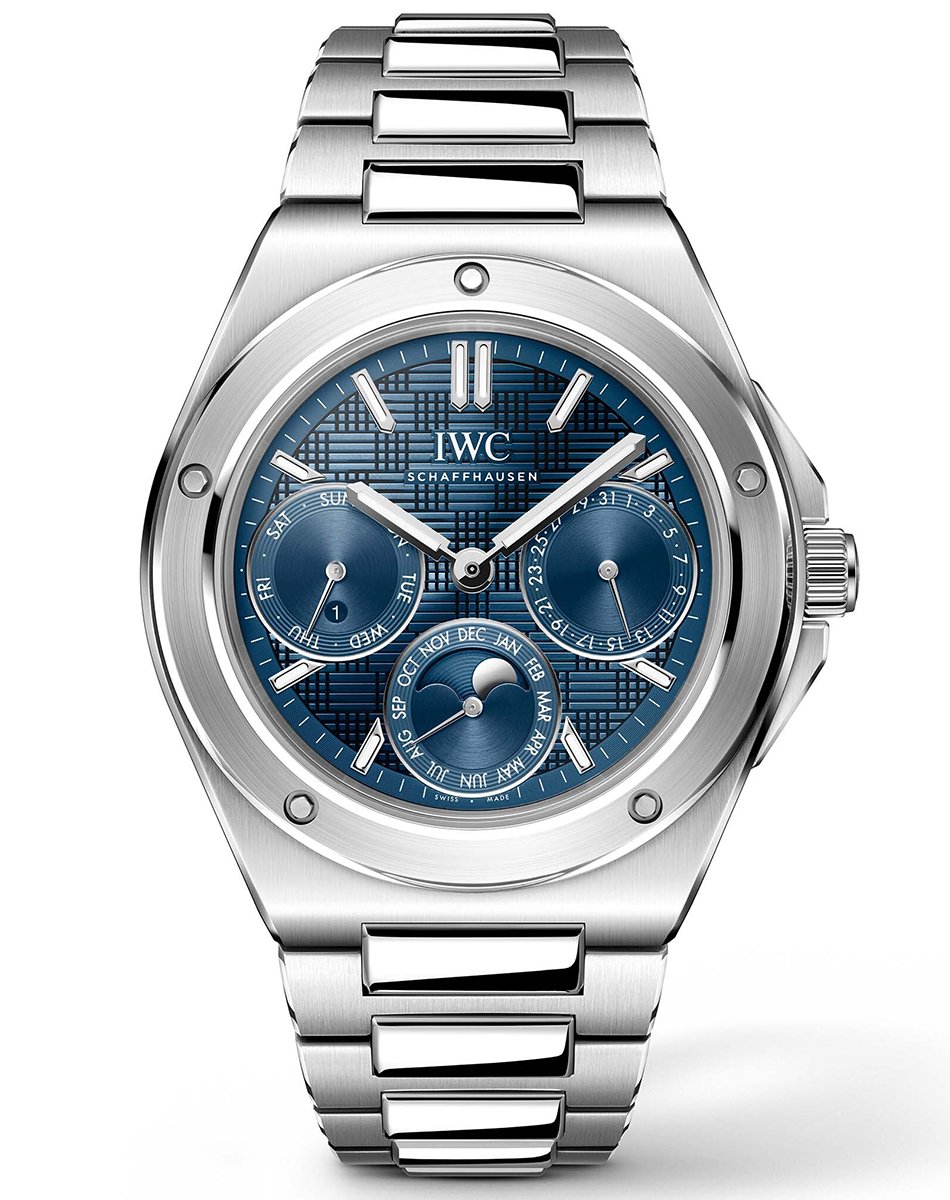
Phase 5: The Realization
Eventually, it arrives. Not the last watch, but the realization. It often comes unexpectedly: at a watch fair, or simply while strapping on a watch that hasn’t left the box in months. That’s when you realize collecting was never about owning as many watches as possible or checking every complication off the list. It was always about the stories.
The watch that reminds you of your first big trip. The one you bought after graduation. Your wedding watch. The piece that takes you back to your first watch fair, or the one you dreamed about for years before finally making it yours. Over time, your buying habits change as well. Once, every new release demanded your attention. Now, it’s surprisingly easy to scroll past most of them. The enthusiasm never fades; it simply becomes more selective.
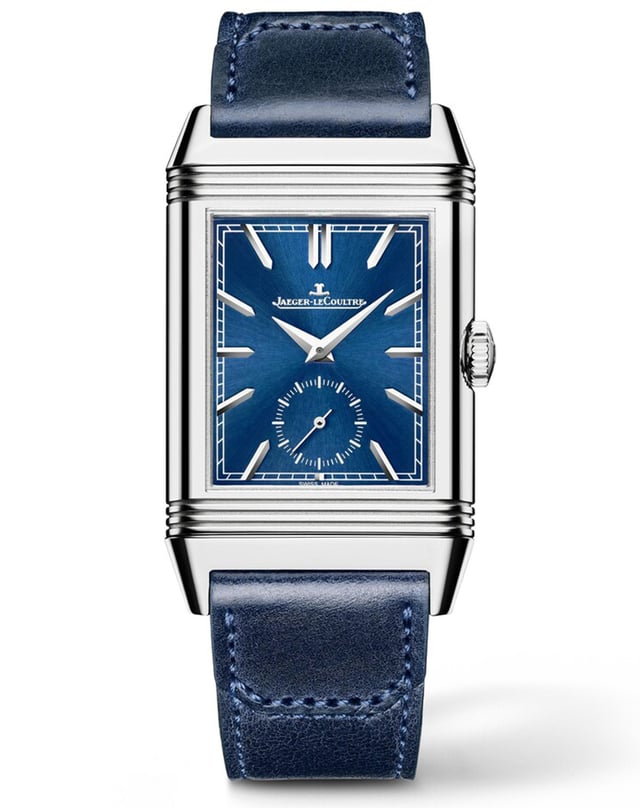
The individual significance of a watch is what really matters.
Jaeger-LeCoultre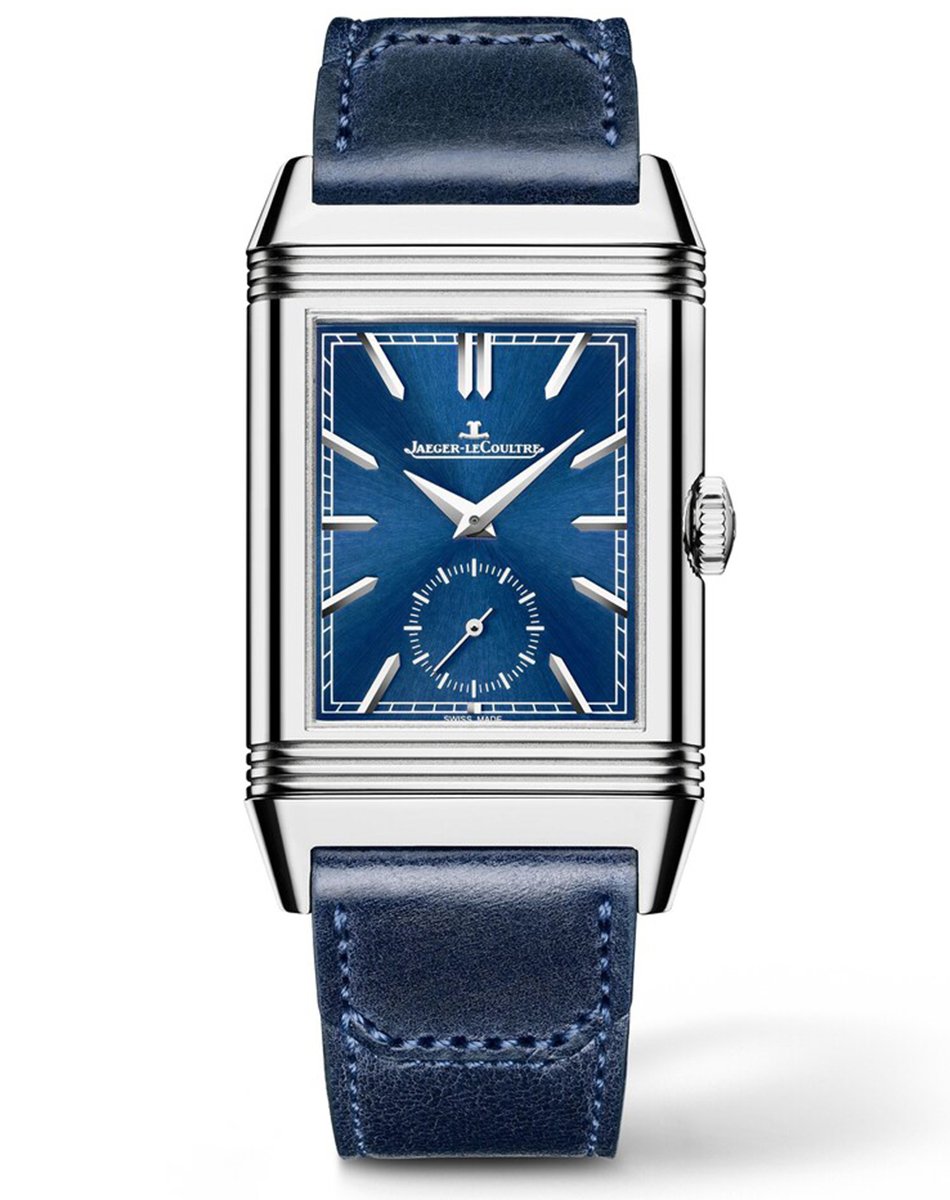
The Secret Sixth Phase: The Downsizing Realization
Officially, the journey ends here. Unofficially, there’s one more stage that few collectors care to admit. It usually begins with a simple declaration: “I want to downsize my collection.” A simple plan. Really. So you sell one watch. Maybe even two. You feel organized, structured, and minimalist. Then you notice the empty slot in the watch box. “Something blue would look good there.” Or titanium. Or a watch with a small-seconds display. Maybe the collection still needs a perpetual calendar. Or a vintage Heuer.
Before long, you’re browsing dealers’ websites again, strictly for research, of course. Pure market observation. You might even set up a couple of search alerts. Just to be safe. Every collector eventually discovers the same truth: a mechanical watch tells far more than time. It tells the story of its creation, the story of the brand behind it, and, ultimately, the story of the person who wears it.
That’s why a collection is never truly complete. It simply evolves. Some watches arrive, while others leave. A few remain for a lifetime; others stay only for a season. And with every watch, the collector evolves as well. Perhaps that’s the greatest reward of this hobby: not building the perfect collection, but enjoying the journey that never really ends.
This article was first published by WatchTime Germany.