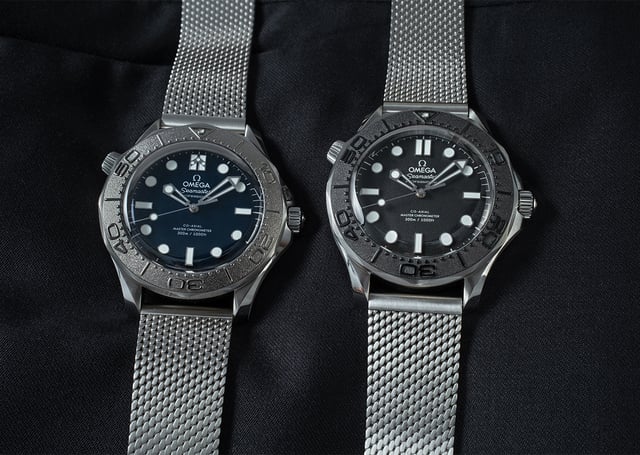
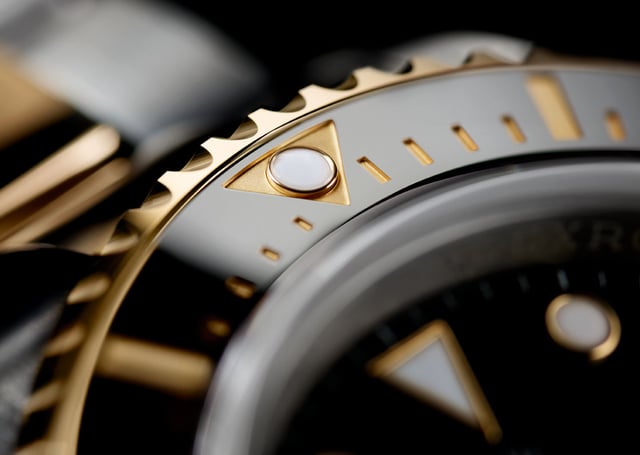
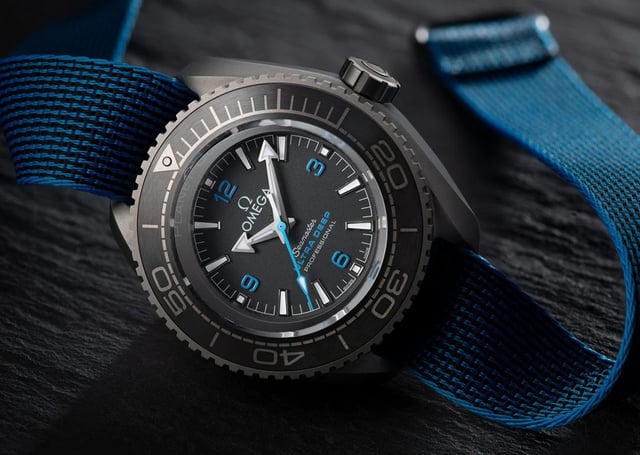
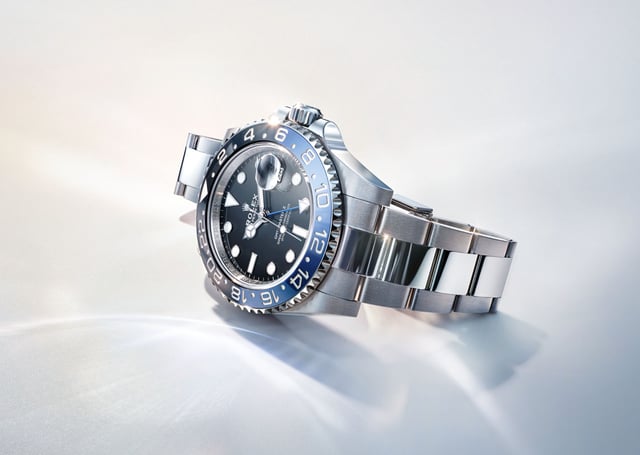
From timing dives and tracking additional time zones to calculating fuel consumption, rotating watch bezels perform a remarkable range of practical functions.
From the 1894 Omega caliber and the first Seamaster to the Moonwatch, Co-Axial escapement, Master Chronometer, and Ultra Deep, these are 14 defining Omega milestones.
From Citizen and Longines to Tudor, Omega, and Vacheron Constantin, these seven traveler-GMT watches offer compelling alternatives to the Rolex GMT-Master II.
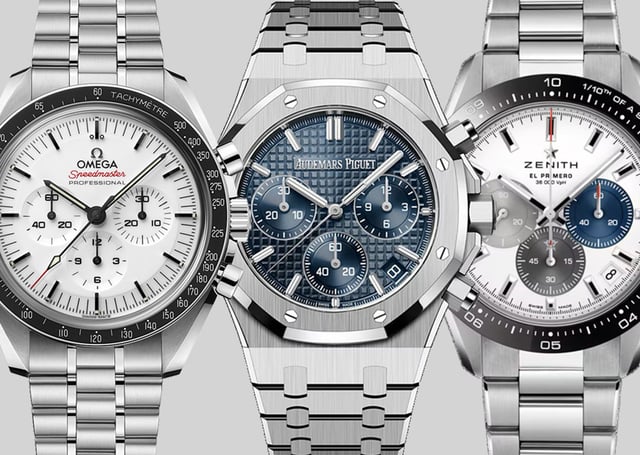
The Rolex Daytona is one of the world’s most desirable sports chronographs, but compelling alternatives from Omega, Zenith, Breitling, and others offer plenty of competition.
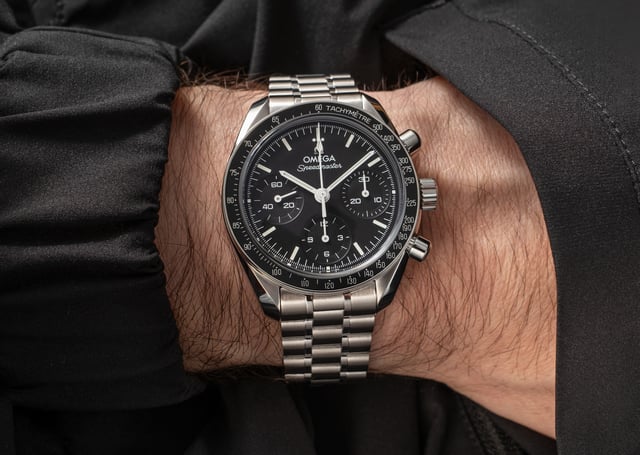
The latest updates to the Omega Speedmaster 38 aren’t groundbreaking, but round subdials, revised proportions, and other Moonwatch-inspired details make the automatic “Speedy Reduced” more enthusiast-friendly.
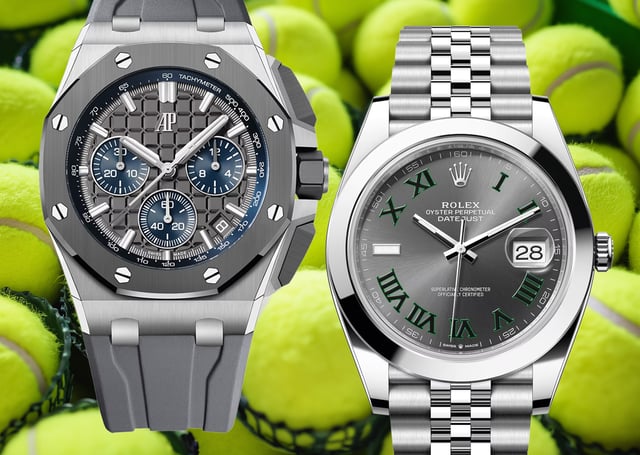
From Rolex and Richard Mille to Omega and De Bethune, these seven sports watches bring lightweight construction, shock resistance, and serious performance to the US Open.
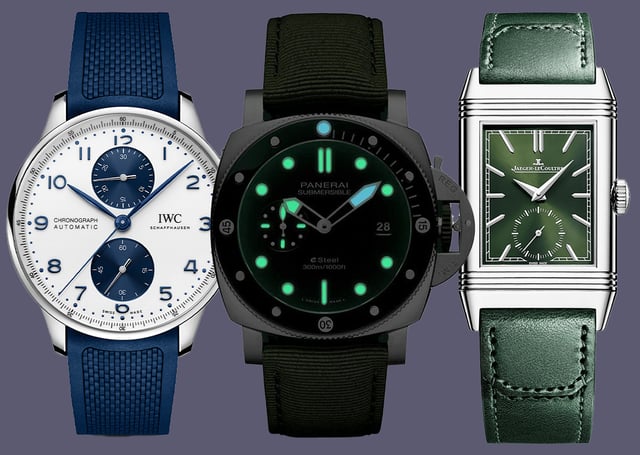
From a Panerai dive watch and IWC chronograph to a Jaeger-LeCoultre Reverso, Omega Worldtimer, and independent wildcard, here is how to build a versatile five-watch collection for under $50,000.
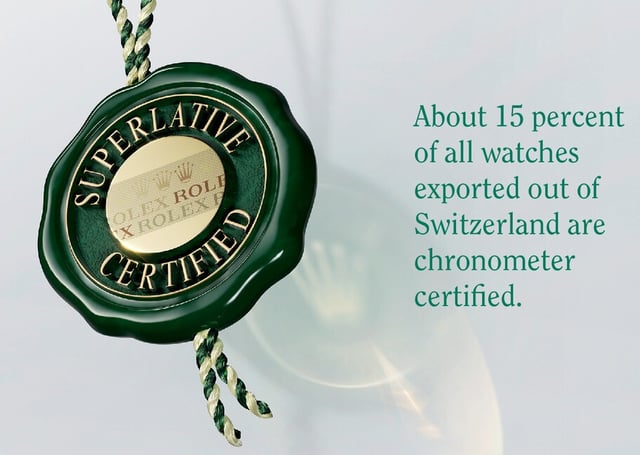
Certifications and quality seals have long been used to safeguard reputations, certify precision, and communicate excellence in watchmaking. From chronometer standards to regional marks of distinction, here’s a look at what these credentials really mean — and why not every brand uses them.
The Rolex Submariner is the world’s most famous dive watch, but compelling alternatives from Omega, Tudor, TAG Heuer, and others range from accessible to decidedly luxurious.
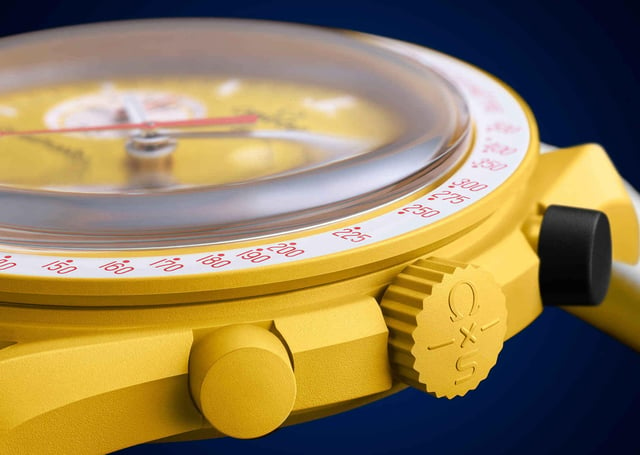
Swatch and Omega mark the August 2026 solar eclipse with a new MoonSwatch — a small, deliberate update to a watch that's become an institution in its own right.