Rotating Watch Bezels: A Guide to Their Many Uses
Everything you need to know about the rotating bezel
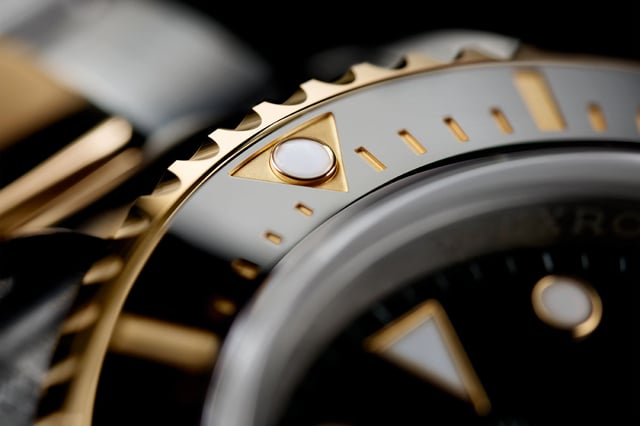
The rotating bezel is a small complication that belongs to the case rather than the movement. Depending on its markings, it can provide a variety of useful information, which explains why it appears on such different types of watches, from divers and pilot’s watches to GMT models and world timers.
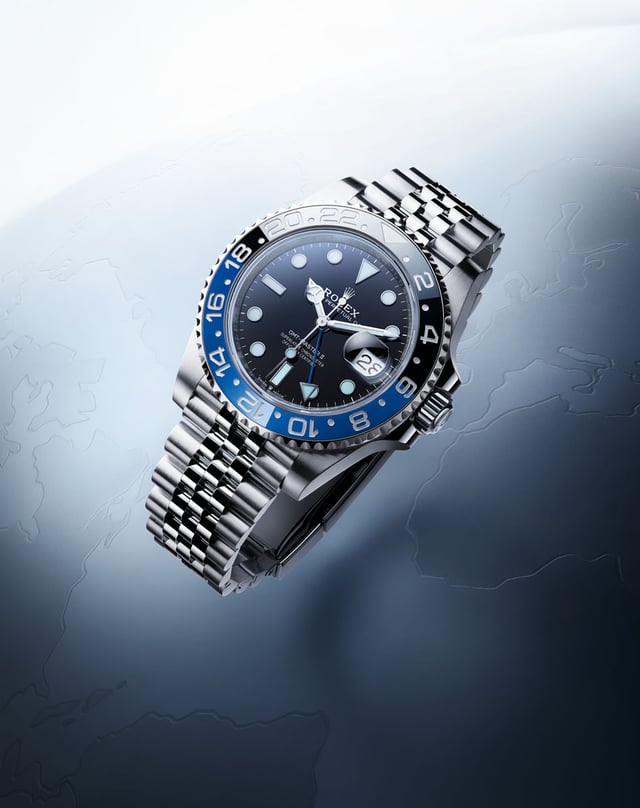
Rolex: GMT-Master II Ref. 126710BLNR with black-blue bezel
Rolex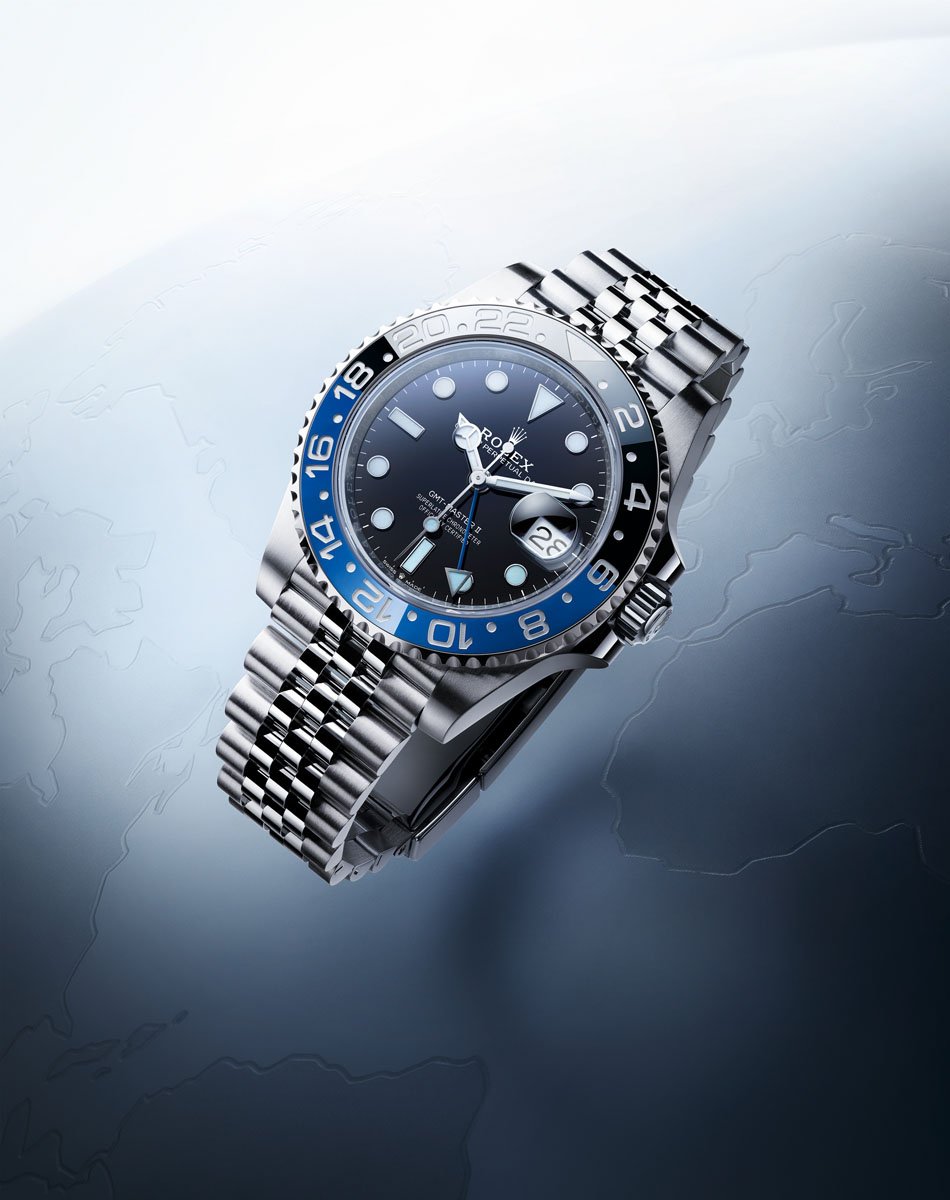
The Rotating Bezel on GMT Watches
On a GMT watch, a second time zone is typically displayed on a 24-hour scale read by a dedicated GMT hand. Sometimes that scale is fixed, but more often it appears on a rotating bezel. The best-known example is the Rolex Oyster Perpetual GMT-Master II. Developed in 1954 and launched as the GMT-Master the following year, the watch was designed with long-haul pilots in mind and adopted by Pan Am for its crews. It soon became one of the most popular and iconic dual-time watches ever made. Its adjustable 24-hour bezel allowed the wearer to read a second time zone. In 1982, Rolex followed with the GMT-Master II and a newly developed movement that allowed the local hour hand to be adjusted independently. For travelers crossing time zones, the advantage is obvious: only the hour hand needs to be moved to display the new local time. The minute hand continues running during the adjustment, so the precise time is not lost.
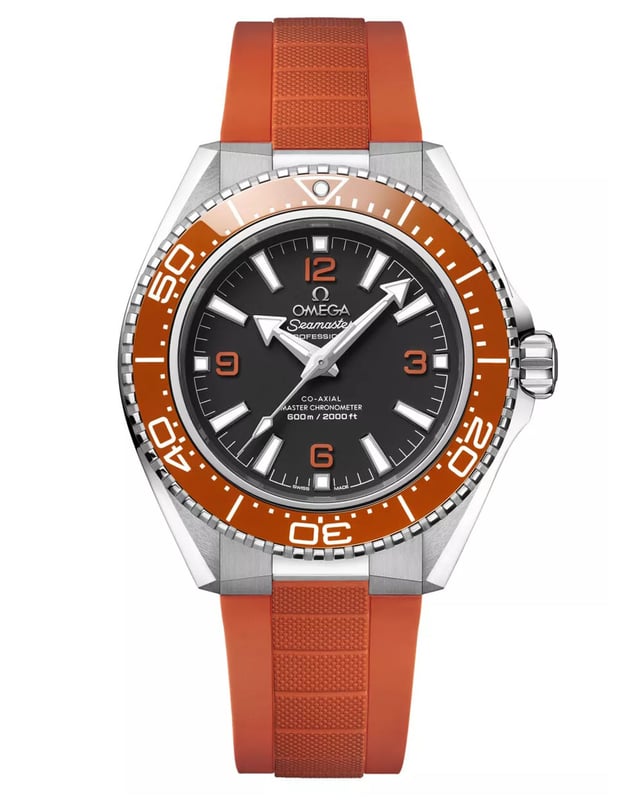
Unidirectional rotating diver's bezel with minute markings: Omega Seamaster Planet Ocean 600M
Omega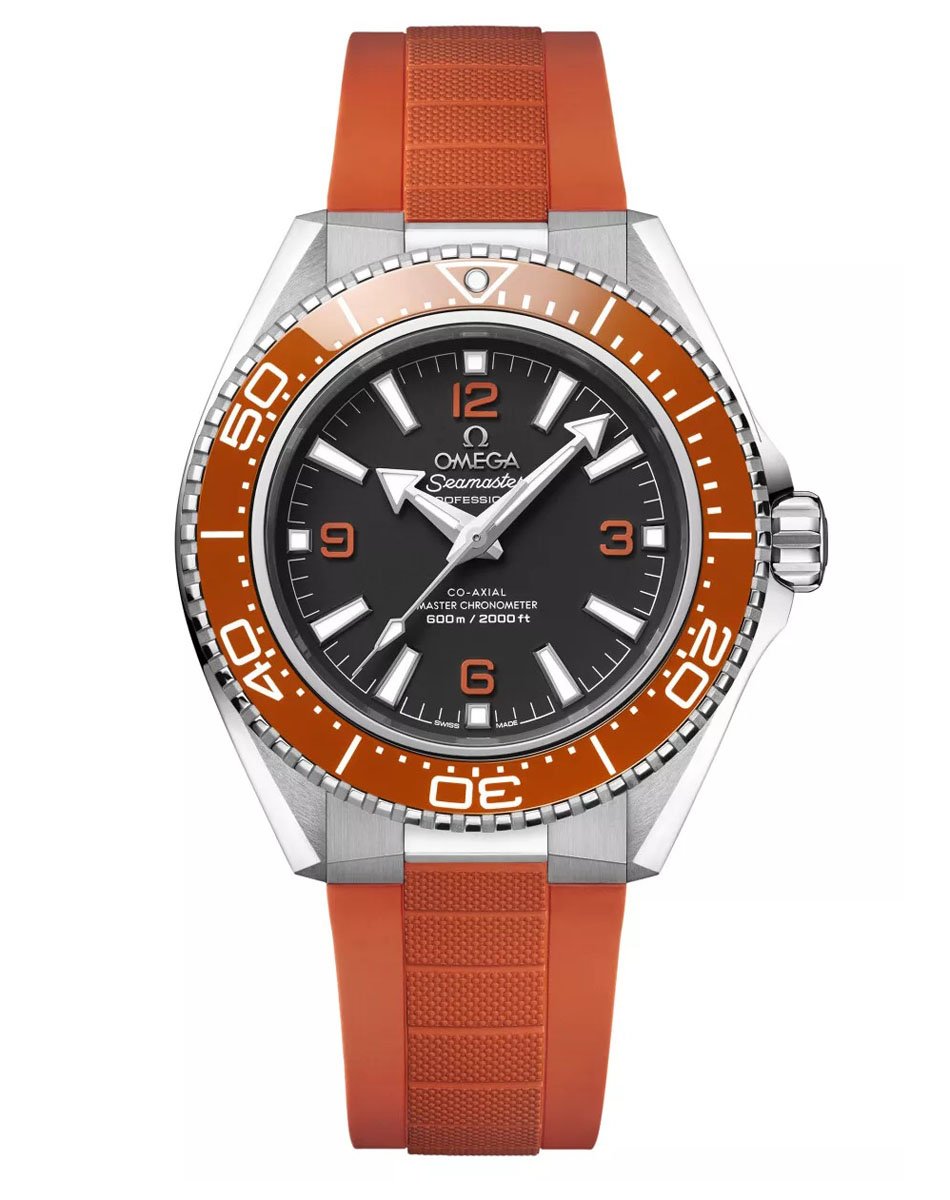
The Rotating Bezel on Dive Watches
On a dive watch, a rotating bezel is an essential feature. Its function is straightforward: at the start of a dive, the diver turns the bezel until the zero marker (usually highlighted with luminous material) aligns with the minute hand. From that point on, the bezel provides an immediate indication of how long the diver has been underwater. For this reason, most dive-watch bezels feature minute markings for at least the first 15 minutes, followed by markers at five-minute intervals. Some are graduated for the full 60 minutes.
Protection Against Accidental Adjustments, Example 1: The Unidirectional Bezel
On deeper or longer dives, knowing the elapsed time is essential. Depending on the depth and duration, a diver may need to control the ascent carefully to reduce the risk of decompression sickness. Beyond certain depths and durations, a diver cannot simply return to the surface too quickly without risking health problems. To prevent the bezel from being moved accidentally, dive-watch manufacturers have developed a number of safety mechanisms. By far the most common is the unidirectional rotating bezel. It can only be turned counterclockwise. If the bezel is knocked out of position, it can therefore only make the elapsed dive time appear longer, prompting the diver to surface earlier rather than later.
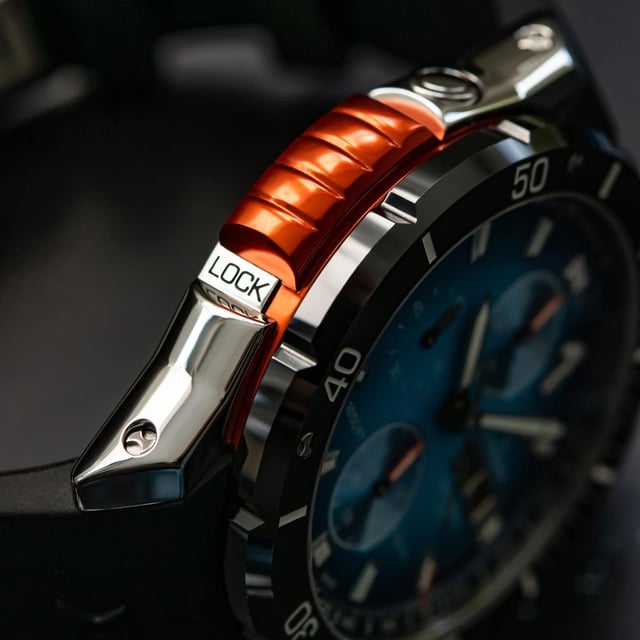
Edox: C-01 Chronograph Automatic with Bezel Lock
Edox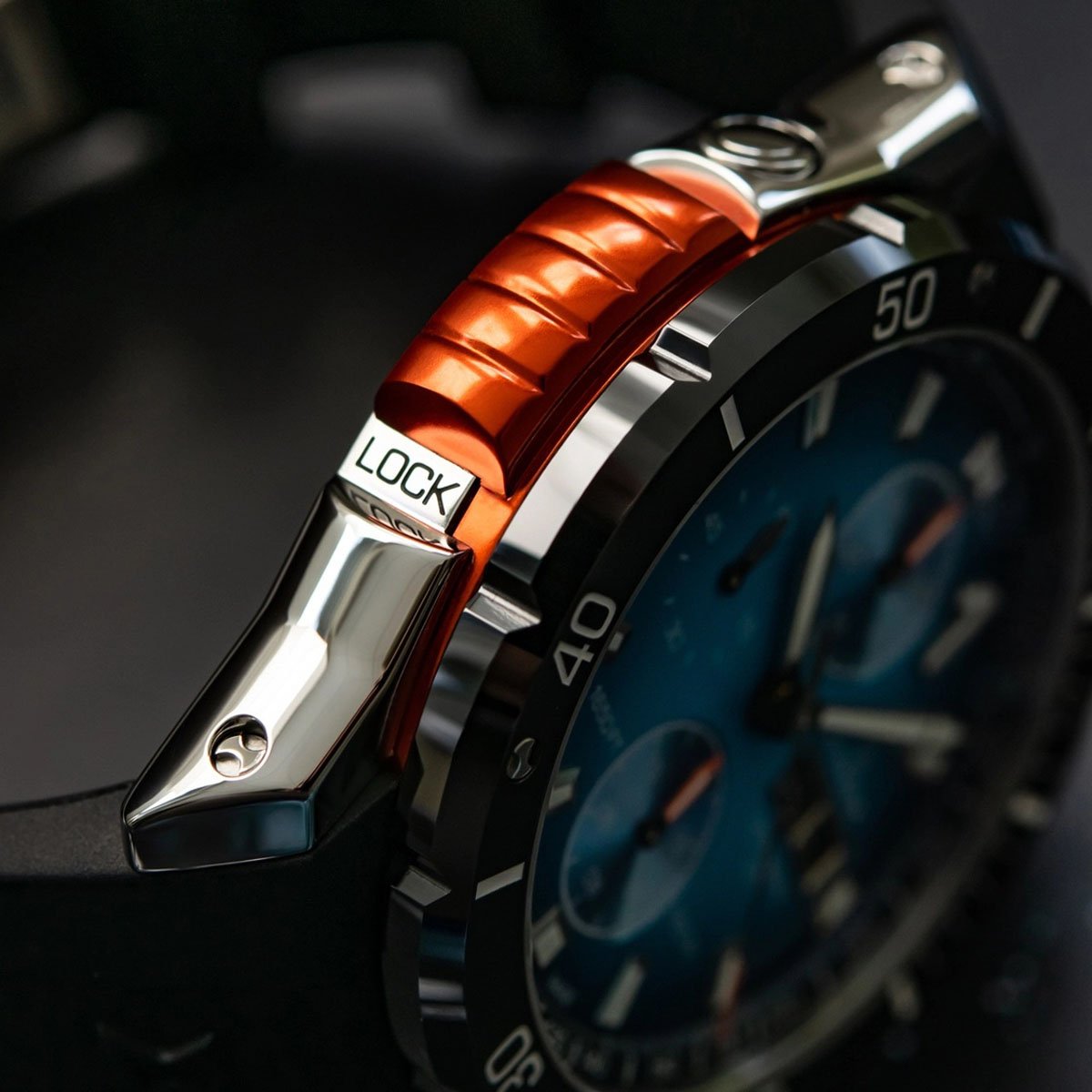
Protection Against Accidental Adjustments, Example 2: The Locked Bezel
Some brands use a different safeguard by physically locking the bezel. Before it can be turned, the locking mechanism must first be released. The Edox CO-1 Chronograph Automatic, for example, features a dedicated bezel lock that has to be disengaged before the bezel can be adjusted.
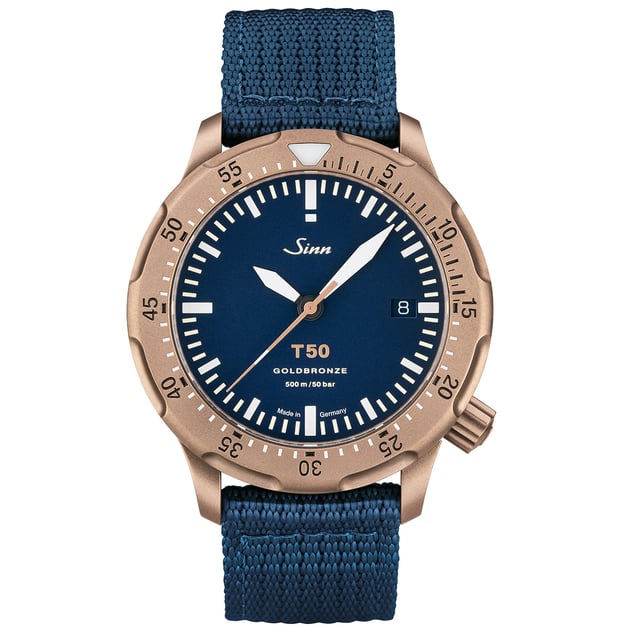
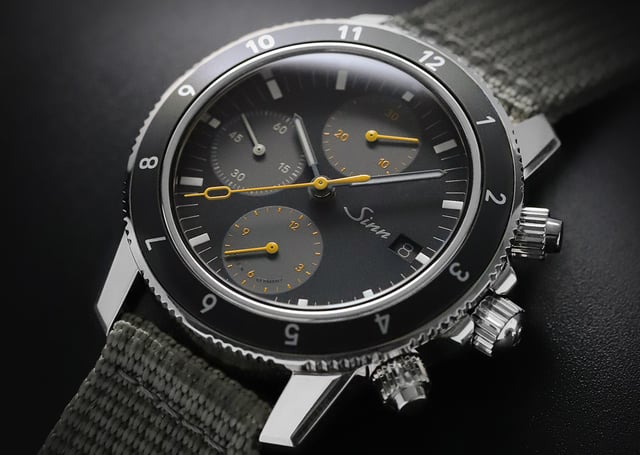
Sinn: T50 Gold Bronze
SinnFor Sinn Spezialuhren, the principle is simple: “press first, then turn.” On the T50 series, the brand’s “captive” bezel is not merely snapped onto the case in the conventional way. Instead, it is secured by lateral screws so that it cannot pop off if the watch takes a hard knock. To rotate the bezel, the wearer must first press it down, providing an additional safeguard against accidental movement. Richard Mille uses a similar approach. The luxury watchmaker equips the unidirectional bezel of its RM 032 dive watch with a comparable safety mechanism: to rotate it, the wearer must press the large pushers at the 0- and 30-minute positions simultaneously.
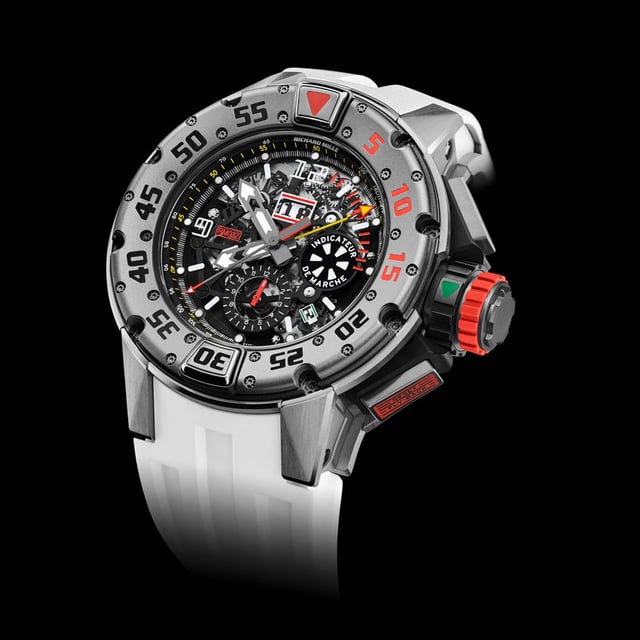
Richard Mille: RM 032 Chronograph Automatic Flyback
Richard MilleThe Internal Rotating Bezel
The alternative to an external rotating bezel is an internal rotating ring. It is far less common, but a number of watches, especially dive watches, still use this approach. Sherpa, for example, equips its Ultradive and OPS models with an internal bezel that is adjusted via a second crown.
For any dive watch, the bezel should be easy to grip and operate even while wearing gloves.
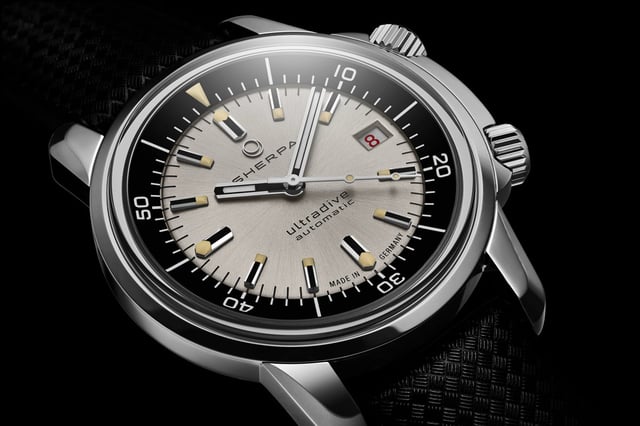
Sherpa: Ultradive Moon Tuxedo with internal rotating bezel
Sherpa Watches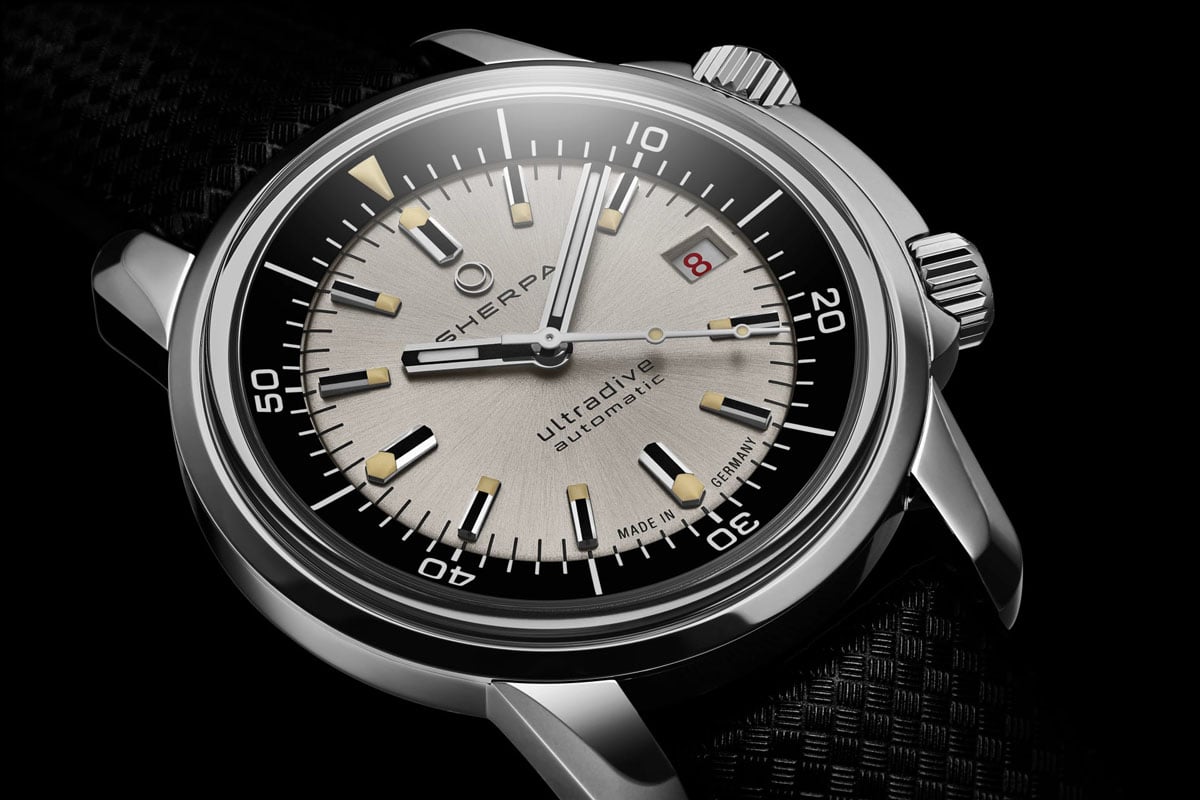
The Rotating Bezel on Pilot's Watches
Pilot’s watches are the second most common category to feature a rotating bezel. Here, the bezel is generally designed to turn in both directions. Pilots flying under visual flight rules can use the additional minute scale as a simple navigation aid: at takeoff, the zero marker is aligned with the minute hand, allowing the bezel to track elapsed flight time. If a planned route calls for a change of direction after, say, 13 minutes at a particular landmark, the bezel makes it easy to see when it is time to start looking for visual reference points. A chronograph is less practical for this purpose, since a small subdial is much harder to read at a glance than the central minute hand of a pilot’s watch.
Early historical pilot’s watches often had no minute scale on the bezel at all, but only a single marker, usually red. Today, retro-inspired models such as the Hanhart 417 ES 1954 Flyback faithfully revive that design. Others, including the new Laco Köln, use rotating bezels with full minute graduations.
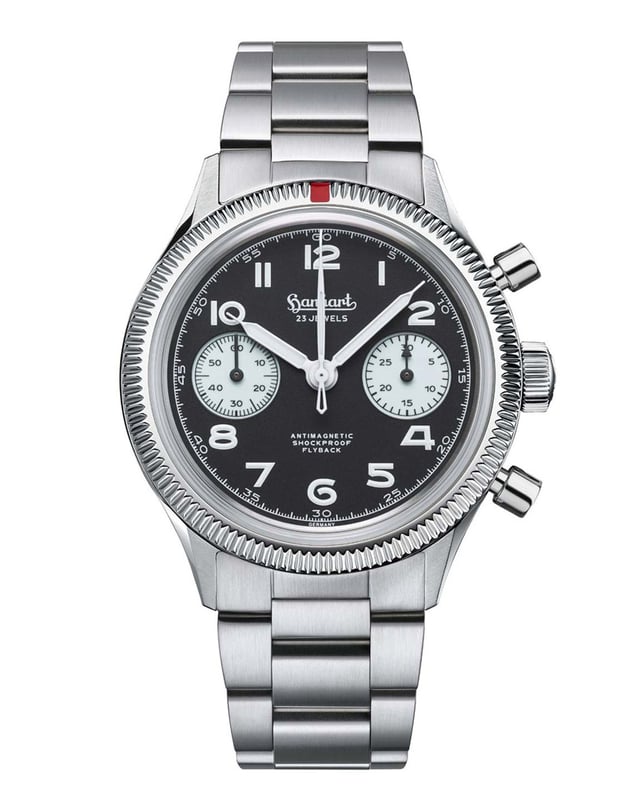
Hanhart: 417 ES Flyback 39 Reverse Panda with steel bracelet
Hanhart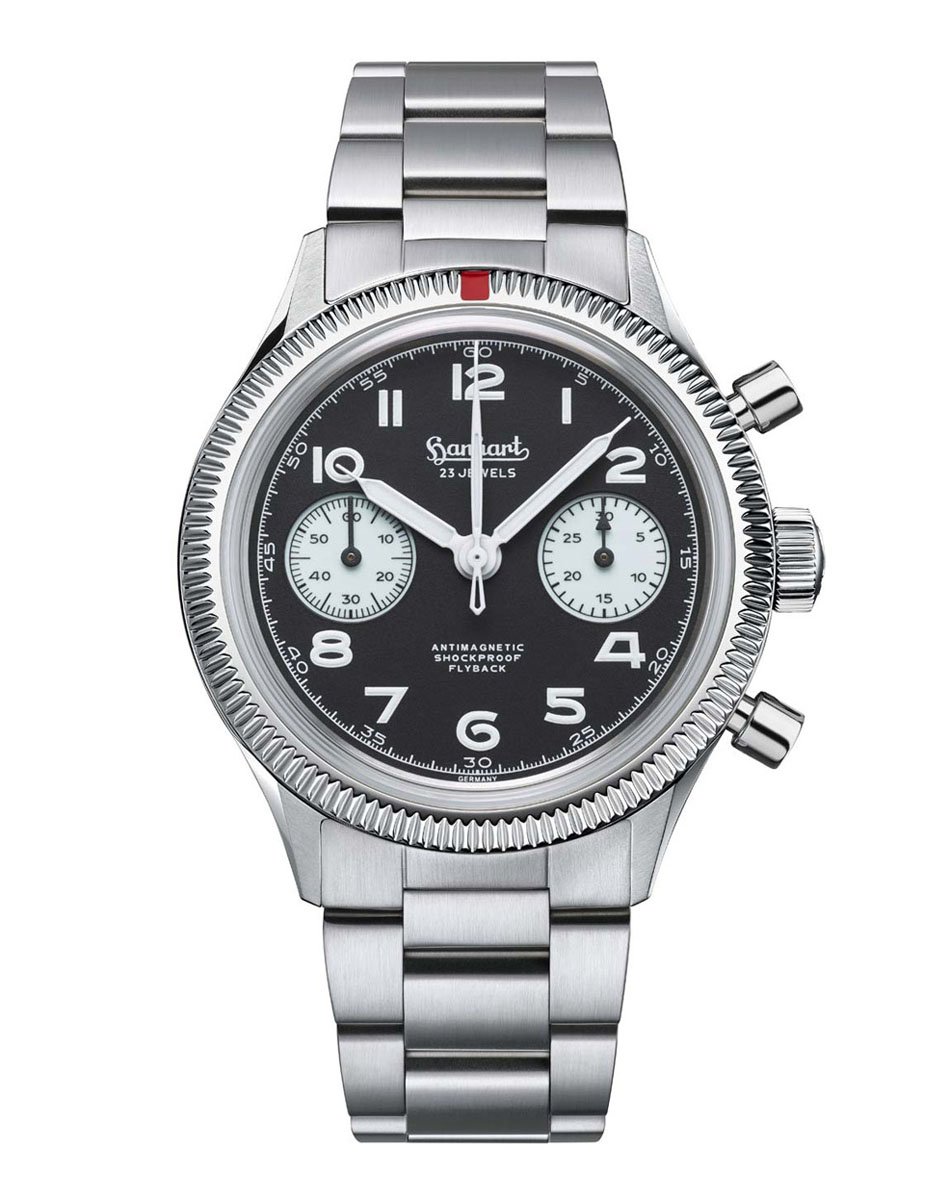
The Rotating Bezel as a Countdown Scale
When the minute scale on a bezel runs in reverse, it is known as a countdown bezel. Counting down to a predetermined zero point is particularly useful in military operations. The Blancpain Air Command Chronograph, like the original version developed for military use in the late 1950s, features a knurled rotating countdown bezel. Other examples of chronographs with countdown bezels include the Tudor Pelagos FXD Chrono and the Laco Atacama.3.
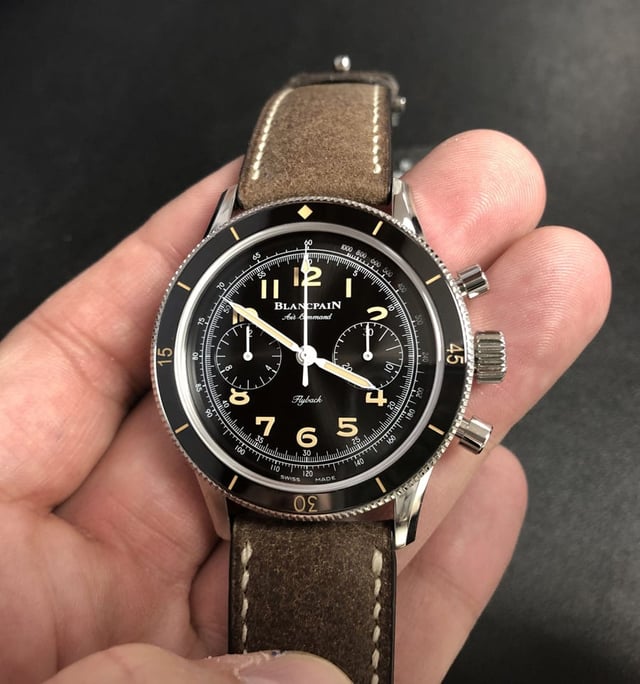
Blancpain: Air Command Chronograph
BlancpainThe Rotating Bezel for Unit Conversion
Before the world became fully digital, rotating bezels also played an important role in unit conversion. The best-known example is Breitling’s slide-rule bezel. Breitling introduced it in 1941 with the Chronomat. Pilots could use it to perform practical calculations such as ground speed, average speed, fuel consumption, or rate of descent.
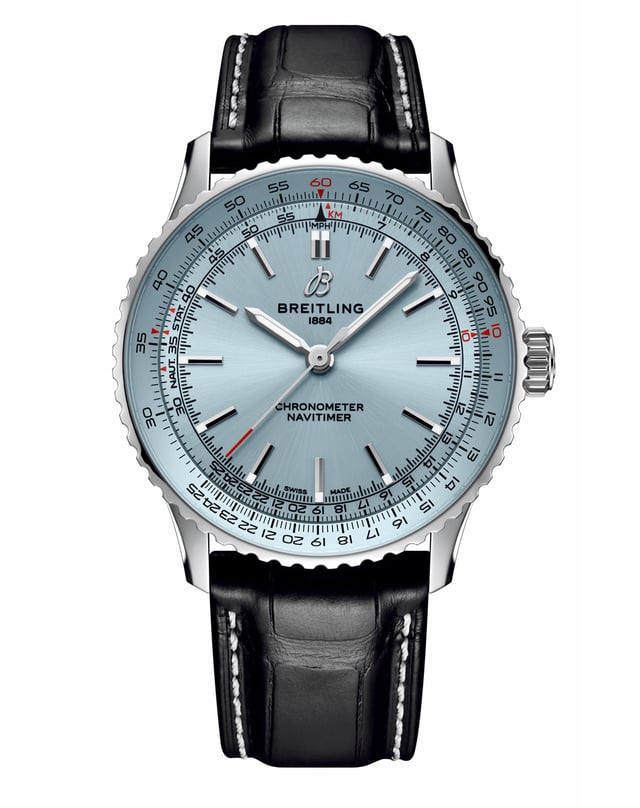
Breitling: Navitimer Automatic 41 with slide rule bezel
Breitling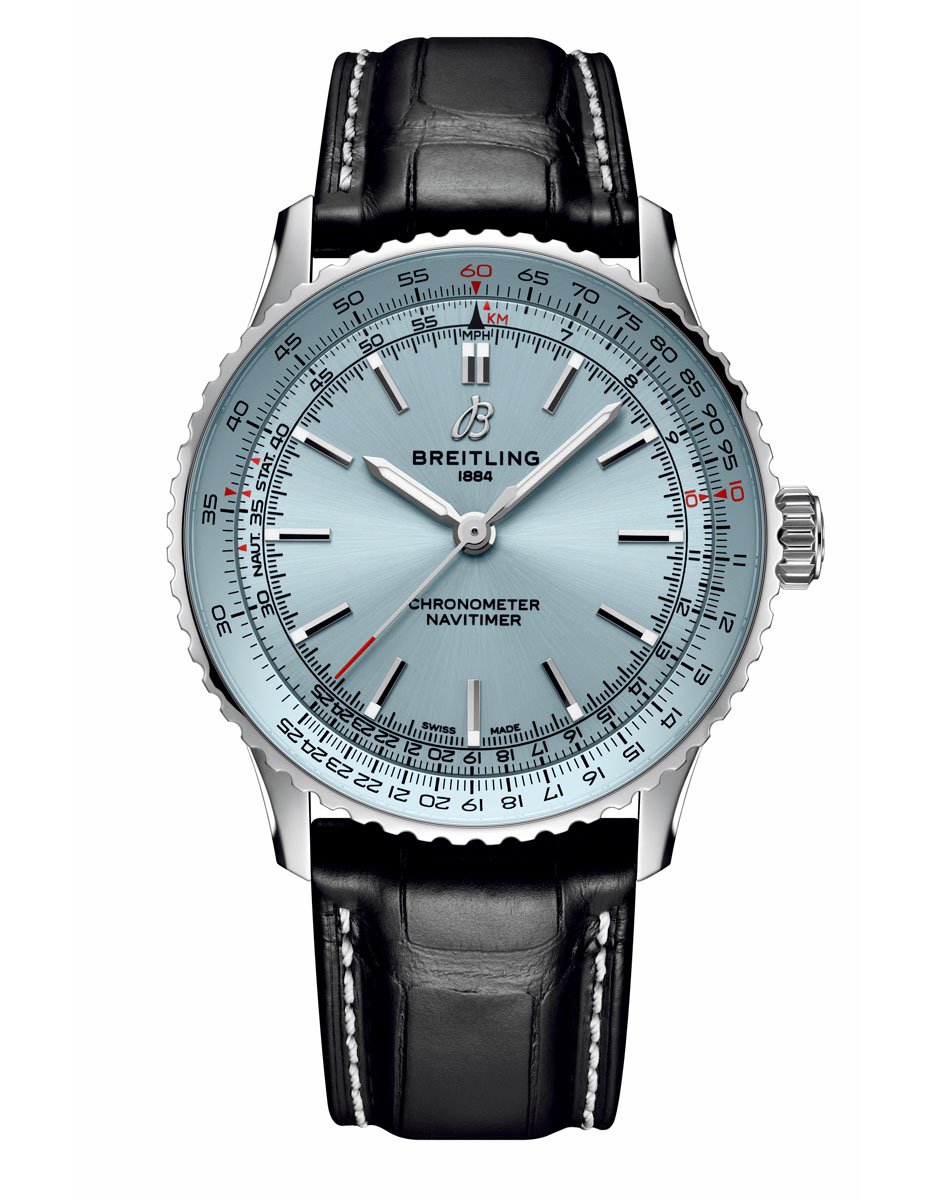
The basic principle is that two of three variables must be known. For example, if flight time and fuel consumed are known, the consumption rate can be calculated. If the flight has lasted 145 minutes and 27.5 liters of fuel have been used, the outer bezel is rotated so that 27.5 aligns with 14.5 on the inner scale. Above the arrow at 12 o’clock, the outer scale then shows 11.3: the average fuel consumption is then 11.3 liters per hour. Other calculations are possible in the same way, provided the conversion ratio is known. If, for example, one currency is worth 1.7 times another, 17 on the outer scale can be aligned with 10 on the inner scale, allowing prices to be converted all the way around the dial.
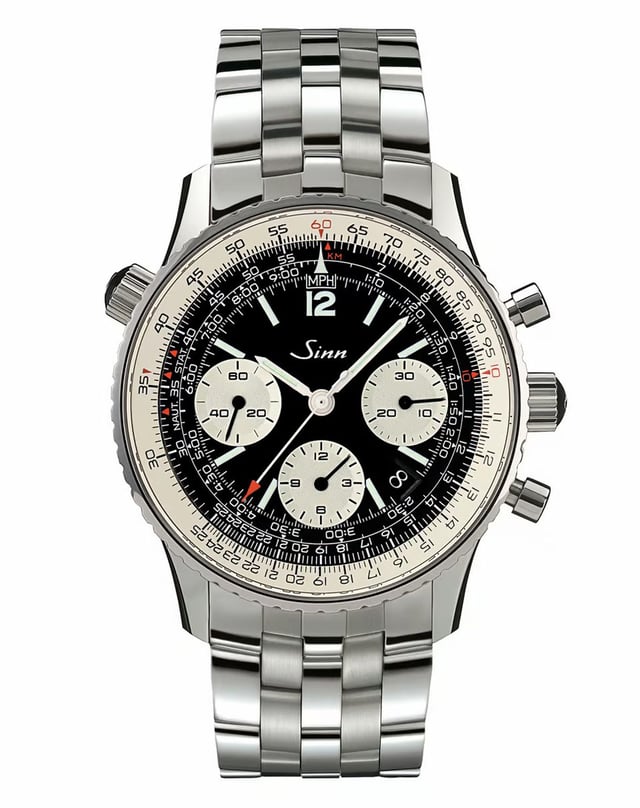
Sinn: 903 Pcs
Sinn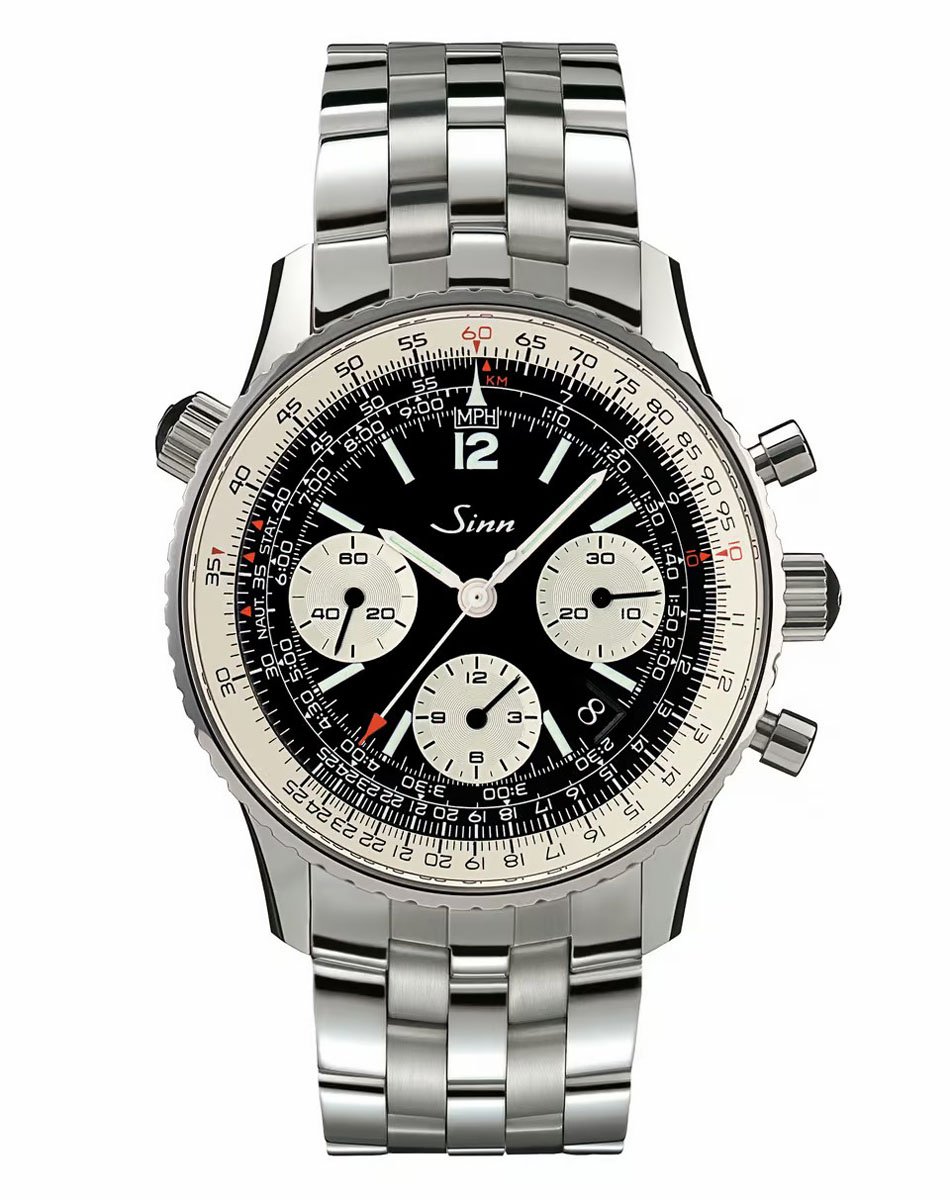
Chronographs with slide-rule bezels are not exclusive to Breitling. In 1979, when Breitling was facing serious financial difficulties, Willy Breitling sold machinery, dials, and Navitimer design rights to Helmut Sinn. This allowed Sinn to produce watches based on the Navitimer design as well. The naming rights, however, went to Sicura, owned by Ernest Schneider, who would become Breitling’s new owner in 1982. Sinn therefore had to give its version a different name: it became the Reference 903. The Sinn 903 is still available today, complete with a dial design rooted in the historic Navitimer.
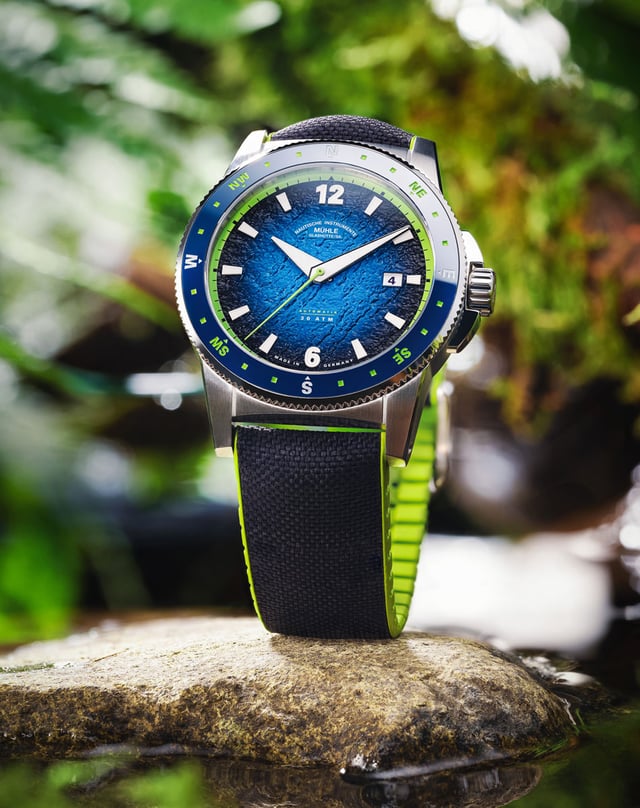
Mühle-Glashütte: Sportivo Compass Date
Mühle-Glashütte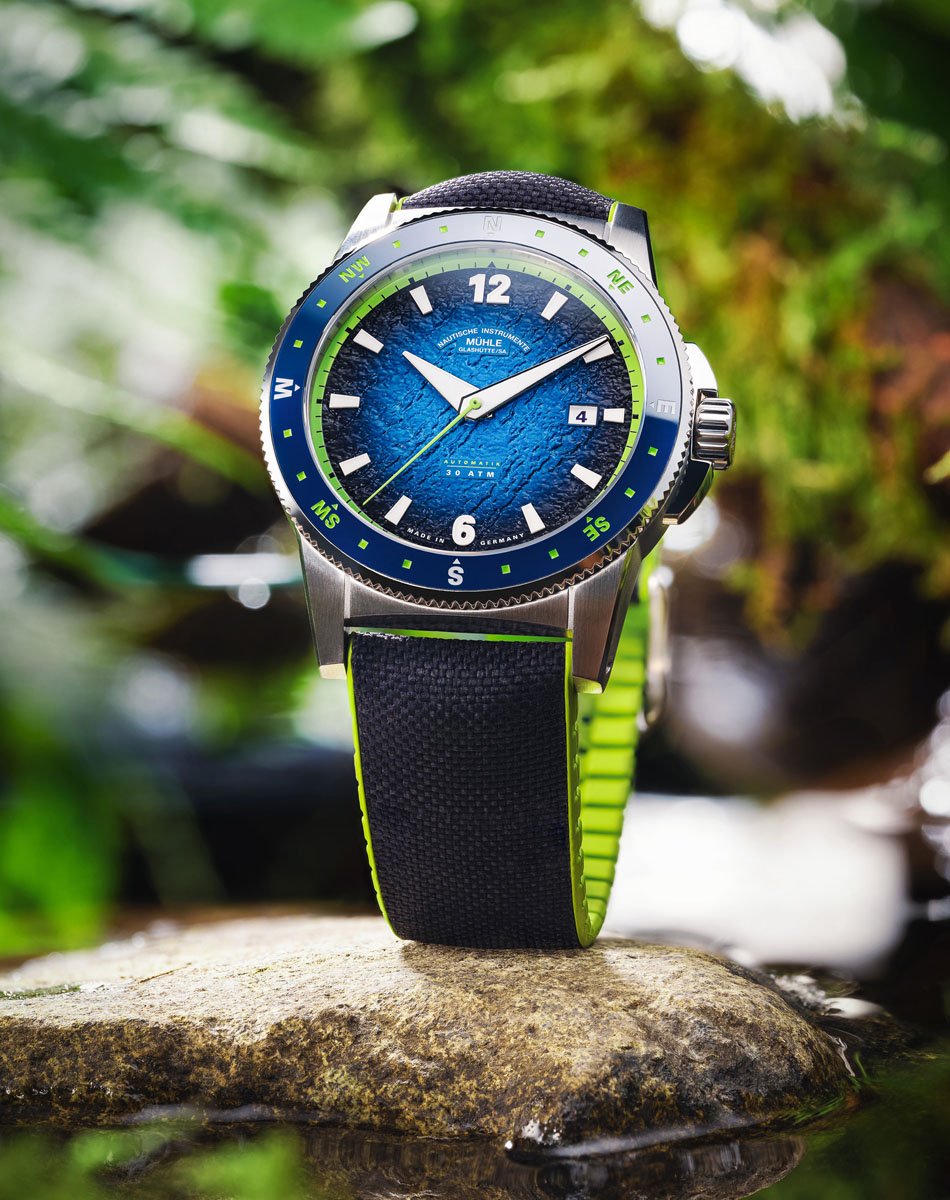
The Rotating Bezel as a Compass
Some watches feature bezels marked with compass directions. One example is the Mühle-Glashütte Sportivo Compass Date. To determine direction, the watch is best held flat and parallel to the ground, with the hour hand pointing toward the sun. The compass bezel is then rotated until the south marker sits halfway between 12 o’clock and the hour hand. The remaining cardinal directions can then be read directly from the bezel.
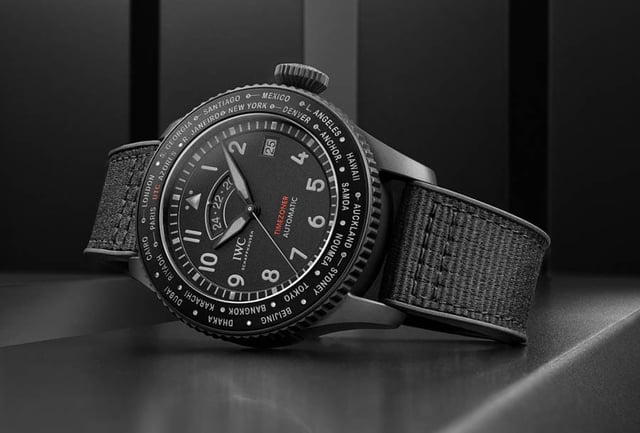
IWC Pilot’s Watch Timezoner Top Gun Ceratanium
IWCThe Rotating Bezel on World-Time Watches
Some world-time watches also use rotating bezels. On the IWC Pilot’s Watch Timezoner Top Gun Ceratanium, for example, the wearer selects the desired time zone by turning the bezel, after which the hour hand and 24-hour display adjust accordingly. An alternative to a conventional bezel that rotates freely by hand is an internal city ring that advances from one time zone to the next in fixed steps. On the Nomos Glashütte Club Sport Neomatik Worldtimer, for instance, the ring carrying 24 city names, represented by the three-letter IATA airport codes, is advanced to the next position with a pusher. On other world-time watches, such as the Frederique Constant Classic Worldtimer, the crown is used instead to advance the rotating city ring.
This article was first published by WatchTime Germany.

Nomos Glashütte: Neomatik World Time
Nomos Glashütte