Current Day Excellence: Walking Through Glashütte, Part III
A history of watchmaking in Glashütte
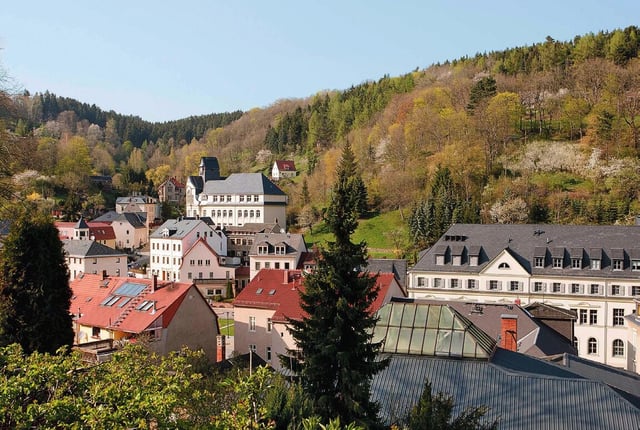
As Glashütte still lacks a hotel, it is best to stay in Dresden when you want to explore the village. While Allied bombing raids leveled the entire historic center of this once-royal city during World War II, it has been rebuilt with dedication and precision. The city center is charming, and staying there also allows you to visit the Neues Grünes Gewölbe (New Green Vault). In this remarkable museum, you can admire the famous Dresden Green Diamond, among other treasures. Another must-visit is the Semperoper, a spectacular opera house that also houses the famous “Five-Minute Clock,” which inspired A. Lange & Söhne to create its signature outsize date.
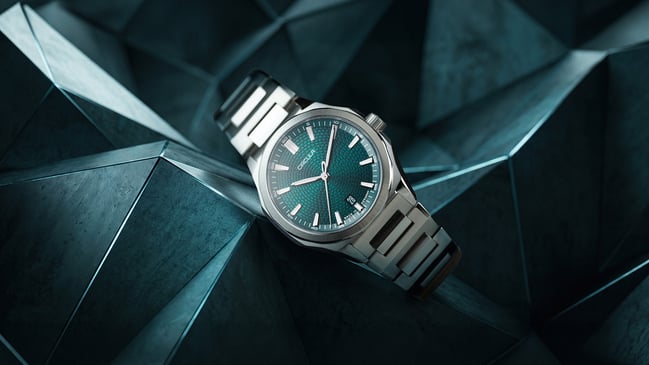
Nautische Instrumente Mühle-Glashütte has been a staple in town for six generations, and currently produces its watches in a state-of-the-art facility in Glashütte.
Mühle-Glashütte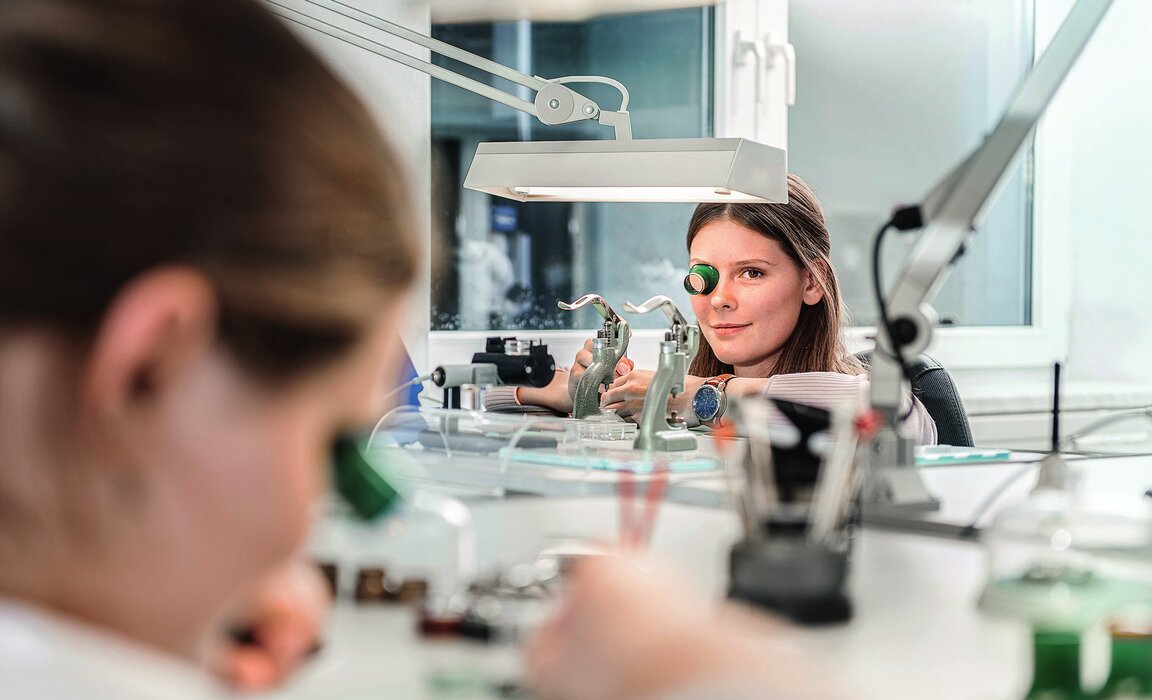
Staying in Dresden does mean that you have to drive into Glashütte, but that gives you the opportunity to travel through some of the most beautiful landscapes Germany has to offer. This tranquility is also an important ingredient for the watches made in Glashütte, as it greatly benefits the state of mind and sets the perfect scene for creating something as precise as a mechanical watch. The German Watch Museum is the ideal starting point for a visit to Glashütte. By recounting the village’s rich history, it sets the stage for everything that follows.
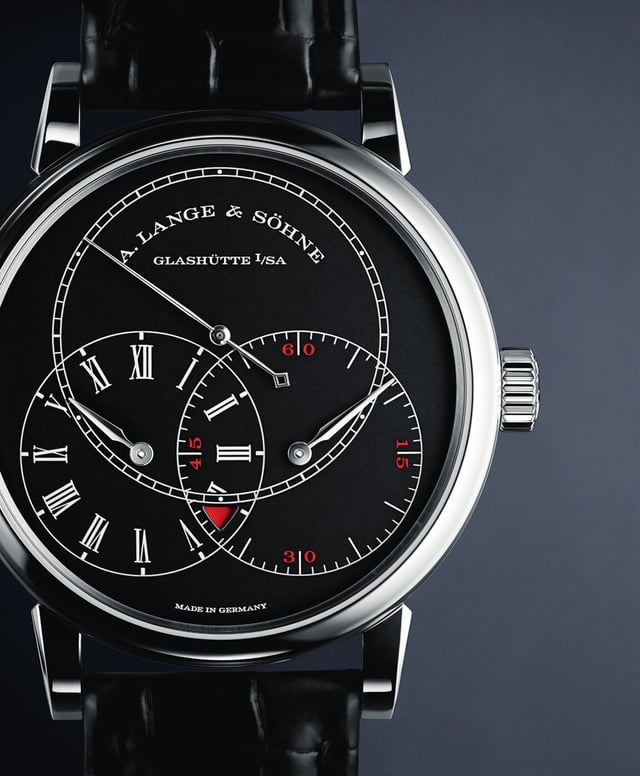
The Richard Lange Jumping Seconds by A. Lange & Söhne
A. Lange & Söhne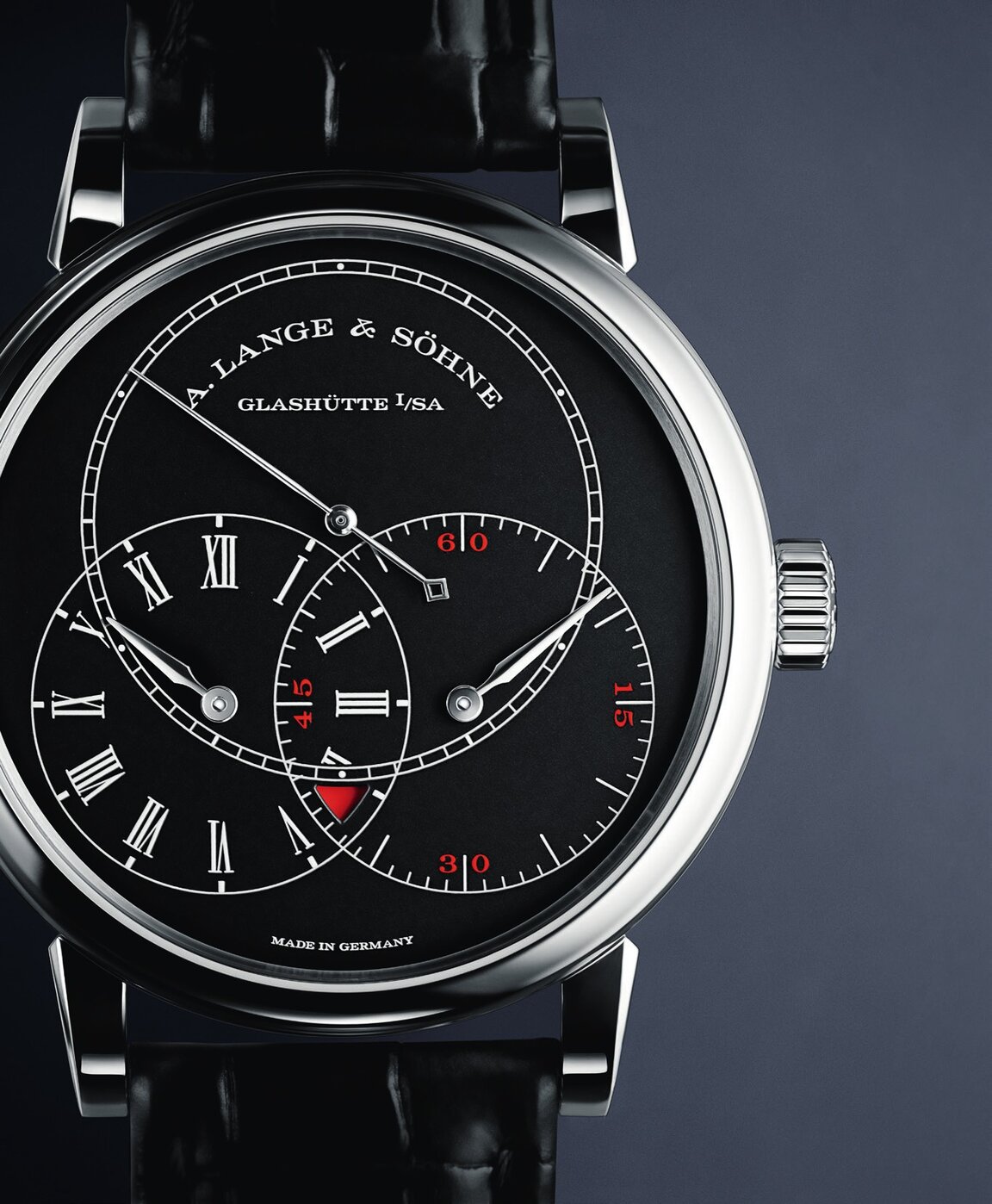
Walking along the Hauptstrasse, “Main Street” in German, toward Ferdinand Adolph Lange Platz, we pass the old manufacture of A. Lange & Söhne, which has been restored to its former glory. While it is now mainly an administrative building, newer additional facilities nearby continue to produce A. Lange & Söhne watches largely by hand. This includes models launched at the brand’s rebirth in 1994 as well as newer creations such as the renowned Zeitwerk. Certain collections even have dedicated workshops. Engravings—most notably those on Lange balance cocks—are executed in specialized ateliers. In a remarkably short period of time, A. Lange & Söhne has become an industry benchmark, and the same can be said of its neighbor across the street.
Nomos is located in Glashütte’s historic train station, one of several buildings the brand operates throughout town. Nomos is among the success stories born after the fall of the Berlin Wall opened new opportunities. Founded in 1990, the brand initially relied on outsourced movements but quickly evolved into a true manufacture. It has found a sweet spot—sufficient volume to satisfy demand and keep prices accessible, yet exclusive enough to remain firmly rooted in Glashütte tradition. Production blends high-tech machinery with significant manual labor. The only thing Nomos does not create in Glashütte is its design work, which is handled by Berlinerblau, the brand’s in-house creative agency in Berlin. From the classic Ludwig to the casual Club, the sporty Ahoi, and the luxurious Lambda, each model carries a clearly defined identity.
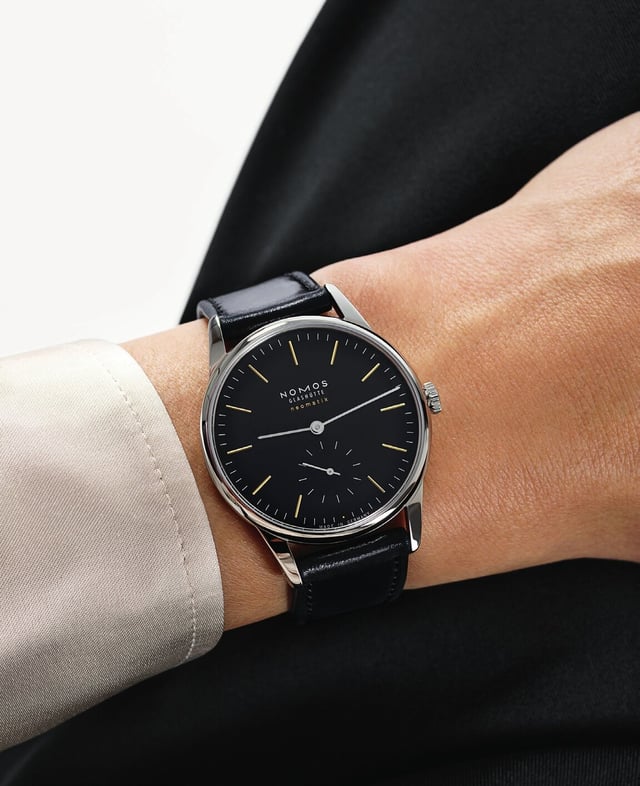
The Nomos Orion Neomatik
Nomos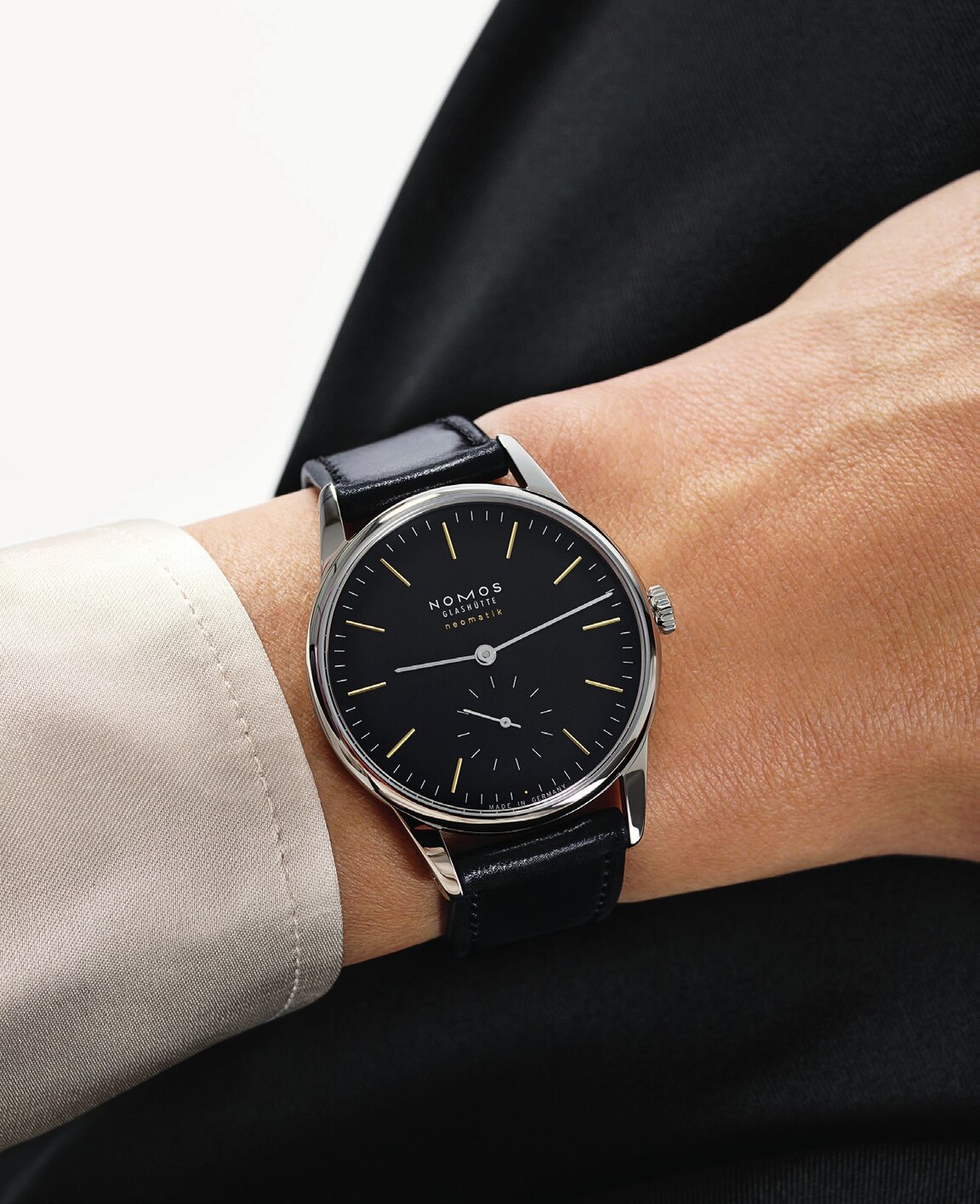
Tutima is also housed in a former railway building, specifically Glashütte’s old rail maintenance depot. Beautifully restored like many historic structures in town, it operates in parallel with Tutima’s manufacture in Ganderkesee, where the brand functioned during the Cold War. With a rich aviation heritage, many Tutima models draw inspiration from flight instruments, notably the Flieger and Grand Flieger collections. Yet the brand also offers a refined side through collections such as Patria and Tempostopp, celebrating haute horlogerie at its finest. A standout example is the Hommage minute repeater. This duality—tool watches alongside high complications—is common in Glashütte, where brands often balance utilitarian roots with horological ambition.
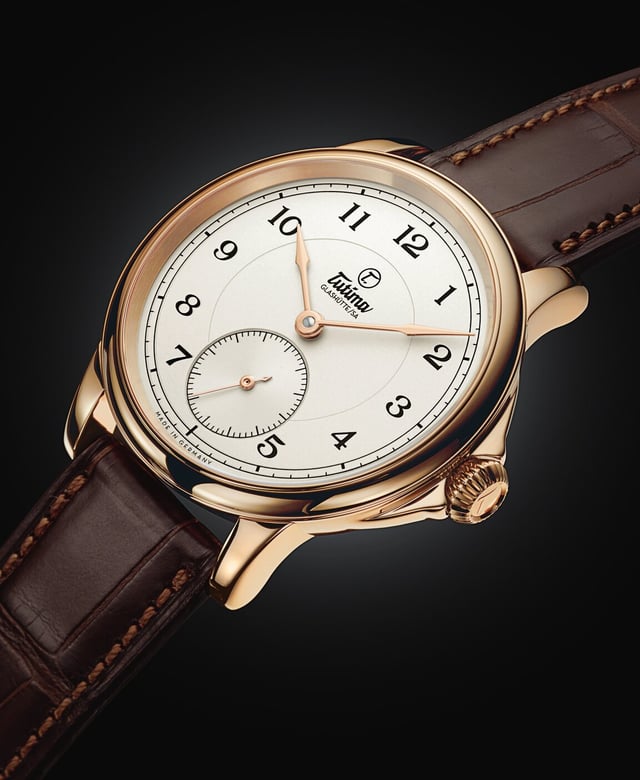
And the watch that they power, the Tutima Patria
Tutima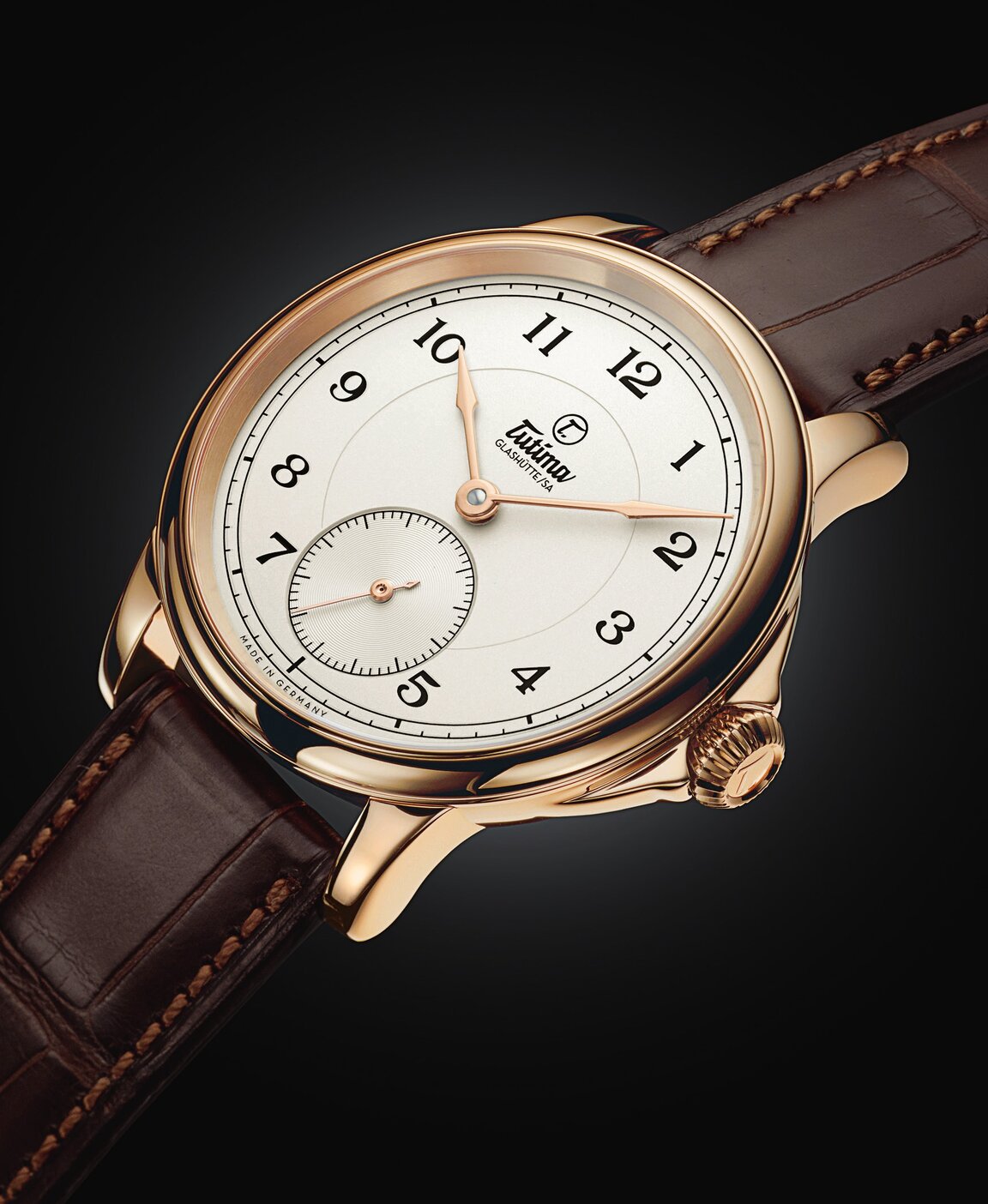
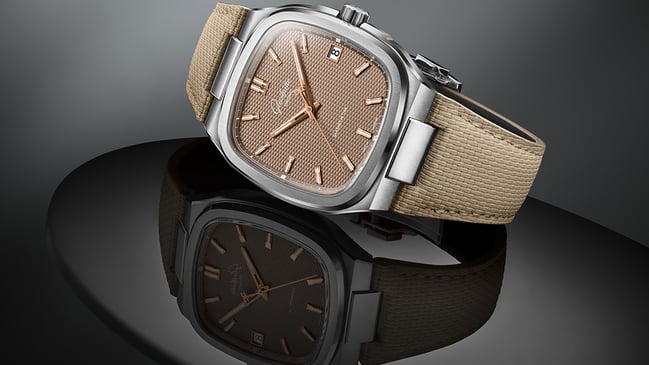
Across from the bus station between Nomos and Tutima stands the modern building of Glashütte Original, its large windows revealing a contemporary façade behind which traditional craftsmanship thrives. The company is the successor to Glashütter Uhrenbetrieb GmbH (GUB), founded in 1951 when the East German government merged most local watchmakers into a single entity. Despite challenging circumstances, innovation persisted. Today, Glashütte Original resurrects historic designs through its Vintage collection, including the Sixties and Seventies lines, while the SeaQ diver traces its lineage to historic predecessors. With the Senator and Pano collections, the brand also competes at the highest levels of watchmaking, pairing refined aesthetics with compelling complications.
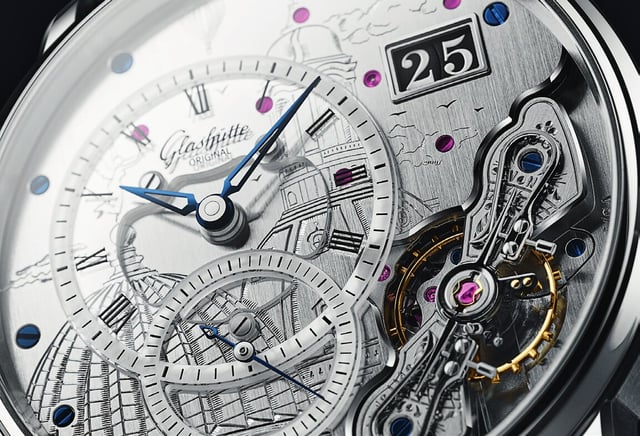
An image of Dresden engraved on an exceptional version of the PanoMaticInverse by Glashütte Original
Glashütte Original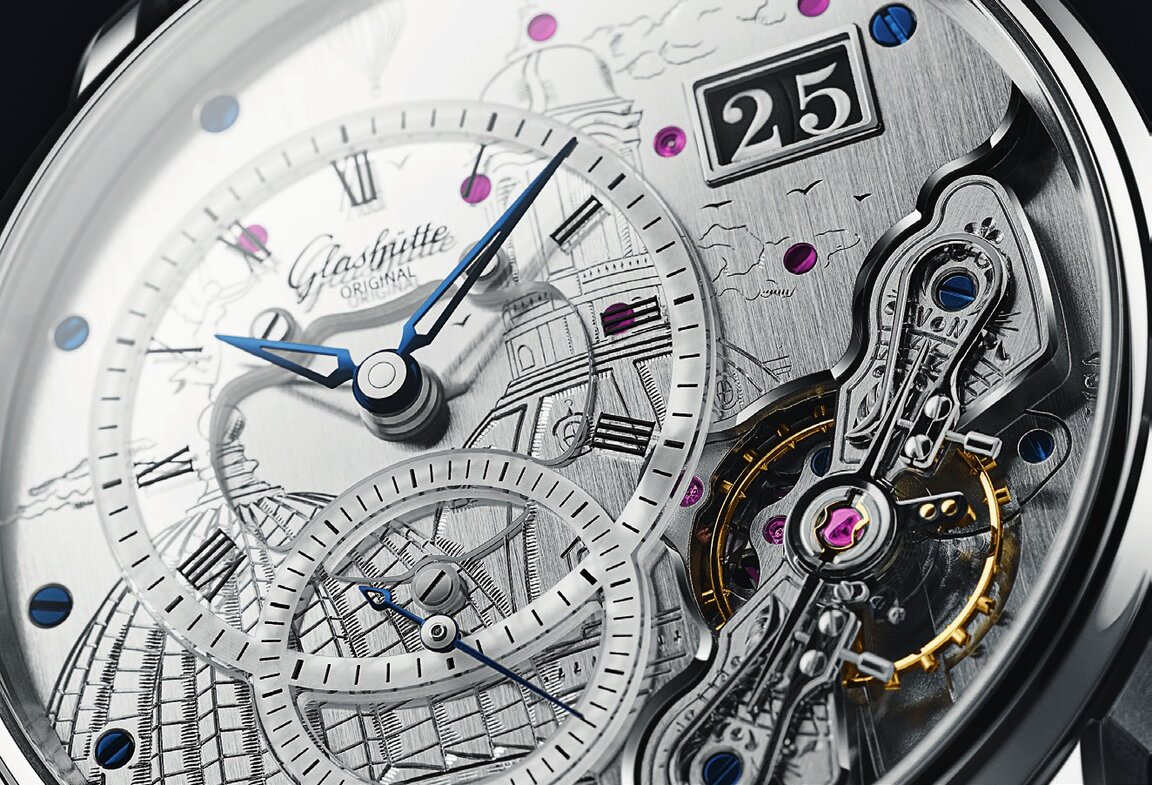
Union Glashütte is a sister brand to Glashütte Original under the Swatch Group umbrella. Founded more than 130 years ago by Johannes Dürrstein, Union developed a reputation for precision marine chronometers. After enduring the hardships of two world wars, the brand was revived in 1996. While initially integrated with Glashütte Original, it now operates independently and draws inspiration from vintage motorsport, evident in its sporty chronograph-heavy collection.
Watchmaking is very much a family affair at Nautische Instrumente Mühle-Glashütte, where the sixth generation is preparing to take over. As the name suggests, the brand has deep ties to the nautical world, producing watches designed to withstand harsh maritime conditions. The S.A.R. Mission Time, developed for sea rescue operations, is emblematic of this philosophy. The collection also includes sport-oriented models in the Sportivo range and more refined offerings in the Teutonia and Lunova lines. Mühle-Glashütte remains a premium supplier of nautical instruments, including an extensive range of marine chronometers.
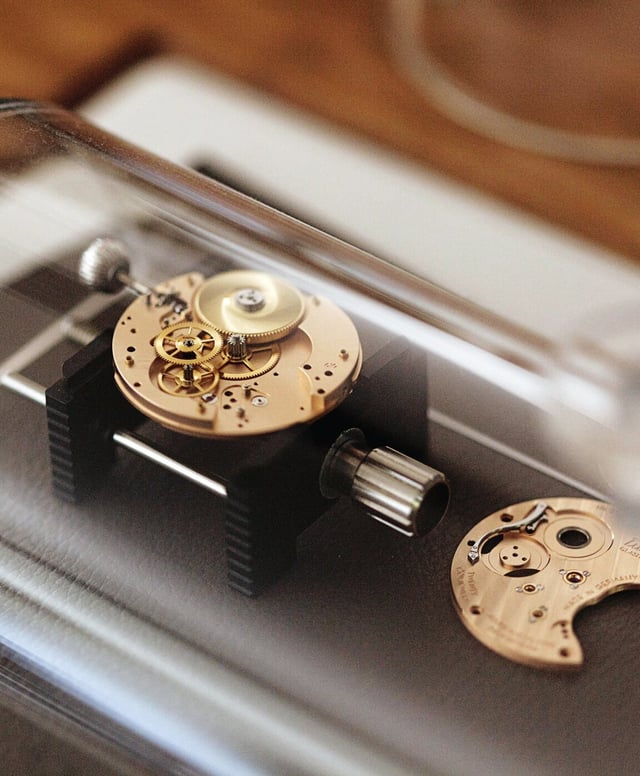
The preparation of movements at Tutima
Tutima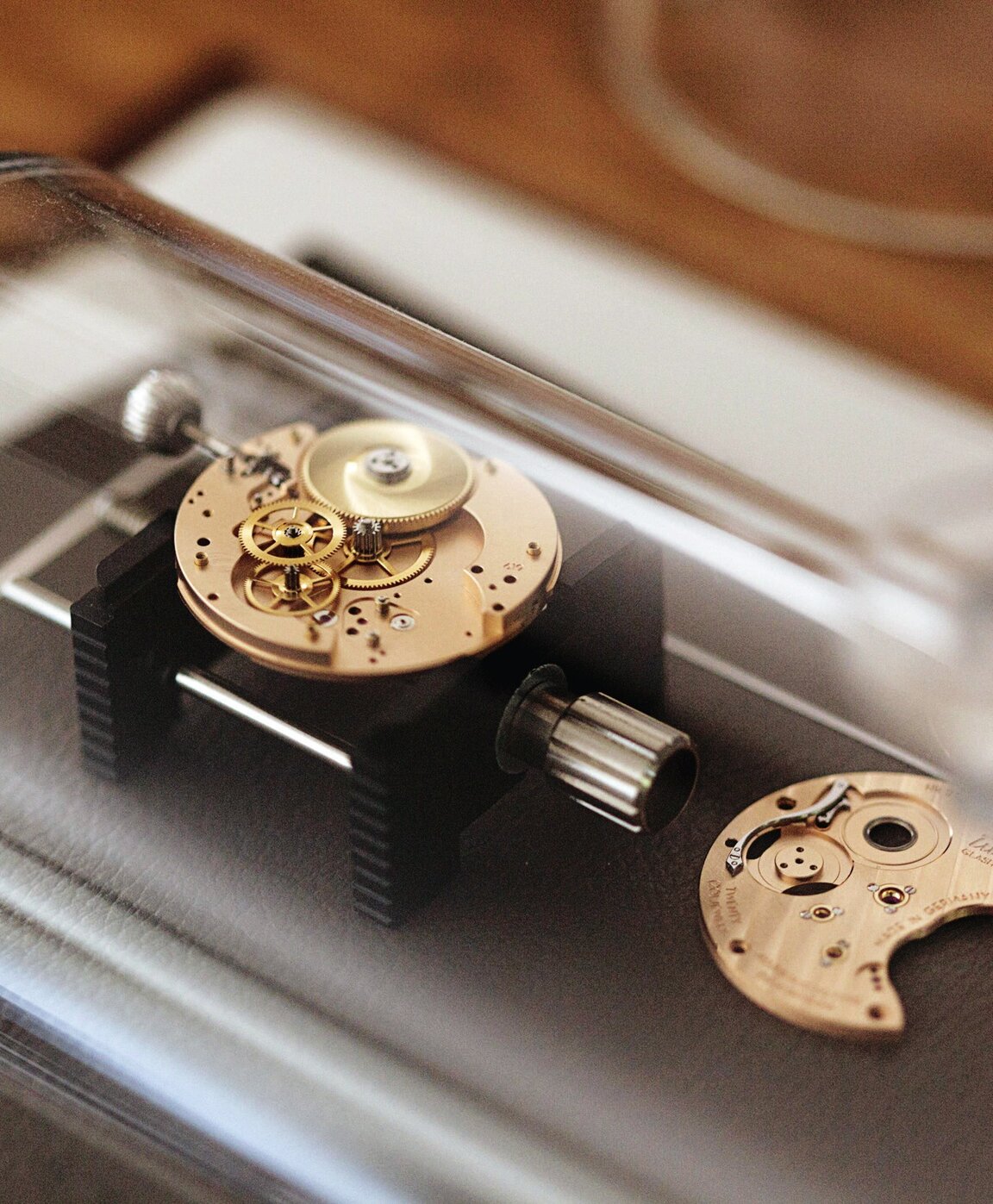
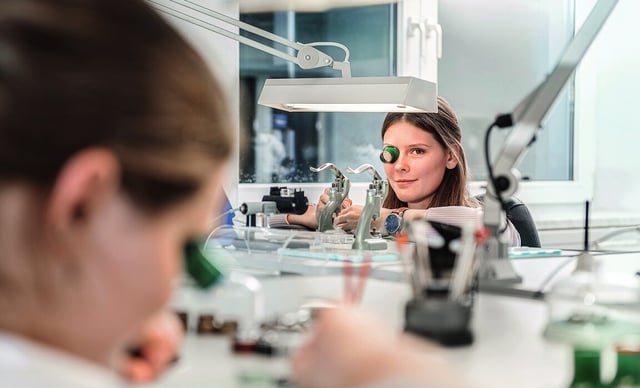
Bruno Söhnle is another family-run brand that balances quality and value. Founded in 2000 by serial entrepreneur Bruno Söhnle as a 60th birthday gift to himself, the company is now led by his daughter Jennifer. Its headquarters occupy the former home of Julius Assmann, one of Glashütte’s founding watchmakers. The brand sources movements from suppliers such as ETA and Ronda, often reworking them extensively. Even quartz movements are decorated with traditional finishing, reflecting the brand’s belief in offering substance both inside and out.
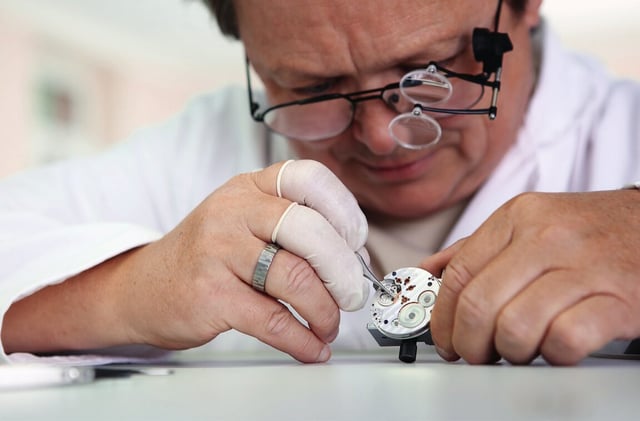
Watchmaker at work at Bruno Söhnle
Bruno Söhnle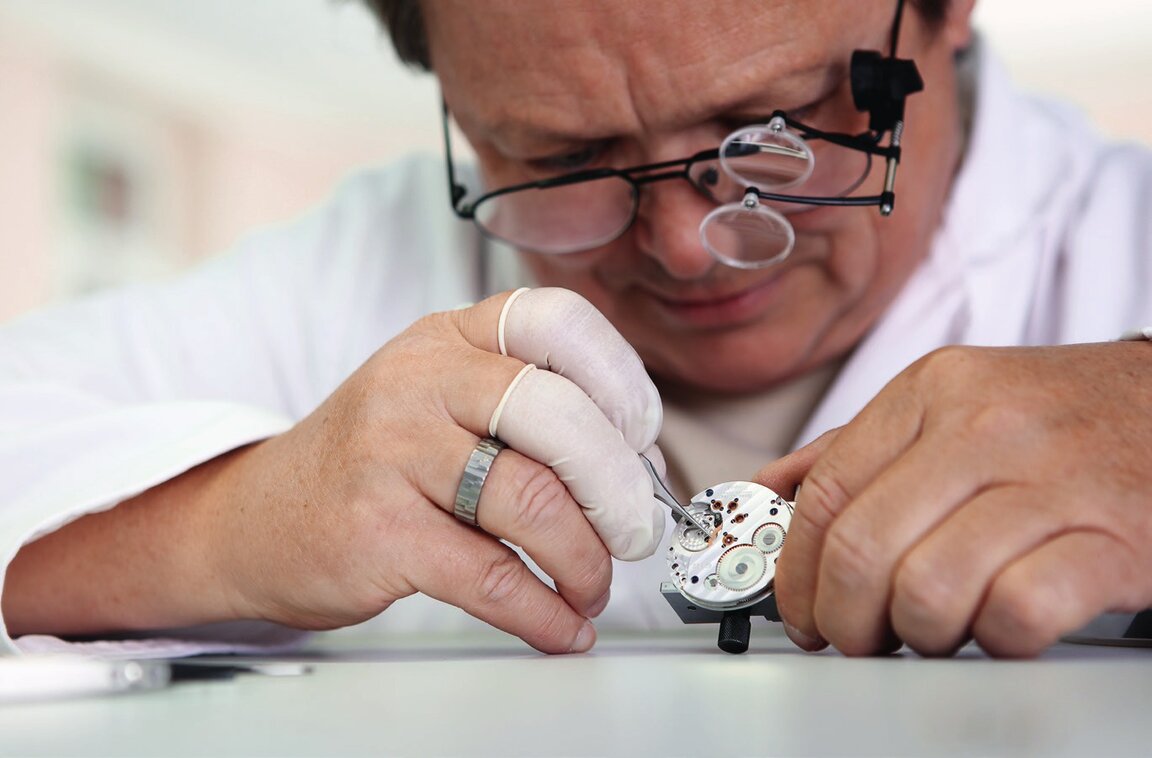
Moritz Grossmann remains one of the most esteemed names in Glashütte history. Today, the brand operates a manufacture overlooking the village and continues to produce watches largely by hand. Its designs are elegant and understated, emphasizing refined details and beautifully constructed movements. While precious metals dominate the collection, Moritz Grossmann has also embraced stainless steel, allowing for more sporty creations such as the Universalzeit, which displays seven time zones simultaneously through an ingenious dial system. Flip the watch over, and a traditional hand-wound movement reveals the brand’s uncompromising craftsmanship.
Wempe is best known as Germany’s premier jeweler and watch retailer, but it has also been producing timepieces of its own for many years—naturally in Glashütte. The company restored the town’s historic observatory and transformed it into the home of Wempe Glashütte i/SA. This facility produces watches such as the Chronometerwerke, Iron Walker, and Zeitmeister, as well as nautical instruments. In collaboration with German state authorities, Wempe established the only chronometer certification center in Germany, adding yet another unique layer to Glashütte’s horological identity.
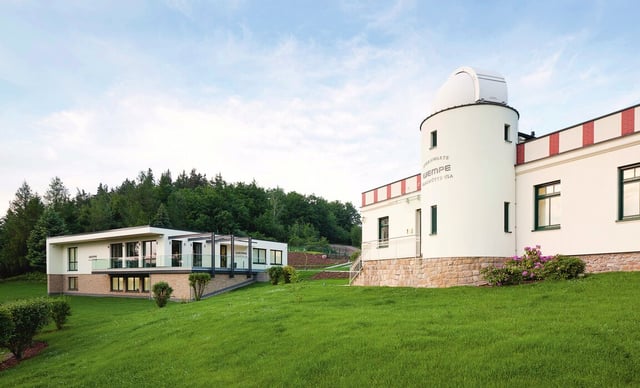
Wempe’s home in Glashütte is the restored observatory.
Wempe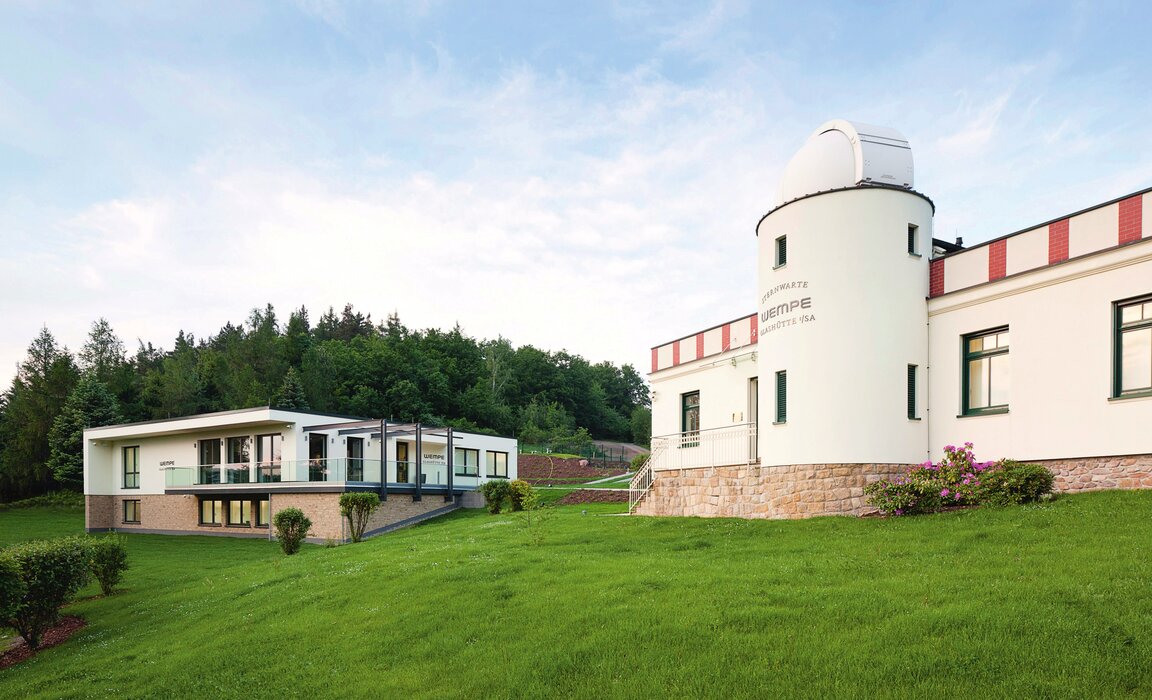
All of this reinforces the magic of this small, almost hidden village. Decades of resilience, craftsmanship, and determination have made Glashütte the beating heart of German watchmaking—where history is not only preserved but actively lived every day.
This article was originally published in the January / February 2025 Issue. To subscribe to the print edition of WatchTime Magazine, click here.