As a Phoenix From the Ashes: Walking Through Glashütte, Part II
A History of Watchmaking in Glashütte
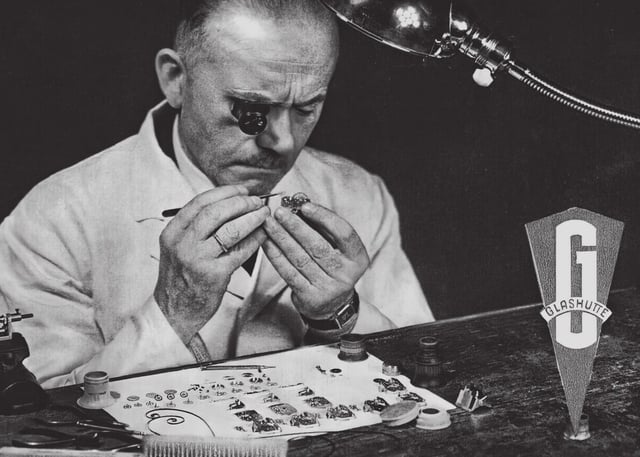
The aftermath of World War I did not bring the peace and stability everybody hoped for. Instead, the events would lead to yet another war. Except for the tremendous loss of life, Germany also lost its emperor, turning the country into a republic. All this while it had to repay the Allied Forces for all the damages World War I caused, which was set at £6.6 billion in 1921. Its ability to do so was also constricted as Germany lost about 13 percent of its territory to its neighbors, as stipulated by the Treaty of Versailles signed in 1919. This brought enduring hardship and a far-from-ideal market for the watch manufacturers in Glashütte. In 1926, 85 percent of the population was unemployed, and to make things worse, heavy flooding a year later would not only result in loss of lives but also significantly damage most of the watch manufacturers. The repairs were barely completed, and the Wall Street Crash of 1929 triggered the Great Depression. This pushed some brands over the edge, such as Union, which had to close its doors in 1933.
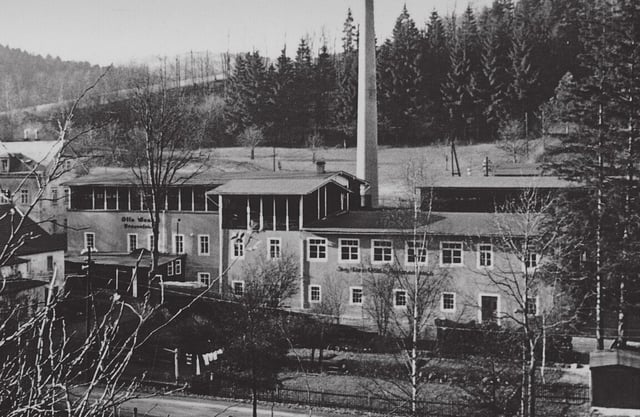
The Mühle-Glashütte manufacture before the war.
PR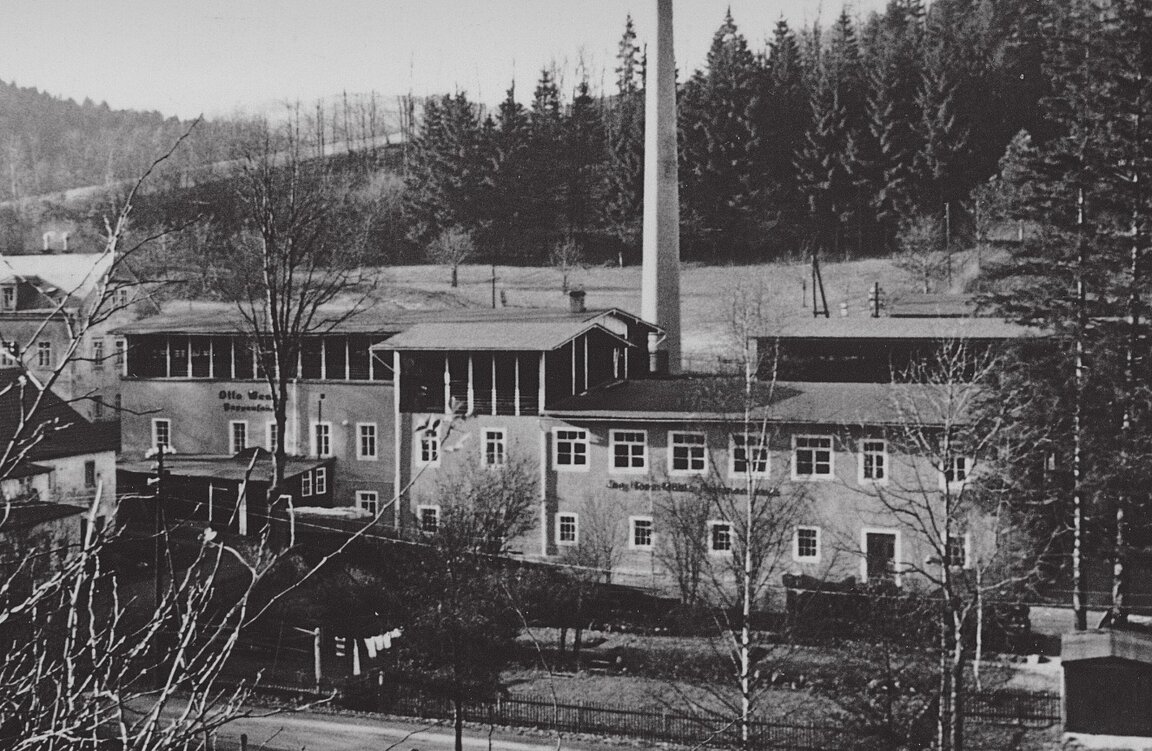
Those that managed to remain open did not face better conditions as Hitler’s Nazi Party came to power in Germany, and its invasion of Poland on Sept. 1, 1939, would mark the start of World War II. For Glashütte, that meant that they were forced into war production. The Urofa-Ufag developed the Tutima Flieger Chronograph with flyback function for the Luftwaffe, starting a line of watches that would also play a large role in the future of the brand after the war. One of the most recognized products from that era was the so-called “B-uhr,” or “Beobachtungs-uhr” in full, and Observation watches in English. As the name indicates, these watches were meant as a navigational tool for flight crews of the Luftwaffe. Their specifications were standardized by the RLM (Reichs-Luftfahrtministerium), the Nazi Ministry for Aviation. Because of the need for instant legibility, these watches were quite large, with a diameter of 55 mm, and were meant to be worn over the thick flight jackets designed to keep the flight crew warm. This allowed the use of a large pocketwatch movement that was protected from magnetic fields by a soft iron cover. Another requirement was the central seconds hand with a hacking function. While these B-Uhren were already very precise, this allowed the pilots and navigators using them to sync up their watches with the standard time of the German Naval Observatory before flying a mission.
While the forced contributions to the war effort kept the watch industry in Glashütte going, this was a far cry from the timepieces they had made in the past. With the end of the war lurking in the shadows, some residents might have even dreamed of returning back to those days, when another devastating blast was dealt to the Saxon town. On May 8, 1945, just hours before Nazi Germany would officially surrender, Soviet bombers targeted Glashütte, destroying the A. Lange & Söhne and Tutima manufactures and doing great damage to the other factories in town. This was the prelude of Soviet forces occupying Glashütte, as the war came to an end.
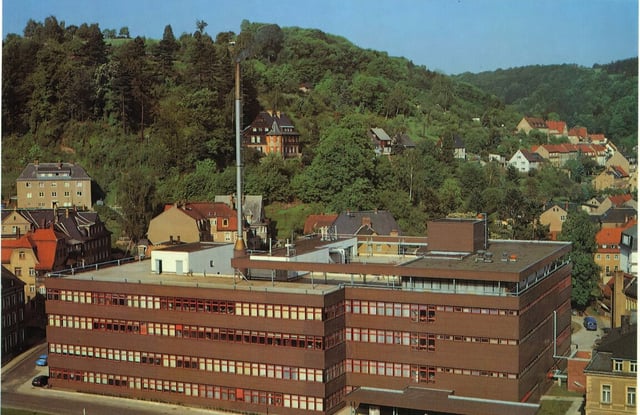
The building of the Glashütter Uhrenbetriebe in 1990.
PR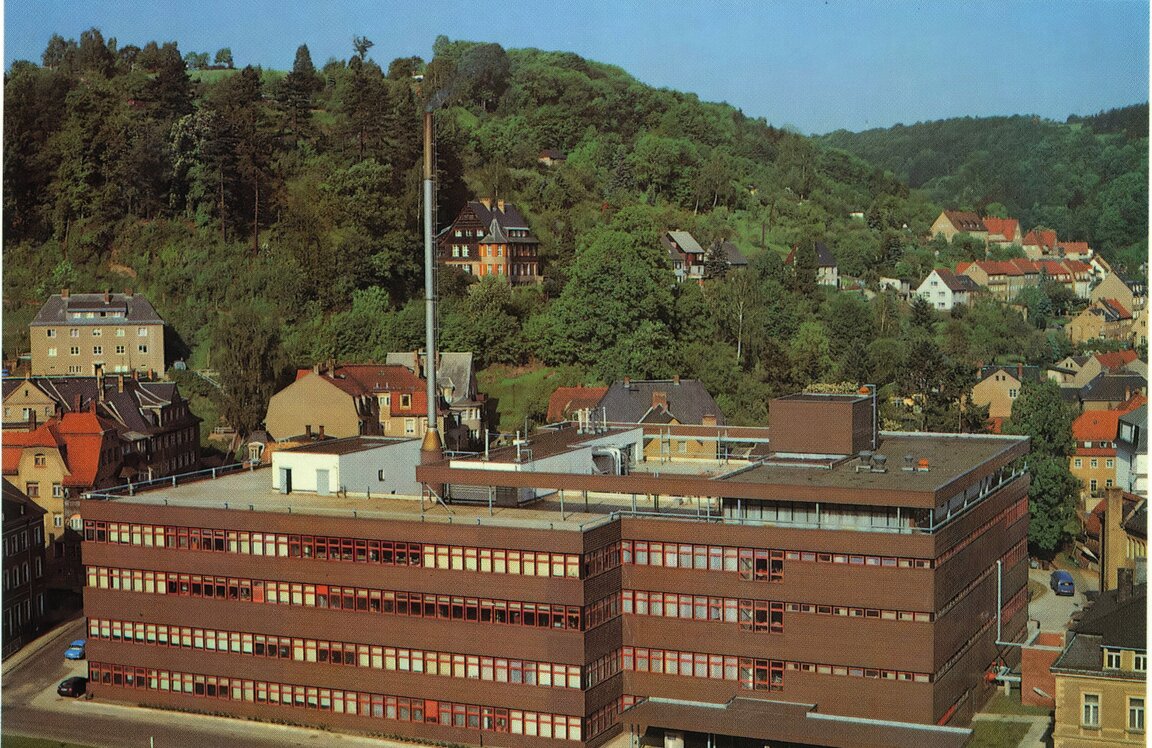
Some did not wait to see what happened next. Among them was Dr. Ernst Kurtz, the Chairman and Managing Director of both Uhren-Rohwerke-Fabrik Glashütte AG (UROFA) and Uhrenfabrik Glashütte AG, known as UFAG, that made the Tutima brand such a success. Together with some of his staff, he was able to relocate to what would become West Germany after the victorious countries had redrawn the map. Glashütte became part of the DDR, Deutsche Demokratische Republik, a Soviet-satellite state in which the communist doctrine would dominate. So, when the rubble of the bombing was cleared, all still existing watch companies were in 1951 consolidated into one. This state-owned company was called Glashütter Uhrenbetriebe, or GUB, and it resumed production.
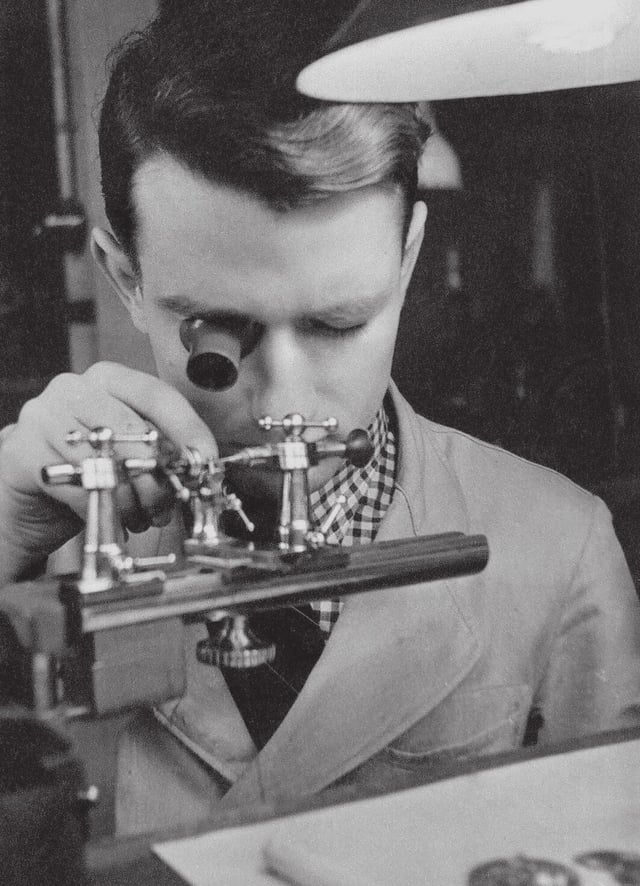
A young Walter Lange at the beginning of what would become a life long legacy.
PR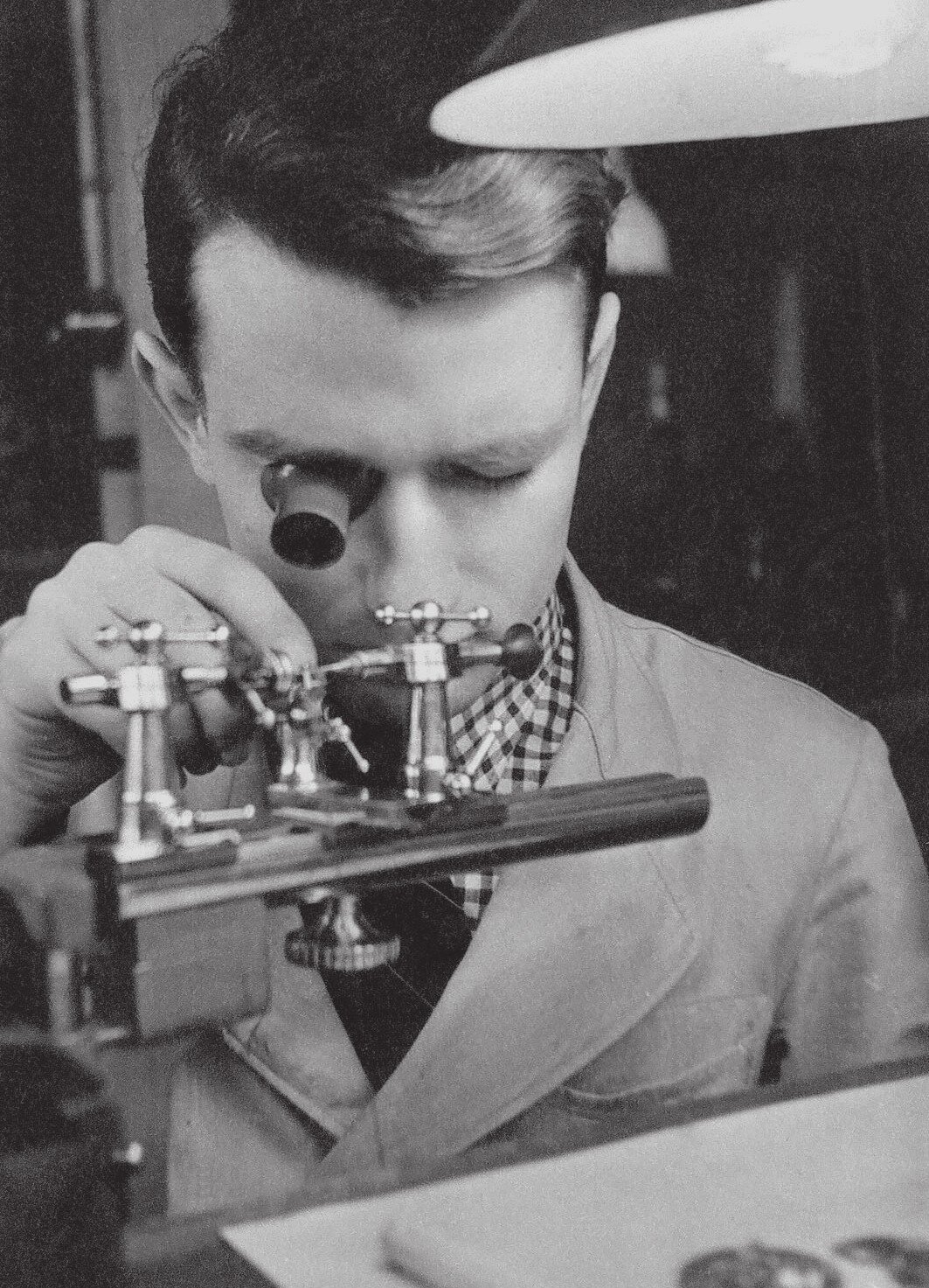
The same could be said of other brands, although not in East Germany. Dr. Kurtz reestablished Tutima in the West German part of Lower Saxony, in a town called Ganderkesee. There, he would continue to make watches that would still be Glashütte-worthy, a legacy that he passed in the 1960s to Dieter Delecate, whose children are currently running the company. Even outside of its hometown, Tutima enjoyed great success, and in 1984, they even won the bid to supply the Bundeswehr, the West German army, with a pilots’ watch. This Military Chronograph Ref. 798, powered by a Lemania Caliber 5100, would go on to become the official watch of NATO forces.
Others could do nothing but try to swim against the current. When Hans Mühle, the third generation of the Glashütte watch manufacturer, returned home in 1945, he found out that his grandfather’s company was seized by the Soviets. While he was initially working as a sales manager for a state-owned optics firm, he would go on to found his own company in December of 1945. This put the Mühle name back onto the map of Glashütte. While he was not making watches, the speedometers and motion devices for temperature and pressure measuring instruments were closely related. Later this would be expanded with similar devices for the film and photography industry. Mühle must have been as much an engineer as a politician, as the East German government did not favor privately owned businesses. The fact that the expertise of his company could not be found elsewhere in East Germany might also have had something to do with it. As Hans Mühle passed away in 1970, his son Hans-Jürgen Mühle took over, but unfortunately, he could not prevent the company being seized by the East German government in 1972. He would have to wait until 1994 to once again reestablish his family’s legacy.
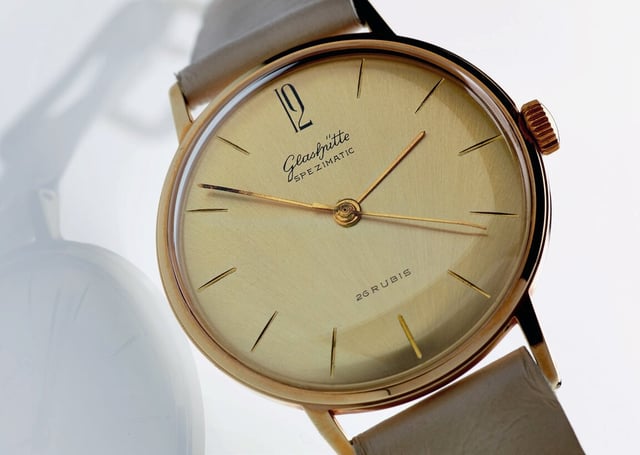
One of the Glashütter Uhrenbetriebe (GUB) watches in 1967 was this charming Spezimatic in a style that can also be found in Glashütte Original’s current collection.
PR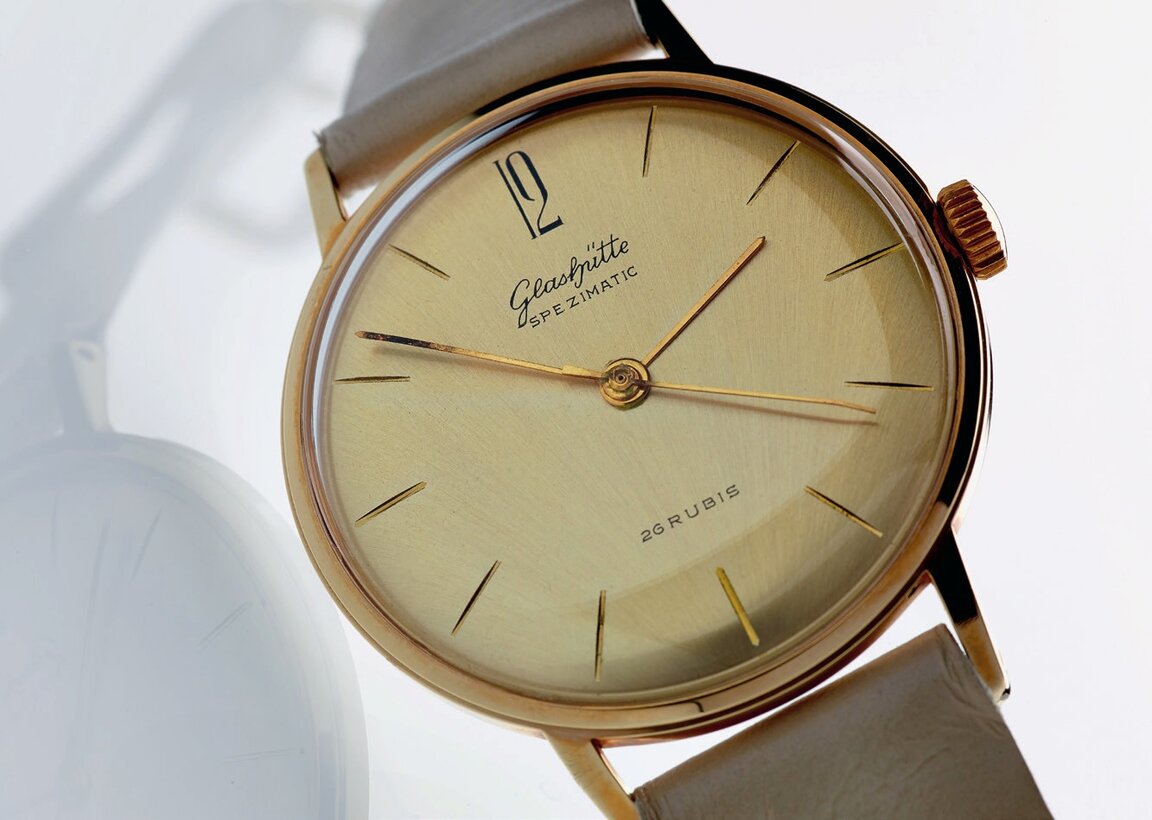
While the watches from Glashütte from the era when the town was located in East Germany are often looked down upon, they were among the very best that came out of the Soviet Union and its satellite states. While they lack the refinement that is so characteristic of a Glashütte watch, their styling does have a certain charm, and their movements are robust and still what we call today’s manufacture. For a watchmaking tradition that came forward out of supplying the Royal Saxon court with timepieces, Glashütte was longing for more but had to wait until Nov. 9, 1989, when the Peaceful Revolution took down the Berlin Wall. With the reunification of East and West Germany underway, Glashütte could breathe freely again, and many had been waiting for exactly this moment to restore the town and its tradition to its former glory.
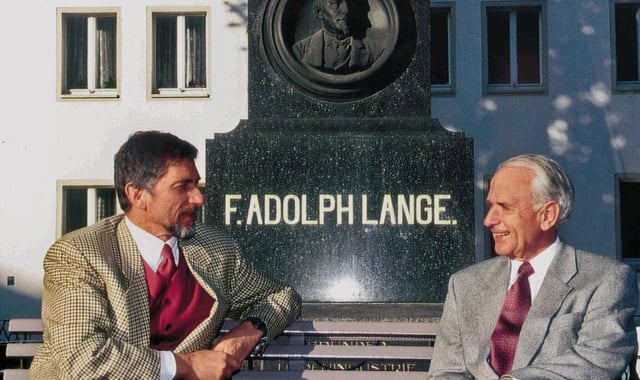
Günter Blümlein (left) and Walter Lange in front of the memorial for Ferdinand Adolph Lange in Glashütte.
PR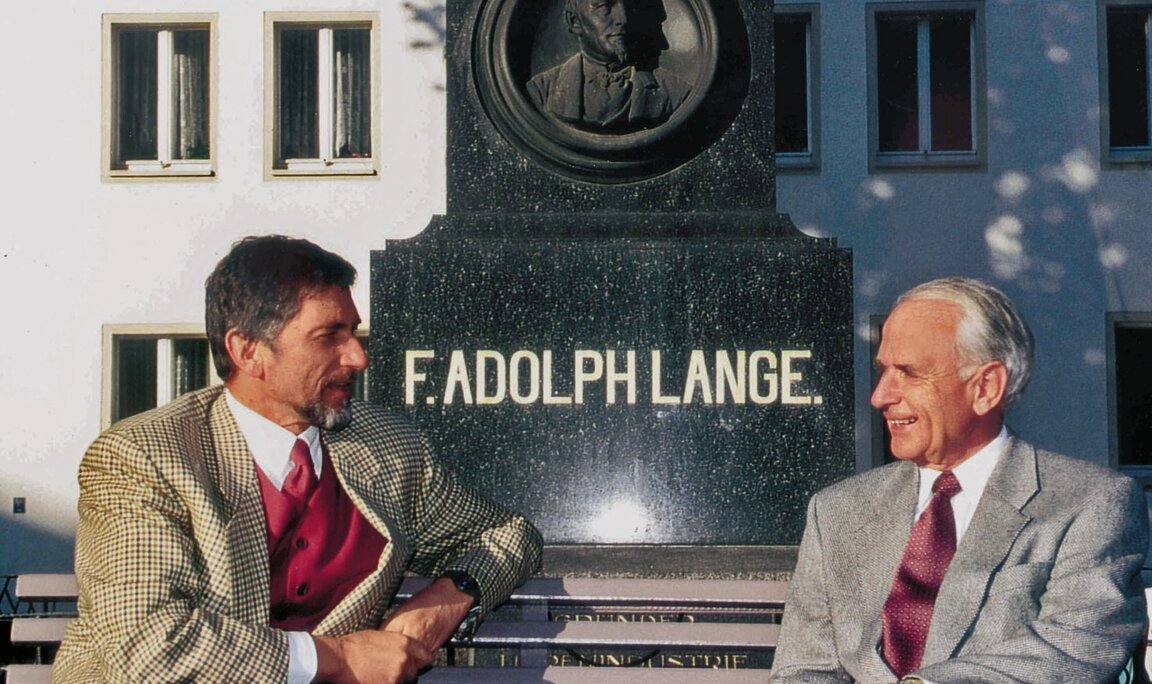
Many people have waited for just that moment. Some moved quickly. Walter Lange, great-grandson of Ferdinand Adolph Lange, wasted no time and registered A. Lange & Söhne on Dec. 7, 1990. His vision of resurrecting the once-famous brand in a modern era was shared by Günter Blümlein. As head of “Les Manufactures Horlogères” (or LMH), owned by VDO Schindling AG, a major German manufacturer of speedometers and car instruments, Blümlein already oversaw IWC and Jaeger-LeCoultre. It took four years to develop the first A. Lange & Söhne collection, but the brand immediately took back its crown and established itself swiftly among the most celebrated and esteemed watch brands.
Another one who arrived on the scene fast was Roland Schwertner. He founded Nomos in January of 1990, launching its first watches in 1991. With a clean design, in which every detail mattered, and only mechanical movements combined with modest price tags in relation to the quality, Nomos quickly established itself as a popular brand among watch collectors. While it initially relied on ETA for movements, it launched its first manufacture movement in 2005, ultimately ending this dependency.
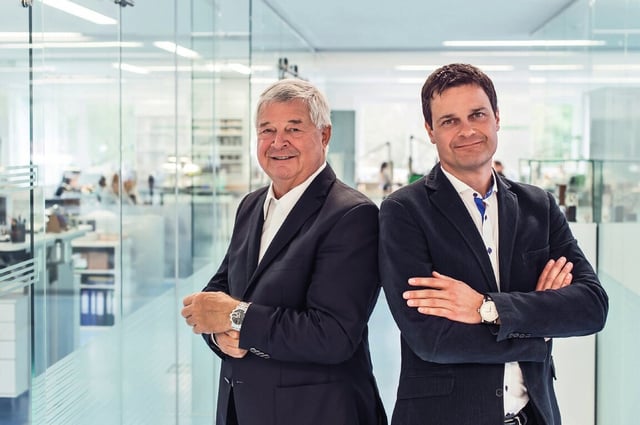
Hans-Jürgen (left) and Thilo Mühle, the 4th and 5th generation of the Mühle family to run the business.
PR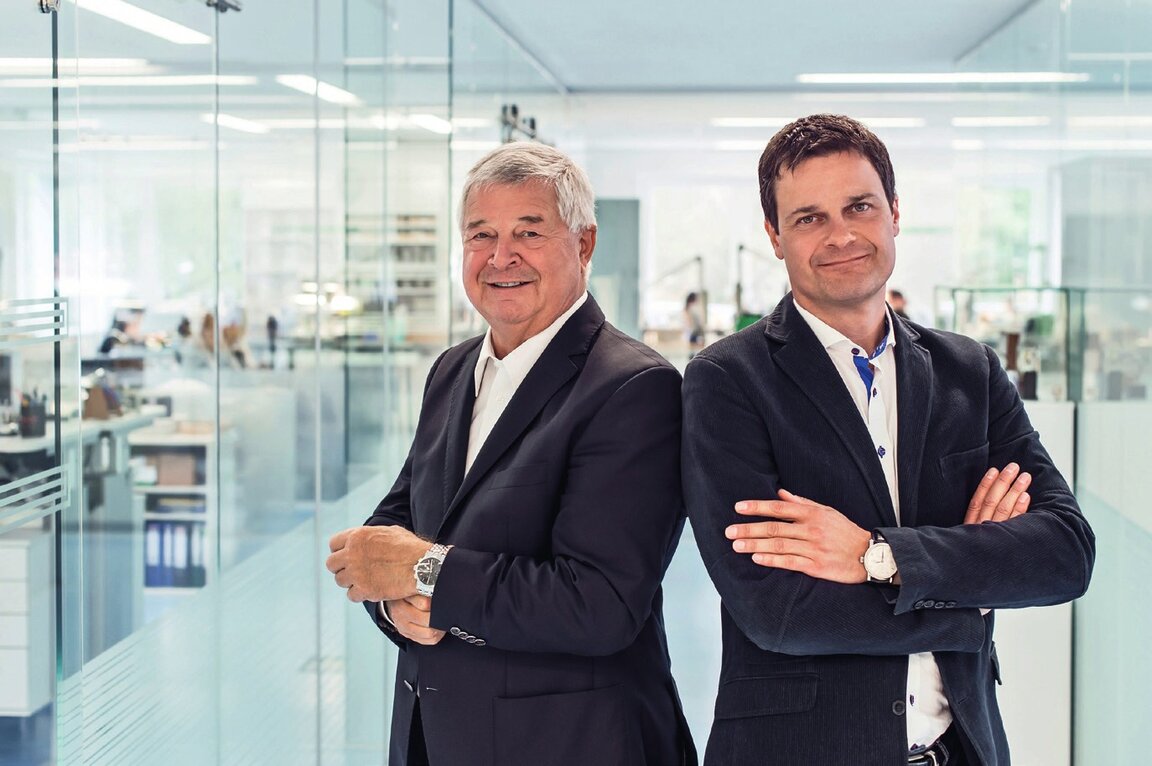
Hans-Jürgen Mühle had the advantage of being still in Glashütte and was able to restart his family’s firm on April 1, 1994, with just two employees. While he initially focused on traditional marine time systems and marine chronometers, watches were added a year later to the lineup. Although not very close to any sea, Mühle would forge a close relationship with it and make it an essential part of its DNA. Other brands took longer to return to Glashütte. West Germany was already, for decades, a home for Tutima, but Dieter Delecate did want to return to Glashütte, and now that was an option again. After several years of planning, the brand moved on May 14, 2008, into the former rail station maintenance depot in Glashütte, which was restored and set up as the brand’s new manufacturer.
The behemoth in town, Glashütter Uhrenbetriebe GmbH, or GUB, was privatized and was purchased in 1994 by German entrepreneur Heinz W. Pfeifer. The manufacture was renamed Glashütte Original and started to produce watches of very high quality. It also made watches under the name of Union, another historic name in Glashütte. Pfeifer sold his brands in 2000 to the Swatch Group.
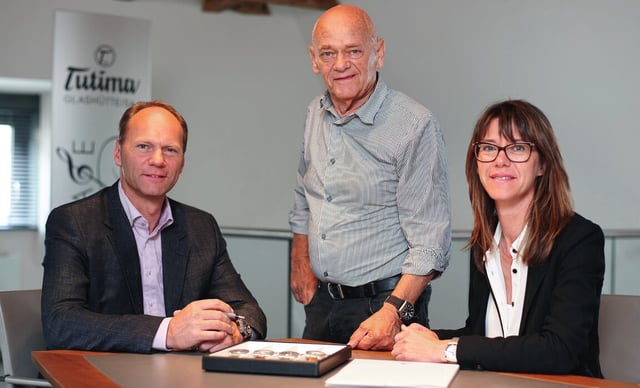
Dieter Delecate, standing, with his children Jörg and Ute, who continued the legacy of Dr. Kurtz at Tutima.
PR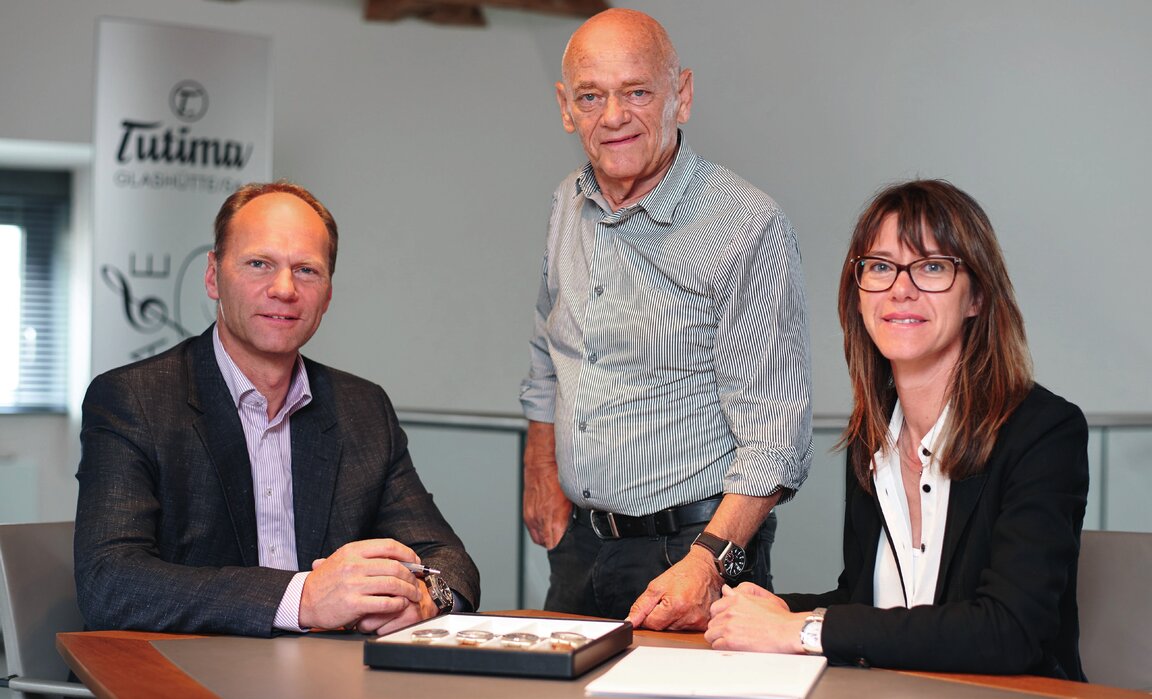
It seems as if Glashütte was in an ongoing boxing match, taking punch after punch but refusing to go down. While in terms of size it is still a small town, its horological legacy is enormous. Glashütte has become a seal of quality and one that is now safeguarded by all the brands within the city limits. To protect this precious legacy for the future, regulations were put into place in 2022, known as the Glashütte Regulation. Comparable to “Swiss Made,” it stipulates what parts of the watch need to be made in Glashütte and which essential manufacturing stages have to take place in town. Only then can the watch be marked as Glashütte. Knowing that there is tremendous value in not cutting corners, many brands in the Saxon town do more. They continue the quest for excellence that their ancestors set out and build forward on the tremendous sacrifices that have been made. Without all that, Glashütte would be a quaint little town in Saxony, not the heart of German watchmaking that now beats more powerfully than ever.
In the third and final part of Walking Through Glashütte, we highlight all the brands that call this German town home and examine how they contribute to the excellent reputation that “Made in Glashütte” has in the watch world.
This article is from the November / December 2024 print edition of WatchTime Magazine. To subscribe, click here.