When Millimeters Matter: The Slim Art of Ultra-Thin Watchmaking
Piaget, Richard Mille, Bulgari, Jean Lassale, Blancpain, and Cartier
The complexity of watches is often regarded in relation to their functions. The more complications it has, the more exquisite it must be. To a large extent, this is true, but there is one exception to this rule: ultra-slim watches. In the watch world, there are, unfortunately, no set standards when a movement can be called thin or ultra-thin. This is left to the discretion of the brands and kept in check by the public, who is allowed to form its opinion if a particular claim is justified.
Space and energy are two of the watch movement’s most sought-after yet rarest commodities. The dimensions that you have available to create a movement, even when by your choosing, can make a huge difference. There is a reason that when brands or dealers let us, as non-watchmakers, put a movement together just for the experience, they usually take a large Unitas caliber for this, like the 6497. Initially designed as a robust pocket watch movement, all the parts are quite large to ensure that this caliber keeps on going. Things become increasingly more complex when you bring down these dimensions. When you decrease the movement’s diameter and thickness, space becomes increasingly a luxury that isn’t there anymore. Parts not only have to become smaller but also thinner, and they are placed closer to each other. Creating such a movement requires inventive minds and a state-of-the-art manufacture, often with the help of a few expert suppliers, as well as extensive research and development. It gets exponentially more difficult the thinner you want to make a watch. In particular, taking off those last fractions of millimeters so a movement can be among the thinnest ever produced is an utterly complex and costly exercise.
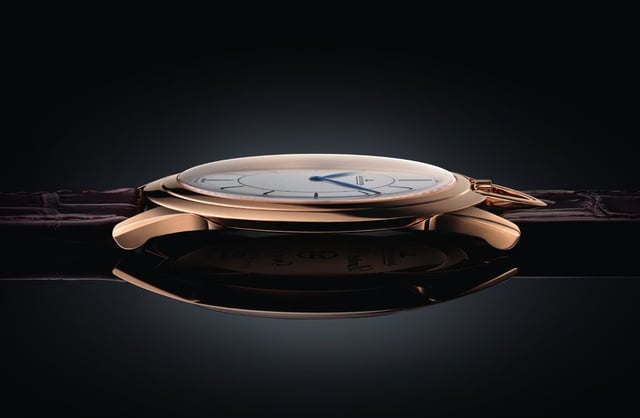
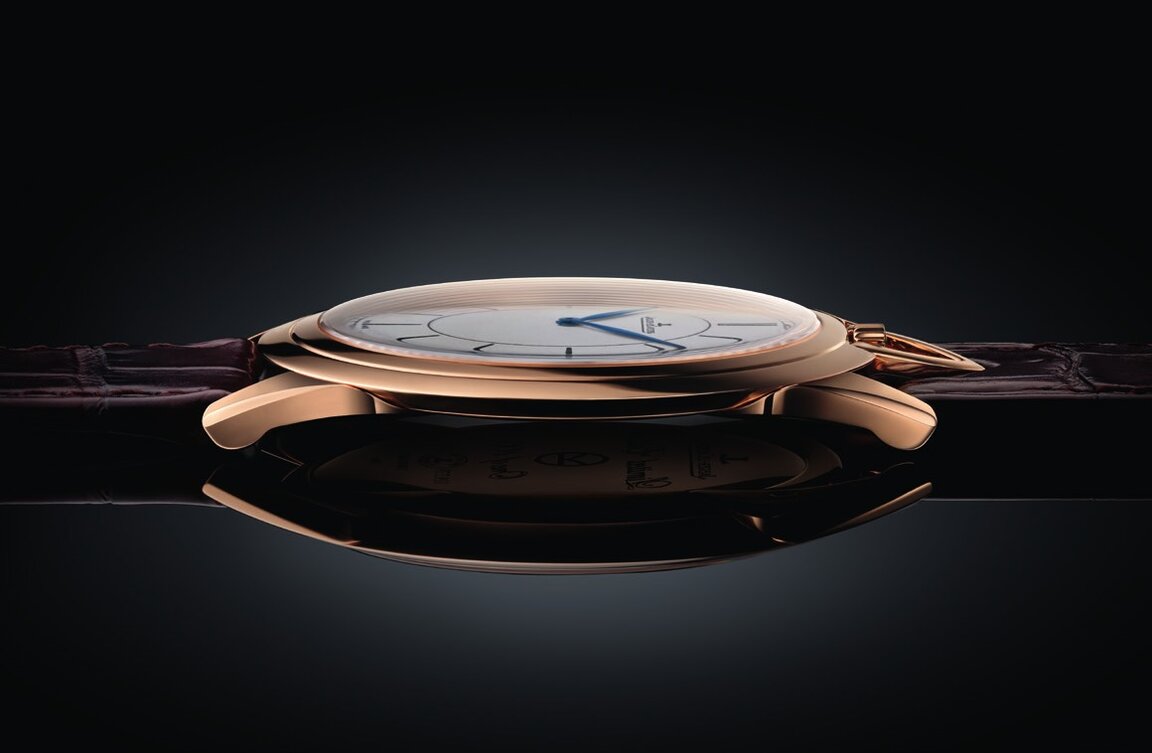
Knowing all this, the question arises as to why you would even make an ultra-thin movement. The first reason for this is an intricate part of human nature: because you can or want to. The second is because of the freedom it gives designers, as there is less of a movement that they have to take into account. For one of the pioneers in ultra-slim movements, Piaget, this was the reason for developing manual-wind Caliber 9P, which launched at the 1957 Basel Fair. With a height of just 2 mm, some thought it was a marketing stunt to draw attention. While Piaget most likely didn’t shy away from the attention it got with this movement, its aim was far beyond this. In fact, Caliber 9P ushered in an era of great artistic expression at Piaget.
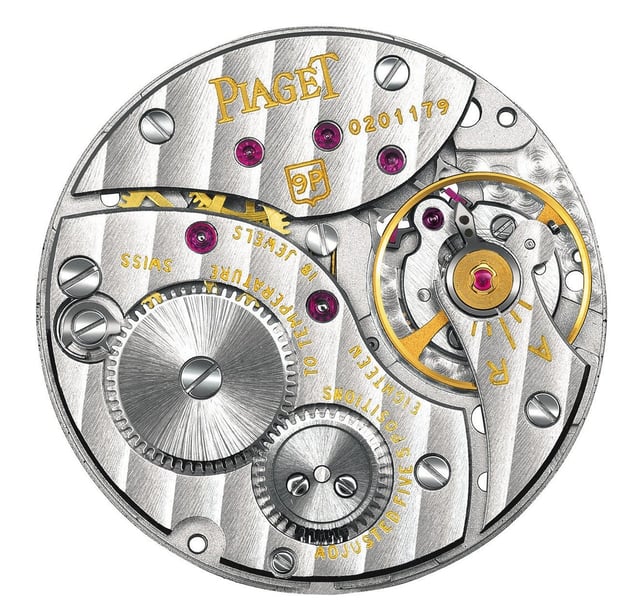
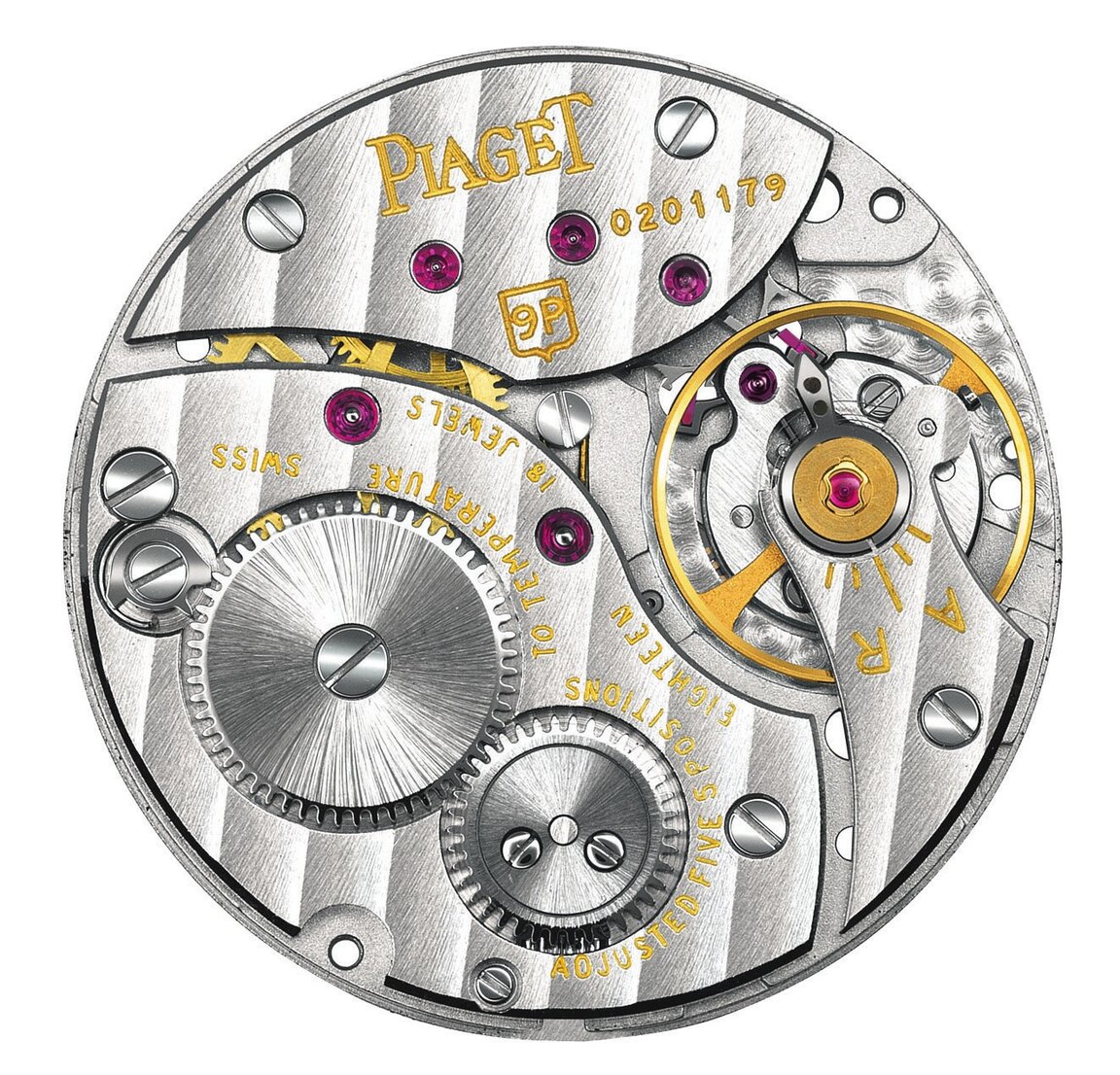
Another challenge is that watches with ultra-thin movements are still consumer products. They are not meant to be displayed in somebody’s house but worn on their wrist as they go through everyday life. This means that the movement is exposed to changes in temperature, shocks and magnetism. The thinner a movement is, the more difficult it is to cope with the effect of these influences. However, dealing with them is not optional, as reputations are at stake. When watch enthusiasts spend significant amounts of money on a watch with an ultra-slim movement, they still demand performance. It needs to be precise and reliable. In a sense, you can compare this challenge to making a Formula 1 car for daily commuting, getting groceries, and taking road trips.


Despite being created on the edge of what is possible and viable, some of the ultra-slim movements have obtained excellent reputations regarding precision and reliability. The aforementioned Caliber 9P by Piaget can be seen as a benchmark in this, as even the earlier models make for a superb watch that can be worn daily. Another great example is Frédéric Piguet Caliber 21. This manual-wound movement was launched in 1925 and is only 1.75-mm thick. What we see with these types of movements is that, with some minor modifications, they remain being used in watches for decades. Even in the 1990s, brands like Blancpain and Cartier used Frédéric Piguet Caliber 21 in new models. When you are, almost literally, making cutting-edge movements, you tend to hit boundaries.
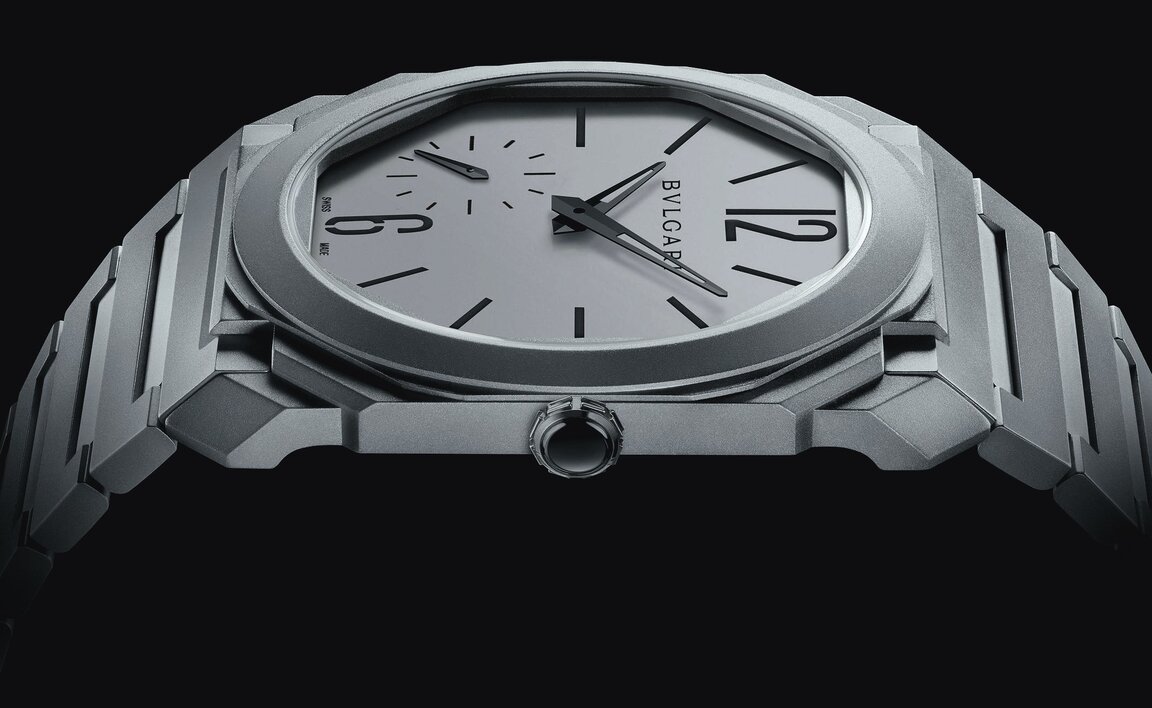
In 1976, the Swiss brand Jean Lassale introduced its Caliber 2000. This automatic movement with a centrally placed oscillating weight was a mere 2-mm thick. This revolutionary caliber lacked bridges and a counter-pivot but relied on ball bearings for the axis instead. The complexity of this movement and the fact that some of its parts are so thin made constructing it challenging and servicing a near nightmare.
When you put significant effort and resources into creating an ultra-slim watch, it is hard to resist not showing it off. To achieve this, you have another set of challenges to deal with. Creating a thin case means shaving off millimeters again, and the thinner the case, the more prone it is to bend. Thin cases also ask for thin sapphire crystals and leave very little space for the hands to be fitted. With some of these types of watches, the hands look almost like they are painted on the dial. This is a true testimony to the skills needed to craft and place them.
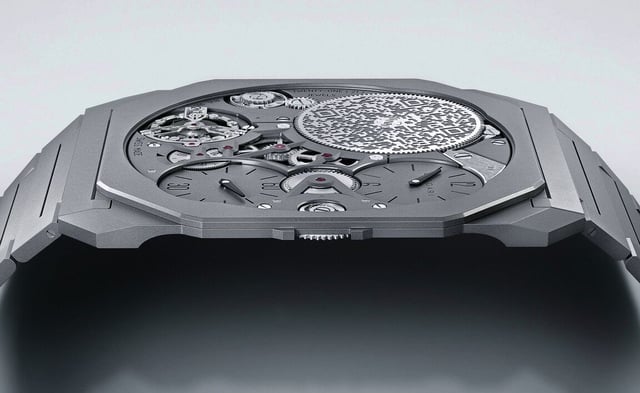
As ultra-slim watches are exclusive by nature, in the past, precious metals were the material of choice to craft their cases, crowns, and buckles or bracelets. Today that has changed for two main reasons. Traditionally, ultra-slim watches have always been dress watches, as this was back then the preferred style of those who could afford one. As the decades passed, lifestyles have become significantly more active, with personal styles changing similarly. Dress codes have become more casual, and watches, including the ultra-slim ones, have followed suit. This change in trends was actually welcomed by the industry as an opportunity, as it allowed them to use different materials that are far more rigid than 18-karat gold or 950 platinum.
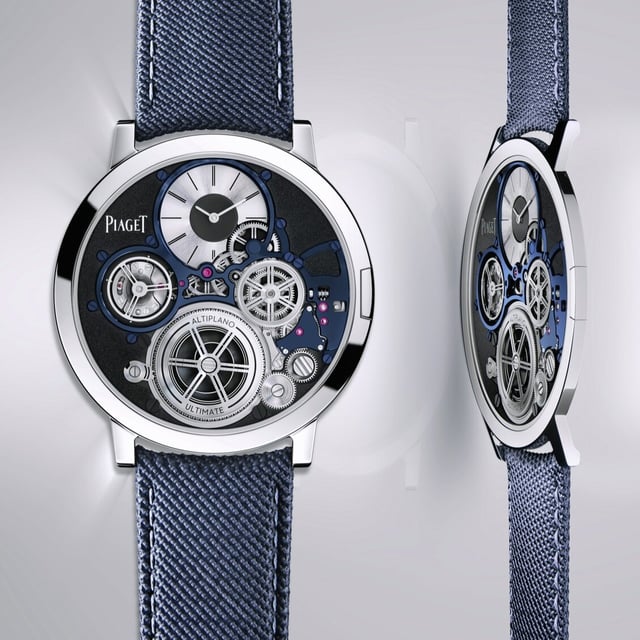
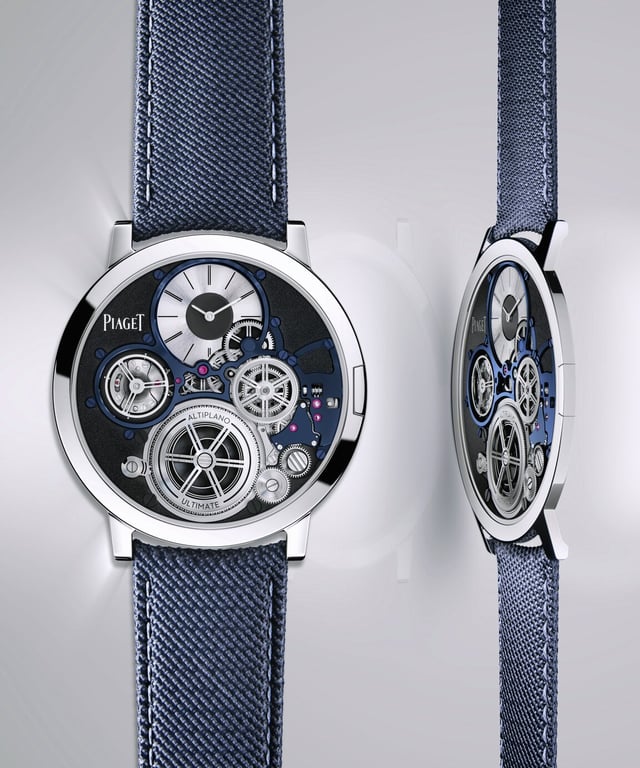
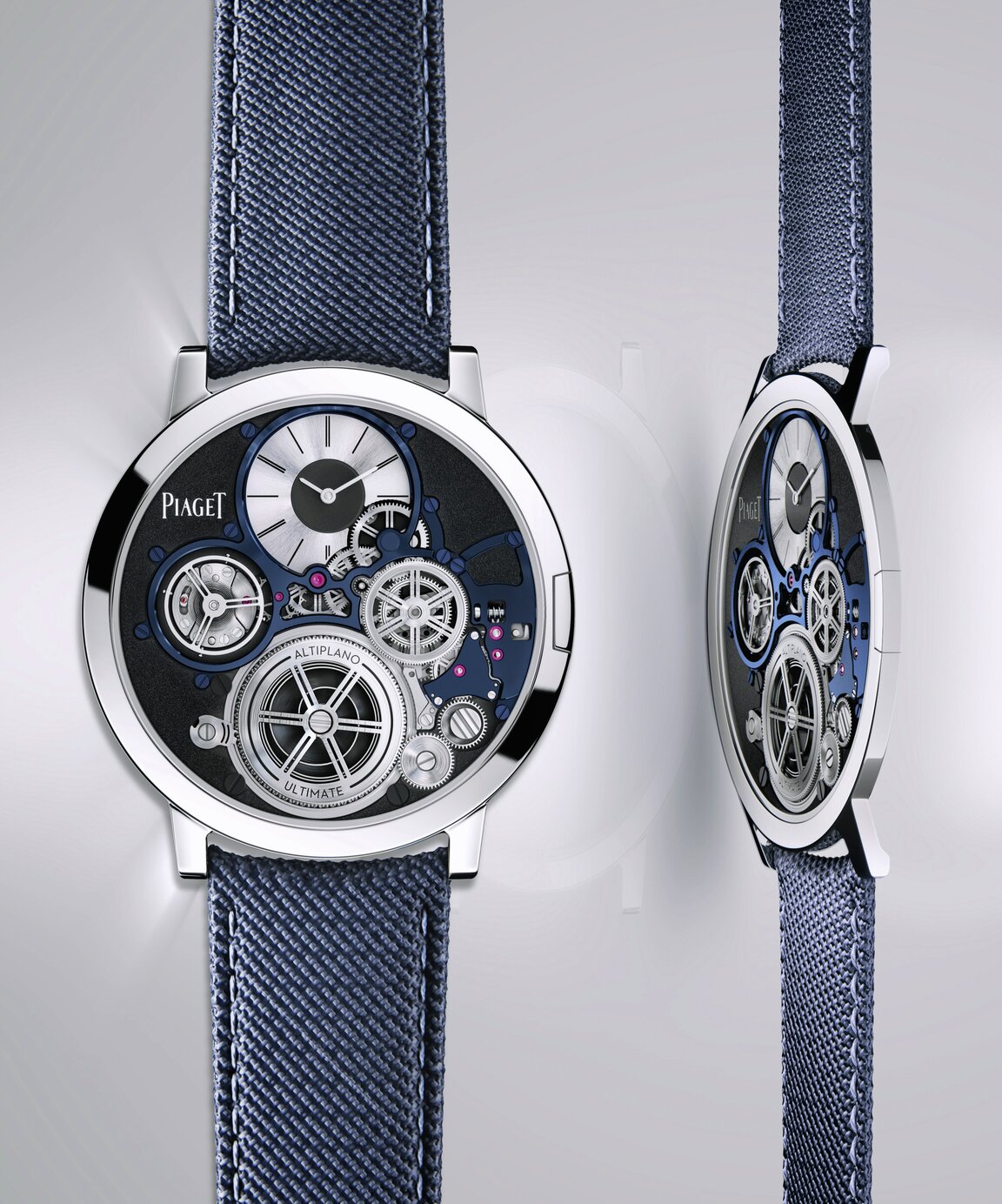
When Piaget launched its Altiplano Ultimate Concept in 2018, it opted for a cobalt alloy from which to craft the case. To save as much space as possible, the movement is built directly into the case. To put things in perspective, the sapphire crystal is 0.2-mm thin, and some wheels go down to a mere 0.12 mm. This is all done to achieve an overall height of just 2 mm. It took Piaget an additional two years to get the Altiplano Ultimate Concept ready for market release, which is a clear indication of the complexity of creating such a watch as Piaget not only has vast experience in this area but also the resources of the Richemont Group, to which it belongs, behind it.
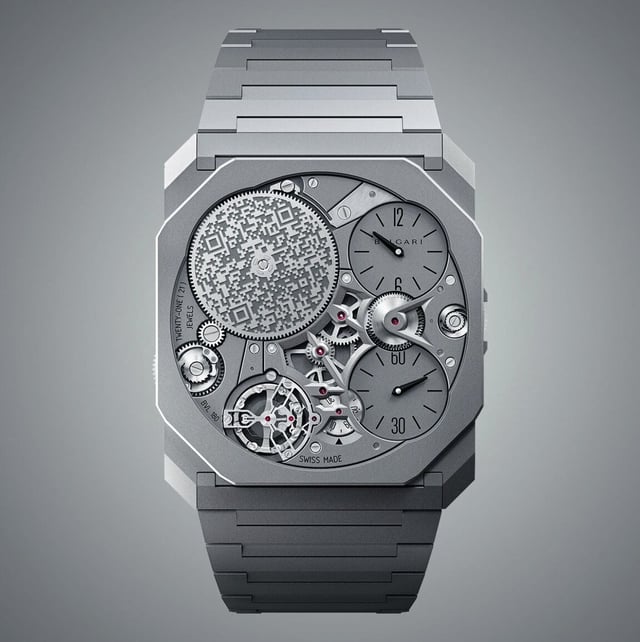
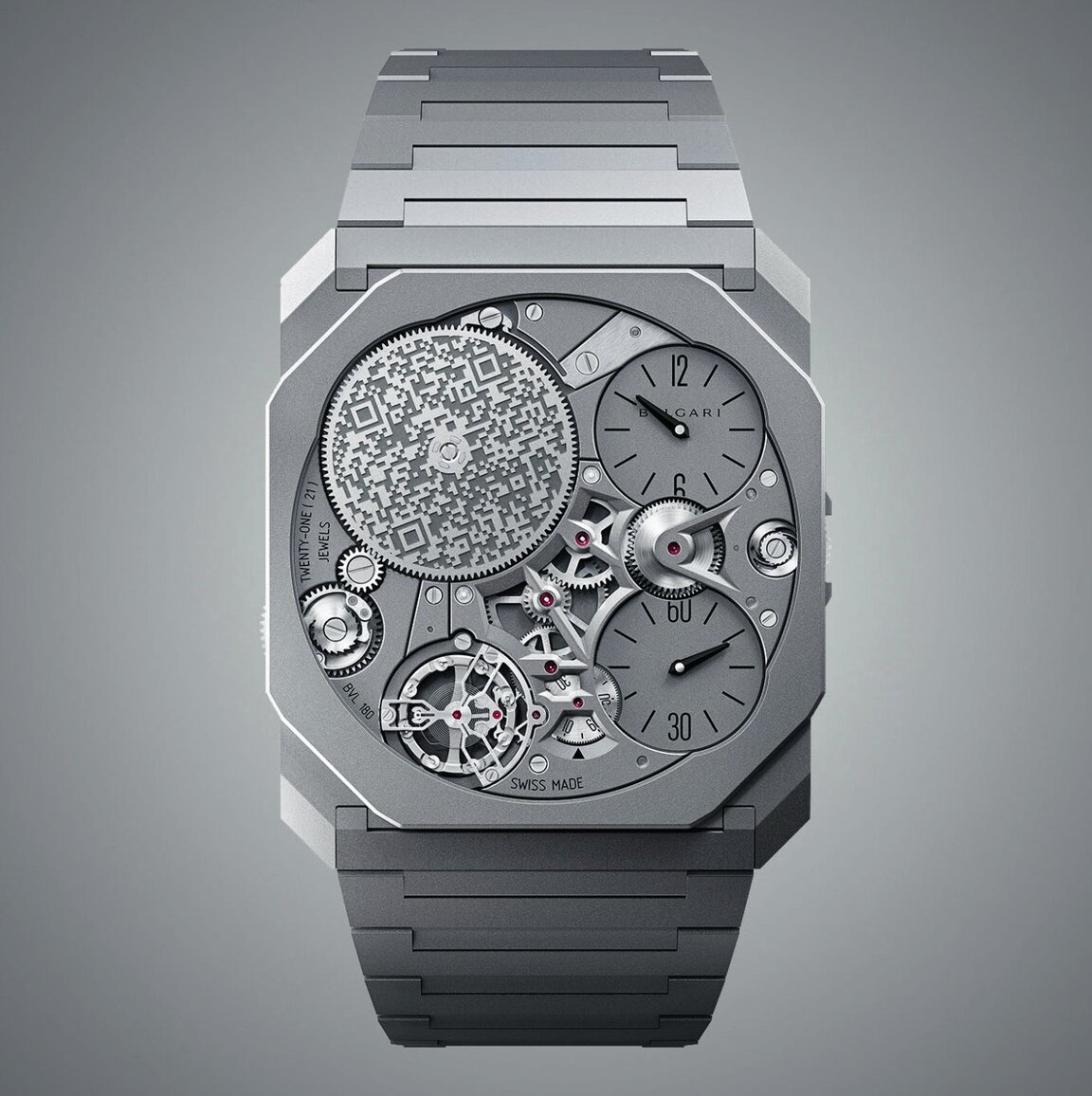
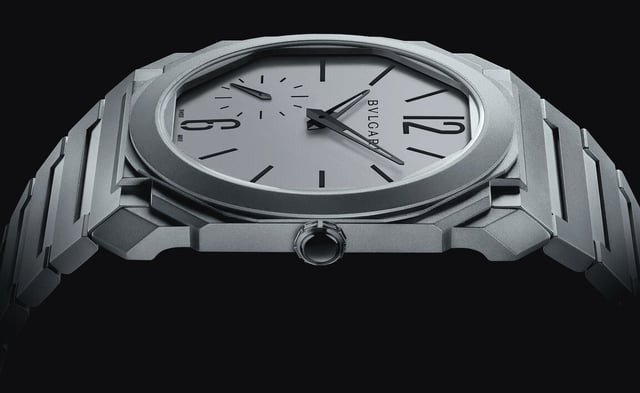
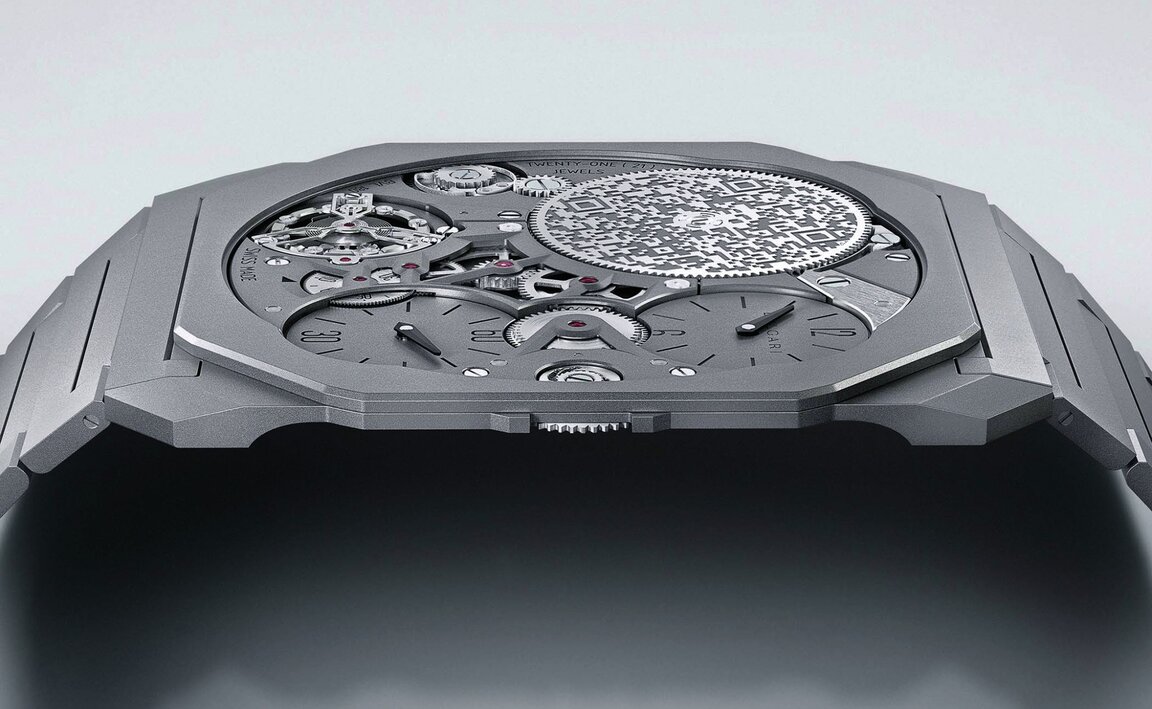
For over a decade, Bulgari has also been focusing on ultra-slim watches, with its Octo Finissimo line. One key element of these is that the cases are made from titanium. This was also the material of choice for the Octo Finissimo Ultra, which Bulgari launched to celebrate the 10th anniversary of its record-breaking collection. This manual-wound watch is made similarly to the Altiplano Ultimate Concept, with the movement being directly constructed on the caseback. Bulgari even went to the trouble of creating a matching bracelet with the watch. Being 1.8-mm thick, it took the crown from Piaget but didn’t get to enjoy it for very long as Richard Mille launched its RM UP-01 Ferrari soon after. Also crafted from titanium, Mille found a way to make its mechanical watch a mere 0.05-mm thinner. Even its weight is mind-blowing, which is 30 grams, strap included. That the brand selected this watch as a start to its partnership with Ferrari might be a coincidence, but it does serve as an excellent illustration that ultra-slim watches are the Formula 1 of watchmaking.
This article was originally published in the November / December 2023 print issue. To subscribe to WatchTime Magazine, click here.