Why Every Watch Enthusiast Should Experience the Horological Americana of Lancaster, Pennsylvania
Hamilton’s history is just one reason the quaint Pennsylvania county of Lancaster beckons watch lovers.
The Pennsylvania countryside doesn’t look too different from the Swiss farmland around Biel/Bienne. There are green hills, farms, cows and quaint old buildings, as well as industrial structures, businesses and highways. The latter is home to the Hamilton Watch Company headquarters today, but the former is where its origins lie. That history is still present there if you know where to look. And it’s just part of the reason the county of Lancaster is a uniquely interesting place for watch lovers in the United States.
Breathtaking views, natural wonders, grandiose architecture and exotic experiences that you’d fly around the world for? That’s not Lancaster. Rather, it has a quieter draw — the kind that watch enthusiasts are predisposed to appreciate. Its old buildings have the kind of low-key charm and character of many U.S. East Coast towns and cities. If you take the Amtrak train in, as I did from Philadelphia, you may step onto the platform to the faint scent of fertilizer wafting on the breeze.
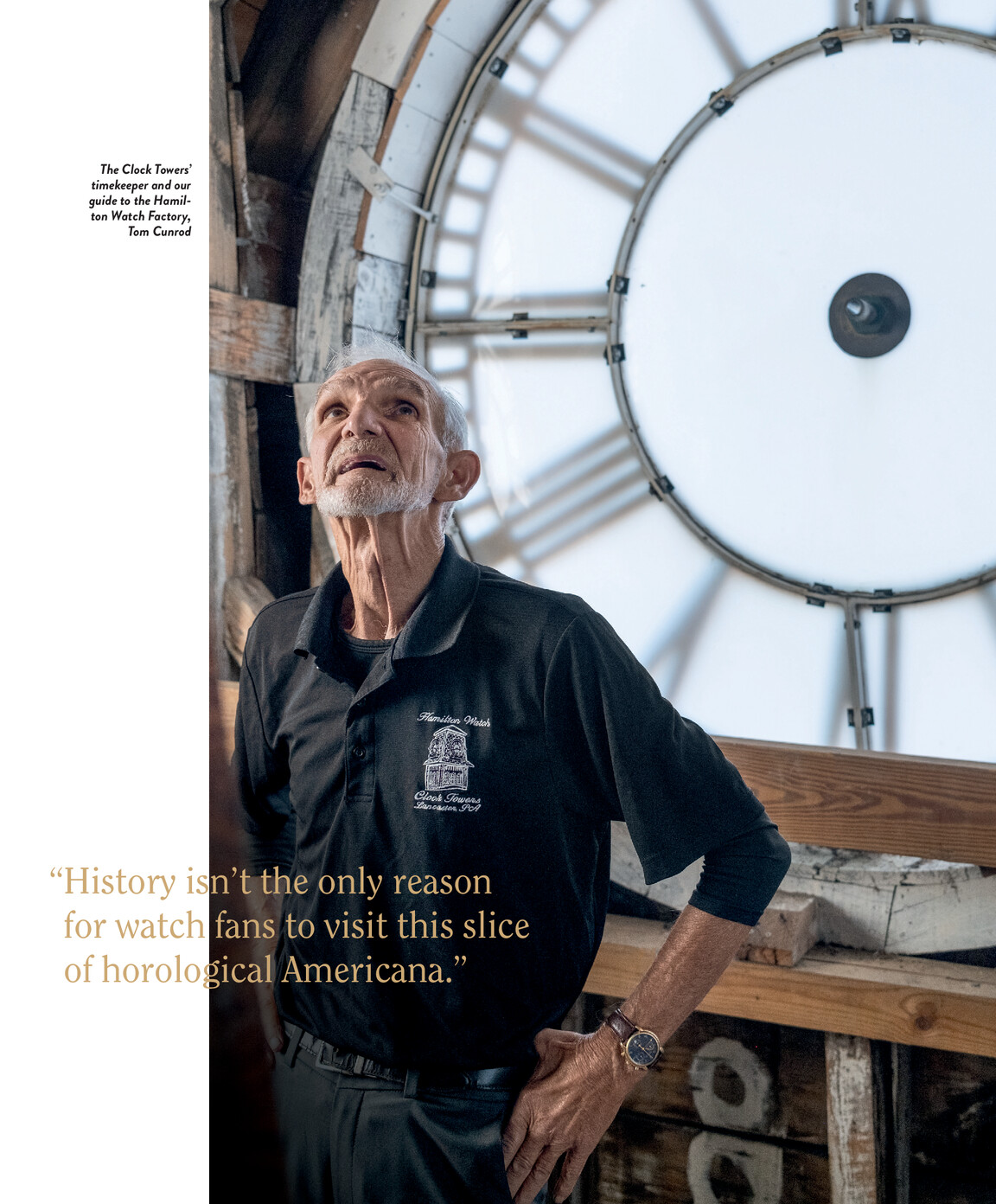
You might know that Hamilton was historically based there. You might also know that the United States was once a watchmaking powerhouse, and that this is a niche of horological history that’s all too often overlooked. It shouldn’t be, but history isn’t the only reason for watch fans to visit this slice of horological Americana: Watchmaking and watch culture are alive there today like few other places in the country. I recently visited as a guest of Hamilton to learn about its history, but for me it was part of the bigger story of Lancaster and its watchmaking scene.
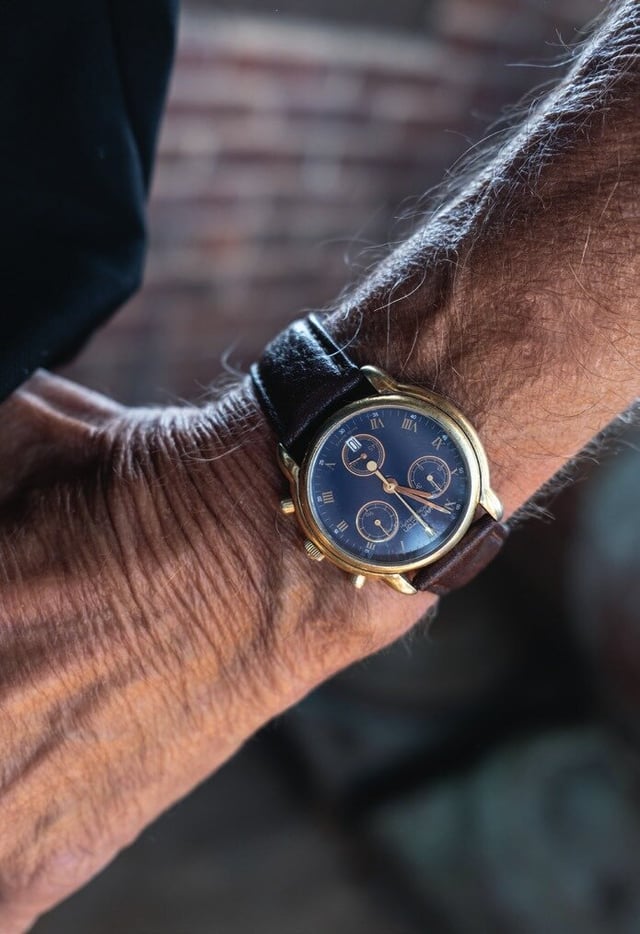
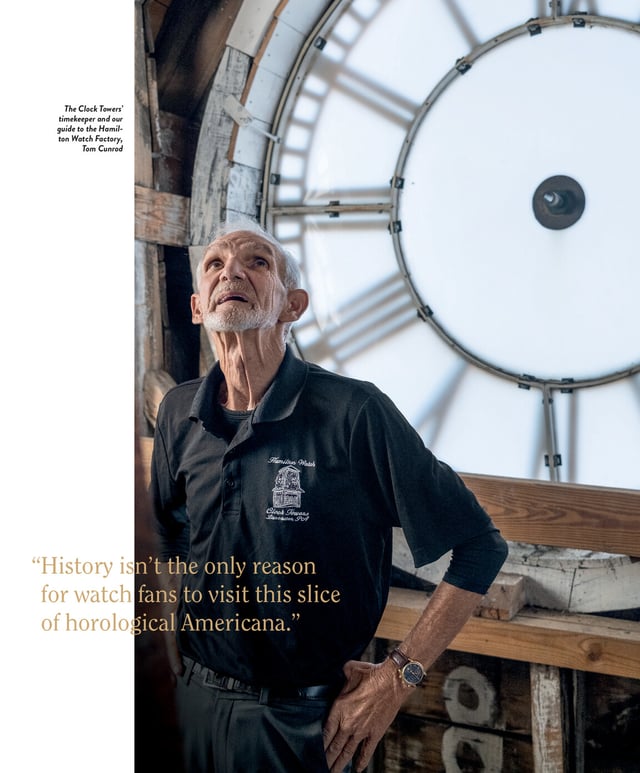
A Hamilton quartz chronograph on the wrist of Tom Cunrod
Zen Love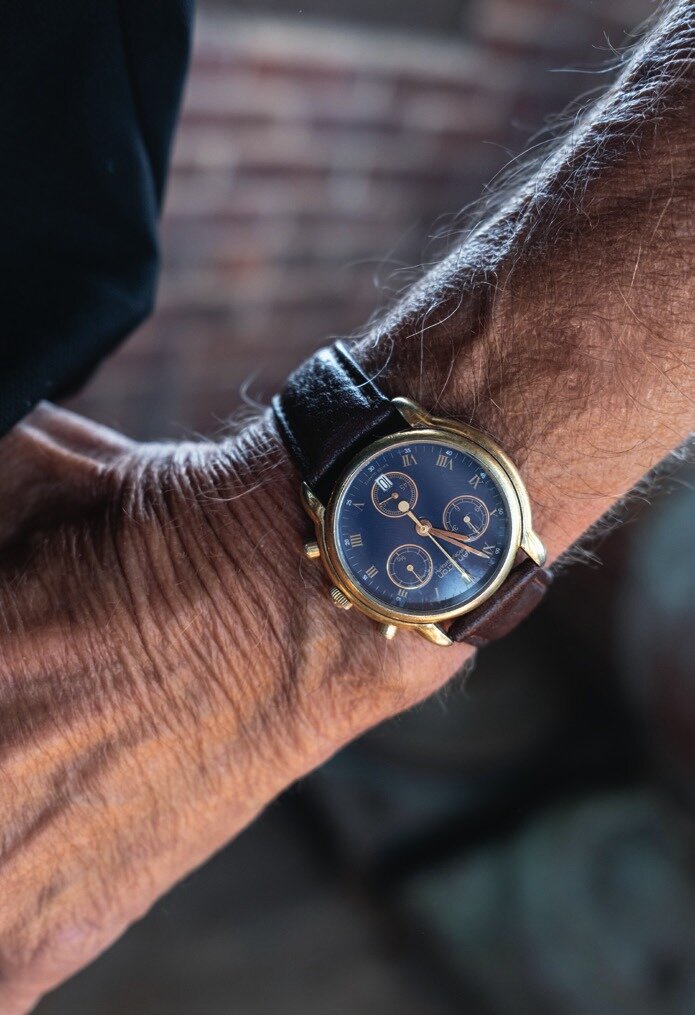
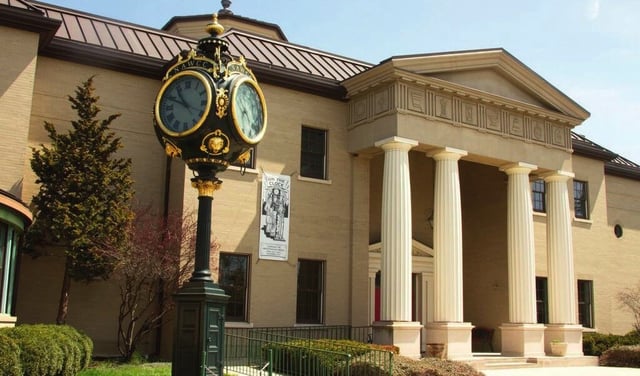
The National Watch & Clock Museum
Start a watch-centric trip to Lancaster here. Why? The National Watch and Clock Museum in Columbia, PA, will help contextualize everything else you explore, and you’ll leave with your mind tick-tocking to the beat of a balance wheel. Horological curiosities and contraptions are collected there from elegant wristwatches to the kind of clocks and devices you (or, at least, I) never even imagined.
There are time-telling systems from all over the world, changing exhibits, and even recreated watch stores from decades past complete with slightly creepy mannequins. It paints a picture of watchmaking history as a whole and its diversity in terms of different engineering solutions, design, and changing social roles over time. Part of that history is the watch industry in the United States, and right there locally in Lancaster.
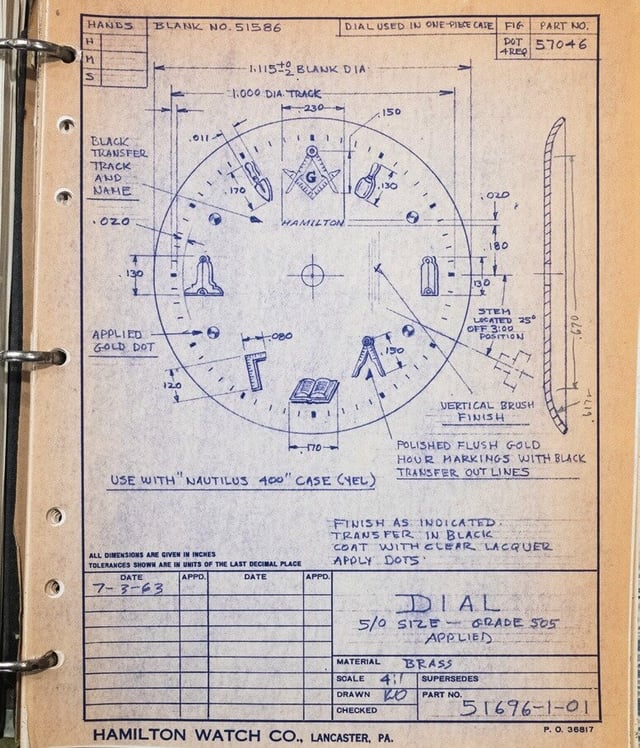
1963 dial designs from the Hamilton factory preserved in the National Watch and Clock Museum’s library
Zen Love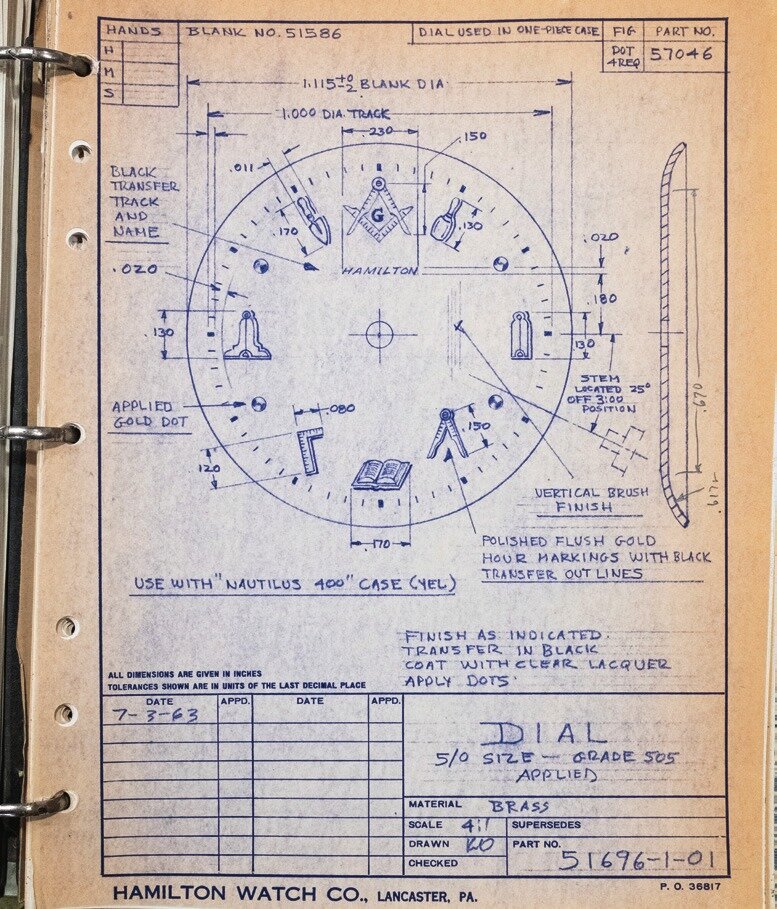
I’ve visited the museum a couple of times, most recently with Hamilton’s PR team and CEO as well as a small collection of journalists and influencers. Before wandering the exhibits, we started in the library where the resident librarians and researchers explained how some of the materials such as records and photographs from the Hamilton Watch Factory are preserved for posterity and scholarly use. Every nugget such as this is its own potential rabbit hole, making the museum a cornucopia of intellectual candy for watch fans.
The National Watch and Clock Museum
Zen Love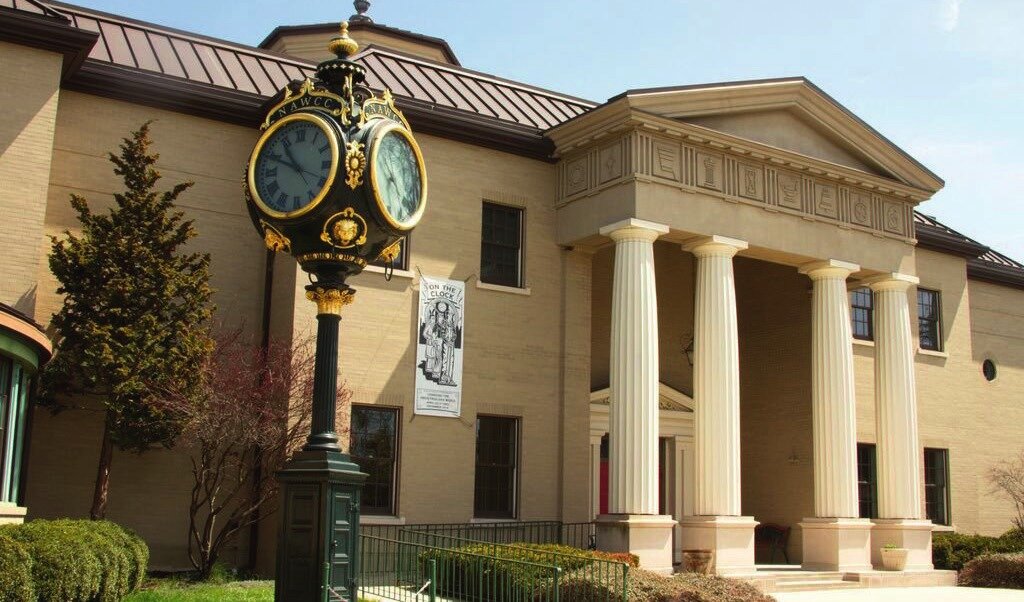
Pro tip: If watches and horology fascinate you, give yourself plenty of time to spend at the museum. For me, the depth and breadth of horological interest on display is, frankly, a little overwhelming — too much to digest even in a day. One could just sit and gaze at nearly any one of the hundreds of fascinating items on display, and each is worthy of learning about more deeply.
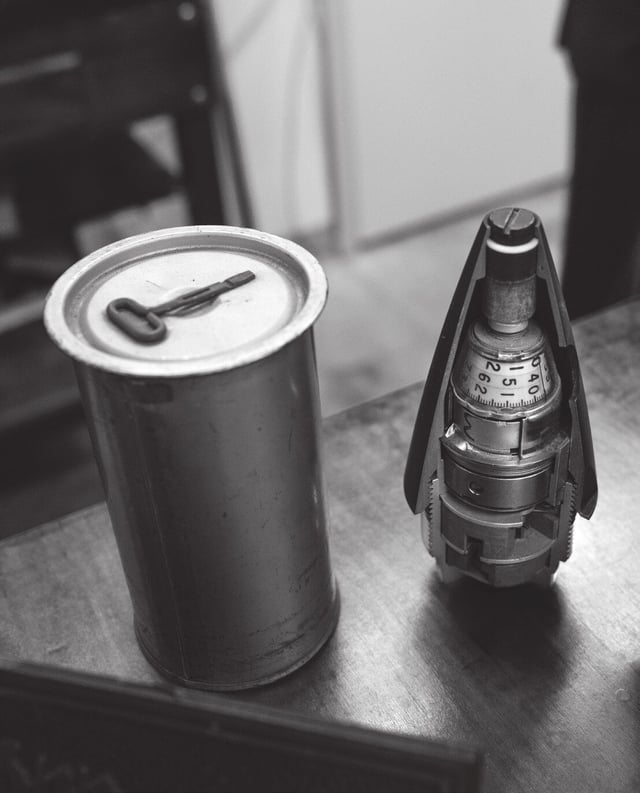
A World War II artillery fuze with timer produced by Hamilton
Zen Love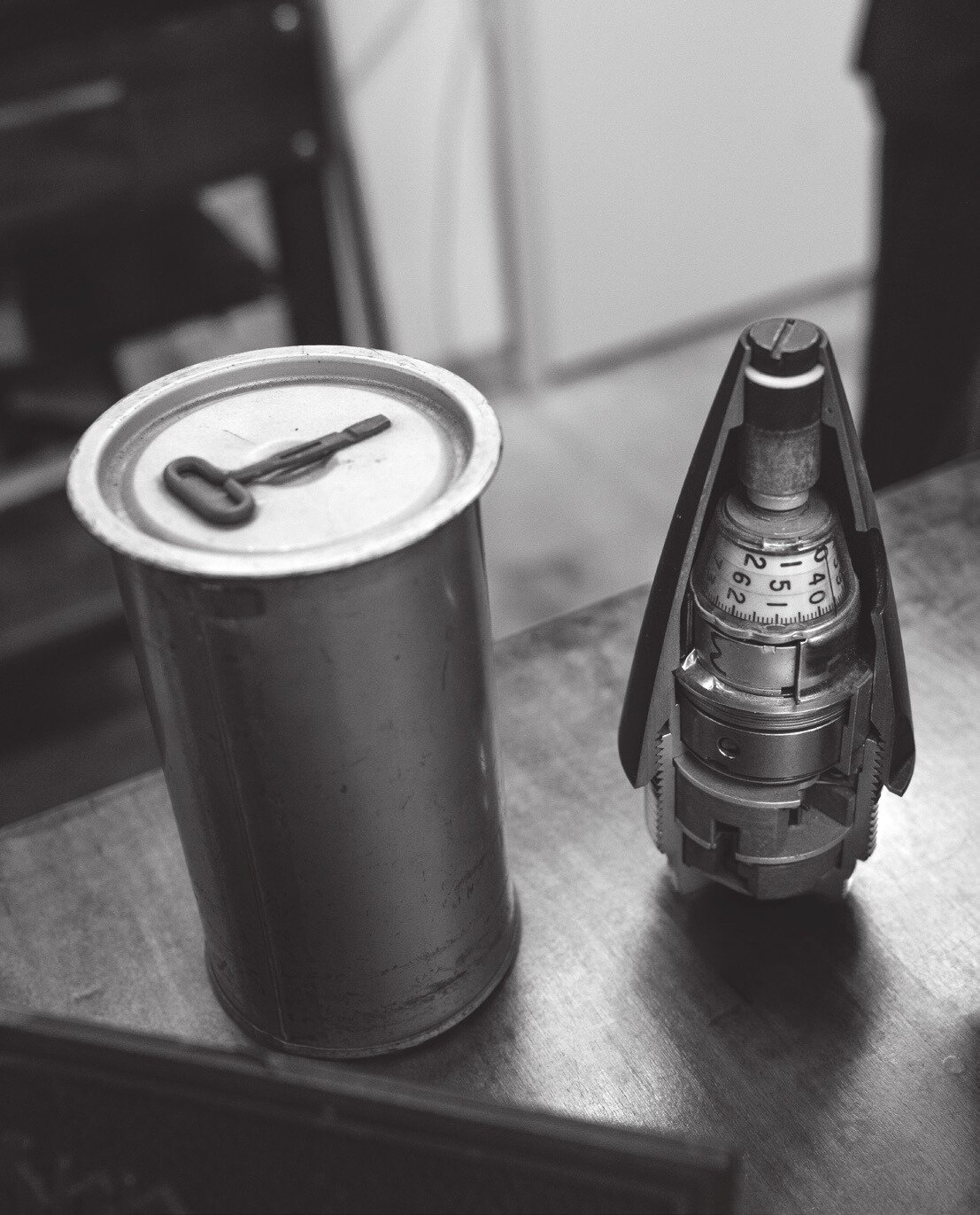
Hamilton
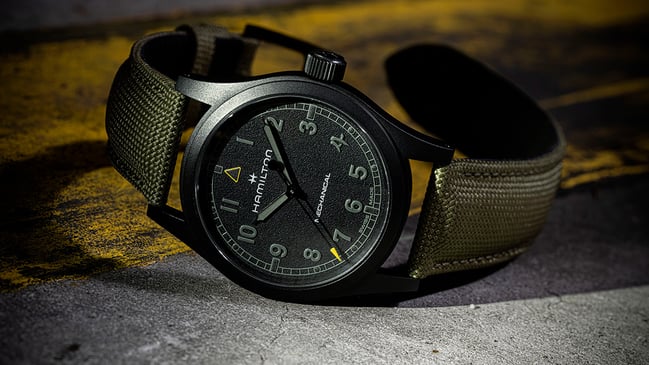
The Khaki Field, the Ventura, the PSR, the Murph, the Intra-Matic …. Hamilton today has more genuinely strong and standout products than a lot of brands, and even some bona fide icons. Each seems to draw upon different aspects of its history, from its role in timing the early railroads and outfitting World War II soldiers to technological innovations like the first electric and LED watches. But there’s even more to Hamilton’s history than those modern collections tap.
That history doesn’t just live in dusty books, sit behind museum vitrines or provide inspiration for modern watches: It reverberates through the county and city of Lancaster. The complex of structures that housed its factories still stands and serves as a fascinating window to the era of American industrial watchmaking.
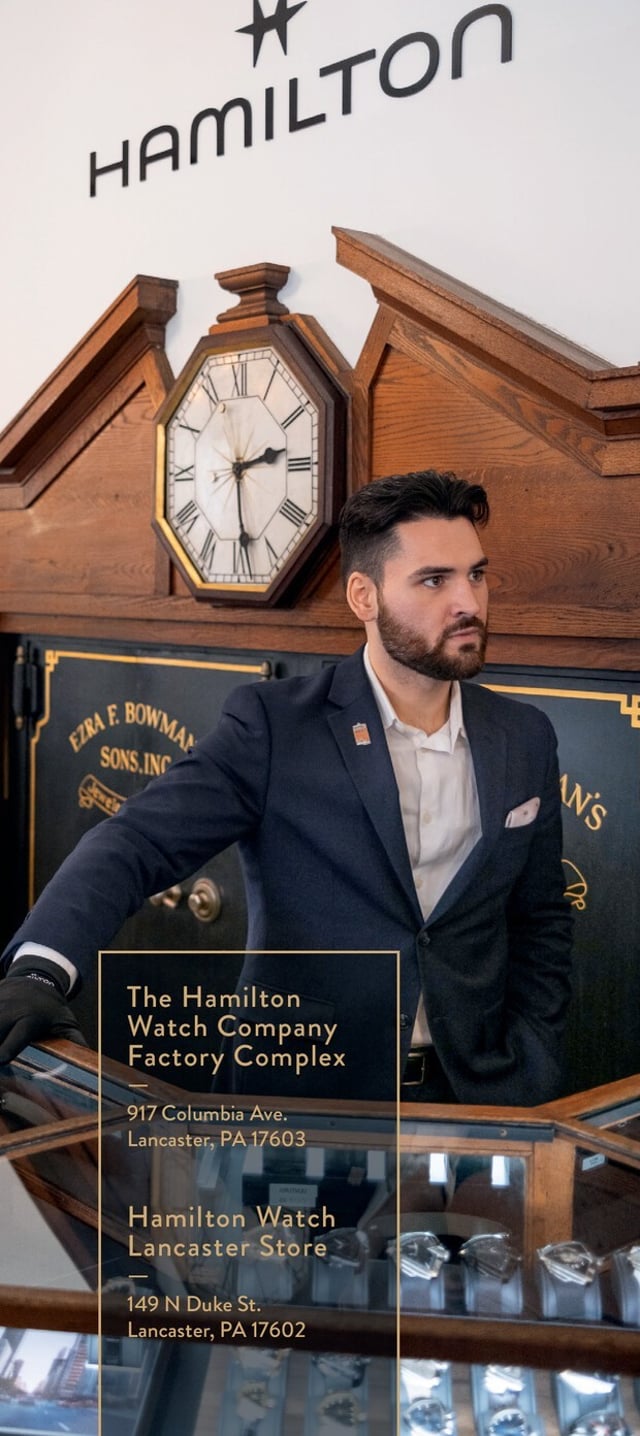
Five minutes’ drive away (a bit longer as we traveled in a horse-drawn cart during my visit) is the only Hamilton mono-brand boutique in the country. Hamilton’s U.S. production ended in 1969, and with it the last watches fully manufactured at scale in the United States. Its operations moved to Switzerland, and the factory’s buildings now house condominiums. But remnants of its history survive for the curious to discover.
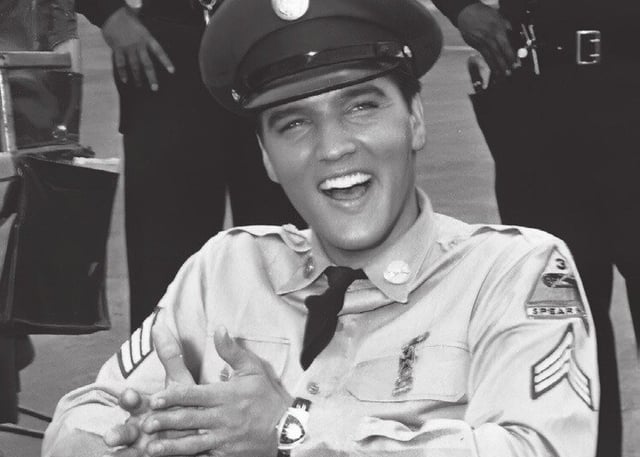
Elvis Presley on the set of Blue Hawaii
PR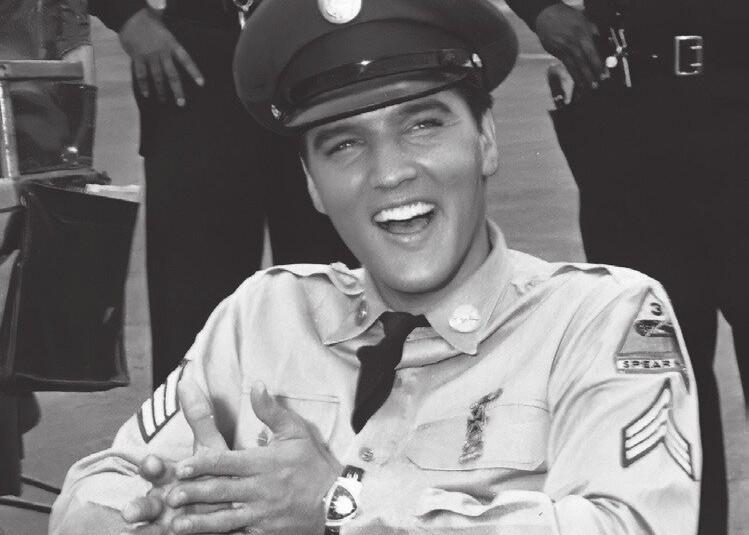
Before Hamilton was established in 1892 through the merger of different companies, the factory housed other local watch companies Adams & Perry, Lancaster, and Keystone. At this factory, Hamilton “made their own everything,” according to our guide. That included hairsprings and even the oils used in watch movements at its own refinery. There was a bakery onsite that would hand out dough to the employees each morning for keeping the tiny components on their desks — in the same way that modern watchmakers use putty.
In World War II, Hamilton made marine chronometers, navy diving watches, and field watches for the government. Part of the Hamilton factory, however, was also converted for making the likes of fuses, ammunition boxes and medical supplies. The factory’s Building 5 specifically was used for the production of ordnance and was fenced off with tight security. You probably don’t need to spend a lot of time visiting the old Hamilton factory today, but it’s gratifying to have this history in mind as you explore the grounds.
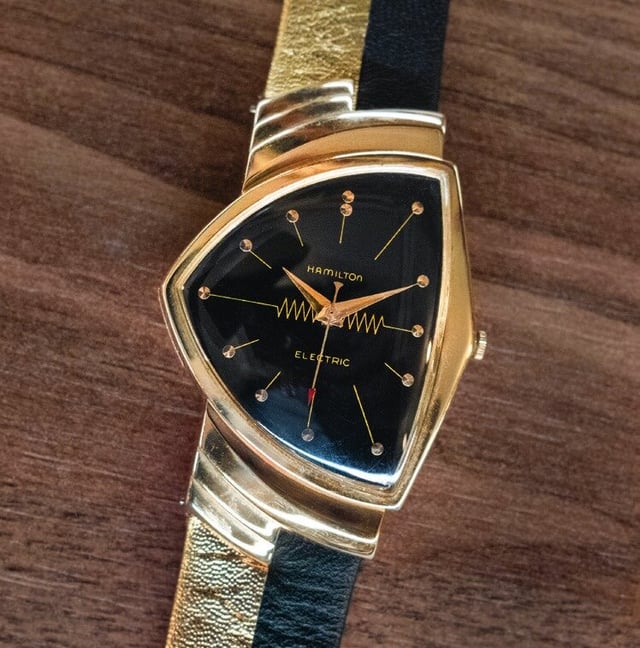
The Hamilton Ventura Elvis Presley wore on the set of Blue Hawaii on display at the Hamilton boutique
Zen Love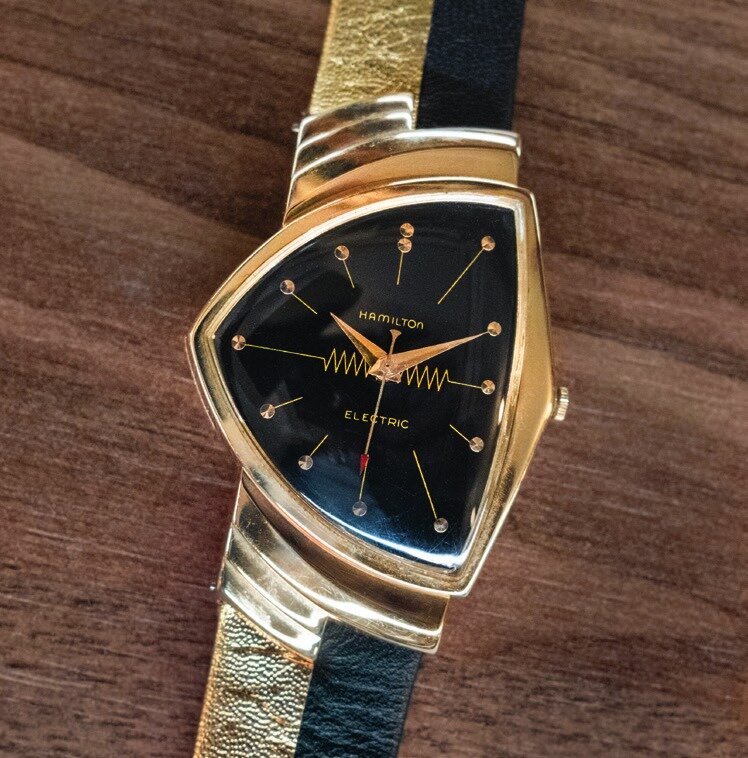
Hamilton Watch Lancaster Store
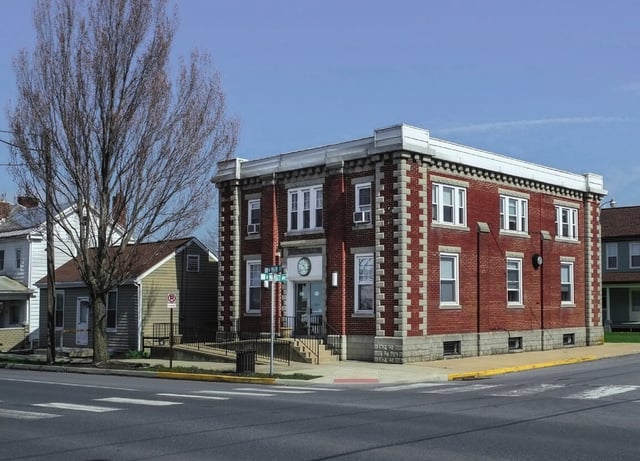
It’s interesting that Hamilton would open its only monobrand store, not in Manhattan or Miami, but in the comparatively sleepy town of Lancaster. The location, however, certainly speaks a lot more to the brand’s history and personality than anything on 5th Avenue ever could.
There’s a lot more to this boutique than just fancy watches on little pillows and slick salespeople. It’s converted from the historic Bowman Technical School for watchmaking, which was established in 1877, as reads a plaque outside. Two clock faces on the building’s corner display the accurate time, powered by a pendulum clock from 1914 restored in 2024. On the roof of the building remains an observatory.
The RGM workshop in Mt. Joy, Pennsylvania
RGM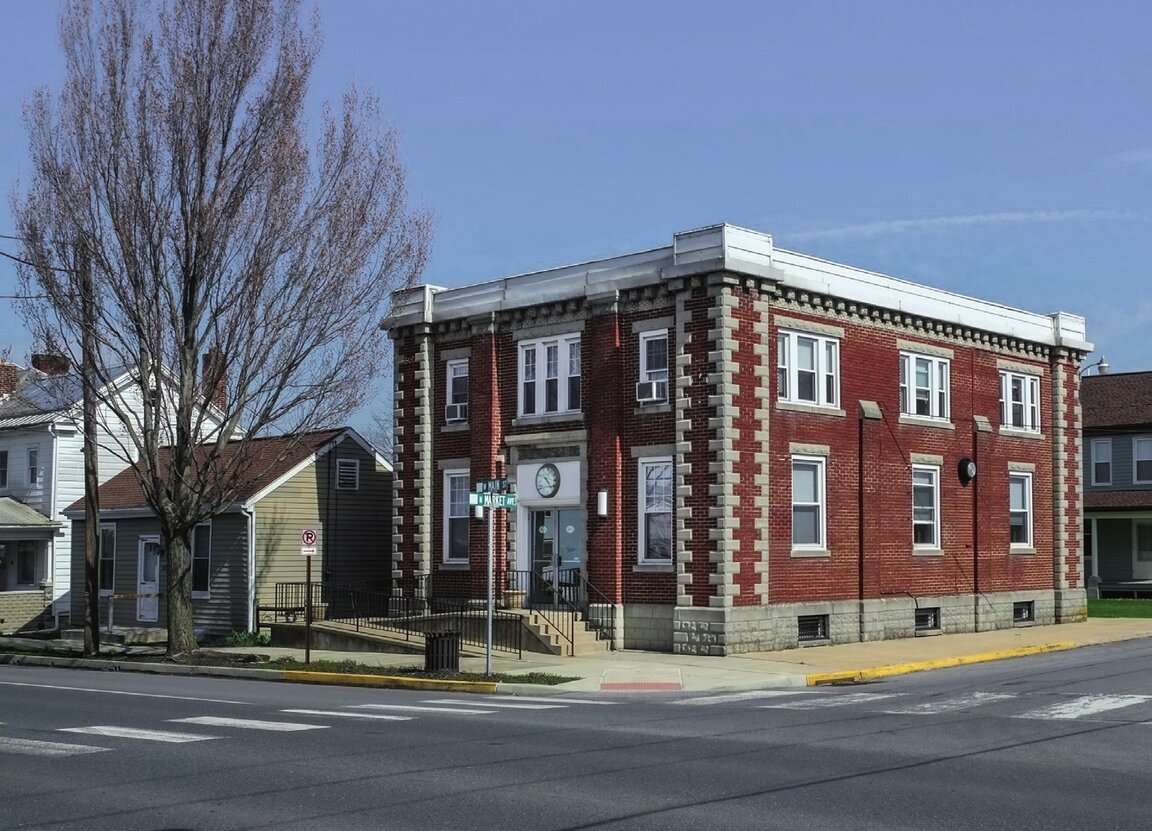
Inside are, of course, Hamilton watches you can buy. But there are also examples from the Hamilton museum on display that will be changed periodically. When I visited, the theme was Hamilton’s cinematic presence (with appearances in over 500 films) and it included a number of watches that had actually been worn on screen by Hollywood actors. You know the iconic photo of Elvis Presley on the set of the 1961 film Blue Hawaii wearing a Hamilton Ventura? That Ventura was there, as was the prop watch worn in Interstellar that would go on to be known as the Murph.
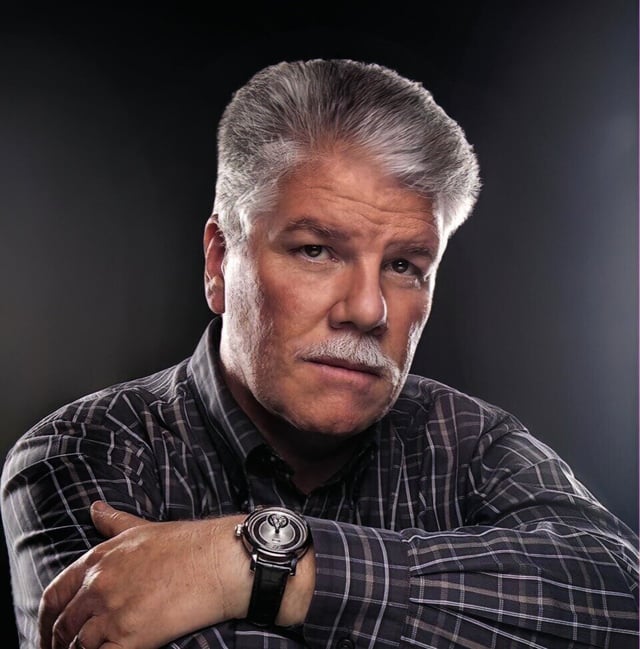
Watchmaker and RGM founder Roland G. Murphy
RGM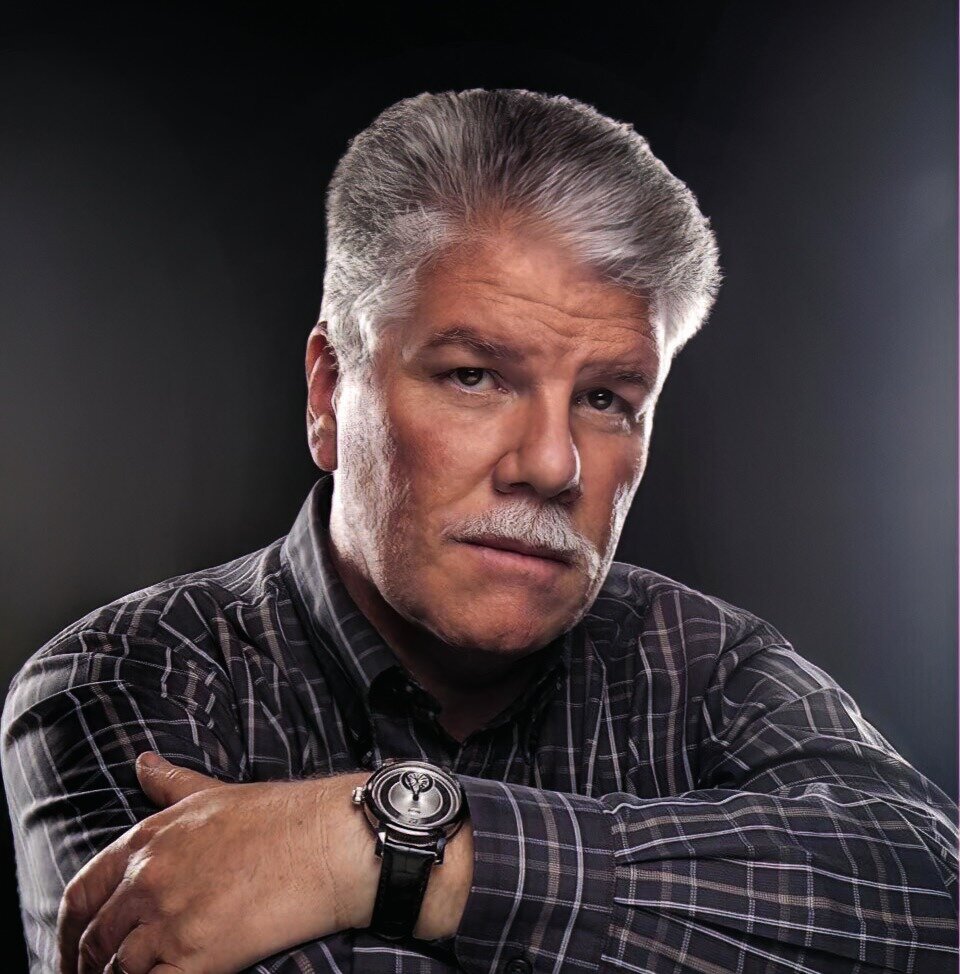
RGM
Want a souvenir from this special enclave of American watchmaking? A Swiss-made Hamilton watch isn’t a bad choice. But you can get watches that say “Lancaster” right on the dial. And we’re not talking about a novelty from the museum gift shop (though they have some fun stuff, too). We’re talking about watches that are about as serious as they get — watches that say “Lancaster” and “USA” on their movements, too.
Watch enthusiasts likely already know about RGM. Roland G. Murphy’s eponymous brand is quietly one of the only and longest operating independent watchmakers in the United States. He was trained at the Bowman school, which now houses the Hamilton store, as well as at WOSTEP in Switzerland, and worked for Hamilton before founding his own company in 1992. He repairs and restores watches, as well as making watches under the RGM brand, often customized for clients.
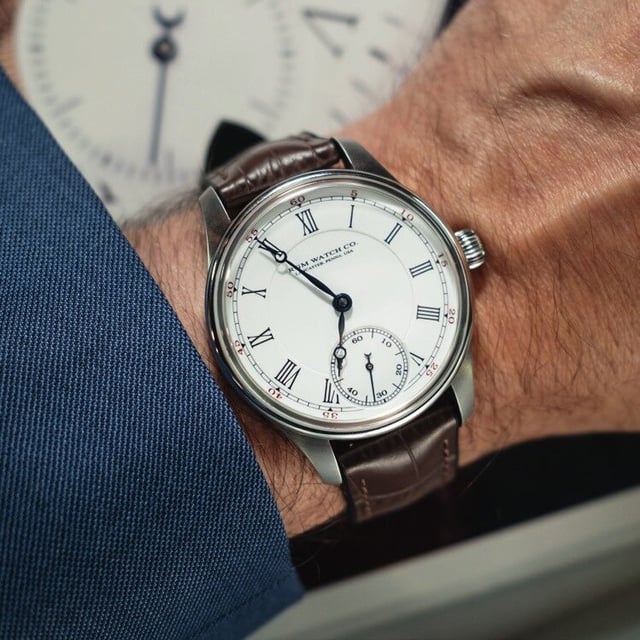
The RGM 801-CE is powered by RGM’s own 801 mechanical movement.
Zen Love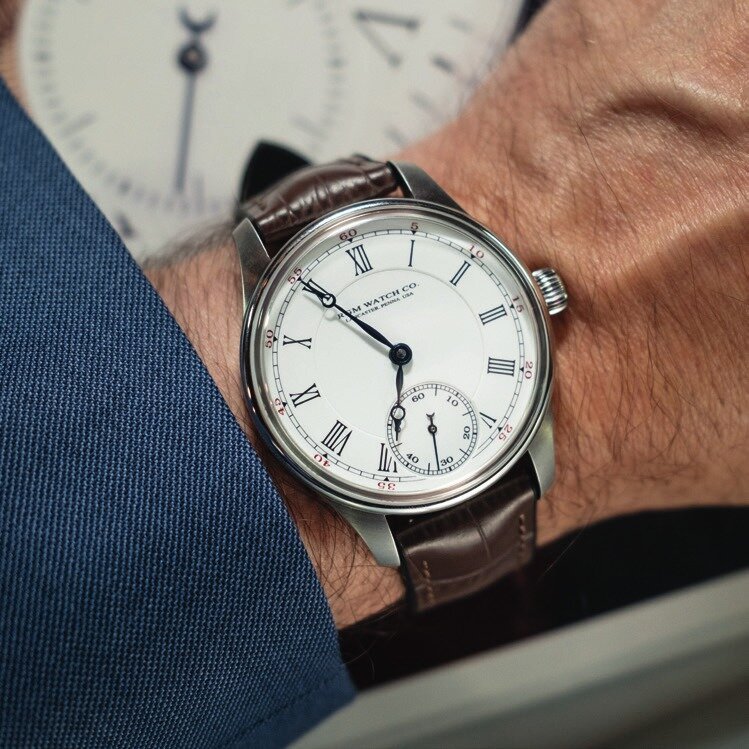
Some watches in the RGM range use sourced Swiss movements, but he also produces his own movements and even tourbillons right there in the Pennsylvania countryside with a small team. Other features of RGM watches include in-house guilloché. These are rare examples of watches that have been designed, produced, assembled and decorated literally by the same hand.
His workshop is in Mount Joy in Lancaster County and, though it’s possible to visit, you need an appointment. We wouldn’t miss a chance to do so. And the workshop isn’t a retail location, so if you want to buy an RGM watch you’ll need to contact them ahead of time as well.
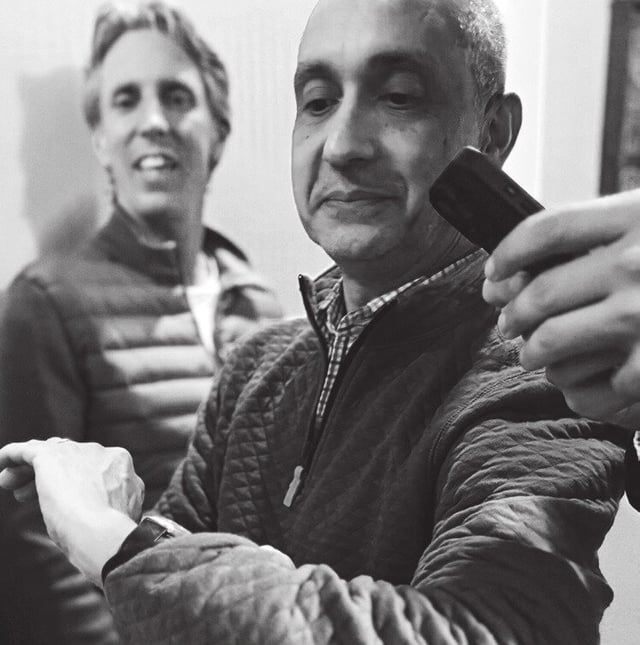
Owner of local Belgian beer cafe Bert & the Elephant shows off his Hamilton quartz watch.
Zen Love
Beyond the Main Attractions
Lancaster is an epicenter of American watchmaking history, but it’s also a dynamic modern town. Not every local you see on the street is a watch collector or is even necessarily aware of the history around them. But they often know or are related to someone for whom the Hamilton factory was a livelihood back in the day.
This is the experience I had in local bars, restaurants and cafes around town. I was curious to get a sense of how much locals knew or appreciated the history of watchmaking and its modern legacy in their region. There’s the factory, the Hamilton store, RGM, and even the Lititz Watch Technicum, a watchmaking school founded by Rolex, around 20 minutes outside of Lancaster City. While the town has moved on in many ways, there are also many in the community that want to celebrate its history and raise awareness of it.
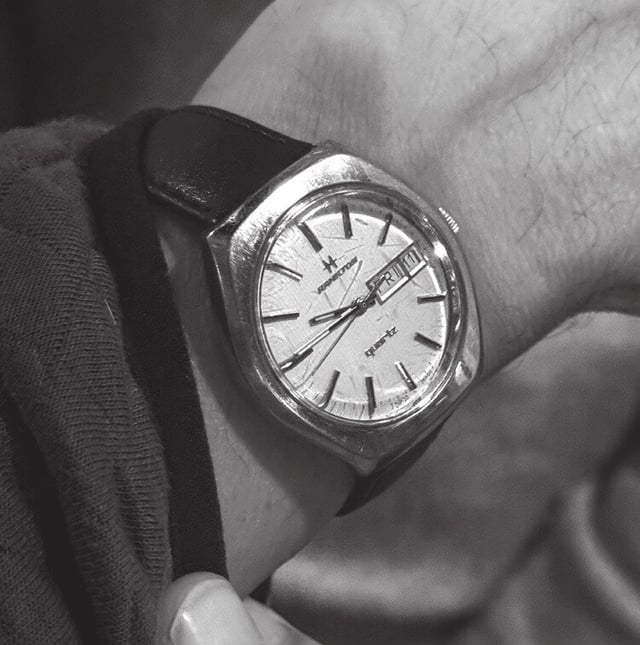
The Hamilton quartz watch of the owner of local Belgian beer cafe Bert & the Elephant.
Zen Love
You might stop by Brent L. Miller Jewelers & Goldsmiths just outside the center of Lancaster for general watch shopping. The president, Ryan Miller, also owns the building that houses the Hamilton boutique — as well as a condominium within the Hamilton Watch Co. Factory Complex. The apartment is decked out in a Hamilton and watchmaking theme and, yes, you can even stay there. He and others want to make Lancaster a destination for lovers of horology both historical and modern, and that’s a cause we can support.
In addition to the main attractions, watch nerds can soak up the quaint vibes of the area. The agricultural and Amish communities in the surrounding countryside recall the ideals many might associate with watchmaking: a mindset that harkens to yesteryear, the practice of traditional crafts, and values such as patience and hard work. But this is far from a backwater: You won’t lack for cafes, breweries, good food, and even the likes of quality menswear shops. You can stop by the Central Market on the weekends for some local color or souvenirs. You might even be tempted to take a new watch home from Lancaster, but you’ll at least leave with a deeper appreciation of American watchmaking.
This article was originally published in the January / February 2025 Issue. To subscribe to the print edition of WatchTime Magazine, click here.