Walking Through Glashütte, Part I: The Foundation of a Legacy
A history of watchmaking in Glashütte
The greatest, most compelling stories in watchmaking often come from the tiniest place — whether in Japan, Switzerland or, in this case, Germany. What is also similar is that to get to these places, you get the idea that you must drive off the map. Surrounded by the best nature has to offer, you seem to leave civilization behind to visit a secluded, almost hidden, place. When it comes to Glashütte, this means that you are leaving the classic cosmopolitan vibe of Dresden, the state capital and largest city in the region, behind you and driving south through the forests and mountains of Saxony. This trip only takes about 40 minutes but will transport you to another place in time.
Glashütte’s history started in the 15th century, when a small settlement most likely was established dedicated to the production of glass. This would also explain the town’s name, which means “glassworks” in German. The materials needed for the production of glass, like sand, feldspar, soda and lime, were all easier to find in the mountains and forests, making it a logical place to locate its production. War most likely halted production, but in 1490 the next chapter of Glashütte’s history was written when silver ore was found in the mountains. This not only led to a great increase of prosperity in the region but also drew the attention of its ruler, Duke George of Saxony.
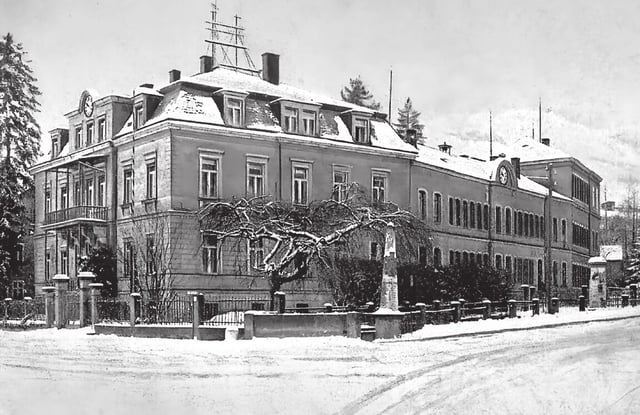
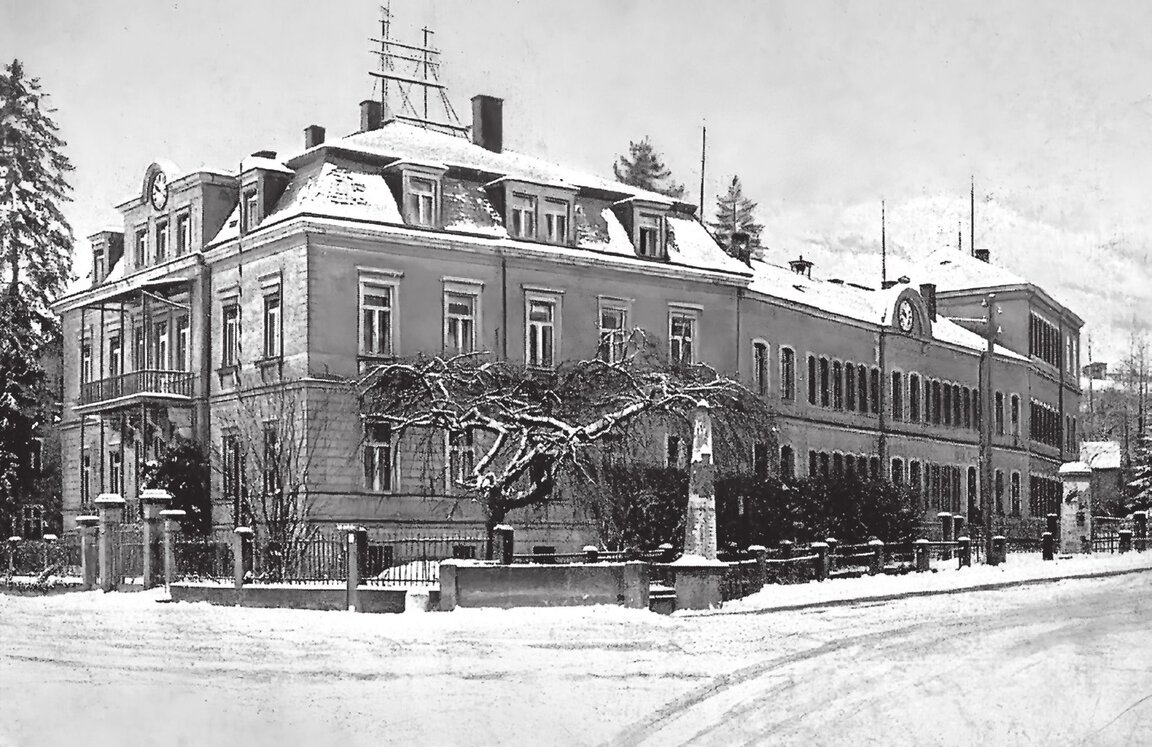
At that time, Germany as we know it now did not exist but was a collection of numerous counties, duchies and principalities, including Imperial and Free Cities, and bishoprics and archbishoprics, under the Holy Roman Empire. Nevertheless, Saxony was an important and influential part of the empire, with its Duke being one of the seven members of the electoral college that appointed the new emperor. As it was the sovereign’s right to claim a percentage of the silver ore finds as his own, it might not come as a surprise that Duke George of Saxony granted Glashütte city and mining rights in 1506.
When walking through Glashütte, there is very little left that reminds of that era, except the two crossed hammers in the city’s coat of arms. While the discovery of silver ore drew people to the city of Glashütte, it did quite the opposite when the source was depleted. Several enduring wars in the region, as well as epidemics such as the plague, made life difficult for the inhabitants of Glashütte. This was all the more so as agriculture is very difficult in this mountainous region, which forced the people to take on straw weaving as a way to make ends meet.
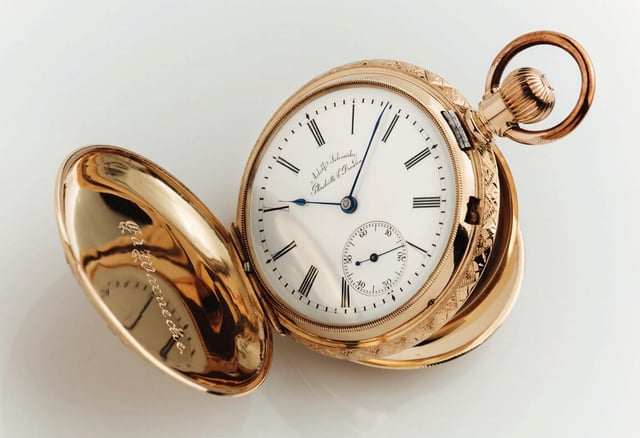
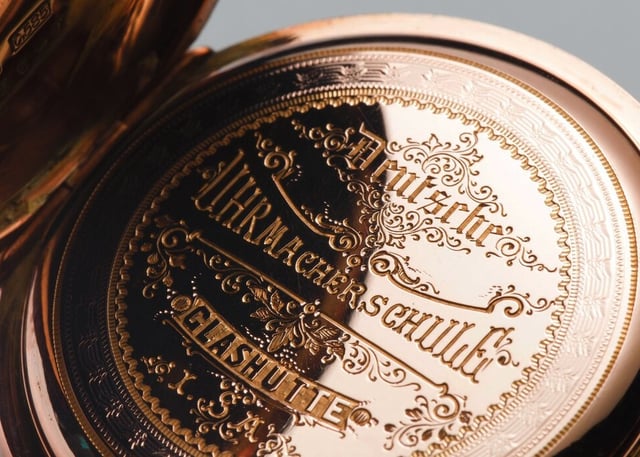
A pocketwatch made by Adolf Schneider, who is considered, together with Adolf Lange, Moritz Grossman and Julius Assmann, one of the founding fathers of watchmaking in Glashütte.
German Watch Museum Glashütte and A. Lange & Söhne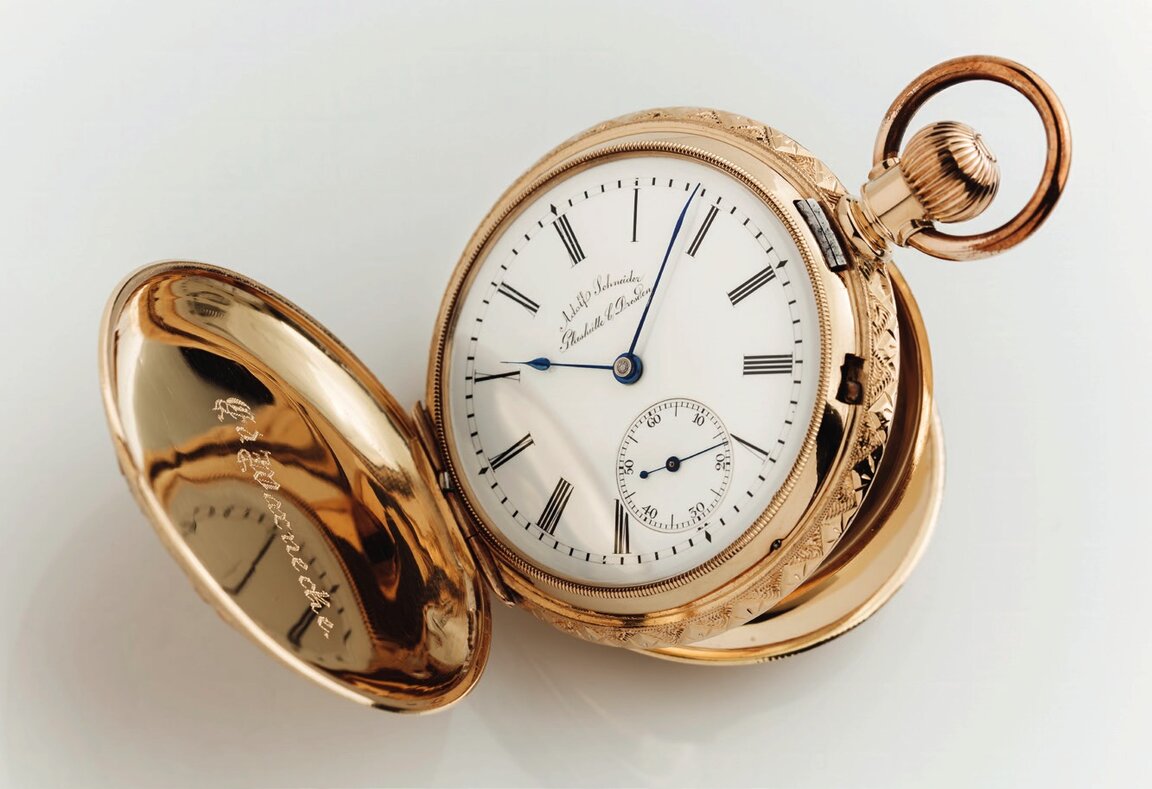
In the 19th century, Saxony was still a sovereign state and a progressive one. It invested significant amounts of money into industrialization and opened the first railroad between its capital, Dresden, and Berlin in 1813. However, tucked away in the mountains, Glashütte was initially forgotten. The city council sent an urgent request for assistance to the Saxon government, which took a few years to respond by putting out public notices for craftspeople to establish workshops in areas such as Glashütte.
Ferdinand Adolph Lange, the official watchmaker of the Saxon Court in Dresden, responded to this call for action. In this prosperous environment, arts and science were held in high regard, which allowed Lange to join renowned watchmaker Johann Friedrich Gutkaes as an apprentice at the age of 15, and later on, he would marry Gutkaes’ daughter. One of their most notable achievements together was the development of the five-minute clock for the Semperoper in Dresden.
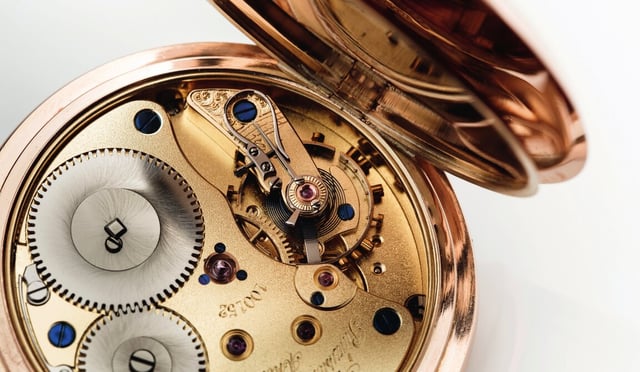
Typical features that still distinguish watches made in Glashütte, such as the three-quarter plate, hand-engraved balance cock with swan neck regulator, and gold chatons, are also present in this vintage pocketwatch that was made in this town and is part of the collection of the German Watch Museum.
German Watch Museum Glashütte and A. Lange & Söhne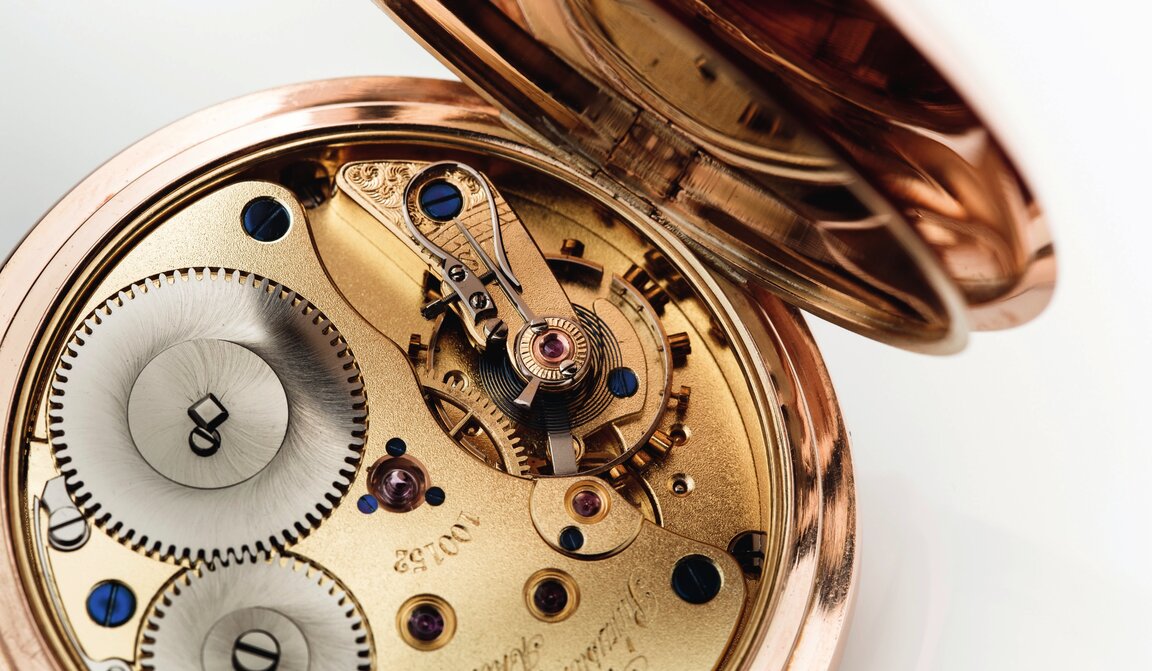
After his apprenticeship, Lange traveled through watchmaking countries such as France, Switzerland, and the UK, before turning back to Saxony, full of fresh ideas. The Saxon government was not very keen to respond to Lange’s offer to establish a workshop for watches in the town, and only after he resent his proposal after a year did he get a positive response. Then, the true challenge began, as starting a watch manufacture in a town of straw weavers is not an easy task.
Lange approached this like he constructed his movements, with precision, patience and perseverance. While there may have been no prior experience presence in Glashütte when it came to watchmaking, Lange did offer hope and a more prosperous future, which was embraced. While the Saxon government offered Lange a loan to set up his business and financially supported the apprentices, his company was still a business that needed to make a profit to stay afloat.
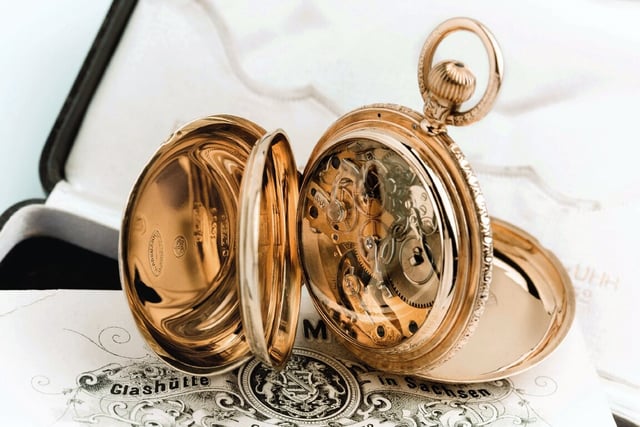
For decades, the gold standard of pocketwatches were those made in Glashütte.
German Watch Museum Glashütte and A. Lange & Söhne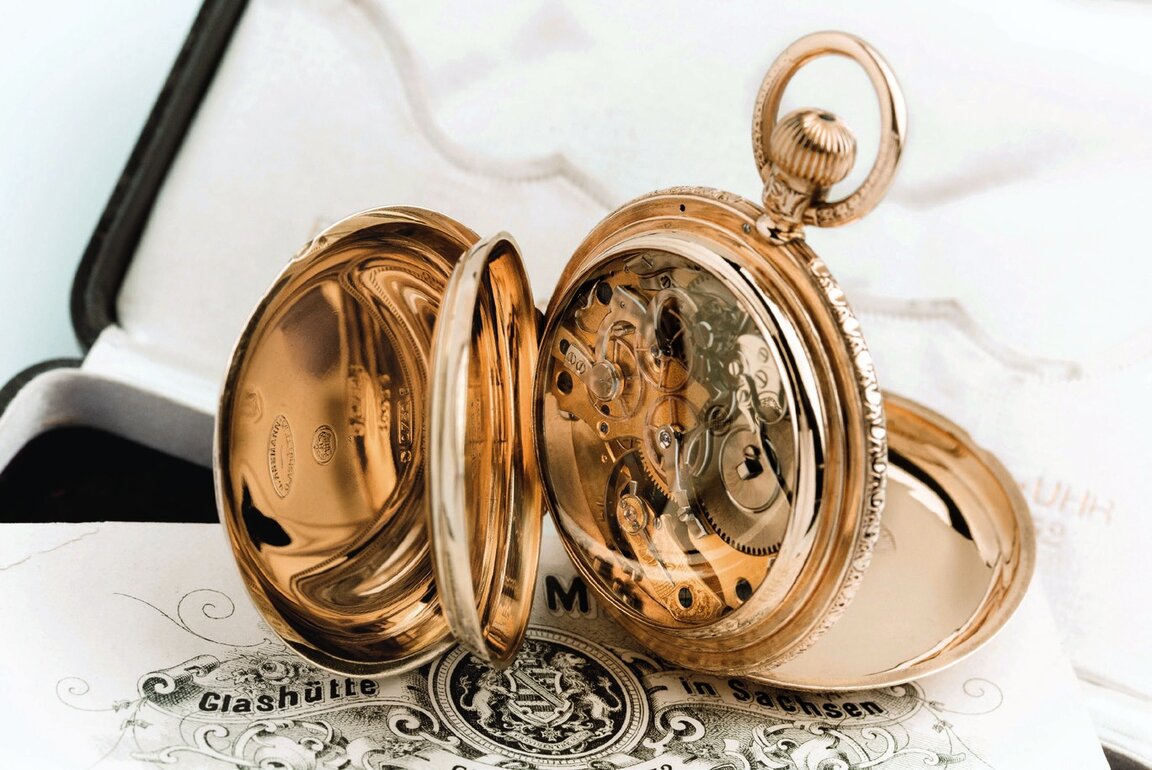
At the same time, Lange was fiercely dedicated to delivering the best quality possible. He adopted the metric system long before Germany officially did, divided labor into specialized components, and insisted that every watch be timed and regulated before leaving the workshop — a radical approach at the time.
Lange also encouraged his employees to start their own businesses once they had completed their apprenticeship and required years of employment. Rather than fearing competition, he understood that a sustainable industry required multiple independent manufacturers and specialized suppliers.
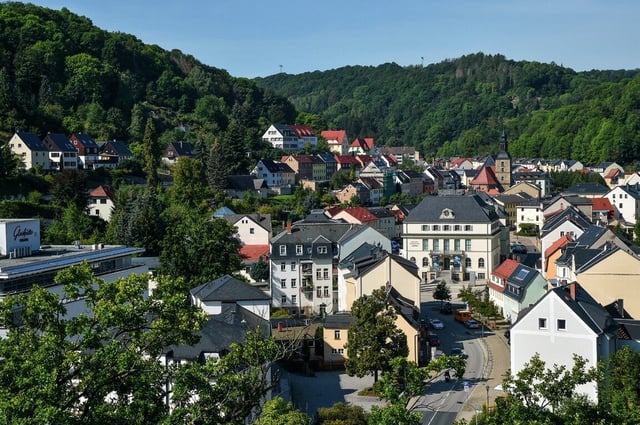
A current-day view of Glashütte
German Watch Museum Glashütte and A. Lange & Söhne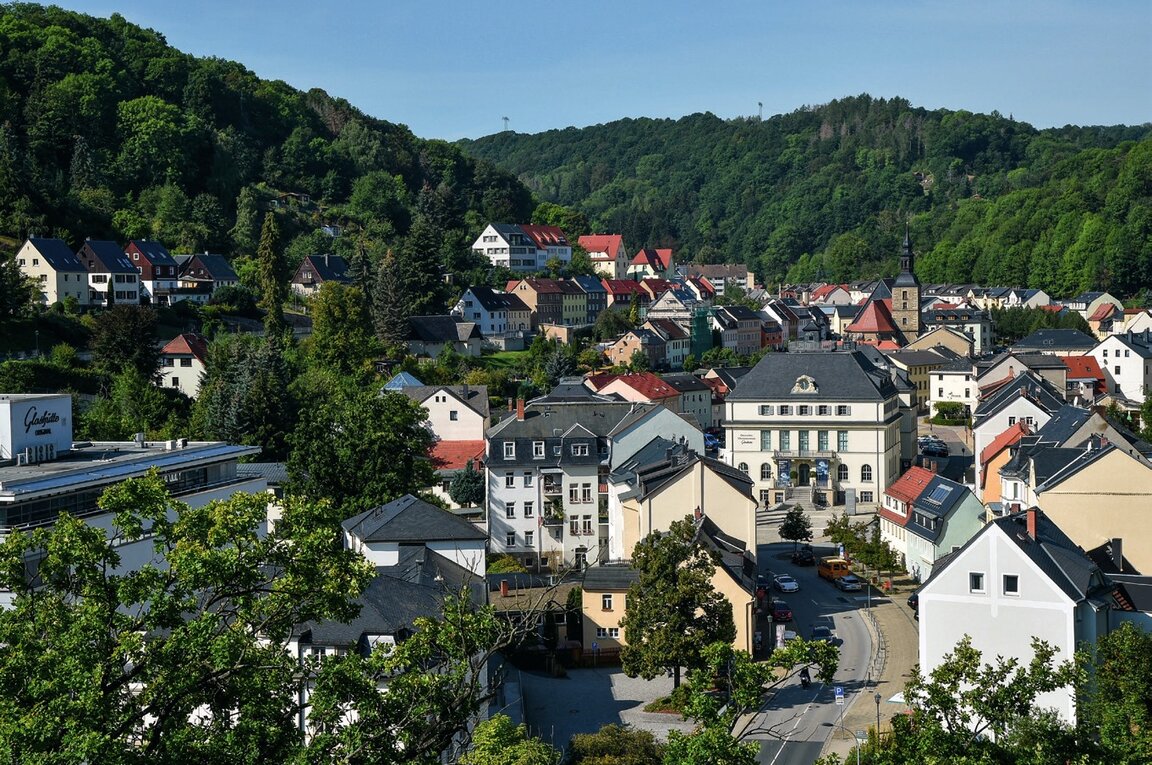
Traveling along the Hauptstrasse toward the train station, charming, well-maintained houses line the road. The town remains quiet, offering little indication that it is the heart of German watchmaking — until you approach the imposing building that has housed the German Watchmaking School since 1881.
Founded in 1878 by Moritz Grossmann, the school supported a thriving ecosystem of craftspeople and manufacturers, including Grossmann’s own workshop and that of Robert Mühle, who founded his company in Glashütte in 1869.
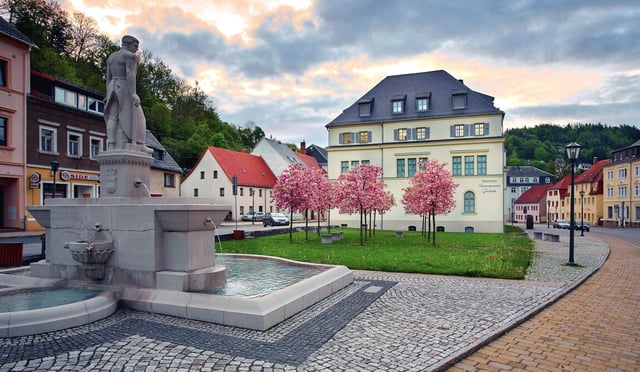
When exploring the town of Glashütte, the German Watch Museum, housed in the building of the German Watch School, is not to be missed and a highly recommended place to visit.
German Watch Museum Glashütte and A. Lange & Söhne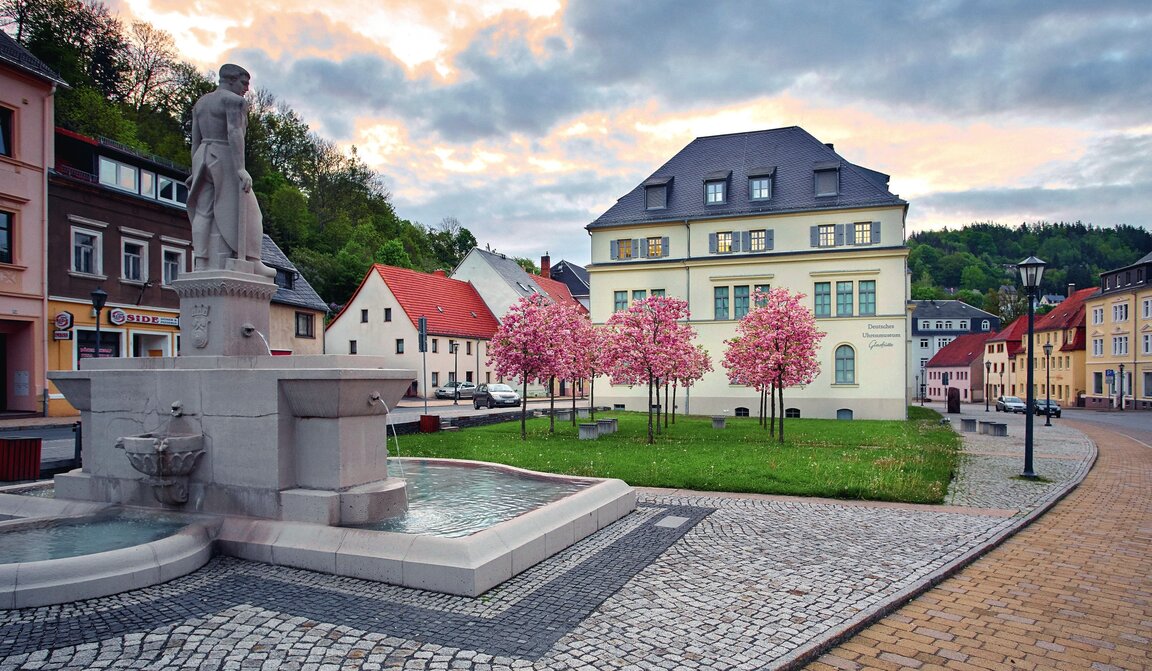
By the time the school expanded in 1923, Glashütte had already endured the economic fallout of World War I. Pocketwatch production stalled, wristwatches rose in popularity, and Swiss manufacturers gained a competitive edge. Germany responded pragmatically, with foundations funding education and banks consolidating remaining manufacturers into Urofa and Ufag in 1926.
Ufag would go on to make a name for itself with the Tutima brand, restoring a sense of momentum to Glashütte’s watch industry.
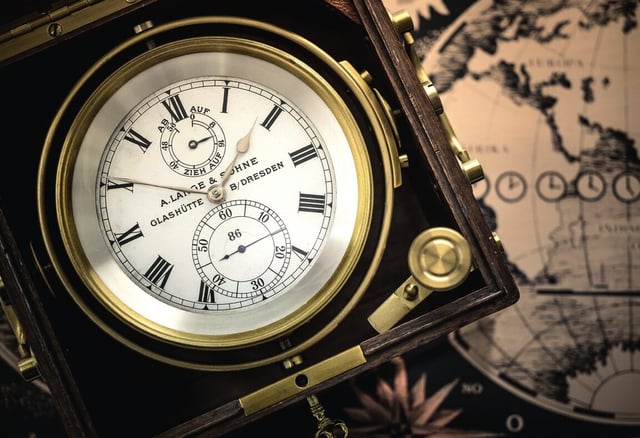
Precision and Glashütte are synonymous with each other, so no wonder that marine chrono- meters were also made in this town.
German Watch Museum Glashütte and A. Lange & Söhne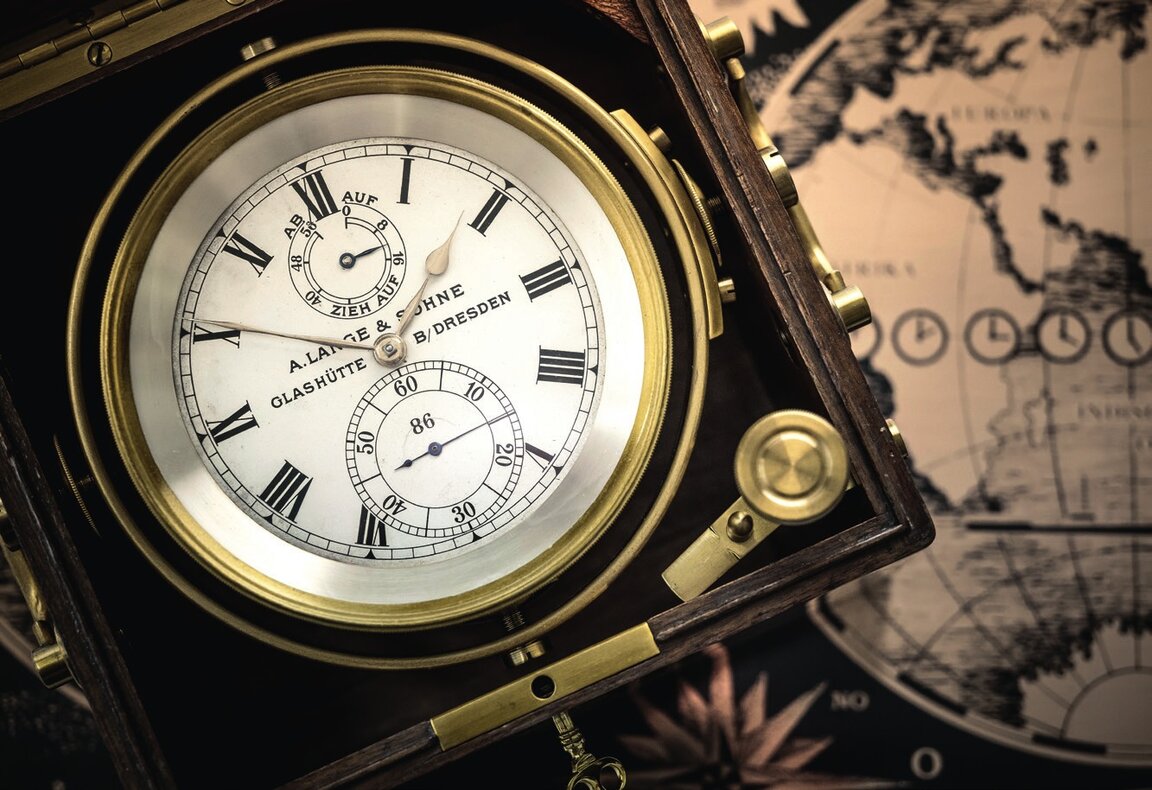
Glashütte was back on track — but darker hours loomed ahead.
More about that in the next episode: Walking Through Glashütte, Part II: As a Phoenix From the Ashes, here
This article is from the September / October 2024 issue of WatchTime Magazine. To subscribe, click here.