Parmigiani Fleurier Expands the Toric Petite Seconde with Two Intriguing Variants
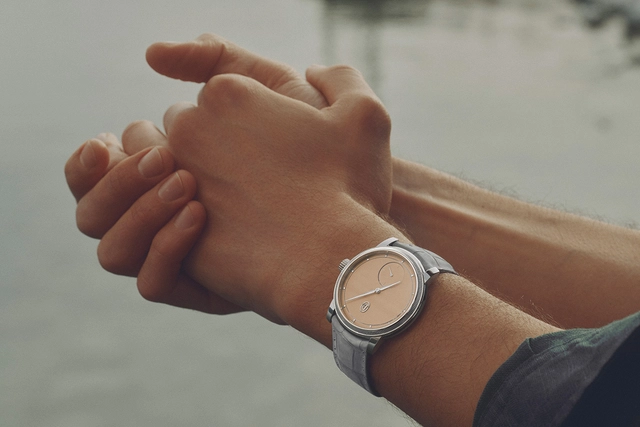
Parmigiani Fleurier continues its quiet redefinition of the classic dress watch with the release of two new references in the Toric Petite Seconde. Launching in September 2025, the Platinum Golden Hour and Rose Gold Dune editions broaden the collection first reintroduced in 2024. They offer a refined take of the sophisticated personality of this high-end luxury watch that made waves at Watches and Wonders last year with its impeccable design and top-notch manufacture movement, merging timeless elegance with uncompromising mechanical mastery.
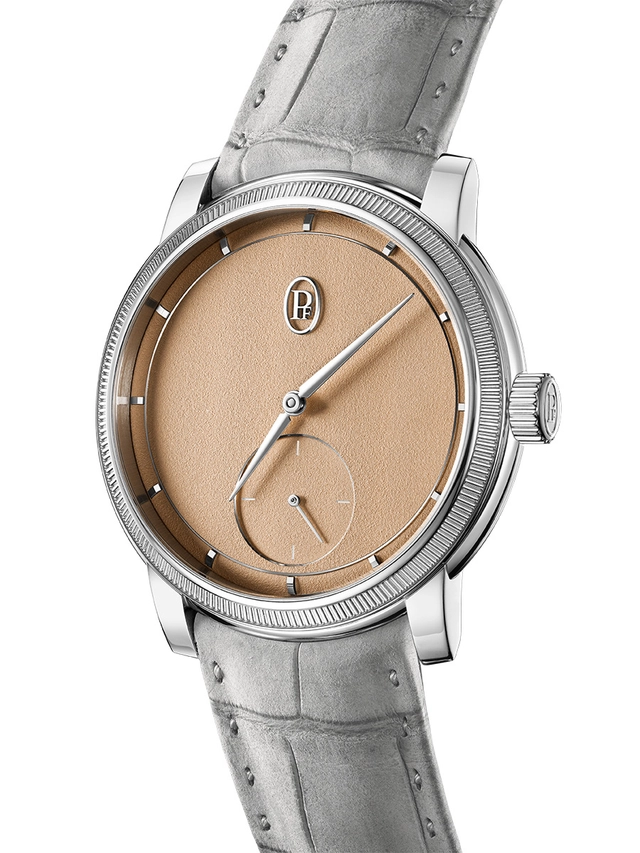
Toric Petite Seconde Platinum Golden Hour
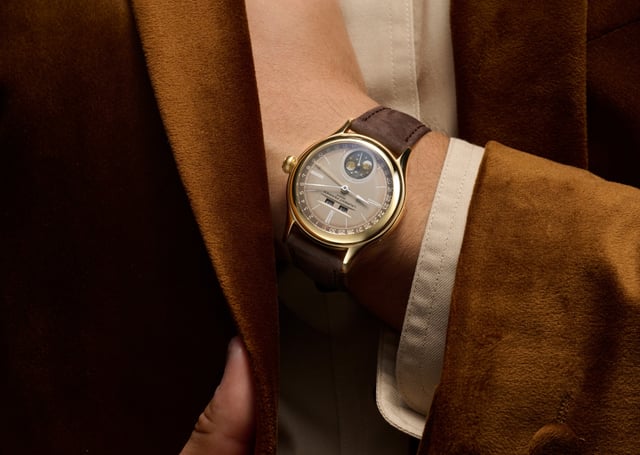
Parmigiani FleurierMeasuring 40.6 mm in diameter and just 8.8 mm thick, the Toric Petite Seconde is distinguished by its proportionate case framed with a knurled bezel, a detail inspired by Doric architecture. Its hand-grained gold dial recalls mineral textures, its matte finish achieved through a 17th-century technique revived by brand founder Michel Parmigiani.
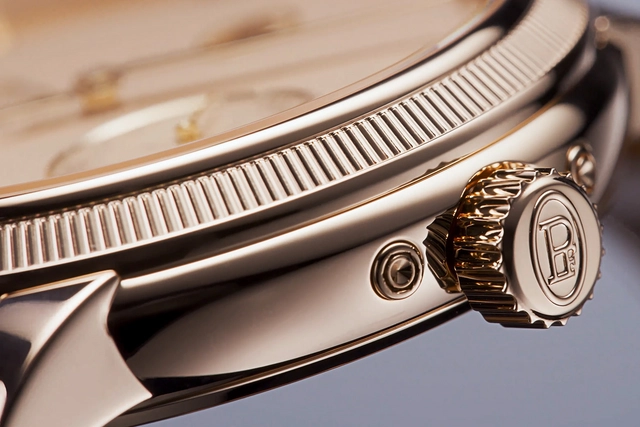
Toric Petite Seconde Rose Gold Dune
Parmigiani Fleurier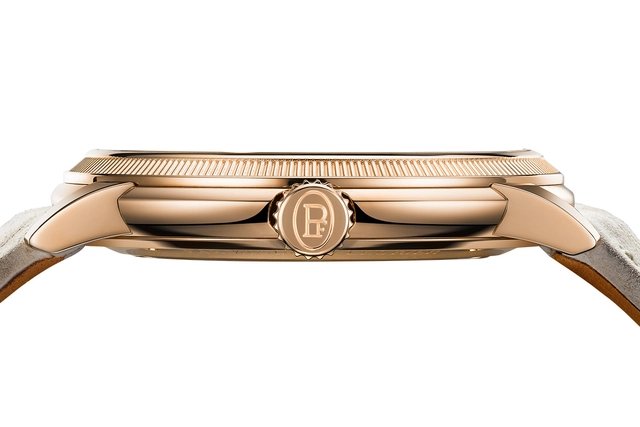
Toric Petite Seconde Rose Gold Dune
Parmigiani FleurierThe Rose Gold Dune model pairs an 18k rose gold case with a solid gold dial of the same metal with a "Dune" hue, completed by a sand-toned nubuck alligator strap. By contrast, the Platinum Golden Hour reference presents a cooler expression: a platinum case with a white-gold dial with "Golden Hour" colorway, accented by a gray-green nubuck strap. Both straps are "punto a mano" hand-stitched and designed to acquire character with wear.
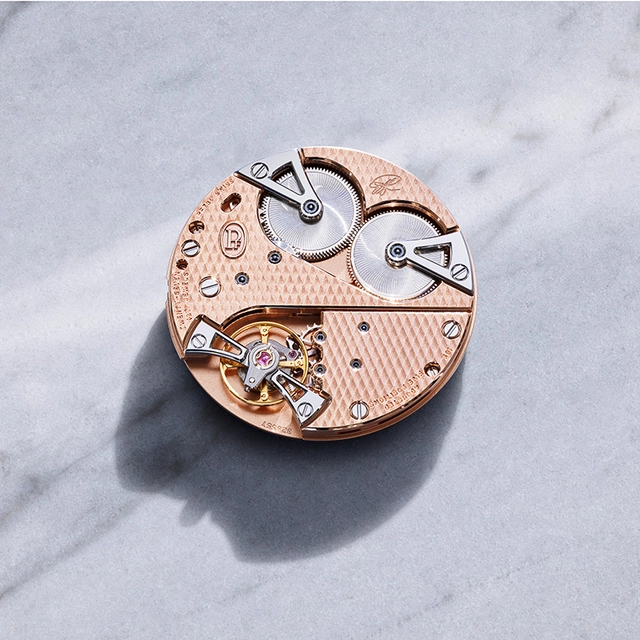
Caliber PF780
Parmigiani FleurierAt the heart of both references lies the hand-wound Caliber PF780, developed specifically for the Toric Petite Seconde. Just 3.15 mm thick, the movement beats at 4 Hz and delivers a power reserve of 60 hours from twin barrels. Two openworked rose-gold bridges expose the barrels and regulating organ in a carefully balanced asymmetry, underscoring the collection’s ethos of expressive restraint. The magnificent finishes include Côtes de Fleurier, hand-bevelled steel components, and contrasting sandblasted surfaces—details that reveal depth rather than brilliance.