Why Gen Z Is Choosing Cartier Over Rolex Sports Watches
The new language of luxury
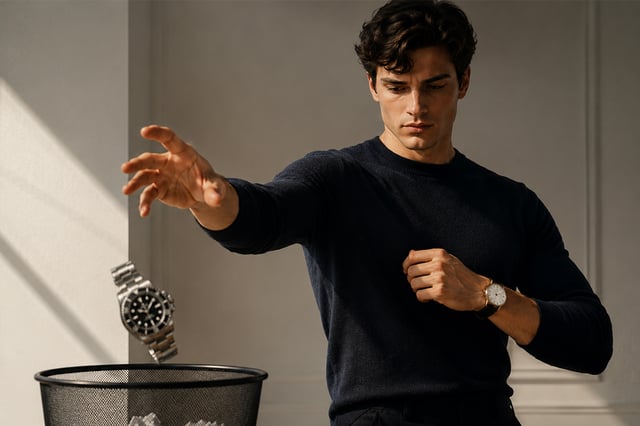
For years, the luxury watch landscape seemed neatly defined. If you wanted to mark a major milestone you bought a Rolex, or dreamed of a Royal Oak, a Nautilus or Overseas. Steel sports watches dominated social media, waiting lists, and collector conversations alike. But while the watch world remained preoccupied with resale values and availability, a quieter transformation was unfolding. Cartier, a maison long associated with fine jewelry, Parisian elegance, and traditionally feminine watchmaking emerged as the unlikely favorite of a new generation of buyers. Scroll through Instagram or look at the wrists of young actors, the same models appear again and again: the Tank, Santos, Panthère, and Baignoire. They stand in contrast to the defining luxury watches of the past two decades. No rotating bezels, no helium escape valves or 300-meter depth ratings. Instead, they offer clean lines, timeless silhouettes, and an identity rooted less in technical prowess than in cultural relevance and, remarkably, one that embraces quartz without apology. The renaissance of Cartier is not a short-lived trend. It reflects a broader shift in how luxury is perceived, how status is expressed, and why Gen Z defines prestige differently from the generations before it.
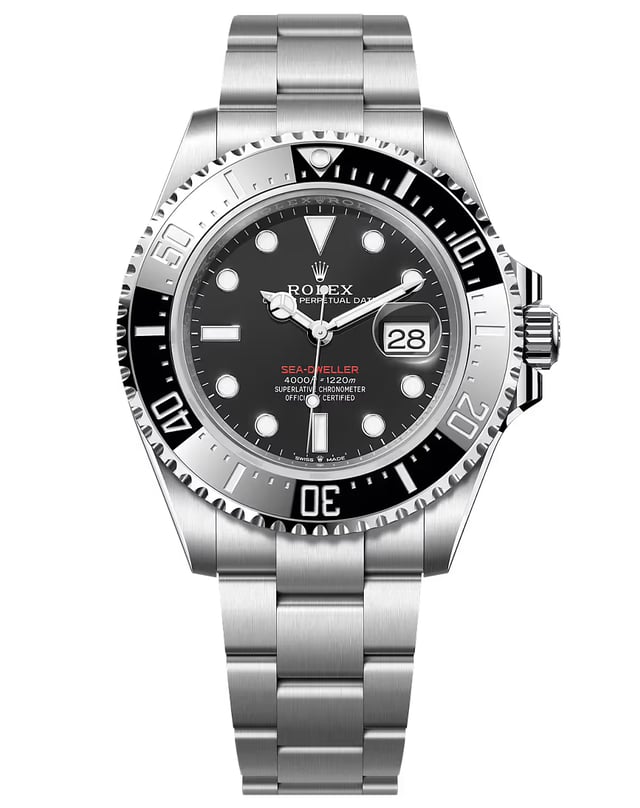
Models like the Submariner, GMT-Master, or Sea-Dweller from Rolex were among the most popular references among the younger generation only a few years ago.
Rolex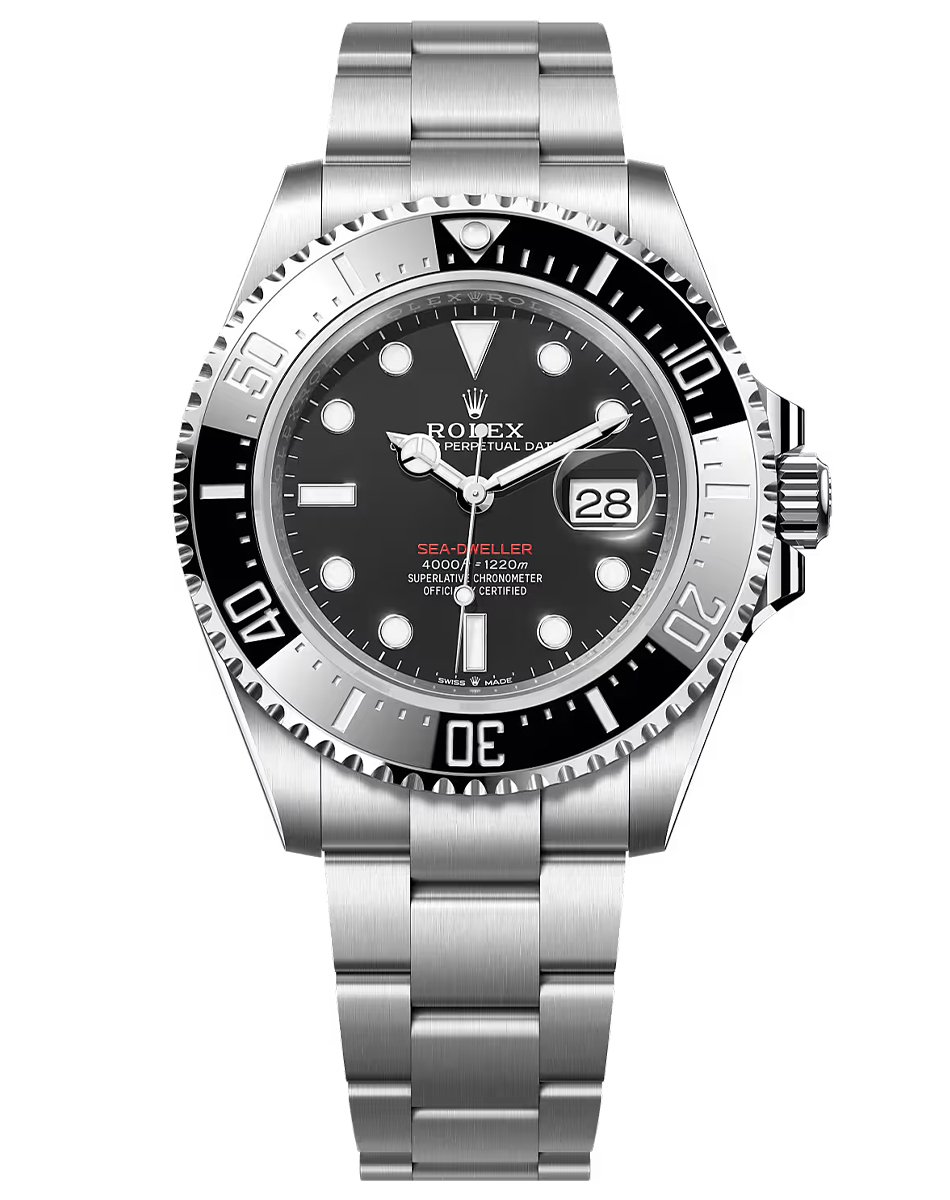
Pursuit for Individuality
Looking back over the past two decades, one pattern becomes impossible to ignore: the luxury watch industry has been shaped by sports watches. The Rolex Submariner, GMT-Master II, Royal Oak, and Nautilus evolved from functional tool watches into universal status symbols. Social media accelerated that transformation. Watches originally designed for divers, pilots, racing drivers, or polo players suddenly became digital trophies. Owning the right reference signaled membership in an exclusive club. Ironically, that very success sparked a countertrend. The generation now entering the luxury market grew up with Instagram, TikTok, and an endless stream of visual content. Luxury products have never been more visible. Nor have the same watches ever been photographed and shared so relentlessly. The result mirrors a familiar phenomenon in fashion: the more visible an object becomes, the less exclusive and often less desirable it feels. Many younger collectors are no longer searching for the obvious choice. They want individuality. They want something that isn't on every wrist. Objects with stories to tell, but without shouting for attention. That, perhaps more than anything else, explains Cartier's remarkable rise.
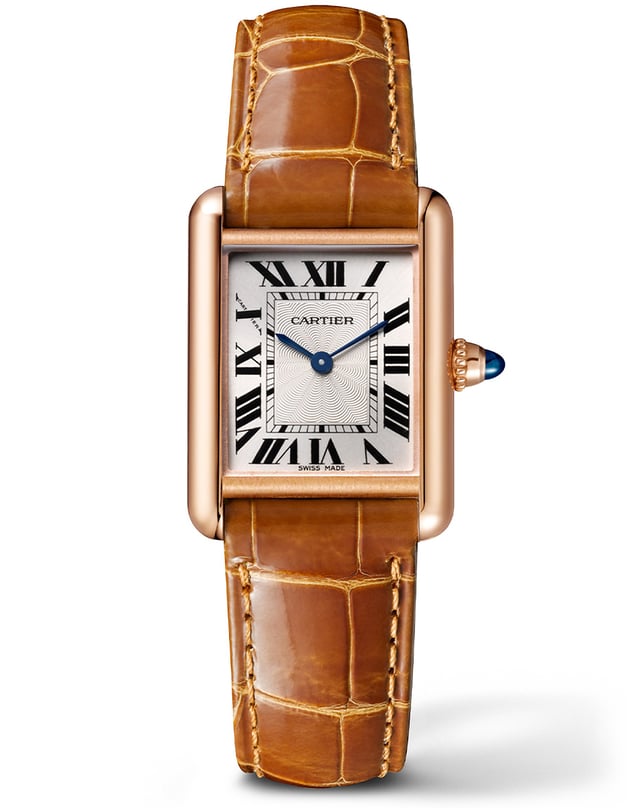
The Tank by Cartier is currently enjoying great popularity.
Cartier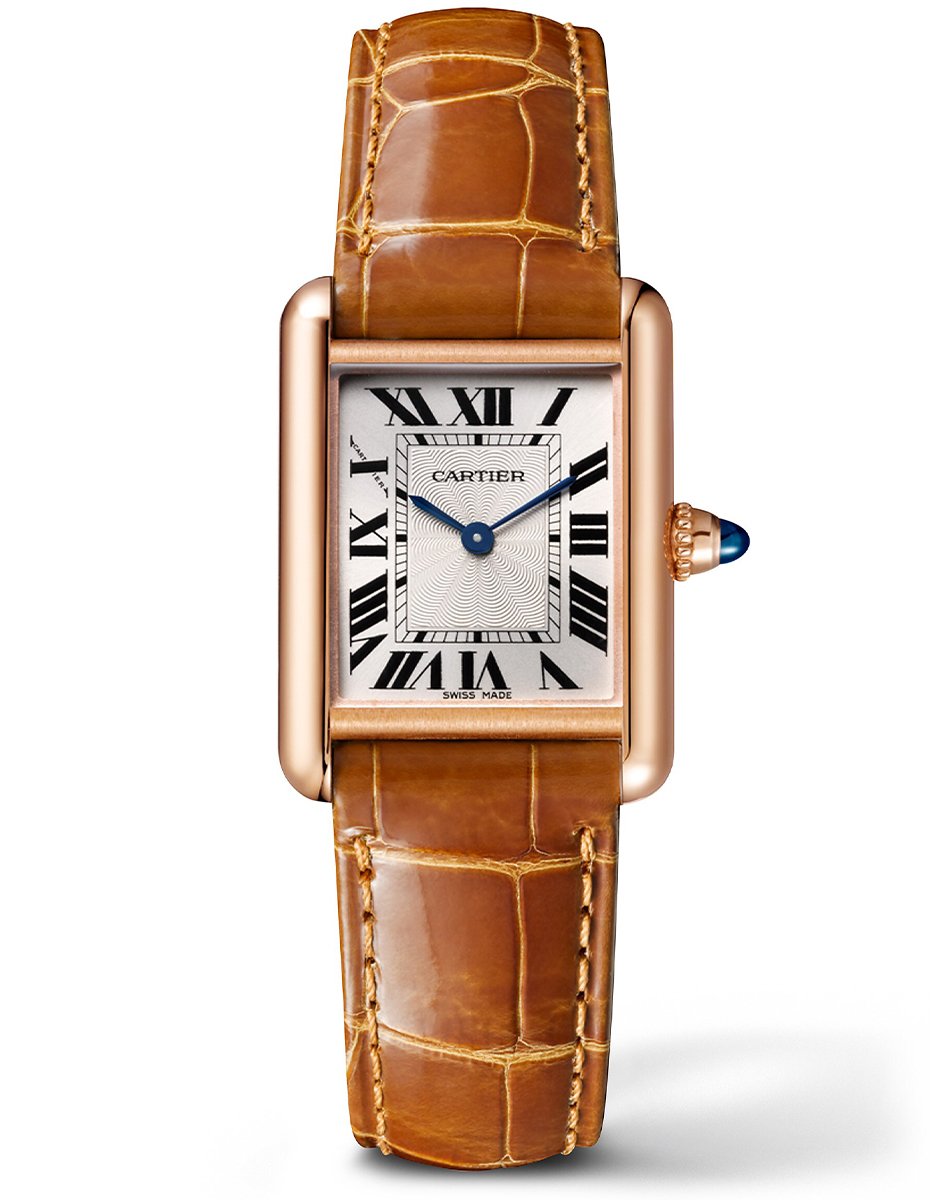
Quiet Luxury
Cartier embodies one of today's defining luxury ideals: quiet luxury. Where many high-end watches wear their technical credentials on their sleeve, Cartier's collections remain remarkably restrained. A gold Tank never feels ostentatious. A Santos is instantly recognizable without demanding attention. A Panthère reads as much as a piece of jewelry as it does a wristwatch. That sense of restraint resonates deeply with younger buyers. Status is increasingly expressed through subtlety rather than spectacle. Overt displays of wealth have lost much of their appeal. In their place comes an appreciation for cultural literacy, design, and historical authenticity. Cartier speaks that language naturally. Someone wearing a Tank isn't necessarily signaling an interest in mechanical movements. Instead, the watch references architecture, history, art, and culture. It functions as an aesthetic statement rather than a display of power.
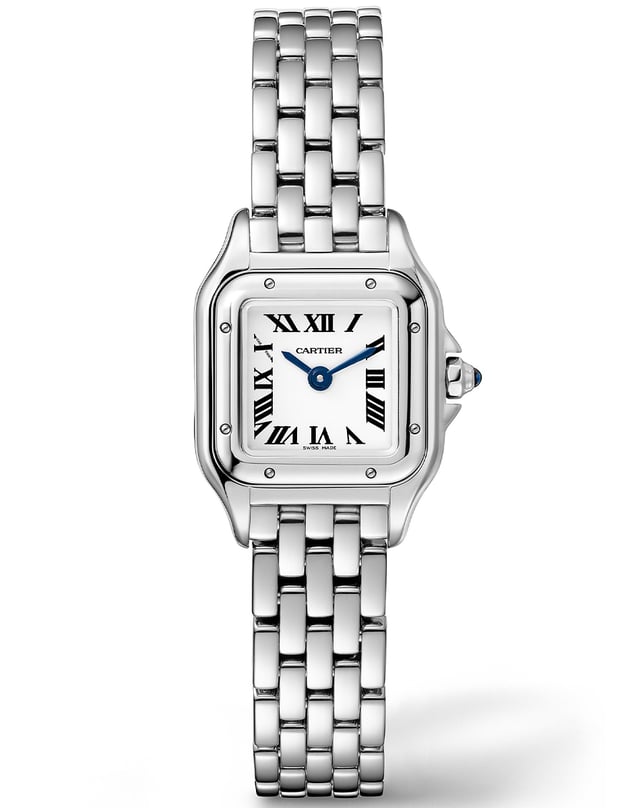
The Panthère is one of the iconic designs of Cartier.
Cartier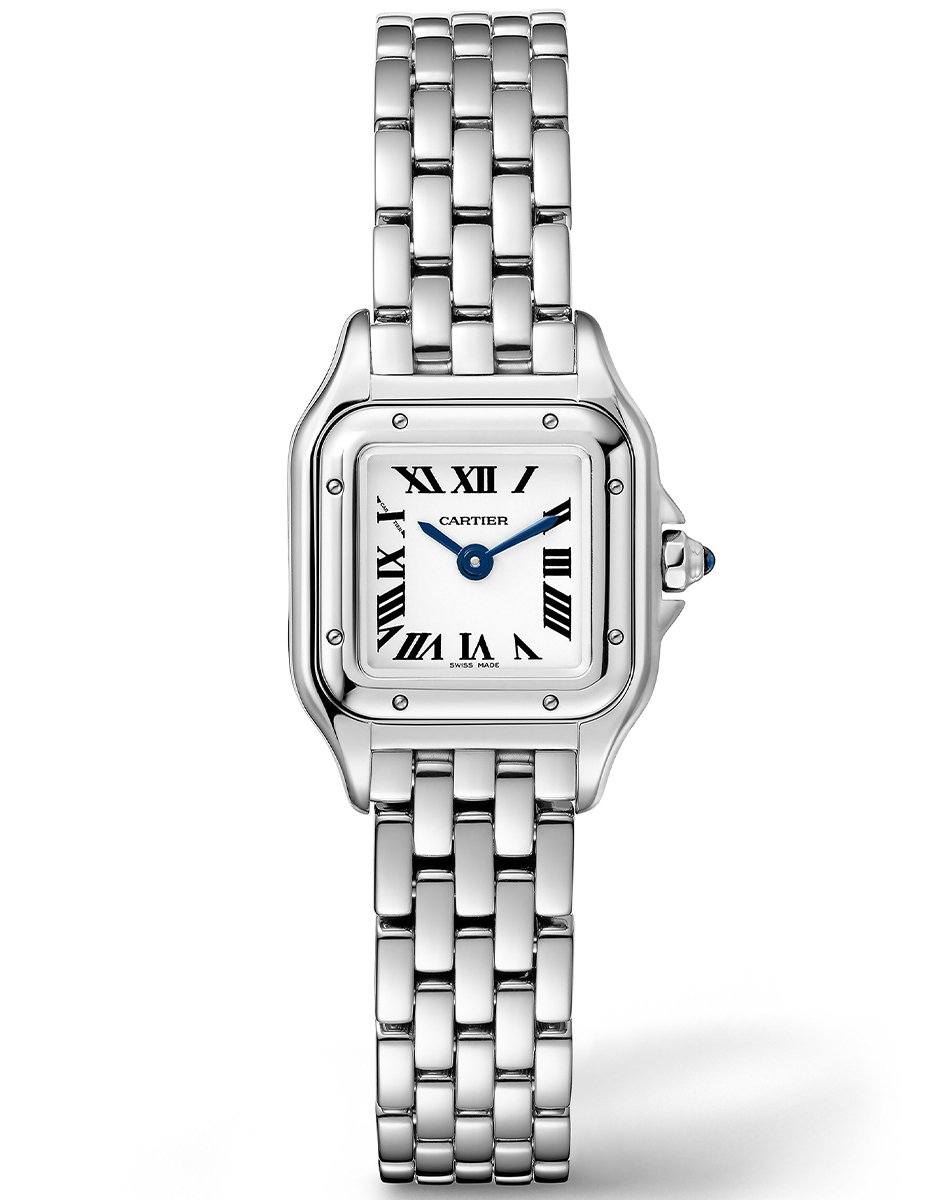
The Power of Pop Culture
No generation has been shaped more profoundly by cultural influence than Gen Z. At the same time, those influences have changed. Where entrepreneurs, politicians, and athletes once defined aspirational style, today's tastemakers are actors, musicians, designers, and creatives. Many of them have gravitated toward understated luxury watches. Timothée Chalamet, Jacob Elordi, A$AP Rocky, and Tyler, the Creator are frequently seen wearing elegant watches. What's striking isn't simply the brand itself, but the way it's worn. These watches feel like a natural extension of personal style. They're paired with vintage denim, bespoke tailoring, or deliberately minimalist wardrobes, and worn with an effortless confidence that some traditionalists might dismiss as overly casual. The result is an entirely different expression of luxury.
The Return of Design
Another reason behind Cartier's growing appeal is its unwavering commitment to design. Many of the industry's most celebrated watches still follow familiar conventions: round cases, sporty aesthetics, and function-first design. Cartier has championed a different philosophy for more than a century. The Tank remains one of the most iconic watch designs ever created. Inspired by the silhouette of early military vehicles, it looks astonishingly contemporary more than a century after its debut. The Santos, originally conceived as a purpose-built pilot's watch, combines genuine technical history with a design language unlike anything else. Exposed screws, square geometry, and perfectly balanced proportions have made it instantly recognizable. Then there are models like the Baignoire and the Crash, which go a step further by deliberately challenging conventional ideas of what a wristwatch should look like.
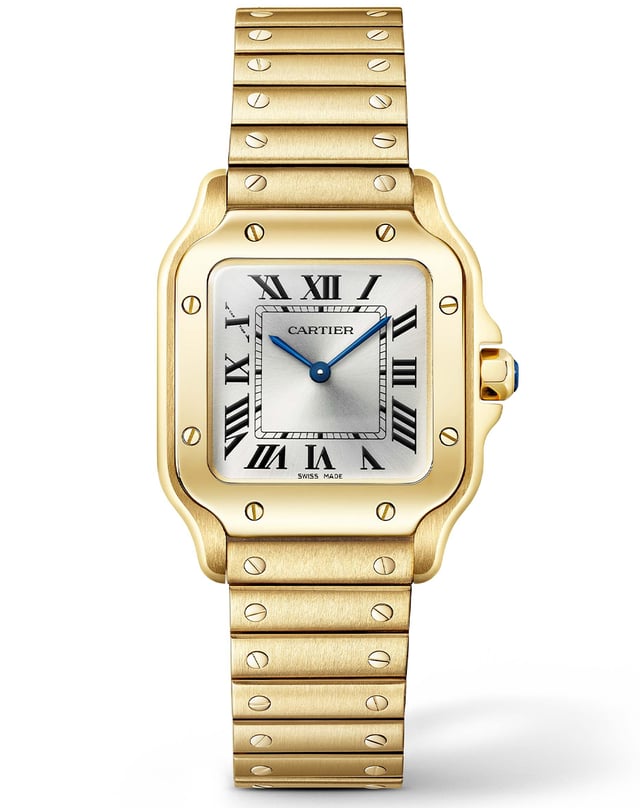
The Santos is unmistakable thanks to its visible screws and the exceptional case design.
Cartier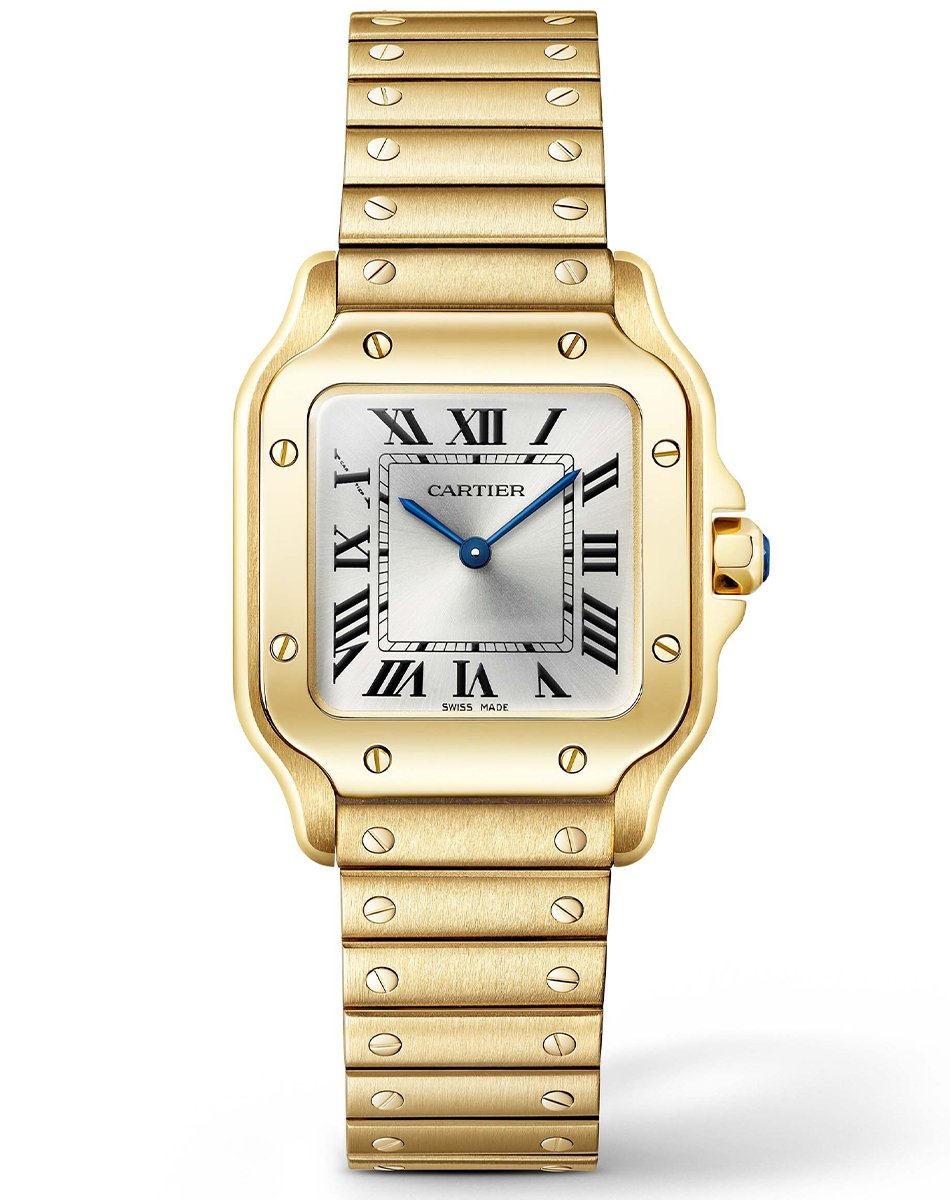
When Technology Is No Longer Everything
Traditional watch enthusiasts tend to judge a timepiece by technical criteria. Conversations revolve around manufacture calibers, complications, finishing, and chronometric performance. Those qualities still matter. But among younger buyers, the conversation has shifted. The question is no longer, "What movement is inside?" It's "Why does this watch exist?" Design significance, cultural relevance, and historical context now carry greater weight. The Tank isn't iconic because it's mechanically complex. It's iconic because of its design, its history, and its enduring place in culture. Few brands benefit from that shift more than Cartier.
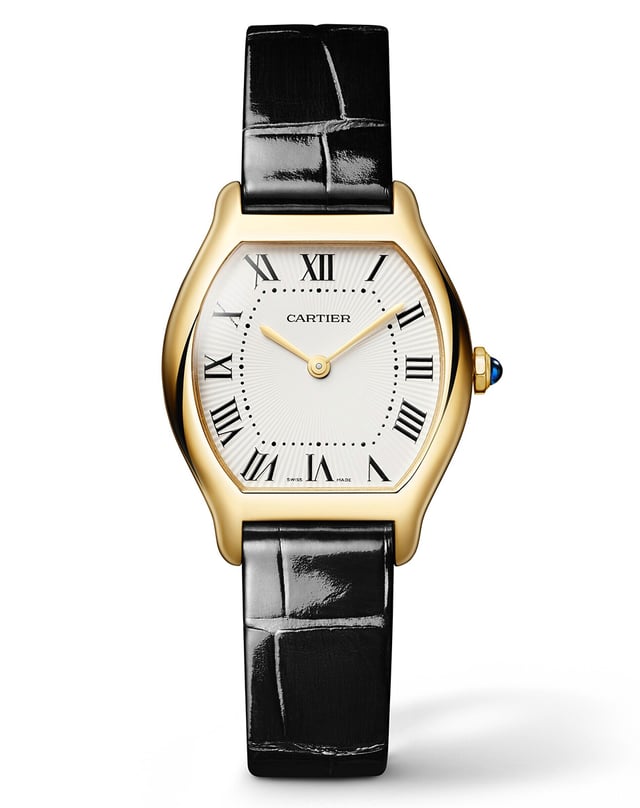
The Cartier Tortue was first introduced in 1912.
Cartier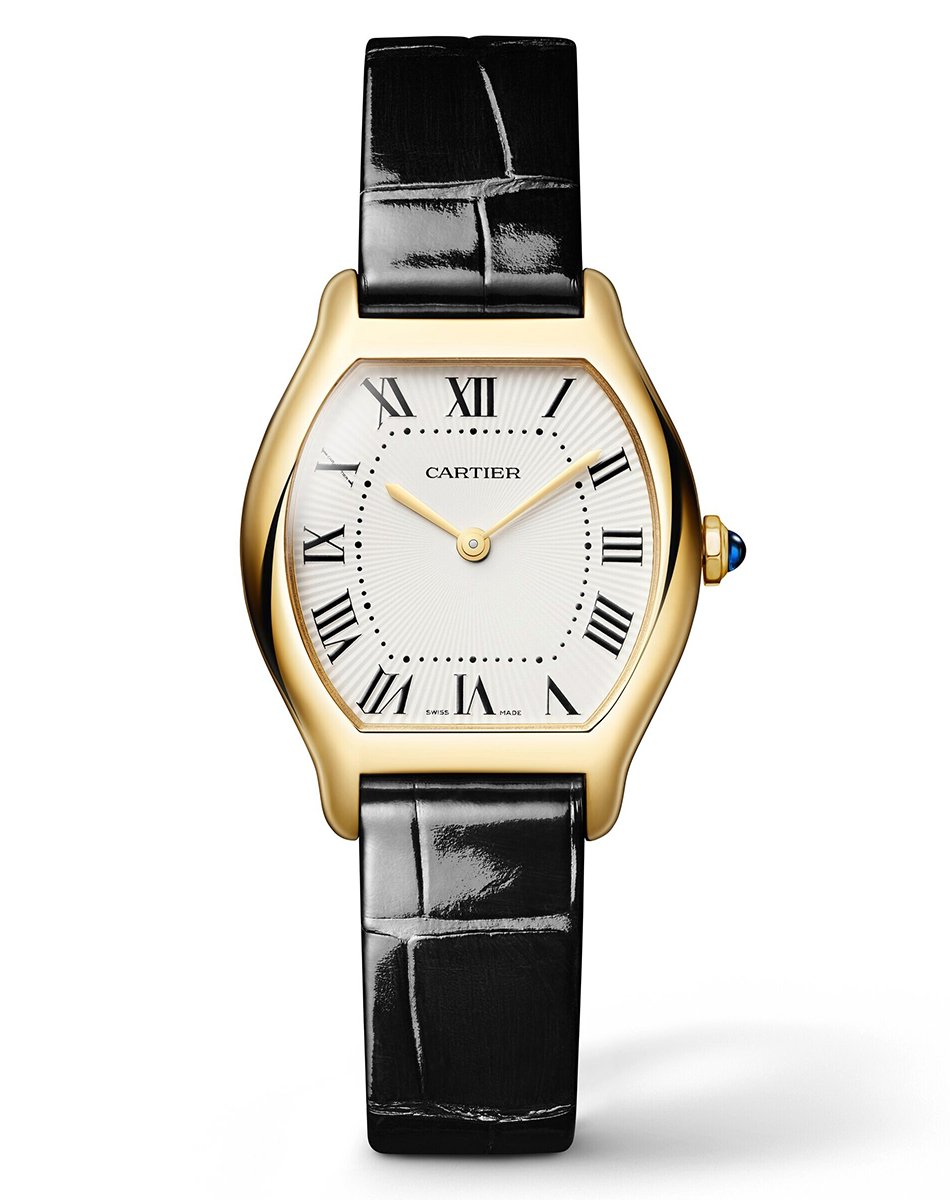
Vintage Over New
Buying habits are changing, too. Many younger collectors are increasingly drawn to vintage watches. It's not simply about price or availability. Vintage feels authentic. Signs of wear are no longer viewed as flaws but as part of a watch's story. Cartier offers exceptional opportunities in that regard. Vintage Tanks, early Santos references, and the Must de Cartier collection provide an accessible entry point into one of watchmaking's richest design legacies, often at prices well below those of comparable icons from other manufacturers. Equally noteworthy is Gen Z's openness toward quartz. Where previous generations often dismissed quartz outright, younger buyers tend to take a far more pragmatic view. For them, design comes first.
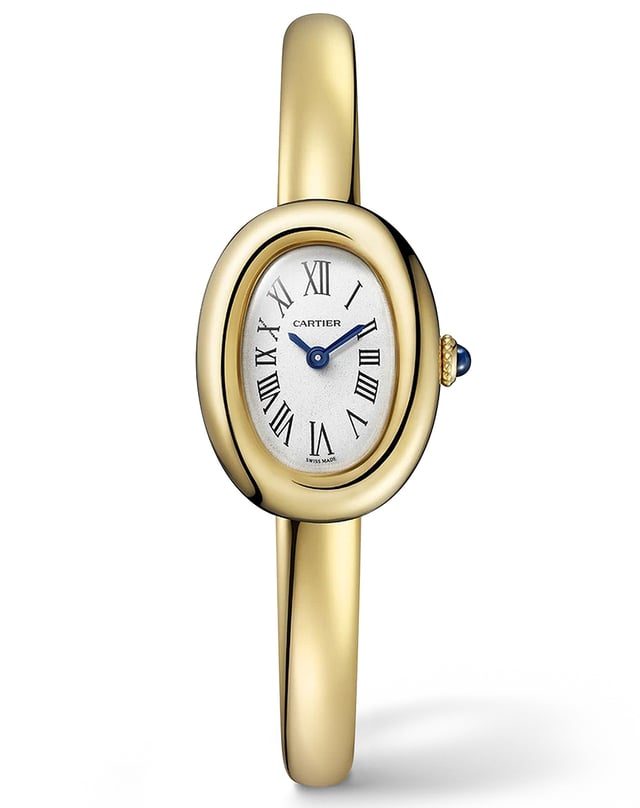
The concept of the Cartier Baignoire also dates back to 1912.
Cartier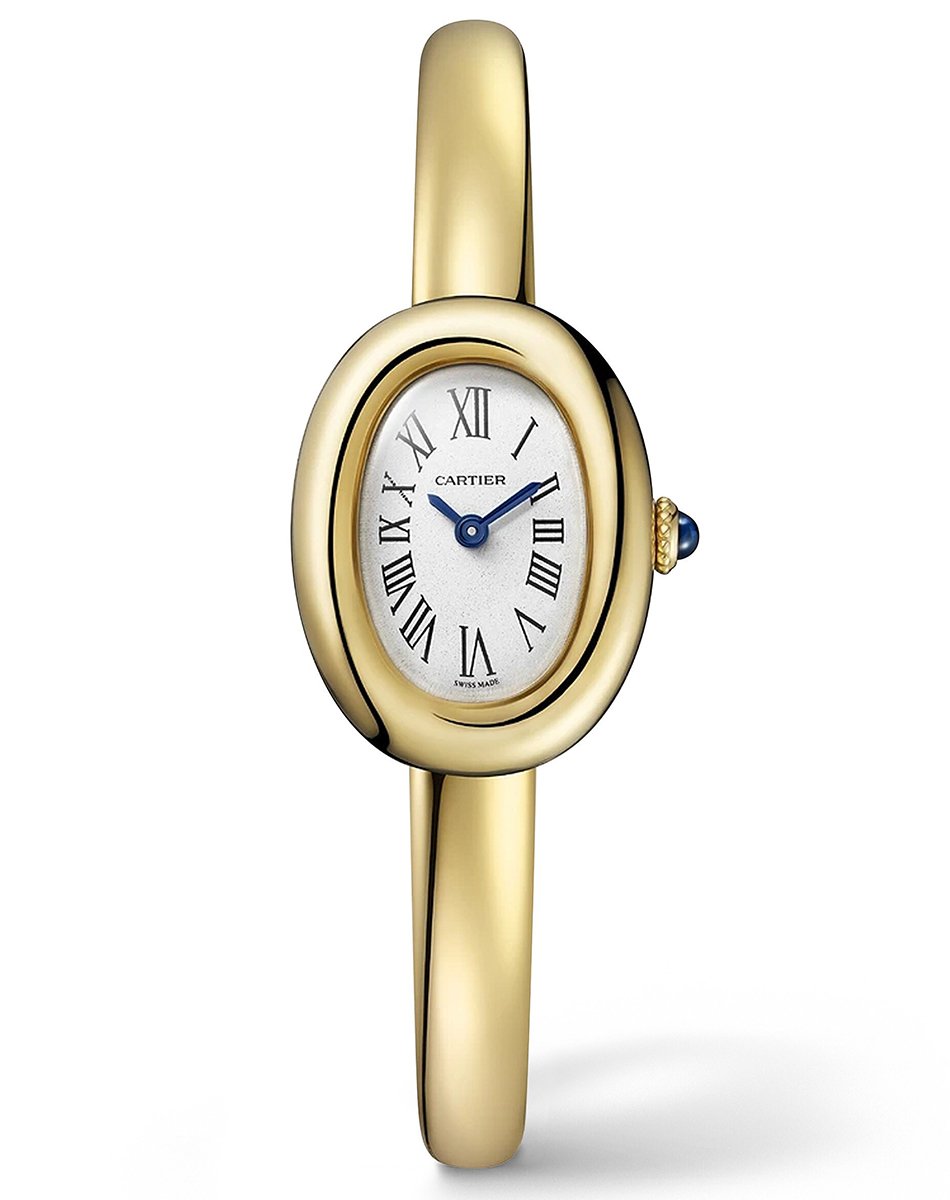
A Brand for a New Definition of Luxury
Cartier's success among younger buyers is anything but accidental. The maison embodies many of the qualities that resonate with Generation Z. It has an extraordinary history without relying solely on heritage. Its watches feel luxurious without being ostentatious. Their designs are instantly recognizable without chasing trends. Above all, Cartier offers something that has become increasingly rare in an age of constant visual stimulation: Restraint. And that may be precisely why Cartier is uniquely positioned to shape the tastes of an entire generation, perhaps more than any other luxury watch brand.
This article was first published by WatchTime Germany.