Inside the Evolution of the Citizen Eco-Drive and Its 50th Anniversary
An interview with Shoichiro Morita and Yoshihisa Yajima
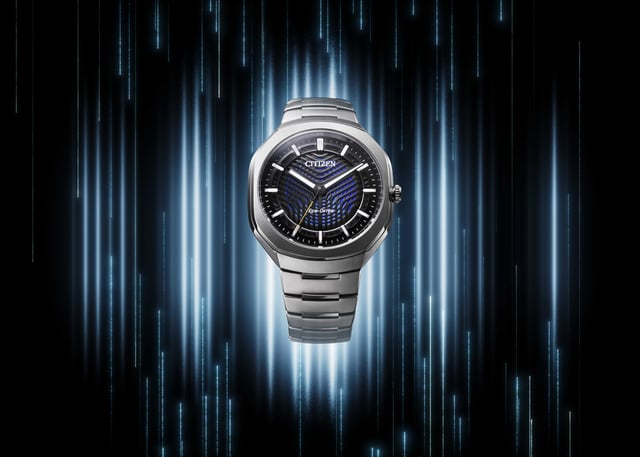
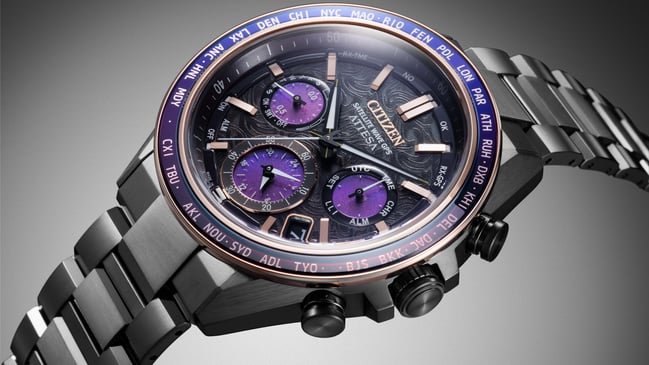
Few technologies in modern watchmaking have become as quietly essential as Citizen’s Eco-Drive. Introduced decades before sustainability became a central industry theme, the light-powered system now defines much of the brand’s identity.
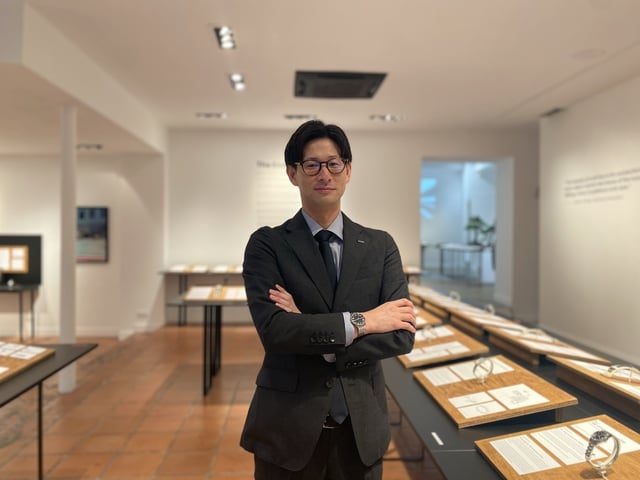
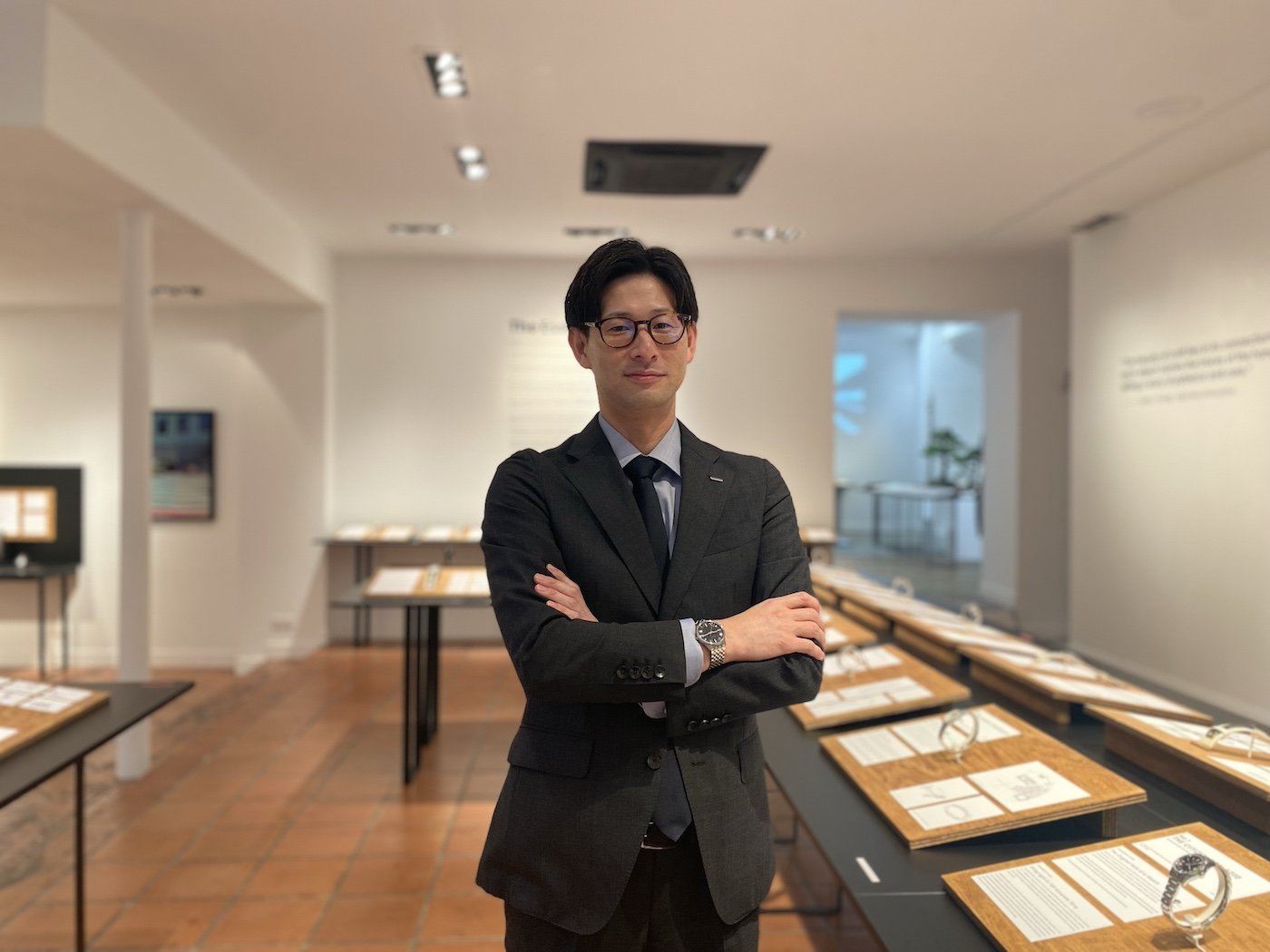
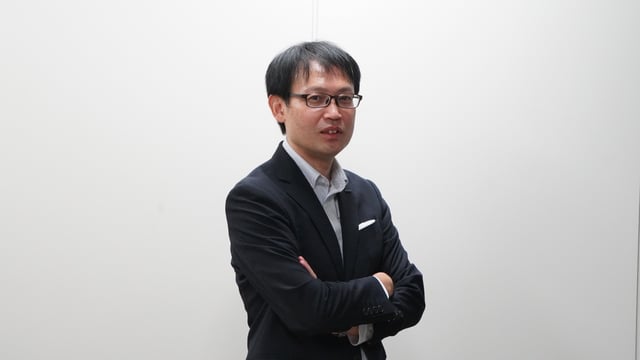
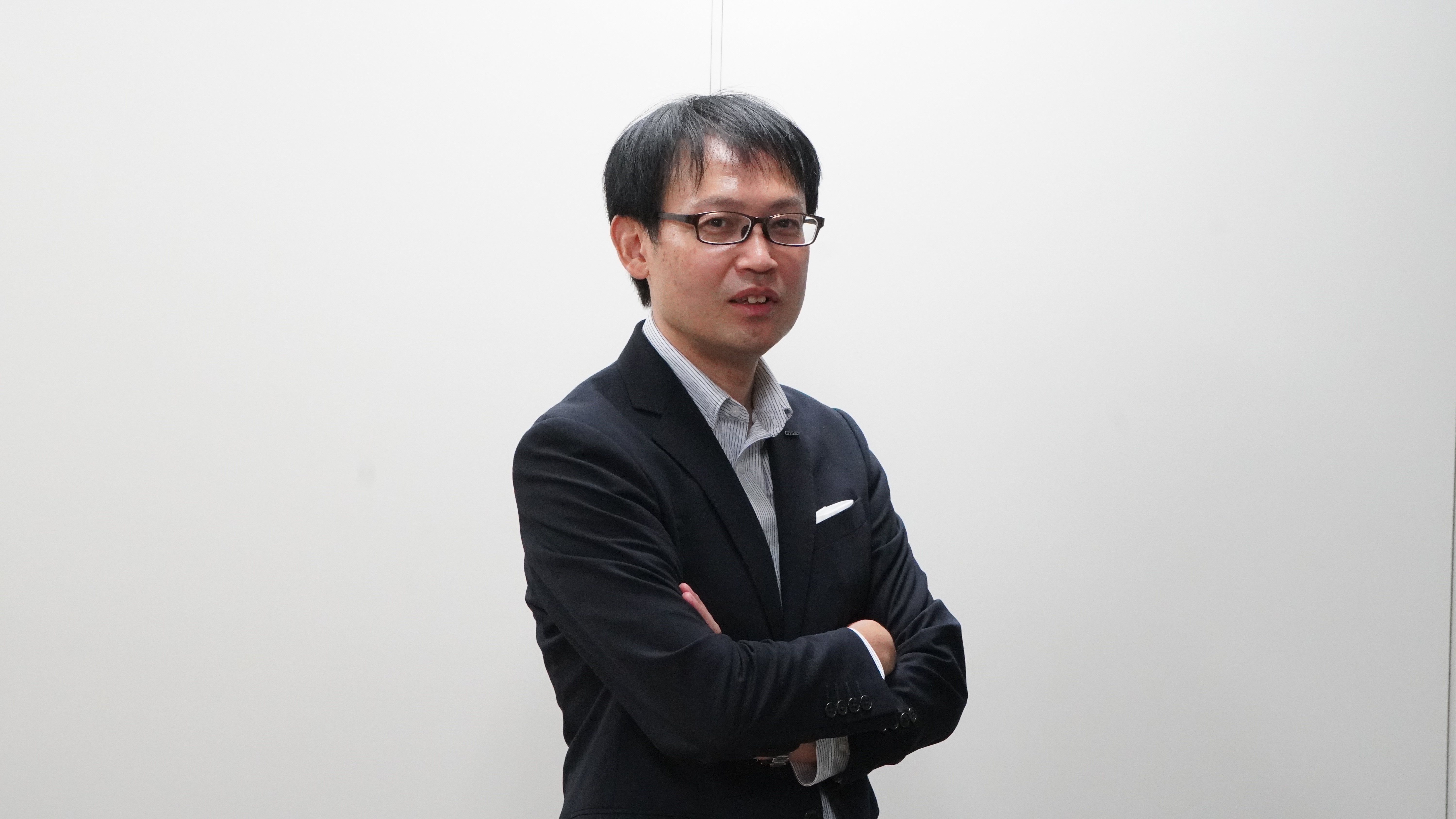
On the occasion of Eco-Drive’s 50th anniversary, we spoke with Movement Engineer Shoichiro Morita and Executive Officer Yoshihisa Yajima about its origins, development, and continued relevance.
How did the idea for Eco-Drive first emerge, and what problem was it trying to solve?
Shoichiro Morita: The biggest challenge we faced was that there was no suitable small secondary battery to store the power generated from light. At the time, we stored power in a primary power cell— specifically a silver oxide battery— used in our first model, the Crystron Solar Cell. This was the biggest limitation we needed to overcome.
Quartz watches were improving in accuracy, but battery life only lasted about a year, and users didn’t always know when it would stop, making replacement inconvenient. We also used large numbers of silver batteries that had to be discarded, creating waste. That led us to consider a rechargeable system.
Eco-Drive doesn’t just run on sunlight— it can run on any light. What made that breakthrough possible?
Morita: We initially developed the Crystron Solar Cell using crystalline silicon. Later, we transitioned to amorphous silicon, which significantly improved light absorption. This allowed the watch to convert both sunlight and indoor light into energy, a major improvement in usability.
Looking back, how forward-thinking was Eco-Drive at its launch?
Yoshihisa Yajima: We have a corporate philosophy of creating watches that are loved by people and contribute to people. Eco-Drive emerged from this mindset— not from an explicit focus on sustainability.
As our name suggests, we aim to create watches that feel close to people’s lives. Quartz watches required frequent battery changes, which we identified as a problem to solve. Sustainability became a natural extension of that.
The industry conversation often focuses on mechanical watches or smartwatches. Where does Eco-Drive fit into that landscape today?
Yajima: Smartwatches are, in my view, a different category. While mechanical watches are gaining popularity, not everyone wants one. Consumers are becoming more diverse in their preferences.
Many people find Eco-Drive attractive for its practicality and its connection to sustainability. We also value the stories behind our watches and aim to communicate those to consumers.
Looking ahead— what developments might we see in the future?
Morita: It is difficult to predict the exact direction of technology. However, we continue to follow our philosophy of continuous improvement— “Better Starts Now.”
We will keep refining the technology while asking what people truly need from a watch, while ensuring it remains both functional and beautiful.
To learn more, visit Citizen, here.
- How did the idea for Eco-Drive first emerge, and what problem was it trying to solve?
- Eco-Drive doesn’t just run on sunlight— it can run on any light. What made that breakthrough possible?
- Looking back, how forward-thinking was Eco-Drive at its launch?
- The industry conversation often focuses on mechanical watches or smartwatches. Where does Eco-Drive fit into that landscape today?
- Looking ahead— what developments might we see in the future?