An Interview with Casio CEO Yuichi Masuda
“In the end, it’s the people who make the company.”
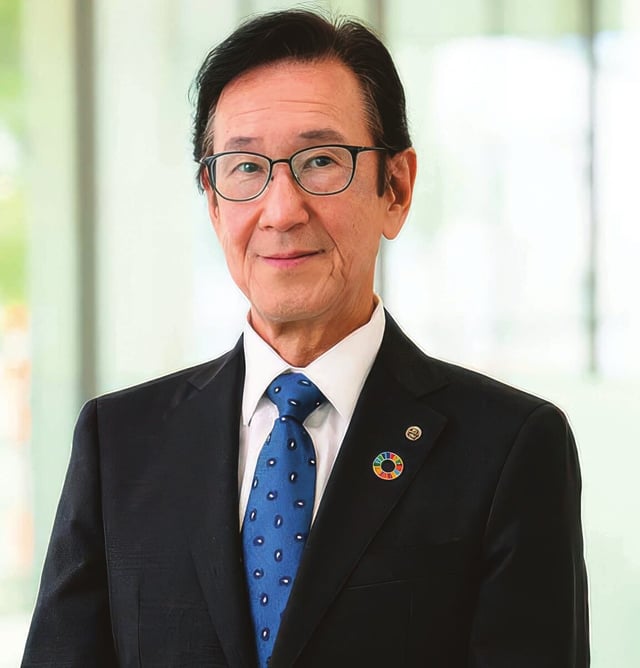
Since the beginning of Casio, the development of watches has been driven by the desire to create new values in timekeeping. Fifty years later, Casio was able to celebrate half a century of groundbreaking developments. Yuichi Masuda, who was appointed the first CEO outside of the founding family in 2023, has been involved in the development of the G-Shock series from the very beginning — his last role being head of the watch development department. It is therefore no surprise that, in his new role, he is focusing on the premium models of the G-Shock series.
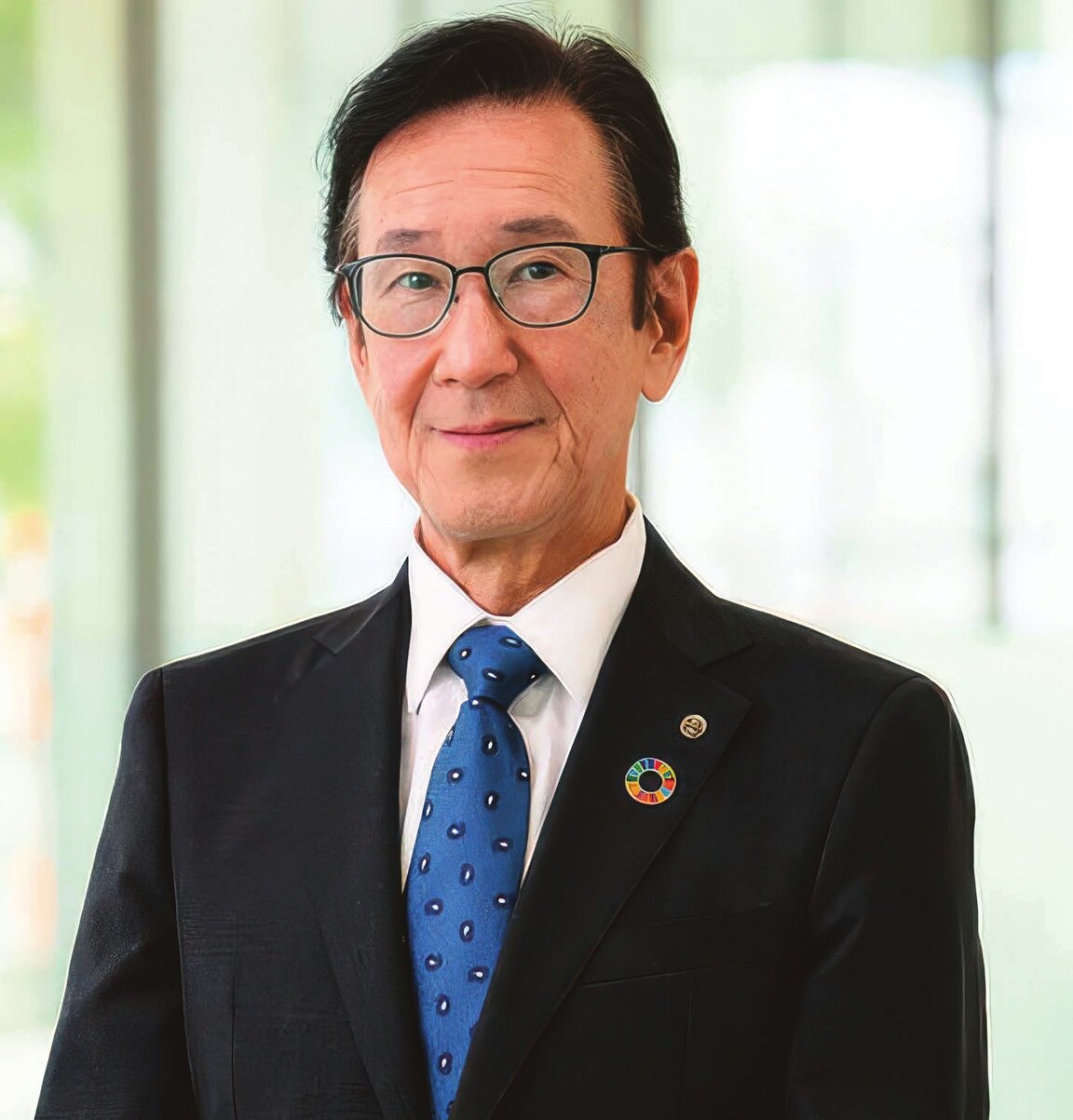
How do you see Casio's role in the watch industry today?
I see Casio's role as constantly creating new things — creating new categories and new milestones in the history of the watch industry. With the introduction of the G-Shock, we not only offered functionality, but also established design as an essential component. We believe that we have created a category of our own. In addition, we have understood how to identify niche subcultures and develop them in a targeted manner in order to bring them closer to a wider audience. We have always been good at creating innovations and breaking new ground.
G-Shock is one of Casio's most iconic products, but Casio Vintage Watches also play a major role in the watch unit, with both lines representing a fashion and cultural phenomenon. What do you think is the key to the success of both lines?
Our key to success lies in our uniqueness and originality, which have always captured the spirit of each era. In the 1980s, we created a completely new category and way of expression with G-Shock. We never got in with the mainstream but maintained our independence and authenticity instead. This uniqueness allowed us to establish a new identity that captures both our history and the attention of a young audience. In this way, we were able to maintain our firm place in the fashion sector too.
How does Casio stay competitive in a rapidly evolving market?
Casio offers not only functionality, but also a sensory experience. By this I mean the values that our products convey, the emotions they evoke in their users and owners, and the love they feel for our brand. Our goal is to harmoniously combine functionality and emotional attachment. Smartwatches focus primarily on functionality. The big brands like Apple rely on technological excellence. We, on the other hand, take a different approach: Our strength lies in the unique sensory quality that distinguishes our watches. One example is the G-Shock, which offers heart rate measurement, but impresses not only with this functionality, but with its distinctive design and emotional added value as well. This experience is what makes Casio products so unique.
With limited editions and high-quality manufactured products, G-Shock offers a strategy that goes beyond price. What is your vision for G-Shock and transitioning more into the luxury segment?
Our vision for G-Shock is to continuously increase and develop brand value. In addition to functionality, the history of the brand plays a crucial role — the stories of the people who designed and developed G-Shock and their passion and philosophy. We want to continue to emphasize and communicate these aspects. G-Shock started with resin materials, later followed by metal, titanium and carbon. These materials are not just new materials; they tell a story. They embody our approach to creating new styles rather than just presenting technical innovations. It's about balancing physical properties and brand value to maintain a distinctive identity. This philosophy also influences our sales strategy.
Looking at distribution, how do you plan to differentiate products across different retail channels to appeal to both luxury buyers and mainstream customers?
Casio will, of course, consider both customer groups in its distribution strategy — both luxury buyers and mainstream customers. However, the focus is currently more on the luxury segment. This does not mean that the other segments are neglected. Casio is making sure that both target groups are still served to meet their needs.
In the past, Casio has excelled not only with watches, but also with products such as calculators, cameras, and musical instruments. Do you see potential for further diversification into other product categories, or will the focus remain on watches?
Given the importance of the watch division, which accounts for around 60 percent of the company, it will remain a central pillar in the future. Nevertheless, Casio sees potential in expanding its product categories. The company offers digital devices that impress not only with functionality but also with unique sensory value. This approach is crucial to survive in a market that is increasingly dominated by smart devices. Casio plans to continue to develop products that are both functional and emotionally appealing. One example of this is a newly released AI-controlled pet (Moflin) that was recently launched, another example of Casio's innovative approach.
An August 2024 report states that sales fell 3 percent. What are your expectations, particularly for further growth in the luxury segment?
In terms of global markets, Casio has recognized the challenge of declining sales in China, a trend that many watch brands are currently experiencing. Casio is now focusing more on markets like India and Southeast Asia to achieve further growth. China is unlikely to reach the same sales level again in the foreseeable future, so our company is increasingly focusing its resources on higher-growth regions. In Europe, Casio has already established itself well with its iconic models, especially G-Shock. The Vintage line also appeals to a broad target group, which puts Casio in an excellent position to further strengthen the brand and take it to the next level. In terms of pricing strategies, Casio is also considering adjusting its price points where necessary in order not to miss any opportunities in the market. While sales may not increase significantly in the current fiscal year, this is a time to build our endurance so that Casio can expect steady growth in the coming quarters.
Casio has always had a strong appeal to younger generations. At a time when digital technology and fashion trends are changing rapidly, how does Casio plan to continue to appeal to a younger audience?
Casio has always had a keen sense of emerging trends and subcultures. The company closely monitors developments in the market and tries to incorporate these trends into its designs. Through an iterative marketing cycle, Casio always stays up to date and can thus create models that appeal to the desires of younger generations. The Vintage Collection, in particular, has successfully implemented this approach and thus established a firm place in the market.
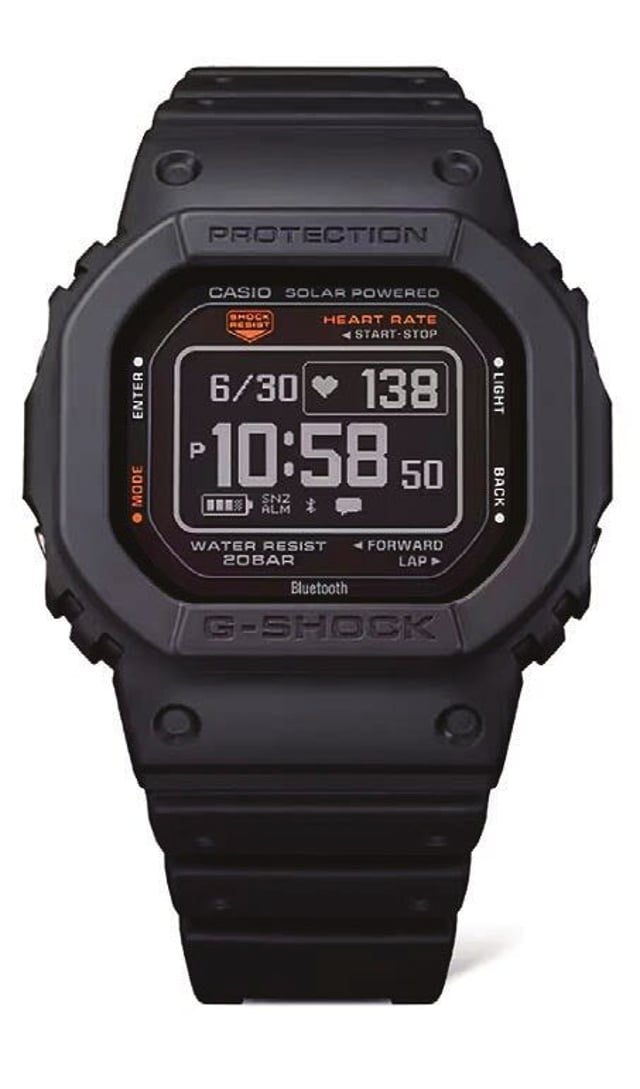
The G-Shock DW-H5600 is equipped with optical sensors to measure heart rate. Smartphone connectivity offers a wide range of support for daily training, from measuring various activities to training analysis and management. Price: $299.
Casio G-SHOCK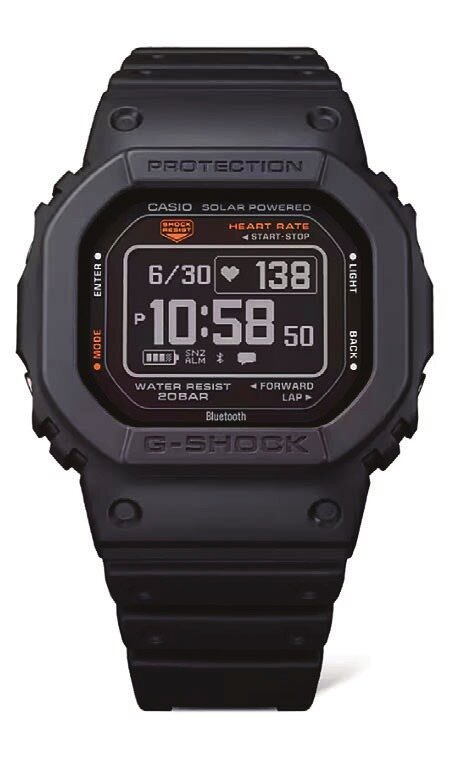
How does Casio integrate sustainability into its product design and operations?
Casio has already made significant strides in this direction. One outstanding example is the brand's solar cell technology. Unlike conventional smartwatches, which rely on rechargeable batteries that must be disposed of after a few years, Casio uses eco-friendly technology that allows the watches to function for many years without producing waste. Casio has also made strides in the use of eco-friendly materials, such as watches made from recycled ocean plastic. Although the materials used in watch production are limited in size, we believe that even small but significant sustainability measures can make a big difference.
How has your leadership approach evolved over the years? What have been the challenges of taking on this role, especially at such a demanding time in the industry?
I think the key word is transformation, and what that means in terms of leadership. It is my job to make sure my employees are proactive, motivated and willing to contribute, to create a culture where these qualities thrive. That has always been a challenge, but also the interesting part. I think it is important to change the company culture so that everyone is curious, interested and intrigued to find their own answers and solutions. In times of change, you cannot just sit and accept the status quo. You have to adapt to change. I want my employees to really understand what is happening out there, so that they can develop their own solutions. Because in the end, it is the people who make the company. People define the business, so it is important that they are proactive. That has always been the principle I have followed in my leadership.
How do you balance the company's rich heritage with the need for change?
Casio was originally a family business, and it's really important to cherish that heritage. But at the same time, we need to be seen as the ones driving the change, because times are changing. It's not about rejecting the old, but appreciating it, while making sure that each and every one of us feels like he or she is shaping the future of the company. We are the ones moving the company forward. This change in mindset and attitude is what I want to convey, to develop a vision for the future that is not stuck in tradition or the past but looks forward.
What values or principles guide your decisions as a leader?
There is no particular motto or principle that I follow, but when I became CEO, I sent a message to employees that was very important as a new leader: It's about sharing the company's vision with everyone. It's important to maximize the potential of the employees in the company. I also think it's important that we grow and develop together with the company. These values are important to me.
Which watch from the new collection are you most excited about?
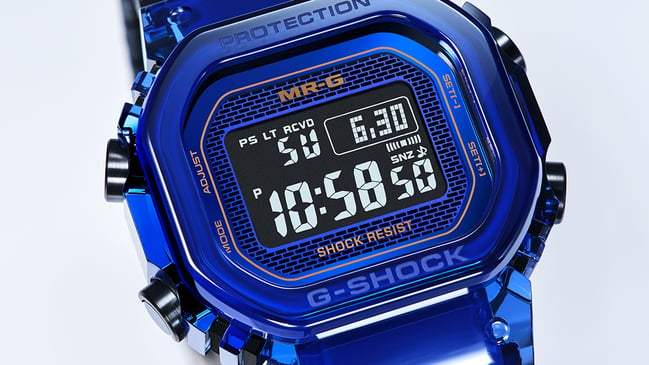
There are many models, but I have been part of the G-Shock development from the very beginning, so these watches have a special meaning for me. At the moment, I am particularly excited about the MRG-B2100.
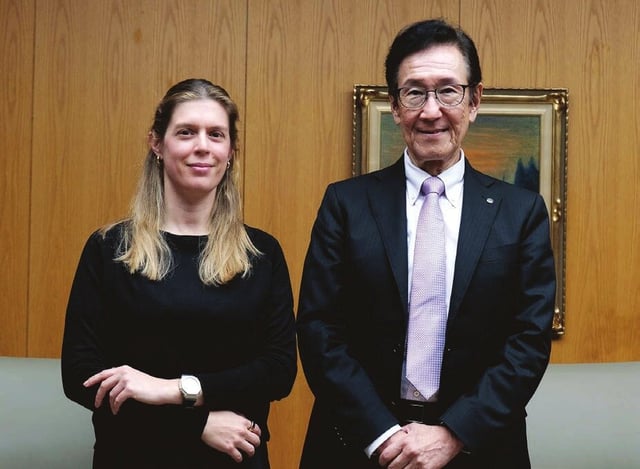
The conversation with Yuichi Masuda took place on the 22nd floor of the Casio headquarters with a fantastic view overlooking Tokyo.
Shirin Blum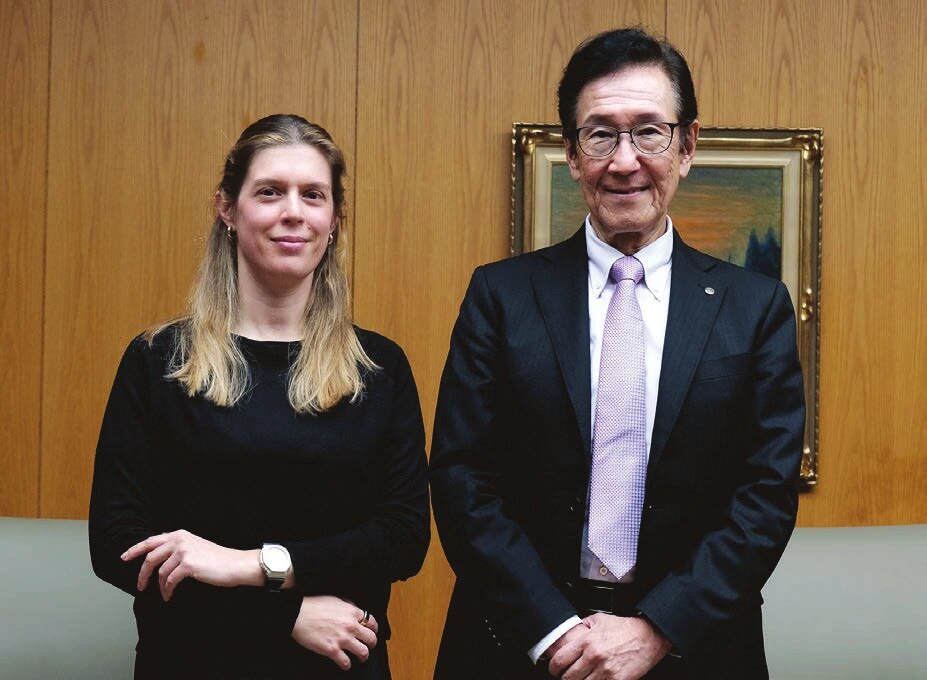
Which watch do you wear most often these days and why?
I'm currently wearing the DW-H5600, because it has a heart rate monitor that's perfect for my running activities. That's the watch I wear to the office most of the time. But I also have an Oceanus with a titanium case that I also wear regularly.
What does time mean to you?
That's a difficult question, but I think when you talk about time, it's a way for us to feel what we've accomplished — our progress and our growth.
If you were given an extra hour every day, how would you spend it?
I would use that hour to spend time with young people, talking to them over a glass of wine about things like design and ideas. I find these creative brainstorming sessions with young people very rewarding. It's great to bring out ideas, challenge each other and inspire each other.
This article was originally published in the March / April 2025 Issue. To subscribe to the print edition of WatchTime Magazine, click here.
- How do you see Casio's role in the watch industry today?
- G-Shock is one of Casio's most iconic products, but Casio Vintage Watches also play a major role in the watch unit, with both lines representing a fashion and cultural phenomenon. What do you think is the key to the success of both lines?
- How does Casio stay competitive in a rapidly evolving market?
- With limited editions and high-quality manufactured products, G-Shock offers a strategy that goes beyond price. What is your vision for G-Shock and transitioning more into the luxury segment?
- Looking at distribution, how do you plan to differentiate products across different retail channels to appeal to both luxury buyers and mainstream customers?
- In the past, Casio has excelled not only with watches, but also with products such as calculators, cameras, and musical instruments. Do you see potential for further diversification into other product categories, or will the focus remain on watches?
- An August 2024 report states that sales fell 3 percent. What are your expectations, particularly for further growth in the luxury segment?
- Casio has always had a strong appeal to younger generations. At a time when digital technology and fashion trends are changing rapidly, how does Casio plan to continue to appeal to a younger audience?
- How does Casio integrate sustainability into its product design and operations?
- How has your leadership approach evolved over the years? What have been the challenges of taking on this role, especially at such a demanding time in the industry?
- How do you balance the company's rich heritage with the need for change?
- What values or principles guide your decisions as a leader?
- Which watch from the new collection are you most excited about?
- Which watch do you wear most often these days and why?
- What does time mean to you?
- If you were given an extra hour every day, how would you spend it?