Did You Know That: The Difference Between A Modular And Integrated Movement
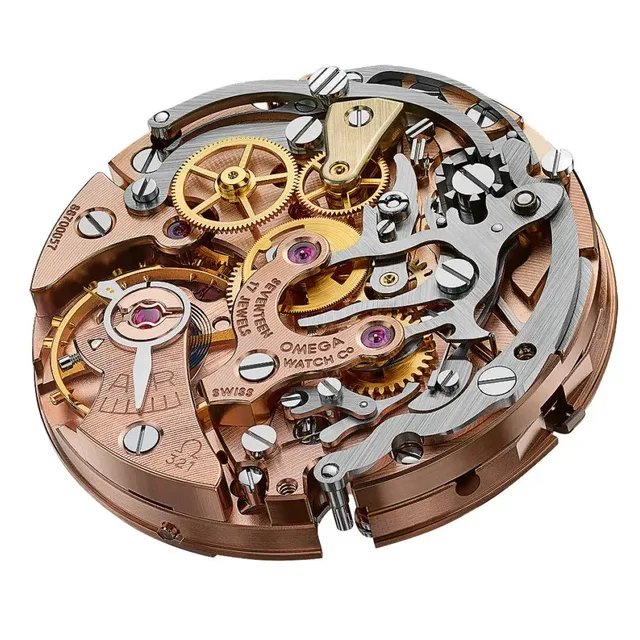
In this edition of 'Did You Know That,' we look at the difference between a modular and integrated movement, each representing one of two different approaches to including a complication in a watch.
With a modular movement, an additional complication is built on top of an otherwise stand-alone timekeeping mechanism. By itself, the module cannot function, and instead needs to be attached to a base movement to power it. Here, we immediately have the advantage of a modular movement. A brand can make or buy automatic or manual wind movements that only tell time, and make or buy different modules to put on them. This is a relatively cost-effective way to offer a collection with different complications.
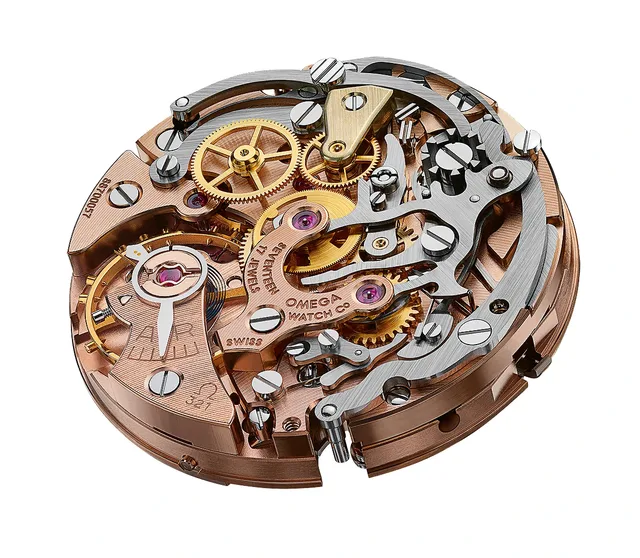
The purists among us are often in favor of the integrated movement. Here, there is no module, but the caliber was designed to have this complication from the beginning. This means that the entire movement only has a single mainplate, and that the complication is an intricate part of the movement as a whole.
While more complex to make, integrated movements come with a few advantages. As the complication is integrated inside the caliber, and not stacked on top of it like a module, they are often slimmer. Developing them is a costly business also because it results in only a single movement featuring one or more complications, yet one that cannot be utilized otherwise. This is also why it is mainly the more expensive, high-end brands that create integrated movements.
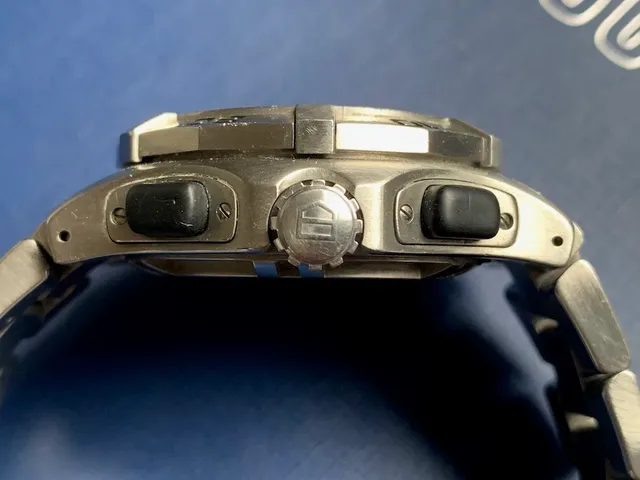
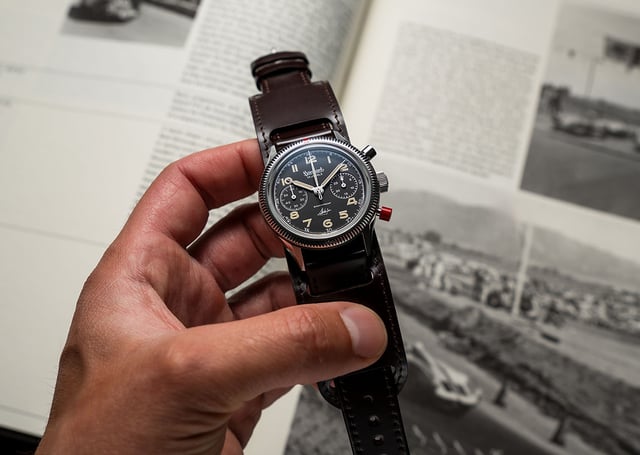
The difference between the two approaches can often already be distinguished from the outside. As the module is put on top, the watch's crown is usually placed just a bit lower on the case where you would expect it. With modular chronographs, you see that the pushers are set higher than the crown, the same with the correctors of more complex modular calendar watches. Another telltale can be the date. When the base movement comes with a date function, this one is sometimes maintained. On the dial side, you can see that it lies considerably deeper than the dial itself, something some brands try to mediate by putting a small magnifying glass over it.
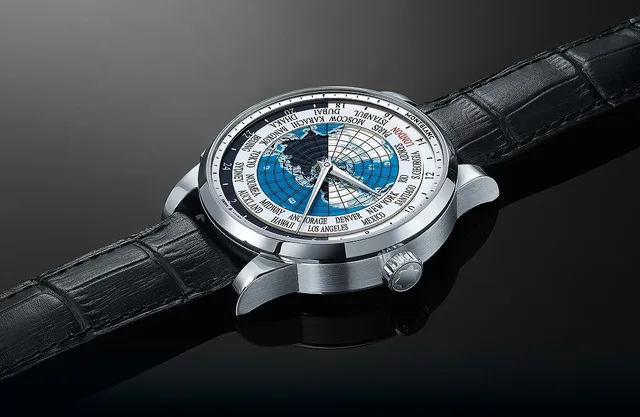
While integrated movements are very appealing, modular movements have also earned their place in watchmaking history. As they are more cost-efficient to make, complications become more accessible to a larger group of watch enthusiasts. They also offer flexibility to brands that not necessarily conflicts with their exclusivity. Some order modules from specialized suppliers to fit on top of their manufacture movements, or even make their own. Others might prefer a different approach and buy a reliable base movement, but rather build their own module to give them the competitive advantage of having a more unique complication. Either and all routes lead to a richer world of watches, in which watch enthusiasts can make their own choices based on preferences and budget.
Which type of movement do you prefer, integrated or modular? Let us know in the comments below!