Philippe Stern, 1938–2026: The Architect of Patek Philippe's Supremacy
In Memoriam
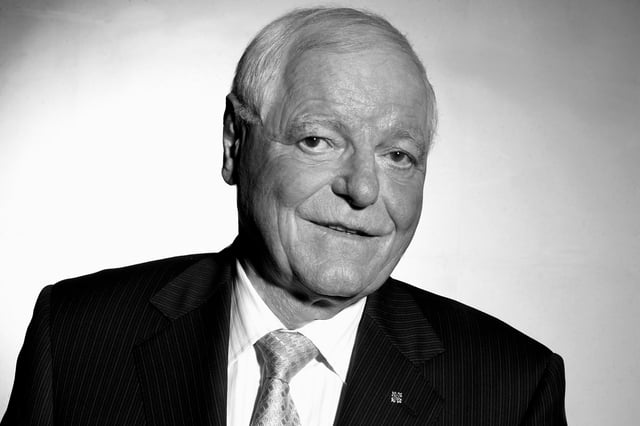
Philippe Stern, who served as Director General of Patek Philippe from 1977 and as President from 1993 to 2009, died in Geneva on June 14, 2026. He was 87. As Honorary President, he remained a presence at the manufacture until the end. With his passing, the Swiss watch industry loses one of the few figures whose tenure genuinely altered the industry's hierarchy — not through acquisition or marketing scale, but through a sustained, uncompromising commitment to mechanical watchmaking at its most ambitious.
From Several to First
When Henri Stern gradually entrusted his son with greater responsibility during the 1970s, the mechanical watch faced an uncertain future. By 2009, when Philippe Stern handed the presidency to Thierry, the picture had changed entirely. The Geneva family company was — and has remained — widely regarded as the foremost complication specialist in Switzerland: technically peerless, and coveted in equal measure by seasoned collectors and first-time buyers of serious watches, the world over.
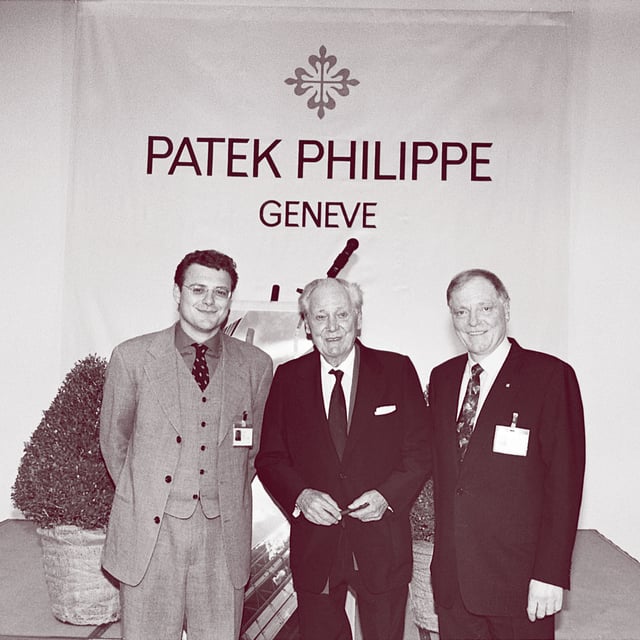
Three Generatios of Patek Philippe: Philippe Stern (right) with father Henri and son Thierry
Patek Philippe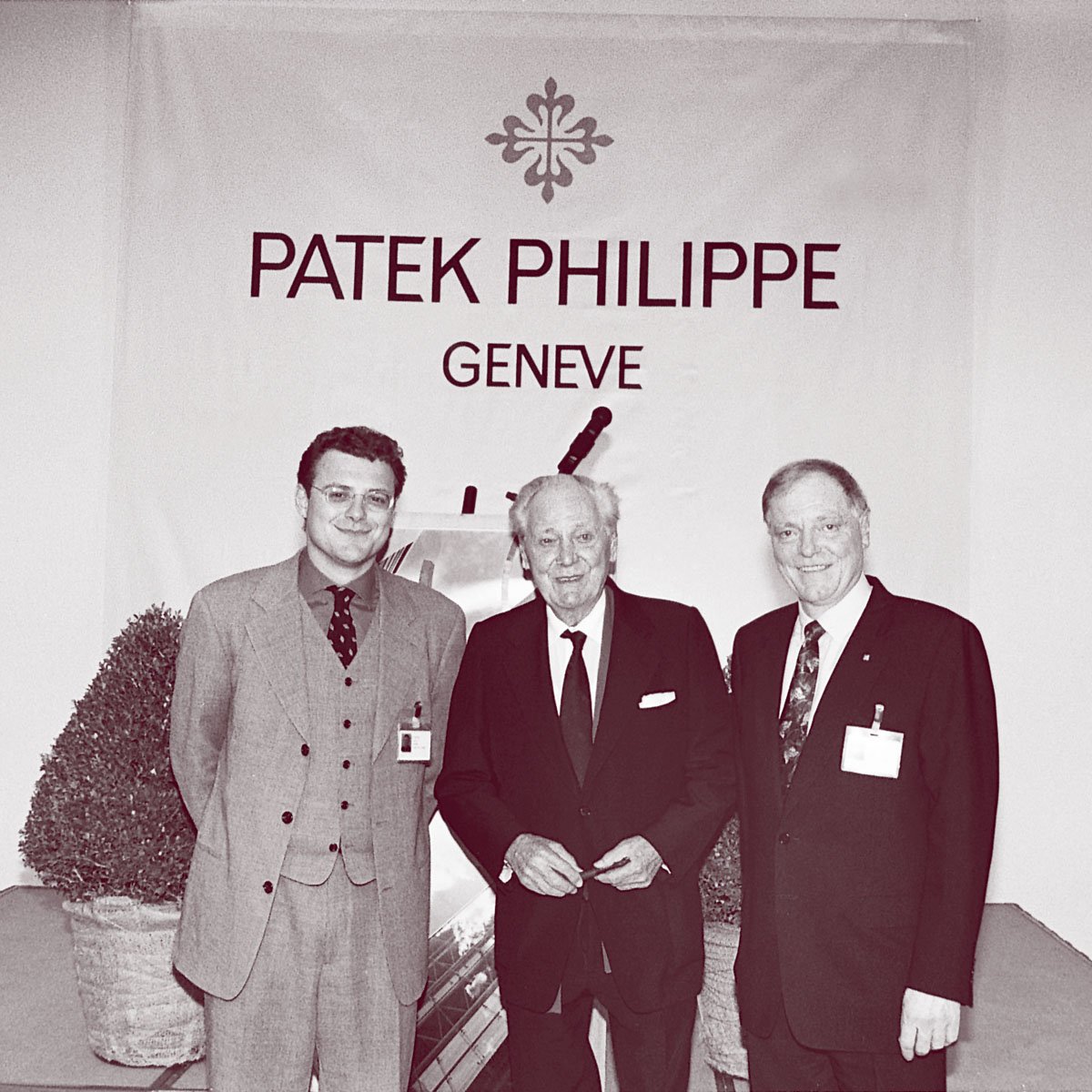
Stern was neither an extrovert brand strategist nor a manager who sought the spotlight. In many respects a visionary, his leadership style was defined by clarity, persistence, and an understanding of entrepreneurial responsibility measured not in quarters but in generations. Patek Philippe was to remain independent — that was his cardinal principle — and it was to build the finest watches it was capable of building. He believed in tradition, but never at the expense of investment in the technologies that would secure the future.
Not Born into the Role
Philippe Stern was born in Geneva in 1938. His connection to the watch industry was familial by circumstance rather than by design, and his path into Patek Philippe was by no means a foregone conclusion. His grandfather Charles Stern and great-uncle Jean Stern — proprietors of the distinguished dial manufacturer Stern Frères — had acquired Patek Philippe in 1932. His father Henri joined the family business at the same time and later led the company as President from 1958 to 1993.
Henri Stern did not push his son into the firm. In a 2015 conversation with Chronos and WatchTime, Philippe Stern recalled that his father had waited until he came forward of his own accord. After studying economics and commerce, he joined Patek Philippe in 1963 — not in a Geneva office, but at the Henri Stern Watch Agency in New York, the company's American distribution arm. There, young Stern was expected to learn the watch trade from scratch: to understand dealers and clients, and to see how the brand conducted itself on its most important international market.
He spent three years in the United States. On return to Geneva, he moved through various departments of a manufacture then employing barely 200 people and producing, by his own recollection, around 7,000 watches a year — largely from the original premises on the Rue du Rhône. There was no structured programme to prepare him for leadership. Henri Stern ran the company personally and centralistically; staff at every level addressed themselves directly to him. Philippe had to seek out the heads of production, technical development, and sales himself, ask his own questions, and build his knowledge without a map.
That uncomfortable route almost certainly shaped him. He did not carry himself as an heir to whom a position was owed. He earned his standing within the company and, early on, began questioning existing structures — introducing additional management layers and dedicated heads for production and sales, professionalizing an organization that had, until then, been built around his father's singular authority. From Henri Stern he inherited the principles that would govern his entire tenure: the independence of the company, an absolute focus on quality, and the conviction that the goal was not to build as many watches as possible, but as good ones as possible. Growth was never an end in itself. Investment was justified only where it made Patek Philippe technically stronger, more self-sufficient, and better positioned to act on its own terms over the long run.
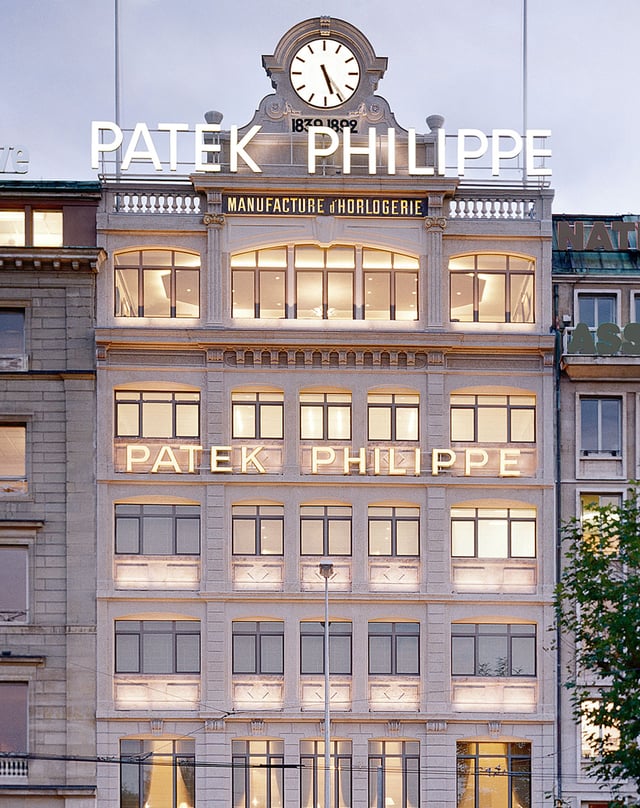
Patek Philippe Headquarter in Geneva, Rue du Rhône
Patek Philippe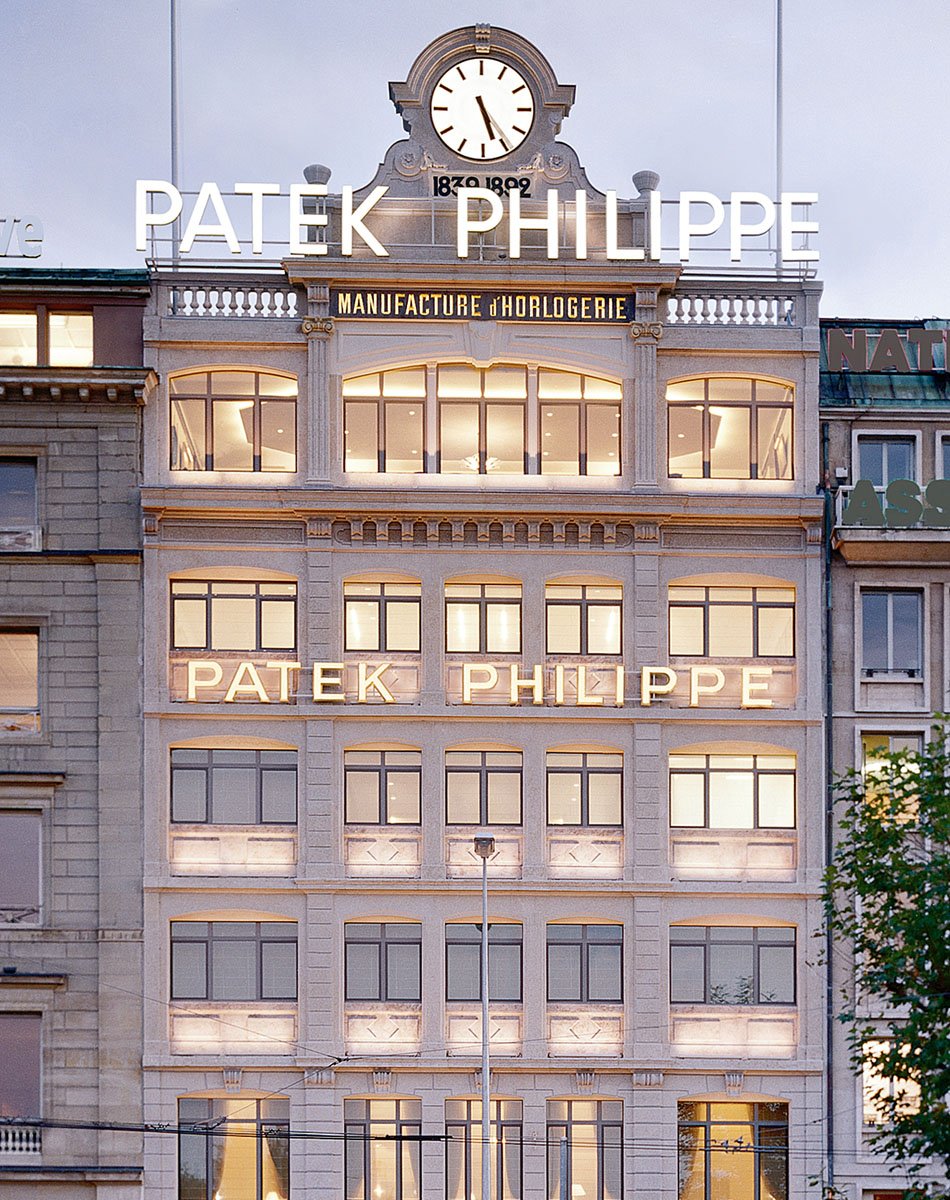
Faith in the Mechanical Watch
When Henri Stern appointed his son Director General in 1977, the Swiss watch industry was in its deepest crisis. Electronic and above all Japanese quartz watches had transformed the market. Numerous storied manufacturers disappeared, were sold, or merged into larger groups. To many observers, mechanical movements appeared technically obsolete.
Patek Philippe had not ignored the electronic turn. The company held a stake in the Centre Electronique Horloger and was among the manufacturers to present the Swiss quartz calibre Beta 21 in 1970. Henri Stern had taken an early interest in precision and electronic technology. Philippe Stern's decision not to pivot wholesale to quartz was therefore not made from ignorance — it was a considered conviction.
He believed there would always be a clientele who valued handcrafted quality, mechanical complexity, rarity, and cultural significance above the mere accuracy of an electronic movement. Under Stern, the mechanical watch was not a nostalgic indulgence but the foundation of a distinctive luxury proposition. If any Swiss company was to carry mechanical watchmaking forward at the highest level, he was certain it had to be Patek Philippe.
The position carried genuine risk. Patek Philippe was then far from the dominant standing it would later achieve. Stern recalled that a contemporary ranking published by the Swiss Watch Industry Federation placed the brand no higher than 32nd. For him, it was an incentive. He was determined to prove that through continuous improvement, proprietary technical expertise, and an unrelenting quality strategy, Patek Philippe could reach the top. (Read more: Patek Philippe Celebrates 50 Years of the Nautilus with Limited Anniversary Editions)
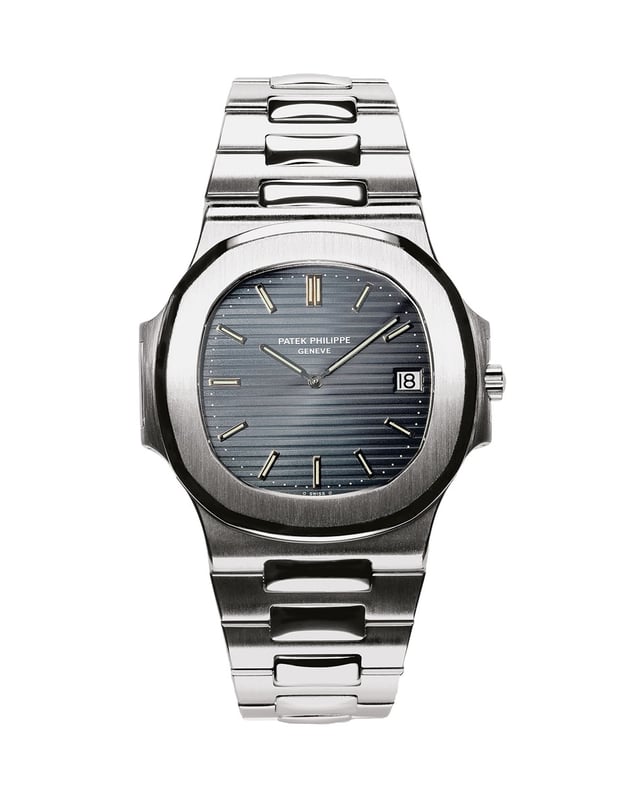
The first Nautilus Ref. 3700, 1976
Patek Philippe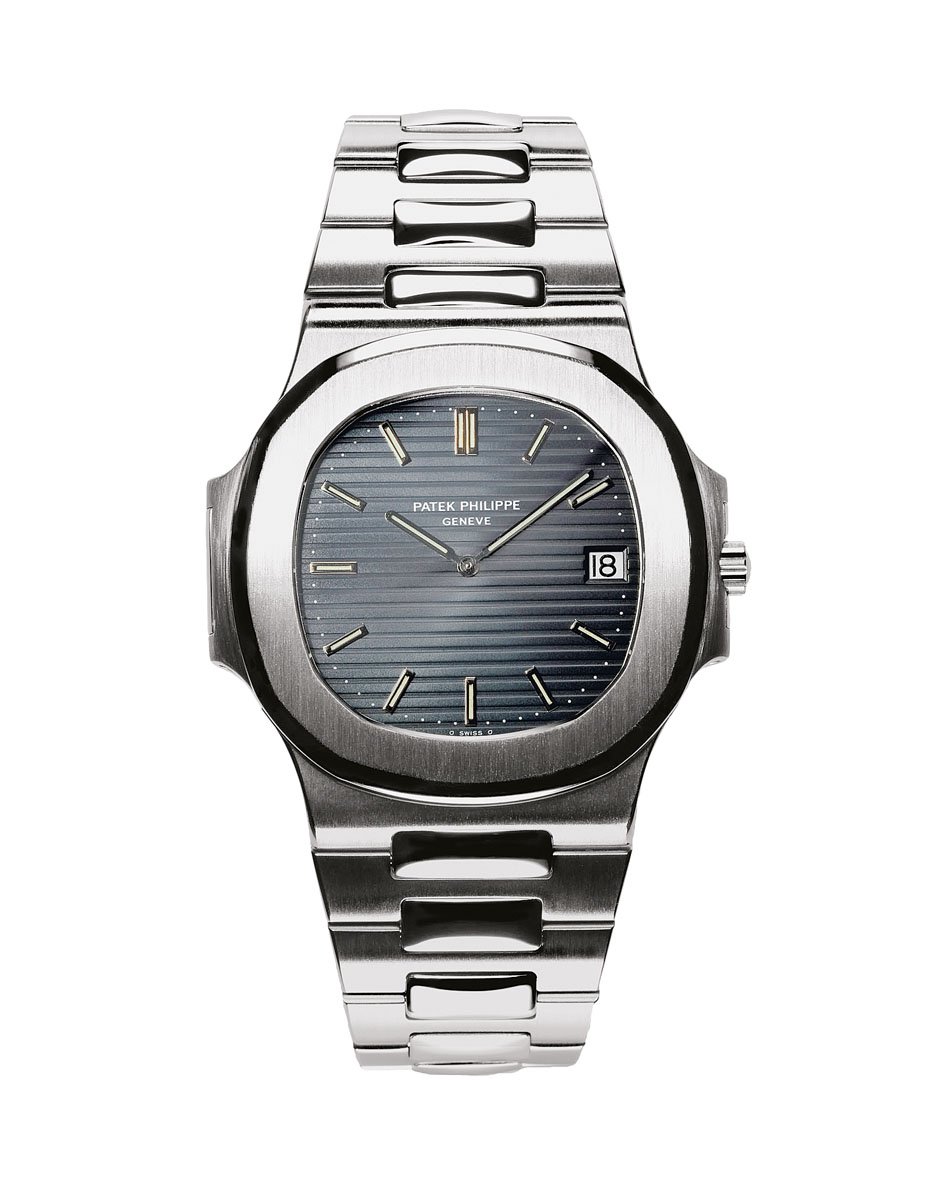
1976: The Nautilus, a Calculated Risk
An early signal of this new self-confidence was the Nautilus of 1976. A premium steel sports watch was not what one expected from a Geneva manufacture known principally for slender gold watches and elaborately complicated bespoke pieces. Gérald Genta brought the idea to Patek Philippe, having designed the Royal Oak for Audemars Piguet just a few years earlier.
Stern saw the potential nonetheless. He was convinced the Nautilus was more than a passing trend. The combination of a distinctive steel case, an integrated bracelet, and a high-quality mechanical movement opened Patek Philippe to an entirely new clientele. Stern himself was unambiguous: the watch had to be mechanical. A quartz movement would neither have made meaningful use of the case proportions nor served the identity that Patek Philippe was building for itself.
The Nautilus became a symbol of Stern's ability to distinguish tradition from stagnation. He was prepared to break with convention, provided the outcome met the house's standards without compromise. The watch would later become one of the most recognised and sought-after references in the entire industry.
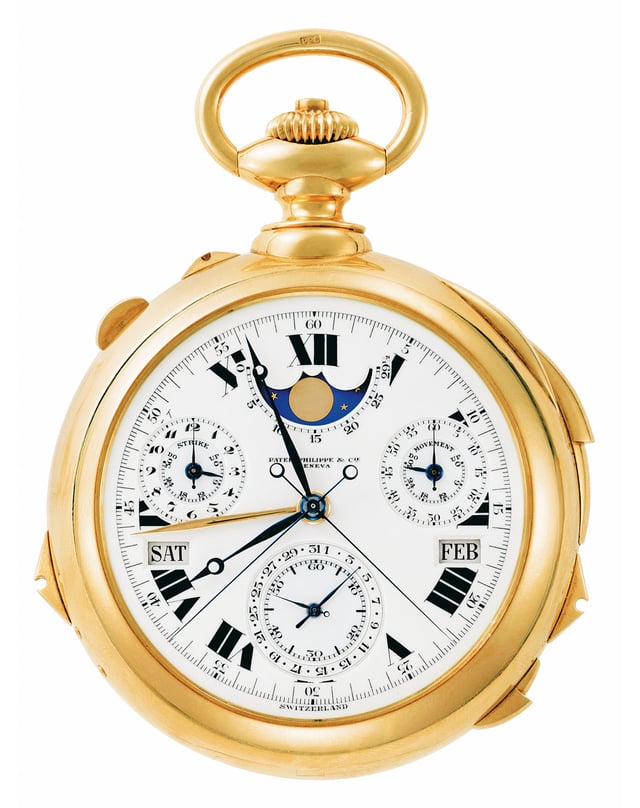
Patek Philippe: Graves Supercomplication, 1933
Patek Philippe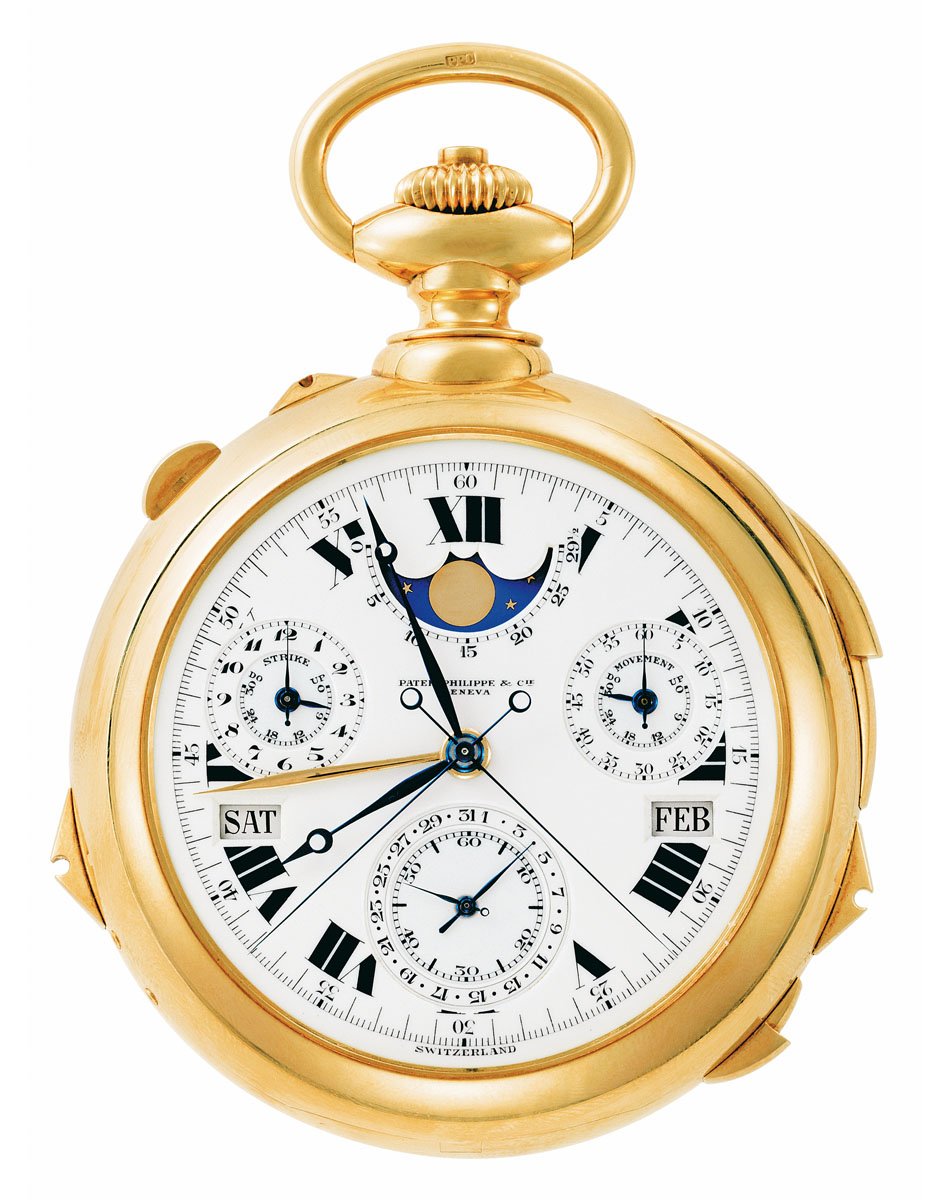
Auction Records and the Rise of the Collector's Brand
A significant factor in Patek Philippe's growing stature was the international collector market. From the 1970s onward, serious interest in vintage wristwatches was building, and rare, complicated Patek Philippe pieces attracted early attention. Through the 1980s, the pace accelerated. Antique chronographs, minute repeaters, and perpetual calendars were no longer regarded merely as pre-owned watches but as significant documents of horological achievement. Stern supported this reassessment on several fronts. He built a substantial personal collection, immersed himself in the history of the house, and commissioned the systematic documentation of historical references. At the same time, he viewed the speculative dimension of the market with scepticism. His concern was the recognition of craft and historical merit — not short-term gains on resale.
The decisive catalyst was the 150th anniversary in 1989. Antiquorum staged an auction dedicated exclusively to Patek Philippe — by Stern's account, the first single-brand watch auction of its kind. The results made global headlines. A split-seconds chronograph, Ref. 1436, which had retailed for equivalent to about $665 in 1961, achieved worth approximately $235,900 at the sale.
New anniversary pieces were changing hands above their retail prices within days of release. Stern observed all of this with mixed feelings. The results confirmed the exceptional standing of the brand. But as early as the beginning of the 1990s, he was warning buyers against acquiring a Patek Philippe purely in expectation of a quick return. A watch, he held, should be bought for the pleasure it gives. He went so far as to describe some of the prices achieved at the 1989 anniversary auction as unnaturally high. His response was not to chase volume. Production of highly complicated models was kept tightly controlled, the dealer network was rationalised, and the allocation of coveted references was strictly managed. Patek Philippe would not become a speculation engine. Yet that very discipline — controlled availability underpinned by genuine technical substance — compounded the brand's prestige over the long term. Later records affirmed the singular position the house had secured.
The Henry Graves Supercomplication realised approximately eleven million dollars in New York in 1999 and more than 23 million Swiss francs in 2014. In 2019, the Grandmaster Chime Ref. 6300A set a new world record for any watch sold at public auction at the Only Watch sale, achieving over 31 million Swiss francs.
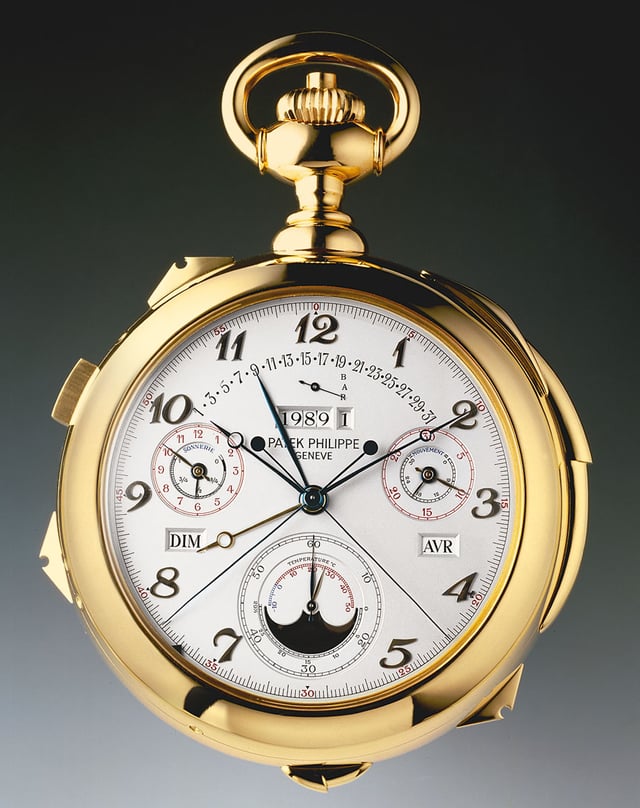
Patek Philippe: Anniversary Pocket Watch Caliber 89, 1989
Patek Philippe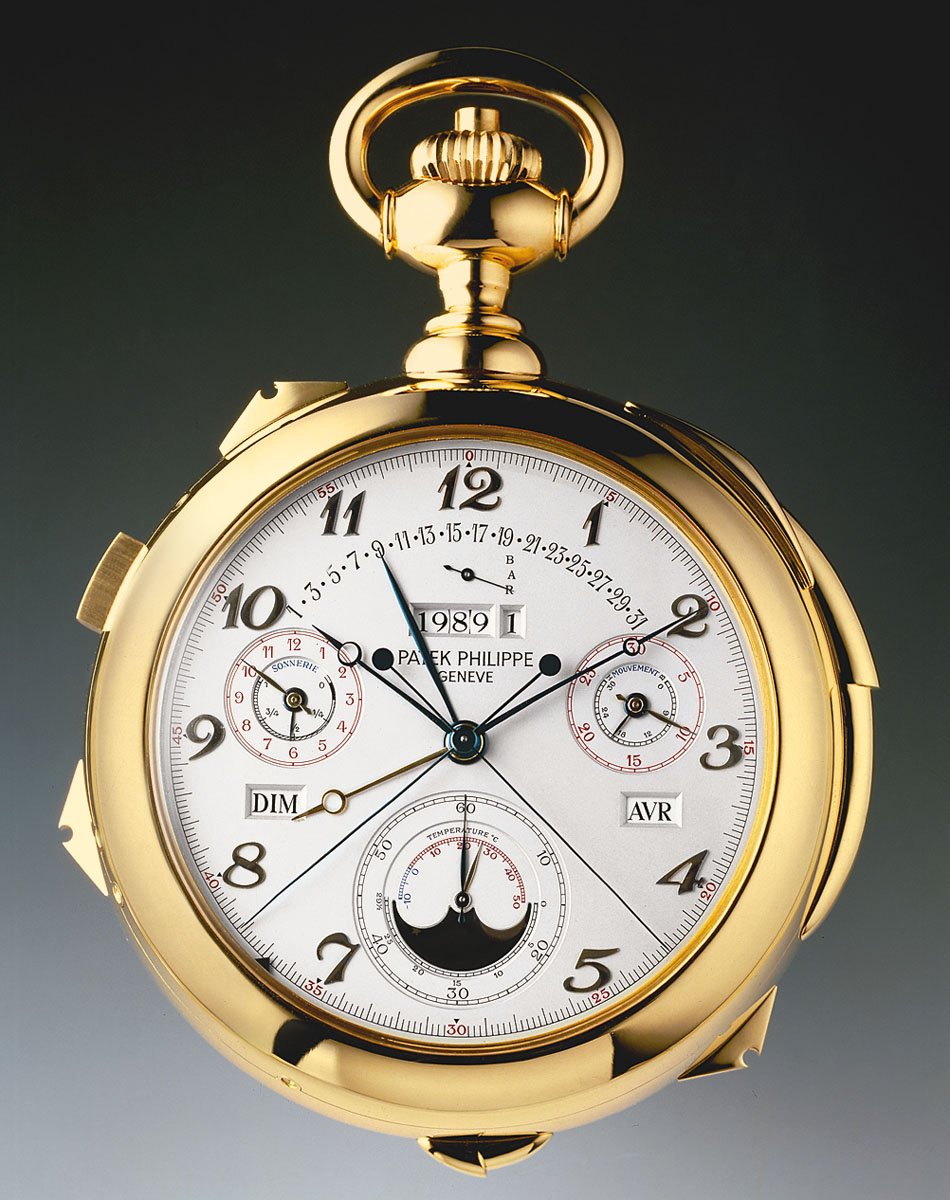
The Key Milestone: Caliber 89
The most important technical expression of Stern's ambitions was Caliber 89. In the early 1980s, Patek Philippe began developing a portable mechanical watch that would surpass all existing benchmarks. The concept originated, by Stern's account, with Max Studer, a watchmaker active in both regulation and research and development. The core team included Jean-Pierre Musy, François Devaud, and development director Gérald Berret.
Up to 60 functions had originally been envisaged. The final Caliber 89 incorporated 33 complications. The movement was constructed across four levels, with numerous components and arbors required to traverse multiple movement planes. Computer-aided simulation was not available to the team. Every construction was drawn by hand; prototypes were built and tested empirically. Development took nearly nine years.
Unveiled in 1989, Caliber 89 remained the most complicated portable mechanical watch in the world for more than 25 years. But Stern was clear: it was not conceived as spectacle. It was intended to demonstrate that Patek Philippe commanded the full range of horological complication — that no aspect of the watchmaker's art lay beyond the manufacture's reach. The project also marked the beginning of a new era for complicated wristwatches. Patek Philippe had understood that collectors were once again seeking minute repeaters, perpetual calendars, and chronographs of genuine substance. The anniversary collection included the Ref. 3979 and Ref. 3974 minute repeaters. In the decades that followed, mastery of grand complications became a defining element of the brand's identity.
Stern did not confine this ambition to spectacular one-offs. He invested systematically in proprietary movements, tooling, machinery, and specialist expertise. Patek Philippe was to control as many critical competencies as possible in-house. The progressive vertical integration this required was technically demanding and expensive — but it gave the manufacture the independence on which its subsequent leadership position rested.
The New Manufacture at Plan-les-Ouates
Growth and expanding in-house production made a consolidation of premises unavoidable. Operations had become distributed across multiple Geneva locations, complicating the collaboration that increasingly complex manufacture demanded.
Stern identified land on which the most critical functions could be brought together under one roof. The move — often loosely placed around the turn of the millennium — in fact occurred earlier: Patek Philippe opened its new manufacture at Plan-les-Ouates in 1996. It consolidated the previously dispersed Geneva workshops and provided dedicated space for modern production, research, training, and quality control. Patek Philippe was among the first major watch companies to establish in what would become the most significant concentration of watchmaking operations in the Geneva region. The building was not only a logistical solution. It was the infrastructure prerequisite for everything that followed: the industrially organised production of complex movements, the expansion of proprietary component manufacture, and the systematic quality verification that the Patek Philippe Seal would later formalize. As Stern observed, a capital-intensive project of this horizon would have been significantly harder to execute within a conglomerate subject to short-cycle return expectations. The family structure made it possible.
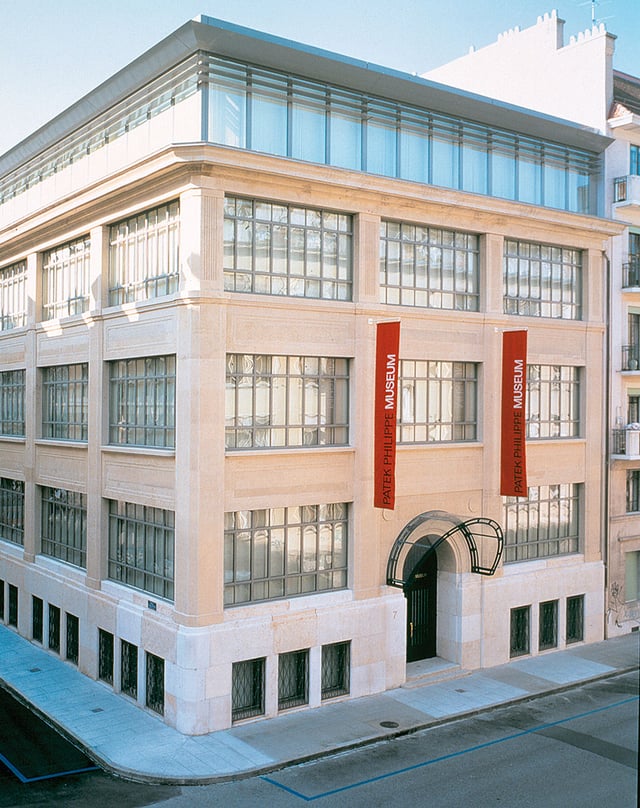
Opened in 2001: The Patek Philippe Museum
Patek Philippe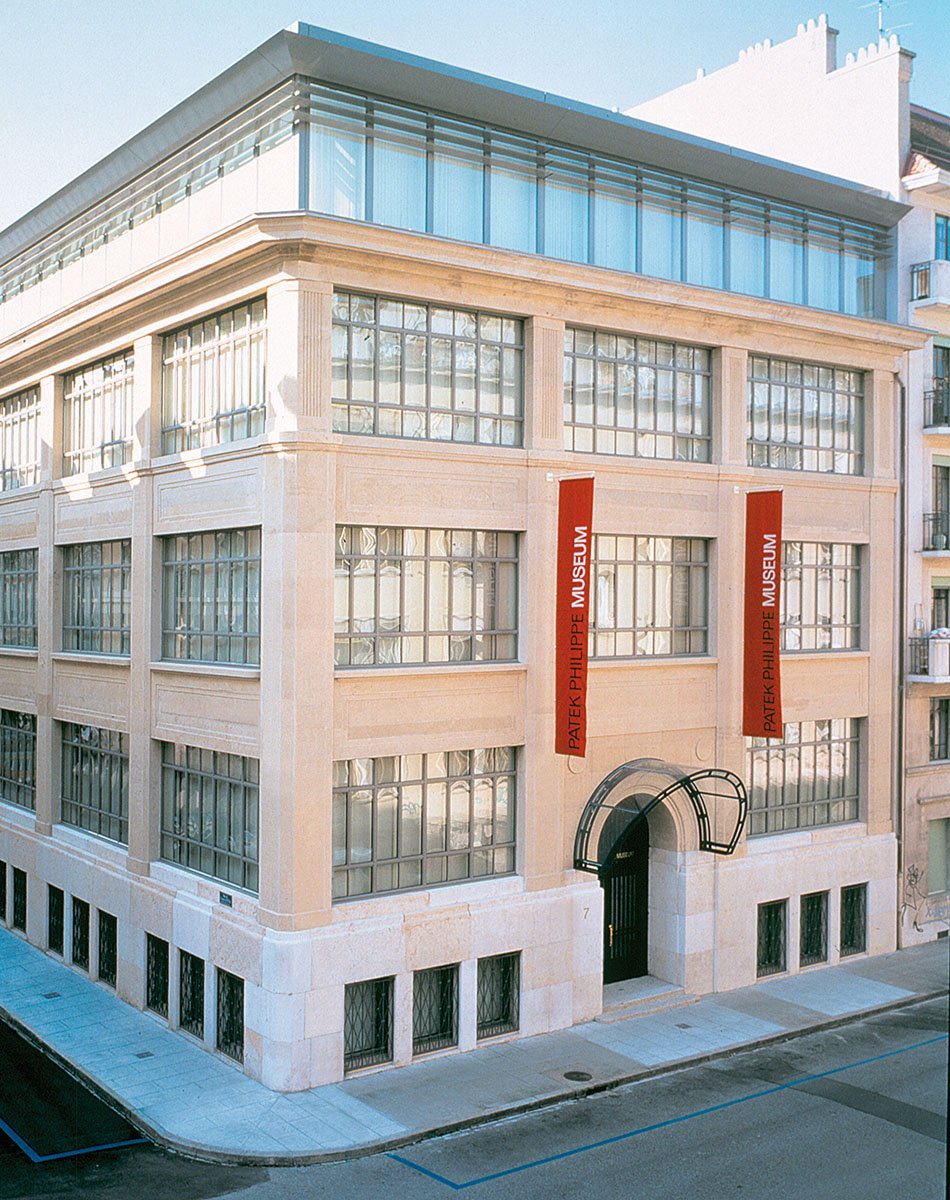
Research, Silicon, and the Patek Philippe Seal
Tradition, for Philippe Stern, never meant resistance to innovation. Wherever new technologies could enhance reliability, precision, or longevity, he actively supported research and development. In 2005, the manufacture launched the Patek Philippe Advanced Research program. A central focus was components produced from silicon and related advanced materials — offering low mass, amagnetic properties, and resistance to wear and lubrication degradation that conventional manufacturing methods could not match. The resulting developments underpinned the proprietary escapement and regulation systems the house would introduce in subsequent years.
In 2009, as a closing act of his active presidency, Stern introduced the Patek Philippe Seal — a proprietary quality standard governing all mechanical watches produced by the house, developed jointly with his son Thierry. The move drew criticism: by replacing the Poinçon de Genève with an internally defined certification, Patek Philippe was, in effect, awarding itself its own hallmark rather than submitting to an independent, state-administered standard. The charge was not entirely without merit. And yet by 2009, the brand's reputation and desirability had reached a level at which the manufacture's own warranty commanded at least as much authority as any external body could confer. The decision also reflected, in part, a longstanding frustration with the Canton of Geneva — an institution from which Stern felt the company had not always received adequate support. It was a sentiment that found further expression in Patek Philippe's investment in additional production facilities at Crêt-du-Locle in the canton of Neuchâtel, where the company operates a site specializing in specific movement components.
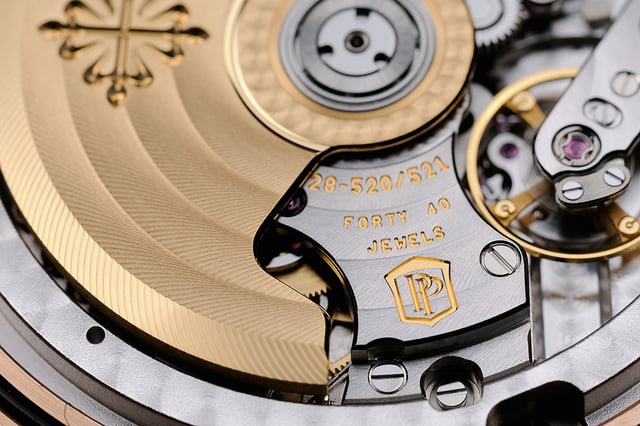
2009 launched: The Patek Philippe seal
Patek Philippe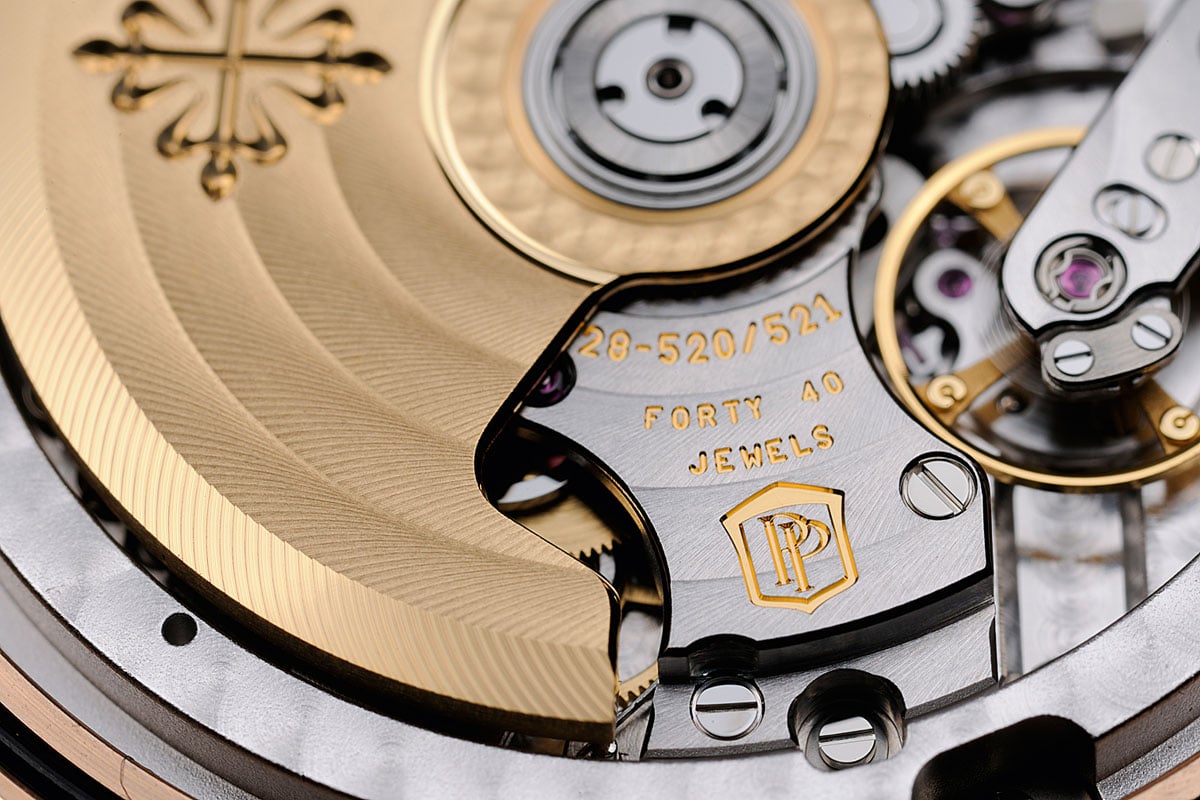
Collector, Custodian, Museum Founder
Philippe Stern understood watches as cultural objects, not merely commercial ones. His own collecting began in 1963, the year he joined the company, when he met Alan Banbery in Montreal — a figure who would later play a significant role in building the house's historical archive. His early focus was on movements and technical solutions; over time, it broadened to encompass cases, enamel miniature painting, decorative techniques, and significant timepieces by other makers.
The ambition was remarkable in its scope. Stern did not want a corporate museum that celebrated Patek Philippe's own achievements. He wanted to document the history of portable timekeeping from the sixteenth century onward, placing the house's output within a wider cultural and technological narrative. That vision was realised with the opening of the Patek Philippe Museum in Geneva in 2001. The collection — spanning important historical watches, enamel work, automata, and Patek Philippe timepieces from across the centuries — is today regarded as one of the finest horological collections in the world, and it is inseparable from Philippe Stern's personal passion. He was equally attentive to endangered craft disciplines. Patek Philippe continued to commission enamel miniatures, engraving, and other Rare Handcrafts even through periods when such pieces were commercially slow. In doing so, Stern helped preserve specialist knowledge and skills that would later undergo a significant cultural and commercial renaissance.
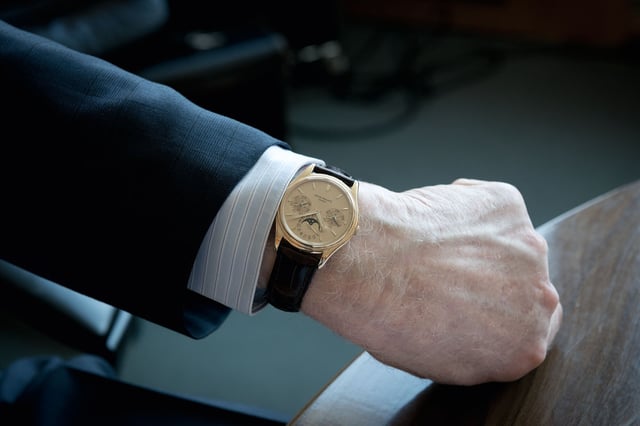
Philippe Sterns Wristwatch shown to us during an WatchTime-Interview in 2015, a gold perpetual calender, Ref 3940.
WatchTime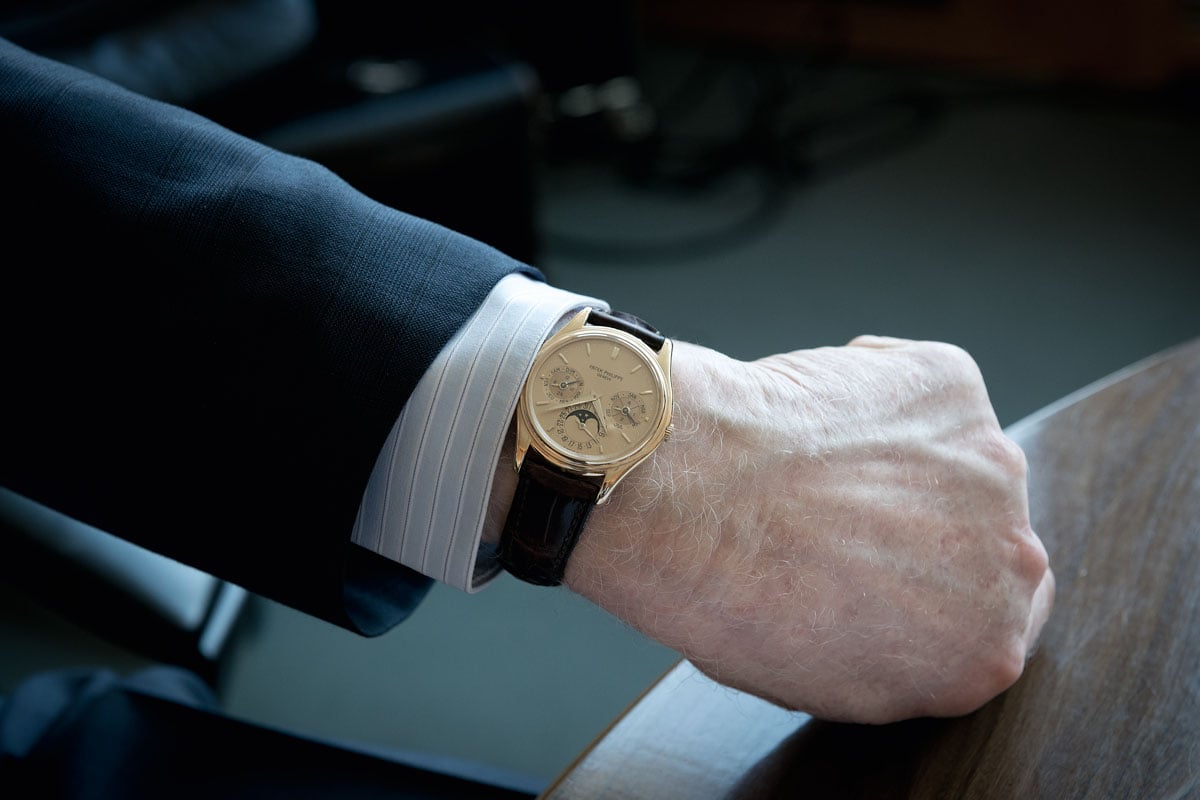
Influence Beyond the Handover
The transfer of the presidency to Thierry Stern in 2009 had been prepared over many years. Thierry attended watchmaking school, gained experience in retail and across various departments of the manufacture, and spent several years in the United States — a deliberate echo of his father's own formation, but with clearer structures and defined mentors in place. Philippe Stern had drawn on his own training and ensured his son found a more navigable path. His influence did not end in 2009. As Honorary President, he continued to follow the company's development closely, remained a sounding board for Thierry, and gave particular attention to the museum.
Father and son did not always agree — particularly on questions of strategy — and it was precisely this that made the role more than ceremonial. Philippe Stern remained a material presence behind the scenes. In 2023, Thierry Stern paid his father an exceptional horological tribute. To mark his 85th birthday, the limited-edition Ref. 1938P was created — a minute repeater with alarm complication, its dial bearing a portrait of Philippe Stern. The watch was not only a personal homage; it drew together several of the themes that had defined his life's work: a love of striking complications, the development of proprietary elaborate calibres, and the unity of technical and artistic skill.
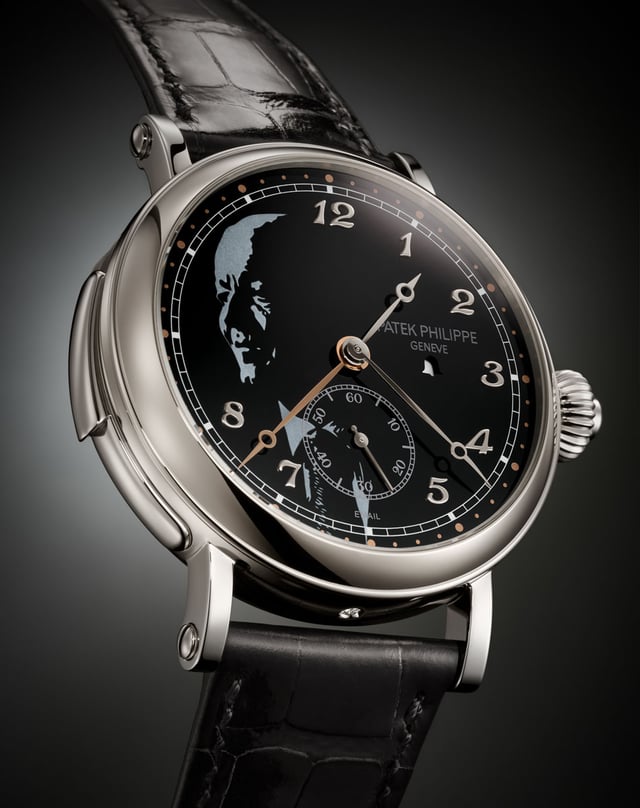
In honor of Philippe Stern: To mark the former president’s 85th birthday, Thierry Stern commissioned the creation of the 1938P, featuring a minute repeater and an alarm function.
Patek Philippe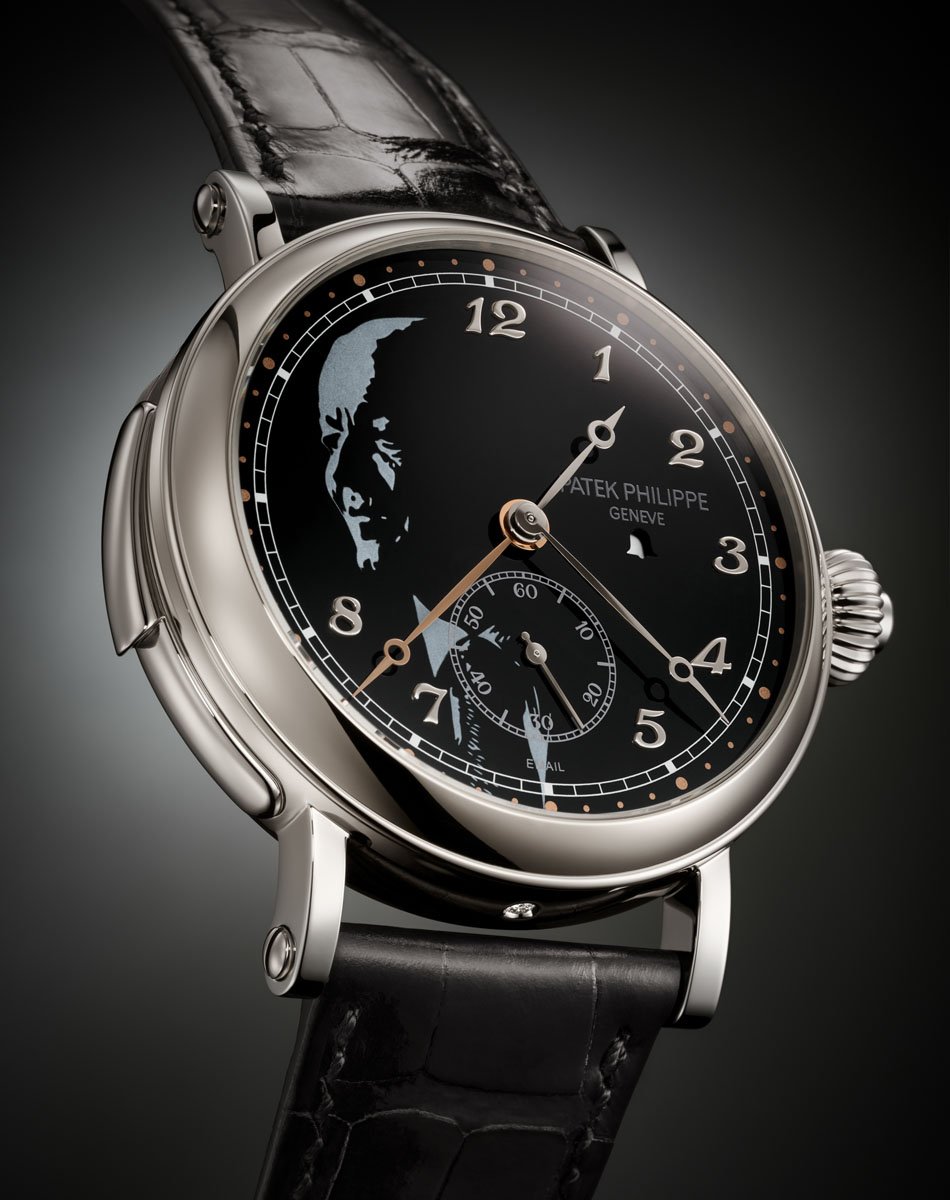
An Industrialist With the Long View
Outside the company, Stern sought challenge with the same disposition. A gifted skier and passionate sailor, he won the Bol d'Or on Lake Geneva seven times between 1977 and 1992, each time aboard one of his multihull boats, all of which he named Altaïr. The focus, endurance, and calibrated risk-taking of competitive sailing were entirely consistent with his character as an entrepreneur.
His true life's work, however, remained Patek Philippe. When he joined the company, it was a respected but comparatively modest Geneva manufacture. When he handed leadership to the next generation, it had become the international benchmark for classical haute horlogerie. That transformation was not the product of a single watch or a particularly effective advertising campaign. It was the outcome of a long sequence of interconnected decisions: the commitment to mechanical watchmaking during the quartz crisis; the courage to introduce the Nautilus; the revival of grand complications; the investment in proprietary manufacture and research; the construction of Plan-les-Ouates; the museum; the Seal; and the consistent, unyielding protection of family independence.
To that must be added the singular position Patek Philippe secured on the auction market. Record prices for historical pieces created a reinforcing loop between past and present: they confirmed the significance of earlier models, strengthened confidence in current ones, and established the brand as the preferred object of the most discerning collectors. Philippe Stern understood the value of that reputation — and refused to compromise it for short-term gain. That discipline was central to everything he achieved.
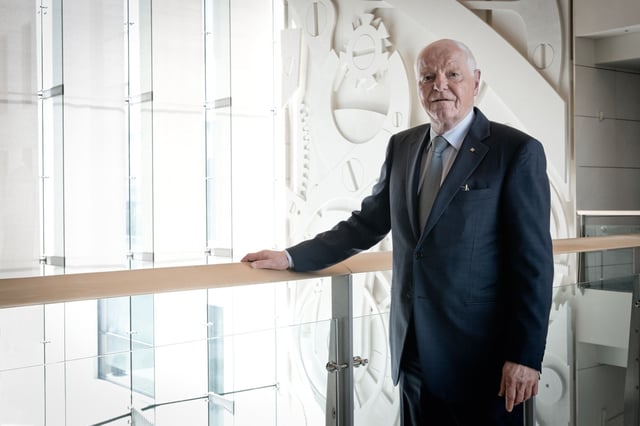
Philippe Stern in 2015 at the manufacturing facility in Plan-les-Ouates, which opened in 1996
Patek Philippe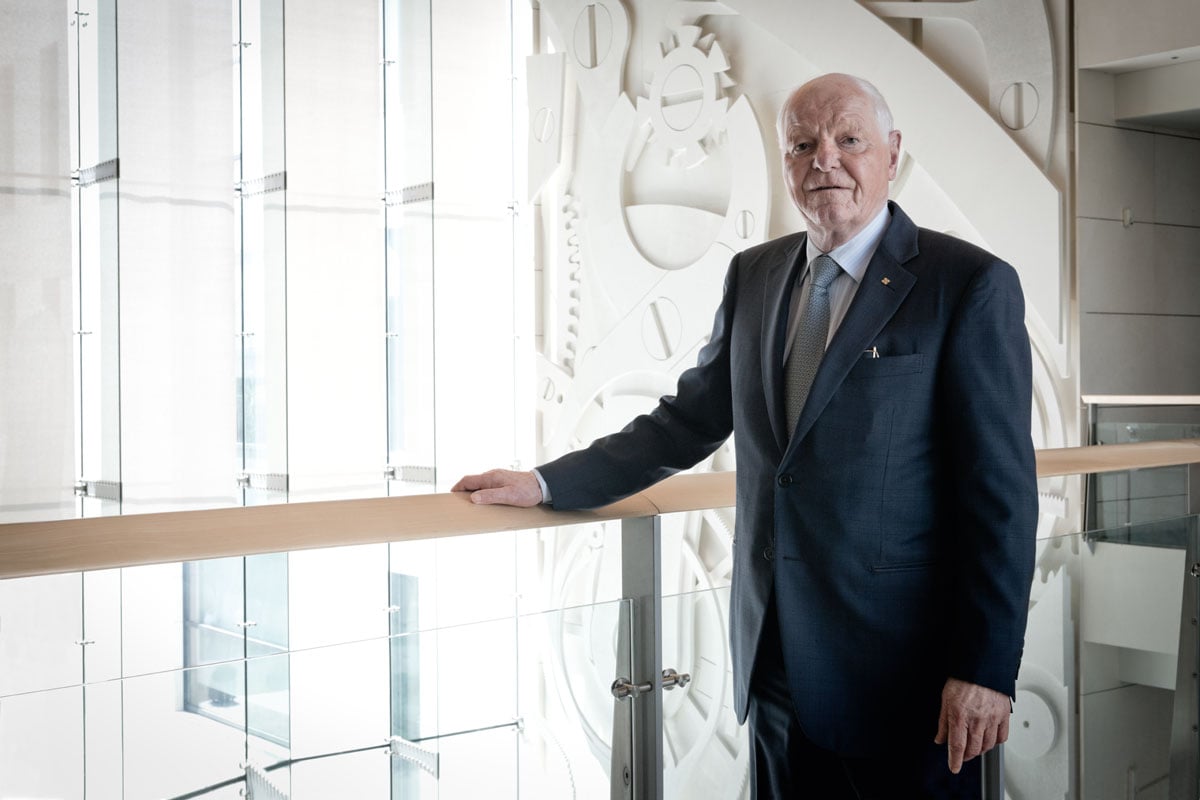
Philippe Stern does not leave behind a brand that lives off its history. He leaves behind a company whose present strength flows from treating history, technical research, artisanal quality, and entrepreneurial independence as a single, indivisible whole. He did not lead Patek Philippe to the top alone. He defined what being at the top should mean.
In Memoriam: Philippe Stern, Honorary President of Patek Philippe. Born Geneva, November 10, 1938. Died Geneva, June 14, 2026.
- From Several to First
- Not Born into the Role
- Faith in the Mechanical Watch
- 1976: The Nautilus, a Calculated Risk
- Auction Records and the Rise of the Collector's Brand
- The Key Milestone: Caliber 89
- The New Manufacture at Plan-les-Ouates
- Research, Silicon, and the Patek Philippe Seal
- Collector, Custodian, Museum Founder
- Influence Beyond the Handover
- An Industrialist With the Long View