Diamonds and Delights: Exploring the Craftsmanship Behind Diamond-Set Watches
In watchmaking, the size of the diamonds used is not that important, unlike in an engagement ring. As most watch brands want to decorate or cover (part of) their watch with diamonds, they prefer many smaller stones and set them close together. This is called a pavé setting. Although more modest in size, the diamonds impress by the vast numbers needed to cover something as significant as a watch, so all combined still requires an impressive number of carats.

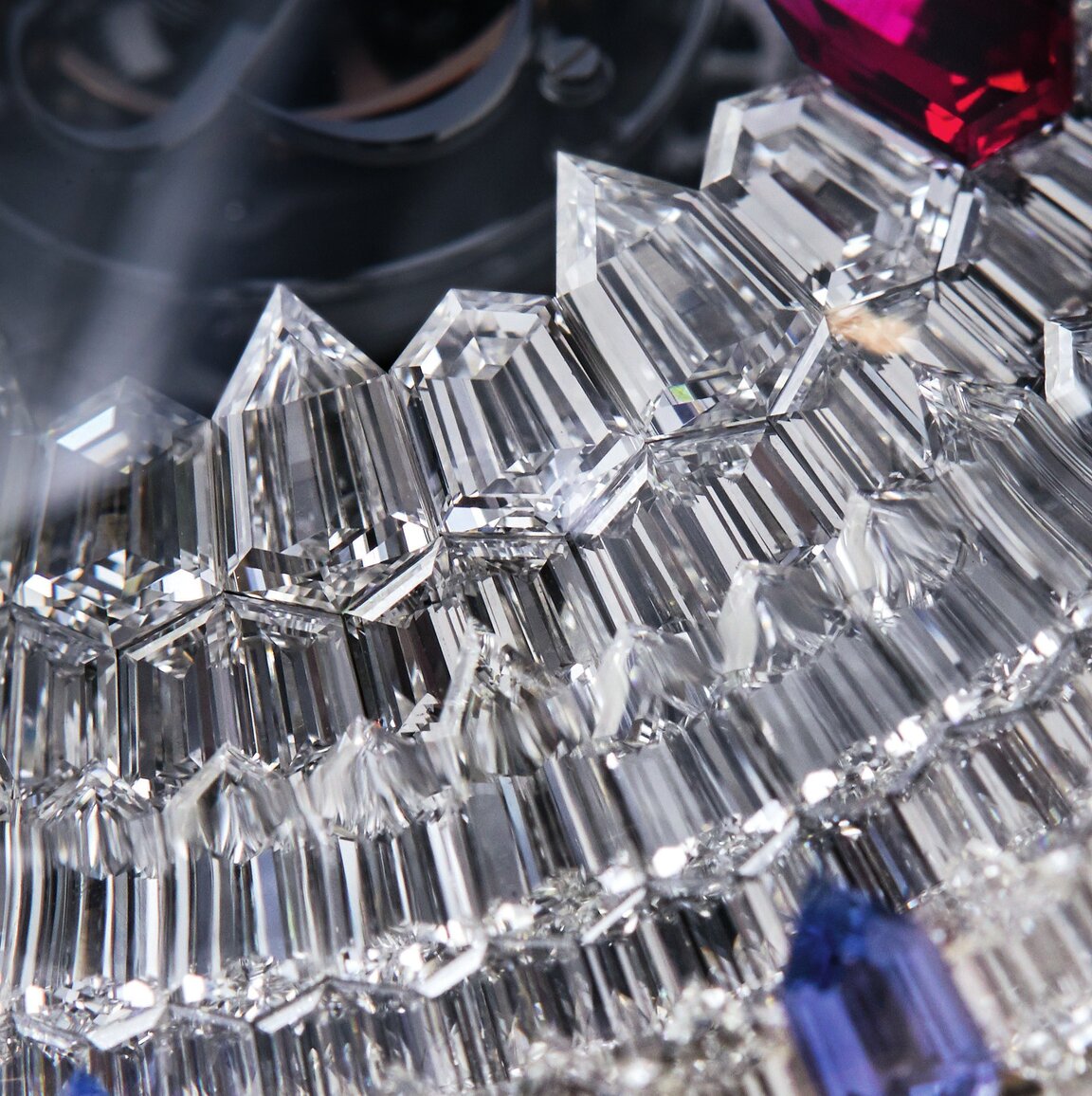
The following C is for cut and refers to the shape of the diamond. The most common one is the brilliant cut, which optimizes the reflection of light within the gemstone, making the most of its sparkling personality without cutting away too much of its precious material. Another favorite by watch brands is the baguette cut. Its shape somewhat resembles the smaller version of a French bread. While it is of the same name, because light is reflected in a different way than with the brilliant cut, the look of a baguette-cut diamond is much more understated. Because less of the stone must be cut away due to its shape, watches with baguette-cut diamonds tend to have a higher theoretical carat weight.
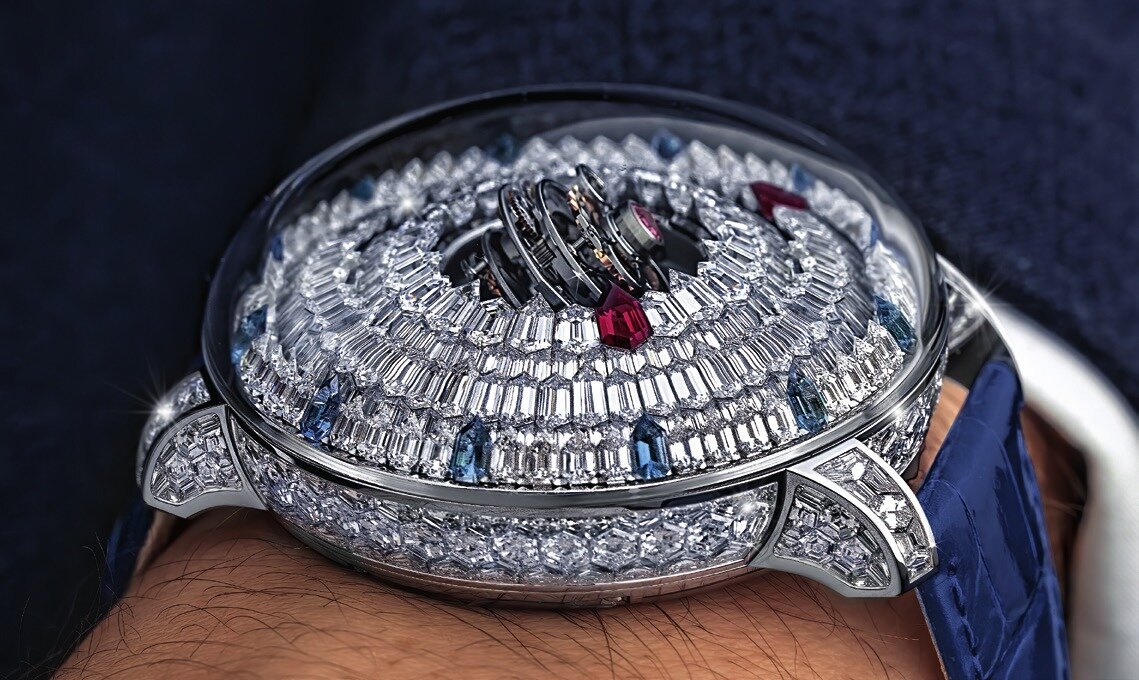
Clarity and color refer to the diamond’s inner qualities. Most diamonds have inclusions, which can be anything from tiny crystals to small bubbles that are trapped inside the gemstone. While there are unique testimony to how that particular diamond is formed, stones with less or no inclusions are rarer and, therefore, more valuable. The thing most people have in mind is a diamond that sparkles, colorless stone. This is also a relatively rare quality, as most diamonds have a brownish-yellow tone that is often not evenly spread. When used in watches, clarity and color play relatively minor roles. As the size of the individual diamonds is usually very small, it is unlikely that you can see inclusions with the naked eye. Color is a more obvious factor, but when all the diamonds are close to the same color rating, you need a watch set with stones of a higher colorless rating next to it to see the difference. It also makes a difference in which color metal the diamonds are set as they reflect light and are translucent. This means that diamonds tend to look brighter and more colorless when set in a white metal, as opposed to yellow, pink or red gold. However, as clarity can also be seen as a sign of quality, most brands use a grade of VVS2 or even better. This stands for Very, Very Slightly Included, which means that you have near-perfect stones with very few inclusions that can only be seen under 10x magnification. In terms of color, the brands also tend to favor high quality, using diamonds with a rating of near colorless or even colorless.
The final C stands for certification. With larger gemstones, it is common that an independent diamond laboratory professionally grades them. Certified gemologists will determine the color, map the inclusions, and weigh the stone. Such a certificate often also comes with a serial number that is engraved by laser into the diamond. With small stones, this is, for obvious reasons, not common practice. What is essential for all diamonds is that they follow the Kimberley Process Certification Scheme, a method that ensures that no conflict diamonds enter the markets. This is normal practice among watch brands, most of which are also members of the Responsible Jewelry Council.
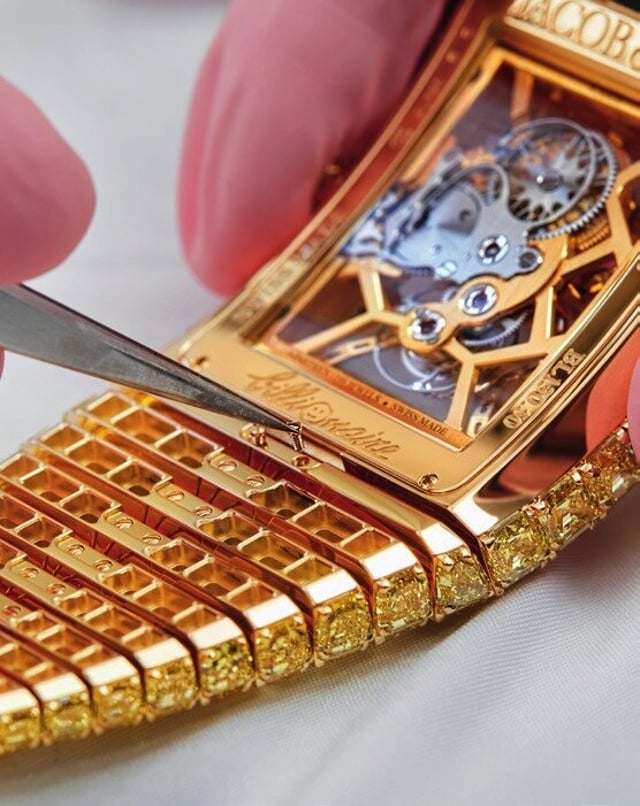
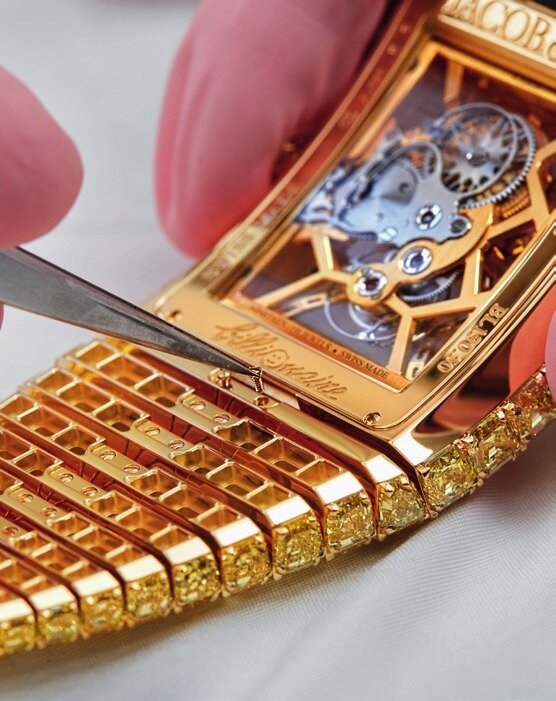
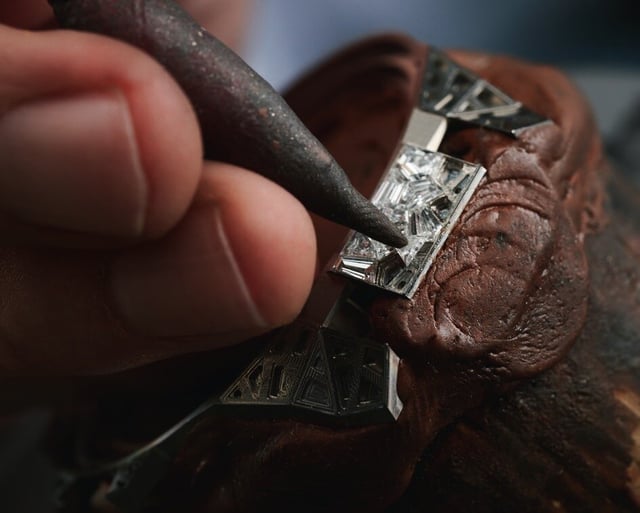
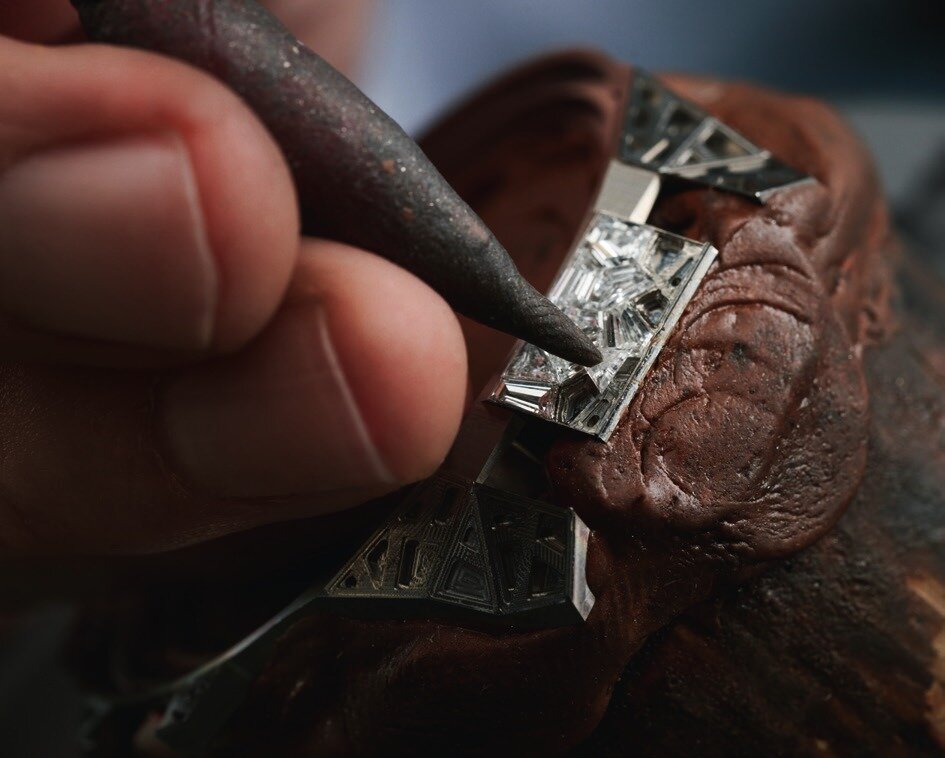
Getting the right size, shape and quality stones is only the beginning, as setting them is another craft altogether. Most commonly, brilliant-cut diamonds are set by drilling a small hole to fit the stone and manually sculpting the material surrounding it into prongs to secure it. This makes setting diamonds on a watch a labor-intensive process requiring significant skill and expertise. Felix Baumgartner, co-founder of Urwerk, said at the introduction of the UR-100V Stardust that setting the watch costs more than the diamonds they used.
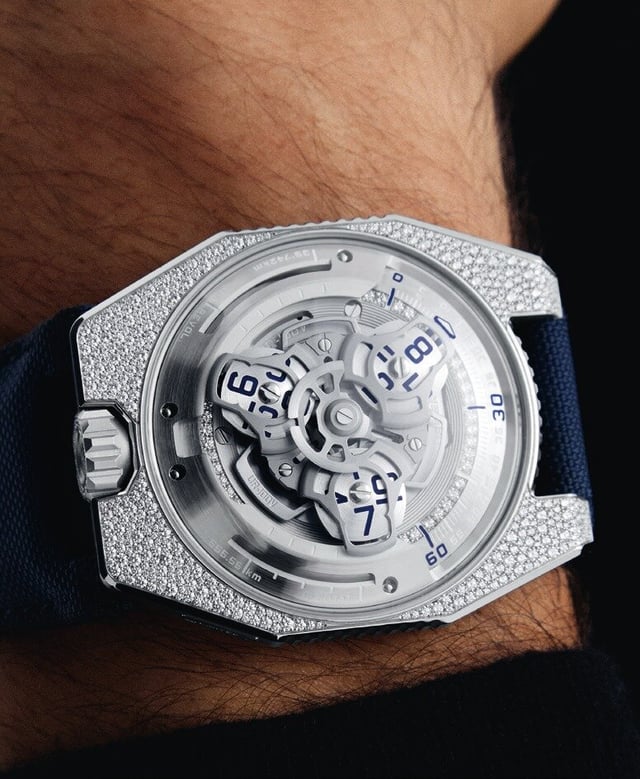
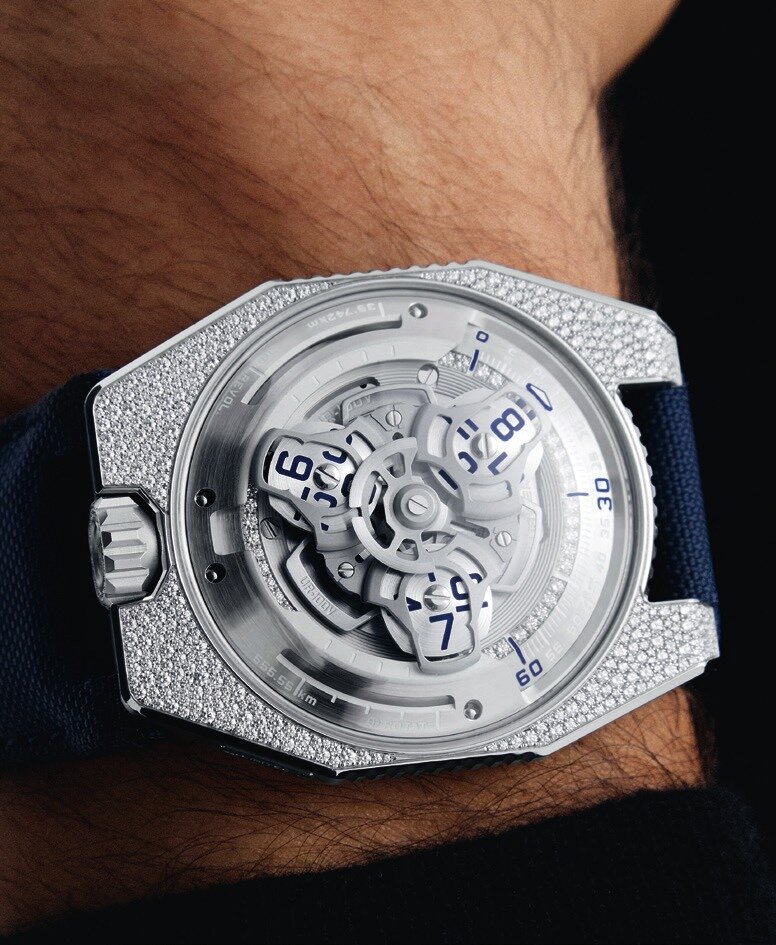
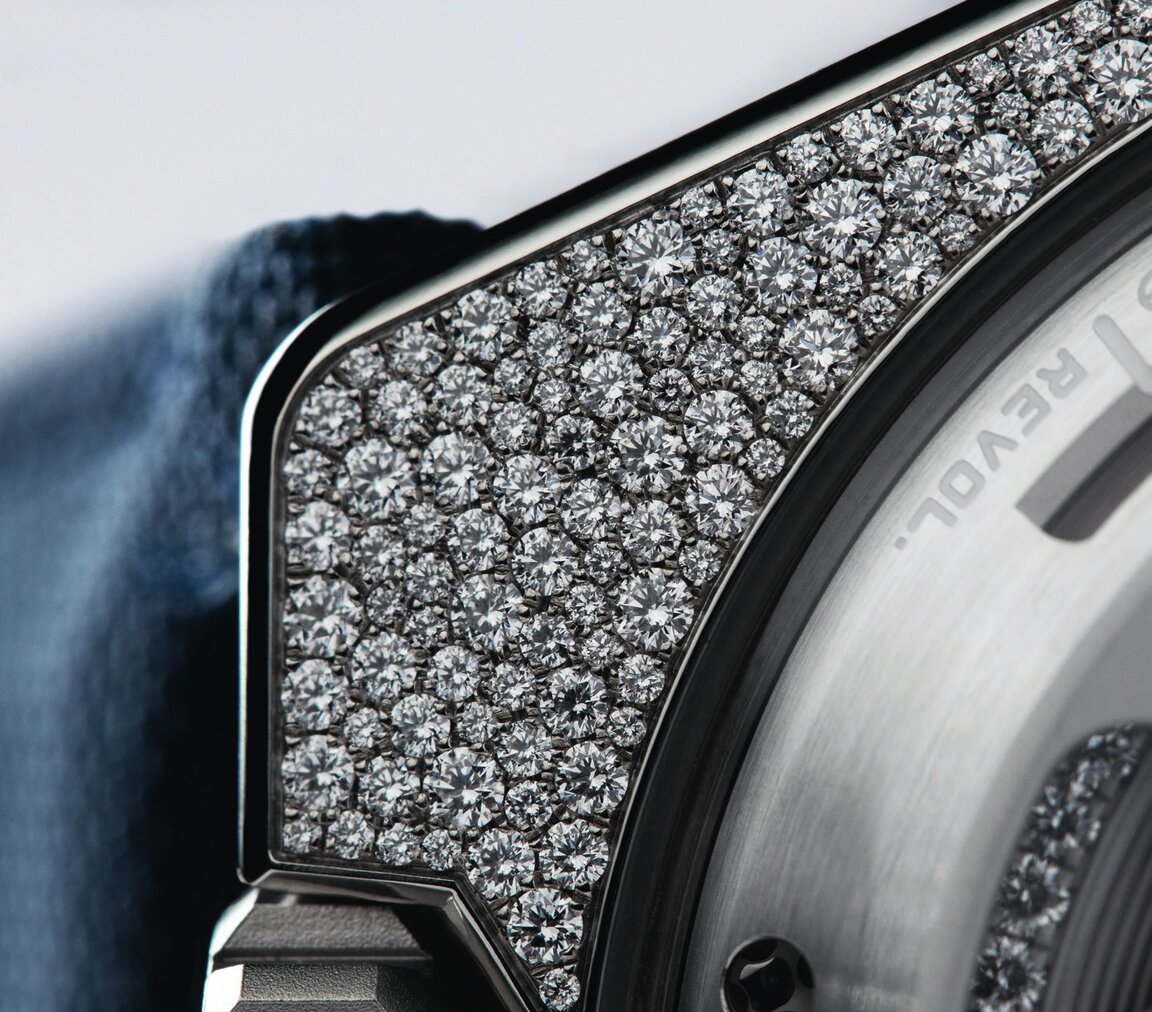
For the UR-100V, Urwerk chooses a snow setting. By placing brilliant-cut diamonds in a seemingly random order, you get an effect like freshly fallen snow. This type of setting, which Jaeger-LeCoultre pioneered, may look simple, but each and every diamond has been mapped out before work can even start. In complex cases, even the shape or cut of the diamond is altered so that it ts in a specific place.
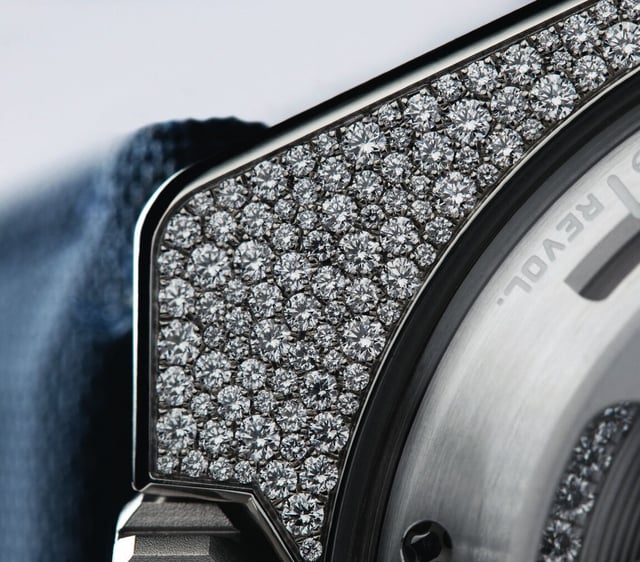
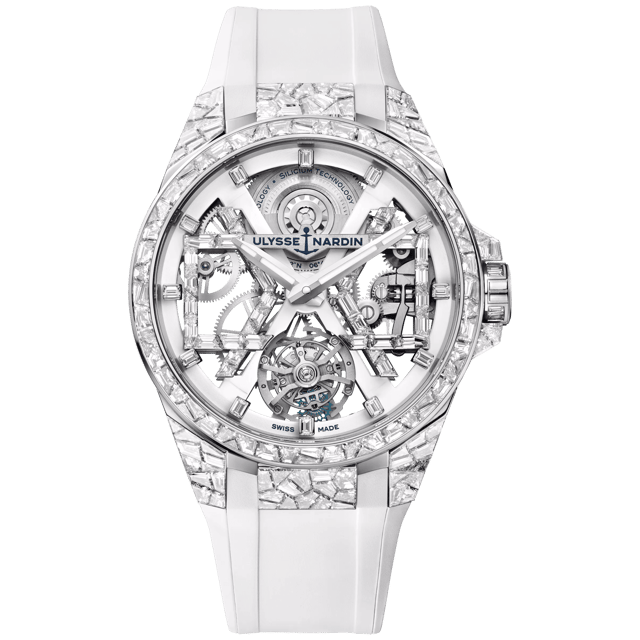
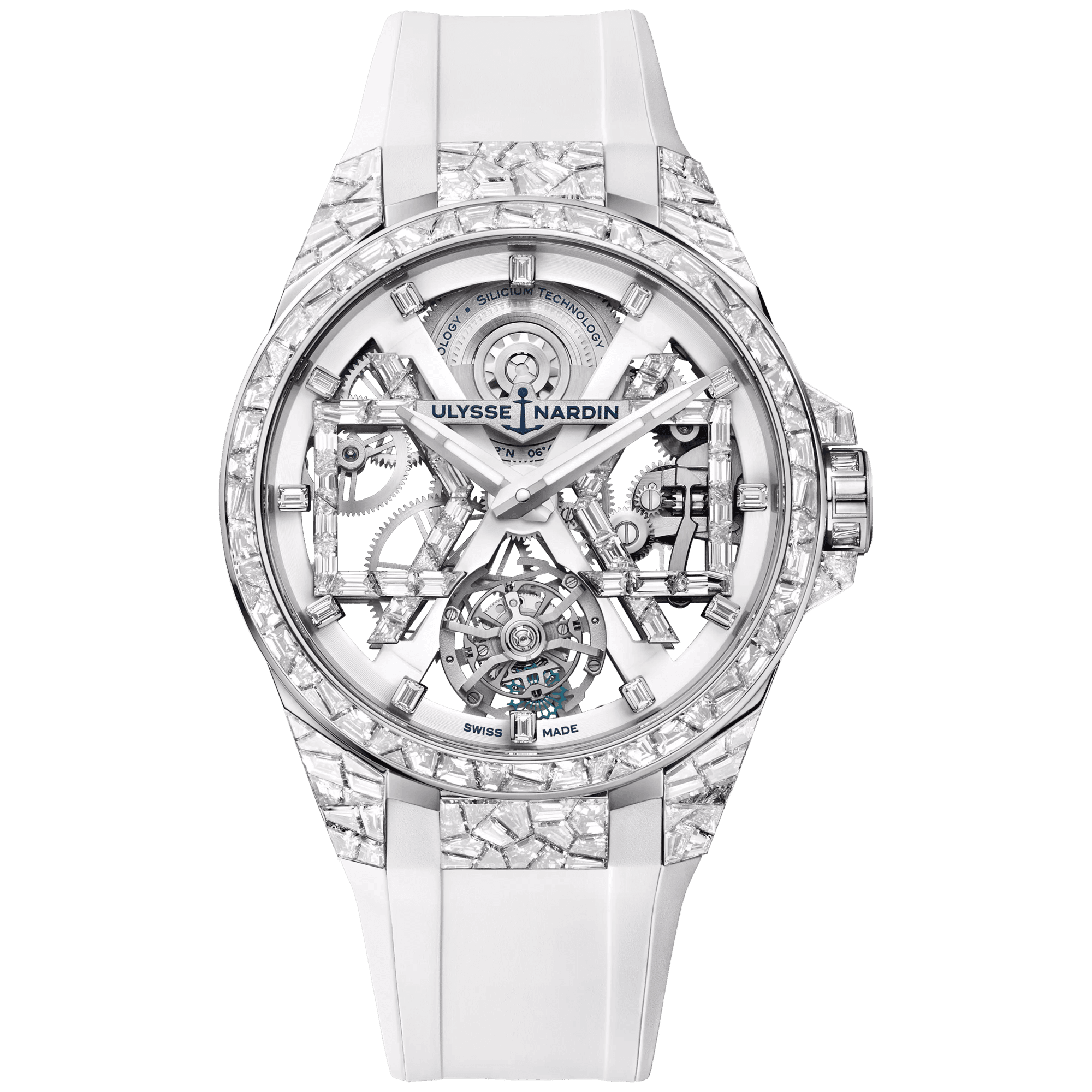
With the Blast, Ulysse Nardin created a version with a diamond setting that gives the impression of cracked glass or ice. While you can recognize some baguette cuts, many other diamonds have unique shapes. To achieve this effect, a design is made, which is then mapped out, after which the shape and size of each individual diamond is determined. The diamonds can then be cut and set. In this Ulysse Nardin, you can see no metal between the stones. This is called an invisible setting, in which the diamonds are secured from the back.
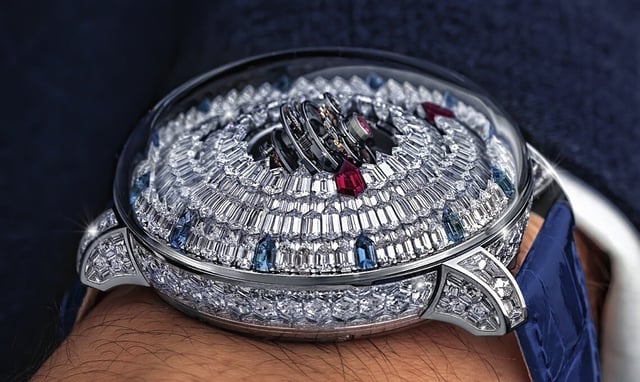
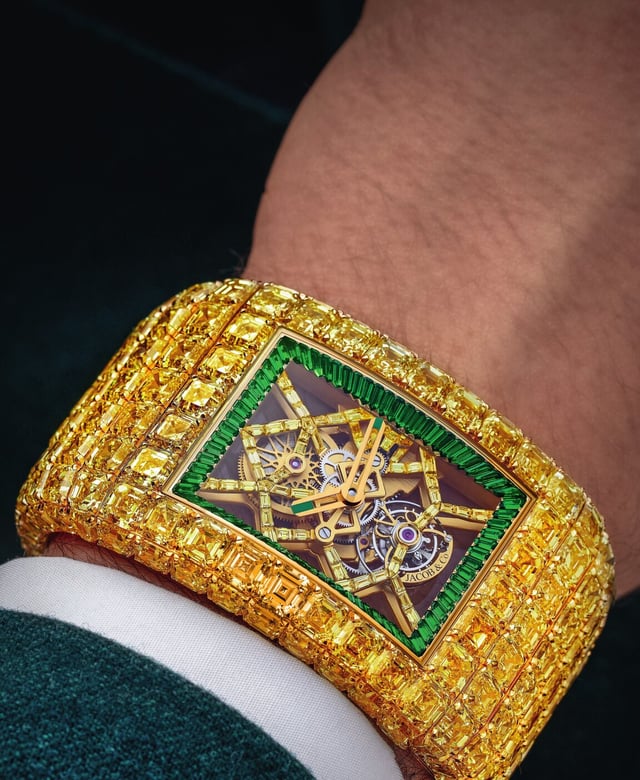
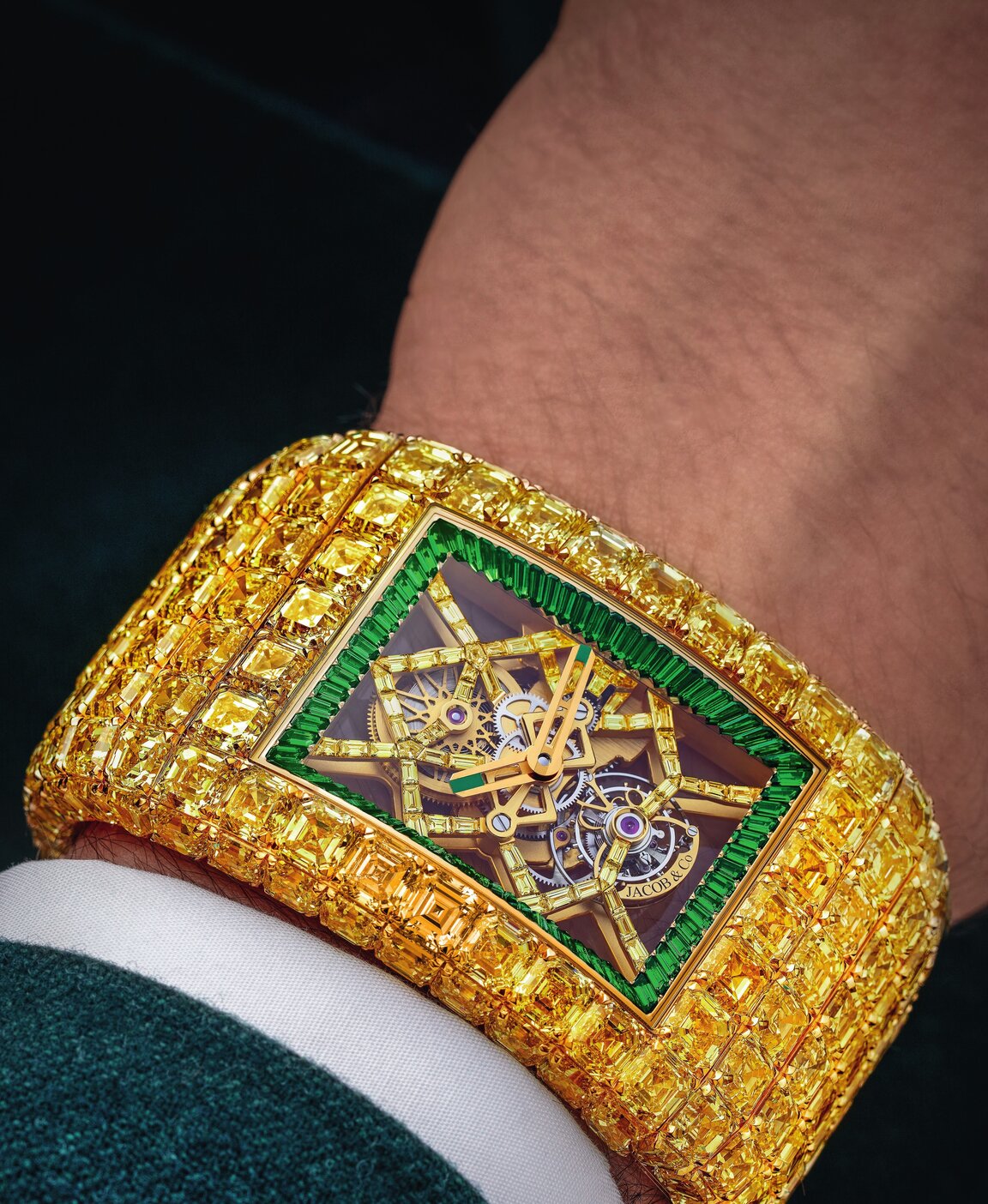
Most diamond-set watches are varieties of models that also exist without diamonds, but some are explicitly designed to dazzle. They do not exist in an unset variety and are designed to showcase the beauty of diamonds. Jacob & Co’s Billionaire collection is a prime example of this, creating what looks like a river of diamonds in which the case goes seamlessly over into the bracelet. Creating such a watch is very demanding, as the watch needs to be flexible enough to fold around the wrist. Unique about the Billionaire collection is that the individual diamonds used are large. This not only makes them rarer and more valuable but also gives them a distinctive appearance. Jacob & Co. even made a version with yellow diamonds. This is increasingly more challenging to create, as yellow diamonds are hard to come by, and when using multiple stones next to each other, you also must ensure that they all have the same hue to achieve the desired effect.
While traditionally, it was mainly watches made from precious metals that were set with diamonds, we have seen new trends emerge in recent years. Now, it is also more common to use diamonds in watches of ‘less noble’ materials, such as stainless steel or titanium. This has quite a few advantages. Overall, it results in a lighter watch, especially when opting for titanium. As these materials are also less expensive, they make diamond-set watches more affordable than they would be when made from precious metal. Another advantage is that both stainless steel and titanium can be polished to a higher degree to interact more intensely with the diamonds, creating an even more vivid experience.
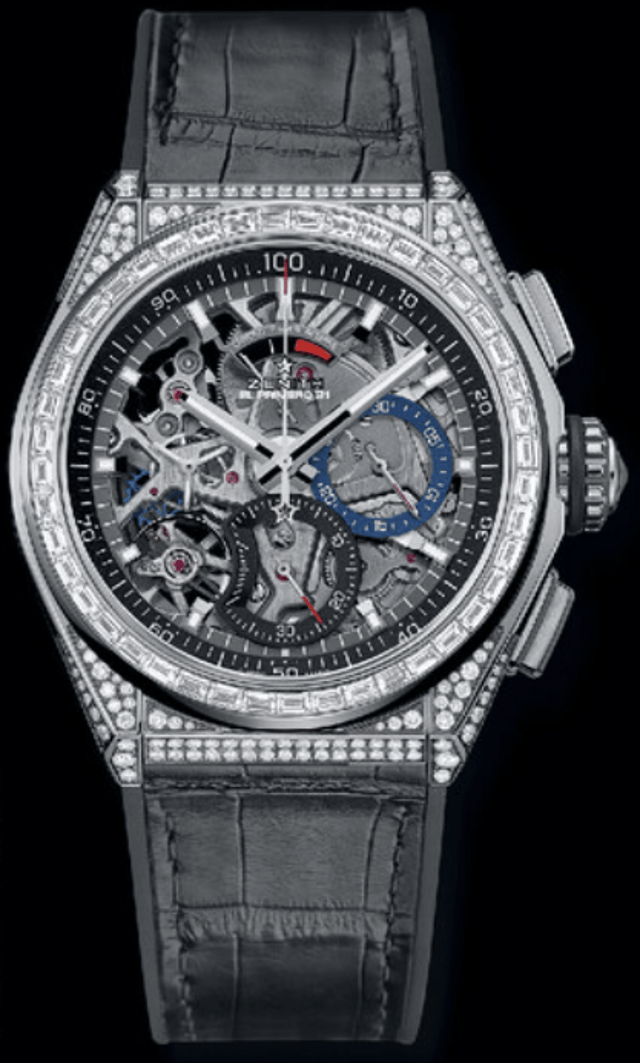
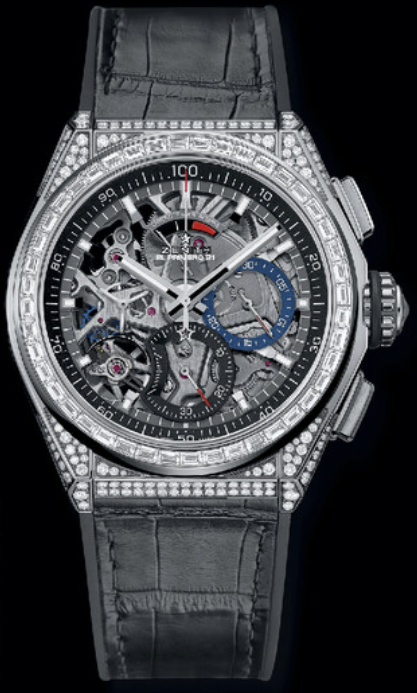
This change in materials can also be utilized to develop more sportive diamond-set watches as Zenith does with its Defy El Primero 21. Next to its high-frequency movement, beating at 5 Hz for the timekeeping and 50 Hz for the chronograph, the case is set with 288 brilliant-cut diamonds, while the bezel features 44 baguette-cut diamonds. Those are secured by what is called a rail setting. By creating a rail on each side of the diamonds, the stones can slide in and sit next to each other with no metal in between. This creates an undisrupted, solid look that goes well with a more sportive design.
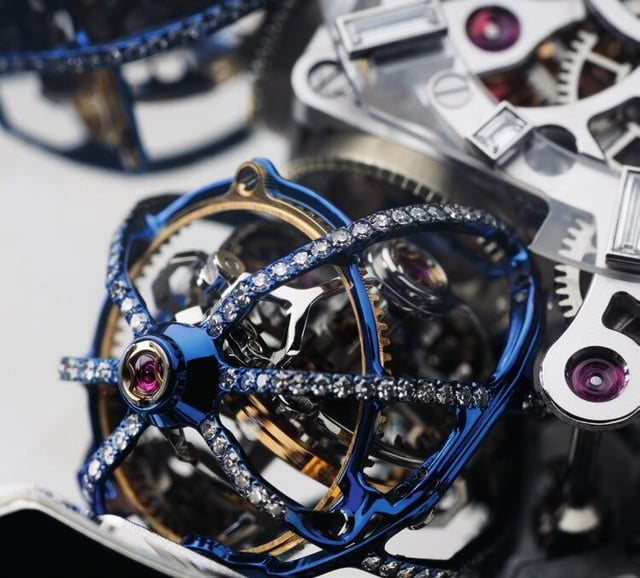
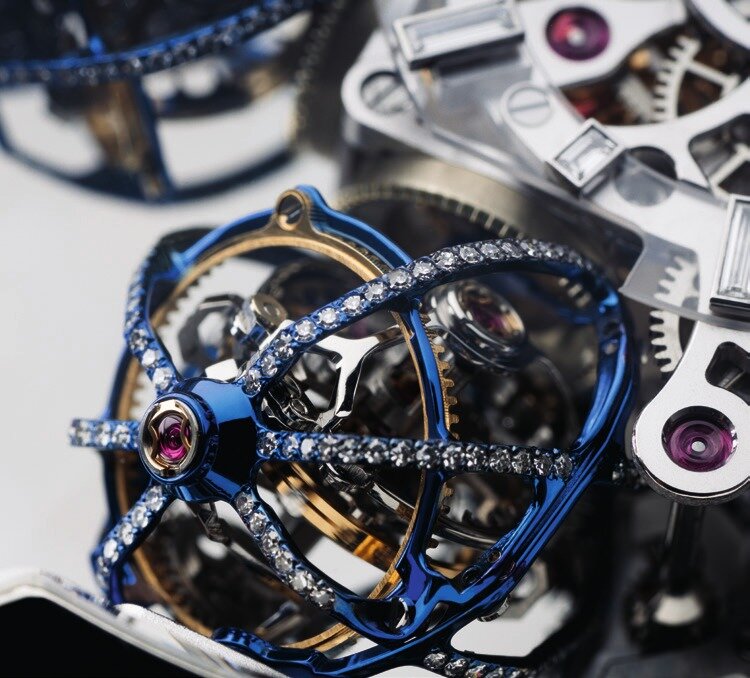
Diamond settings are not only about using precious stones for decorative purposes, as that is sometimes merely the result of taking on a technical challenge. Purnell makes the Escape II, a watch with two high-speed, triple-axis tourbillons performing their mesmerizing dance inside a titanium cage. As it is continuously moving, it is the perfect place to set diamonds, as they will catch the light at constantly different angles, allowing them to put on quite a show by reflecting it back. The challenge is that the tourbillon cage must be balanced perfectly to achieve optimum performance. This makes setting the titanium cage, which is also very light, thin and curved, something that requires not only a great deal of skill and experience but also talent and nerves of steel. It might also be the ultimate testimony that diamonds add more to watches than just a higher price tag. They are a way of decorating a watch that requires an entire chain of expert craftspeople, making their added value go far beyond their carat weight.
This article was originally published in the January / February 2024 print issue. To subscribe to WatchTime Magazine, click here.