Five Facts to Know About Patek Philippe
From family ownership to record-setting complications and auction prices
Few names carry as much weight in haute horlogerie as Patek Philippe. Founded in Geneva in 1839, the manufacture has built its reputation on complicated watchmaking, traditional craftsmanship, and a long-term philosophy that favors evolution over short-lived trends. Today, many of its watches rank among the most desirable collector pieces in the world.
The company takes its name from co-founder Antoine Norbert de Patek and Adrien Philippe, who joined him in 1845 and pioneered the keyless crown-winding system. Patek Philippe has remained in the hands of the Stern family since 1932, introduced the Annual Calendar as a new complication, and has repeatedly helped push the boundaries of portable mechanical watchmaking. At the same time, models such as the Nautilus, Aquanaut, and Cubitus have shaped the modern luxury sports watch category.
Patek Philippe also occupies a special position on the international auction market, with several of the most expensive watches ever sold bearing its name. The following five facts explore the history, technical achievements, and present-day influence of a manufacture whose impact reaches far beyond its own collection.
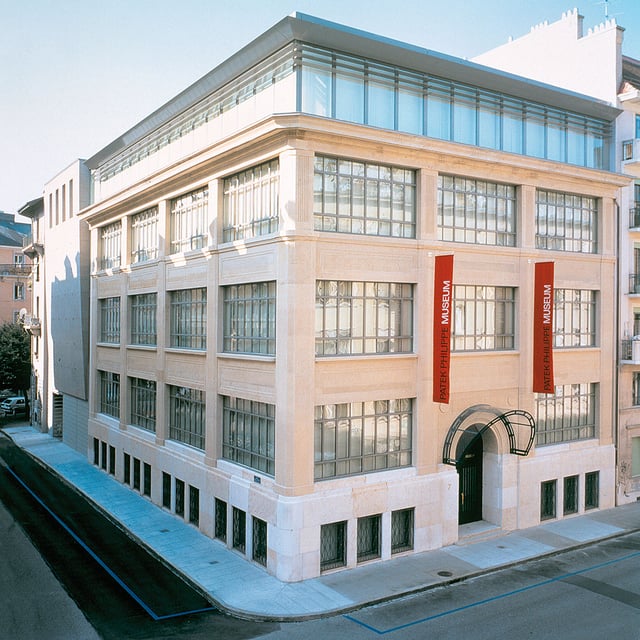
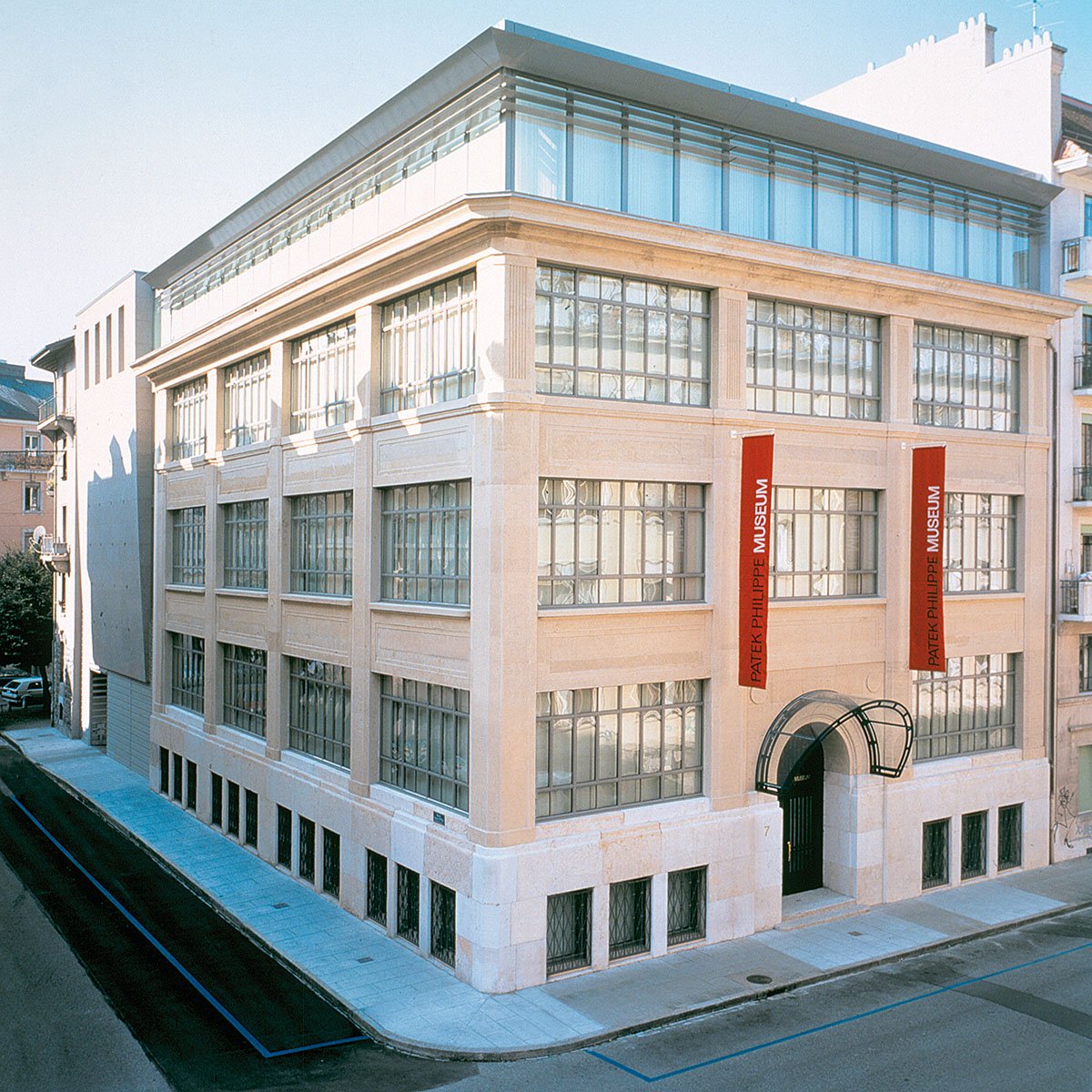
The creation of the Patek Philippe Museum was a particularly farsighted move. Opened in Geneva in November 2001, it grew out of the collection assembled over decades by Philippe Stern, the company’s longtime honorary president, who died in 2026. Today, it ranks among the world’s most important horological museums. Around 2,500 watches, precious objects, and enamel miniatures trace five centuries of European watchmaking.
The museum also houses an extensive collection of Patek Philippe timepieces dating back to 1839, along with a specialist library of more than 8,000 works. In this way, the museum preserves not only the company’s own heritage, but also places Patek Philippe within the broader history of watchmaking. Its documentation and presentation of historic models further reinforce their visibility and appeal among collectors, although spectacular auction results ultimately depend above all on rarity, provenance, condition, and demand.
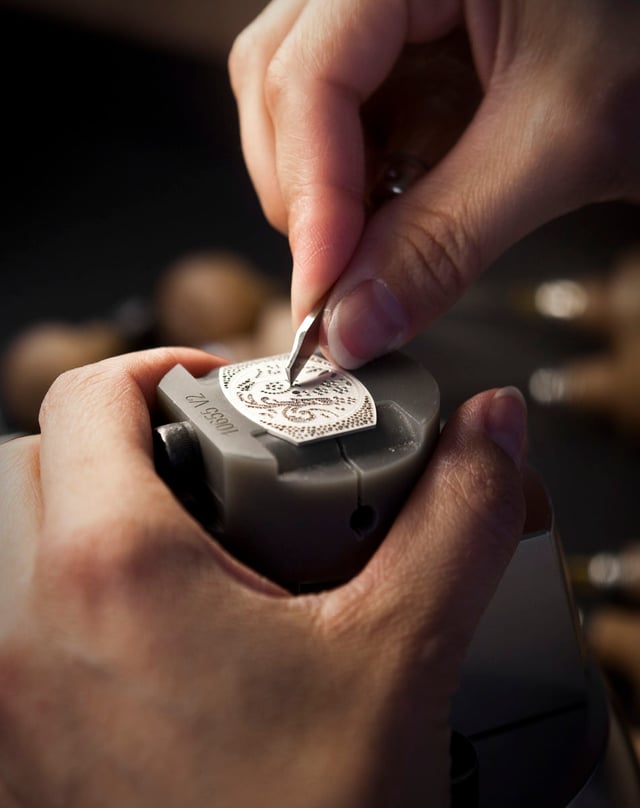
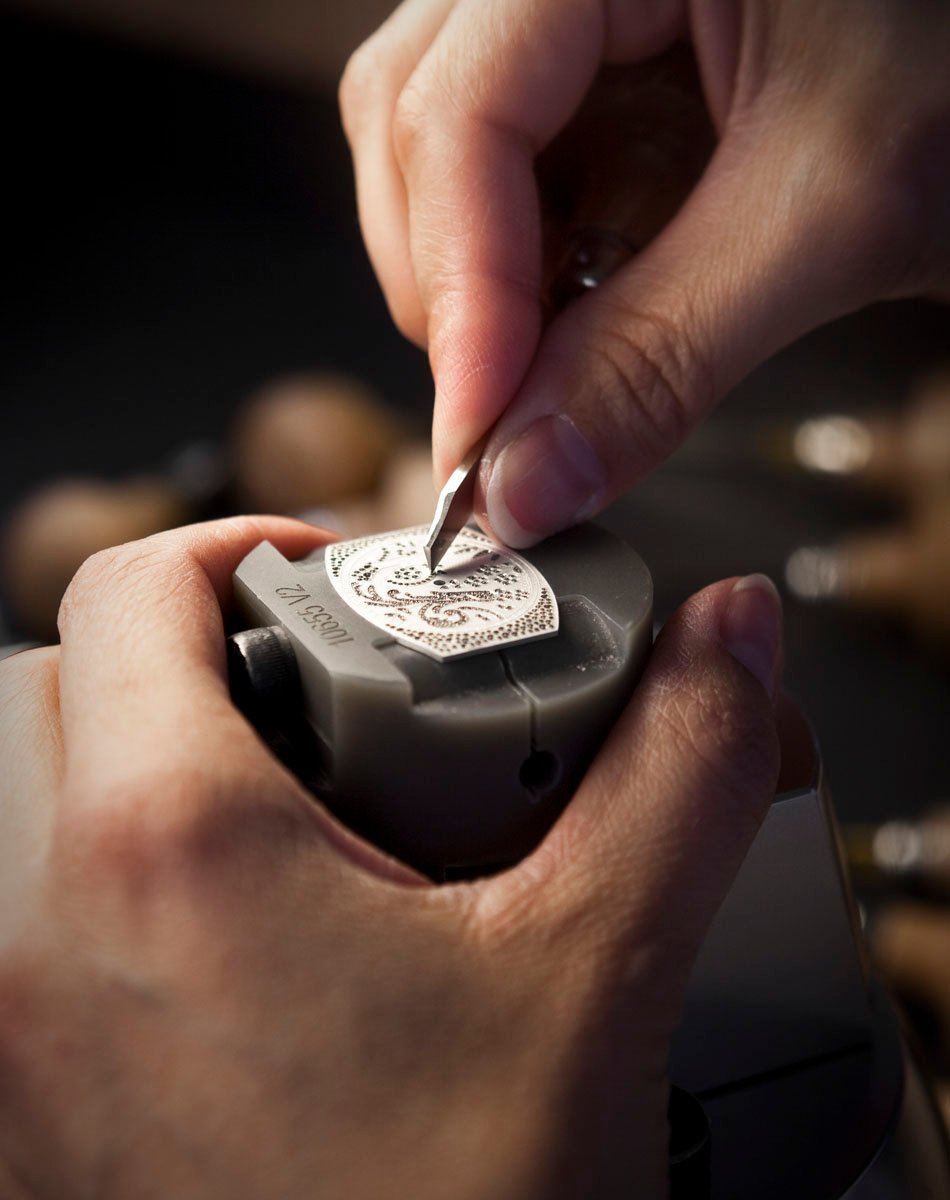
Patek Philippe has been headquartered at its manufacture in Plan-les-Ouates, near Geneva, since 1996. In 2020, the site was expanded with the 10-story PP6 building, which, including four underground levels, encompasses more than 133,000 square meters. Today, all of the company’s Geneva-based activities are concentrated on the campus, from research and development, engineering, and production to rare handcrafts, training, customer service, spare-parts supply, and restoration.
That high degree of vertical integration is reinforced by a network of specialized subsidiaries and partner companies. In La Chaux-de-Fonds, Calame manufactures and finishes cases, while Poli-Art specializes in polishing and SHG in gem-setting. Patek Philippe La Chaux-de-Fonds also produces complete escapements, including pallet forks, escape wheels, and balances.
Cadrans Flückiger in Saint-Imier manufactures most of the company’s dials and applied elements, while Cadrans Flückiger Brügg supplies components including moon-phase disks for complicated watches. Patek Philippe Alle, in the Jura municipality of the same name, handles casing-up, finishing, pre-assembly work, and the assembly of quartz movements. Patek Philippe Vallée de Joux in Le Brassus specializes in haute horlogerie, while Patek Philippe Neuchâtel serves as a production partner for research and development projects. The network also includes Patek Philippe Ateliers du Jura, formerly Betakron, which manufactures steel components and carries out pre-assembly work in Petite-Chaux, France.
Fact #1: Family-Owned Since 1932
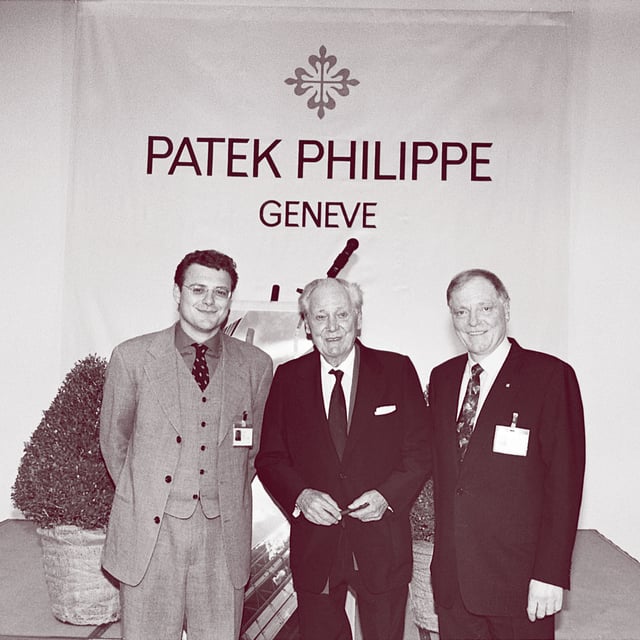
3 generations of Patek Philippe: Thierry Stern, Henri Stern, and Philippe Stern. (Photo from the 1990s)
Patek Philippe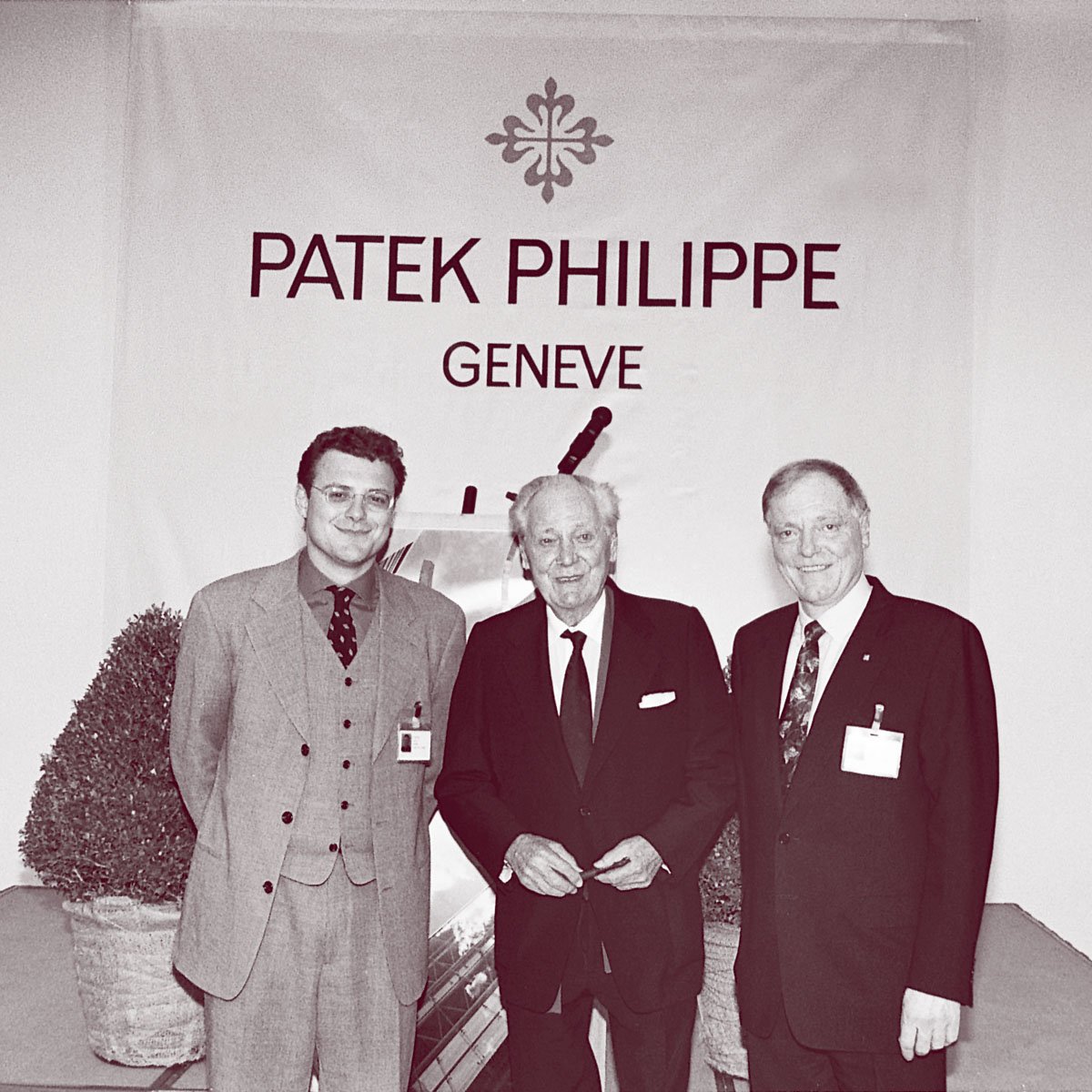
Patek Philippe is the last independent, family-owned watch manufacture in Geneva. Since 1932, ownership and the presidency of the company have remained in the hands of the Stern family. That year, brothers Charles Stern (1883–1944) and Jean Stern (1887–1938) acquired the manufacture, which had run into financial difficulties during the Great Depression. As owners of the renowned dial maker Cadrans Stern Frères, they were already among Patek Philippe’s most important suppliers. Following the acquisition, they appointed watchmaker Jean Pfister to lead the company and further integrated movement production into the manufacture.
Charles Stern’s son, Henri Stern (1911–2002), joined the company as commercial director in 1935. A few years later, he moved to New York, where he founded the Henri Stern Watch Agency in 1945 as Patek Philippe’s exclusive U.S. distributor. His travels throughout Canada, Latin America, and Asia helped expand the brand’s international presence. After returning to Geneva, Henri Stern became chairman of the board in 1958 and led the company until the early 1990s.
The third generation was shaped by Philippe Stern (1938–2026). He began his career at the Henri Stern Watch Agency in New York in 1963, returned to Geneva three years later, and became managing director in 1977. From 1993 to 2009, he served as president of Patek Philippe. Under his leadership, production activities previously spread across several locations were consolidated at the manufacture in Plan-les-Ouates, which opened in 1996. In 2001, he realized a long-standing personal project with the opening of the Patek Philippe Museum; in 2009, the manufacture introduced its own Patek Philippe Seal. Philippe Stern died on June 14, 2026, having served as honorary president until his death.
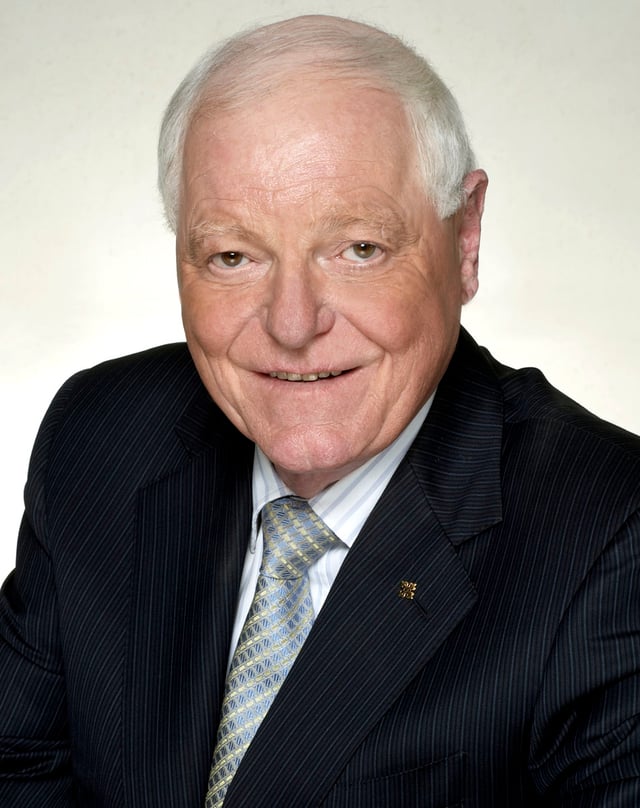
Philippe Stern (1938–2026)
Patek Philippe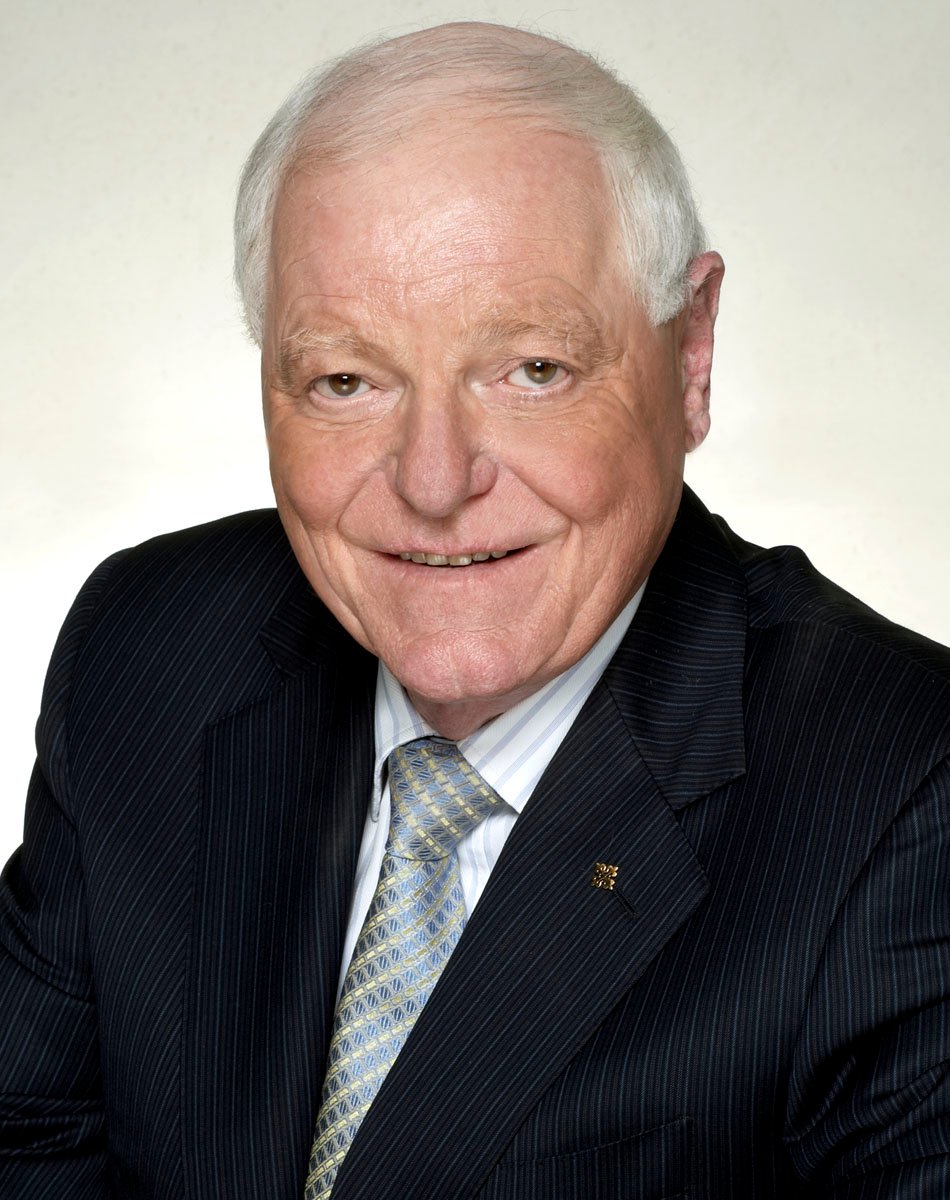
Since 2009, Patek Philippe has been led in the fourth generation by Thierry Stern (born 1970) as president. His tenure has included the Grandmaster Chime created for the manufacture’s 175th anniversary, the international Watch Art Grand Exhibitions, and the 2020 expansion of the production site in Plan-les-Ouates. Like his father before him, Thierry Stern continues to personally conduct the final acoustic inspection of every minute repeater.
At Patek Philippe, however, the roles of president and CEO are separate. Alongside Thierry Stern, Laurent Bernasconi serves as Chief Executive Officer and is a member of both the executive management team and the board of directors. The structure combines the long-term perspective of a family presidency with a CEO appointed from outside the family. This independence allows Patek Philippe to plan production, technical development, and its model strategy across generations without having to answer to the short-term demands of a publicly traded corporate group.
Fact #2: Grand Complications
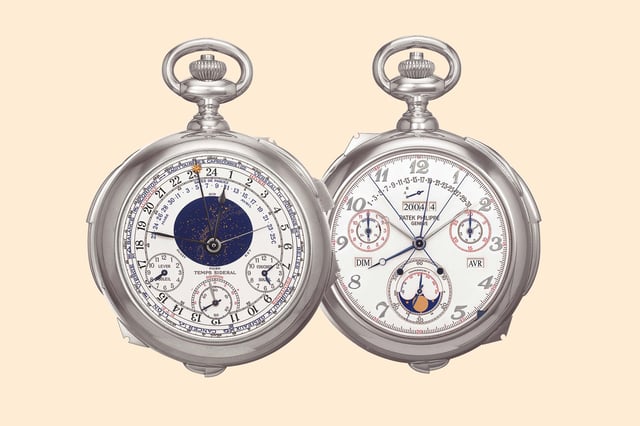
Patek Philippe: Caliber 89 in white gold
Patek Philippe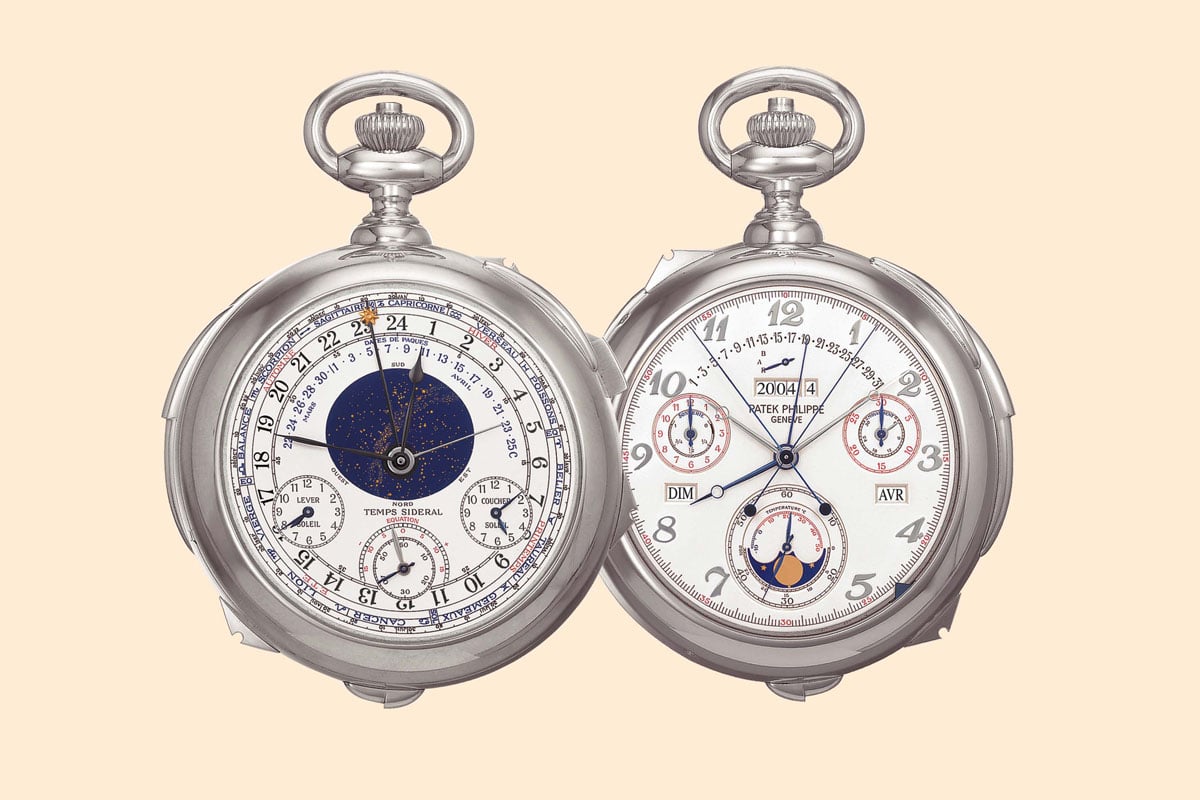
Patek Philippe has played a defining role in the development of complicated watches for generations. One of its earliest milestones was the Supercomplication, created for New York banker Henry Graves Jr. Delivered in 1933, the pocket watch combined 24 complications, including a perpetual calendar, split-seconds chronograph, grande and petite sonnerie, a minute repeater with Westminster chimes, and a star chart depicting the night sky above New York. It remained the world’s most complicated watch until 1989.
To mark its 150th anniversary in 1989, Patek Philippe introduced the Calibre 89. Comprising 1,728 individual parts, the pocket watch features 33 complications, including a perpetual calendar, multiple astronomical displays, a split-seconds chronograph, minute repeater, and grande and petite sonnerie. Four examples were made, one each in yellow gold, rose gold, white gold, and platinum. For more than a quarter of a century, the Calibre 89 held the title of the world’s most complicated portable mechanical watch, until Vacheron Constantin introduced Ref. 57260 in 2015.
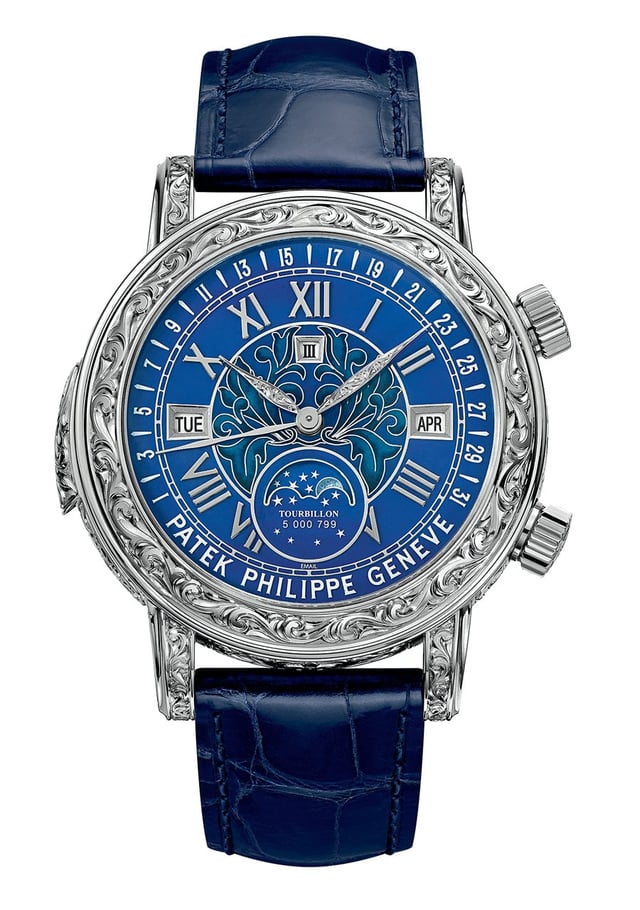
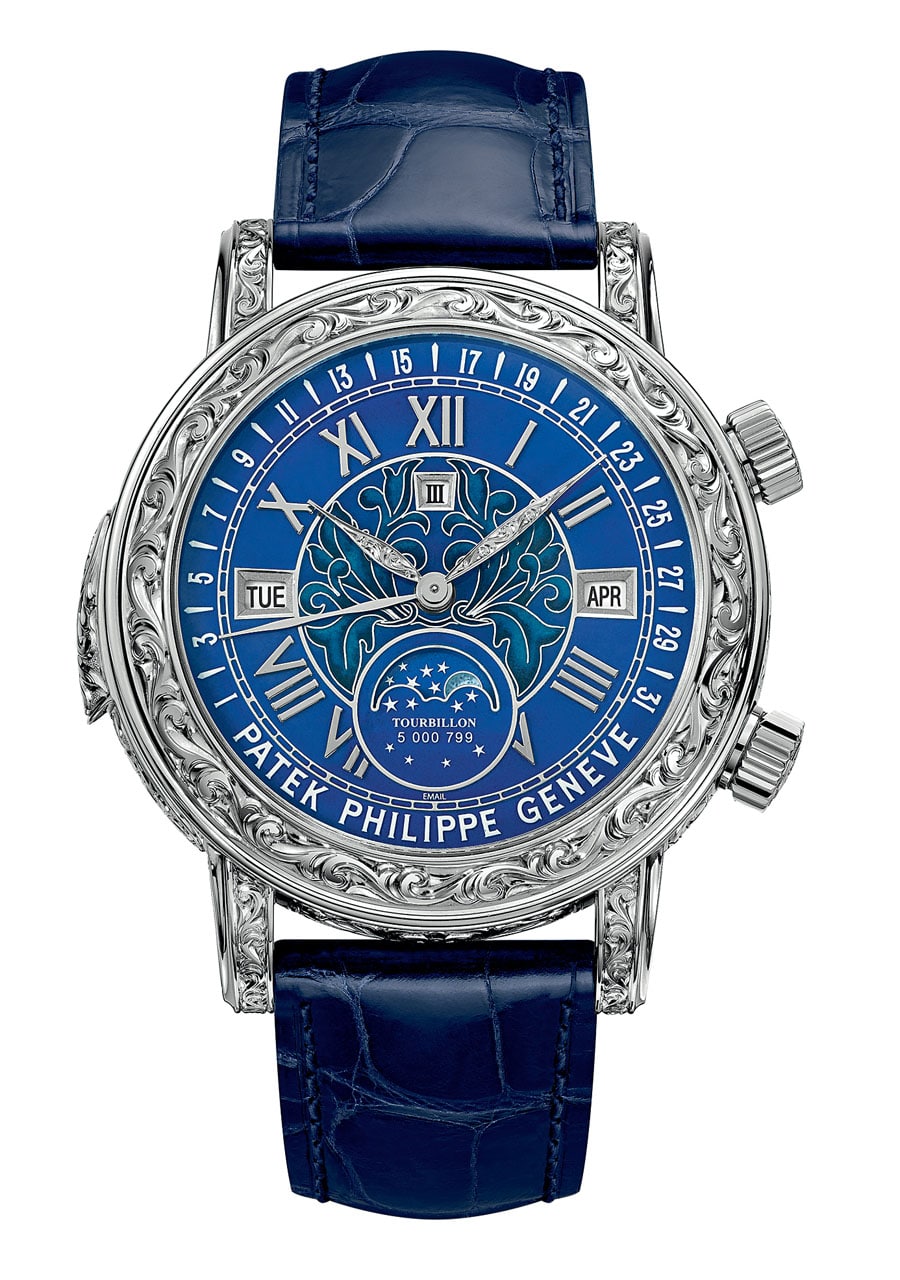
The Star Caliber 2000, introduced in 2000, brought together 21 complications and resulted in six patents for the manufacture. A year later, Patek Philippe introduced the Sky Moon Tourbillon, its first double-faced wristwatch. The current Ref. 6002R combines 12 complications, including a minute repeater, tourbillon, retrograde perpetual calendar, sidereal time, a star chart, and a display of the Moon’s orbit.
The most complicated wristwatch Patek Philippe has produced to date is the Grandmaster Chime, introduced in 2014 to celebrate the manufacture’s 175th anniversary. The current Ref. 6300 features 20 complications and a hand-wound movement composed of 1,366 parts. Its five chiming functions include grande and petite sonnerie, minute repeater, and two patented world premieres: an alarm that strikes the present time and a date repeater that sounds the date acoustically. The watch also features an instantaneous perpetual calendar, a second time zone, and a four-digit year display. Its double-faced case can be rotated using a patented mechanism.
Fact #3: Record-Breaking Auction Prices
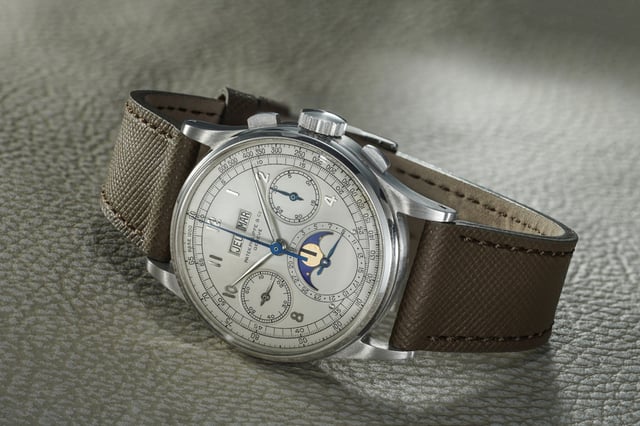
The Ref. 1518 in stainless steel was auctioned for over 14 million Swiss francs in 2025.
Phillips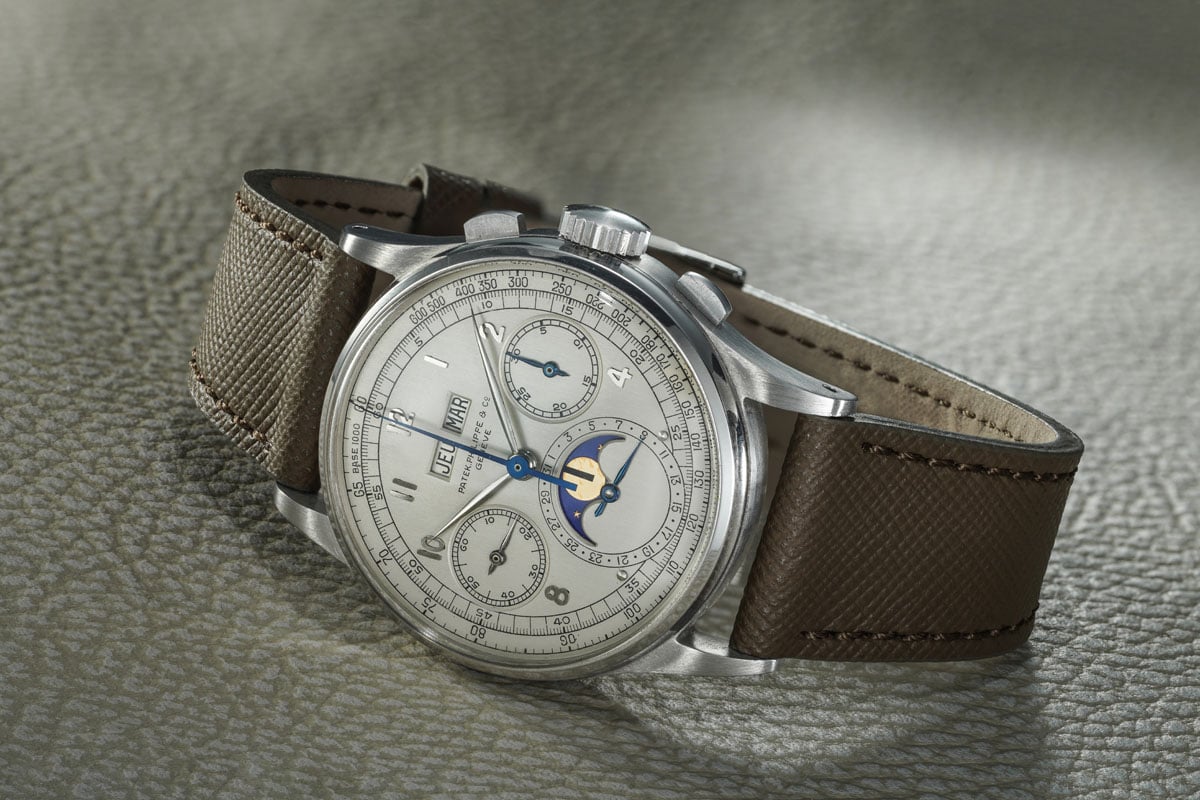
Patek Philippe occupies a unique position in the international auction market. The outright record has belonged since November 9, 2019, to the Grandmaster Chime Ref. 6300A-010, created specifically for the Only Watch charity auction. The unique piece is the only Grandmaster Chime ever made in stainless steel and bears the inscription “The Only One” on its alarm dial. At Christie’s in Geneva, it sold for CHF 31 million, still the highest price ever paid for a watch at auction. Its 20 complications include five chiming functions, a perpetual calendar, and a second time zone.
The 2024 edition of Only Watch also produced an extraordinary result. The Grande and Petite Sonnerie Ref. 6301A-010 sold for CHF 15.7 million. Its striking mechanism combines grande and petite sonnerie with a minute repeater using three gongs. The result also illustrates why charity-auction prices cannot be compared directly with the conventional collector market: these watches are unique pieces donated by the manufacturers, and bidders are responding not only to their intrinsic value but also to the charitable purpose of the sale.
The record for a historic Patek Philippe wristwatch is held by the Ref. 1518 in stainless steel. Introduced in 1941, the model was the first serially produced wristwatch chronograph with a perpetual calendar. Of the 281 examples made, only four are known in stainless steel. One sold at Phillips in 2016 for CHF 11,002,000, making it the most expensive wristwatch ever auctioned at the time. When the same watch returned to auction on November 8, 2025, the price rose to CHF 14,190,000, a new record for a historic Patek Philippe wristwatch.
Another landmark in auction history is the Henry Graves Supercomplication. Delivered in 1933, the pocket watch sold in 1999 for the equivalent of approximately $11 million. On November 11, 2014, it returned to auction at Sotheby’s and achieved CHF 23,237,000. It remains the most expensive pocket watch ever sold at auction and, after the Grandmaster Chime Ref. 6300A-010, the second-most expensive Patek Philippe ever sold publicly.
Fact #4: Inventor of the Annual Calendar
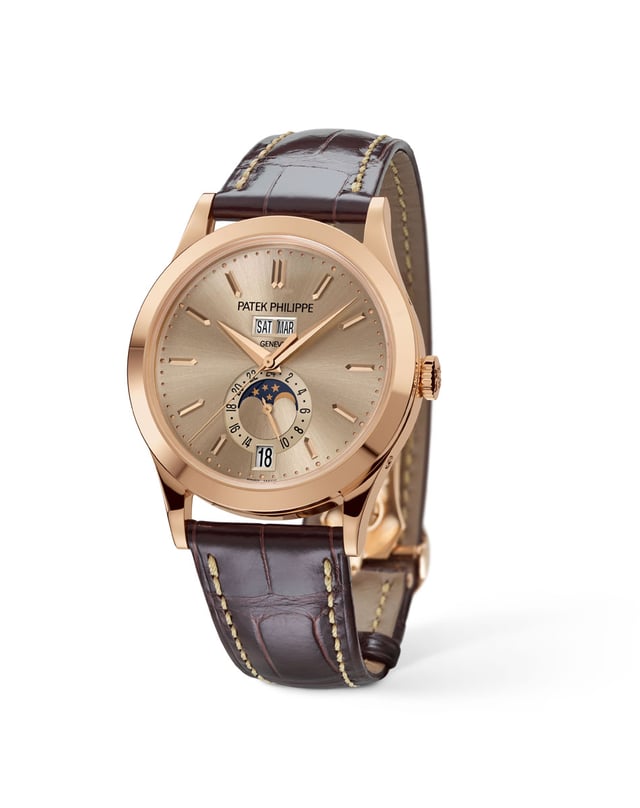
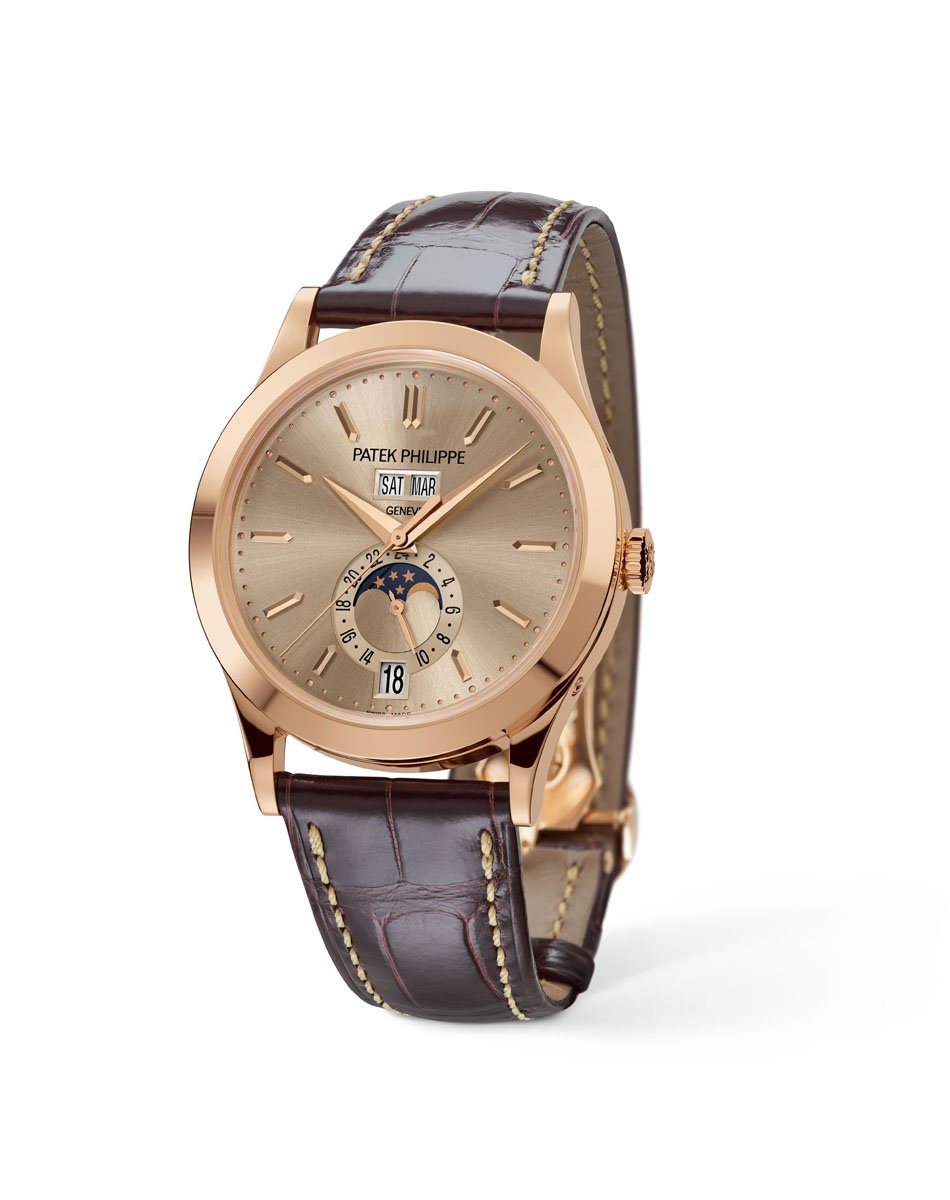
So-called “small complications” play an important role at Patek Philippe, and one of the most significant is the Annual Calendar. Many conventional date watches assume that every month has 31 days. As a result, their displays must be corrected manually at the end of months with only 30 days and again at the end of February, a total of five adjustments per year. A perpetual calendar solves this problem almost entirely, but at the cost of significantly greater mechanical complexity and, correspondingly, a higher price. Patek Philippe bridged the gap between these two calendar systems with a new complication that was both practical and technically sophisticated: the Annual Calendar.
The manufacture developed and patented the mechanism and introduced it in 1996 with Ref. 5035. The Annual Calendar automatically distinguishes between 30- and 31-day months. As long as the watch continues running, only one manual correction is required each year, on March 1. Unlike a perpetual calendar, however, the mechanism does not account for the varying length of February or leap years. Ref. 5035 displayed the date, day, and month across three subdials. Patek Philippe’s Annual Calendar soon proved remarkably flexible from a design standpoint. Later models reinterpreted the display in numerous ways, using apertures or adding further functions such as moon phases, power-reserve indicators, second time zones, or chronographs.
Fact #5: The Sporty Side of Patek Philippe — Nautilus, Aquanaut, and Cubitus
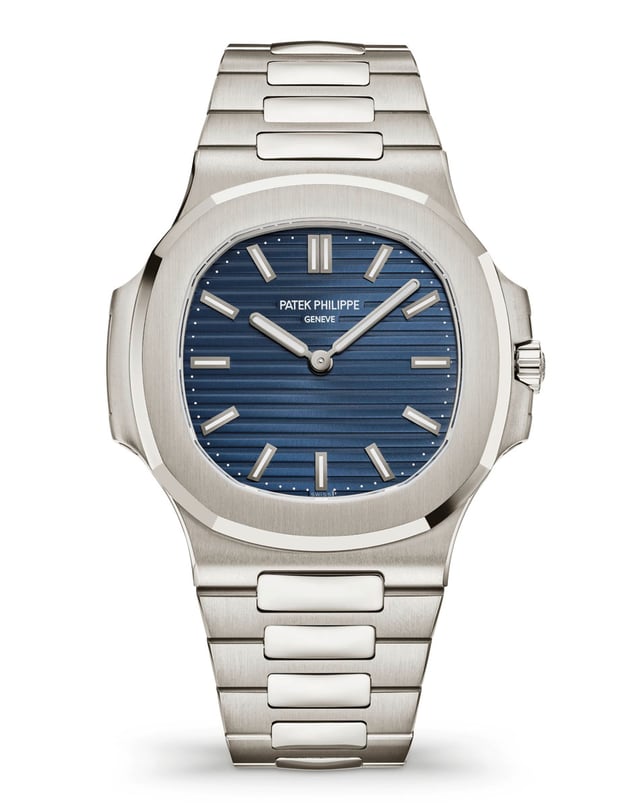
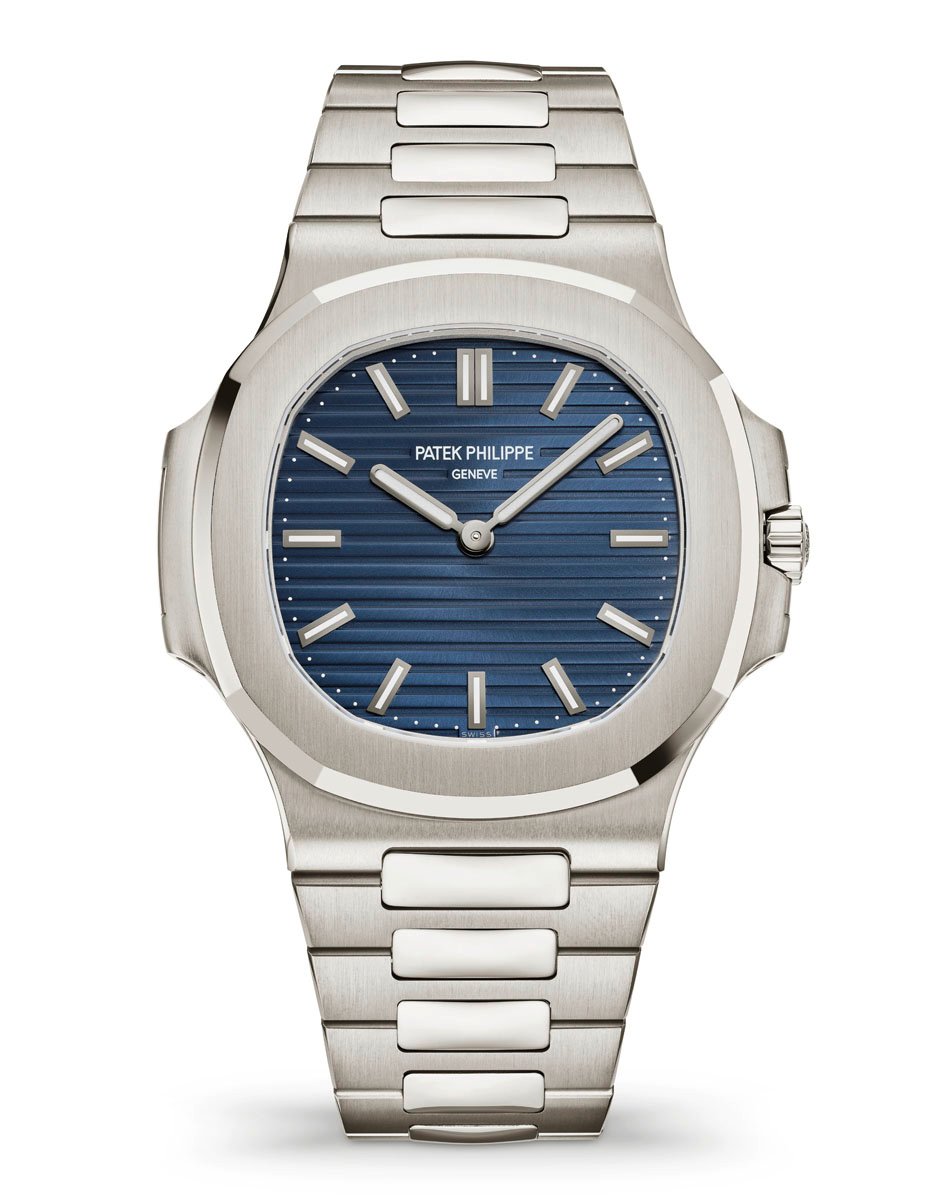
Patek Philippe has also played a defining role in the development of the luxury sports watch. It began in 1976 with the Nautilus. The first version, Ref. 3700/1A in stainless steel, combined a slim case with an integrated metal bracelet and a rounded octagonal bezel inspired by a ship’s porthole. What initially appeared to be an unusually sporty counterpoint to the traditional gold watch went on to become one of the most famous and coveted watch collections in the world. In 2026, Patek Philippe marks the Nautilus’s 50th anniversary with four limited-edition models.
The Aquanaut followed in 1997, pushing the concept further toward casual and everyday wear. Its case and rounded octagonal bezel echoed the Nautilus, while the boldly textured dial and durable composite strap gave the watch a younger, more independent identity. The collection later expanded to include Travel Time models, chronographs, and gem-set Aquanaut Luce versions.
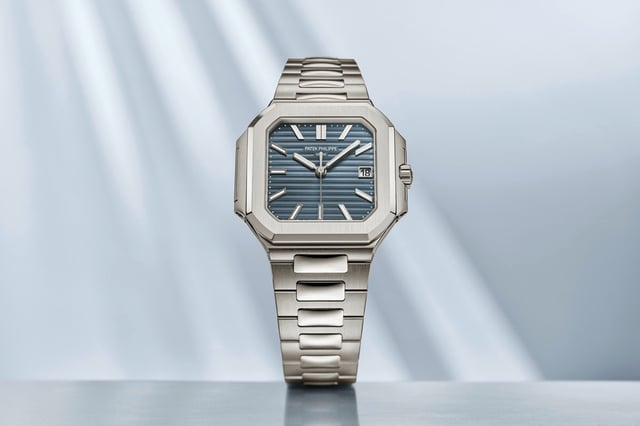
With the Cubitus, introduced in 2024, Patek Philippe launched its first new men’s collection in two and a half decades. Its square case with rounded corners brings together elements of a square, circle, and octagon. The debut lineup comprised a stainless-steel version, a two-tone model, and a platinum edition with an instantaneous large date, day display, and moon phase. In 2025, smaller 40mm gold models joined the original 45mm range. In 2026, the skeletonized Ref. 5840P with perpetual calendar became the first Grand Complication in the Cubitus family.
This article was first published by WatchTime Germany.