Full Steam Ahead: The History of Chronometers from Glashütte
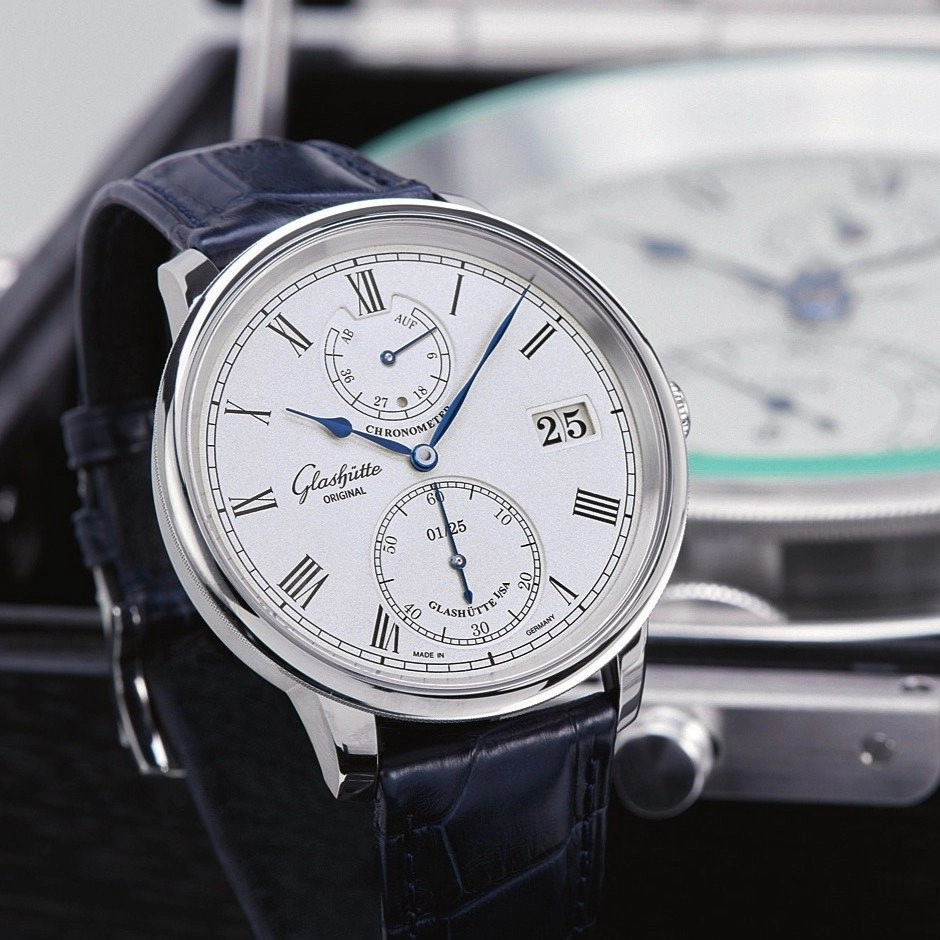
Since 1845, companies in Glashütte, Germany, have been known for the construction of accurate timepieces. By 1886, they began specializing in marine chronometers, which were regarded as the pinnacle of the industry at that time. These precision instruments were used on merchant ships, nautical expeditions and even in the German Imperial fleet.
Over the course of its 177-year history, Glashütte Watchmaking has experienced many dazzling achievements — from its first modest successes, when Ferdinand Adolph Lange and his companions Carl-Moritz Grossmann, Julius Assmann and Adolph Schneider laid the foundation for a new branch of industry, including the founding of the German Watchmaking School in 1878 as a center of expertise and factory of talent, up to the heyday of pocketwatches and precision pendulum clocks in the late 19th and early 20th centuries.
The new start after German reunification 33 years ago seemed like a phoenix rising from the ashes, when some of the most sought-after manufactories in the world emerged from an outdated facility designed for cost-effective mass production. Building on this tradition, its timepieces are now in demand again at fine jewelers in the most prominent shopping locations. The successful production site, Glashütte, is known worldwide for its unparalleled know-how and expertise.
The manufacture of marine chronometers was one of its most brilliant accomplishments and decisively influenced all subsequent Glashütte timepieces. This historical development can be easily traced from 1886 to the end of the German Democratic Republic — a clear path for a craft whose raison d’être is based in precision, and whose product was the only means of achieving this extremely high level of accuracy until 1913, at which time signals could be sent over radio waves. What is surprising, however, is that the large-scale production of these extremely accurate clocks, which were used for scientific measurements, railway scheduling and determining longitude for nautical travel and later for airplanes and Zeppelins, took place so late. At the time, they were the realm of seafaring nations with colonies overseas, so this was literally uncharted territory for Germany. The British kingdom had long been ahead with John Harrison inventing the first seaworthy timepiece in 1764. France also led the way, both in the manufacture of powerful ships and precision chronometers.
Conquering the World
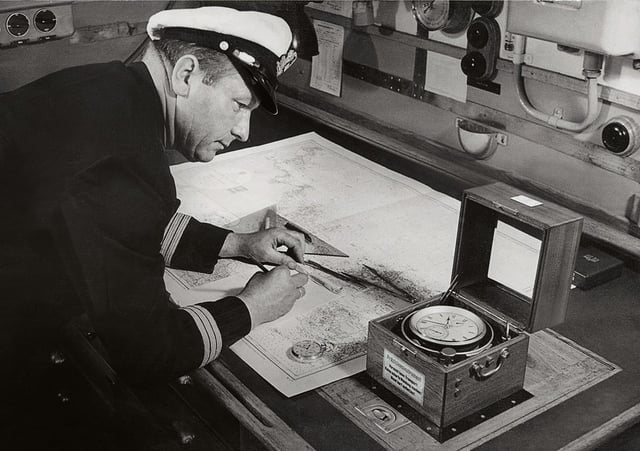
The German Navy and commercial shipping fleets were greatly expanded with the foundation of the German Empire after 1870-71. In order to become less dependent on foreign manufacturers, the German Imperial Admiralty ordered the increase in production capacities. An incredible sum of 900 marks was the price of a marine chronometer at the time, assuming it passed the strict precision testing at the Kiel Observatory at different temperatures and at sea conditions. The German Naval Observatory was founded in Hamburg on Jan. 9, 1875, as an institution specializing in maritime geography, oceanography, meteorology and the nautical sciences, including mapping. A separate department was used to test chronometers and observation watches. Marine chronometers were tested here until World War II.
Initially, it complied with the specifications of the Kiel Observatory. In the following years, these regulations were expanded to include additional criteria such as air pressure, magnetism, motion studies and special tests, with the aim of achieving the highest possible quality. The unparalleled specifications were so stringent because precise navigation and the fate of valuable ships and their crews depended on flawless functioning. Provenance also came into play in an increasingly important role. At the 35th testing competition in 1911, all components of the submitted pieces had to be manufactured within boundaries of the German Empire. Before that point, chains and springs were permitted to come from foreign sources.
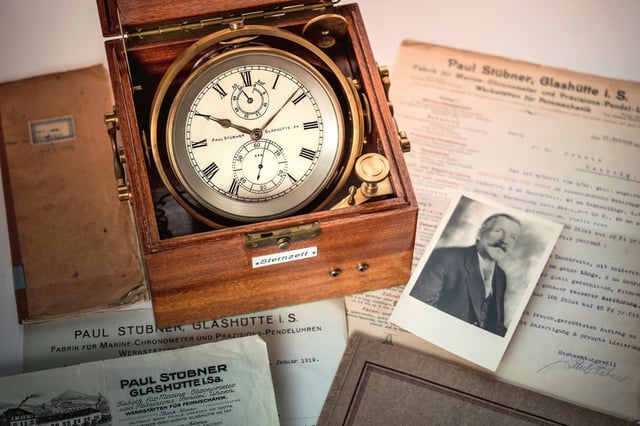
But back to Glashütte in the 1880s, when clock companies rose to the new challenge. The first pieces appeared thanks to the highly efficient worker and supply systems that were established by the founding fathers under the direction of Ferdinand Adolph Lange, who, during his early years of travel, had also completed internships at some of the most important European chronometer makers. The brothers Fridolin Stübner (1857-1912) and Paul Stübner (1860-1946), who are now viewed as the fathers of the Glashütte marine chronometer, produced the first pieces under the direction of Ludwig Strasser (1853-1917). In 1886, the Lange company sent the first two models to Hamburg for testing.
“Daily deviation could be no greater than 0.3 seconds,” said Reinhard Reichel, former head of the German Watch Museum Glashütte and committed chronometer fan, emphasizing the extraordinary nature of this technological feat. This level of precision was groundbreaking for the time and was honored with medals at the World Exhibitions in 1900 and 1904.
Glashütte Marine Chronometer
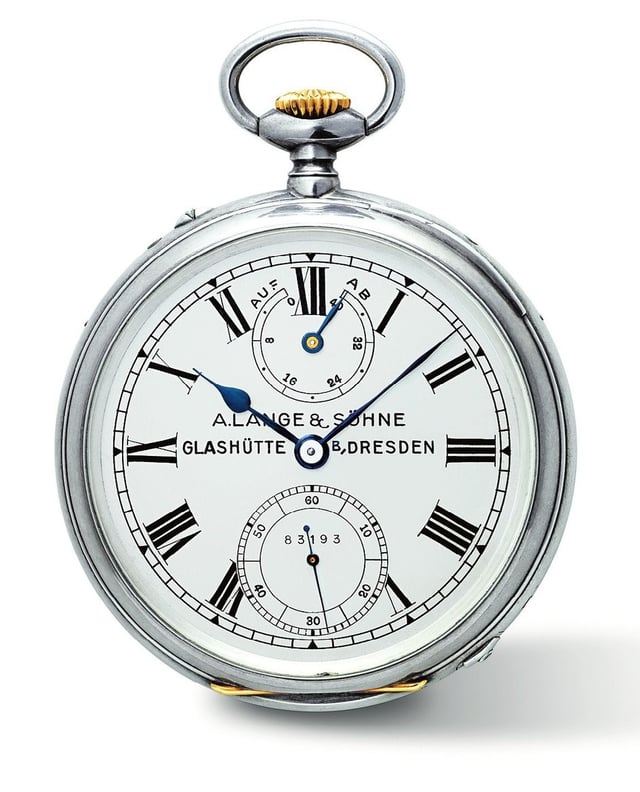
English design features were used as the basis for the size, shape, gimbal and case. The most striking difference was the opposite movement of the fusee and barrel due to the diagonal arrangement of the chain. The Glashütte models were equipped with other fine technical features, like the Grossmann chronometer spring and pivoted detent, or the chronometer escapement introduced by Richard Lange (1845-1932). The following decades saw a few technical and external modifications, as well as special orders. These included the pocket chronometer, a chronometer with a degree scale that was designed for long-distance flights, the torpedo boat chronometer, and timepieces that were regulated based on sidereal time. Historians refer to the following features of a “standard” Glashütte marine chronometer: The dial has a diameter of 100 mm, the movement is constructed on four pillars with spring detentchronometer escapement, it is equipped with a chain-fusee mechanism and an up/down movement to display its power reserve, the seconds hand advances in half-second increments, and the entire mechanism with its gimbal is housed in a mahogany case with an edge length measuring 18.5 centimeters.
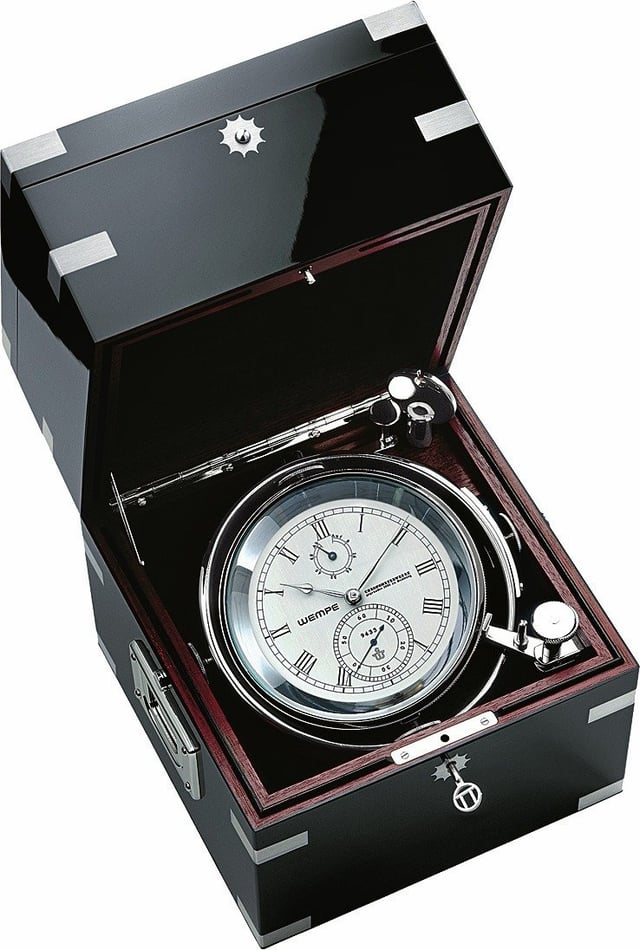
“These rare models are highly sought by collectors today,” said Reichel, listing the names of major chronometer makers and timing specialists who may not be familiar to most. He emphasizes the work of Fridolin Stübner, who worked at Lange from 1890 and led the marine chronometer department founded in 1897. No clock was too complicated for this master of precision. He was described as being a true artist.
Just as legendary is Paul Thielemann (1880-1955). After his apprenticeship at Strasser & Rohde, he joined the chronometer department at Lange in 1905 and ensured its high quality for decades. The same is true for his son Otto Thielemann (1910-1980), who took over leadership of the marine chronometer department in the state-owned company, Glashütter Uhrenbetriebe (VEB GUB). After a period of time with Julius Assmann and Ernst Kasiske, Gustav Gerstenberger (1886-1983) set up his own business as an independent clockmaker and primarily used ebauche movements from Paul Stübner. At the age of 80, he was regulating marine chronometers for the GUB, whose most important export commodity was this type of clock. It was supplied to almost 30 countries, including the early chronometer manufacturing centers of England and France, as well as to countries such as Brazil, Chile, North Korea and Portugal, who trusted the precision delivered by Glashütte. The traditional chronometer Caliber 100 was produced until1978, while sturdier and more accurate quartz chronometers began production in 1974.
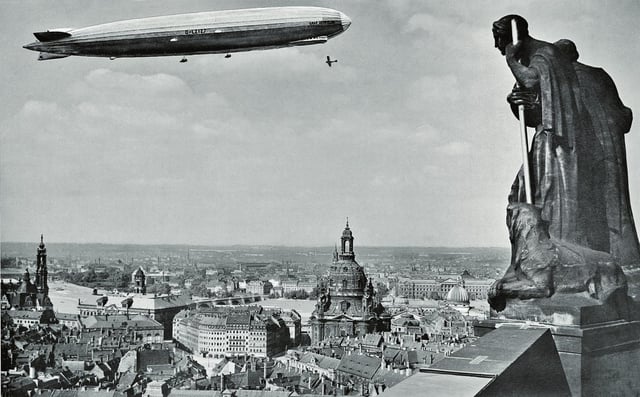
From Hamburg to Glashütte Any discussion of chronometers and Glashütte must also include the name Wempe. In 1938, Herbert Wempe (1890-1963) took over the Hamburg Chronometerwerke (founded in 1905), which manufactured ship’s clocks. In collaboration with Otto Lange (1878-1971), he planned the construction of a training center for young watchmakers. The local observatory was discussed as a possible location. It had provided the exact time to watchmakers in Glashütte since 1910. But the outbreak of World War II delayed the execution of their plan.
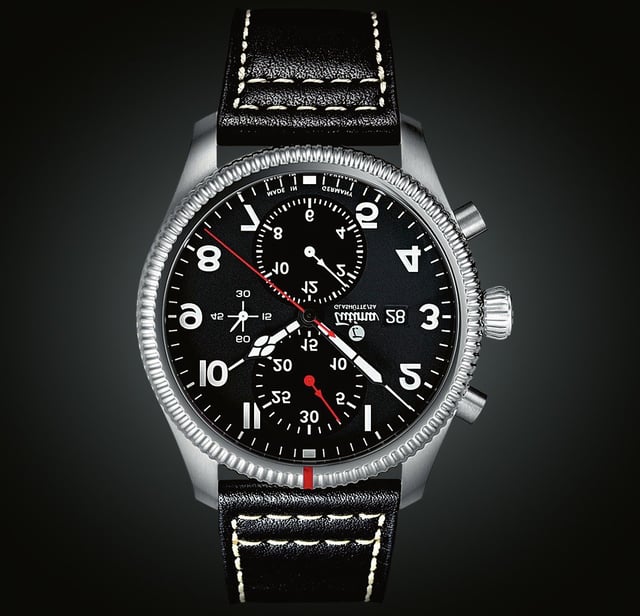
Beginning in 1942, the chronometer manufacturer Wempe in Hamburg and A. Lange & Söhne in Glashütte produced the marine chronometer known as the “unified chronometer” for the wartime naval forces, which would be produced subsequently in Soviet facilities in Moscow. Sources cite production numbers totaling some 58,000 pieces, which makes their three-pillar movement built inside the most frequently built ship’s chronometer movement.
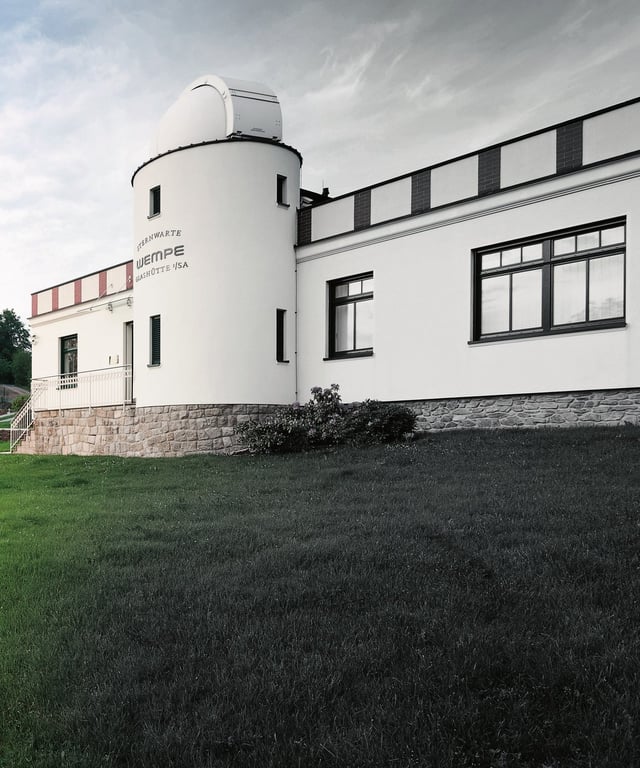
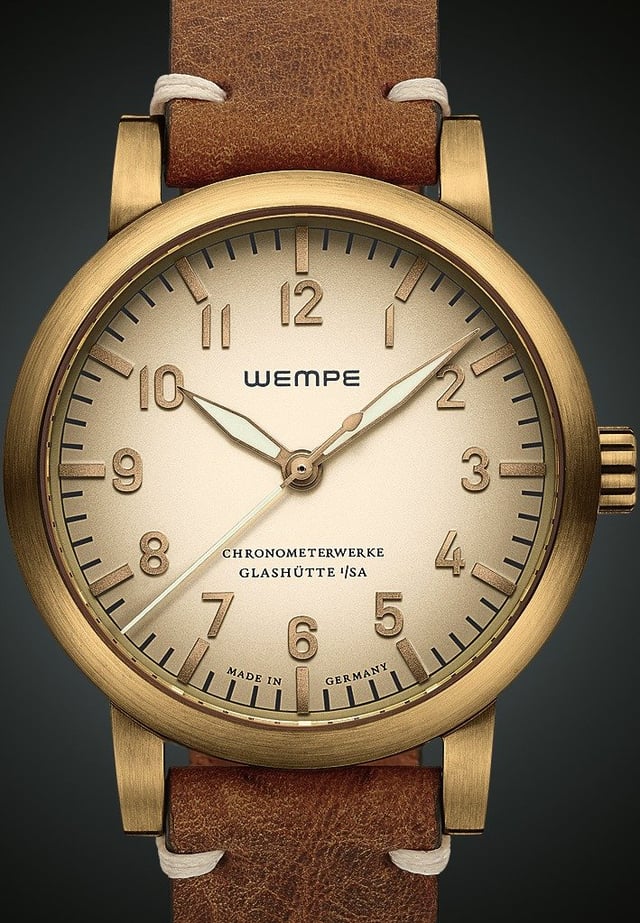
In 2005, Herbert Wempe’s great-granddaughter Kim-Eva Wempe acquired the old observatory, and next to the independent chronometer testing center, built production space for two separate entities: Wempe Chronometerwerke with in-house movements and Wempe Zeitmeister with modified Swiss base calibers, joined by the Iron Walker collection in 2020. It goes without saying that these timepieces bear Glashütte chronometer certificates. In conjunction with the Thuringian and Saxon State Offices for Weights and Measures, the observatory is certified by Germany’s national metrology institute as a calibration laboratory for chronometer testing. The test results and permitted rate deviations correspond exactly with the standards of the Swiss testing institute COSC. During the 15-day performance test, timepieces are tested at various humidity levels and temperatures (8, 23 and 38 degrees Celsius). Only those timepieces showing rate results between -4 and +6 seconds per day receive a certificate. The newly established DIN 8319 requires that the movement must be able to be adjusted to the second and must undergo the testing process inside its case, rather than uncased. This was the first official testing center for chronometers in Germany for almost 40 years.
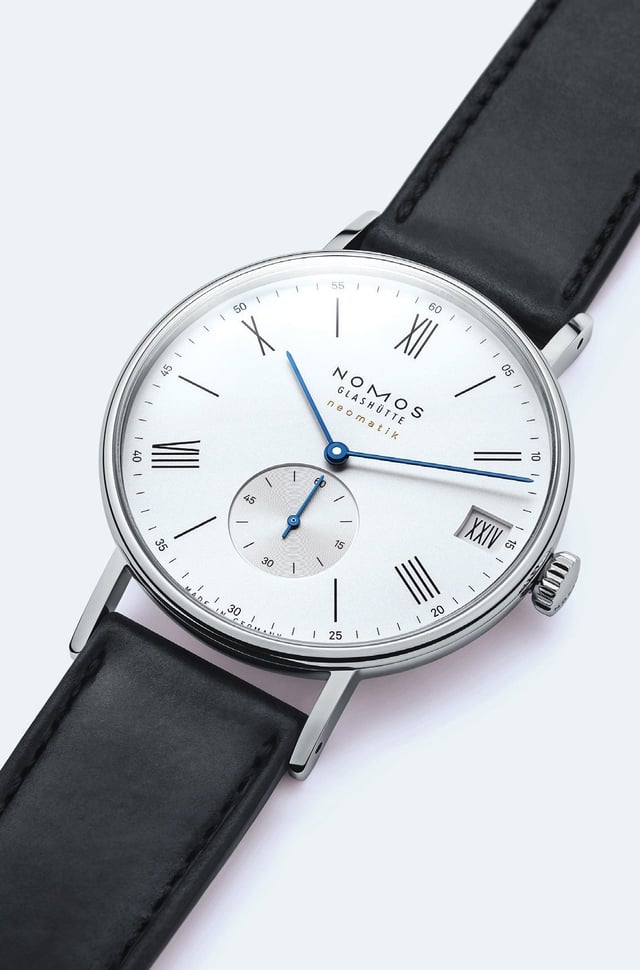
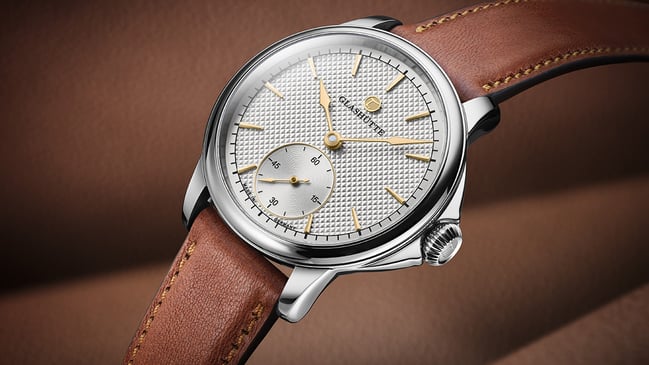
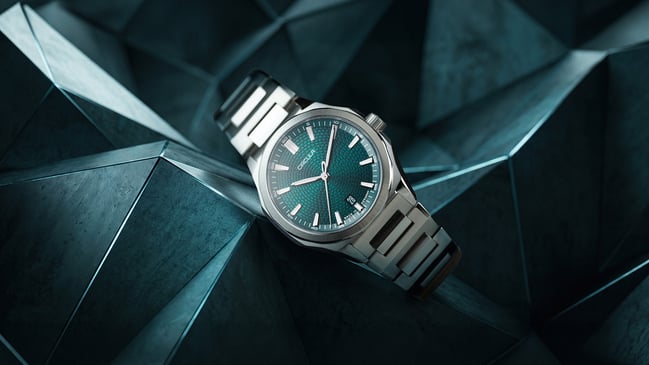
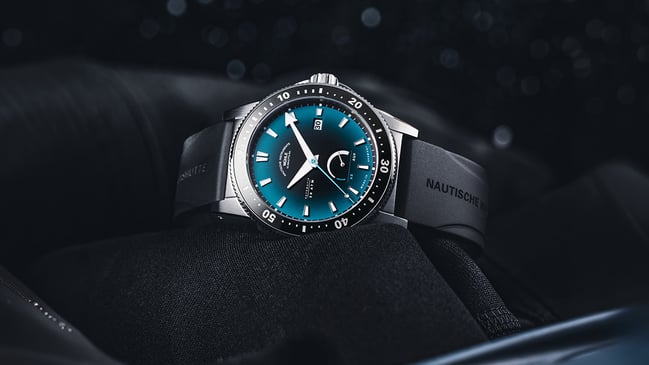
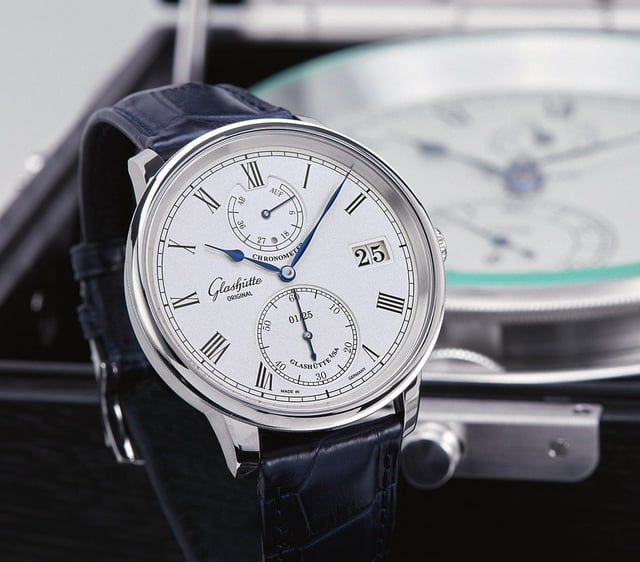
Today, not all timepieces from Glashütte come with a chronometer certificate. But as the watches pictured here show, the historical legacy of the marine chronometer and its related observation watch still remain an important source of inspiration for the modern timepieces made in Glashütte.
This article is from the WatchTime Archives and was originally published in the January / February 2023 Issue. To subscribe to WatchTime Magazine, click here.