When Heritage Designs the Future: A Spotlight on Ferdinand Berthoud
How an 18th-century chronometer legacy shapes one of modern haute horlogerie’s most uncompromising brands
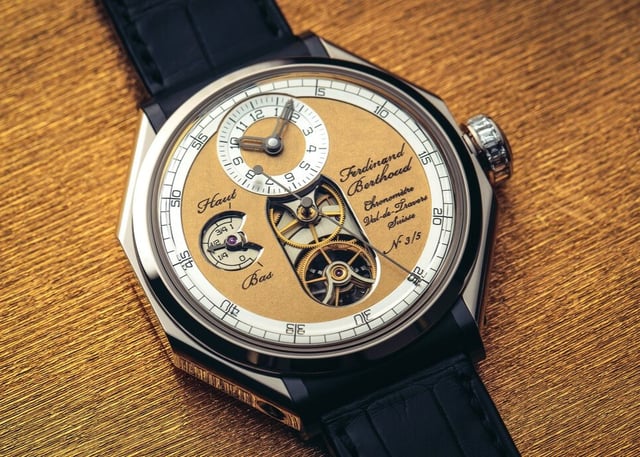
What was Karl-Friedrich Scheufele thinking when he revived the name of Ferdinand Berthoud as a brand in 2015? The Co-president of Chopard dedicated precious manufacturing capabilities that could have equally well been used for the production of L.U.C movements to launch a new brand named after a man who had never made a wristwatch during his lifetime, as they didn’t exist yet. What may sound like an expensive gamble is, in fact, a calculated move fueled by a labor of love.
Scheufele is not your average watch executive, just as Chopard is not a regular watch company. Being very much a Renaissance man, Scheufele enjoys collecting and driving rare vintage cars, is known to be a passionate wine expert, and has a great interest in watchmaking as a whole that extends far beyond his own brand. In the company’s L.U.CEUM, a clever combination of the initials of Chopard’s founder and the Latin word for place of learning, “lyceum,” he showcases his personal collection of timepieces. There, you can travel through time, seeing all sorts of rare and clever timing machines, of which the oldest date back to the Renaissance. This completes the circle, as it includes the work of Ferdinand Berthoud, whose work especially caught the attention of Scheufele.
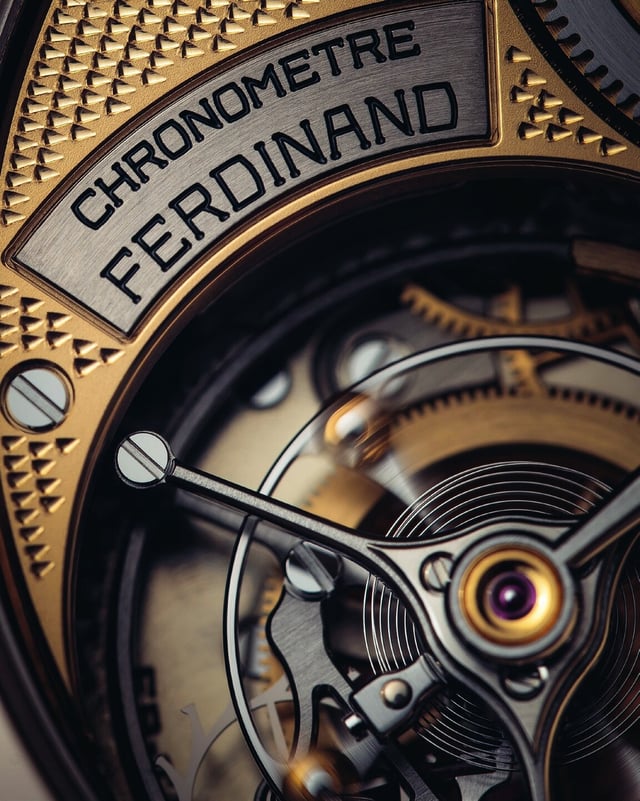
The words “Chronomètre” and “Ferdinand Berthoud” are intertwined by history.
Ferdinand Berthoud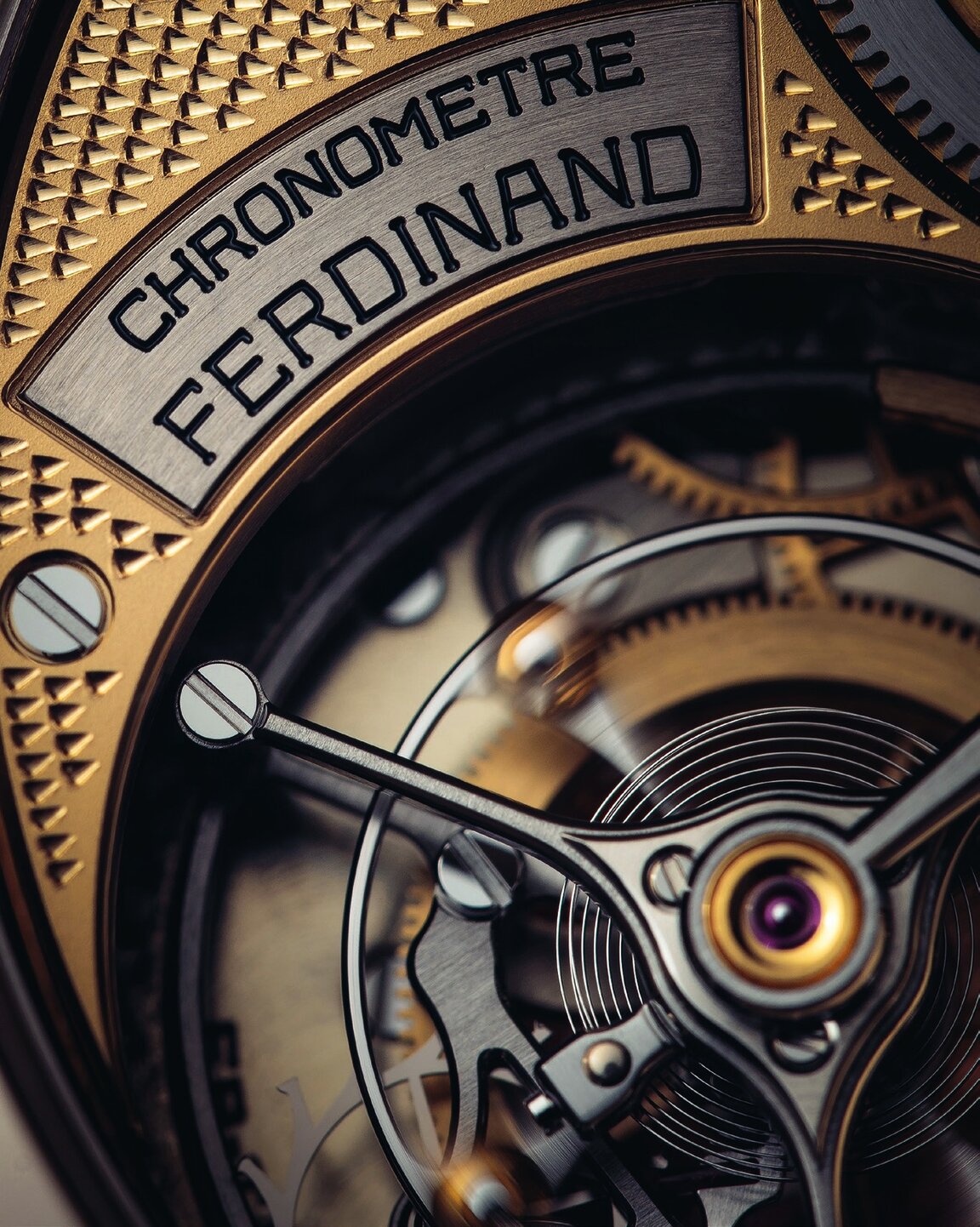
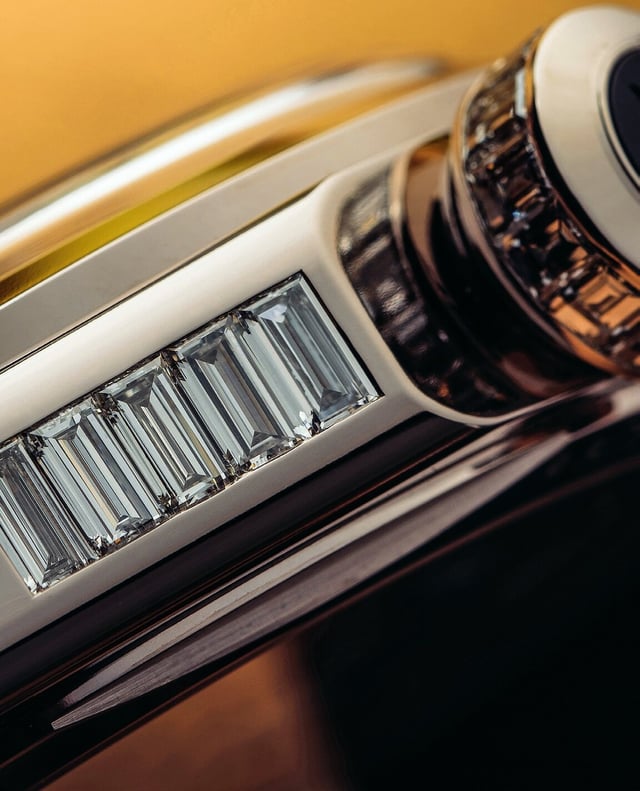
Subtle use of diamonds on some models underscores the precious nature of a Ferdinand Berthoud watch.
Ferdinand Berthoud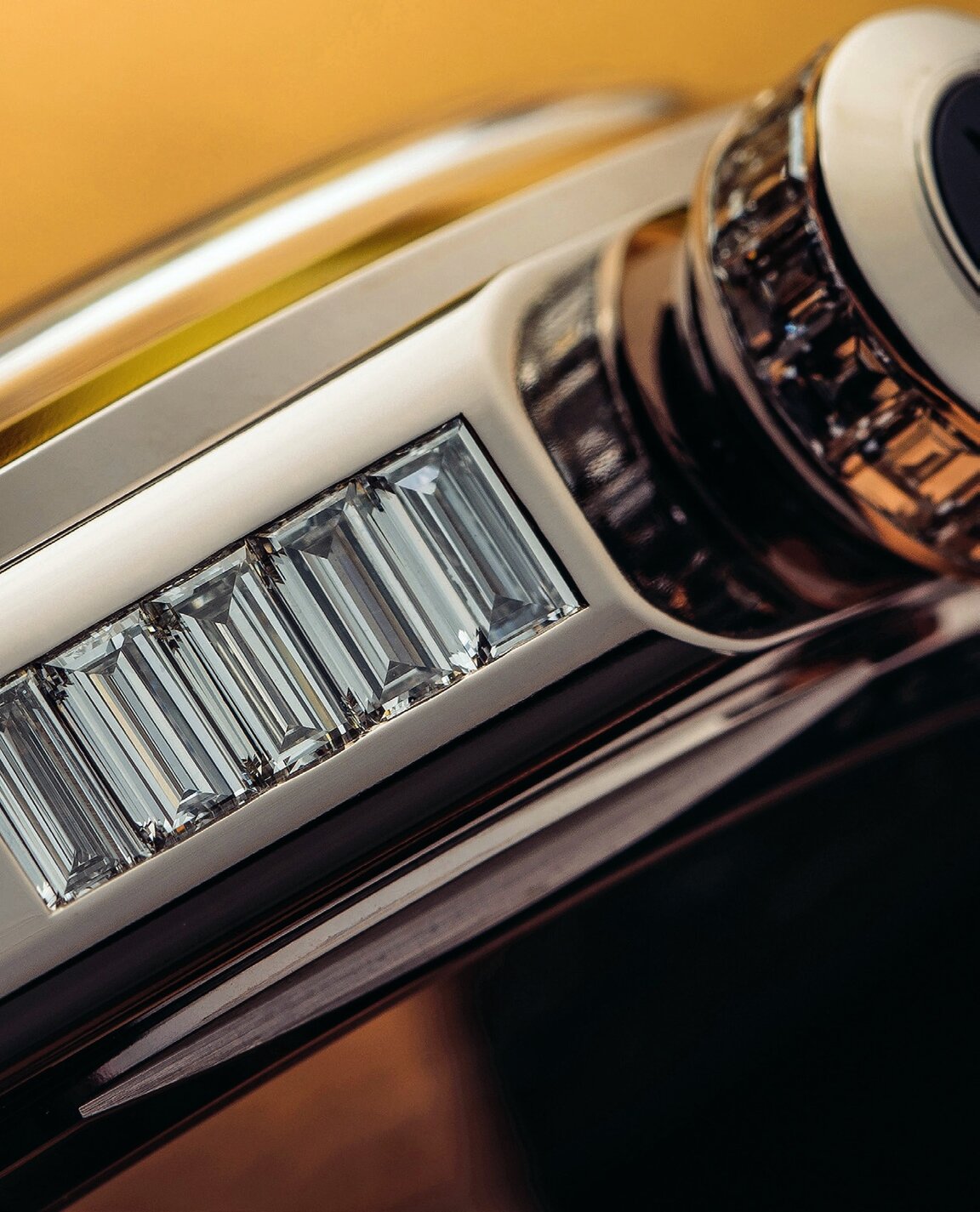
Ferdinand Berthoud was born on March 18, 1727, in the small village of Plancemont in the canton of Neuchâtel, Switzerland. His family was known as outstanding watch and clockmakers, and Ferdinand was no different. After spending four years honing his skills under the wings of his older brother Jean-Henry, Ferdinand set out to Paris, where he started working as a journeyman for the Parisian community of master watchmakers. Paris was at the time one of the main centers of the world, enjoying all the benefits from the Age of Enlightenment when knowledge was one of the most sought-after commodities — an exciting time and place for a young man like Ferdinand Berthoud, whose own thirst for learning was insatiable.
At the age of 26, Berthoud had already submitted an exquisite equation clock that also marked the leap years to the French Royal Academy of Science. Glowing reviews of his work by several members led the King’s Council to award him the title of Master Watchmaker. This also marked the beginning of the incredible number of articles and publications that Ferdinand Berthoud would write during his lifetime.
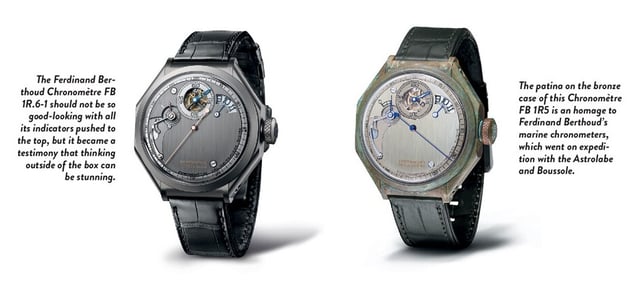
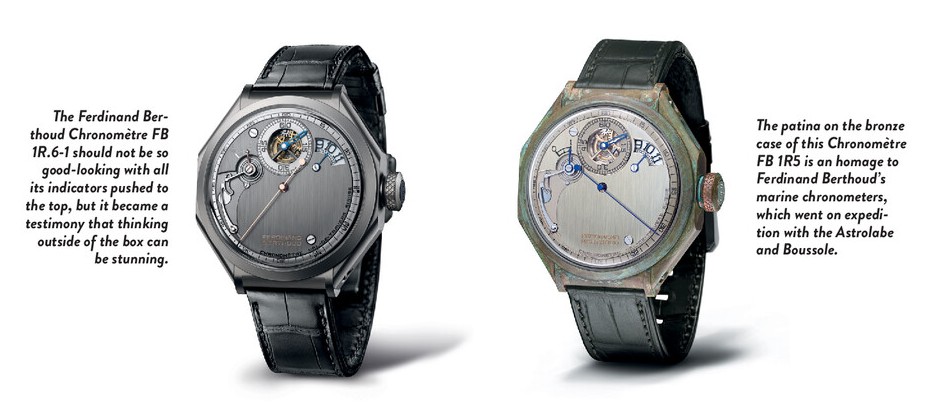
He took a special interest in creating marine chronometers, which played a key role in solving the longitude problem, which was particularly beneficial for France’s substantial navy. This interest would remain one of the focal points throughout his life, although he also constructed various clocks and pocketwatches during his distinguished career. On June 20, 1807, he passed away at the age of 80, and while he had no children of his own, his work would be continued by his nephew and his sons, of which the last one died in Paris on Feb. 15, 1876.
While Berthoud’s legacy is impressive, it also comes with a considerable responsibility when resurrected. As the name has been dormant for nearly a century and a half, apart from history books and museums, how would one bring it back to life in a convincing way?

Finishing is also a fundamental part of Ferdinand Berthoud, and mostly done by hand.
Ferdinand Berthoud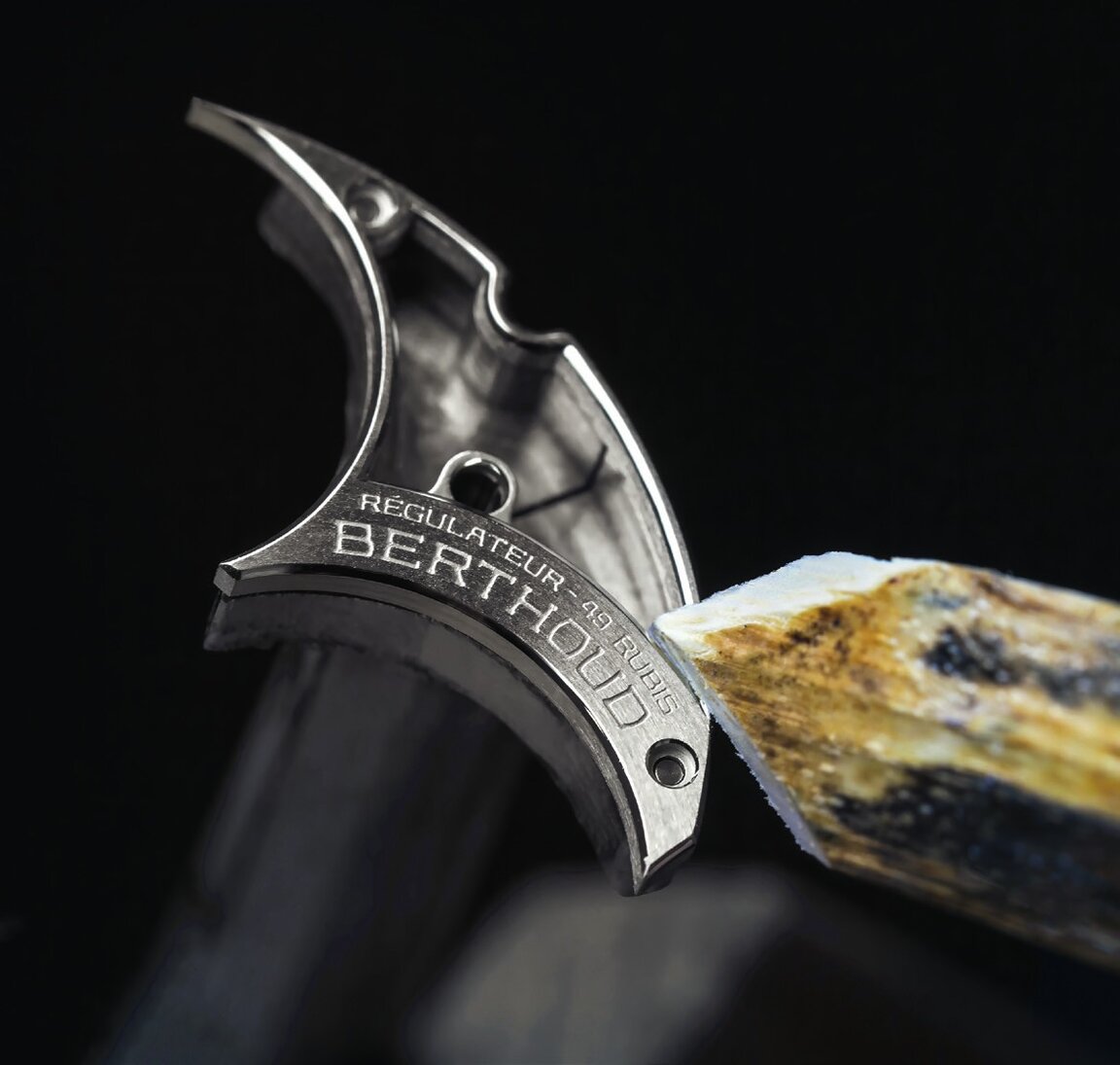
Scheufele knew about these challenges but also had a clear vision of how to overcome them because what if Ferdinand Berthoud had made wristwatches?
From that perspective, things become, all of a sudden, quite a bit more clear. Berthoud’s style was very much practical, with form following function, but he also lived in a time and age where it was important to still induce an aesthetic appeal combined with a superb finishing. Scheufele took this heritage to design the future of the name he resurrected and translated it into the very core of the wristwatches, starting with the very first, the FB-1.
This starts with the unusual way that the movement is constructed. Normally, the main plate and bridges would keep all the parts in place, but with Caliber FB-T.FC, two plates are held together by six titanium pillars — a construction method common in marine chronometers of Berthoud’s era, but extremely demanding at wristwatch scale.
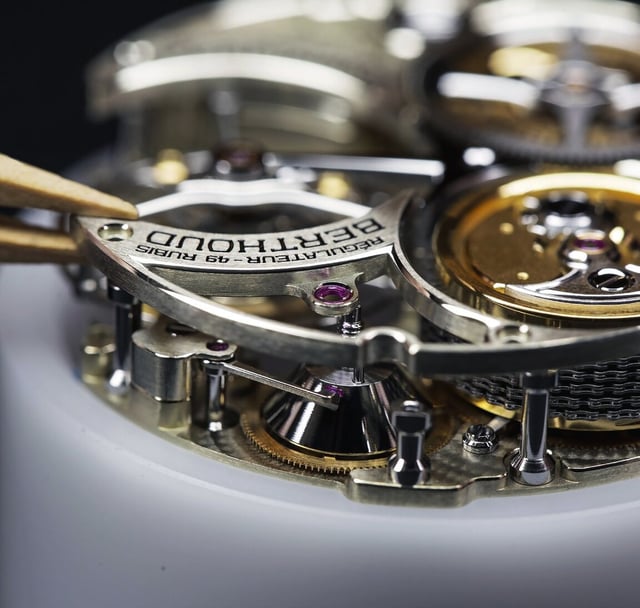
With its movement built on pillars, it is as beautiful to collectors as it is challenging for the watchmakers.
Ferdinand Berthoud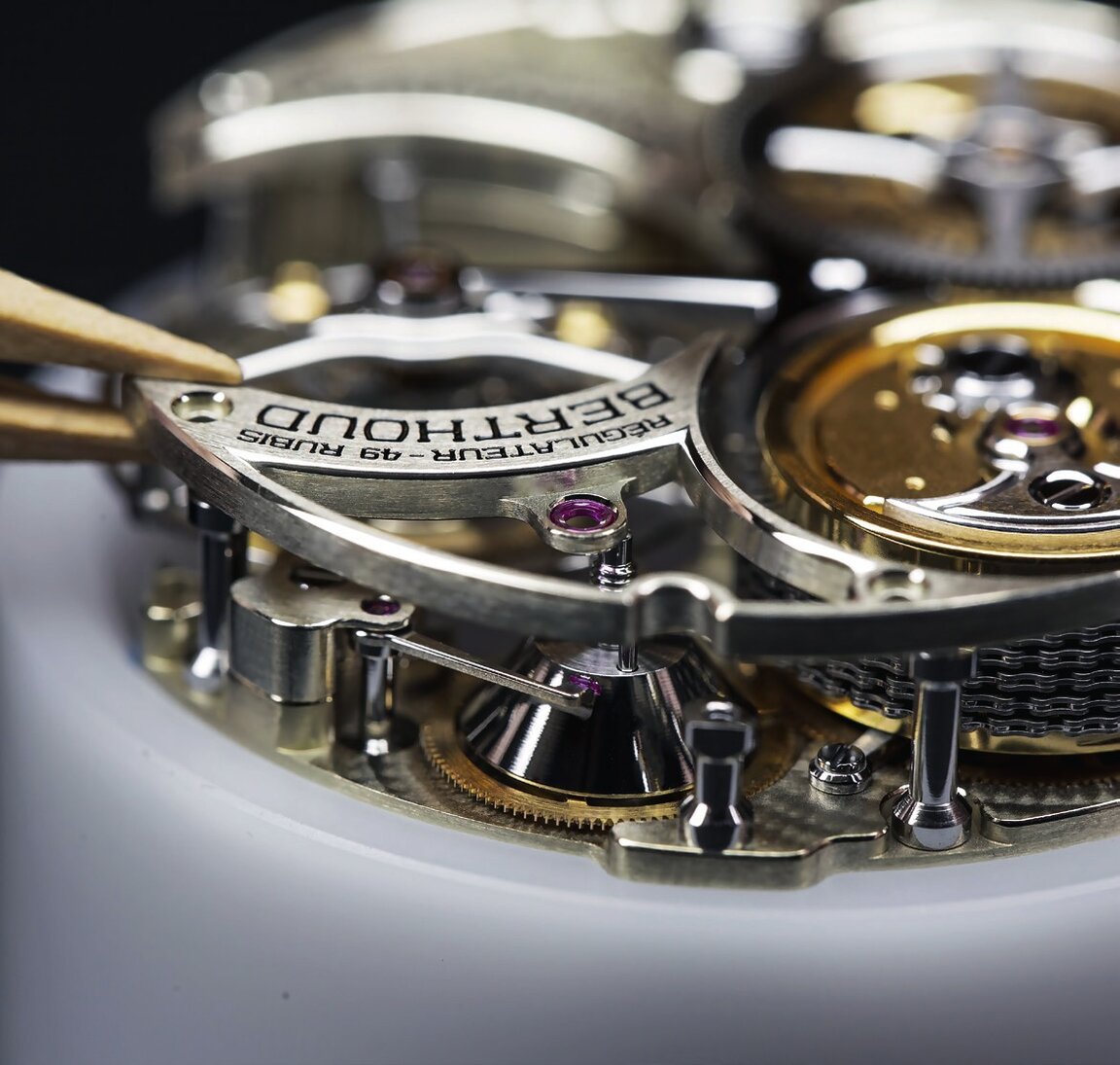
The Ferdinand Berthoud wristwatches are not about recreating the past but using the past to design the future. Sapphire inserts placed in the portholes on the side of the octagonal case allow unobstructed views of the movement — a nod to the octagonal wooden boxes that housed marine chronometers.
The movement’s construction also highlights the fusee-and-chain transmission and the tourbillon, both essential to delivering constant force to the escapement. Miniaturizing these historically space-consuming solutions required extraordinary technical skill, particularly in creating a chain capable of withstanding immense tension without sacrificing finishing.
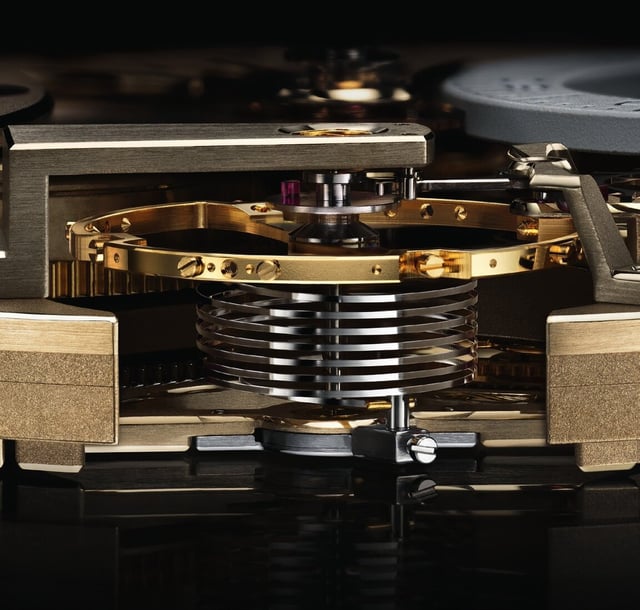
The cylindrical hairspring is made in-house at Ferdinand Berthoud.
Ferdinand Berthoud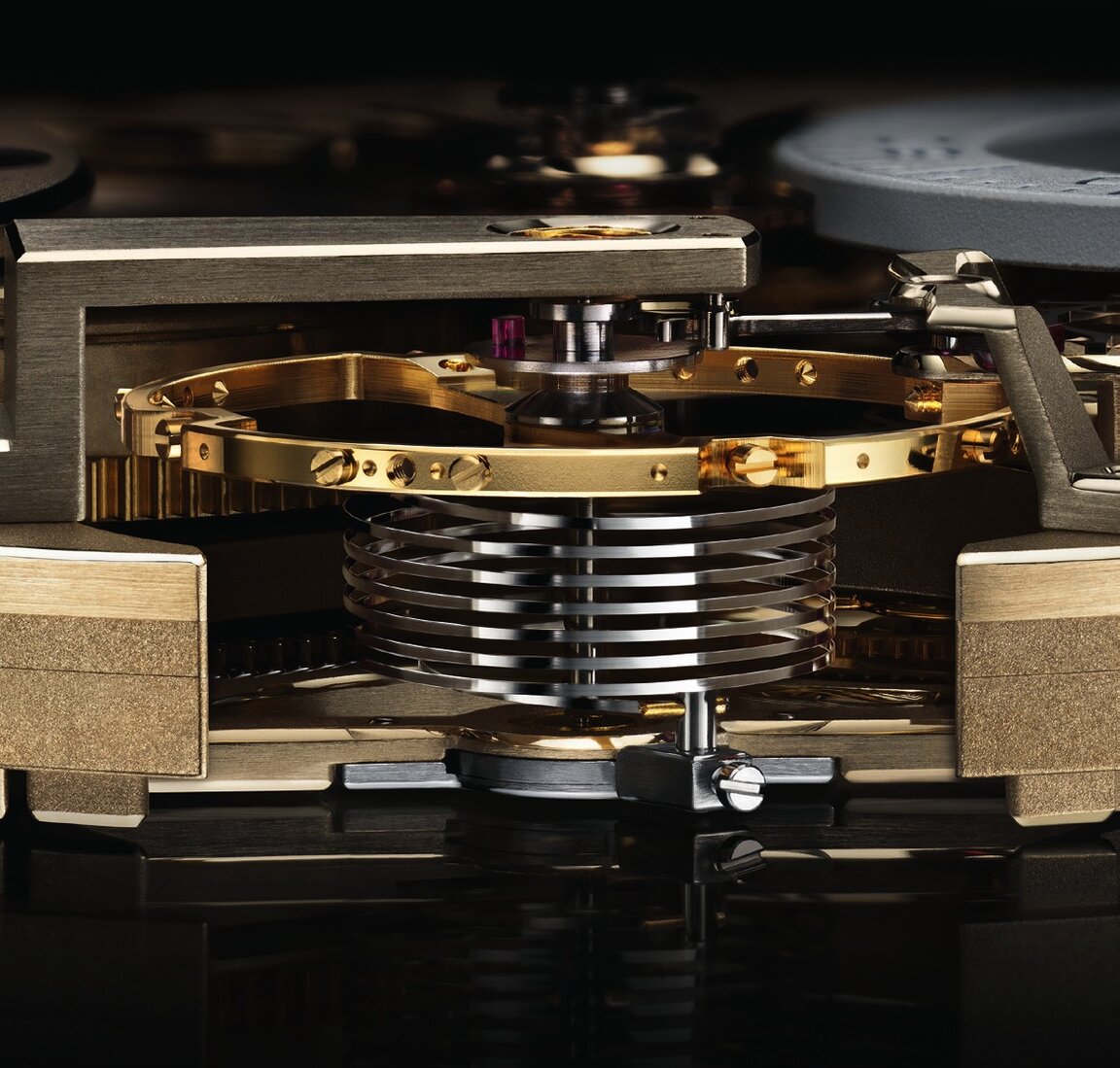
Design cues from marine chronometers continue throughout the collection. The Chronomètre FB 1R echoes regulator layouts used by Berthoud in the 18th century, while models such as the FB 3SPC.1 showcase functional bridge architecture finished to the highest standard.
Scheufele’s vision proved to be more than justified. Within a year of its introduction, the FB-1 won the Aiguille d’Or at the 2016 Grand Prix d’Horlogerie de Genève. Further chronometry prizes followed in 2019, 2020, and 2023, cementing Ferdinand Berthoud’s position among the most serious names in contemporary haute horlogerie.
While the movements play a decisive role in earning these accolades, they cannot be separated from the overall design — a design so deeply rooted in Berthoud’s philosophy that it feels as though the master himself had a hand in shaping it.
This article was originally published in the 2025 Special Design Issue. To subscribe to the print edition of WatchTime Magazine, click here.