What Is Watch Patina? How Time Shapes Dials, Bezels, and Cases
When age becomes character
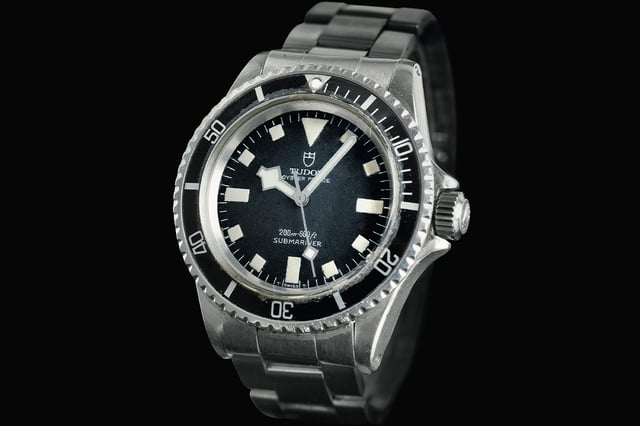
What one person may see as a flaw, a collector may value as a sign of individuality. Patina can turn a watch into a timepiece that carries visible traces of age, wear, and the life it has lived.
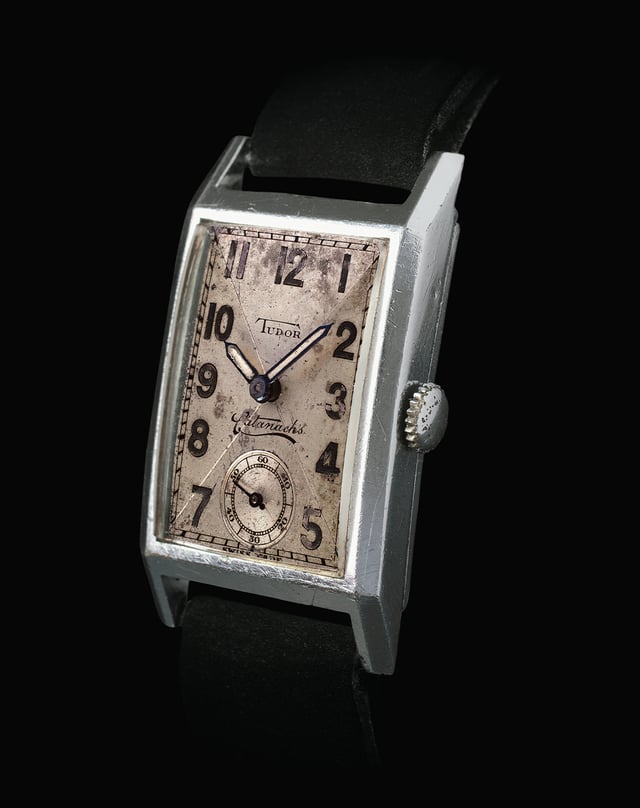
What one person regards as damage or contamination, others value as a testament to the past.
Tudor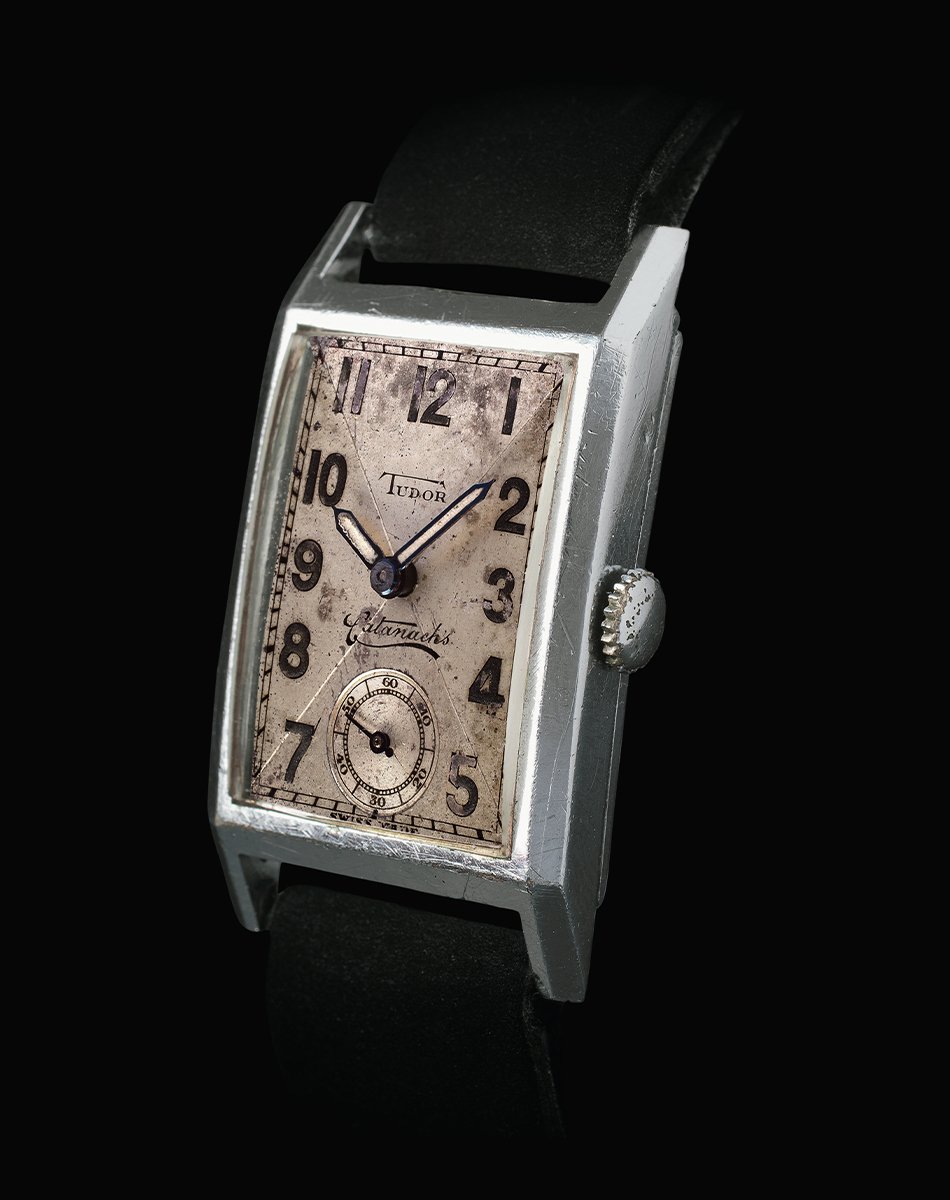
What Is Patina — and Where Does It Develop?
Patina refers to changes caused by age, wear, or environmental exposure that are viewed not as damage but as part of a watch’s aesthetic character. Light, humidity, chemical reactions within materials, and everyday wear can all leave their mark. No two watches age in exactly the same way.
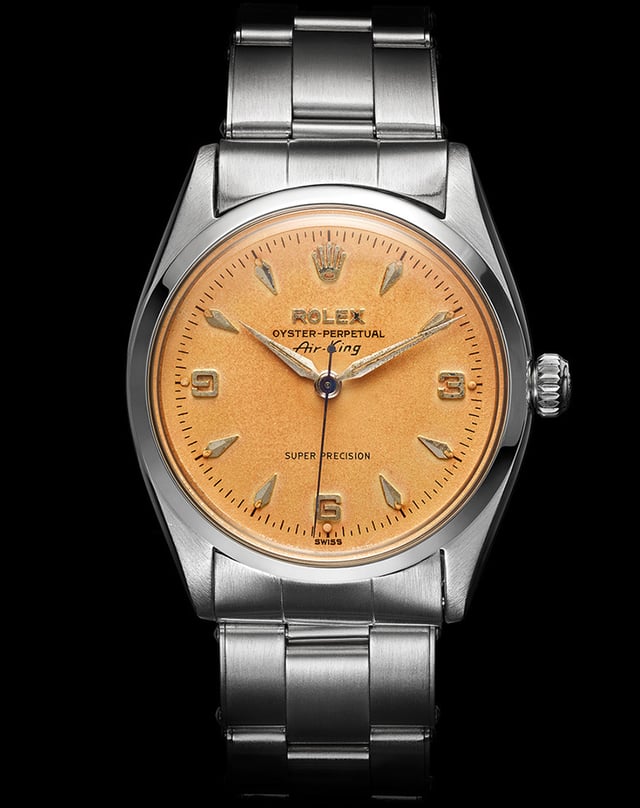
The once white or silver color of the dial can only be guessed, but the warm brown gives this Air-King its own charm.
Rolex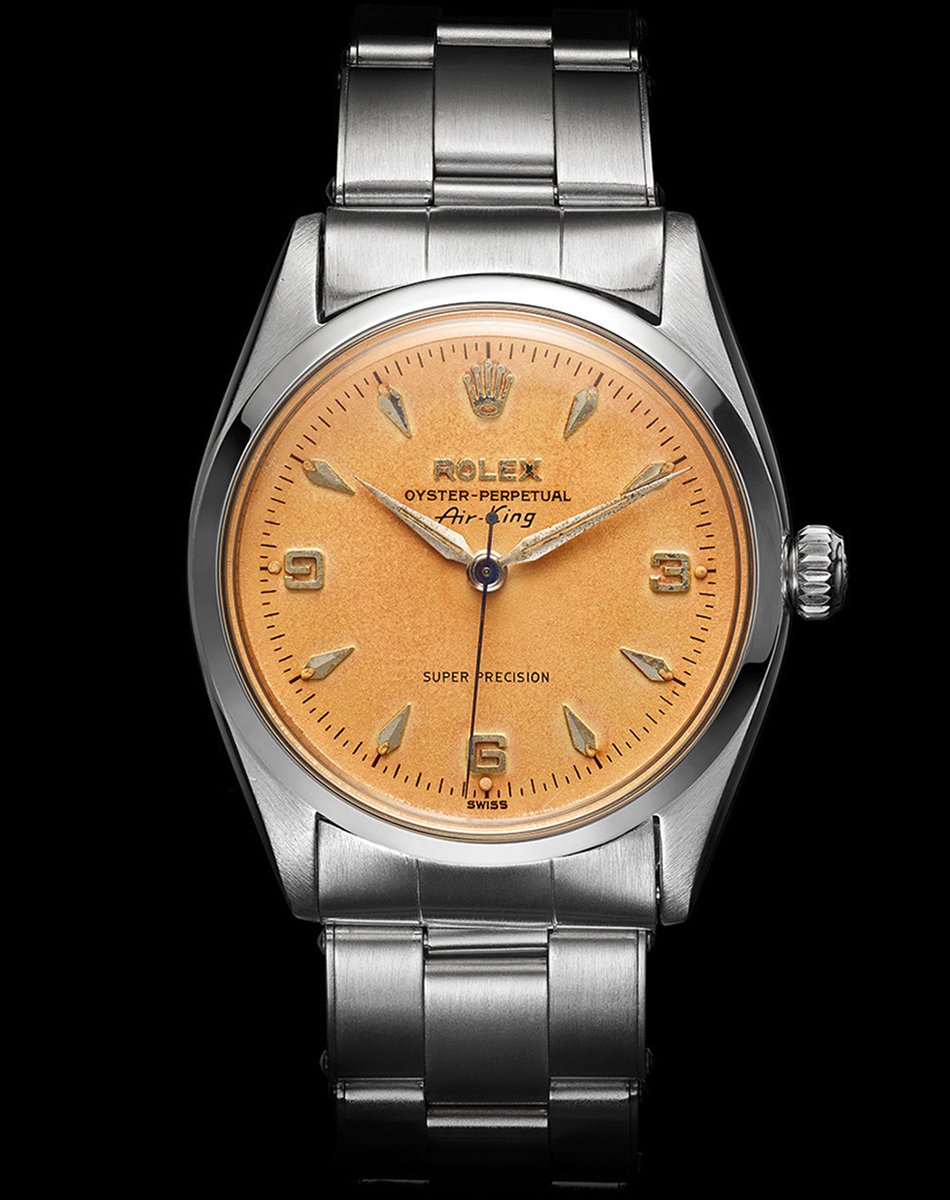
Dials
For many collectors, dial patina is the most desirable form of aging. Its appearance can vary dramatically depending on the materials involved and the conditions a watch has experienced.
Tropical Dial
Years of UV exposure can cause the black lacquer on certain dials to fade or change color. The most sought-after examples develop warm brown or chocolate tones. Their appeal lies partly in their unpredictability.
Spider Dial
So-called spider dials develop fine, web-like cracks across the surface. Age, temperature fluctuations, and material defects can all contribute to the effect. The resulting pattern resembles a spider’s web. Some collectors find it highly attractive; others see it as a defect rather than desirable patina.
Fading
Fading differs from the brown tones associated with many tropical dials. UV exposure and oxidation can weaken pigments until the surface appears washed out, sometimes shifting toward gray, pale blue, or pastel tones.
Staining
Staining appears as spots or speckles caused by localized corrosion and uneven aging of the dial lacquer. When the effect is evenly distributed, it can be visually appealing. As with other forms of patina, much depends on the individual watch.
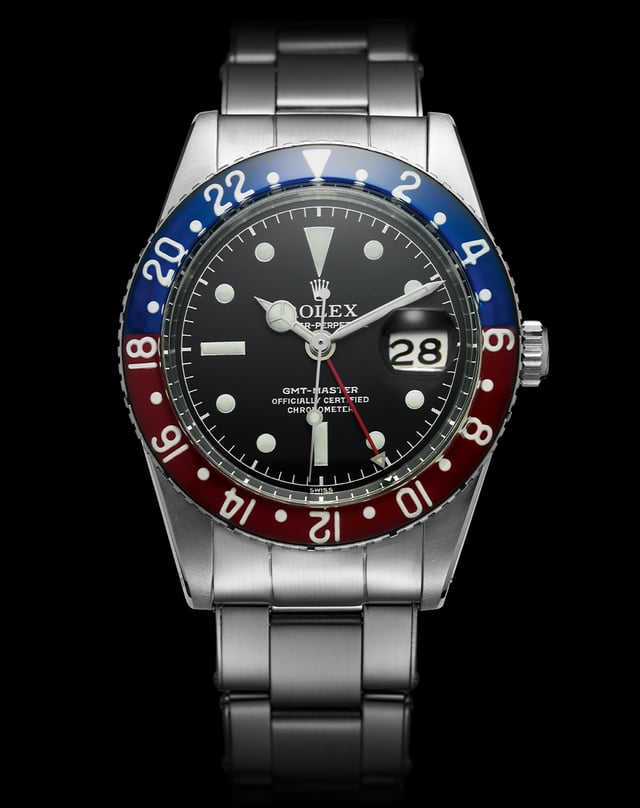
The GMT-Master pictured here from 1955 has a Bakelite bezel.
Rolex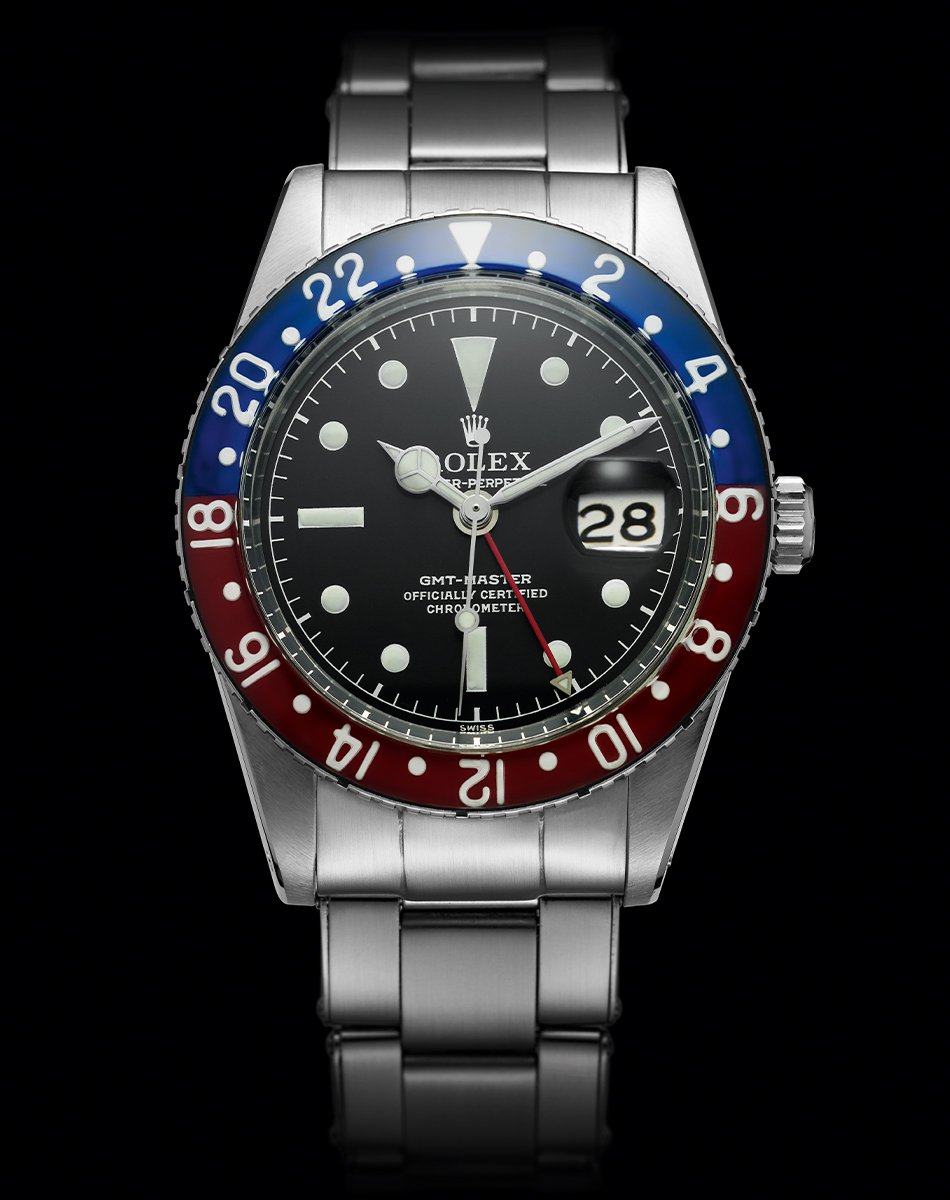
Bezels
Bezels are particularly exposed to sunlight, moisture, and daily wear, which makes them especially prone to visible aging.
Ghost Bezel
Decades of exposure can fade black or colored aluminum bezel inserts. The resulting gray or pastel tones are often referred to as “ghost” bezels and can be highly sought after by collectors.
Bakelite Bezels
Bakelite inserts, used on some early Rolex sports watches, are particularly fragile. They can develop attractive color changes over time, but the material is also prone to cracking. That combination of rarity, vulnerability, and distinctive aging makes intact examples especially collectible.
Ceramic Bezels
Ceramic behaves very differently. Its hardness makes it highly resistant to scratches, while its color remains remarkably stable over time. As a result, ceramic bezels develop virtually no patina — a benefit for durability, though less appealing to collectors who value visible signs of age.
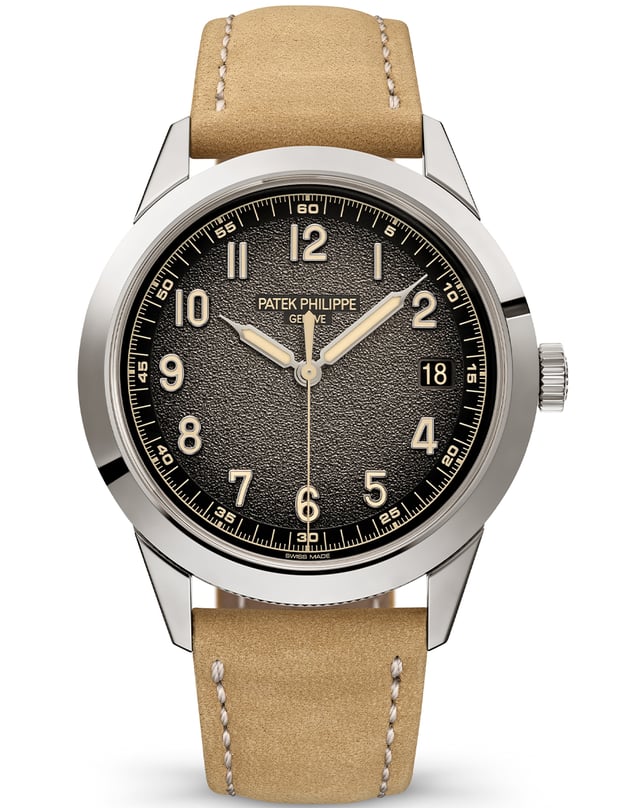
With its colored luminous material, the modern reference 5226G-001 is reminiscent of the charming patina look of earlier models.
Patek Philippe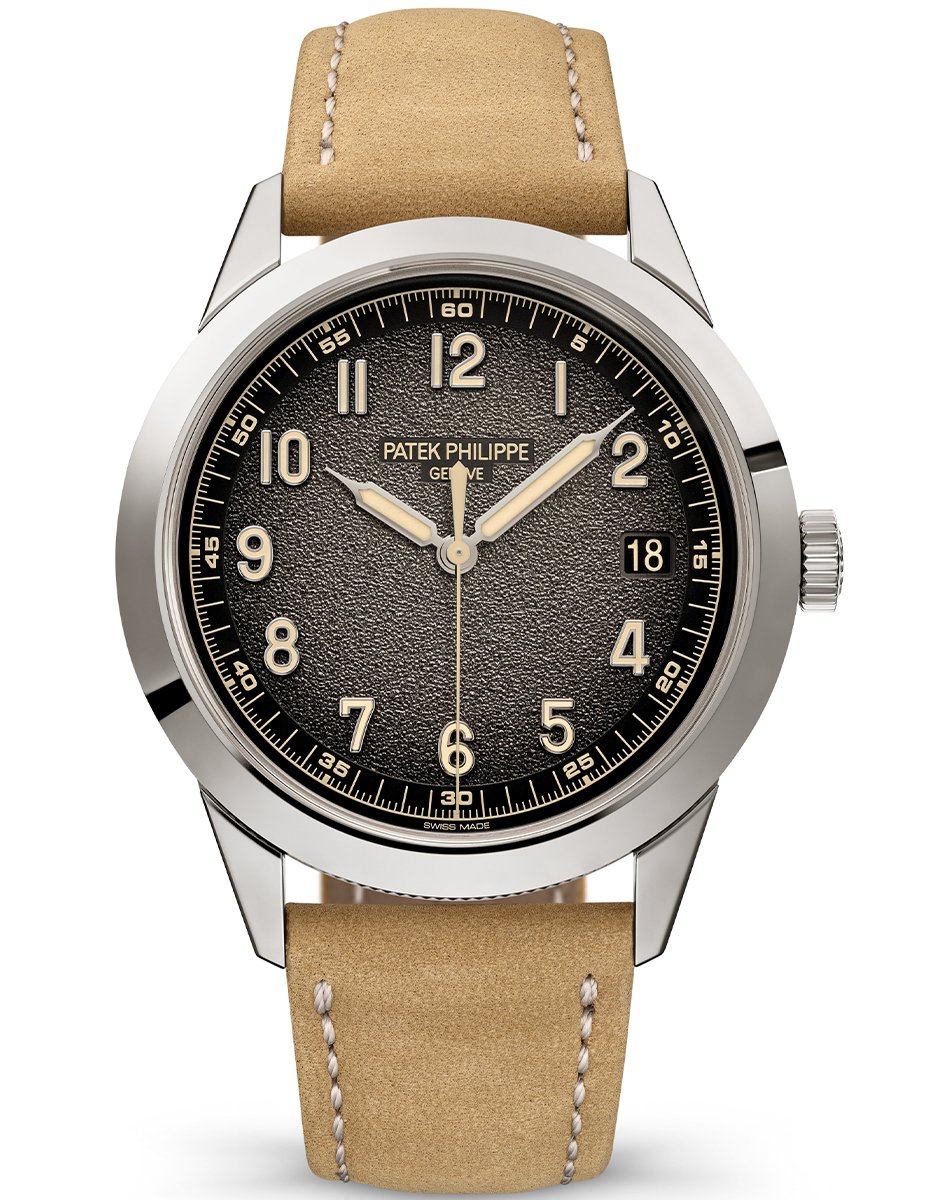
Luminous Material
Luminous compounds on hands and hour markers can change dramatically over time, making them one of the most recognizable forms of vintage patina.
Tritium
Widely used from around 1960 through the late 1990s, tritium is radioactive and gradually loses its luminous intensity as it decays. Its color can also shift from white to cream, honey yellow, or orange. Although the original functionality may be significantly reduced, these warm tones are highly prized by many collectors.
Radium
Radium was commonly used until the early 1960s. Because it is highly radioactive, it can degrade the binding materials around it over time. The result is often a dark brown or almost black surface that may become brittle or crumbly.
Superluminova
Superluminova, widely used since the late 1990s, is nonradioactive and highly resistant to aging. It generally remains white or pale green and shows little visible color change over time.
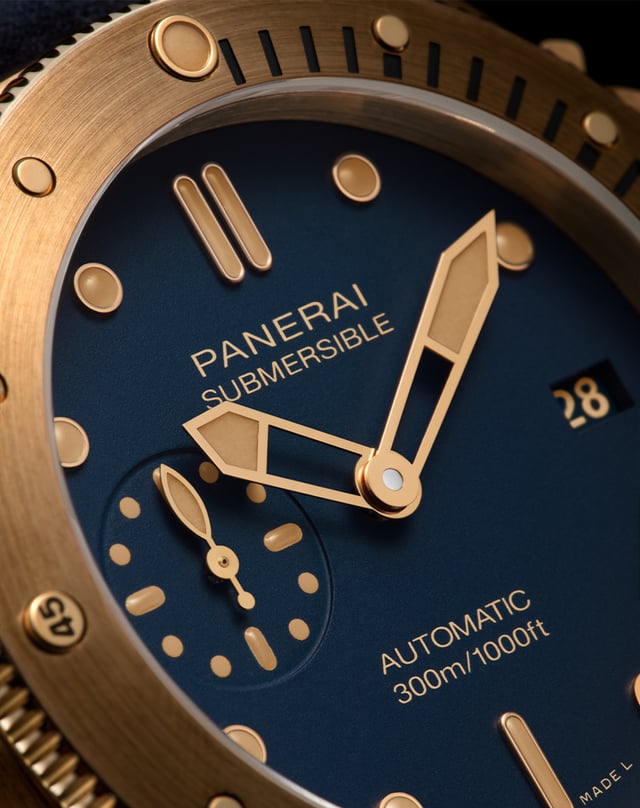
Thanks to the bronze case, which develops a natural patina, this Submersible by Panerai becomes a unique piece after a short time.
Panerai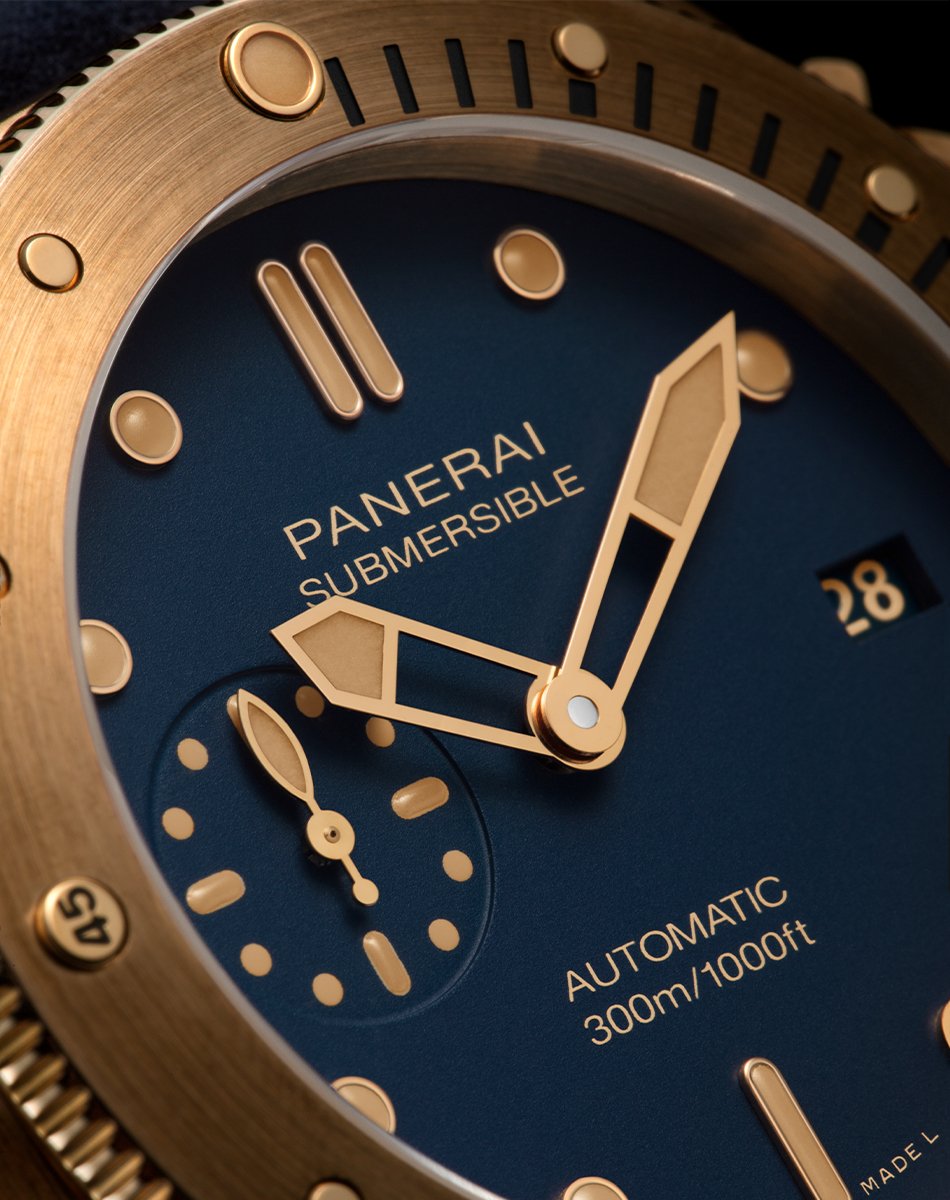
Cases & Metals
Cases can also develop patina through oxidation, exposure, and regular wear. Different finishes on the same case may age differently, creating a combination of tones and textures that is difficult to reproduce artificially.
Stainless Steel
With regular wear, stainless steel accumulates scratches, dents, and a softer surface sheen. Over time, the metal may also appear slightly darker. Sharp case edges can gradually lose some of their definition, giving the watch a softer, more worn-in profile.
Bronze
Few materials develop patina as visibly as bronze. It can quickly form a greenish-blue oxide layer. This individuality is a major part of the material’s appeal, and some owners even encourage the process deliberately.
Silver
Silver darkens through oxidation, developing gray or black tarnish on the surface. The change can happen relatively quickly, giving even a newer watch a distinctly antique appearance.
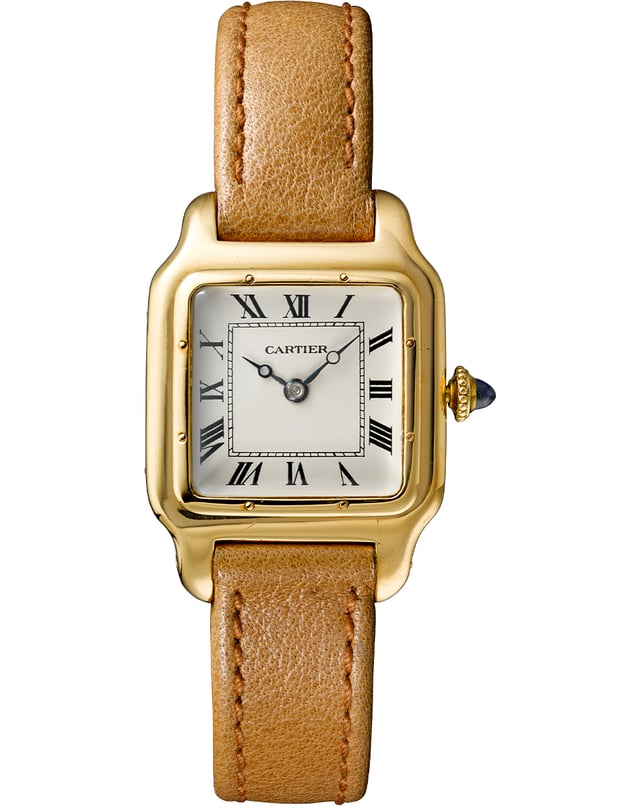
Through long-term wear, this Cartier model has harmoniously rounded the case.
Cartier
Legendary Vintage Watches with Unique Patina
On important vintage watches, patina can have a major influence on desirability and value. Collectors increasingly seek watches with distinctive, naturally aged surfaces precisely because they cannot be duplicated. A strongly faded bezel, evenly aged luminous material, or beautifully tropical dial can turn an already rare reference into something truly unique.
Patina of Tomorrow
Many manufacturers today focus on maximum durability, color stability, and resistance to aging. Others deliberately choose materials that will change over time. Panerai’s bronze watches are a prominent example. Their cases are designed to develop a surface that becomes increasingly individual with wear.
Patina is more than a visual effect. It records the passing of time and the relationship between a watch and its wearer. In a world where perfection can be reproduced almost endlessly, patina gives a watch something that cannot be replicated quite so easily. Whether it appears on a vintage Rolex, Omega, or Patek Philippe or on a modern bronze watch whose aging has only just begun, it remains one of the most evocative signatures of a watch with history.