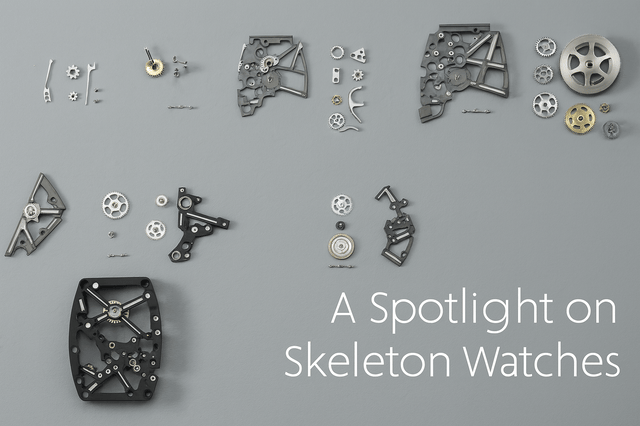
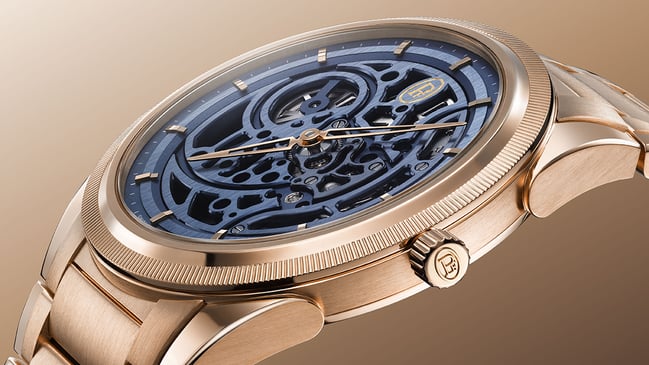
Skeleton watches: This term in watchmaking refers to watches that usually lack (most of) a dial and in which much of the bridges and main plate have been taken away. By leaving the bare minimum of metal, these watches showcase the inner workings of a timepiece like no other.
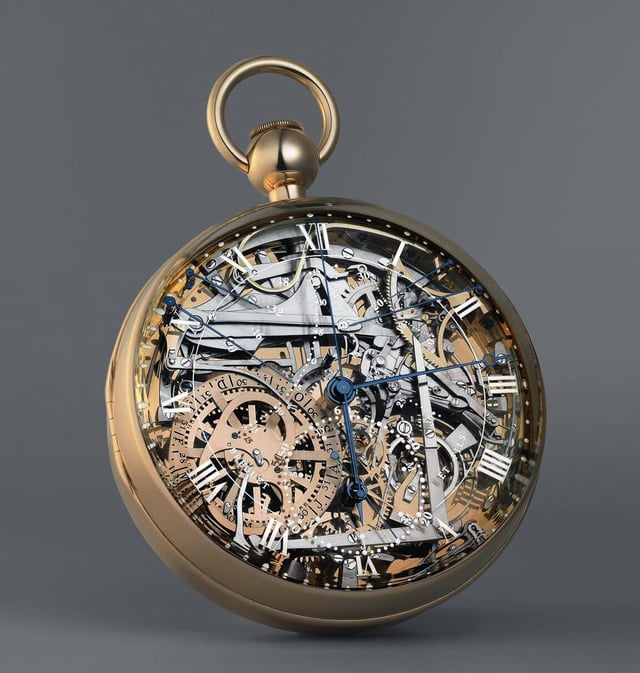
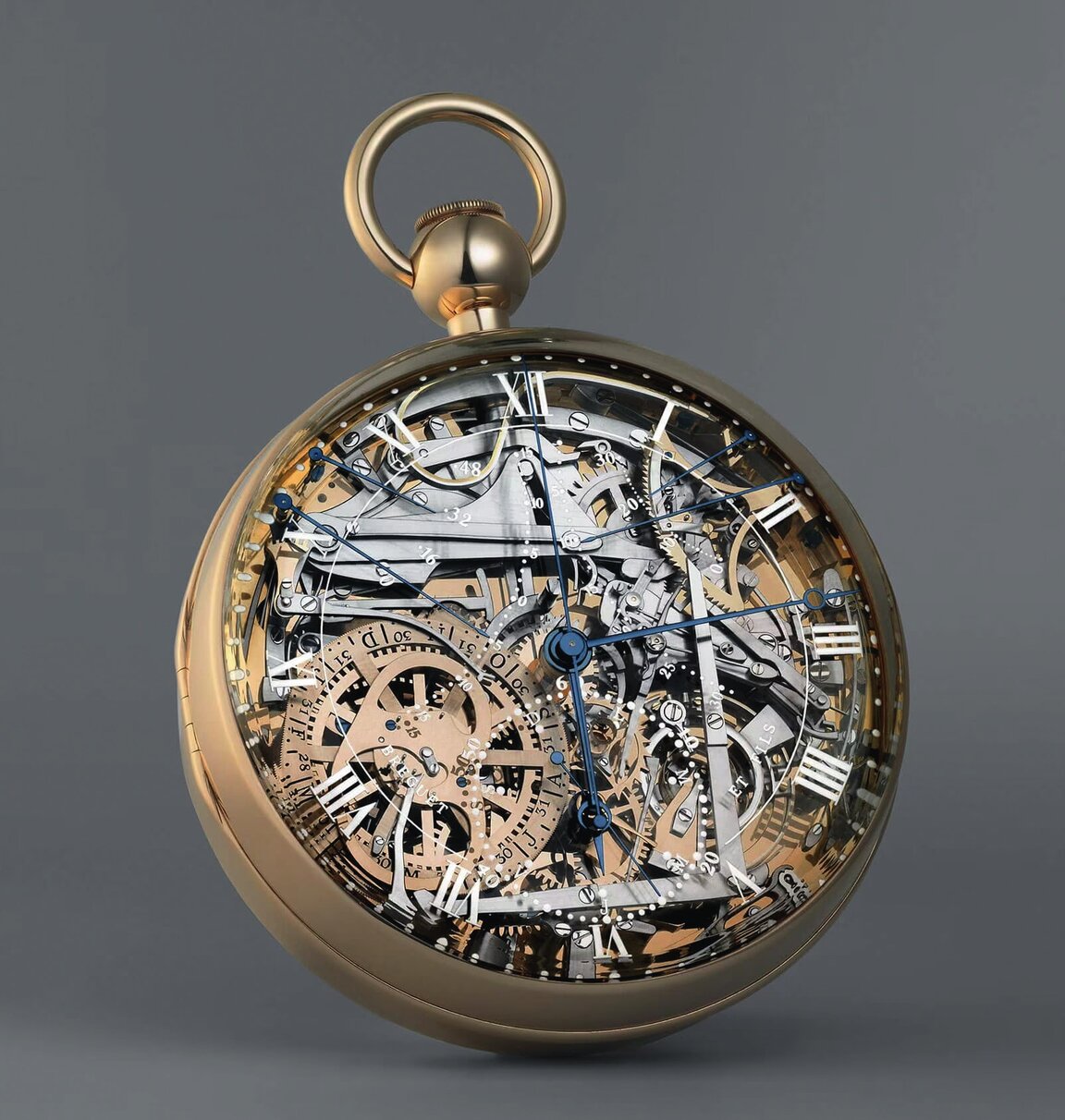
The first skeleton (pocket) watch is credited to André Charles Caron, a French watch and clockmaker who also wanted to show the inner beauty of his timepieces this way in 1760. Abraham-Louis Breguet must have had a similar thought when working on his pocketwatch No.160, commissioned by an officer of the guard for the queen of France, Marie Antoinette. It was supposed to be fitted with all horological complications known at the time, with no limit on the budget or even a set delivery time. While the French Revolution cost Marie Antoinette her head, it also made life considerably more difficult for Breguet, who continued working on this pocketwatch, turning it into his ultimate masterpiece. When finished, it came with two dials, a traditional one of white enamel and one of rock crystal. The watch is most commonly seen with the latter dial installed, allowing one to view quite a few of the mechanical parts that are placed right underneath to support some of the many complications. While more an open-face watch than a true skeleton as we know it today, it is one of the earliest watches that provide a substantial insight in its inner workings.
For a long time, skeleton watches were neither popular nor common. This has a few reasons. First, skeleton watches are usually more challenging to read as they lack a dial and showing all the mechanical parts makes it harder for the eyes to focus. Secondly, the production of these types of watches was completely done by hand. This is quite a challenging and time-consuming task, making such watches significantly more expensive than their regular counterparts. The process starts by taking an existing movement apart and outlining for each part what can be removed. This is like walking the horological high wire, as you want to take away as much as possible to create the most imposing effect, but at the same time, you need to maintain the rigidity of the movement because otherwise, its timekeeping capabilities could be compromised. At first, this was done entirely by hand. When the watchmaker had marked the segments he wanted to take away, he would drill a small hole through which his wire saw could go. Then he sawed around the outline, creating a skeletonized version of the part. This had to be finished and, in some cases, even engraved.
This traditional way of creating skeleton watches is still practiced today, mainly by independent brands and names such as Patek Philippe and Vacheron Constantin. Right after the quartz crisis, the renaissance of mechanical watchmaking slowly ushered the skeleton watch into a more mainstream position. As watches became more objects of art, and it became increasingly important to show off that they were mechanical and not battery powered, the skeleton watch was all of a sudden in the sweet spot. New production techniques also allowed for movements to be skeletonized in a more industrial way. This helped in making more of them at a much lower price than when entirely done by hand.
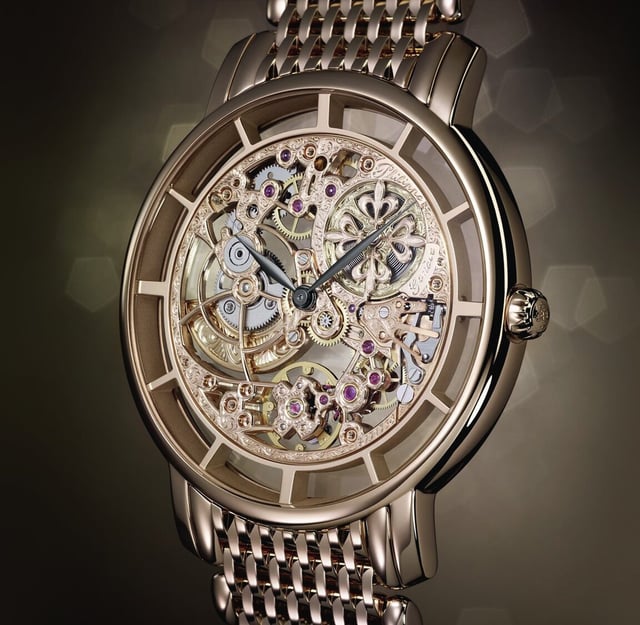
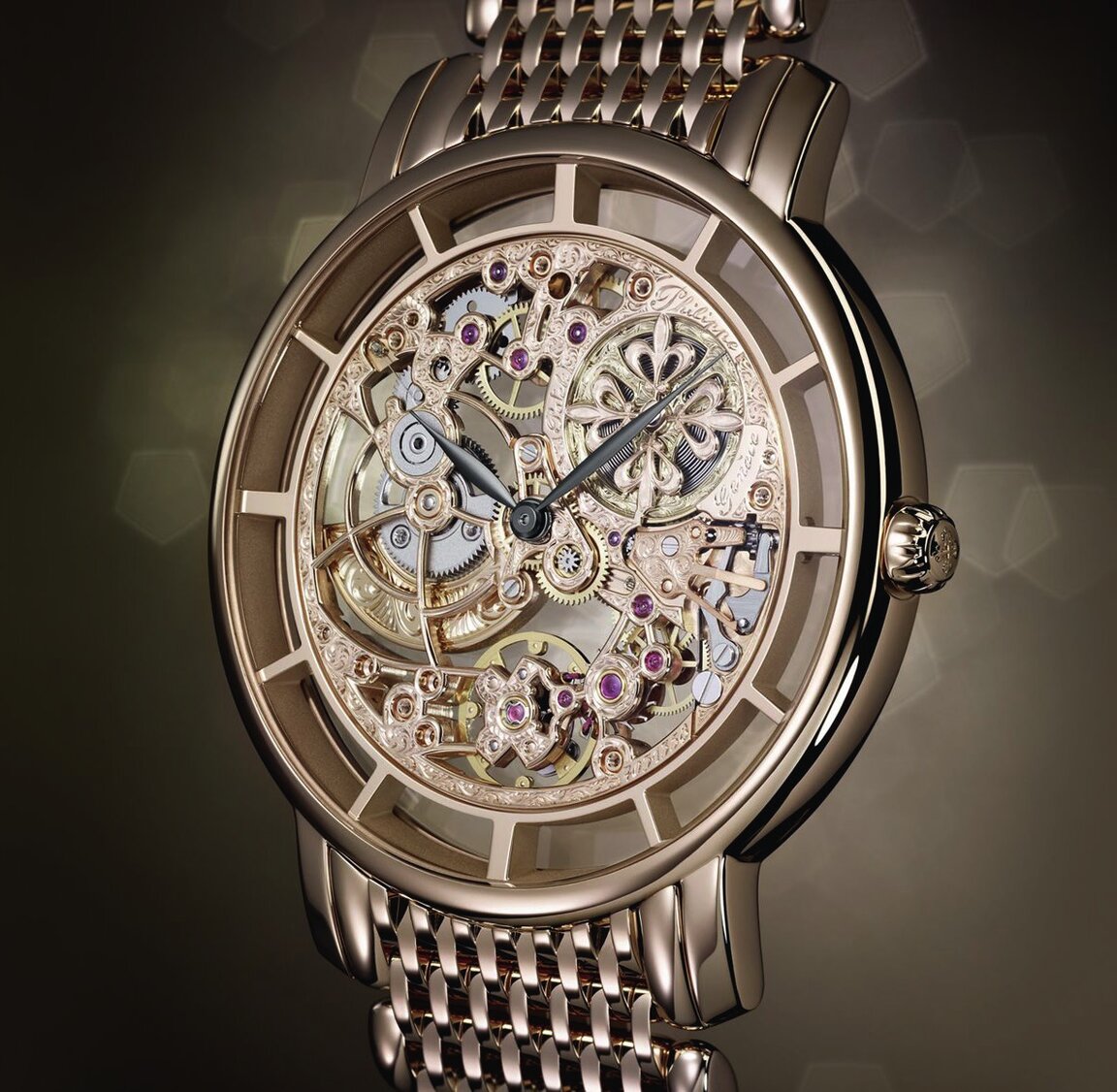
Today, skeleton watches are still not among the most common types of timepieces, but they are far more readily available and in various price ranges. More so, different styles of skeletonizing have emerged. Patek Philippe still stays true to the classics with its Ref. 5180/1R. Here the automatic movement is meticulously skeletonized, leaving the bare minimum of metal. This is then engraved in a traditional way, further elevating the refinedness of this timepiece. As the diameter of the movement is only 27 mm, Patek Philippe fitted it in a case with a 39-mm diameter to appeal more to modern tastes in watch sizes. To achieve this organically, they created what can be regarded as a mystery watch. As the winding and setting stem is hidden behind one of the gold hour markers, part of the construction that holds the movement, it is not immediately evident how it works, further adding to the magic of this model.
With the Patek Philippe, a complicating factor is that the movement is also very slim, with a height of 2.53 mm. This means that the bridges, gears, and other parts are already relatively thin. Taking away more material is an even more delicate task, as it sooner compromises the integrity of the movement.
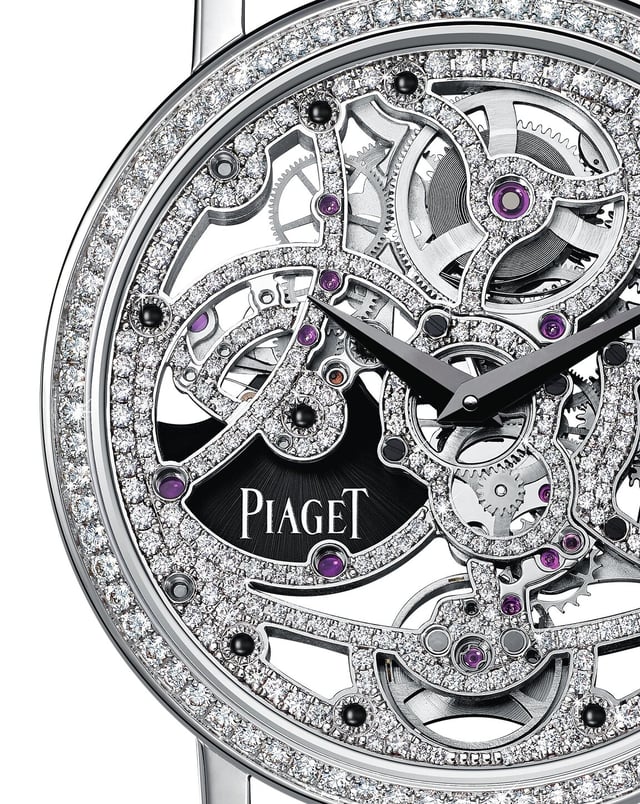
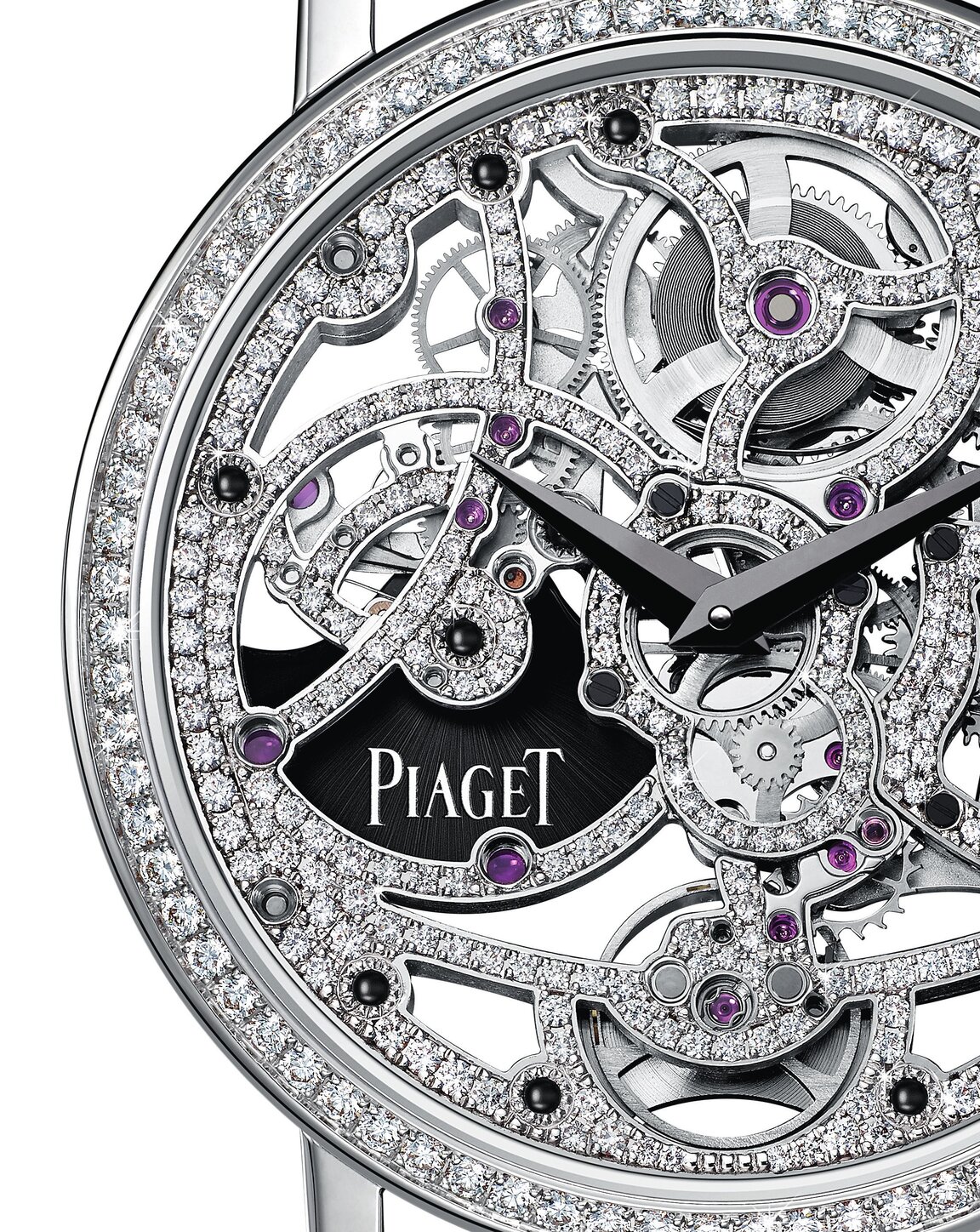
Another brand that loves to work with ultra-thin movements is Piaget. Its Caliber 1200P is a direct descendant of its legendary Caliber 12P. Piaget launched this movement in 1960, and at 2.3 mm, it was the thinnest automatic caliber in the world. While Caliber 1200P is the regular version, Piaget also makes Caliber 1200S, with the S standing for skeleton. Then there is also 1200D1, which is a skeleton where the bridges are set with brilliant-cut diamonds. To achieve this, Piaget makes the bridges of this caliber out of 14k white gold, in which cavities are drilled to house the diamonds. Each one is set by hand, and prongs are formed of the surrounding gold to keep the diamond firmly in place. With no room for error, this illustrates Piaget’s capabilities in this field and how skeleton watches have developed in recent years.
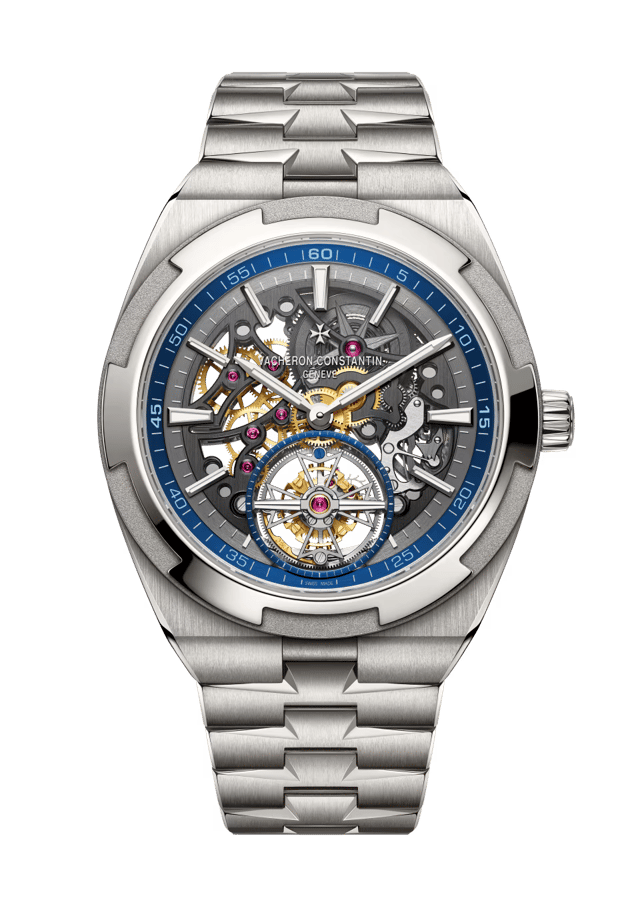
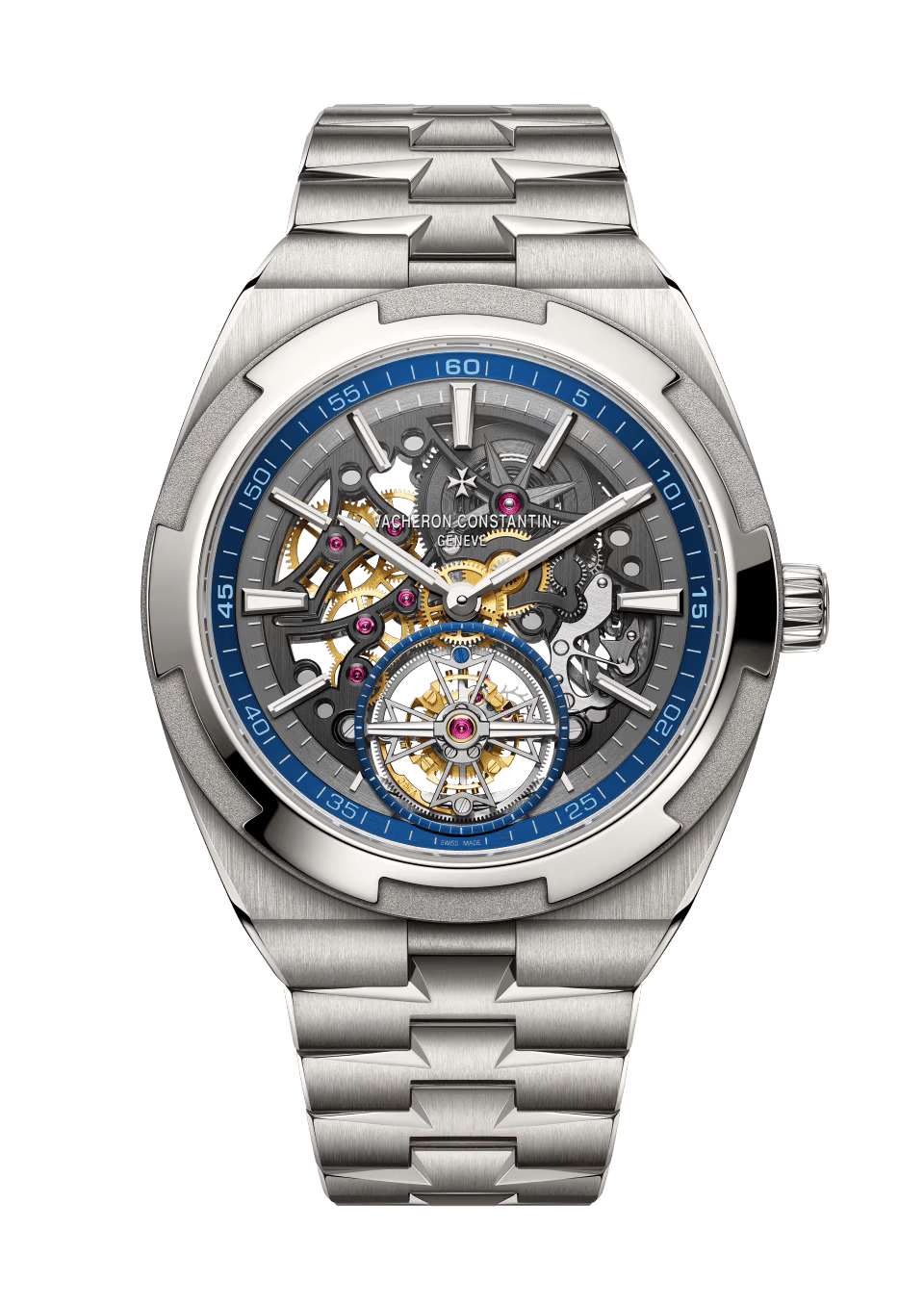
How we perceive luxury today is different than a few decades ago. A more active lifestyle and embracing materials other than gold and platinum as precious have also resulted in a new wave of skeleton watches. Vacheron Constantin shows with the Overseas Tourbillon Skeleton how the past and present can be linked. This watch is in every way a classic Vacheron Constantin. Its movement, Caliber 2160 SQ, is fitted with a tourbillon, offers an 80-hour power reserve, and is certified with the Geneva Seal. Being an Overseas means it is already one of the sportiest offerings from the brand, which also crafted the case and bracelet from titanium. The traditional skeleton movement gets a new dimension by giving it a NAC treatment, which results in an anthracite gray hue. The result is a contemporary skeleton watch that makes no concessions to the rich heritage of Vacheron Constantin.
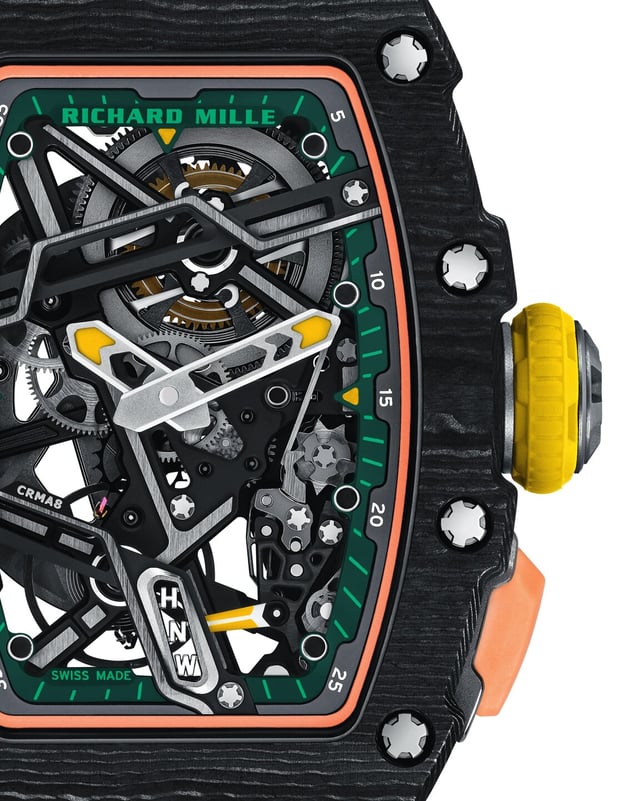
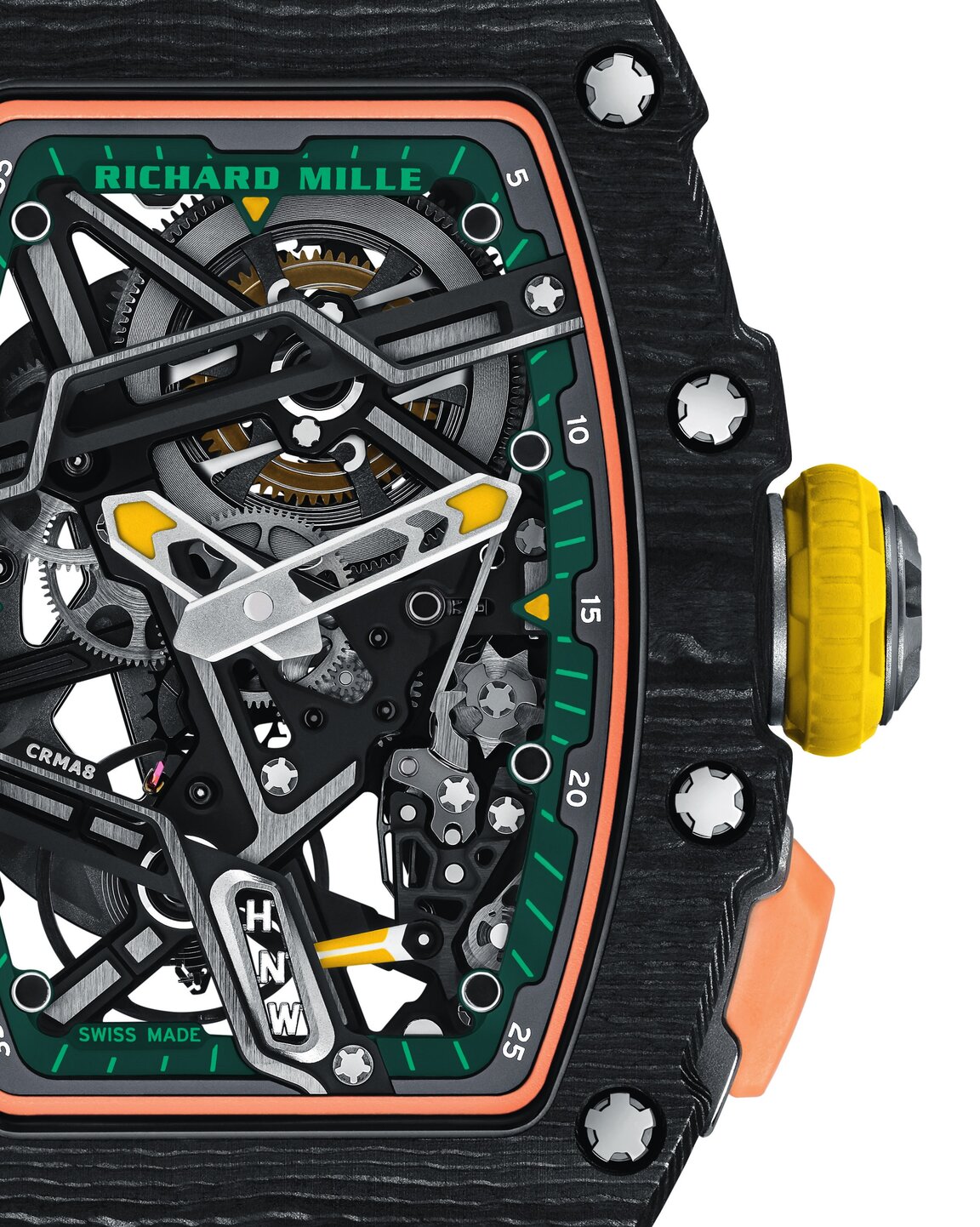
Vacheron Constantin is not the only brand that offers a modern take on skeleton watches. For some brands, this sort of movement has even become a way of life, like Richard Mille. Take the RM 07-04, an automatic sports watch with Caliber CRMA, whose bridges are decorated so that they look like an abstract work of art. Richard Mille also ends the assumption that skeleton watches are fragile. The best illustration of this is the RM 53-01, a watch with a tourbillon created in 2018 for Polo champion Pablo Mac Donough. This skeleton caliber is suspended by cables for superb shock resistance, giving the movement the look of an architectural bridge rather than a skeleton movement. This makes for perhaps the ultimate example of how with skeleton watches, less is more.
Skeleton watches show just how diverse open-worked mechanics can be in 2026: sporty, ultra-thin, boldly colorful, or highly complicated. Our selection ranges from the accessible Ba111od to highly exclusive creations from Hublot, Hermès, and H. Moser & Cie.
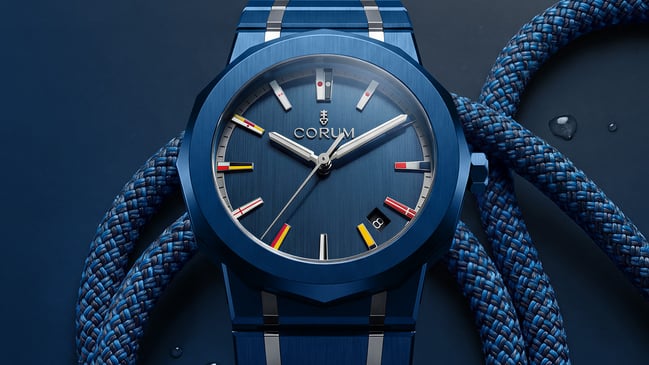
The latest fleet in the Admiral’s ongoing redesign brings ceramic to Corum's nautical icon for the first time, with three distinct executions ranging from titanium blue and 5N gold to an anthracite skeletonized version.
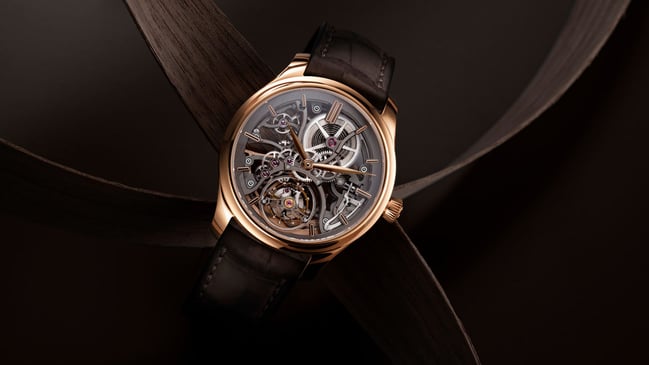
Parmigiani Fleurier marries a rose-gold case and bracelet with a Milano Blue skeletonized movement, creating a refined interplay of color, light and mechanical architecture.