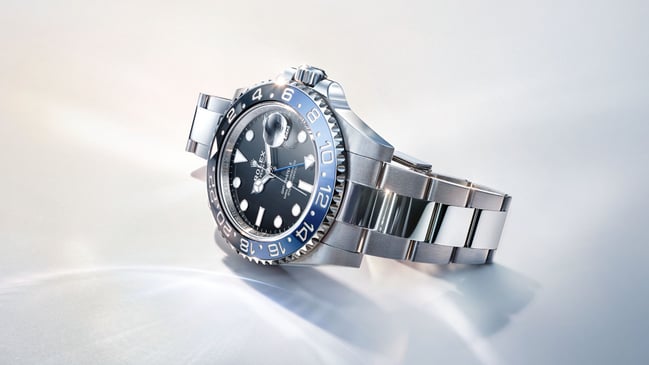
Old is not enough: What really matters when buying a vintage luxury watch
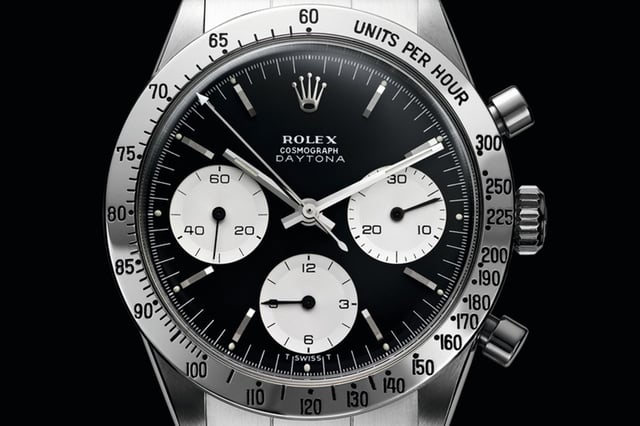
The vintage market has fundamentally changed. What was once considered a niche for insiders has now become a globally connected, largely transparent segment. Prices are documented, references cataloged, and comparative values available at any time. And yet, access has not become easier — quite the opposite. While average watches remain widely available, true quality is recognized more quickly, traded more selectively, and valued accordingly higher. Vintage watches today are not an alternative to the new market but an independent field with its own distinct rules. Those who operate here are not chasing current trends, but are searching for genuine treasures.
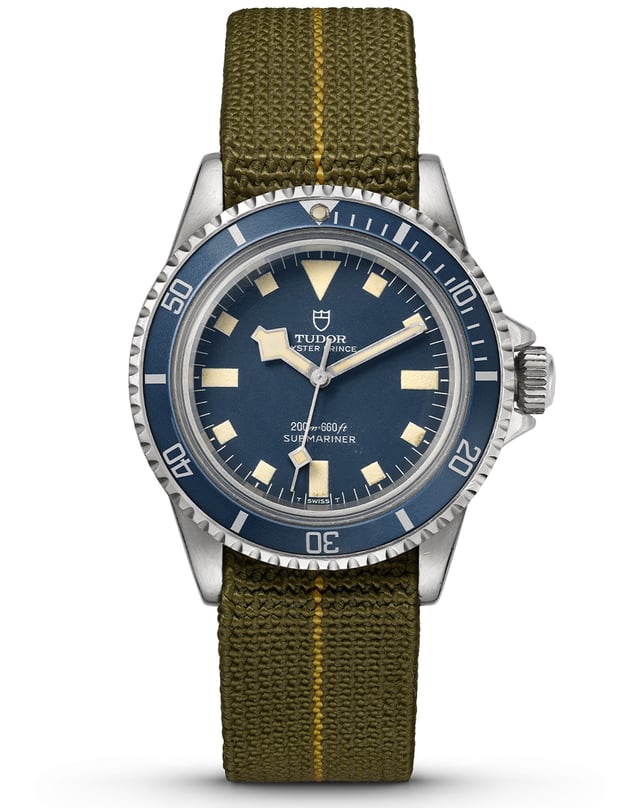
Vintage Tudor Submariner
Tudor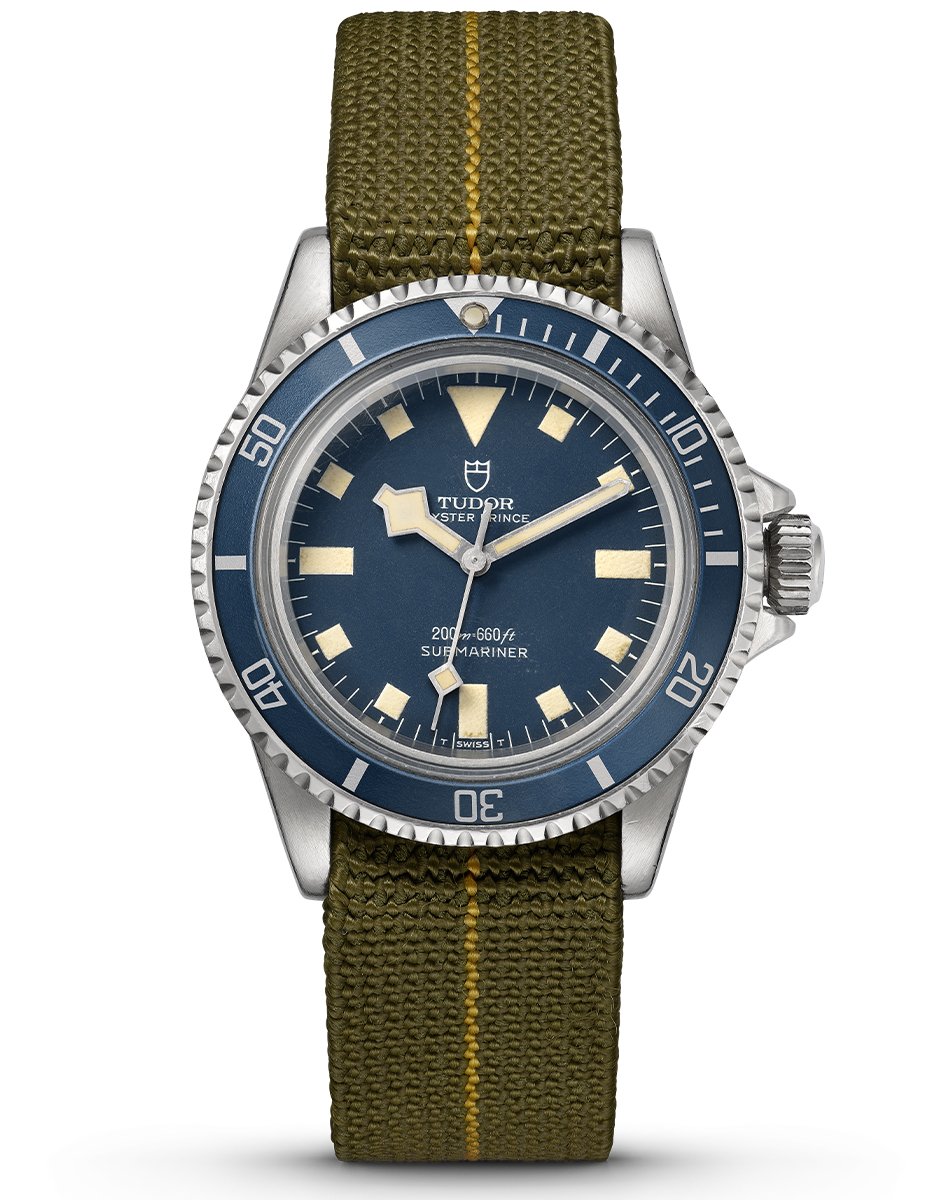
Quality, Originality, and Configuration
At the center of every evaluation stand three factors: condition, originality, and configuration. They determine not only the market value, but above all the relevance of a vintage piece. Condition is far more than a matter of appearance. It describes the physical integrity of the watch. Sharp edges, a clearly defined case shape, and authentically finished surfaces are reliable indicators of strong preservation. This aspect is of particular importance, especially for sport models that have been worn regularly for decades. Once lost geometry can only be restored with considerable effort and usually only to a limited extent.
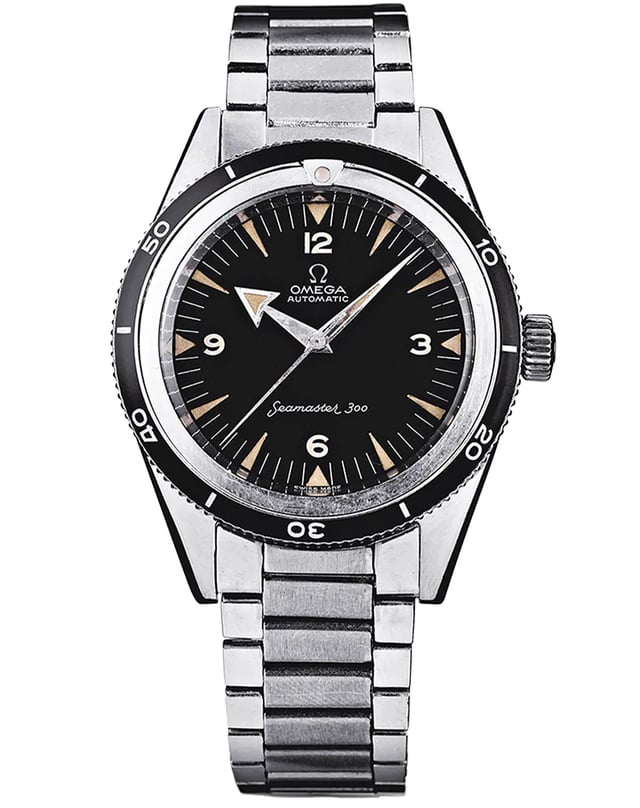
Vintage Omega Seamaster 300
Omega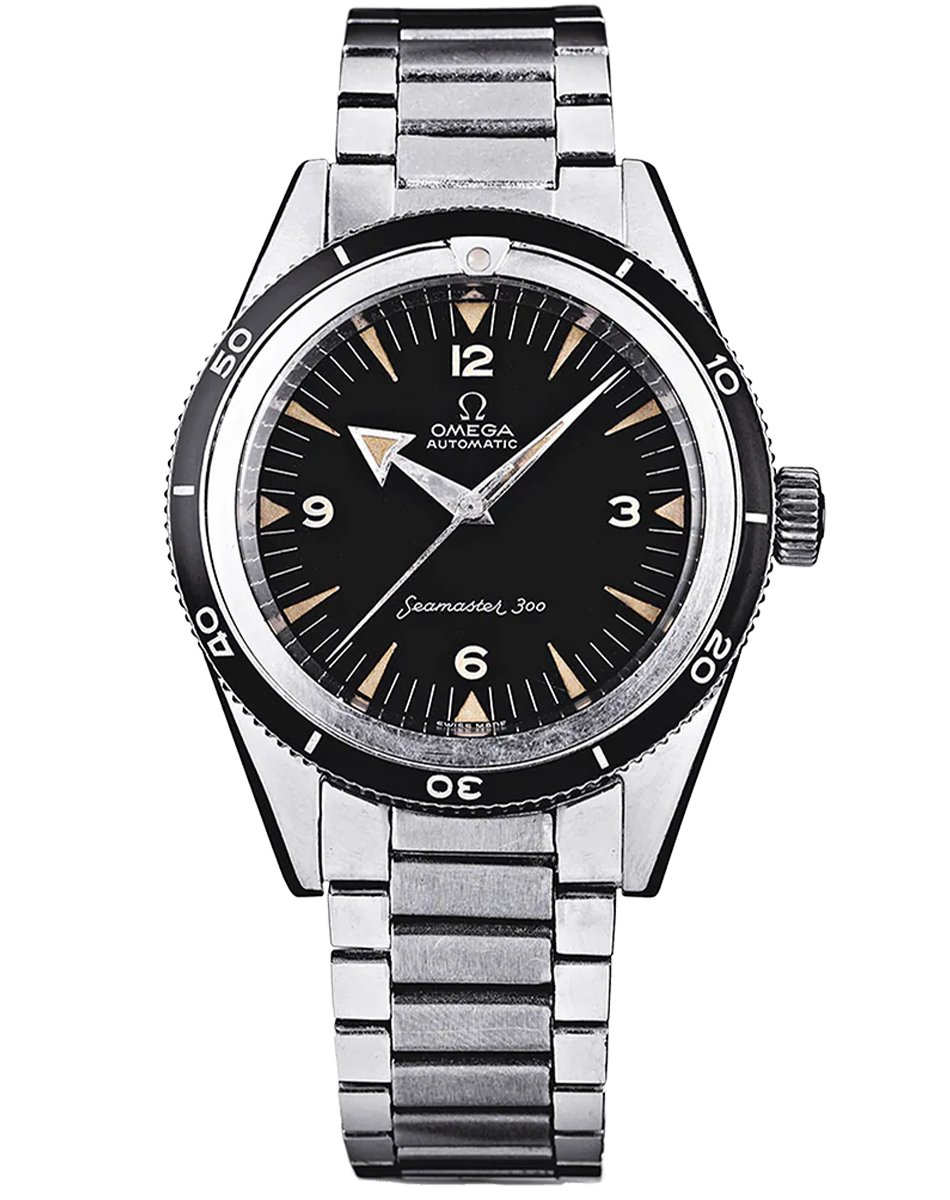
Originality is equally important. It concerns the consistency of the installed components with the watch`s delivery condition. Dials, hands, and bezels play a crucial part in the identity of a watch. Alterations to these elements not only change the aesthetics but also the historical statement. An original dial with even aging and matching hands therefore possesses a quality that cannot be recreated.
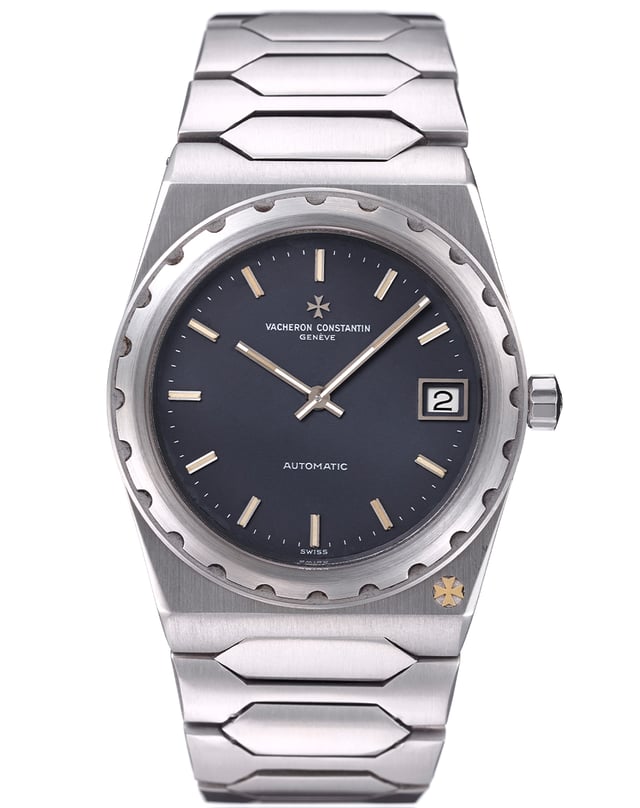
Vintage Vacheron Constantin 222
Vacheron Constantin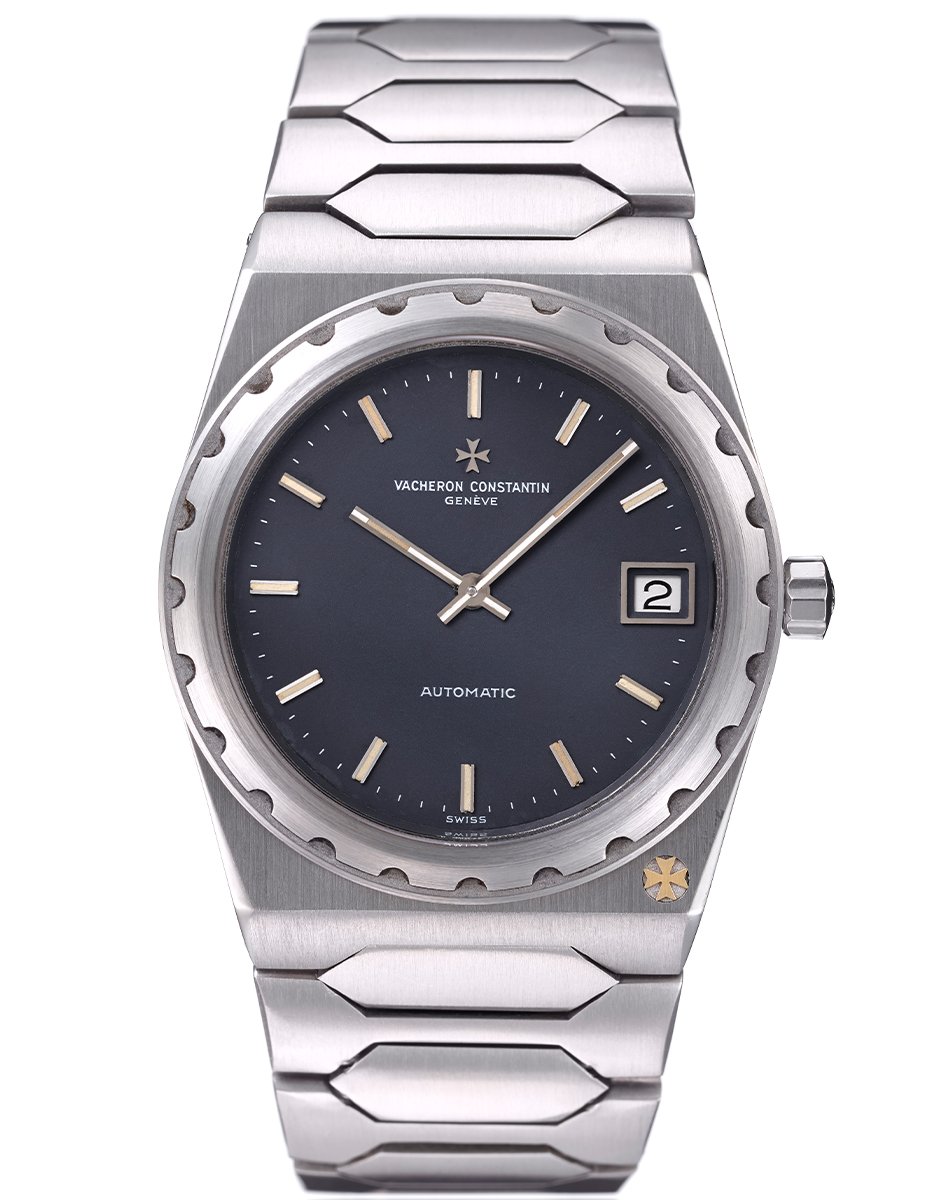
Configuration, finally, refers to the specific execution of the watch. Differences often emerge in the details: certain dial-print variations, transitional references, or rare combinations of features and materials. These are the characteristics that create differentiation within a model and elevate a watch beyond its reference number.
Brand landscape and reference culture
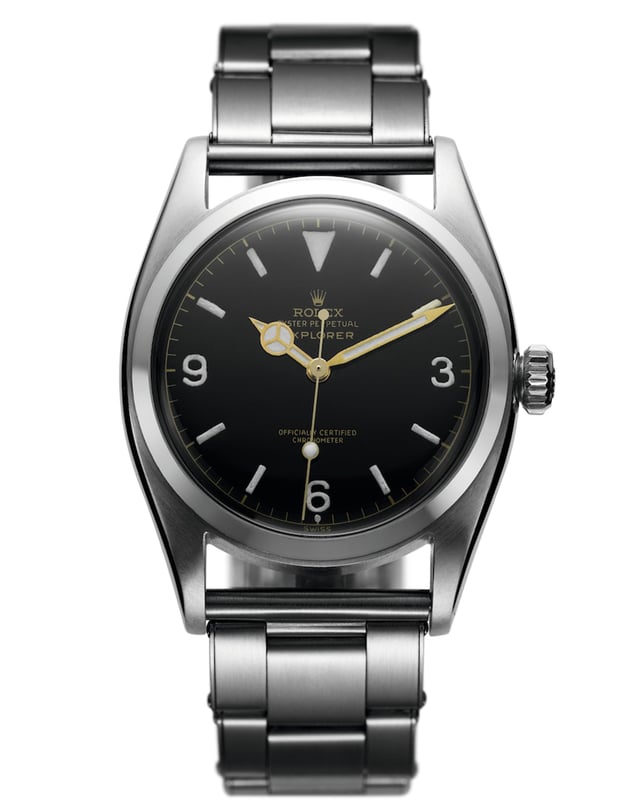
Vintage Rolex Explorer
Rolex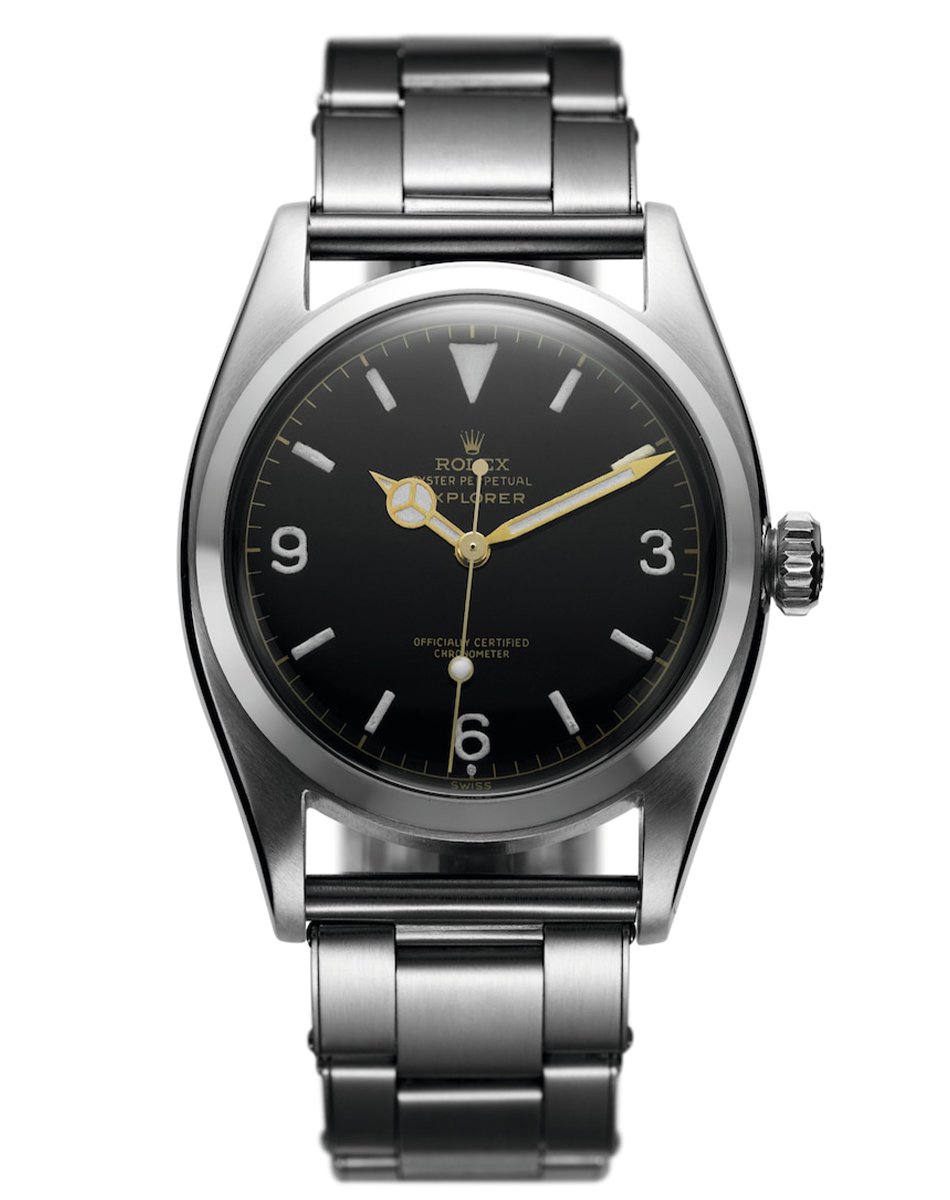
Rolex
Rolex occupies a category of its own within the vintage segment. The combination of clearly structured references, comparatively comprehensive documentation, and decades of stable demand has created a level of market transparency that remains unusual even within the luxury watch industry. Models such as the Submariner 5513 or 1680, the GMT-Master 1675 or classic Datejust references have become established benchmarks against which prices, conditions, and overall market developments can be measured. A key reason lies in the brand's continuity. Rolex evolved many of its icons over long periods. This means that differences often do not become apparent at first glance but lie in the details: dial variants, hand sets, bezel inserts, or subtle changes in typography and luminous material determine whether a watch is considered ordinary or highly collectible. References such as the Submariner 1680 with the so-called "Red Sub" inscription or early "gilt dial" variants of the 5513 demonstrate how fine nuances can influence market value.
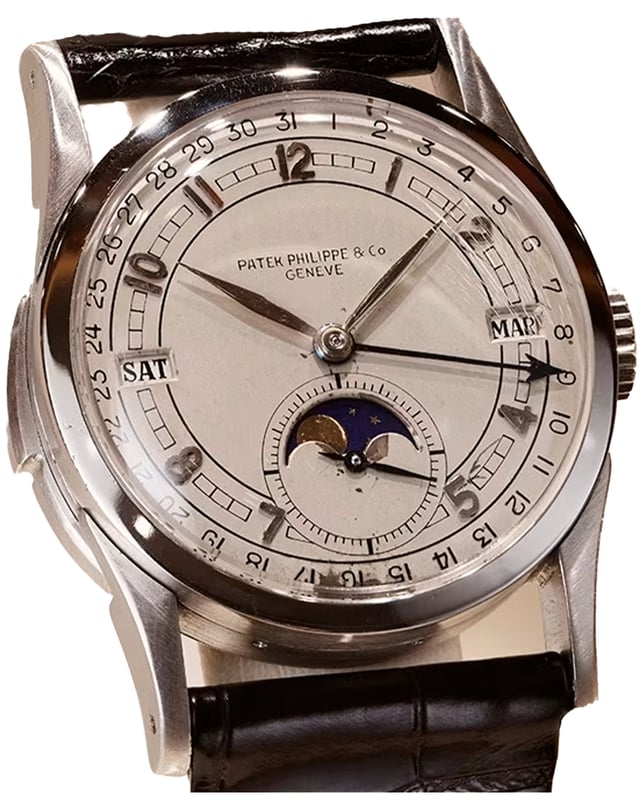
Vintage platinum one-of-a-kind with minute repeater, perpetual calendar, and moon phase by Patek Philippe
Patek Philippe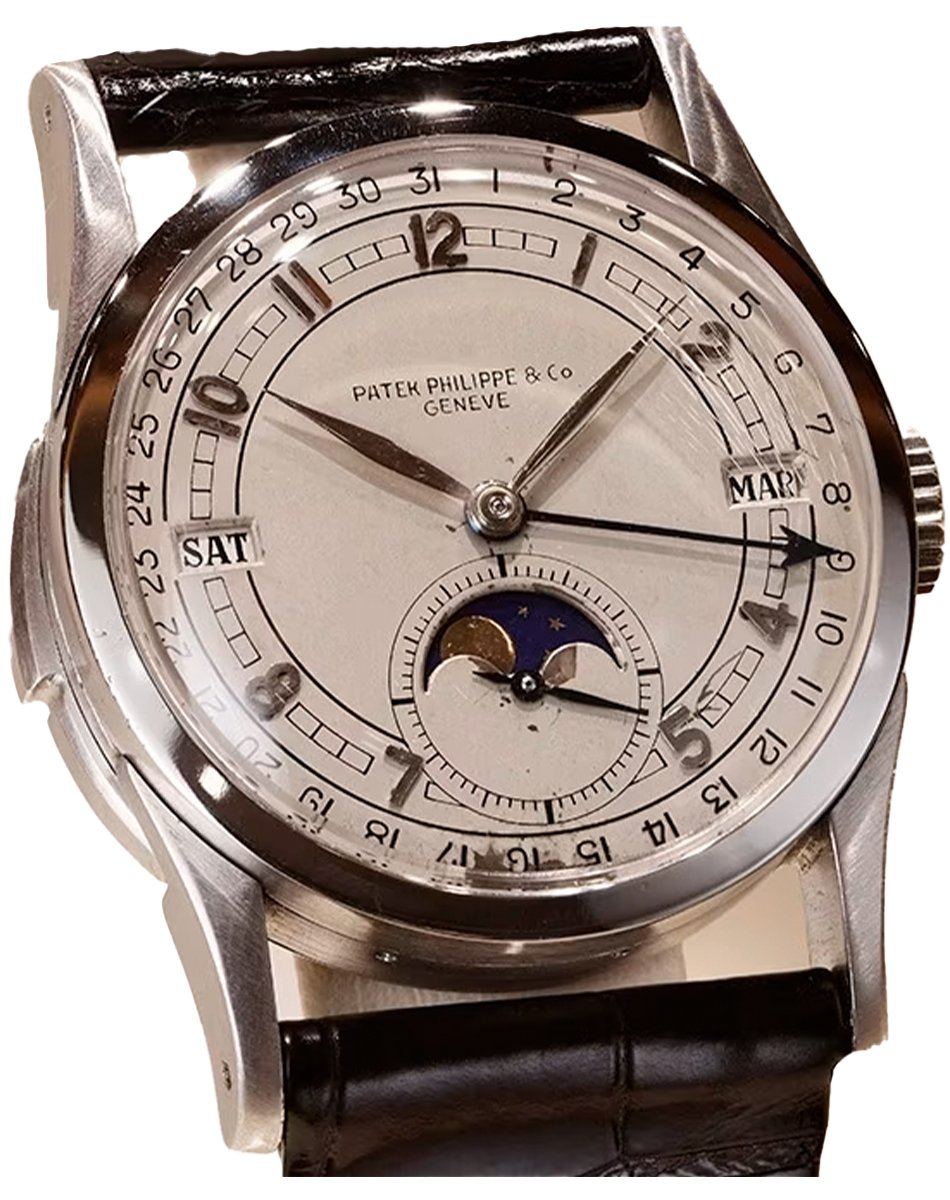
Patek Philippe
In the vintage sphere, Patek Philippe largely escapes standardized evaluation criteria. While other brands often remain comparable through references, the market here is significantly more fragmented, and pricing is more influenced by the individual characteristics of each piece. Models such as Calatrava references from the 1930s to the 1950s or early highly complicated watches including perpetual calendars or chronographs, illustrate how sensitively the market reacts to details. The crucial factor is not only the reference but its specific execution. Dials can vary significantly, even within identical references: different signatures, enamel or lacquer surfaces, original versus later-restored printing. In addition, there are case variants that were often made by external case makers, which may differ in proportions, material, and finishing. This dynamic makes the market demanding, yet particularly compelling.
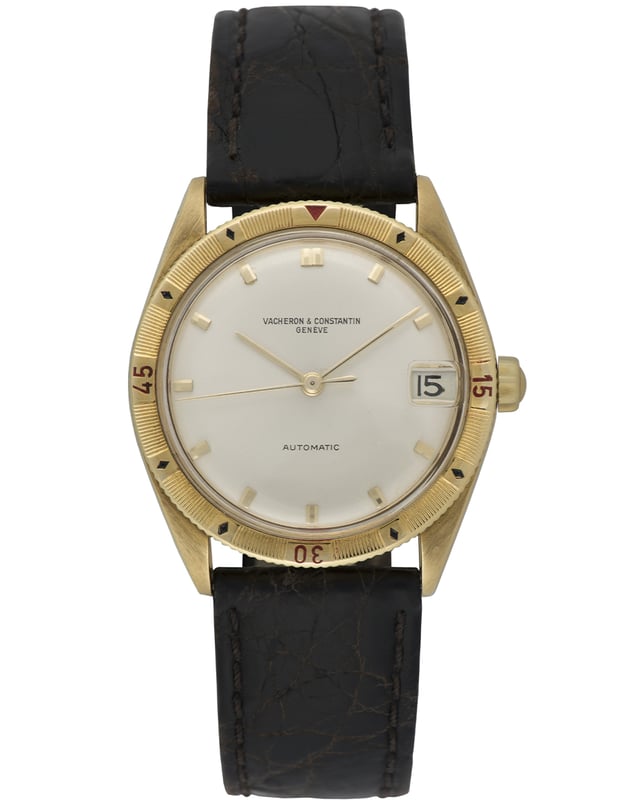
Vintage dress watch by Vacheron Constantin
Vacheron Constantin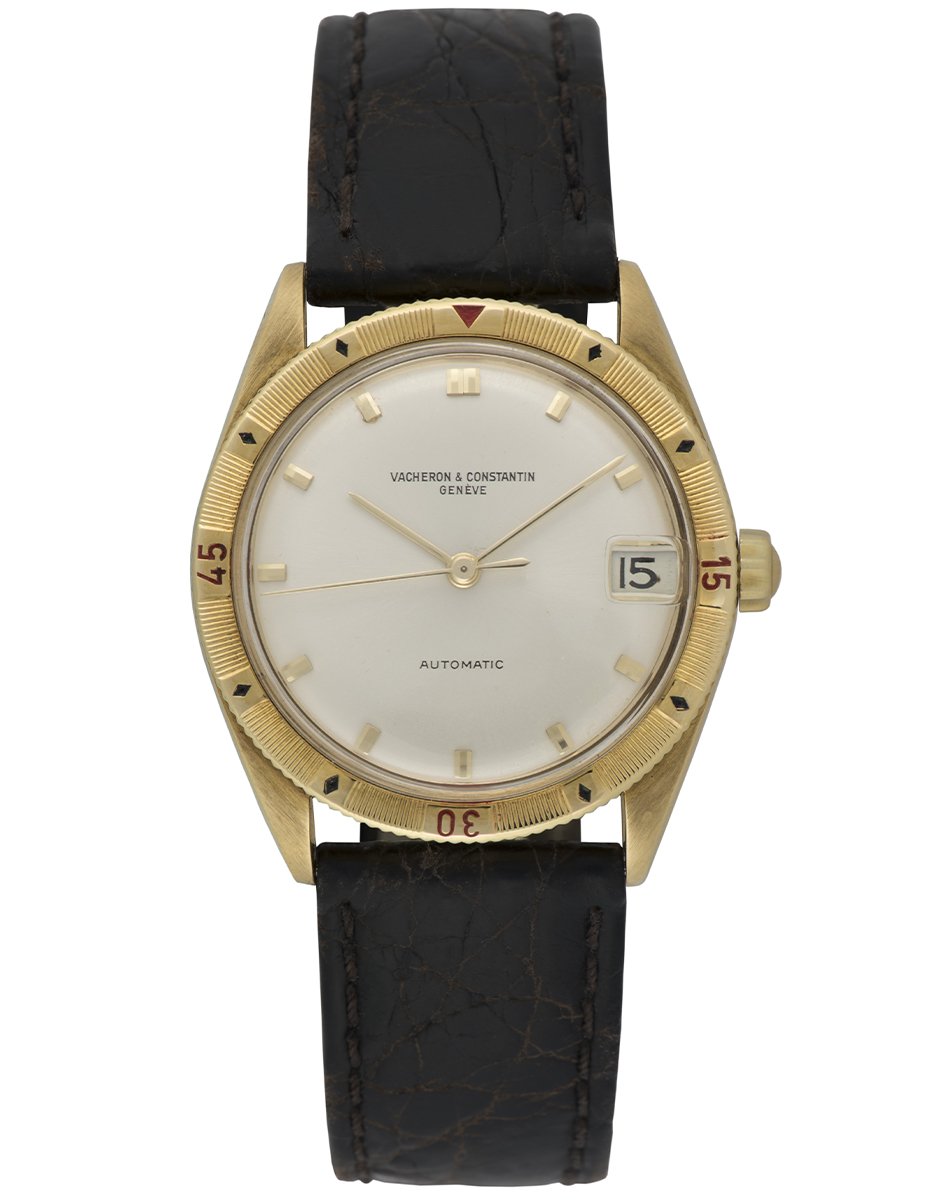
Vacheron Constantin
Vacheron Constantin demonstrates remarkable consistency within the vintage market. The manufacture stands out through a continuous design and craftsmanship line, especially in the field of classic dress watches from the 1940s to 1960s. These watches are characterized by a minimalist design language, revealed through clear dials, finely proportioned cases, and remarkable detail depth. Characteristic features include elaborately designed lugs, different case shapes, and a wide variety of dial variants. Technically, these models are on par with the design quality.
Many movements bear the Geneva Seal. The brand's watchmaking competence is particularly evident in its ultra-thin calibers. The market for vintage Vacheron remains relatively reserved and less exposed than that of Rolex or Patek Philippe. The pricing tends to develop more moderately, often without the speculative fluctuations of other segments. This creates an environment in which high-quality pieces are sometimes traded below their actual horological and historical value. At the same time, this lower market liquidity brings a different dynamic. Watches are not always quickly tradable, comparative benchmarks are less clearly defined, and good pieces require a targeted search.
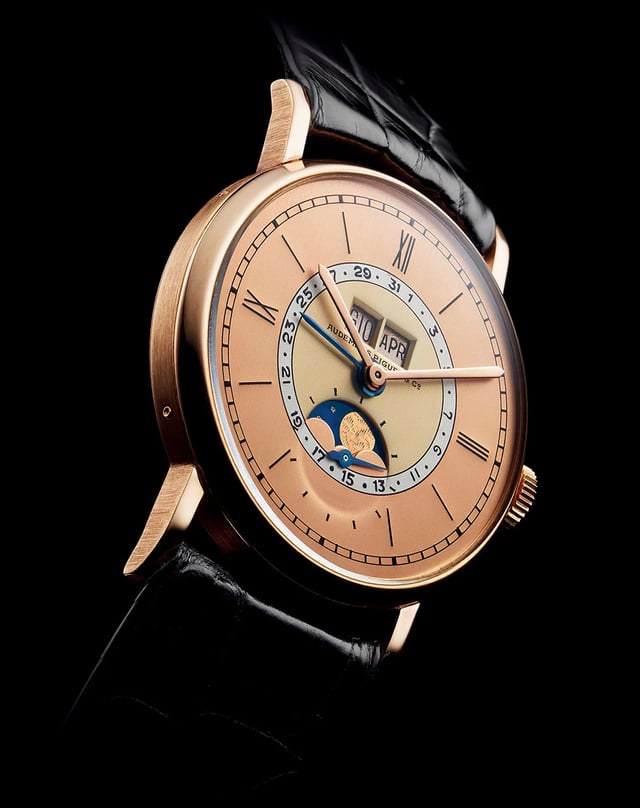
Vintage calendar watch from Audemars Piguet
Audemars Piguet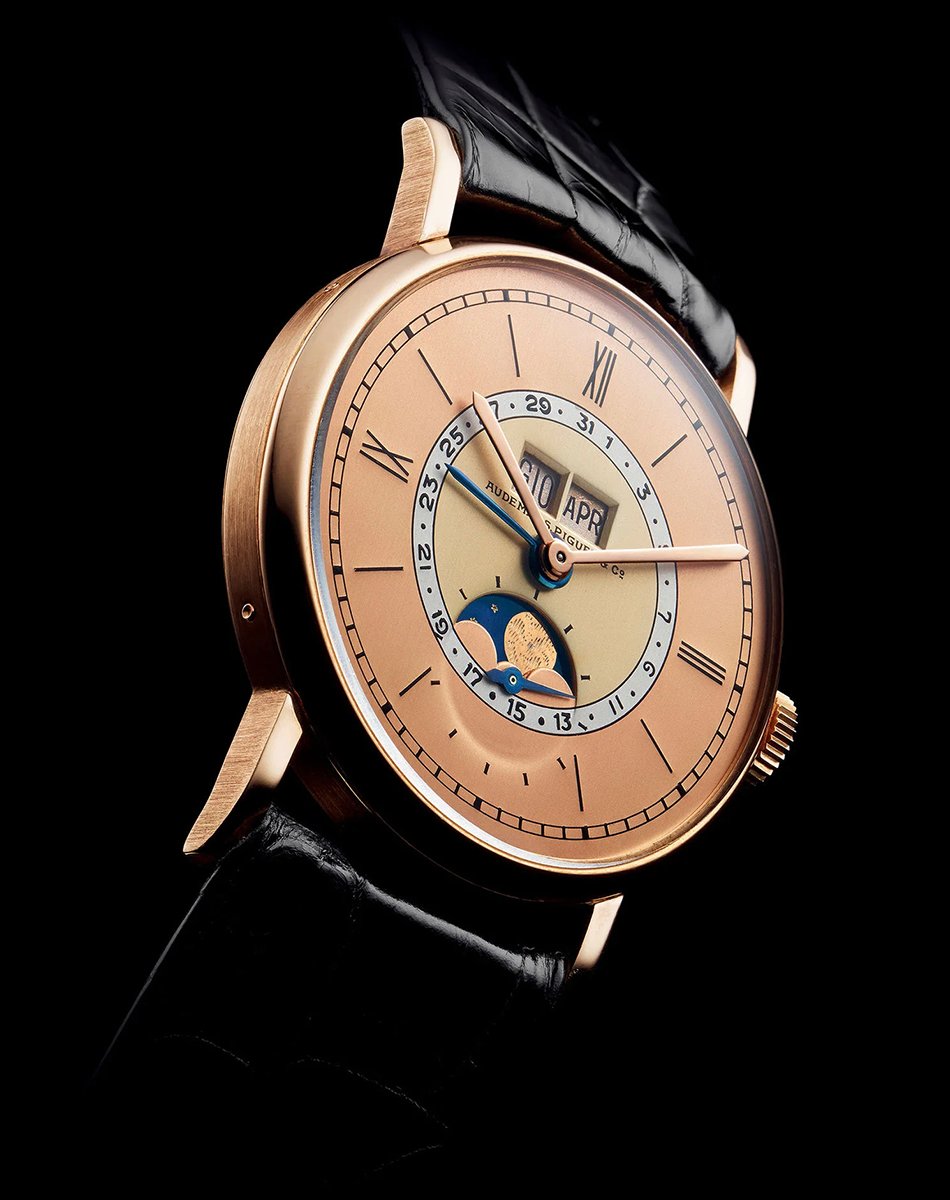
Audemars Piguet
Audemars Piguet is still largely defined by the Royal Oak in public perception. However, this focus often obscures a far more nuanced picture, especially in the vintage segment, where the true substance of the brand often unfolds beyond this icon. Ultra-thin models from the 1950s through the 1970s, in particular, demonstrate the level at which Audemars Piguet was already operating at an early stage. Movements such as the caliber 2003, one of the thinnest hand-wound movements of its era, or later the legendary automatic caliber 2120, developed in collaboration with LeCoultre & Cie and Vacheron Constantin, exemplify a technical philosophy aimed less at complexity than at constructive elegance. These calibers were characterized by elaborate finishing and remarkable smoothness. Aesthetic consistency is equally evident in these models. Slim cases, often crafted in yellow or white gold, finely proportioned lugs, and minimalist dials define their appearance. The market has so far only partially reflected this quality. While iconic sports models achieve high attention and corresponding price levels, many of these dress watches continue to operate in a comparatively moderate segment.
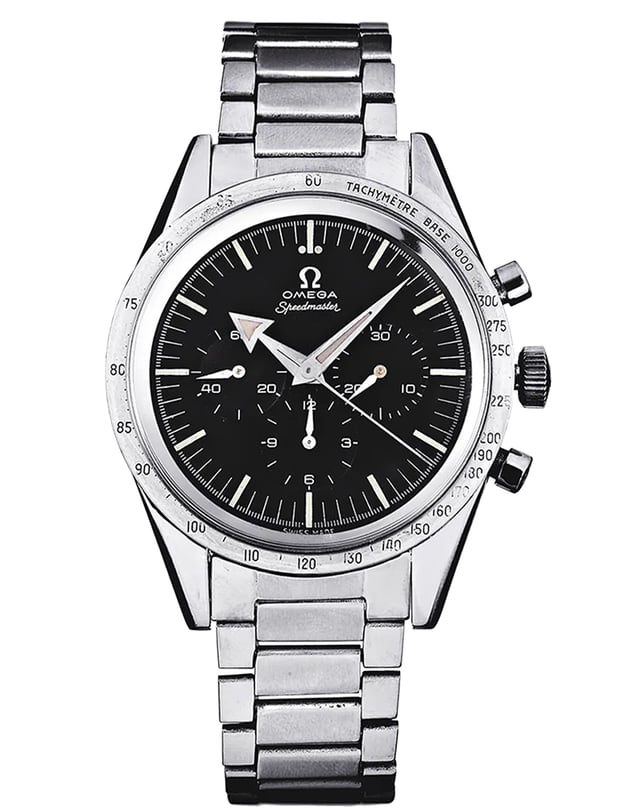
Vintage Omega Speedmaster
Omega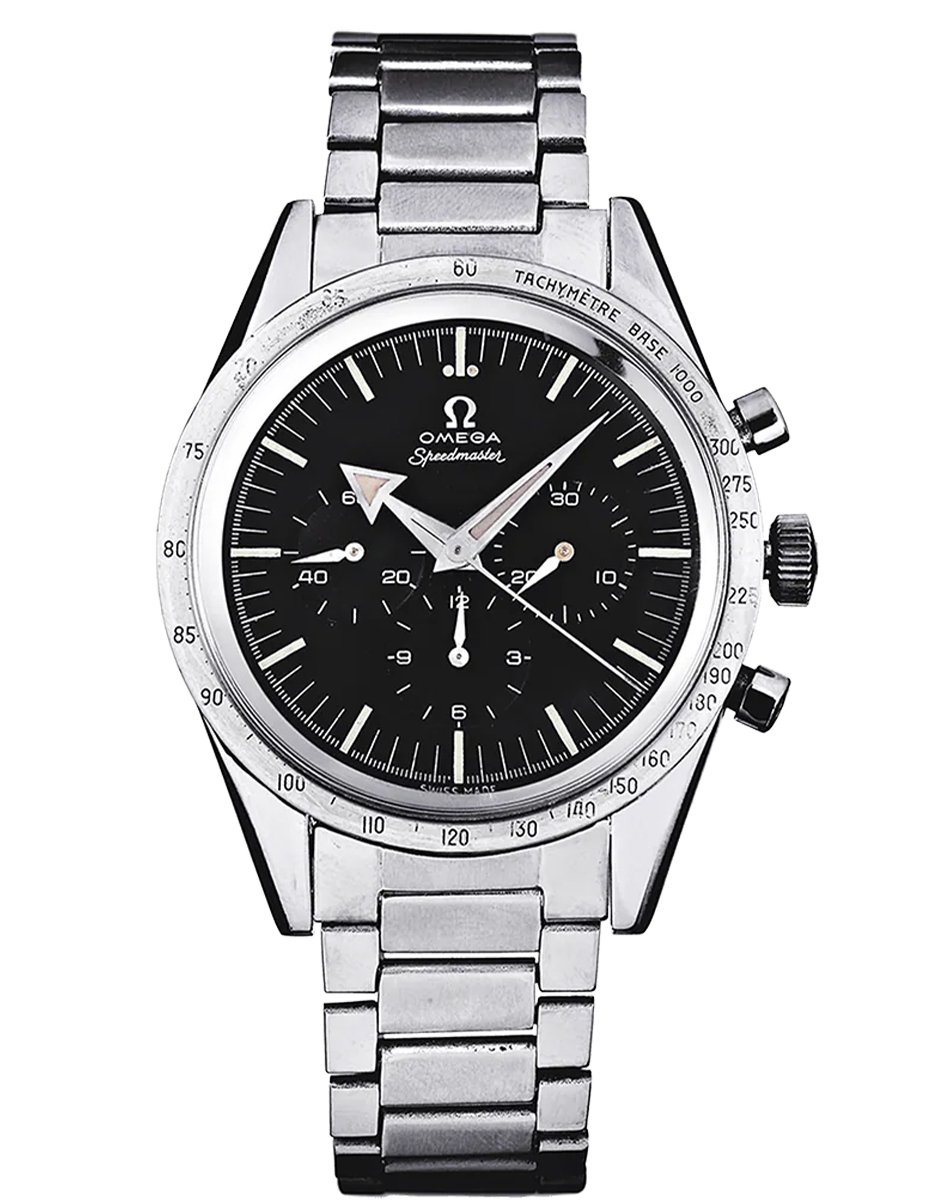
Omega
The broadest and at the same time most accessible entry into the vintage segment can be found at Omega. Few brands offer a comparable variety of models, references, and production periods. The range extends from robust sports watches to elegant dress watches, providing a large selection, but also making the market more demanding. Especially among widely produced references, such as Seamaster variants from the 1960s or Constellation models, the variation is enormous. Differences in condition, originality of components, or later modifications often become apparent only upon closer inspection, yet they have a significant impact on valuation. Replacement dials, retrofitted hands, or refinsihed cases are not uncommon within the Omega vintage market. Additionally, Omega historically worked with a large number of external suppliers, particularly for cases and dials. As a result, numerous variants exist within a reference that are not always clearly documented. This diversity increases complexity but at the same time opens up a wide field for specialization and deeper understanding. The value of a vintage Omega is therefore determined less by its rarity than by integrity.
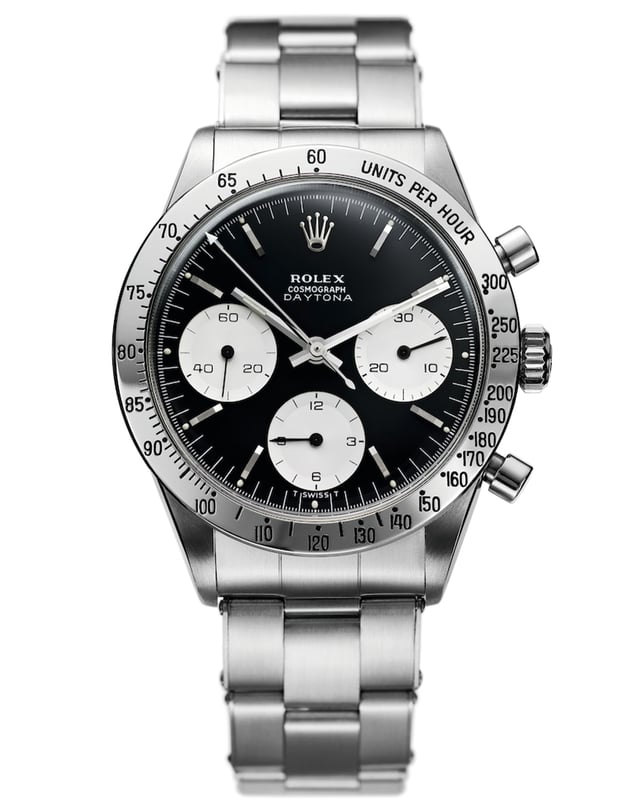
Vintage Rolex Cosmograph Daytona
Rolex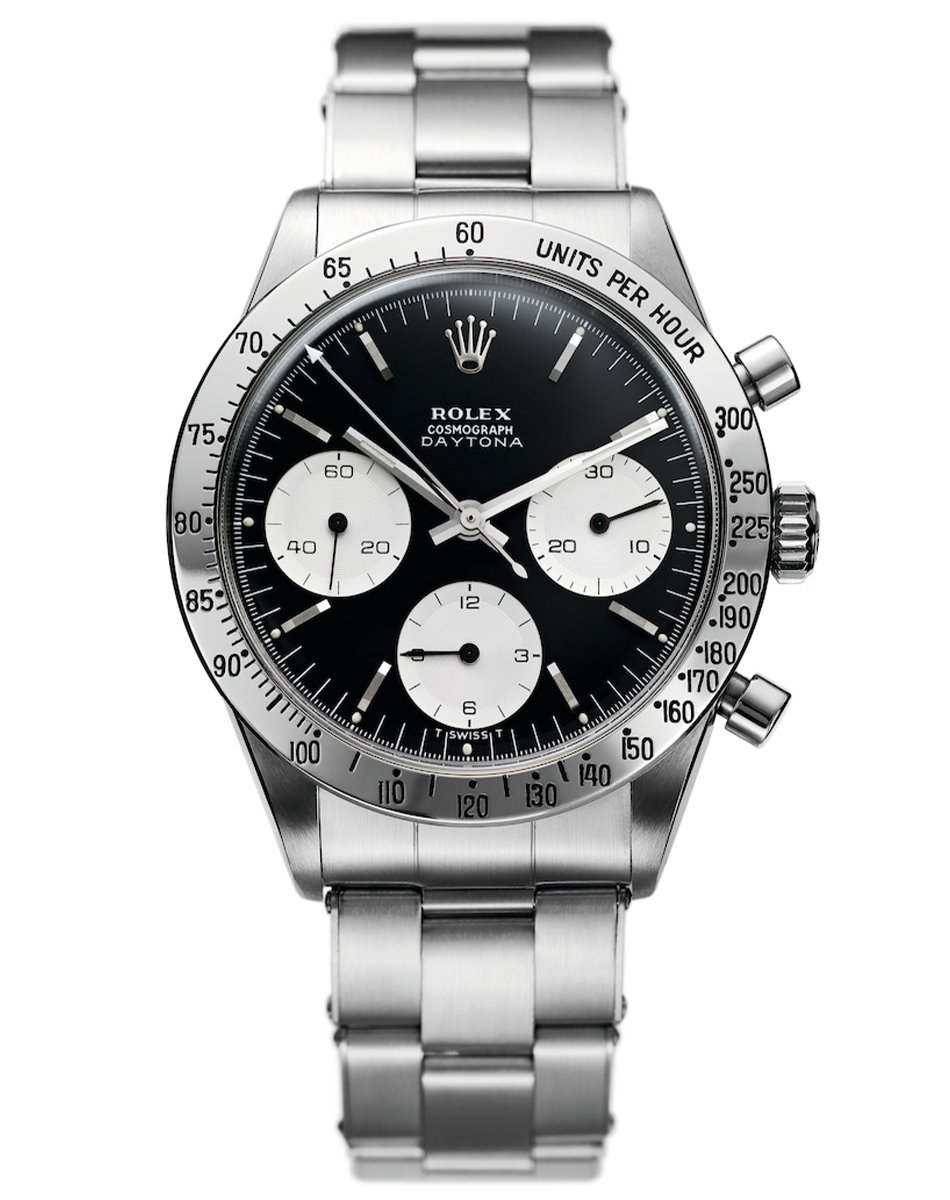
Price Structure and Market Logic
Pricing in the vintage market does not follow a linear logic. Unlike the new-watch market, where prices are shaped strongly by positioning, materials, and brand hierarchies, the value of historical watches arises from the interplay of supply, demand, and especially individual quality. In the range between 2,000 and 5,000 US-Dollars, one frequently encounters watches with surprisingly substantial substance. Brands such as Omega or Universal Genève offer access to solid watchmaking with historical relevance here. Models such as the Polerouter or classic Seamaster references show that quality does not necessarily require a high point of entry prices. Between 5,000 and 16,000 US-Dollars lies the segment in which established classics begin to appear. This is where the first relevant Rolex models as well as high-quality dress watches from other traditional manufacturers can be found. Beyond this threshold, the market becomes significantly more selective. The price structure is determined by rare references, exceptionally well-preserved examples, and specific configurations. Factors such as original dials with even aging, unpolished cases, or rare variants can multiply the value of a watch. At the same time, availability decreases, while demand from experienced collectors increases.
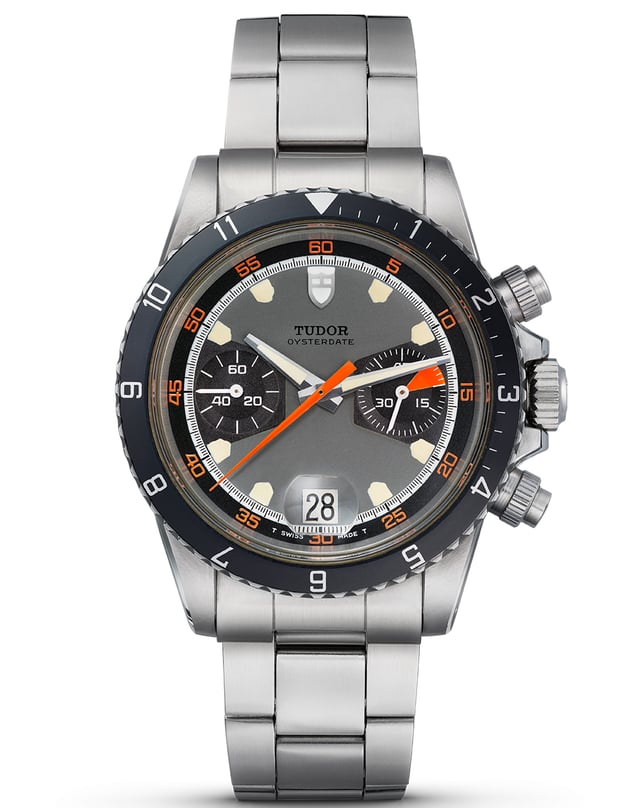
Vintage chronograph by Tudor
Tudor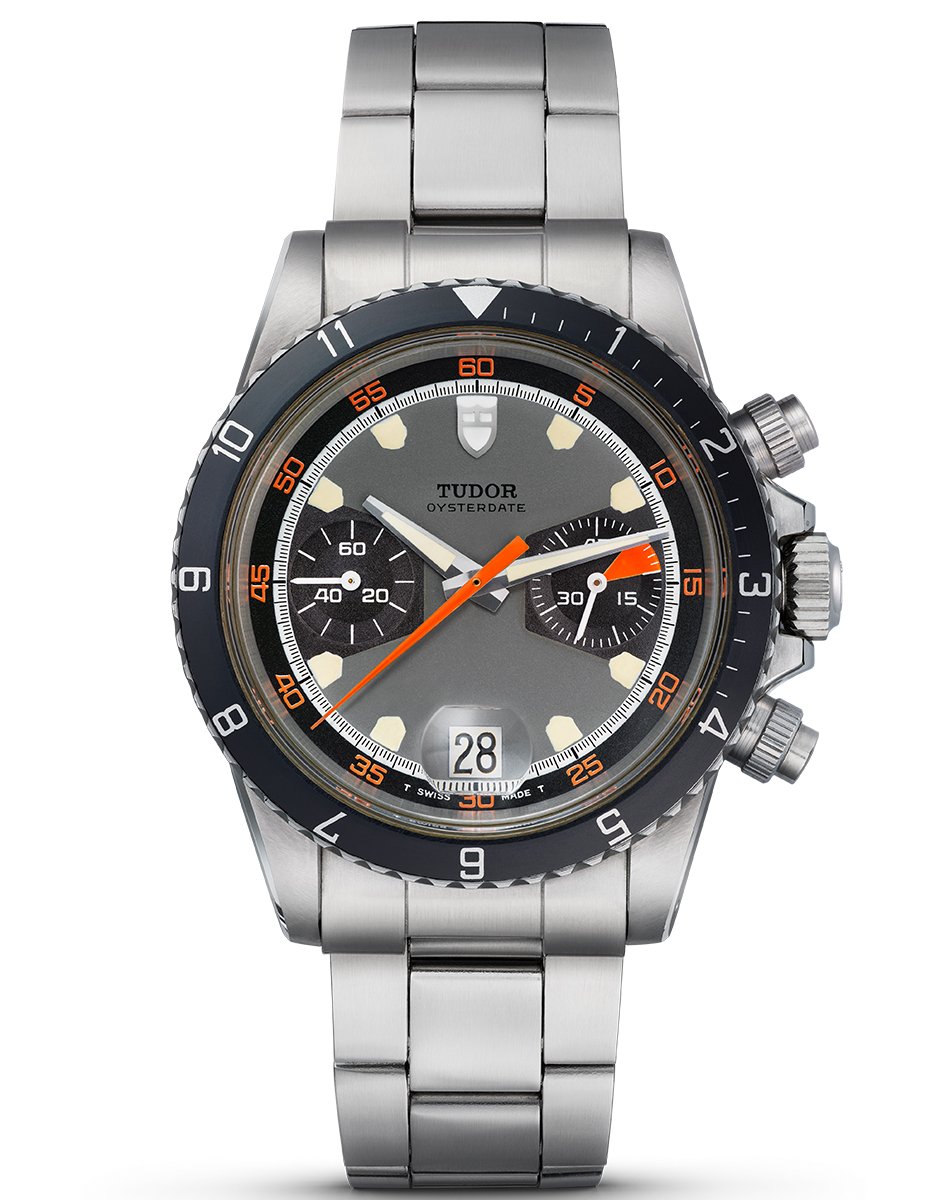
Buying Practice – Ten Rules as a Guideline
#1 Quality should always take precedence over opportunity. A single, coherent piece with convincing substance will always be more relevant in the long term than multiple watches, each of which compromises on condition or originality.
#2 Originality is the central value of any vintage watch. Interventions in the dial, hands, or other defining components not only change the appearance but also the historical integrity. A watch tells its story through its details, and any subsequent change weakens this statement.
#3 The condition is only partially and with great effort correctable. While a movement can be revised, an over-polished case often remains permanently altered. Sharp edges, defined bevels, and clear geometry are therefore central quality features that should take priority in the evaluation.
#4 Reference knowledge is indispensable. Many differences that determine value and significance are hardly visible at first glance. Printing variants, hand shapes, or minimal deviations in layout can be decisive. Those who do not know these details can quickly be misled.
#5 Terms like "unpolished," "rare," or "collector's piece" should be critically questioned. They are often not precisely defined and are not used consistently in the market. What matters is not the description but the actual appearance of the watch.
#6 Accessories like box and papers play a subordinate role in the vintage sector. While for modern watches it is an important criterion, in historical pieces the substance of the watch itself is the decisive factor. A complete set can be interesting, but it does not in any way replace the condition.
#7 Service costs should be an integral part of the evaluation. While many Rolex models are comparatively easy and inexpensive to maintain, watches from other brands may require significantly higher expenses. These differences significantly influence the long-term attractiveness of a watch.
#8 The choice of source is a decisive factor. In the vintage market, a dealer's reputation often replaces formal guarantees. Trust is built over time and experience and is often worth more than an allegedly low price.
#9 Patience is a strategic advantage. The best pieces are rare and do not appear at regular intervals. Those who are willing to wait and buy selectively will be rewarded with significantly better watches in the long run.
#10 And finally, personal conviction remains crucial. The market is subject to fluctuations, and trends change. A watch that convinces in its substance retains its value regardless of short-term developments.
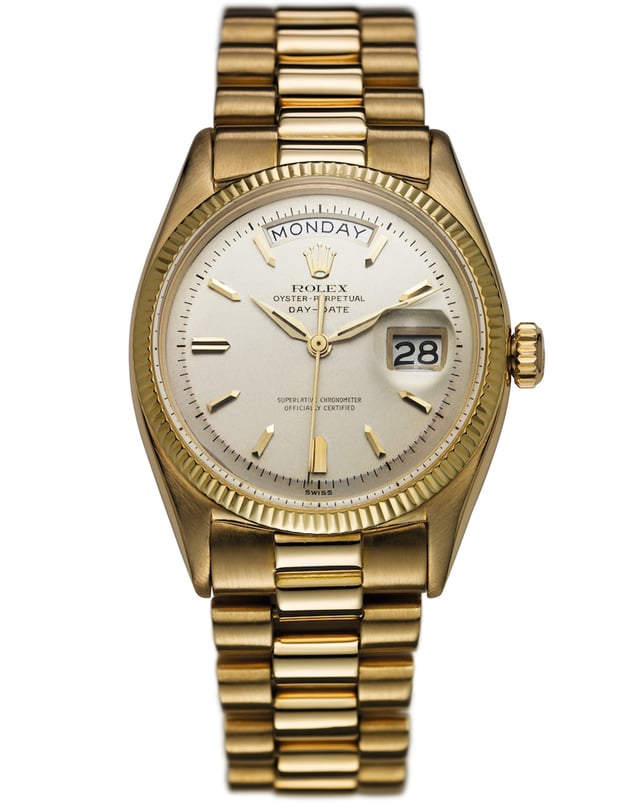
Vintage Rolex Day-Date
Rolex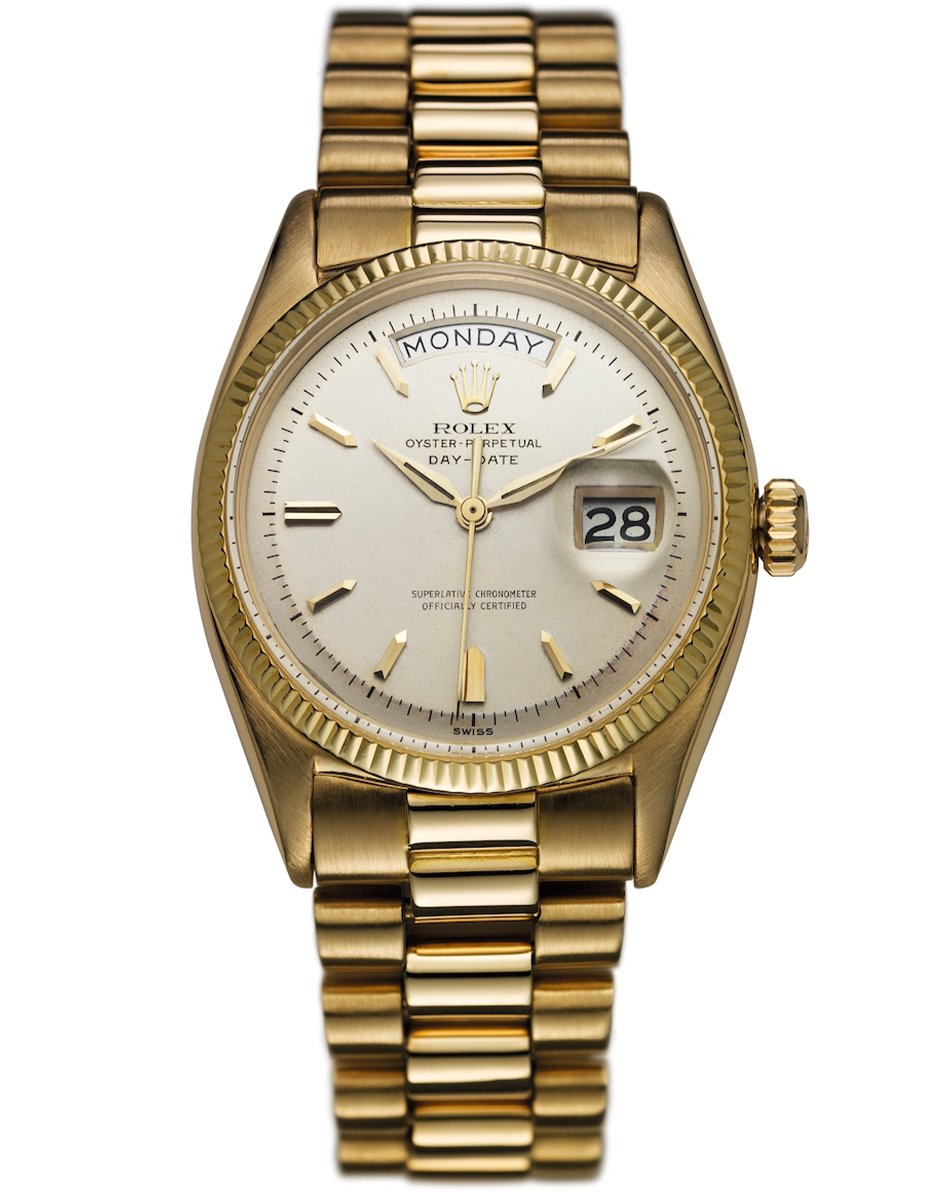
Sources and Trust Structure
Access to high-quality vintage watches takes place through various channels, each with its own dynamics, opportunities, and risks. There is no universally "best" source; what matters is how well buyers can understand and navigate the particular structure. Specialized dealers represent the first and most reliable access point for many collectors. They offer verified goods, curated selection, and above all, expertise in evaluating condition and originality. This knowledge advantage comes at a prize: watches here are generally sold with a markup that reflects the dealer's expertise, procurement, and risk. In return, buyers experience significantly reduced uncertainty.
Auctions represent another form of market access. Houses like Phillips, Christie's, or Sotheby's have significantly shaped and professionalized the vintage market in recent years. They offer access to rare and occasionally exceptional pieces that rarely appear on the open market. However, they also require a high degree of personal responsibility. Condition reports are not always complete, and bidding dynamics can quickly drive prices into regions that can no longer be explained solely by market dynamics. Without thorough preparation and on-site inspection, purchasing here becomes a calculated risk.
Private networks, finally, are the most discreet and often the most exciting source. Many of the best watches change hands without ever being publicly offered. Such transactions are based on personal relationships, trust, and long-term exchanges between collectors, dealers, and specialists. Access to these networks develops over years and requires not only expertise but also reputation.
Regardless of the chosen channel, the quality of the source is an integral part of the purchase decision. A watch should never be considered separately from its provenance. Who offers it, how it is documented, and under what circumstances it is traded not only influence the price but also the security and long-term value sustainability of the investment.
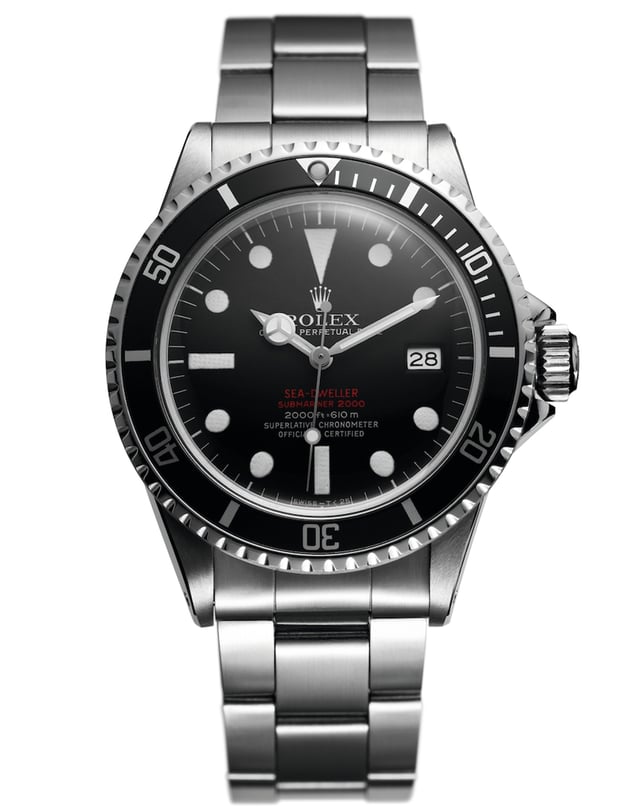
Vintage Rolex Sea-Dweller
Rolex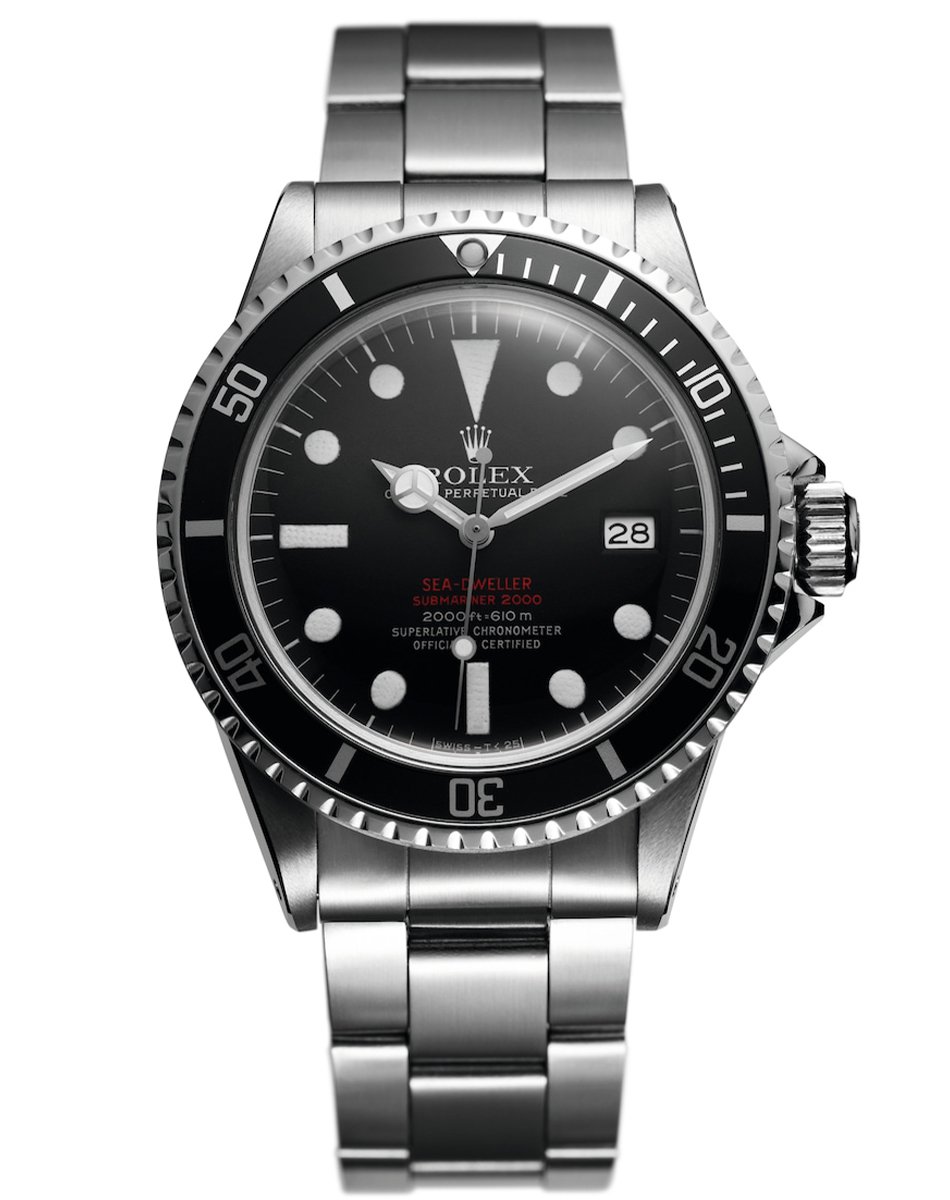
Conclusion
Today, the vintage market is no longer a field for accidental discoveries, but an area that requires understanding, patience, and precision. Those who bring these prerequisites will find watches that escape the fast cycle of the new market, tell stories, and can no longer be found today.