Traveling Along the Horological Silk Road Between Switzerland and China
How outsourcing the production of components for Swiss watch brands has influenced China’s own watch industry
It is often said that the best brand that the Swiss ever created was for themselves. As a result, the label “Swiss Made” has become much more than a country-of-origin indication and is regarded worldwide both as a seal of approval and a guarantee for outstanding quality, especially in the world of watches. Needless to say, while clever marketing certainly has played a role in making this stick in the minds of generations of watch enthusiasts, this achievement would not have been possible without decades of producing watches worthy of their reputation for being exceptional in quality. This makes the Swiss-made label extremely valuable, in fact, so valuable that the Swiss government created a law more than 50 years ago to regulate and protect the use of it. (Various studies, in particular those carried out by the ETH Zurich and the University of St. Gallen, have shown that consumers are generally prepared to pay up to 20-percent more for a Swiss watch, and even up to 50-percent more for mechanical pieces.)
According to the most recent “Ordinance for Watches” that came into force in 2017, a watch is considered Swiss if, at least, the mechanical construction and prototyping of the watch have been carried out in Switzerland (and for watches that are not exclusively mechanical, this also includes the design of the printed circuits, the display, and the software). Further requirements are that at least 60 percent of the manufacturing costs are incurred in Switzerland, that its movement is Swiss and cased up in Switzerland, and that the final inspection of the watch is conducted by the manufacturer in Switzerland. For a movement to earn the Swiss-made label, it also needs to meet all of the above, with the addition that it needs to contain parts made in Switzerland, excluding the cost of assembling them, that represent at least 50 percent of the value of all the constituent parts.
Despite these efforts, spearheaded by the Federation of the Swiss Watch Industry (FH), to strengthen the definition of Swiss made, this also means that, like Swiss cheese, some (loop)holes still allow brands to rely on producers outside of Switzerland and create a Swiss-made product.
Obviously, just because there is an option to have components produced outside of Switzerland and still have the words “Swiss Made” on the dial, doesn’t mean that a brand has to take advantage of that. More importantly, it doesn’t automatically mean customers are cheated when it does so: The reputation of Italian leather, for example, is about as good as that of Swiss chocolate (which, while we’re at it, contains beans that are most often sourced from Africa and South America). Also, the typical watch buyer usually doesn’t insist on locally produced packaging to go with it, and a highly skilled independent watchmaker might suddenly be more adept when it comes to the injection-molding of parts required for rubber straps. Which means that, ultimately, the decision to outsource very much depends on a brand’s production capabilities and (desired) performance in the market, both in terms of pricing as well as perception. And it works both ways: In 1868, Bostonian watchmaker Florentine Ariosto Jones certainly didn’t pick Schaffhausen to build a watch factory solely because of the famous Hallstatt-style rowing village nearby.
Keeping Swiss Made Accessible
Especially for a brand aiming to sell high volumes of mid-priced or mid-luxury products, relying on a supplier outside a high-wage country like Switzerland can make much more sense than an exclusive brand that is, for example, all about handmade finishing and complicated movements. That means that producing specific components outside of Switzerland can allow a brand to make watches at a more competitive price point, while maintaining or even increasing profitability — quite often thanks to suppliers that are based in China.


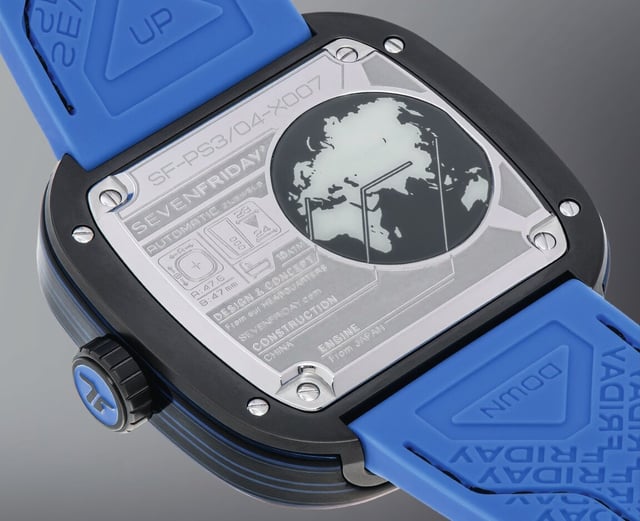
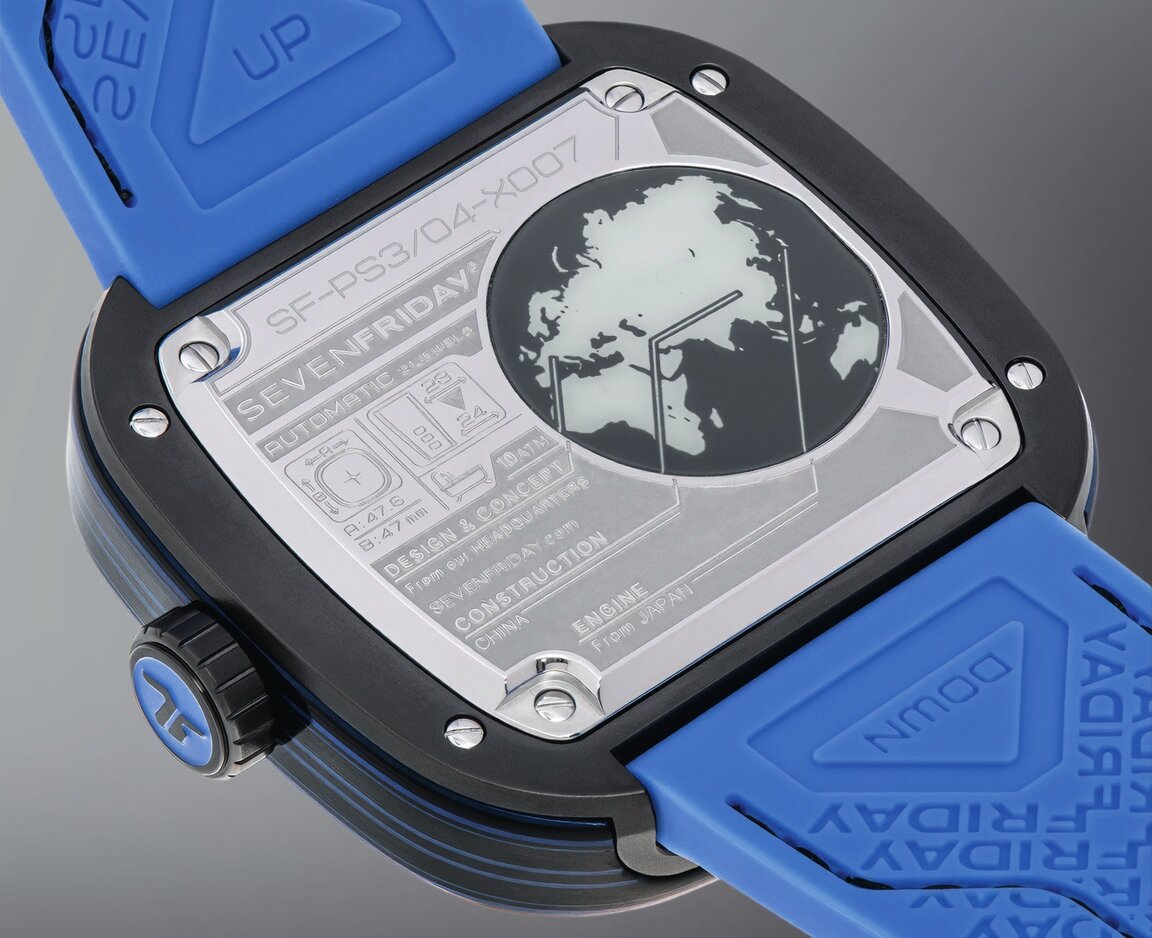
While a majority of brands generally don’t disclose where individual parts of their watches are made, even when it is in the same country, be it for strategic or image-related reasons, at least one brand is so open about it that it puts this info on the watch. Quite often, models of the Zurich-based watch brand SevenFriday feature a caseback with a small map that tells you that the concept and design of the watch were created in Switzerland, and the movement came from Japan, and everything else was made in China.
In a conversation about this topic with Dan Niederer, founder and CEO of SevenFriday, Niederer mentioned that this openly global approach to the production of his watches happened naturally when he founded the brand in 2012. He and his entire team later built on the Swiss way of working with SevenFriday, where ideas move to make frequent changes early in the market that still often benefit from being in every way “Made in Switzerland” from the beginning.
The stories of Chinese watch brands often begin the same way as the launch of any other watch brand: a deep passion for mechanical watchmaking.
Even if you have been testing them regularly, they still consider it to be a bit costly. As the movement is a vital piece of a mechanical watch for obvious reasons, he is looking for the best options at the targeted price point. In his opinion, these can currently be found in Japan, resulting in the majority of SevenFriday models being powered by automatic movements made by Miyota, an integrated manufacturer of movements that belongs to Citizen Watch Co., Ltd. While the Chinese calibers are not yet on the same level in this category, Niederer explained that the Chinese are very good at production processes.
Needless to say, other Swiss companies have also noticed this and some have even set up facilities to produce parts in China at a lower cost, which has, in turn, accelerated the knowledge transfer in both directions.
From Original Equipment Manufacturer to Creating a Brand
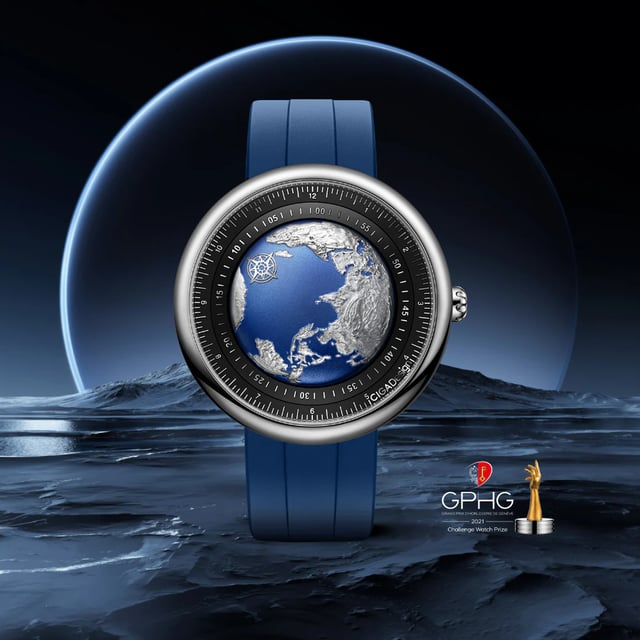
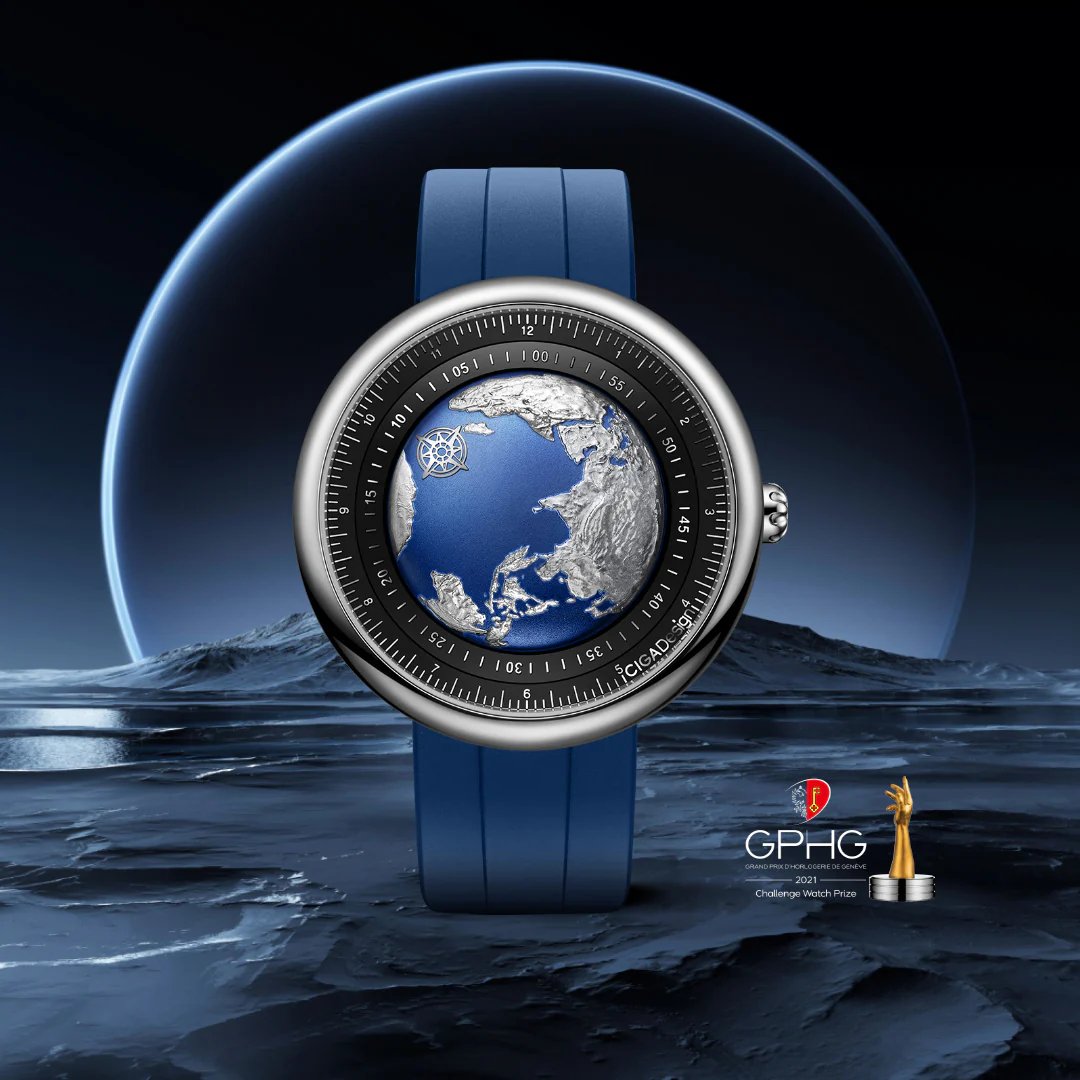
More importantly, the Chinese watch brands themselves have become much more active and successful in the global luxury watch market. In 2021, CIGA Design won the Challenge Watch prize at the prestigious Grand Prix d’Horlogerie de Genève (GPHG) with its ‘Blue Planet,’ making it the first Chinese brand ever to do so, and most likely it won’t be the last.
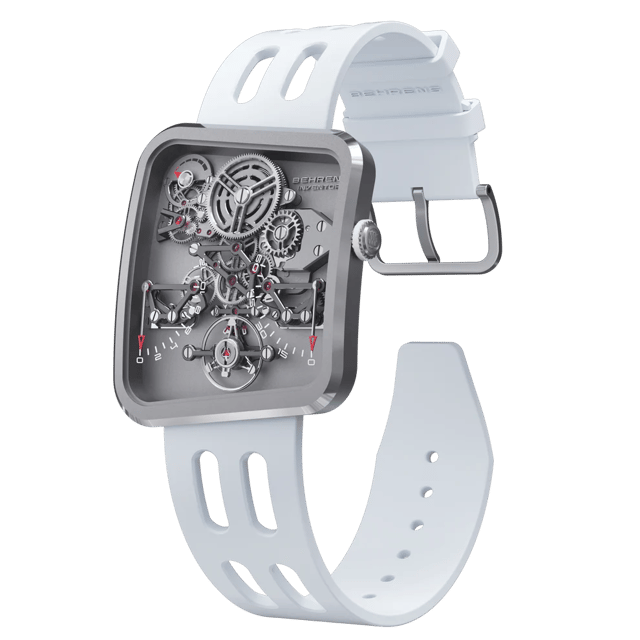
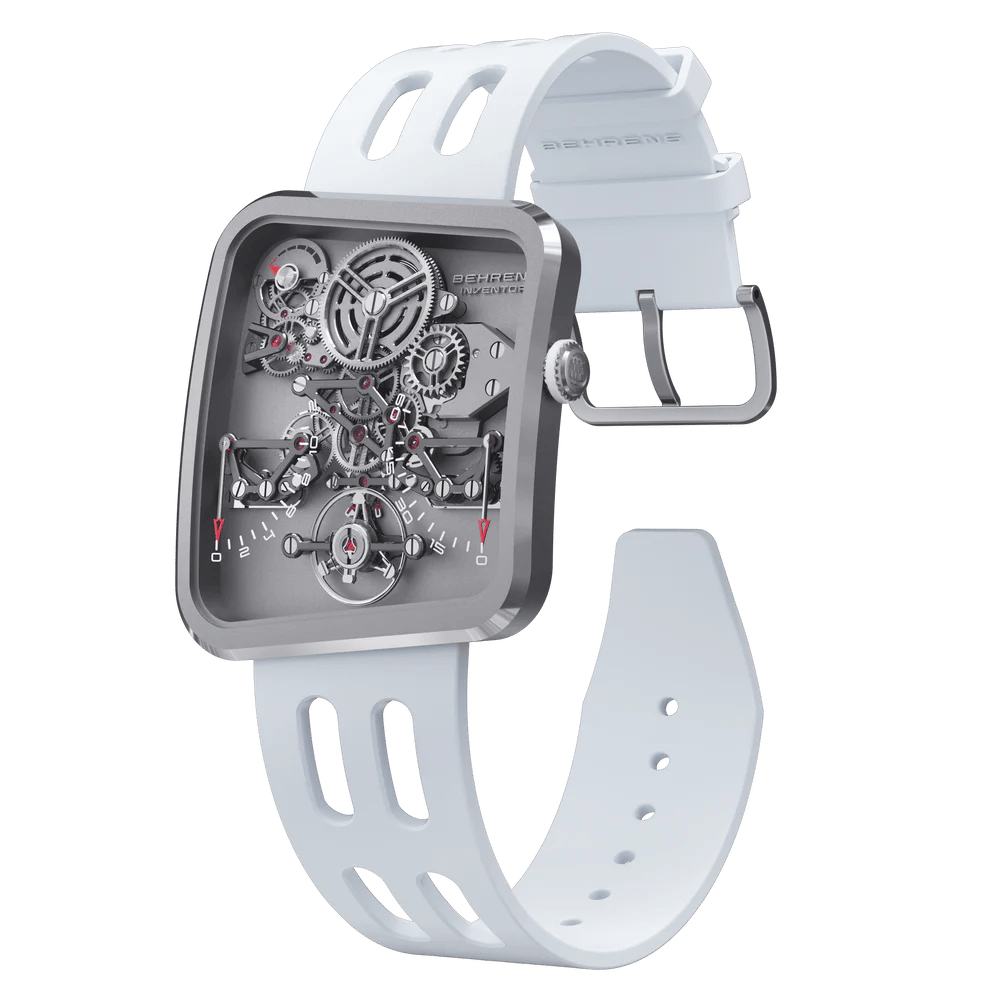
Another brand that is making serious strides this way is Behrens. It was founded in 2012 in Shenzhen, a vibrant manufacturing city and special economic zone on the east bank of the Pearl River estuary on the central coast of the southern Chinese province of Guangdong, bordering Hong Kong to the south. Behrens aims to create innovative movements without any operating complications.
The driving force behind Behrens is Lin Bingguang, and his story is not that different from any other entrepreneur who decides to start a watch brand. He was fascinated by mechanical clocks and watches at a young age, and as he grew older, he wanted to share his passion for timepieces with the world. When asked what advantages he sees for Chinese watchmaking compared to other parts of the world, Bingguang starts with a shortcoming: He’s seen for a long time that Chinese-made watches give the impression of lacking original design and advanced watchmaking technology.
He aims to offer Chinese originality and high quality through his own brand, making the industry in his home country put, in his feel, the value of creativity. He also points out that, in his opinion, China, as the world’s largest production center, has undergone apparent changes in recent years, transitioning its manufacturing industry from labor-intensive to technology-intensive. This is ideal for a brand like Behrens because it not only means that quality parts are becoming available more easily, but also that more complex designs can become a reality.
In terms of competition, Bingguang is also looking toward a vibrant market. He sees that the challenges Behrens faces in the market are not caused by the established watch companies, but rather by the accessibility of Swiss watchmaking. He considers the entire Swiss and European watchmaking industry worthy of learning from in terms of building a brand and product, from materials to marketing.
And it’s not just the most established high-volume manufacturers like Fiyta, Rossini, Tian Wang, Sea-Gull, Bohlly, Starking and Golgen that have become more refined over the years: Hong Kong-based Atelier Wen was founded in 2018 by Robin Tallendier and Wilfried Buiron, whose initial goal is creating a “high quality experience with a Chinese soul.”
This also indicates what the Red Dragon’s watch industry can offer the whole world, beyond being a capable producer of competently produced components. Based on the character and culture of the country, Chinese watch manufacturers can add a unique flavor to a brand that is often difficult to emulate. This expertise, perfected by decades of experience in the watchmaking industry, will eventually benefit from increasing production quality — something that could shift perceptions both in China and globally.
This article was originally published in the March / April 2024 print issue of WatchTime Magazine. To subscribe to the Magazine, click here.