Jaeger-LeCoultre Sets a New Benchmark for Precision with High Precision Guarantee Seal
Chronometric performance, meticulous finishing quality

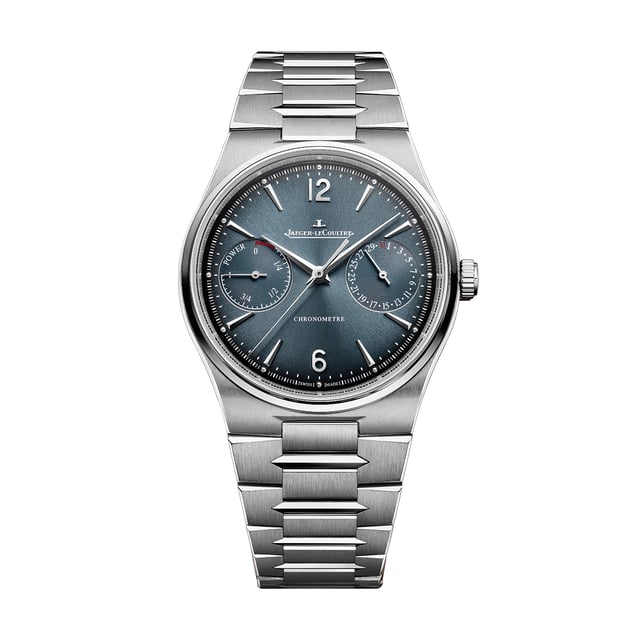
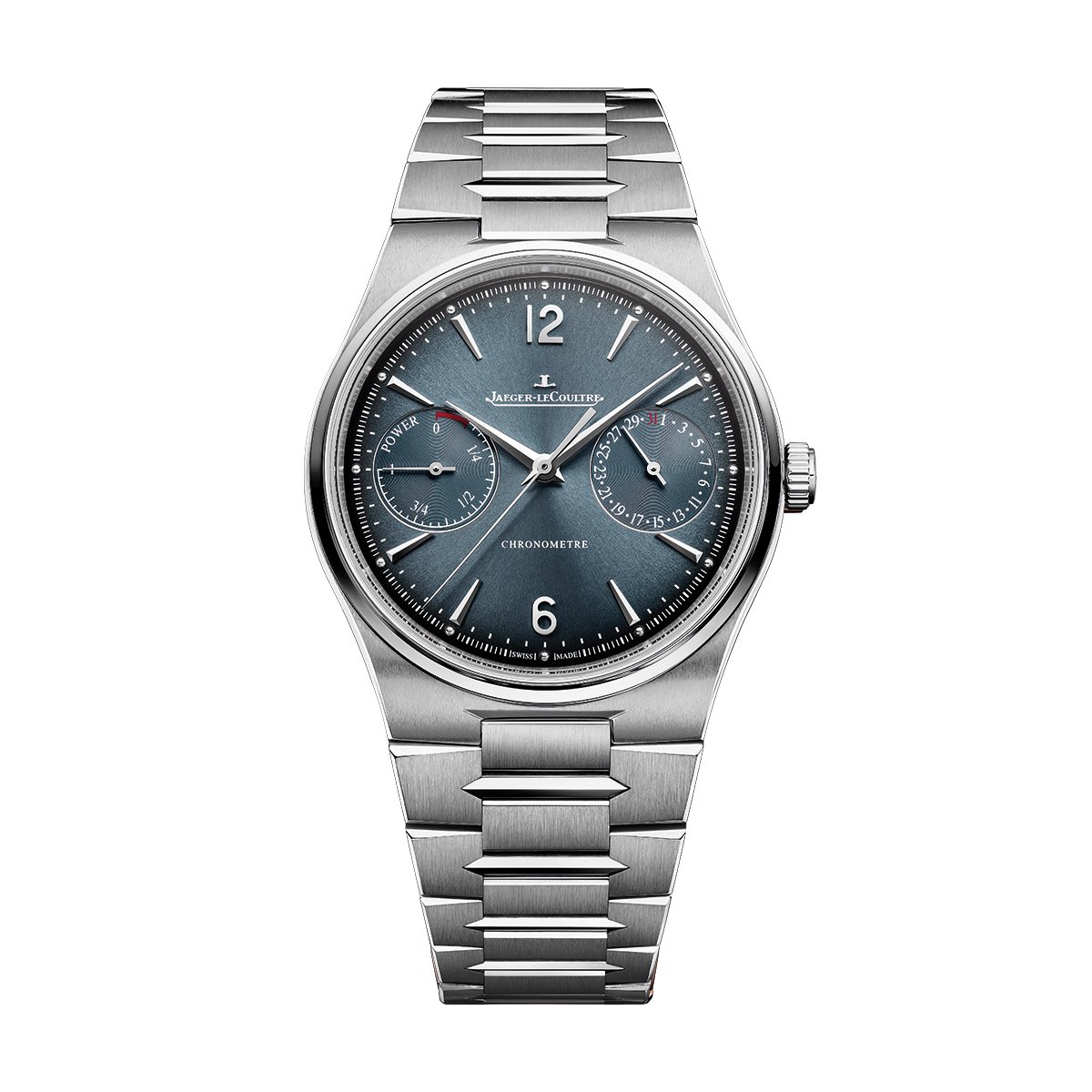
Jaeger-LeCoultre this year is introducing the High Precision Guarantee (HPG) Seal, a new proprietary standard certifying the precision, reliability and finishing of each watch that carries it. The Seal combines an extensive testing protocol designed to simulate real-world wearing conditions with defined requirements for movement decoration. It debuted with the Master Control Chronometre collection at Watches and Wonders Geneva 2026 and will gradually be extended across the manufacture’s collections from 2027.
A New Proprietary Standard
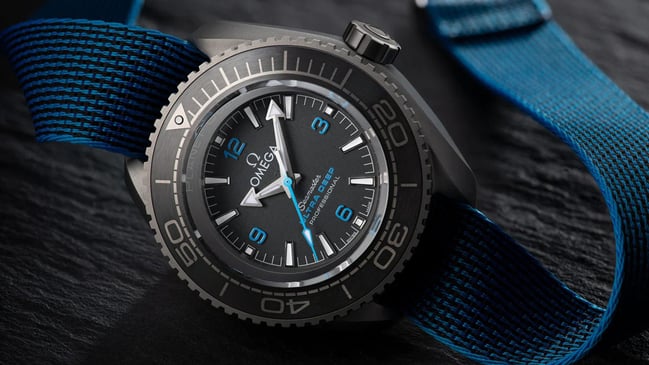
Proprietary quality standards are already an established concept among high-end watch manufacturers. Patek Philippe introduced its Patek Philippe Seal in 2009. It applies to the complete watch, including movement, case and external components, with requirements covering precision, functionality, reliability and craftsmanship. Rolex’s Superlative Chronometer certification, meanwhile, applies to the fully assembled watch and tests precision, power reserve, waterproofness and self-winding, with the protocol designed to simulate actual wearing conditions. In 2026, Rolex added resistance to magnetism, reliability and sustainability as additional criteria. Omega’s Master Chronometer certification, introduced in 2015, takes another approach. The independent Swiss Federal Institute of Metrology (METAS) oversees the certification, which covers water resistance, chronometric performance, magnetic resistance and power reserve. The watches must pass eight tests over a period of up to 10 days, while METAS monitors the testing process.
Beveling
Jaeger-LeCoultre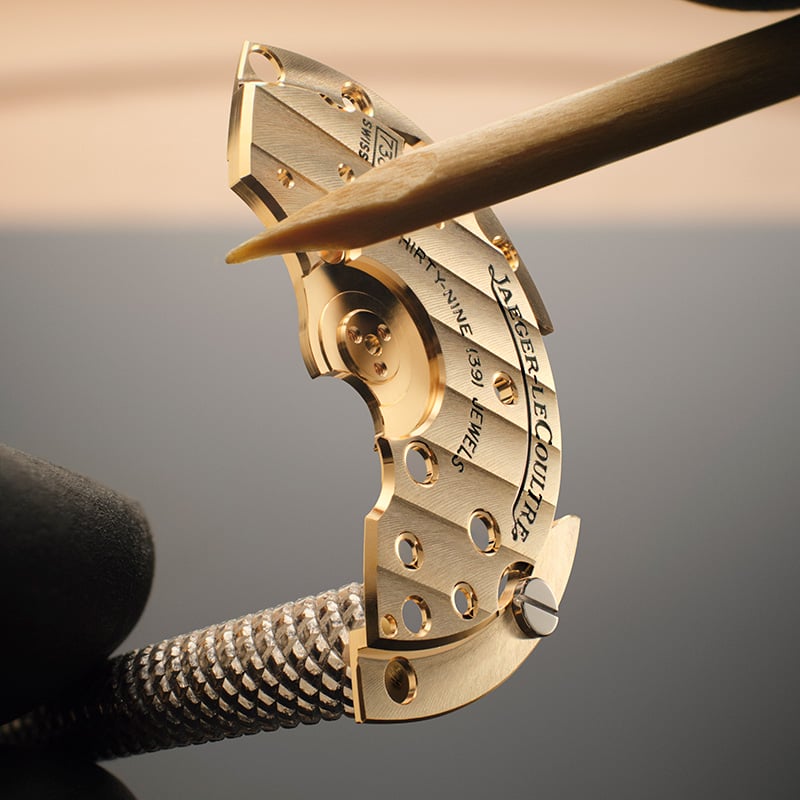
The HPG Seal therefore enters an established field of increasingly comprehensive quality certifications, but with its own combination of criteria. Jaeger-LeCoultre places particular emphasis on testing the watch under simulated everyday conditions while making movement finishing an explicit part of the certification.
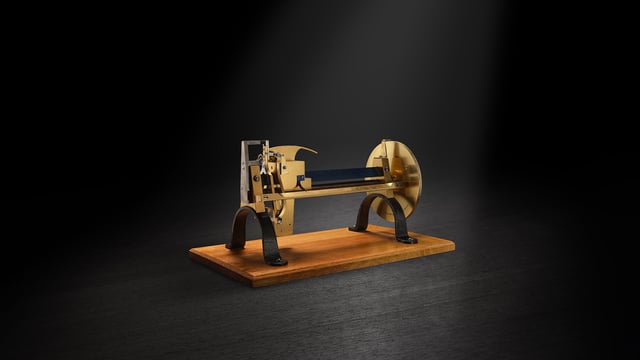
Millionomètre
Jaeger-LeCoultre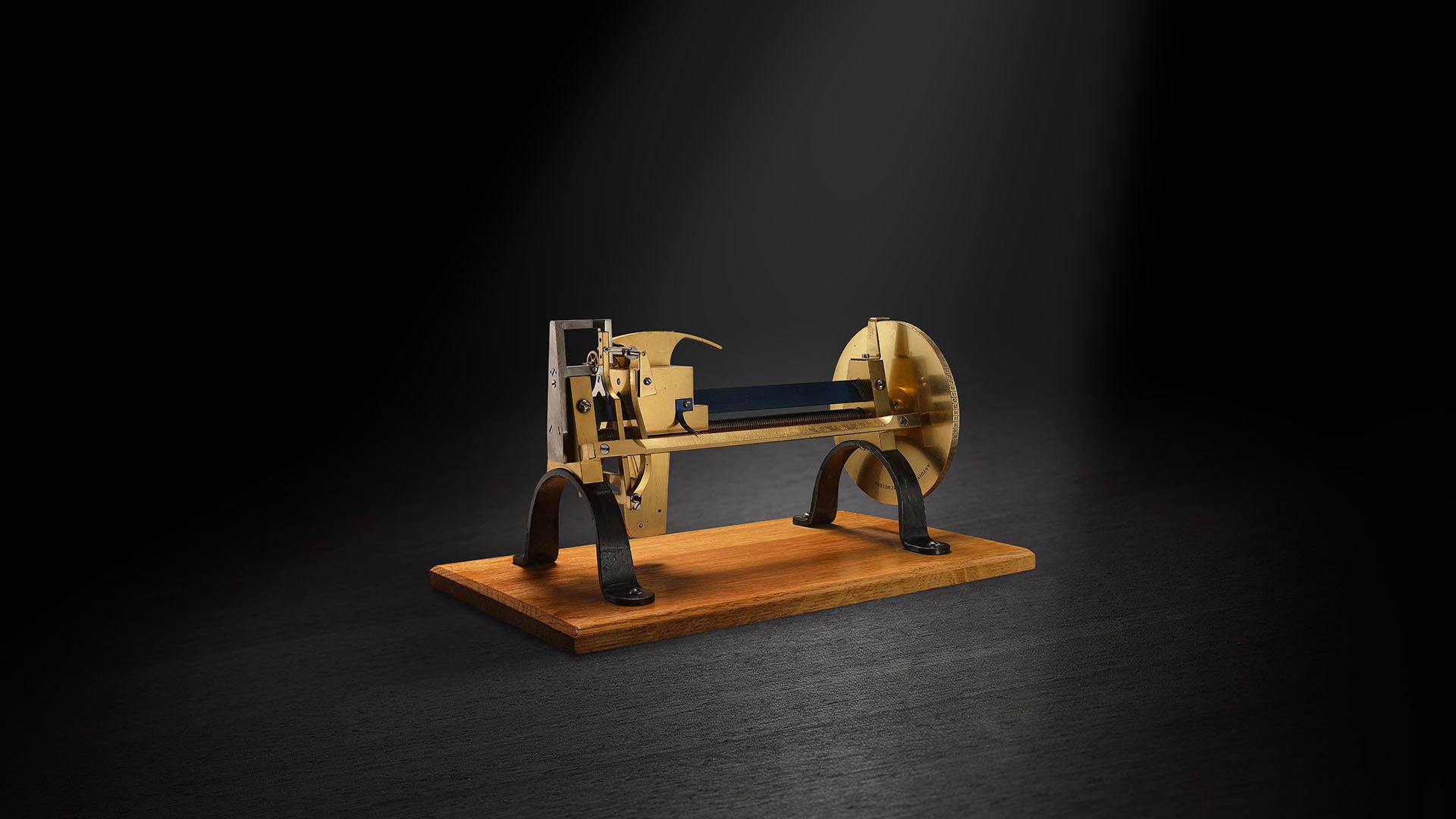
A Tradition of Precision
Precision has been a central focus at Jaeger-LeCoultre since its foundation in 1833. The manufacture’s history includes the Millionomètre, introduced in 1844 as an instrument capable of measuring to the micron, its participation in observatory chronometry competitions. In 1946, Jaeger-LeCoultre’s first tourbillon-equipped pocket watch, Calibre 170, won the Neuchâtel Observatory chronometry competition, one of the era’s most rigorous tests of timekeeping precision. In 1992, Jaeger-LeCoultre introduced the 1,000 Hours Control, an in-house testing protocol for fully assembled watches. The HPG Seal builds on this heritage while expanding the scope of testing.
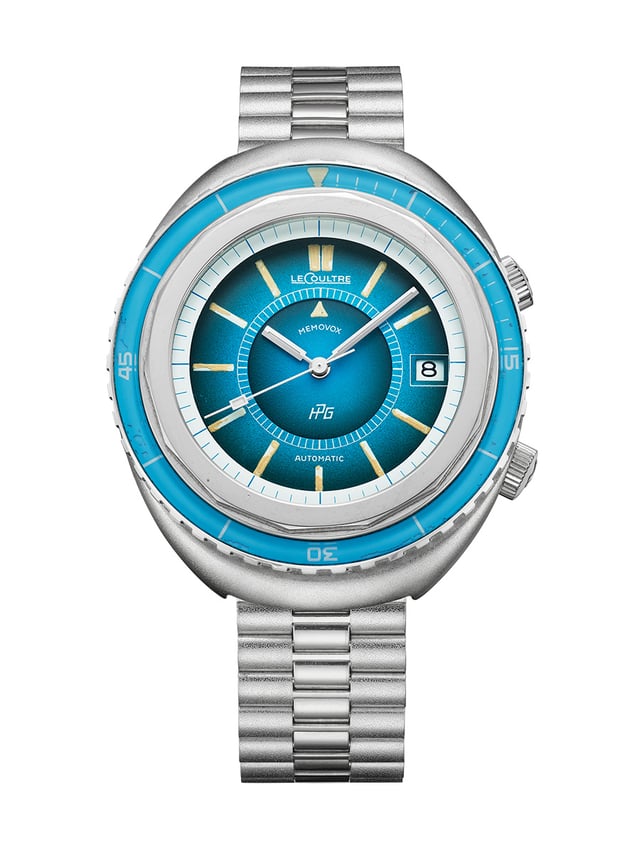
Memovox Polaris II from 1970
Jaeger-LeCoultre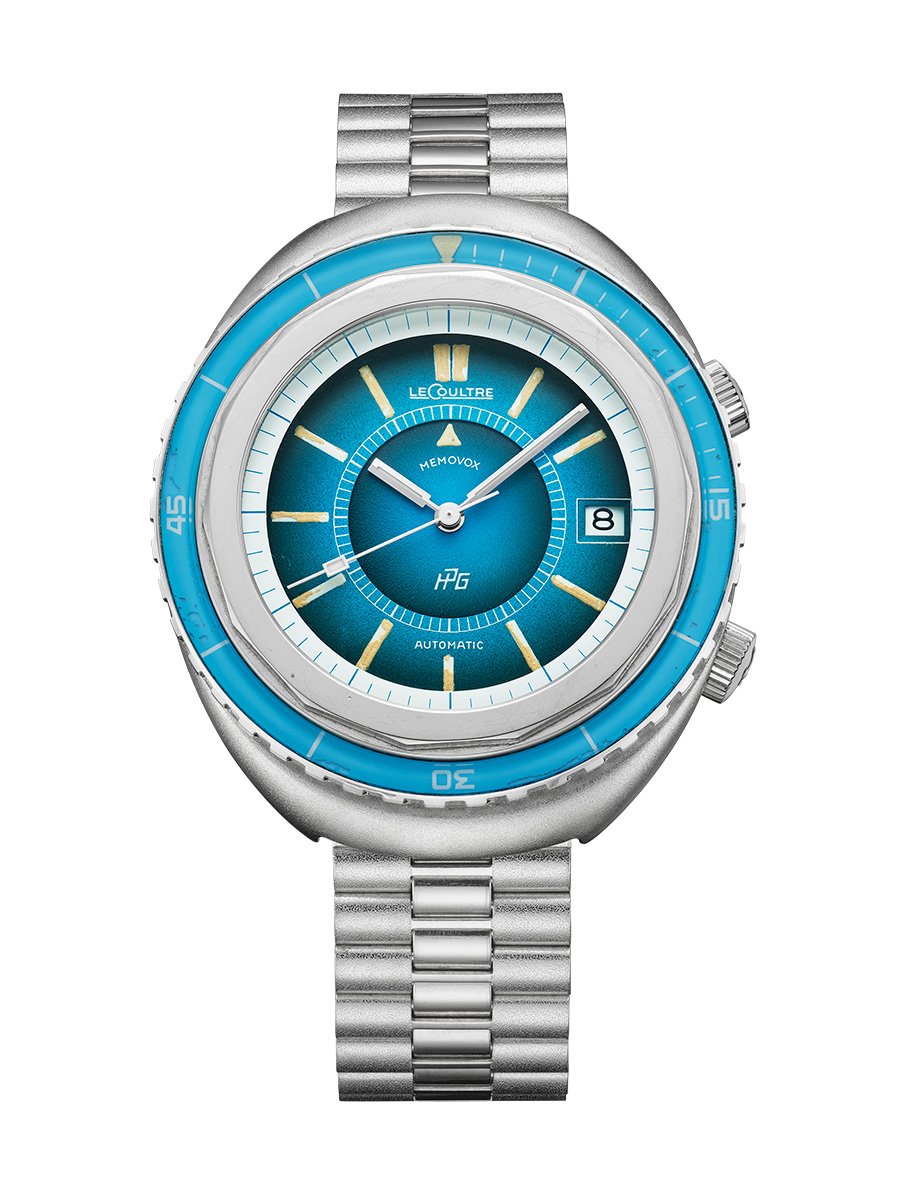
The name itself also has historical precedent at Jaeger-LeCoultre. In 1970, the “High Precision Guarantee” designation appeared on the Memovox Polaris II, referring to its 4-Hz movement. More than five decades later, the manufacture is bringing the name back as a formal quality seal.
Criteria of the HPG
Jaeger-LeCoultre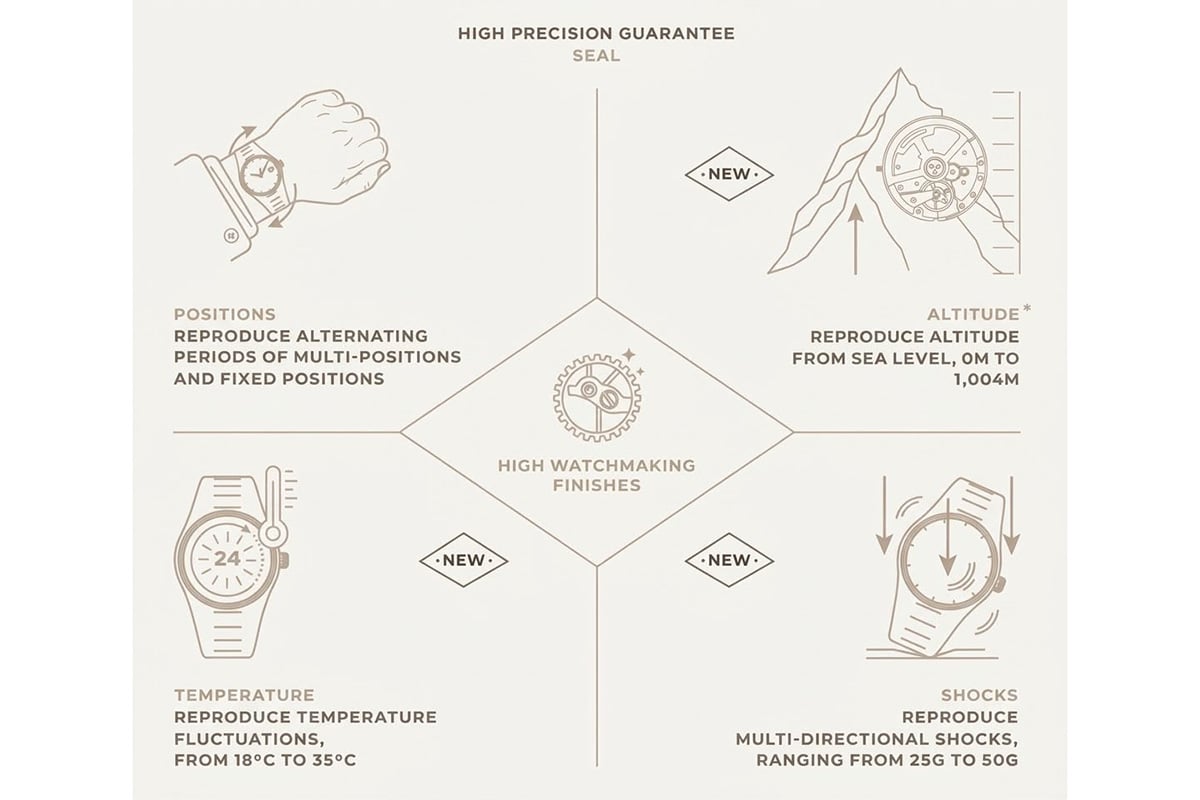
Simulating Extreme Wear
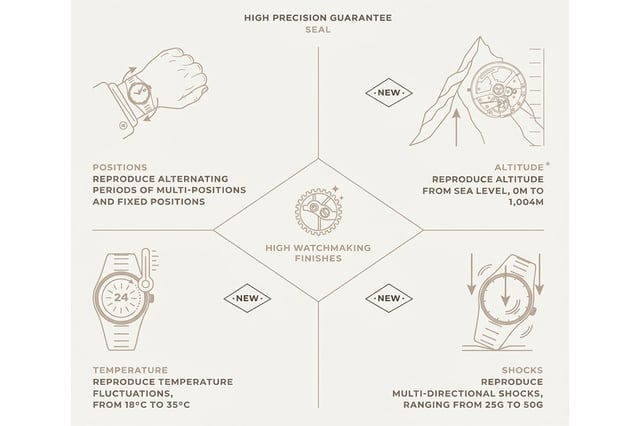
The HPG Seal is designed to assess timekeeping performance under conditions intended to replicate everyday wear rather than ideal laboratory conditions. The testing covers four critical parameters:
- Altitude: Simulates atmospheric pressure variations from sea level to 1,004 meters, the elevation of Jaeger-LeCoultre’s Manufacture in Le Sentier.
- Multi-directional shocks: Applies impacts ranging from 25G to 50G across multiple standardized positions.
- Positions: Alternates between periods of multi-position movement and fixed resting positions.
- Temperature: Replicates fluctuations from 18°C, representing rest, to 35°C, simulating active physical movement.
The altitude test is performed on the calibre alone, while the other three tests are conducted with the movement fully cased. Rather than evaluating these conditions independently, Jaeger-LeCoultre combines them in a dynamic testing protocol. A custom-developed HPG machine subjects each watch to alternating cycles over three days. The first two days simulate active weekday wear, combining changes in position, shocks and temperature variations. The third day reproduces a period of rest in a fixed position, mimicking a watch resting over the weekend. The protocol is patent pending.
High Precision Guarantee (HPG) Seal
Jaeger-LeCoultre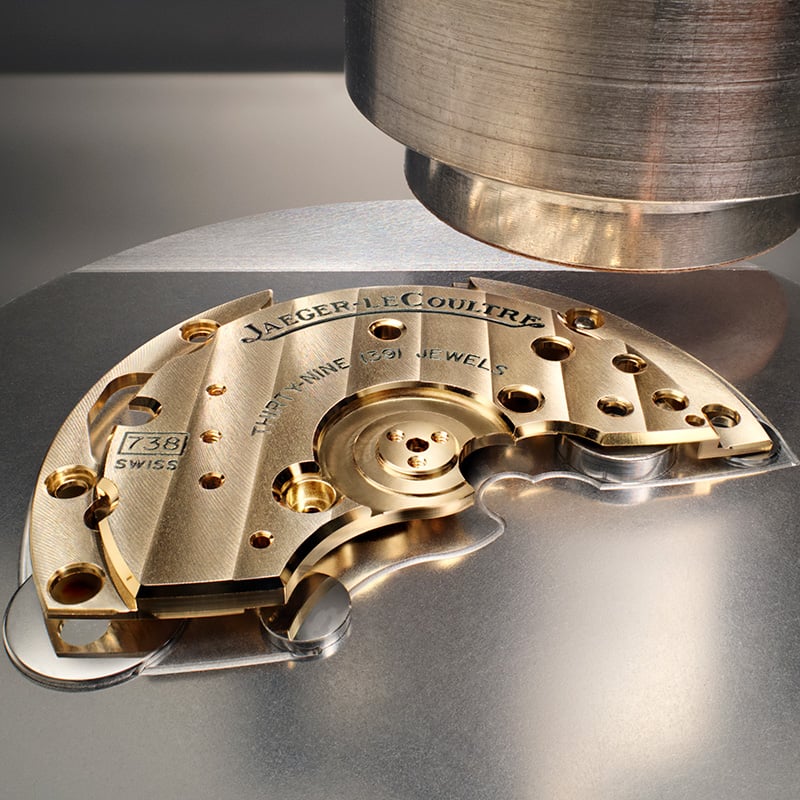
Finishing Becomes Part of the Seal
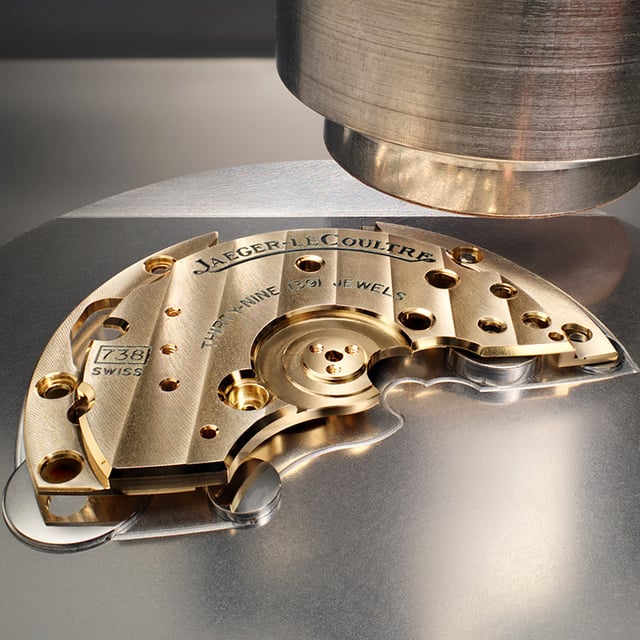
The HPG Seal goes beyond chronometric performance. It also establishes a qualitative standard for movement finishing. To qualify, a watch must incorporate at least six of eight specified traditional finishing techniques:
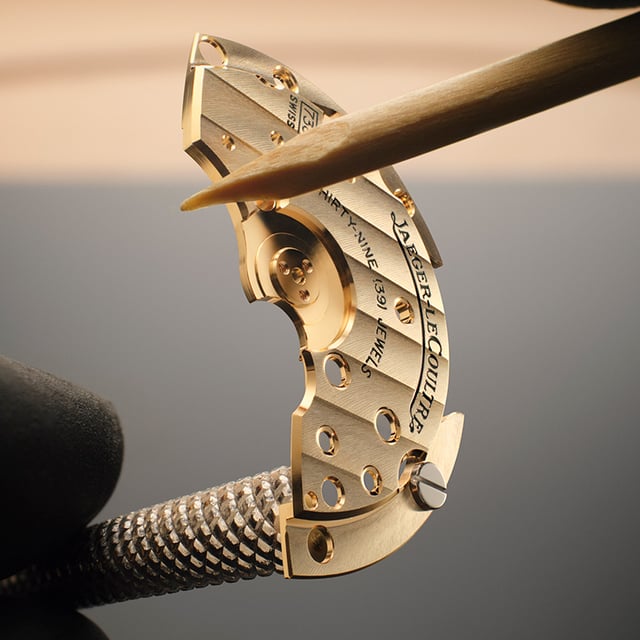
- Beveling: Shaving and polishing the edges of components to a mirror-like finish.
- Burnishing: Compressing and polishing metal components to improve durability and surface hardness.
- Circular smoothing: Creating a fine, matte circular texture.
- Linear smoothing: Applying uniform, parallel matte lines to flat surfaces.
- Countersinking jewels: Creating polished, chamfered recesses around jewel holes.
- Côtes de Genève: Applying parallel wave-like decoration to larger movement components.
- Perlage: Creating overlapping circular patterns on plates and bridges.
- Polished screw heads: Polishing screw heads to a flat, reflective finish.
From COSC to HPG
For the Master Control Chronometre collection, the first watches to receive the new seal, each caliber is initially COSC-certified before undergoing Jaeger-LeCoultre’s more extensive HPG testing protocol. The HPG Seal will gradually be introduced across Jaeger-LeCoultre’s collections beginning in 2027. Every watch carrying the seal will have completed the full certification process, combining chronometric testing under simulated wearing conditions with requirements for movement finishing and decoration.