COSC Introduces the Excellence Chronometer
A New Precision Standard for Swiss Watchmaking

For more than half a century, the Contrôle Officiel Suisse des Chronomètres (COSC) has stood as the quiet arbiter of precision in Swiss watchmaking. Since 1973, the independent institution has certified millions of movements, reinforcing the global authority of the “Swiss Made” designation and embedding chronometric rigor at the heart of modern horology. Now, on the 50th anniversary of the ISO 3159, COSC is not merely commemorating a milestone. It is redefining the benchmark.

COSC
Contrôle Officiel Suisse des Chronomètres
COSC’s purpose remains constant: to guarantee the precision of Swiss watches through neutral, independent, and uncompromising testing. But the context in which watches operate has transformed dramatically over the past five decades. Today’s mechanical watches encounter stronger magnetic fields, extended power reserves, advanced materials, and more intensive daily wear. To reflect these realities, COSC is introducing an additional certification tier. This is an evolution rather than a replacement of the existing chronometer standard. The new protocol tightens the daily rate tolerance from 10 seconds to 6 seconds. It increases magnetic resistance requirements to 200 Gauss and introduces verification of the manufacturer’s stated power reserve. Testing conditions will also more closely simulate real-life wear, bridging the gap between laboratory precision and everyday performance.
COSC
Contrôle Officiel Suisse des Chronomètres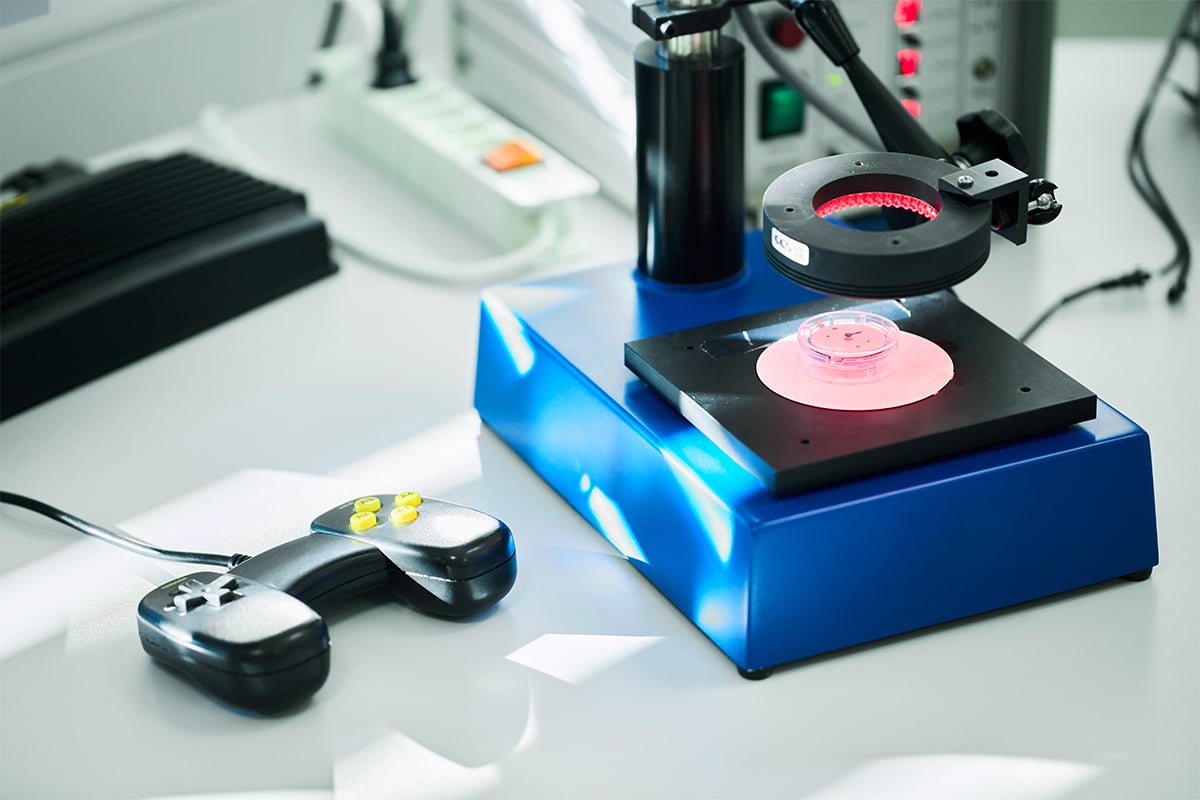
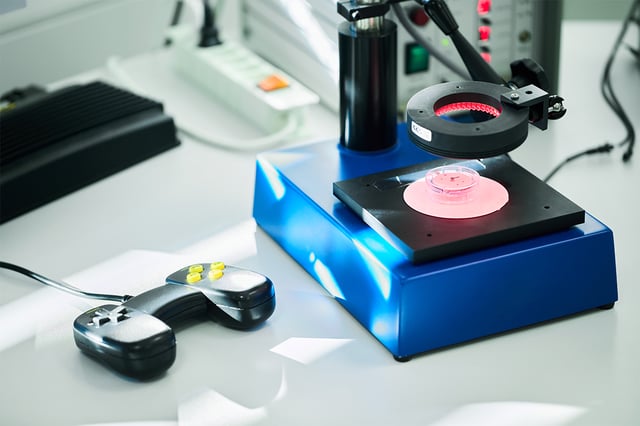
The foundation remains the same. Movements are tested for 15 days according to the seven criteria established under ISO 3159. Only after successfully earning chronometer certification are they returned to the manufacture for casing. Fully assembled timepieces undergo five additional days of evaluation. A robotic system simulates average wrist wear under semi-dynamic conditions for 24 hours, testing precision in an environment closer to real-world usage than traditional static trials.
Subsequent stages include:
- Measurement of average daily rate within the –2/+4 seconds window
- Exposure to a 200 Gauss magnetic field with no degradation in performance
- Verification of the declared power reserve
As always, each watch is tested individually. COSC does not rely on sampling, a commitment that underpins the credibility of its certification. The transition is already in motion. Since early 2026, COSC has been upgrading laboratory equipment and integrating new technologies to measure the expanded criteria of the Excellence label. March will see pilot tests conducted within COSC laboratories, allowing brands to validate procedures and adapt to the revised protocol. In April, the new certification will be unveiled to the international watch community at Watches and Wonders, presented within the fair’s LAB section dedicated to innovation and emerging technologies. Full deployment begins in October 2026. From that point forward, brands entering the new process will be eligible for the Excellence Chronometer designation, with the first watches certified under the enhanced standard expected shortly thereafter.