The Seal of Approval: A Guide to the World of Watch Certifications and Quality Seals
Chronometer-guaranteed Precision
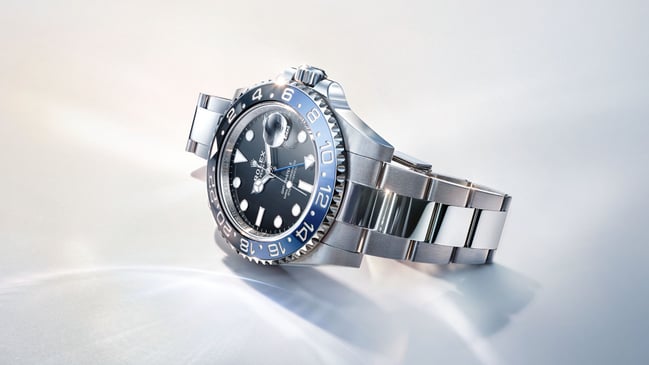
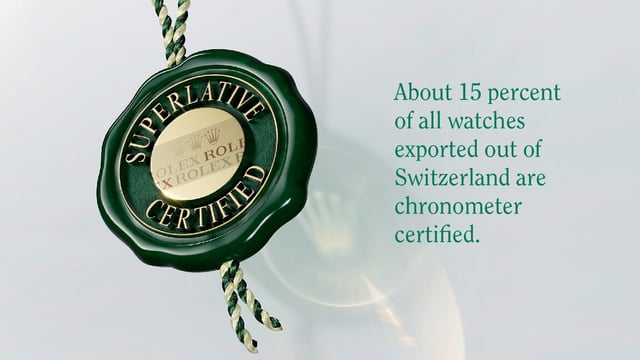
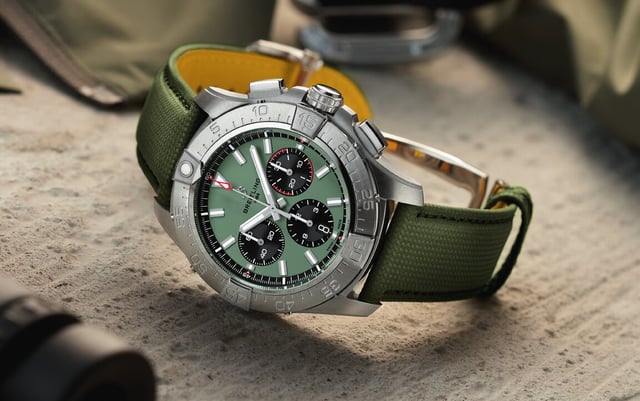
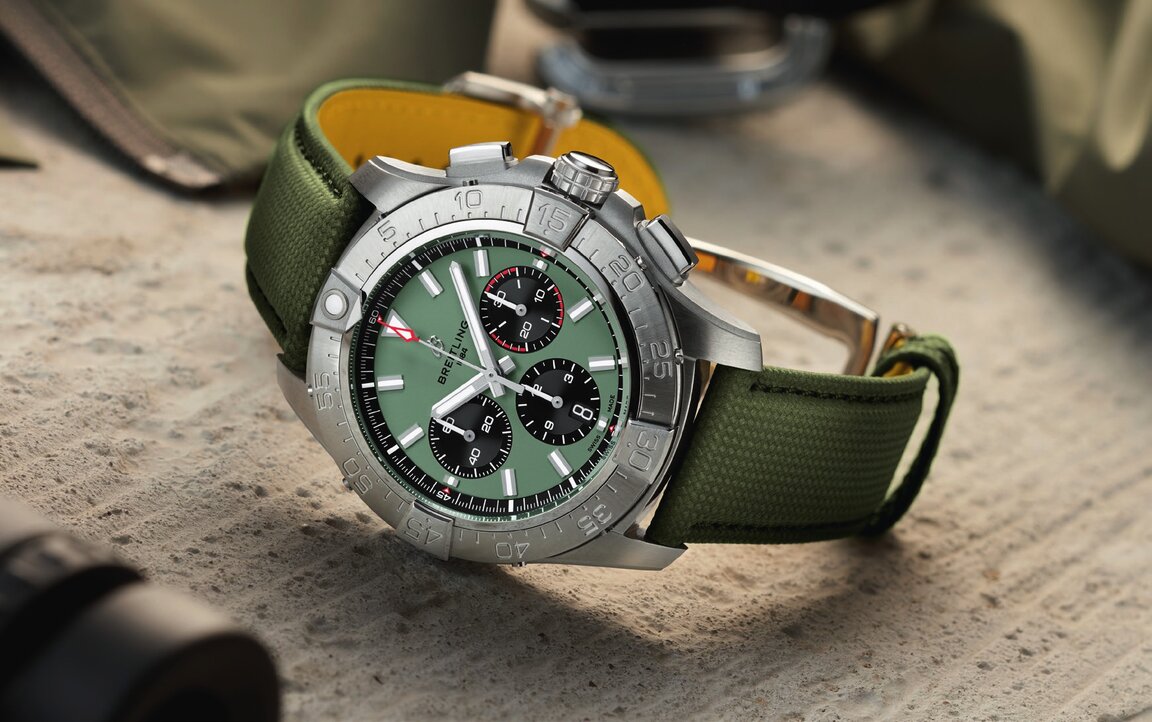
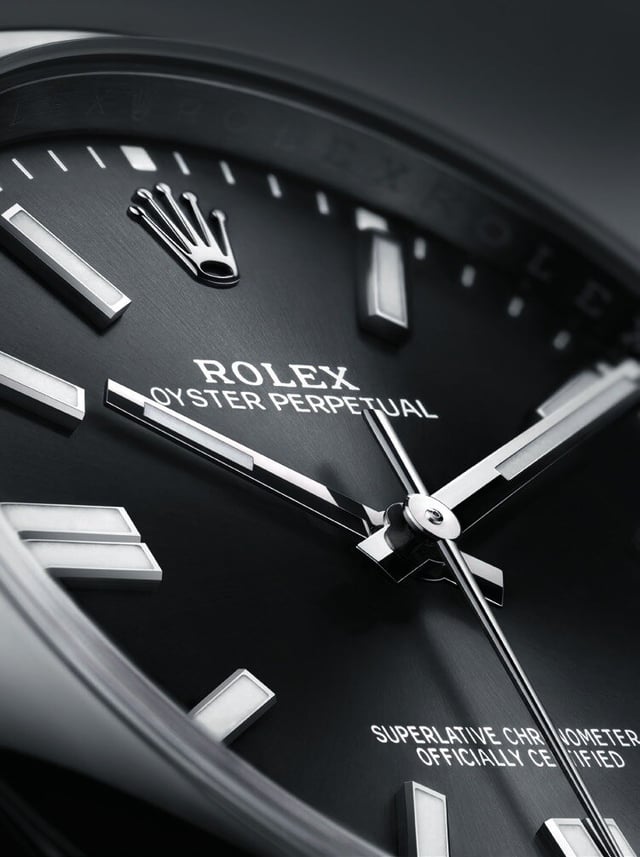
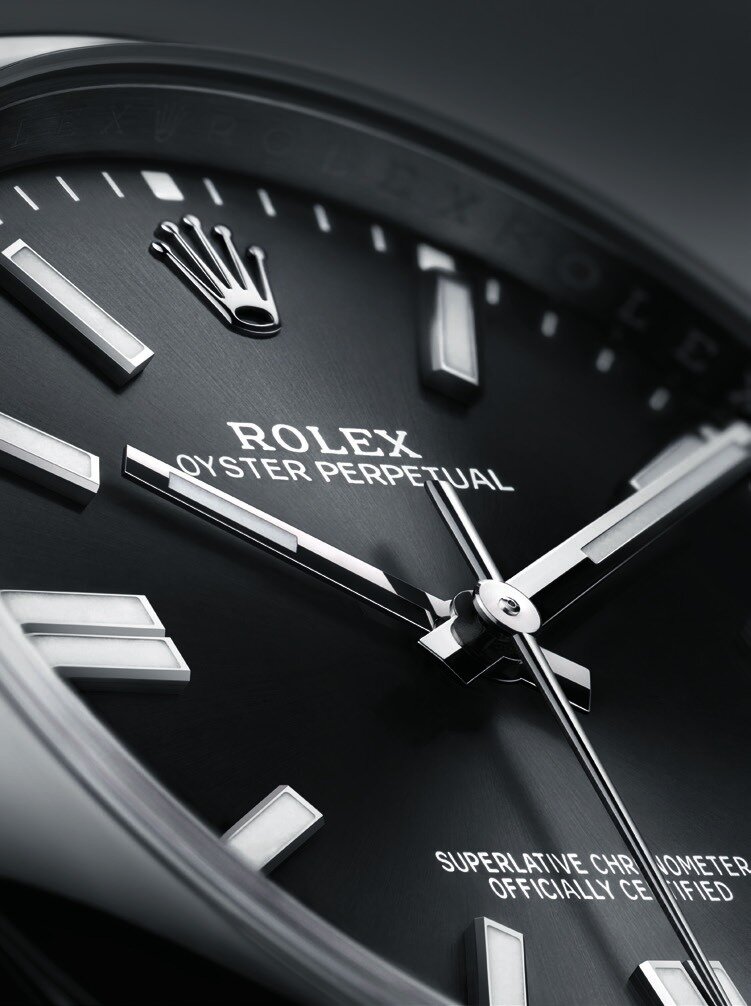
One of the best-known certifications for watches is that of a chronometer. About 15 percent of all watches exported out of Switzerland are chronometer certified. Brands like Rolex and Breitling certify their entire collection as a chronometer, making it an intricate part of their brand DNA and market proposition. This certification process is carried out at the Contrôle Officiel Suisse des Chronomètres, or COSC.
The watch’s movement is tested in four phases according to ISO 3159 to become a chronometer. The entire cycle takes 15 days, in which the regularity of the movement is determined by varying both the temperature and the position. All this time, the performance of the individual movement is closely monitored, and when it remains within the set standards during testing, it will be awarded a chronometer certificate. The exact standards vary, as a difference is made between mechanical movements with a diameter smaller than 20 mm and those larger. Quartz movements can also be chronometer certified, but those have even more stringent criteria to meet.
While COSC is the predominant chronometer institute in watchmaking, it is not the only one. Wempe has some of its watches chronometer certified at its observatory building in Glashütte, the only place in Germany where this is possible. The Observatory of Besançon, the heart of French watchmaking, is another place where a watch can be certified as a chronometer. Here, they test the precision of the final watch, so with the movement cased. In 16 days, the accuracy is tested in five different positions and at three different temperatures: 8°C, 23°C, and 38°C. When the average deviation is within -4 to +6 seconds, it is chronometer certified. In this case, it gets stamped with the observatory mark of the viper, also known as ‘Tête de Vipère.’
Mastering Precision
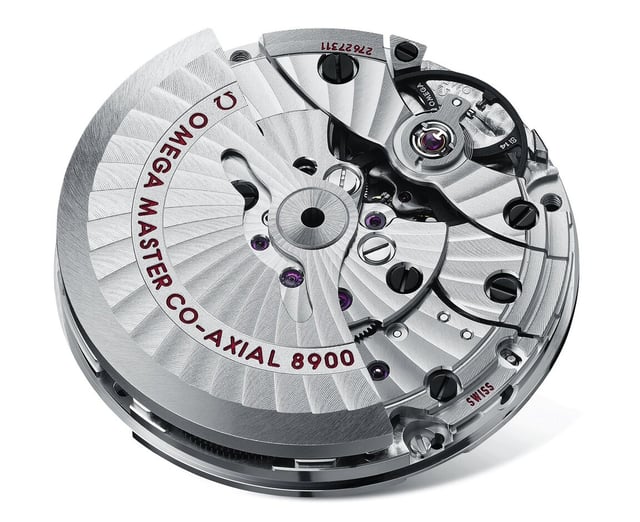
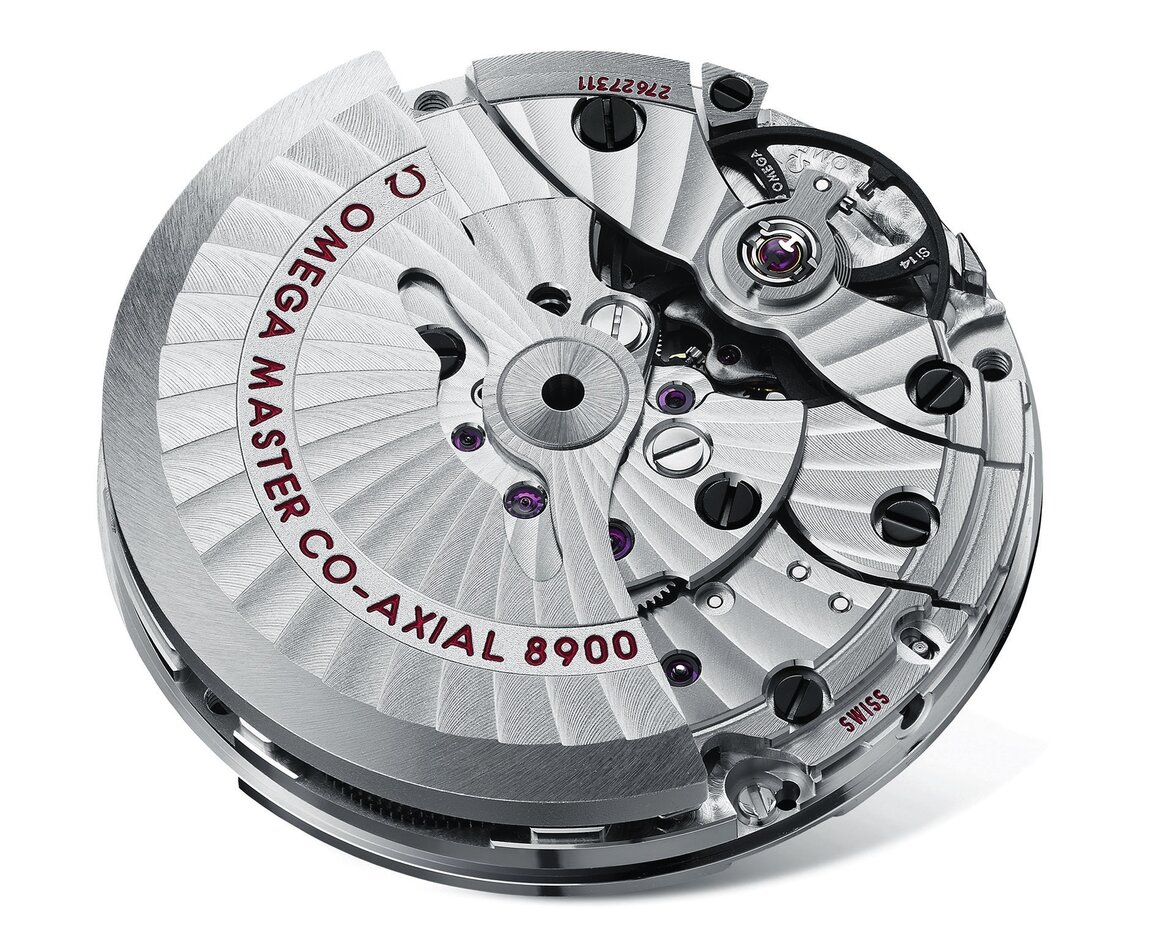
In 2014, Omega launched, together with the Swiss Federal Institute for Metrology (METAS), an independent certification that takes the chronometer to the next level. Known as “Master Chronometer,” it takes a chronometer-certified movement and puts it through eight different tests focusing on resistance to magnetism, isochronism, power reserve, and water resistance. Its precision requirements are more strict, as to qualify, a watch must be able to function each day by gaining a maximum of 5 seconds. Losing time is not allowed, and the reason for that is that in the worst case, people will be somewhere slightly earlier than just a little bit late.
When all passed, METAS will award the watch with the Master Chronometer certificate. While Omega is currently offering watches with this certification throughout its entire collection, other brands are also free to certify their watches. One brand that has already done so is Tudor. Its Black Bay Ceramic and Black Bay with burgundy bezel come with this certificate.
Getting Regional
Some quality seals are regional, meaning that for a watch to obtain them, it must be made in a specific area. Traditionally, they were established to safeguard the quality of production and promote the competitiveness of the regional manufacturers. While they still do that in a way, they are more prestigious signs of excellence.
The most well-known is the Geneva Seal, also known as the ‘Hallmark of Geneva,’ or by its original French name, ‘Poinçon de Genève.’ It was founded in 1886 by the Canton of Geneva, which still governs it. To obtain it, the brand must be registered in the Canton of Geneva, where it should also carry out a large portion of the production and assembly of the watch, as well as the final inspection. Although there are some technical aspects to the Geneva Seal, most of them refer to the finishing. While the requirements are rather specific, it still offers enough room for brands to create watches that fit their DNA: for example, Vacheron Constantin uses the Geneva Seal, but so does Roger Dubuis.
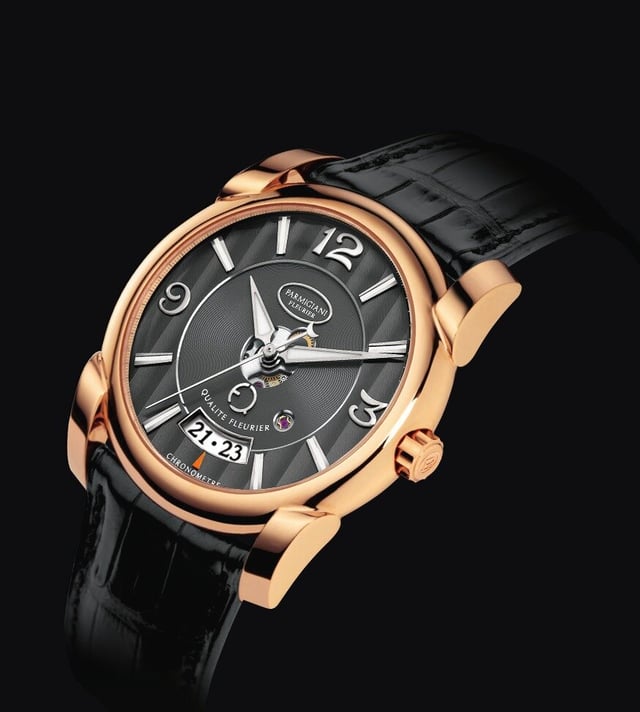
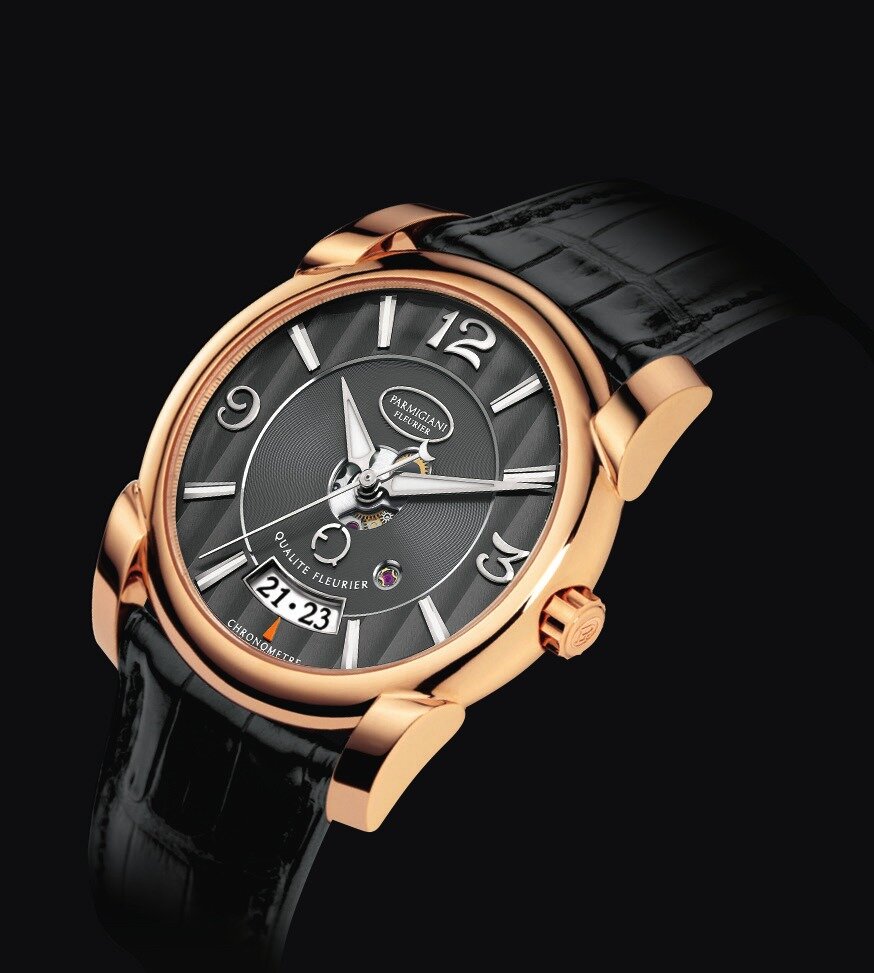
The town of Fleurier is also a Swiss hot spot for haute horlogerie. In 2001, Chopard, Bovet, and Parmigiani joined forces to create the Fleurier Quality Foundation (FQF). It focuses on various aspects, determined to deliver the best quality possible. While raw materials may come from abroad, everything else, from initial design to the watch’s manufacturing, assembly, and quality control, needs to be done in Switzerland. Next, there is a stringent set of aesthetic and technical criteria that the watches must meet, and one of them is that its movement is chronometer certified by COSC.
This is followed by a Chronofiable aging test replicating the rigors of daily wear. This includes water and shock resistance, but also the effect of magnetic fields. Furthermore, it tests the operation of the crown and any of the push buttons, such as chronograph pushers and/or calendar correctors. Only then is the watch ready for its final test on the Fleuritest simulator. This advanced device performs a 24-hour operating test, and passing it will be the last hurdle for a watch to receive the ‘FQF, La Haute Horlogerie certifiée.’
Why Don’t They?
Not all brands offer watches with certifications and/or quality seals from outside or independent organizations. The reasons for this can vary. Obtaining a chronometer certification costs time and money, making the watch inevitably more expensive than when it would come without one. As some popular movements, like Sellita’s SW200-1, have proven that they can meet chronometer standards, many brands using this caliber don’t go through the trouble of having them certified.
Other brands have developed their own quality seals, often combined with a rigorous testing program. These are often brands that have already enjoyed an outstanding reputation for decades. Having their own quality programs allows them to be more dynamic in how and what they test and certify without interference from outside organizations, adding flexibility while maintaining the integrity of the brand.
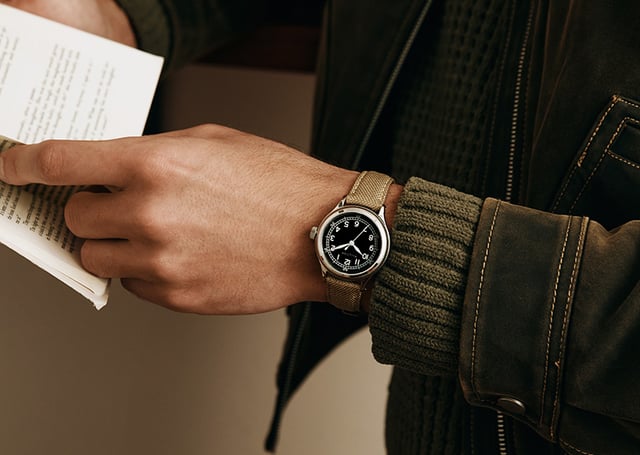
Jaeger-LeCoultre is famous for its 1,000-hour testing, while Montblanc also applies a similar 500-hour testing on the part of its collection. In 2009, Patek Philippe made the bold move to stop certifying its watches with the Geneva Seal in favor of its own quality seal.
While this testing may not be (fully) independent, none of these brands will cut corners when it comes to certifying their timepieces. In fact, most have started developing their own testing protocols to be even more strict. Nearly all include precision testing of the movement when it is already cased, stringent quality control, set standards for finishing, and extensive simulation of daily wear, all to ensure that when the watch reaches the client, all expectations are met. While some brands are more vocal about this certification than others, it does not mean that they don’t exist. While certifications and quality seals confirm certain qualities within a watch, it doesn’t mean that timepieces without them don’t meet the same requirements. For some brands, it is a way to safeguard well-established reputations, while for others, it is another way of communicating the quality of their products with (potential) clients.
This article was originally published in the March / April 2024 print issue. To subscribe to WatchTime Magazine, click here.