Watch Myths: 10 Misconceptions Even Collectors Believe
Myths and misconceptions
1. "A manufacture movement is automatically better"
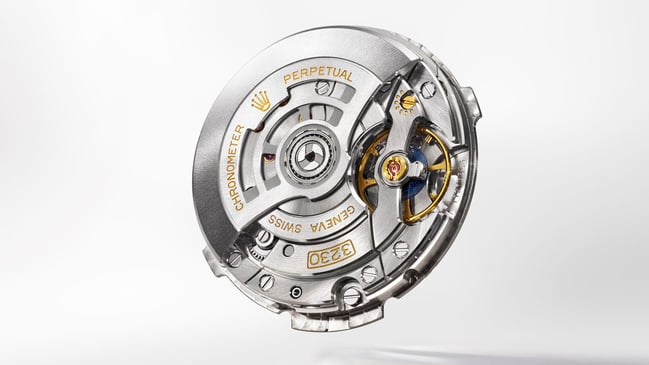
For many enthusiasts, the word "manufacture" is treated as the ultimate mark of quality. But it only indicates that a brand develops and produces its movements largely in-house. That alone, however, says little about their actual performance or reliability. Many respected watchmakers use modified calibers from specialists such as ETA or Sellita. Refined over decades, these movements are proven, dependable, and widely serviceable. A well-engineered industrial caliber can easily compete with a manufacture movement in accuracy and robustness.
2. "Mechanical watches are more accurate than quartz watches"
Mechanical watches captivate through their engineering, but they are not more accurate than quartz watches. A COSC-certified mechanical chronometer may deviate by -4 to +6 seconds per day, while a conventional quartz movement often varies by only around ±10 seconds per month. High-accuracy quartz calibers can reduce that deviation to just a few seconds per year.
3. "An expensive watch is automatically a good investment"
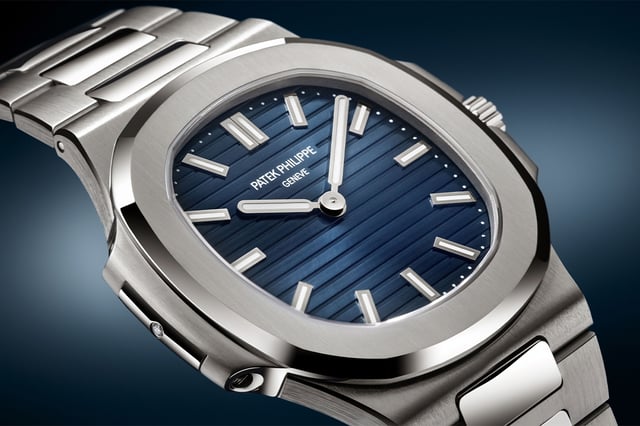
The spectacular price increase of certain watches from Rolex, Patek Philippe, and Audemars Piguet has reinforced the idea that luxury watches are reliable investments. In reality, that applies to only a small number of iconic references. Most watches lose value after purchase or only show moderate price development. The secondary market is shaped by trends, production volumes, and shifting cultural demand, making it far less predictable than many collectors assume.
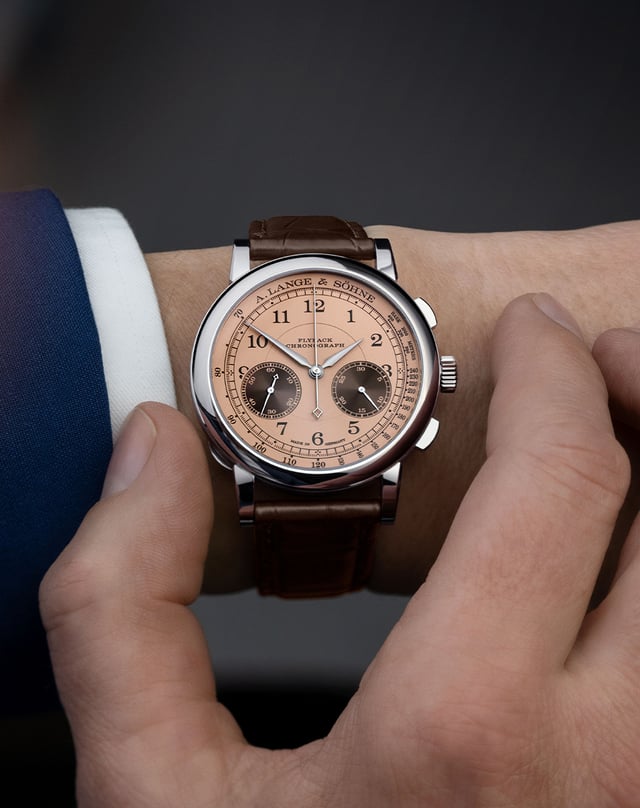
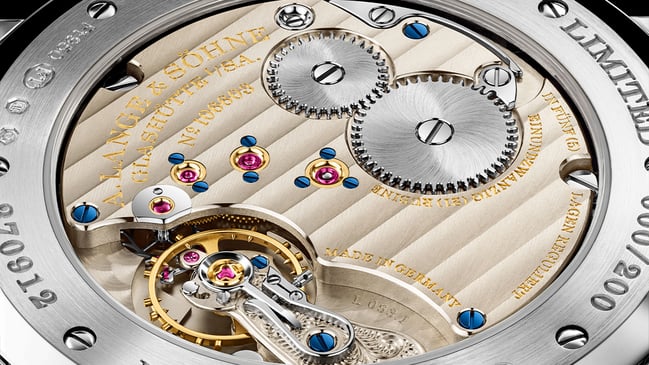
A. Lange & Söhne – 1815 Chronograph Hampton Court Edition
A. Lange & Söhne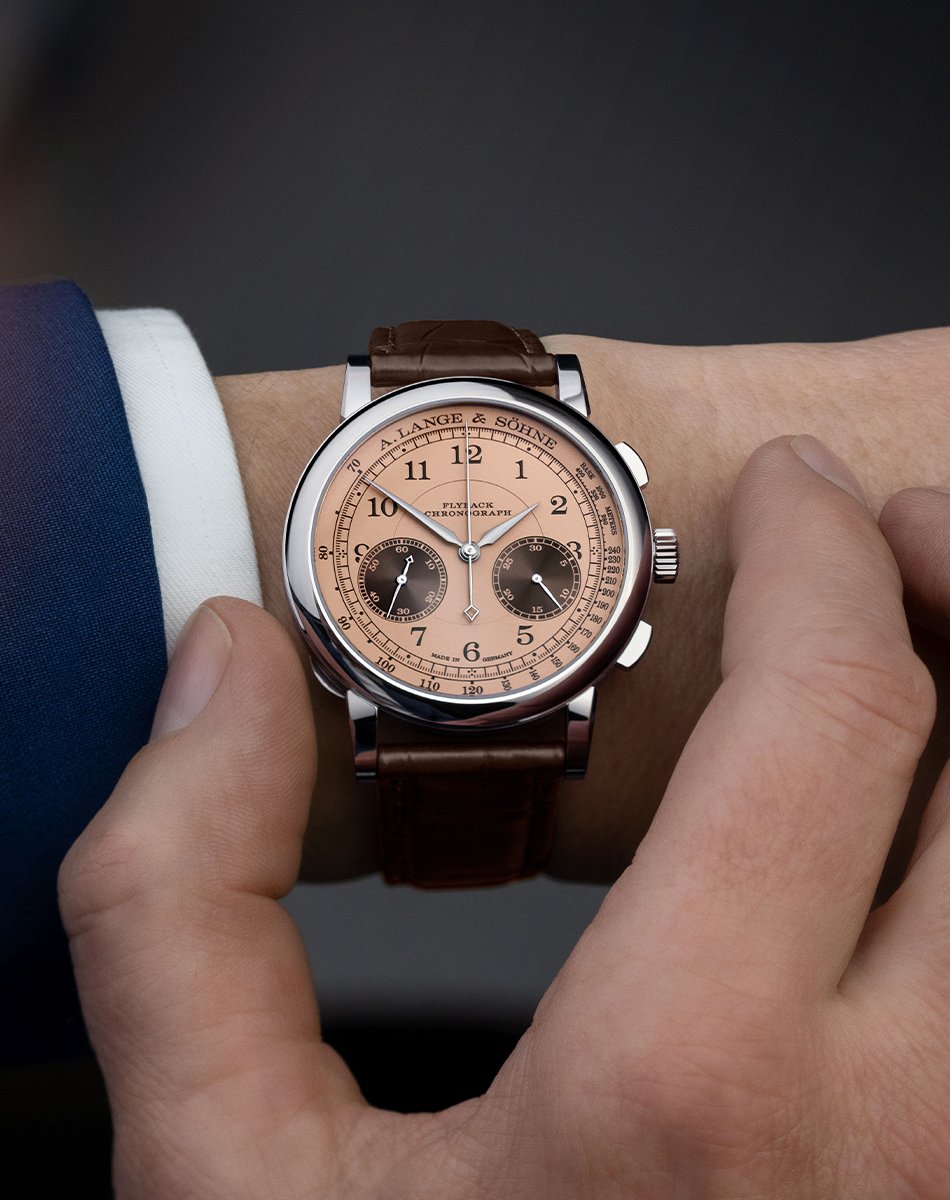
4. "The more complex the movement, the better the watch"
Tourbillons, perpetual calendars, and minute repeaters represent some of haute horlogerie’s greatest achievements. But complexity alone does not make a watch better. Many of the most durable and dependable watches are mechanically straightforward, including classic three-hand models. True quality is better judged by construction, finishing, rate stability, reliability, and the ability to be serviced for decades.
5. "Vintage watches are always more valuable than modern watches"
Vintage watches offer undeniable historical and cultural appeal, but age alone does not make them more valuable or desirable than contemporary models. Condition, originality, rarity, and production numbers all play a crucial role. Meanwhile, modern watches with distinctive design or innovative engineering may well become the collector classics of the future.
6. "A watch must be kept running"
Many owners believe a mechanical watch may be damaged if it remains unworn for an extended period. In fact, a modern movement can sit idle for months without harm. Proper storage and regular servicing matter far more. Constant movement, such as keeping a watch permanently on a winder is not mechanically necessary and may simply add wear to the movement.
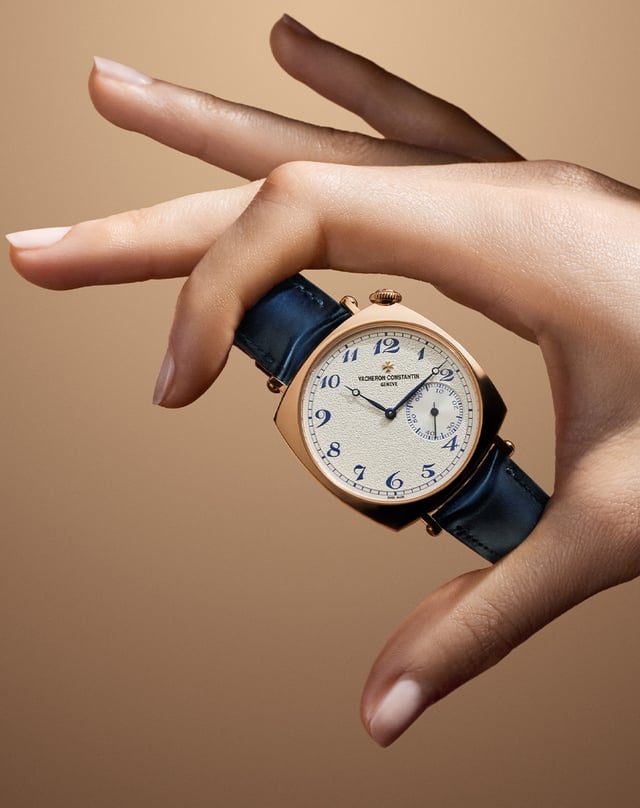
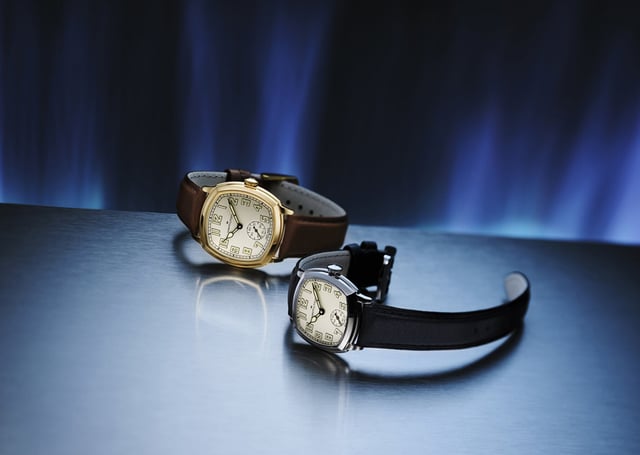
Vacheron Constantin – Historiques American 1921
Vacheron Constantin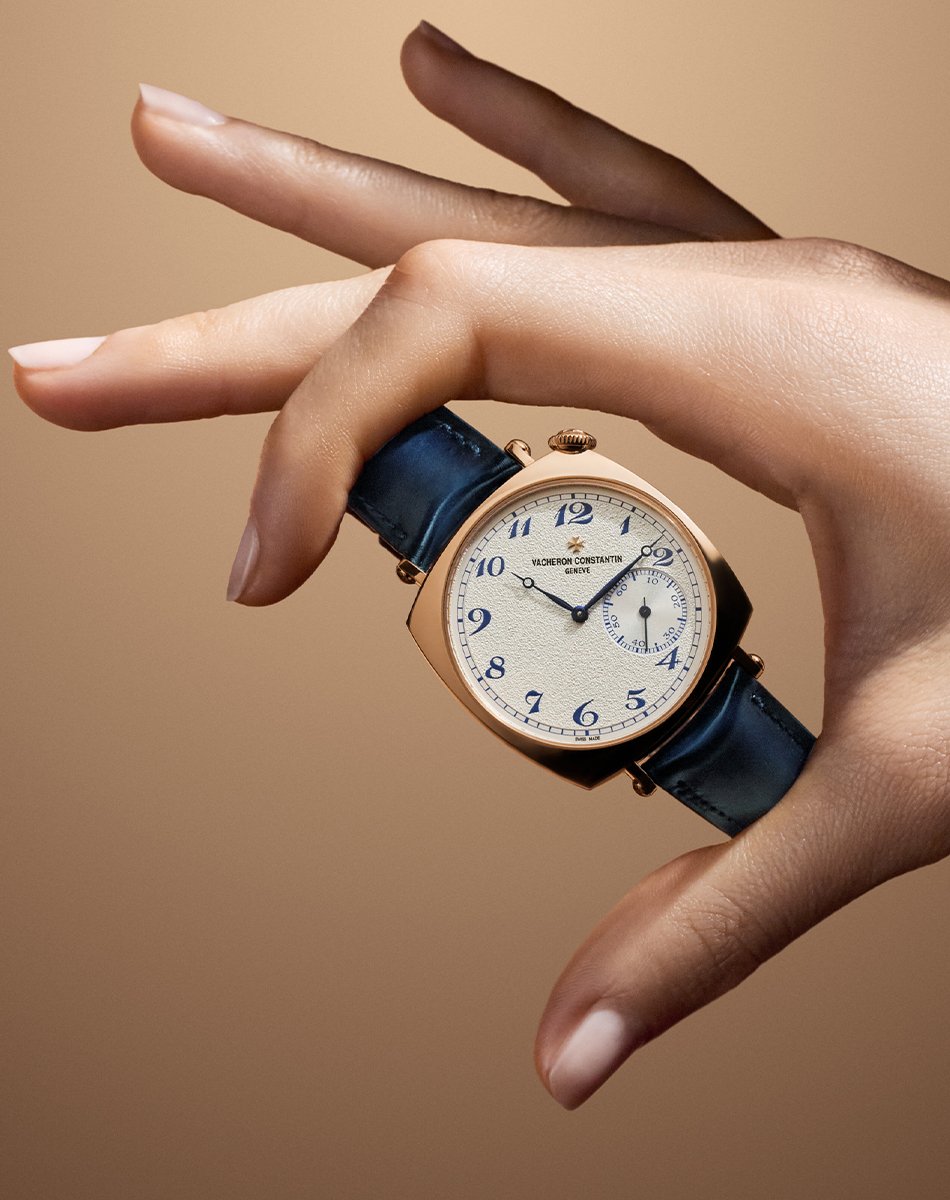
7. "Sapphire crystal is completely scratch-resistant"
Sapphire crystal is among the hardest materials used in watchmaking and is exceptionally resistant to scratches. It is not indestructible, however. Diamonds and certain ceramics can still mark its surface. Sapphire is also relatively brittle, making it more susceptible to cracking or shattering under a severe impact than some softer watch crystals.
8. "Every Swiss watch is made entirely in Switzerland"
The “Swiss Made” label is often assumed to mean that every component was produced in Switzerland. The legal standard is more nuanced, focusing on the origin of the movement, the proportion of Swiss manufacturing costs, and final inspection in Switzerland. Components such as cases, hands, dials, straps, and bracelets may therefore be sourced from other countries.
9. "A limited edition is guaranteed to Become Collectible"
A numbered caseback is no guarantee of future value. Collectability depends on a much broader combination of factors, including brand reputation, historical relevance, design, production volume, originality, and sustained demand. In the end, the words “Limited Edition” matter far less than whether collectors continue to care about the watch.
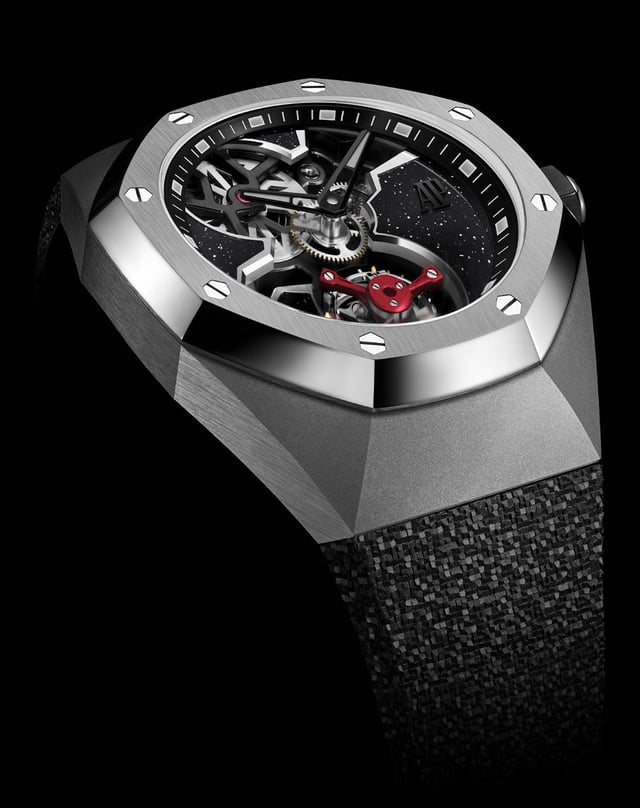
Audemars Piguet – Royal Oak Concept x Yoon & Verbal
Audemars Piguet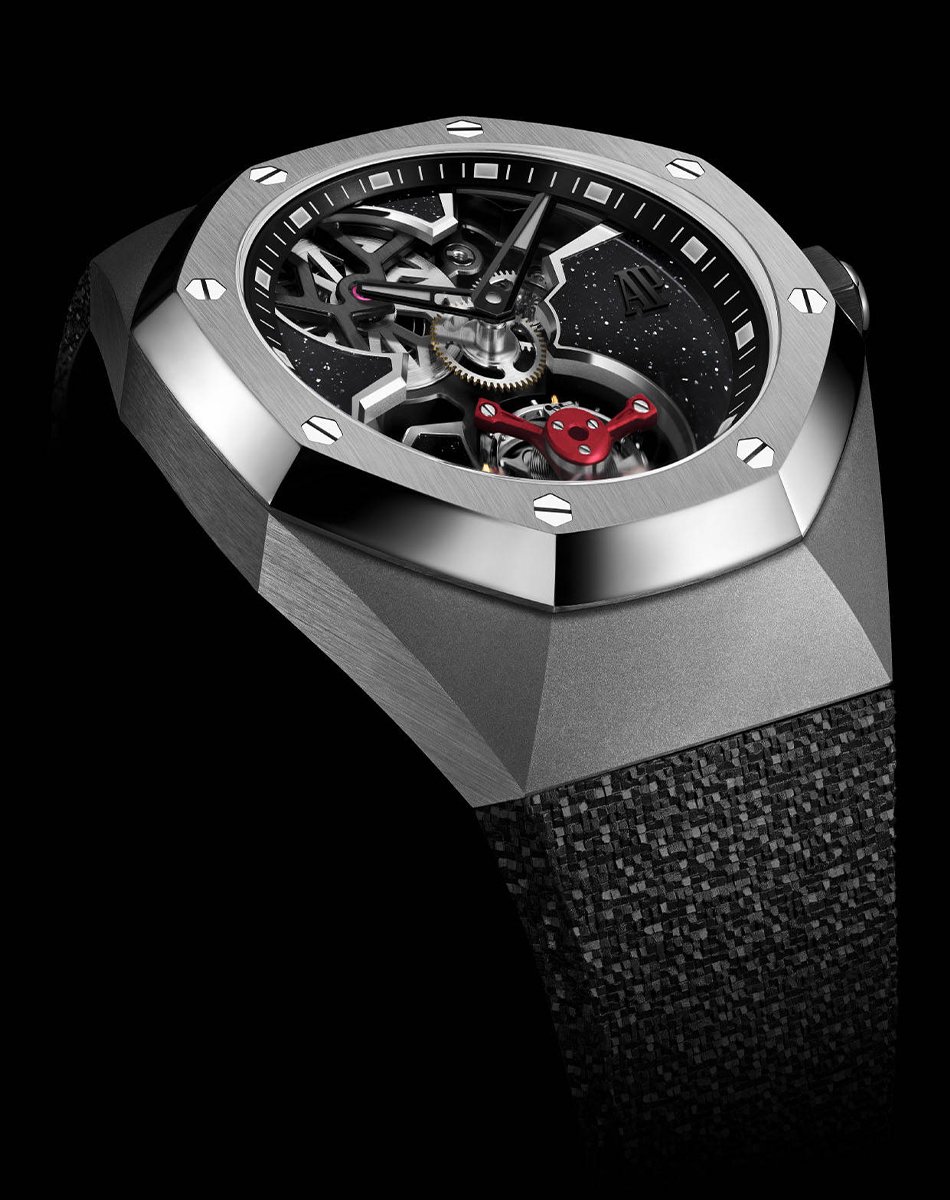
10. "The higher the frequency, the better the watch"
A higher balance frequency can theoretically improve rate stability, but it also comes with compromises. Greater energy consumption, increased wear, and more complex construction may all result. Many excellent movements deliberately operate at 3 or 4 Hz, striking a considered balance between accuracy, durability, and power efficiency.
This article first appeared in WatchTime Germany edition 03/26 and was first published by WatchTime Germany.
- 1. "A manufacture movement is automatically better"
- 2. "Mechanical watches are more accurate than quartz watches"
- 3. "An expensive watch is automatically a good investment"
- 4. "The more complex the movement, the better the watch"
- 5. "Vintage watches are always more valuable than modern watches"
- 6. "A watch must be kept running"
- 7. "Sapphire crystal is completely scratch-resistant"
- 8. "Every Swiss watch is made entirely in Switzerland"
- 9. "A limited edition is guaranteed to Become Collectible"
- 10. "The higher the frequency, the better the watch"