Sponsored: The Man Who Rescued History — Stephen Cox and the Sopwith Foundry
A founder's profile
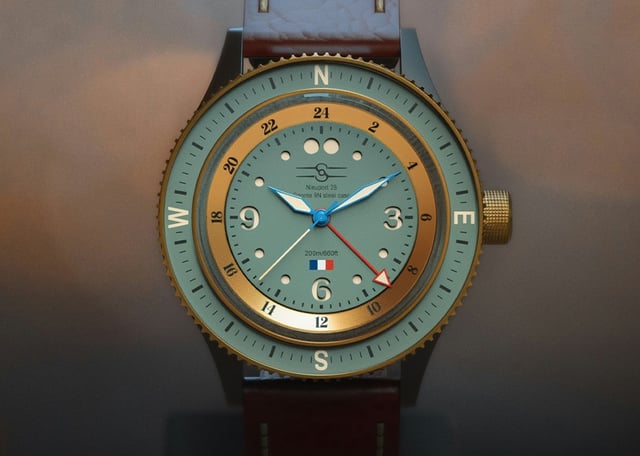
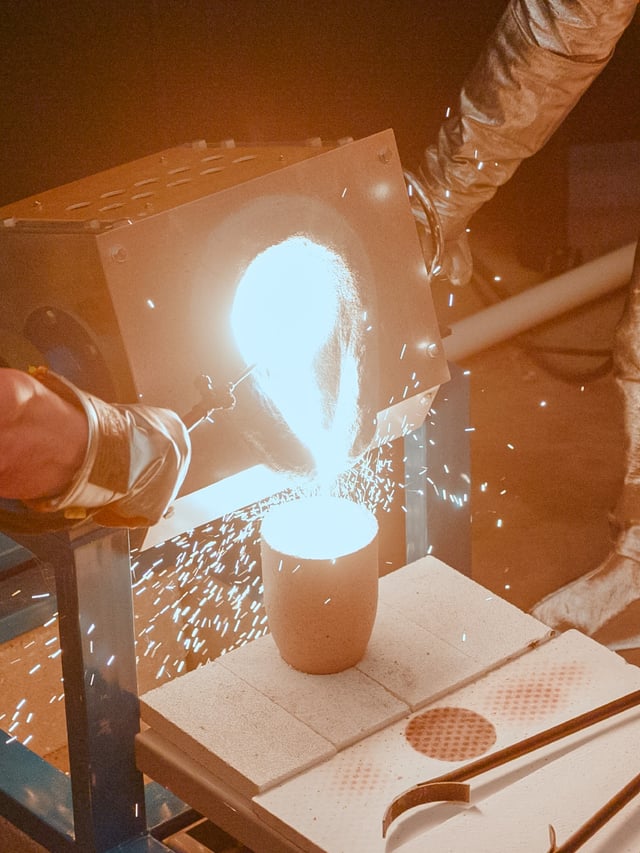
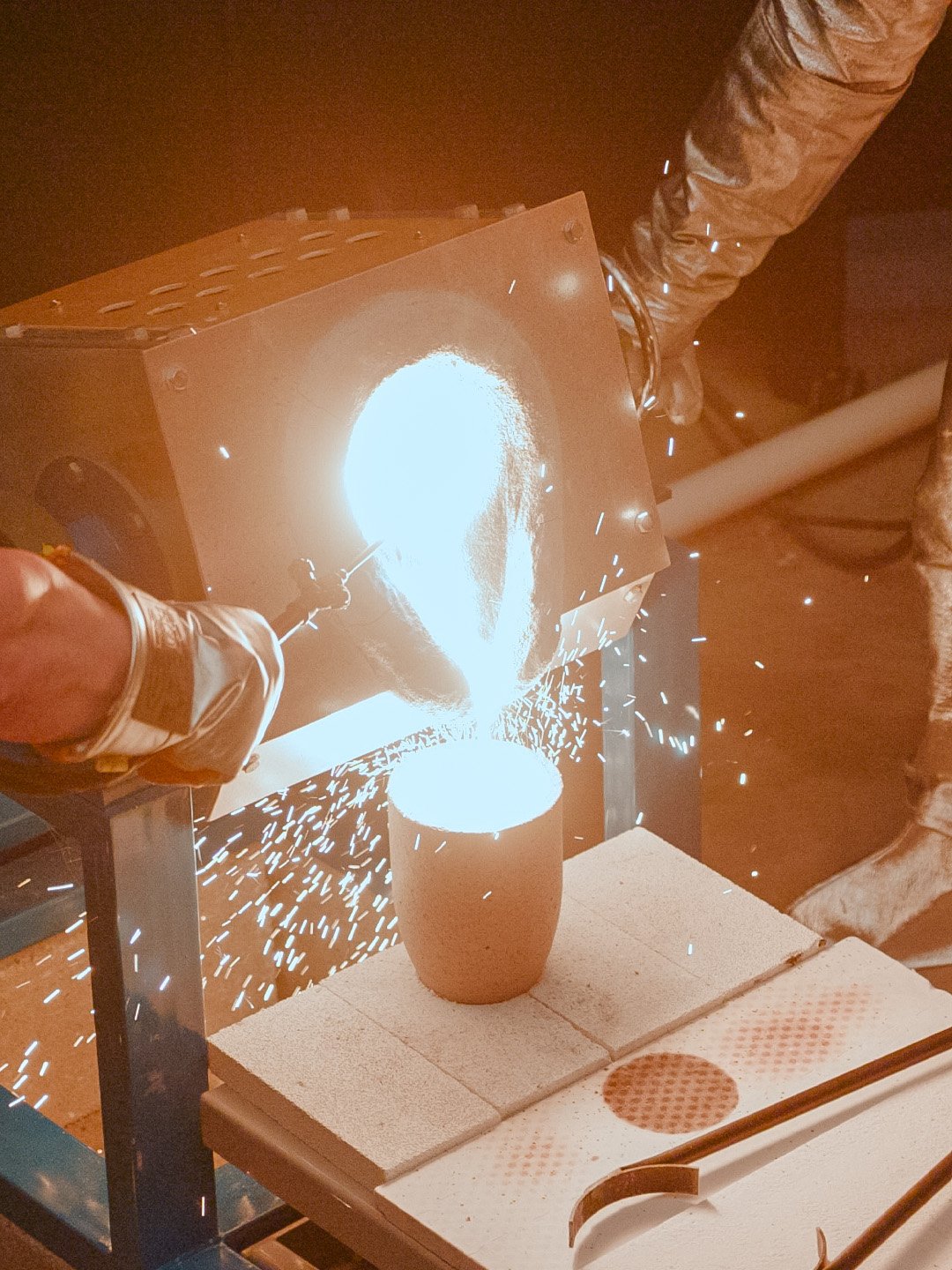
There is a building in Houston, Texas, that does not appear on any industry map of luxury watchmaking. It has no address in the Vallée de Joux. No listing in Glashütte. It is not a manufacture in the Swiss sense — and it is not trying to be. What it contains is something almost entirely without precedent in the world of fine timepieces: a working steel foundry, owned by an independent watch company, staffed by that company’s own people, and dedicated entirely to transforming the recovered steel of World War-era aircraft into watch cases.
This is the Sopwith Foundry. And its founder never intended to build it.
AN UNLIKELY ROUTE TO HOROLOGY
Stephen Cox spent the better part of three decades on television. As a motorsports announcer for NBC, ESPN, Fox Sports, and a co-host of the Mecum Auctions broadcasts that reached millions of collectors annually, he became one of the most recognizable voices in American motorsports. He is also a racing driver, an author, a mountaineer, and a lifelong student of aviation history who has spent years traveling through Europe to document the former airfields of the First World War.
When Cox founded Sopwith Watch Company in Houston in 2022, the concept was already formed: create watches whose cases are manufactured from the authenticated steel of historic aircraft — not watches that include a fragment, not watches that are “inspired by” a legendary airplane, but watches whose cases are that airplane, recast. The watches would carry the motto “The Watch That Was There.” Because each one literally was.


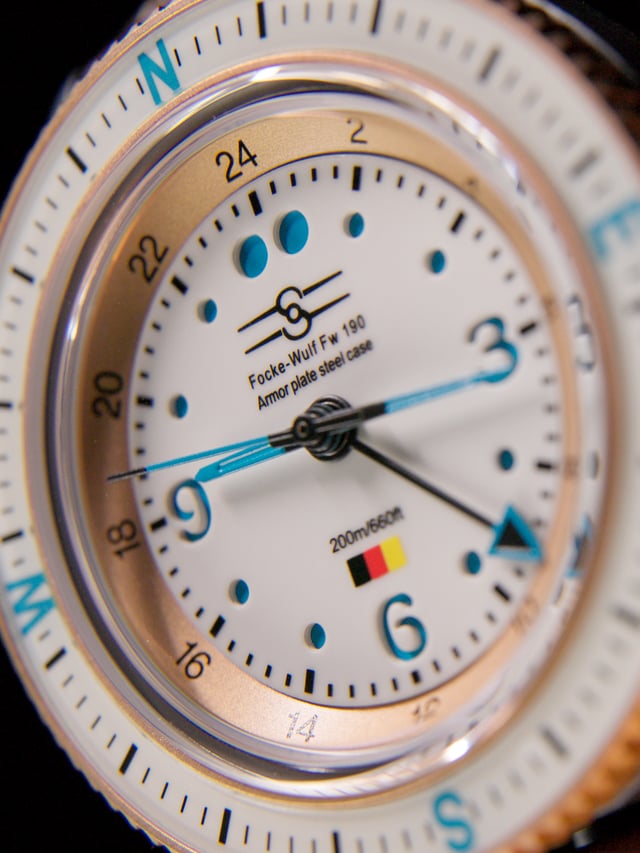
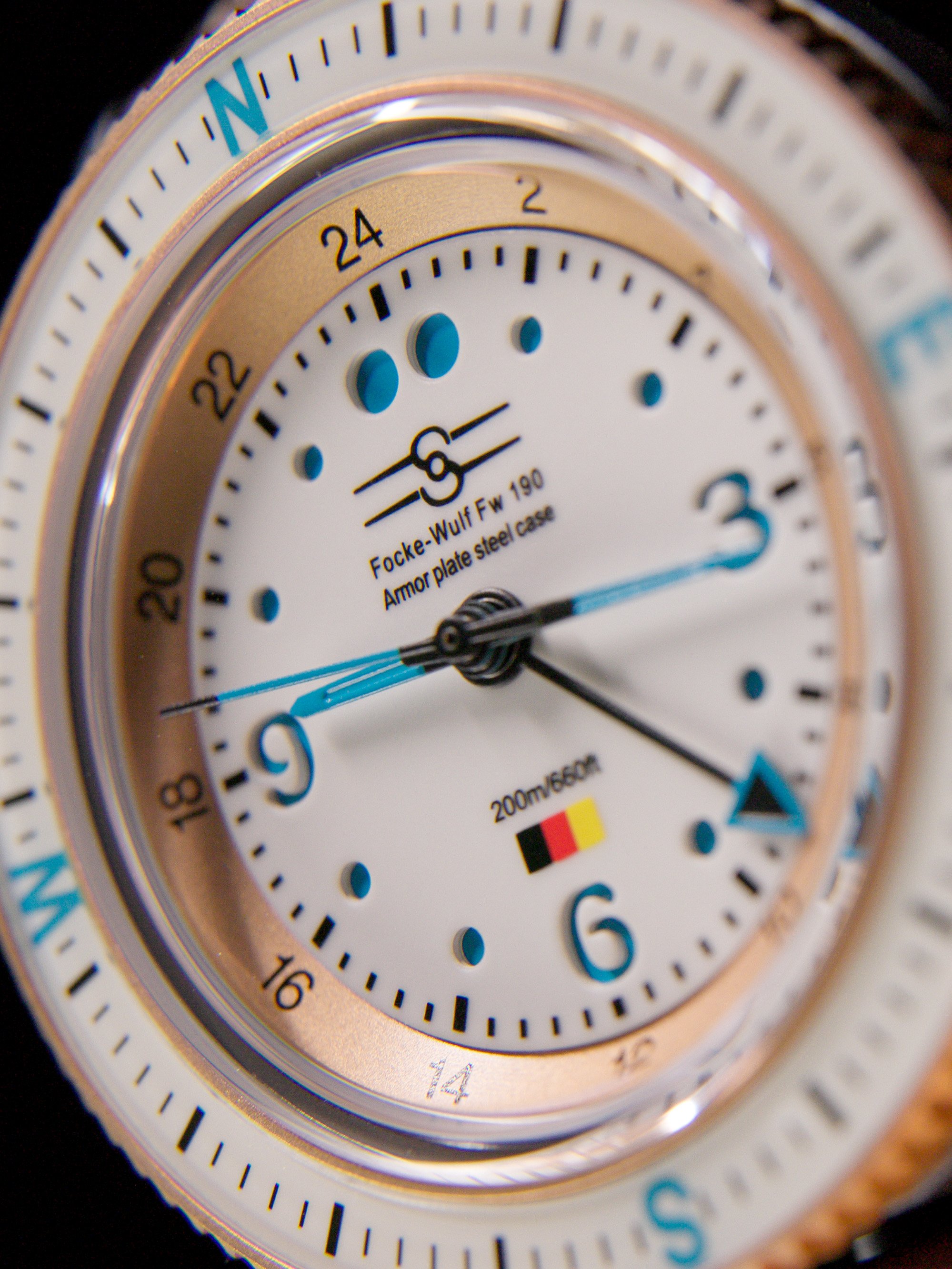
The materials are specific, rare, and finite. Cockpit armor from an original Messerschmitt Bf 109 and a Focke-Wulf Fw 190. Le Rhône 9C engine components from a Thomas-Morse Scout. The engine block of a 1918 Nieuport 28, the first fighter aircraft ever flown by the United States Air Service. Each piece is personally sourced by Cox, carried back to Houston pound by pound, and evaluated before a single watch is planned around it. When a batch of steel is gone, it is gone. There is no mine on earth that produces Messerschmitts. There is no steel mill that makes World War I fighters.
WHEN NO ONE WOULD HELP
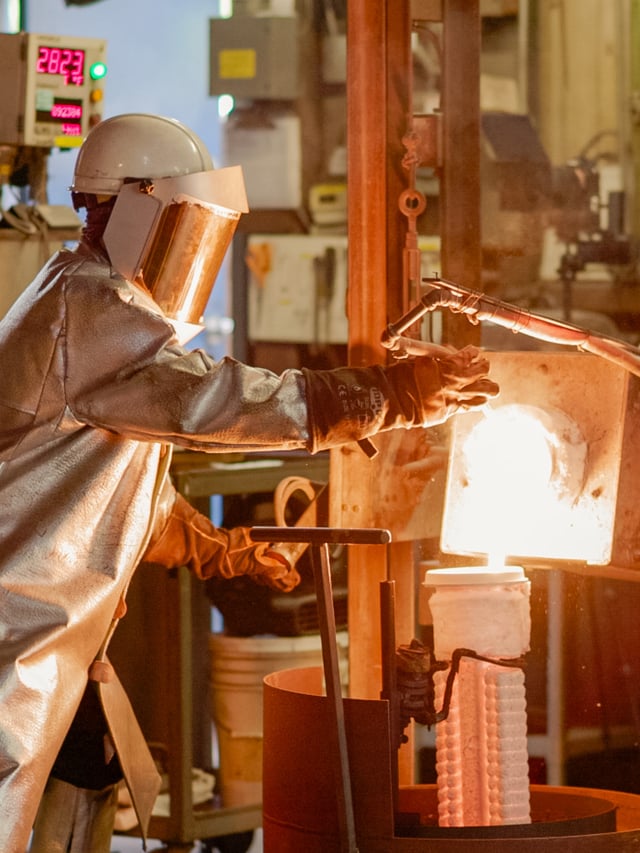
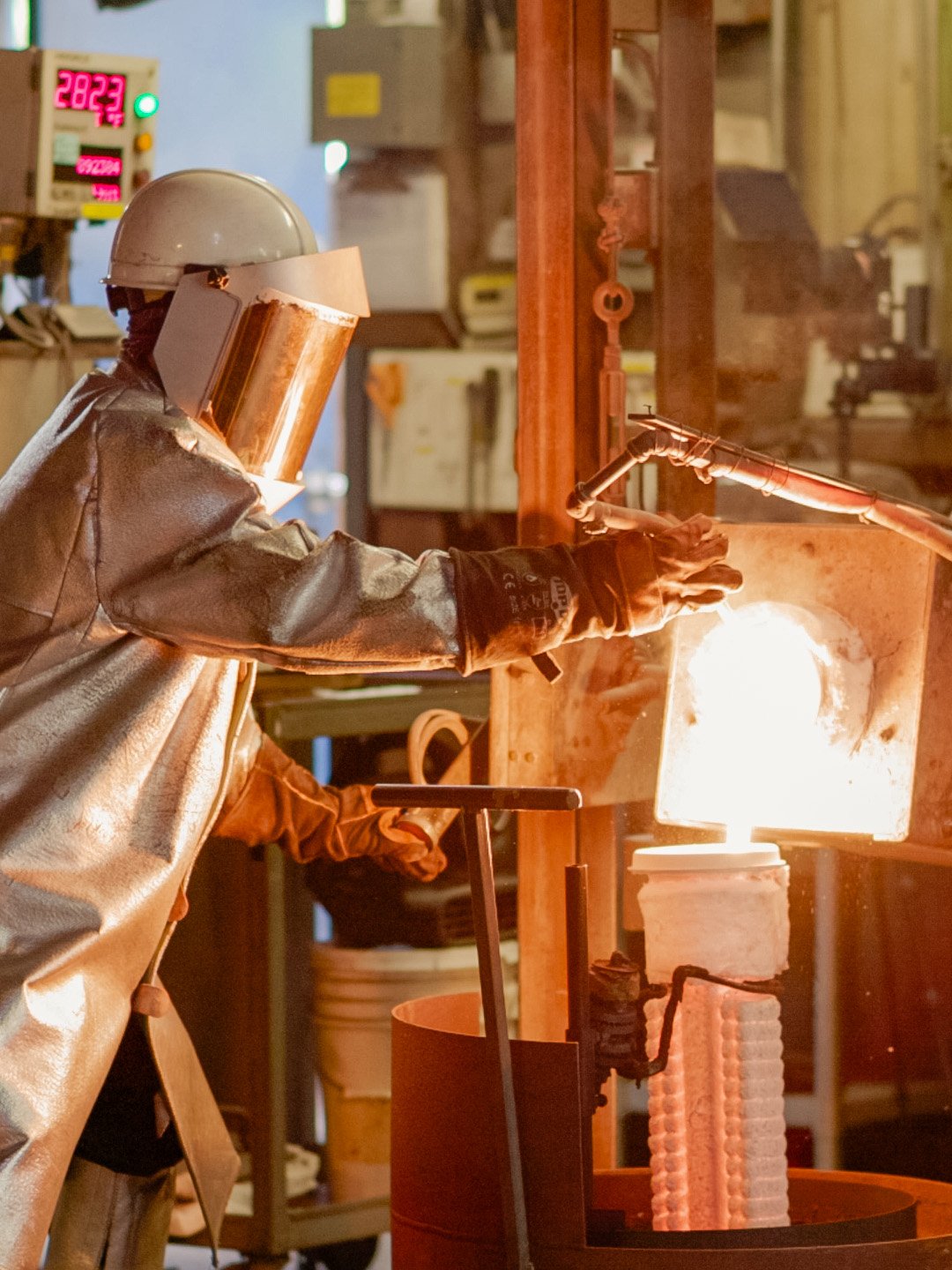
The problem Cox encountered when he began designing watches was a practical one with no readily available solution. The quantities of steel he works with are extraordinarily small. A production run of 59 watches does not represent a commercial opportunity for a large industrial foundry. More significantly, the chain of custody — the methodical tracking of exactly which aircraft produced which steel, and which cases that steel became — is not something an outside facility has any incentive to maintain.