Jan 8, 2017
Reading time 6 min.
Vintage Eye for the Modern Guy: Omega Constellation
With the new year comes new watches, and with plenty of series celebrating anniversaries this year, only months and days now separate the market from some potentially very interesting updates. Among the models celebrating anniversaries is the Omega Constellation, which turns 65 years old in 2017. Here we compare vintage and modern versions of the watch.
With the new year comes new watches, and with plenty of series celebrating anniversaries this year, only months and days now separate the market from some potentially very interesting updates. Among the models celebrating anniversaries is the Omega Constellation, which turns 65 years old in 2017. This will also be the 35th year of production for the Constellation's “Manhattan” model. The Constellation series is highly valued group by Omega fans, both in its vintage and modern versions, so this year could mark a significant development of the lineage in a more historically-oriented way — much as the release of the Globemaster did in 2015.
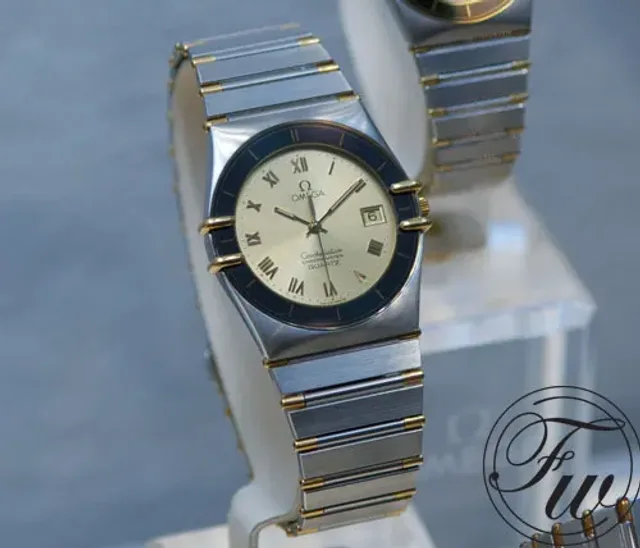
Omega Constellation Manhattan - vintage
PR
As mentioned, the Constellation series was founded in 1952 and featured “pie-pan” dials. These pieces came in steel, yellow gold, and occasionally even platinum; often featured geometric hour markers and dauphine hands; and were held in high esteem for their superior timekeeping. These are the models that have gone on to inspire today’s Globemaster production line (seen below), but are designs that have more or less been under the radar since the late 1960s.
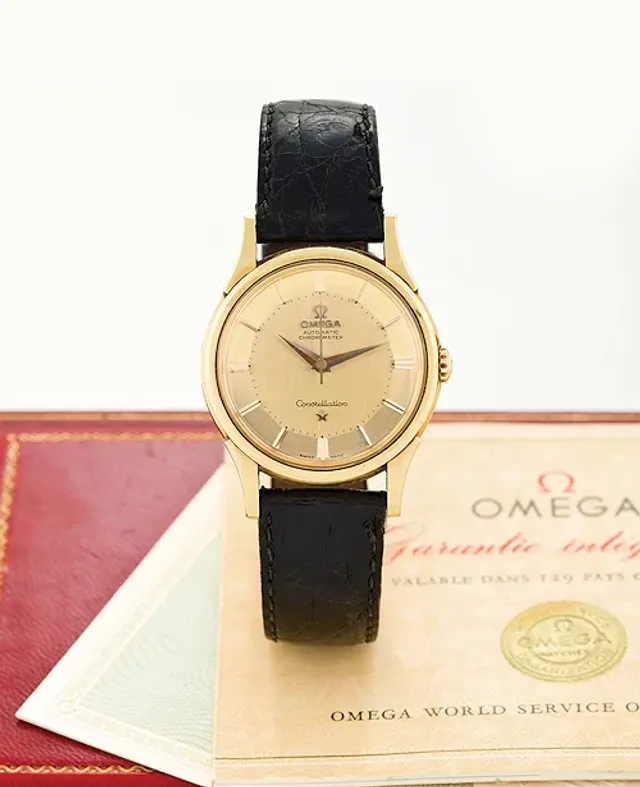
Omega Constellation - vintage - pie pan dial
PR
Today’s models are more commonly based upon the “Manhattan” design family released in 1982. These watches, while sharing the Constellation name and the signature observatory emblem on the caseback, were different than the pie-pan models of the past. They were first developed using quartz movements (Omega didn't release a mechanical, automatic model until 1985), were relatively thin, had integrated bracelets and very different dial configurations, and, most notably, included four claws on the bezel to secure the crystal to the rest of the case. They were very much a product of the 1980s, but have nevertheless retained a strong place in the brand’s lineup in the decades since, with both men's and ladies' versions available.
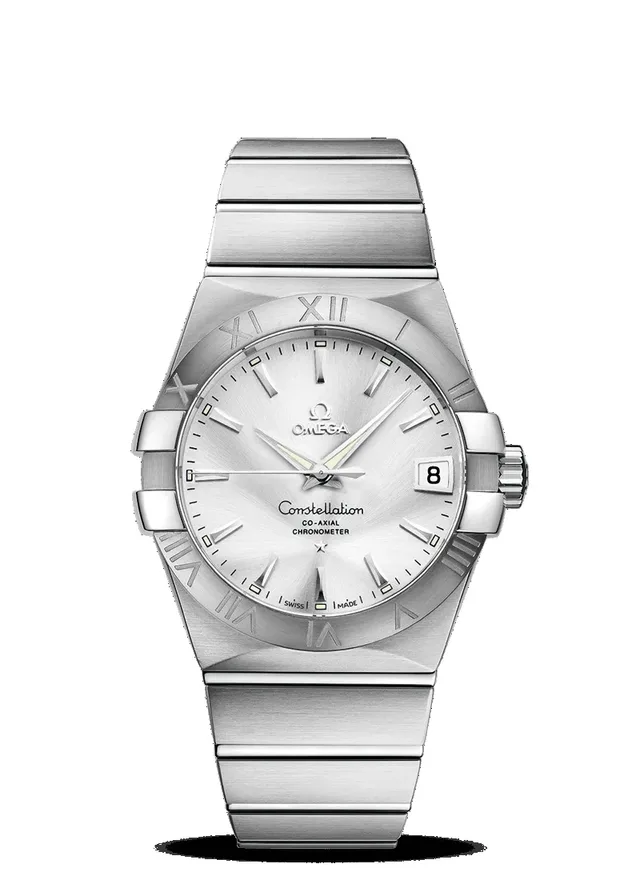
Omega Constellation - steel chronometer
PR
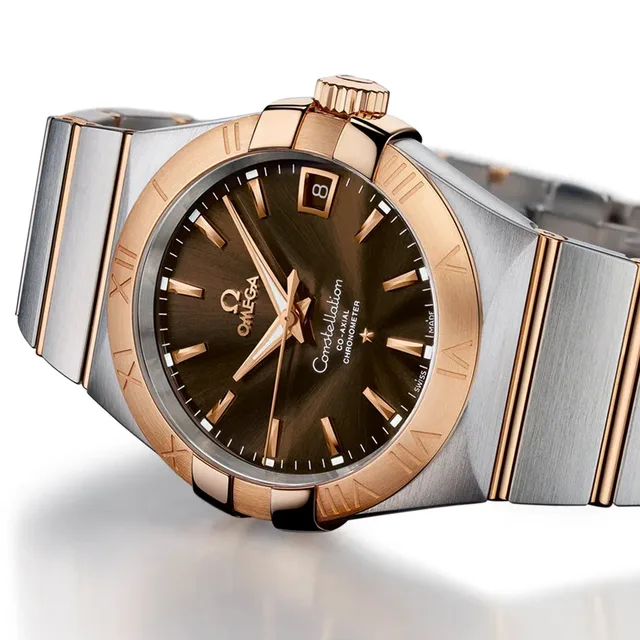
The contemporary series offered by Omega includes day-date models, mechanical and quartz movements, integrated leather straps as well as metal bracelets, and an array of material options from steel, to the three golds, to combinations of each. Focusing primarily on the date-only, all metal, and non-jeweled models, we find that the watch has a host of features both similar to, and contrasting with, historical references within the series. It uses the integrated-clasping bracelet common to the series and the distinctly shaped case available in 38-mm and 35-mm diameters, with either a sapphire or solid caseback (for mechanical and quartz movements, respectively); and features the four-clawed bezel engraved with Roman numerals for each hour except the 3 and 6 o’clock marks.
On the dial, which is available in a range of color and material options, is an outer luminescent minute ring, applied tick hour marks, and a date indicator at the 3 o’clock position. The watch uses dauphine hands for the hour and minute, and a simple pointer for the seconds counter, all of which sweep over the trademark star towards the bottom of the dial. The mechanical models are available with the automatic Omega Caliber 8500, which has a 60-hour power reserve, while the quartz models use the Omega Calibre 1532, which has a battery life of around 25 months. While prices vary dramatically depending on the specific model, entry into the Constellation series is typically around $1,700 for quartz models and $3,200 for mechanical.
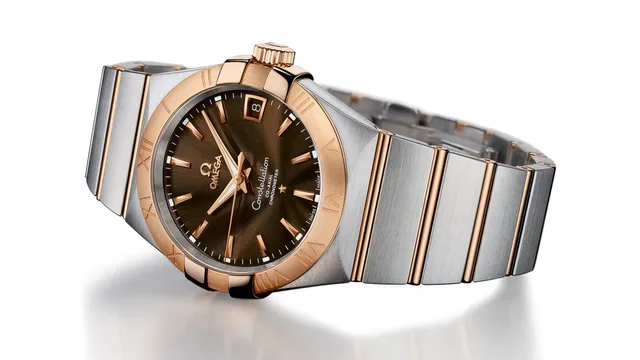
Omega Constellation - two-tone
PR
Noticeably, the modern watch uses engraved Roman numerals on the raised bezel instead of the simple, flat, printed markers on the vintage editions. Also, the bezel and its claws today serve a less functional and more decorative role than in the past: the original's flat sapphire crystal that needed to be secured to the case has been superseded by a modern, more stable, domed crystal. On the dial, the use of dauphine hands and tick hour markers are more reminiscent of the pre-Manhattan variants of the series than of the stick hands and Roman numerals seen in the 1980s. Finally, the finishing techniques on the modern version are much more refined than in the past; note the sharper edges on the case, the brushed look compared to the original's polishing, and the overall higher quality of the watch as evident in its increased thickness and sturdiness throughout.
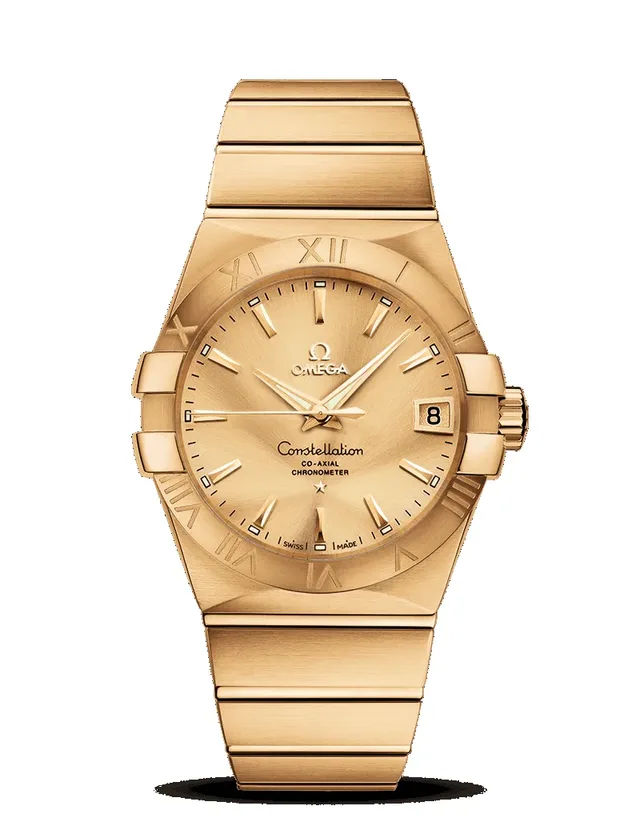
Omega Constellation - gold
PR
Of course, there are also many shared attributes between the historical and contemporary models. The modern watch still has the integrated bracelet and case, it still combines various metals, its bezel still has the signature claws, and its dial continues to display a date indicator and the name “Constellation” in a cursive script. The differences lie mostly in the overall styling, placement of features, and finishing. The watch still retains its overall shape, but it’s thicker, with a less flimsy bracelet; it still uses Roman numerals, but now they are engraved on the bezel rather than applied to the dial. The watch maintains its distinctiveness, but now at modern, luxurious Omega standards.
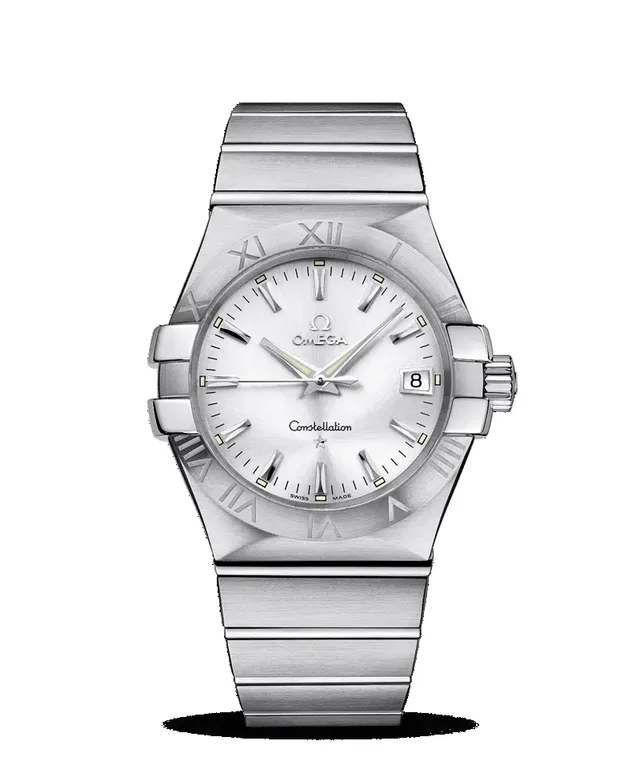
Omega Constellation - steel - white dial
PR
The Omega Constellation Manhattan line holds a special place for me personally: it was one of my first “real” watches outside of the cheaper, more disposable pieces that preceded it, a watch gifted to me by my father (actually, "gifted to me by" should read more accurately as "stolen from"), which more or less introduced me to the wider world of watches that is today covered in watch publications and online forums. So, with this year marking another anniversary for the series, and with a growing focus by Omega on its historical foundations, it will be interesting to see where the brand ventures next with one of its most distinct families. Whether that is with a renewed focus on pre-Manhattan variants in the Globemaster line, or possibly a curvier model in homage to the 1980s classic, it would surely be one of the more fascinating releases of the year.
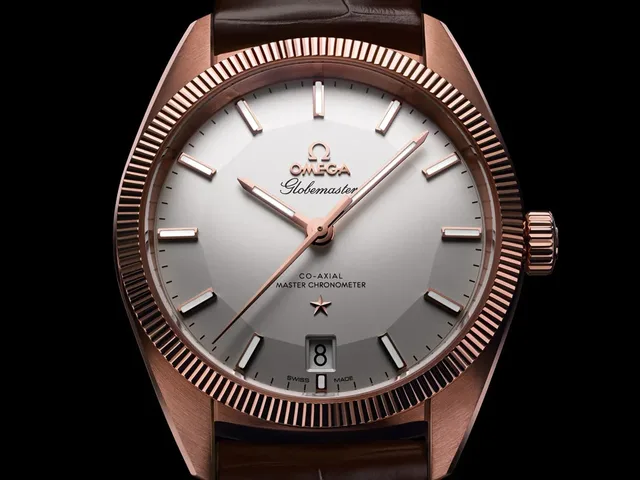
Omega Constellation Globemaster
PR
For our most recent article, in which I look at the historical foundation of the Audemars Piguet Royal Oak Offshore Diver Chronograph, click here.
Caleb Anderson is a freelance writer with a primary focus on vintage watches. Since first learning about horology, he has garnered extensive knowledge in the field, and spends much of his time sharing his opinions among other writers, collectors, and dealers. Currently located near New York City, he is a persistent student in all things historical, a writer on many topics, and a casual runner.