Master of Materials: A Spotlight on Rado
Rado’s ceramic revolution
In 1957, the very first Rado, named Green Horse, was launched. In a sense, it was 40 years in the making, as in 1917, brothers Fritz, Ernst, and Werner Schlup decided to go into business as watchmakers. They quickly became one of the most important suppliers in Swiss watchmaking, but the desire to have a watch brand of their own lingered. With the launch of Rado also came a motto that has guided the company ever since: "If we can imagine it, we can make it. And if we can make it, we will."
The Schlup brothers were fascinated by technological advancement, which also helped them grow their company. In 1962, they launched the Rado DiaStar, which not only made a name for itself due to its futuristic look, but also because it was made of ultra-resistant hardened metal, making it virtually scratch-proof. This material would guide the brand through the tough years of the quartz crisis until another revolution arrived in 1986. The Integral was the first Rado made of high-tech ceramic, a material that offers a wide array of benefits yet is challenging to master.
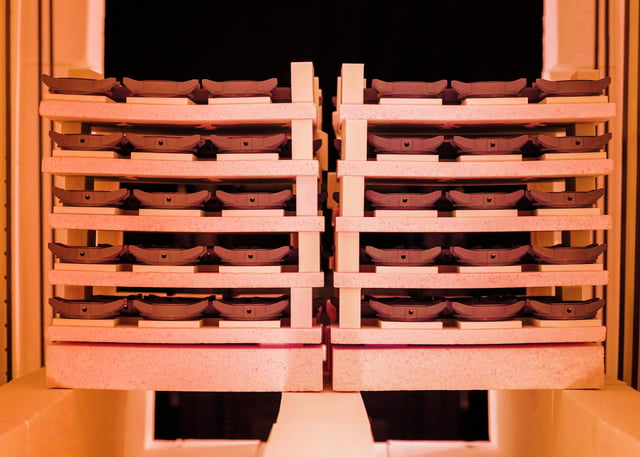
Freshly treated plasma high-tech ceramic components
Rado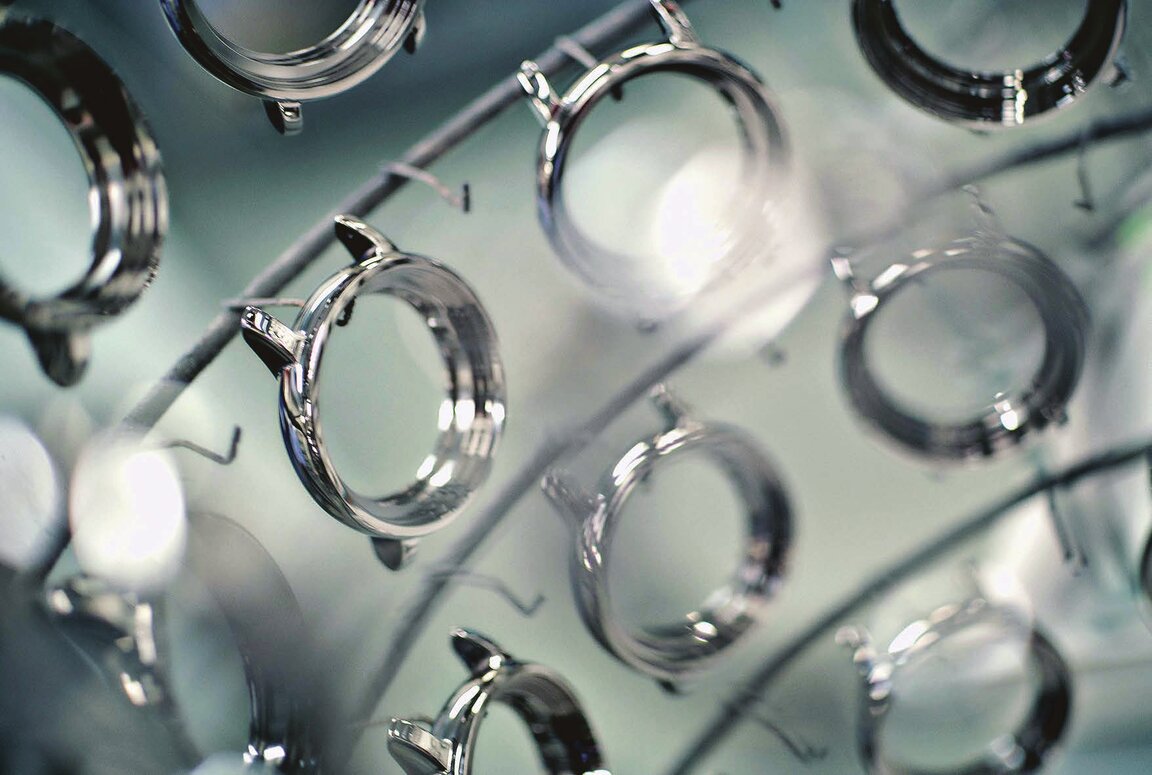
The production process of high-tech ceramic is very technical. For Rado, it starts with pure zirconium oxide powder. The purity of this powder is essential, as it will decide the quality of the ceramic at the end of the production process. Color pigments, when desired, will also be added in this step before they are mixed with a polymer binder. It is then injected into a mold that is crafted based on the drawings of Rado’s designers. Once the mold is injected, the polymer will be chemically dissolved, and the sintering will begin. This process takes several hours and consists of incredibly high temperatures of around 2,640 degrees Fahrenheit. Due to this process, the ceramic part will also shrink around 25 percent. As this is never exactly the same, the quality control after this step works with very tight thresholds to ensure a perfect fit of all the parts.
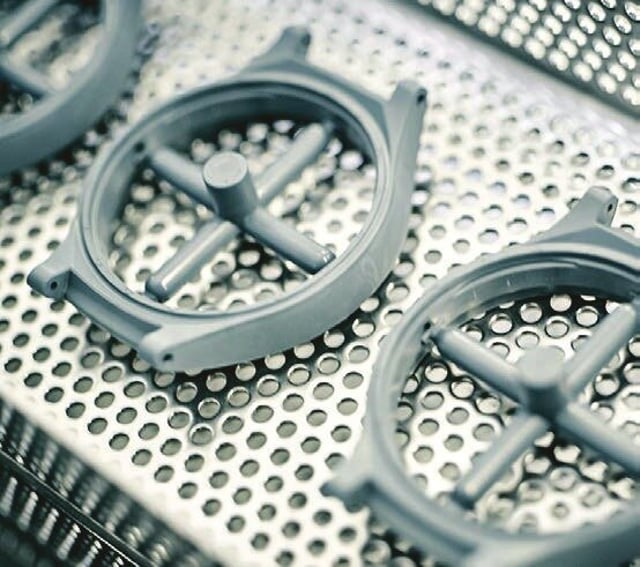
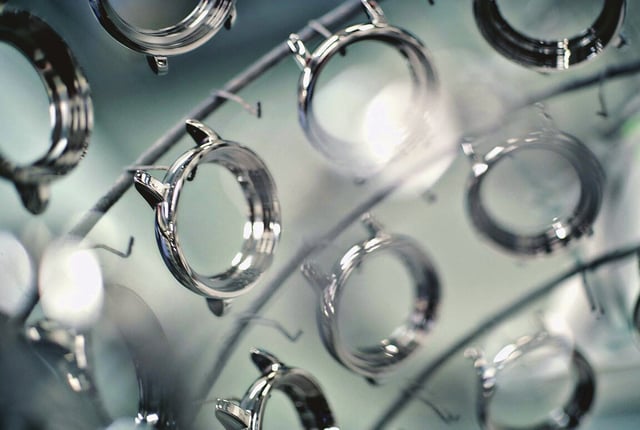
High-tech ceramic cases, right after production and before finishing
Rado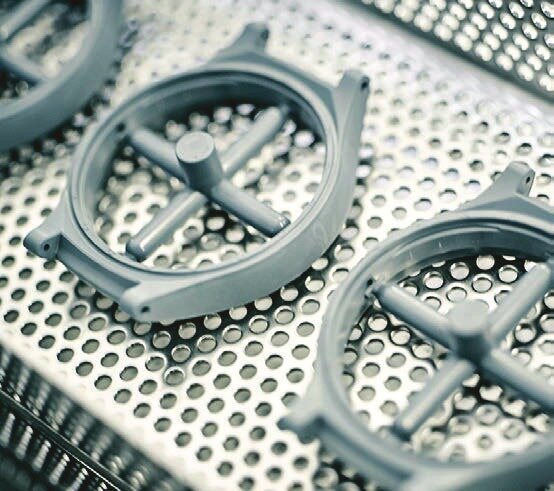
Finishing is another essential part of the production process at Rado. First, the ceramic parts are further machined with diamond-tipped tools to create their final shape. Depending on the desired look of the part, they are all polished in a high-frequency bath of tiny ceramic fragments after which some are sandblasted for a matte finish. Next is engraving the numbers, markings and text, which will later be filled in with a special lacquer that bonds with the ceramic when dried. Rado also masters a special plasma technique in which the high-tech ceramic gets a metallic shine without using any metal. They use white ceramic as a base and change its molecular composition with gases activated by a plasma discharge of 36,000 degrees Fahrenheit. While this plasma carburizing process doesn’t change the structure of the high-tech ceramic, all its benefits remain, with an added shining appeal that will not fade nor wear off.
Coloring ceramics adds another level of difficulty to the process. As the material is sintered at around 2,640 degrees Fahrenheit, most color pigments tend to burn up. This is not the only hurdle that must be taken because, as the production is done in batches, creating color consistency is also vital. Rado introduced the first colored ceramic in 1992 and has, over the years, added more colors to its collection. As its experience and technology progressed, Rado was capable of creating even more vibrant colors. Based on the famous Swiss architect Le Corbusier’s Architectural Polychromy color theory, Rado even created the True Thinline Les Couleurs Le Corbusier collection, which focuses entirely on color.
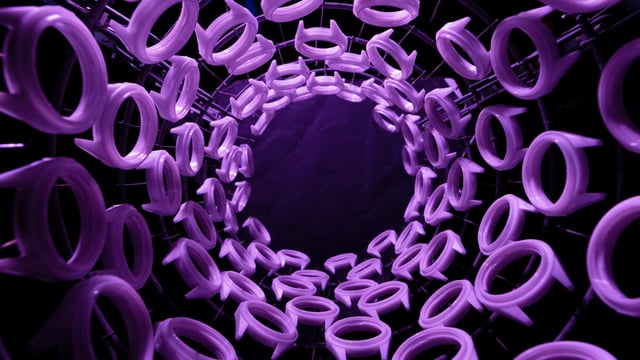
A look inside the plasma oven
Rado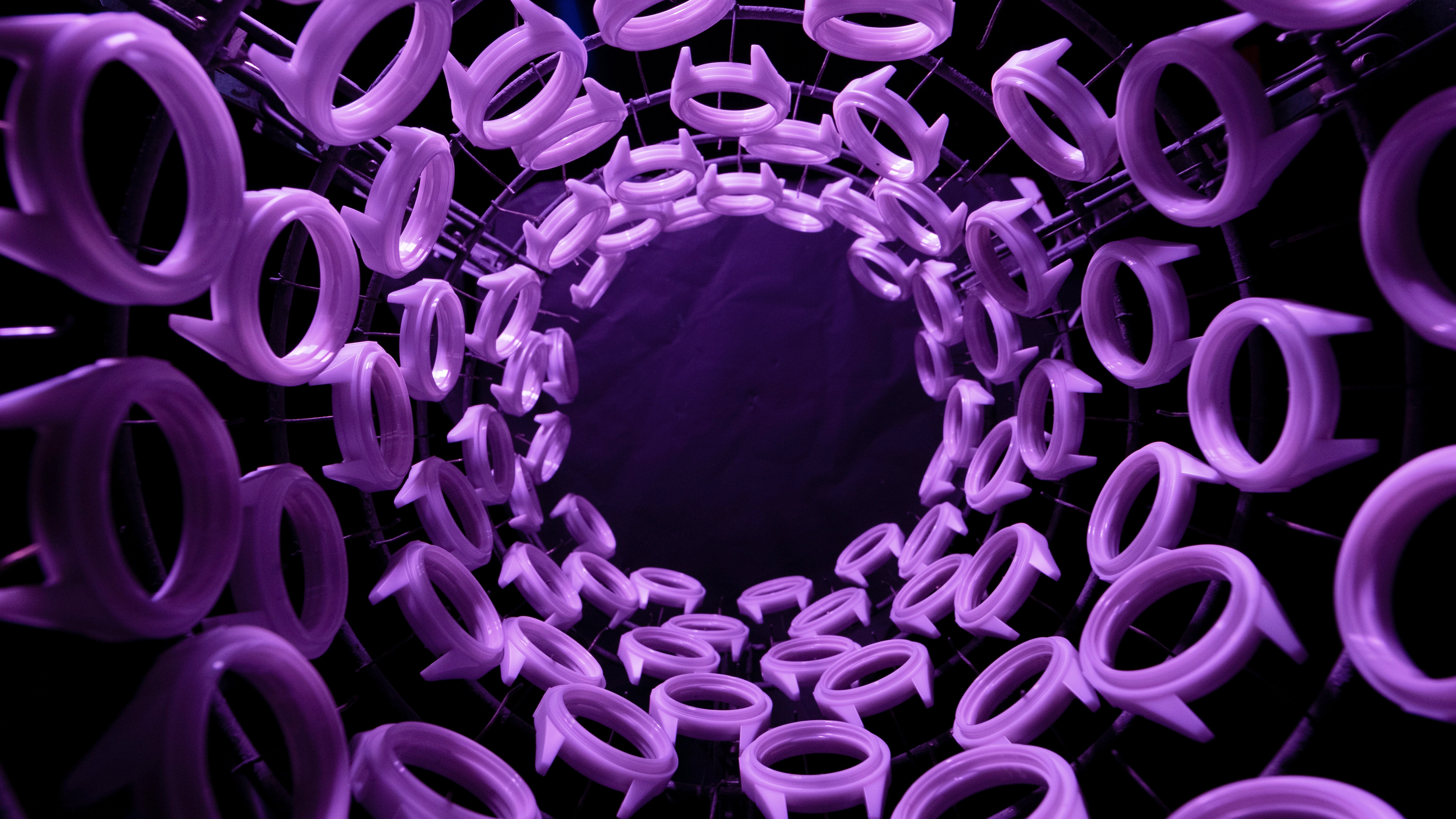
There are several reasons why Rado has embraced high-tech ceramics as one of the cornerstones of its brand identity. At 1,250 Vickers, high-tech ceramic is far more scratch resistant than gold (around 150 Vickers), stainless steel (around 200 Vickers), and grade 5 titanium (around 300 Vickers). This makes it so that even with daily wear, Rado’s timepieces retain that new-watch look. Wearing a watch made from high-tech ceramic is also a different experience, as the material is quite light and heats up to body temperature in a matter of seconds. Both add to the wearing comfort, and as high-tech ceramic is also hypoallergenic, it really is a material for everybody.
Where there is a will, there is a way, and soon after the introduction of high-tech ceramics, Rado set on a quest to create an even more robust form of ceramic, reminiscent of its earlier ultra-resistant hardened metal of the original DiaStar. This would become what is now known as Ceramos, a material initially launched in the Rado Sintra in 1993. Ceramos is made in a similar way as high-tech ceramic, creating a titanium carbide-based composite with a hardness of 1,750 Vickers, making it even harder than high-tech ceramic.
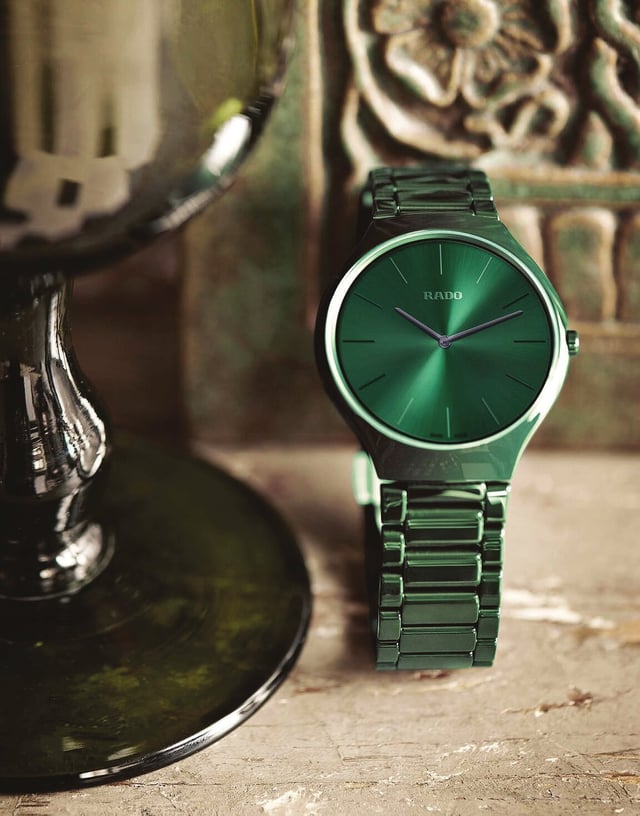
Creating ceramic in vivid colors remains challenging, yet something that Rado also mastered, as with this green version of the True Thinline.
Rado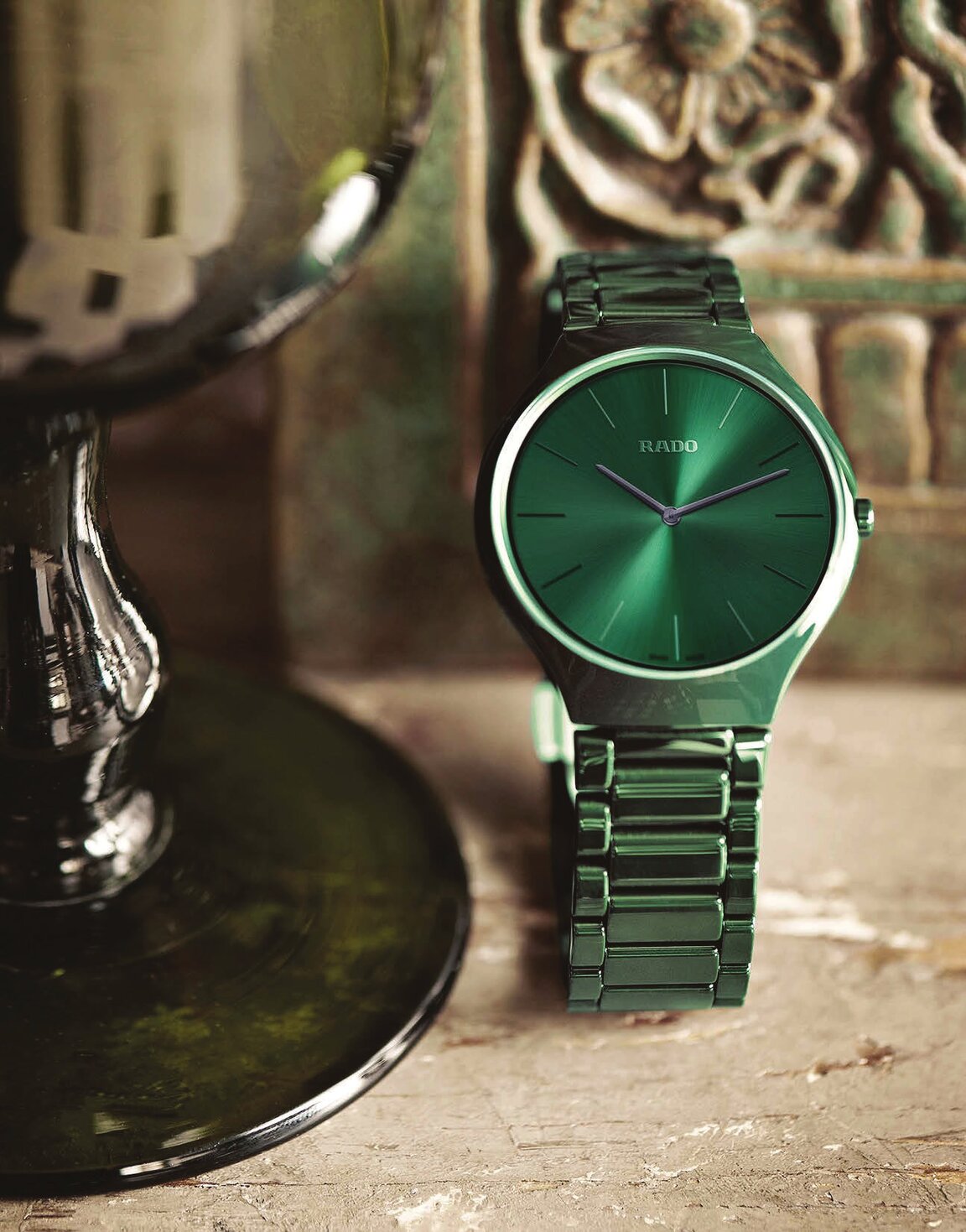
High-tech ceramic has also greatly influenced Rado’s design philosophy, as it has offered unique opportunities to its designers. It is challenging to capture Rado’s design language in words, as they have made a contradiction work. Its designs are often progressive, even futuristic, but tend not to age at all. Even the first high-tech ceramic Rado from 1986 would not look out of place or even dated when worn today, and such is the same with the watches that came after it.
A great example of Rado’s progression is the Captain Cook. The original was launched in 1962. This robust diving watch had an oversized hour hand combined with bold hour markers as one of its signature features. Over six decades later, these are still the features that make the Captain Cook instantly recognizable.
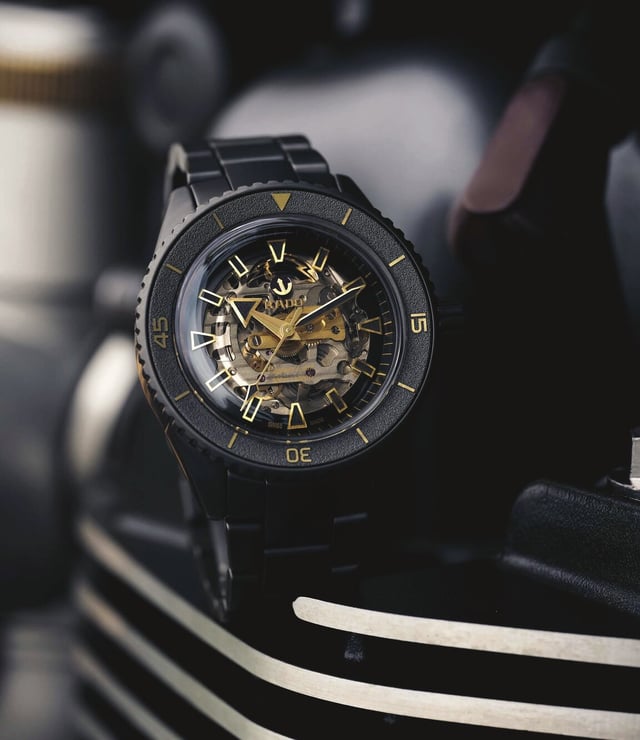
Rado's Captain Cook Skeleton in high-tech ceramic is a refreshing entry in the saturated world of diving watches.
Rado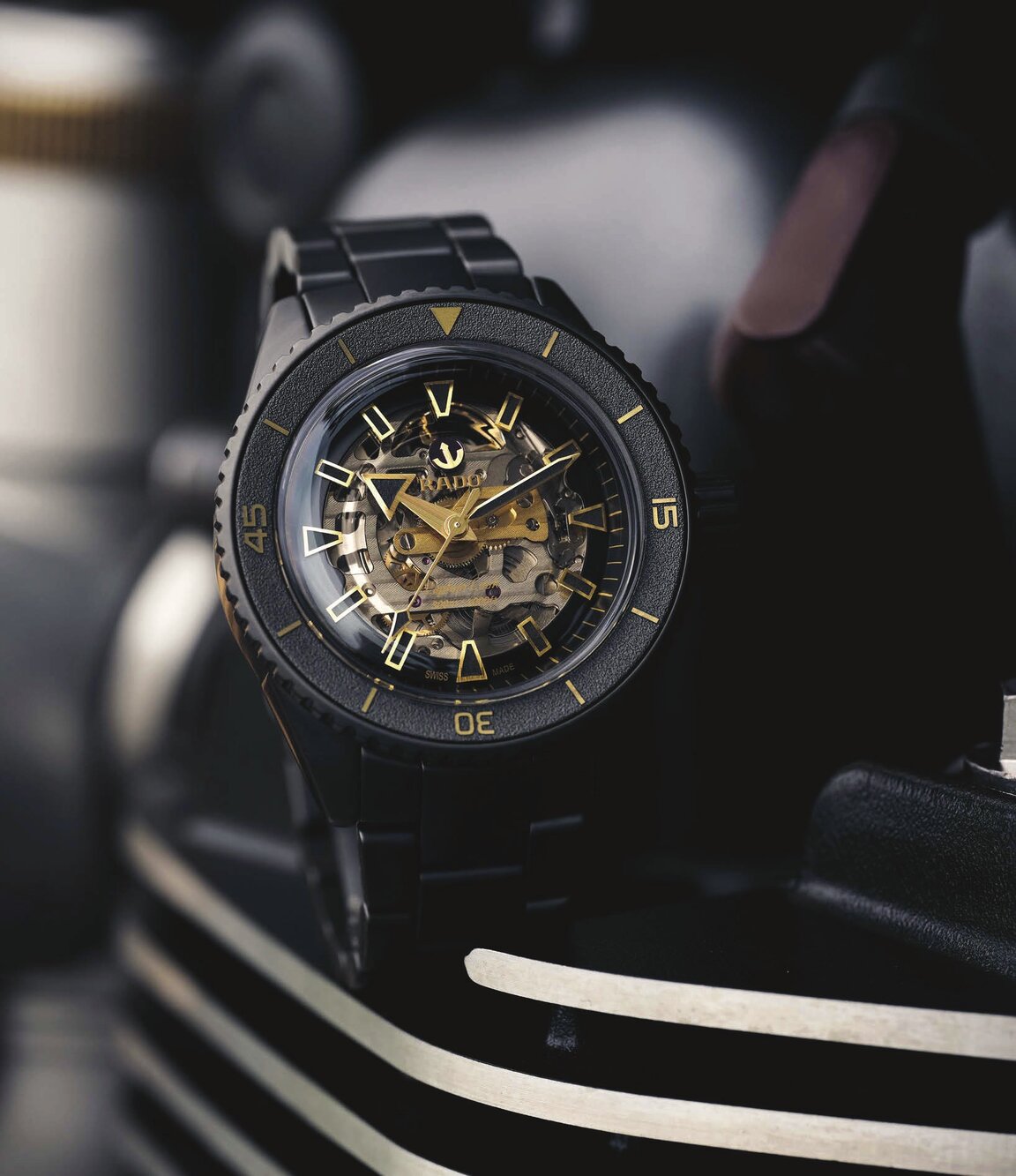
What has changed are the materials used to craft it. When looking at the Captain Cook High-Tech Ceramic Skeleton, Rado’s signature material is now used for the case, bracelet, and even the bezel insert, creating a unique proposition in the somewhat oversaturated segment of divers’ watches. It allows the Captain Cook to stand out, with the materials working for it, not only by their unique characteristics, but also by their looks. Rado opted for a matte finish on the high-tech ceramic parts, combining them with rose-gold PVD on the crown and bezel.
The automatic Caliber R808 can be seen through the transparent dial, offering a generous 80-hour power reserve and precise operating thanks to innovations such as the antimagnetic Nivachron hairspring. The oversized hour hand is also there, filled with a unique, black-colored Super-LumiNova to stay in the theme. It makes the Captain Cook High-Tech Ceramic Skeleton a testimony to how mastering materials can control your destiny, with Rado having carved out a unique place for itself within the watch industry.
To learn more, visit Rado, here.
This article was originally published in the March / April 2025 Issue. To subscribe to the print edition of WatchTime Magazine, click here.