The Past and Present of Orient Watch Company
A profile on the Orient Watch Company
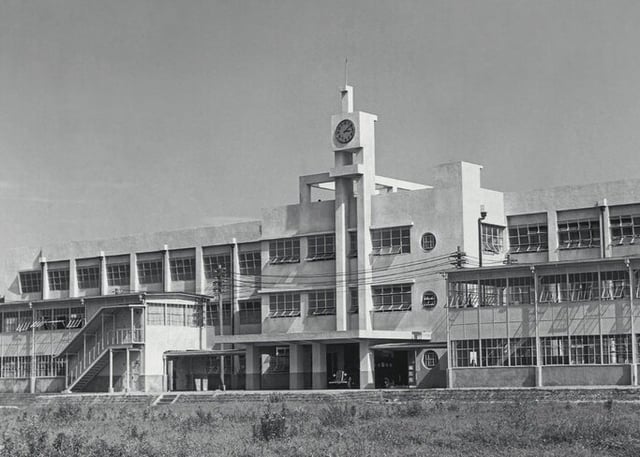
While the Orient Watch Company was officially founded in 1950, its history dates to the very beginning of the 20th century. It was in 1901 that watchmaker Shogoro Yoshida opened a watch shop in Ueno, Tokyo, a place best known for its park and beautiful cherry blossoms. Initially, Yoshida focused on the import of pocket watches, but in 1913, he started his own production of watch cases. This marked the beginning of rapid growth, which continued in 1920 with the founding of Toyo Tokei Manufacturing, which focused on the production of clocks. As of 1934, it also started manufacturing wristwatches. To accommodate the rapid expansion, a modern four-story factory was built, which opened its doors in 1936. This success was unfortunately short-lived, as the factory was repurposed to make aerial weaponry during World War II. After the war, production was reinstated, but the factory struggled to regain its pre-war success and was dissolved in 1950.
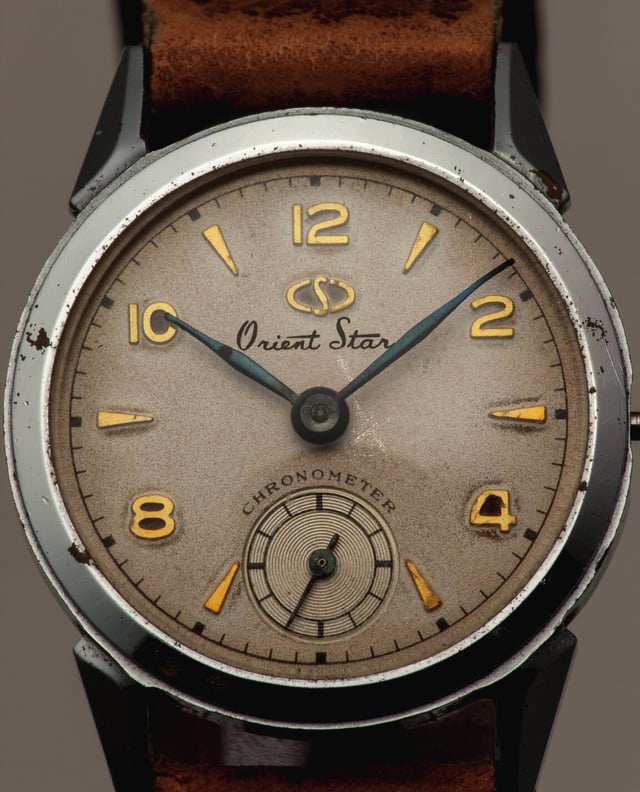
The very first Orient Star from 1951 was Chronometer certified.
WatchTime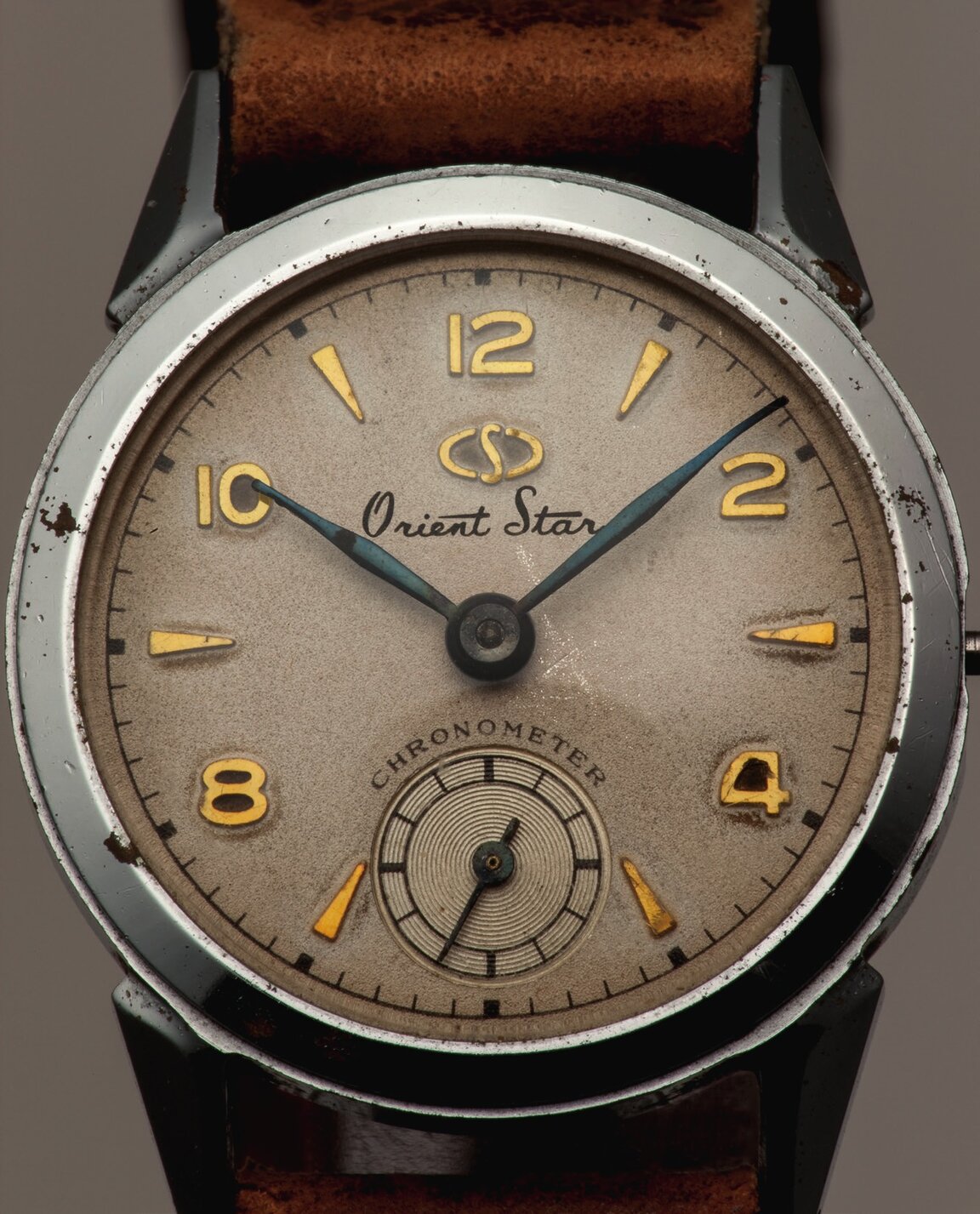
A group of employees realized the factory’s potential and rallied together, founding the Tama Keiki Company, which changed its name to the Orient Watch Company a year later. As of April 1951, Orient was in full swing, offering an extensive collection of alarm clocks, wristwatches, and small bearings. One of the driving forces behind Orient’s success was Tamotsu Aoki, who was not only Professor Emeritus of the University of Tokyo but also the first chairman of the Horological Institute of Japan. Hired by the staff of Orient, he played an important role in optimizing the quality of the watches.
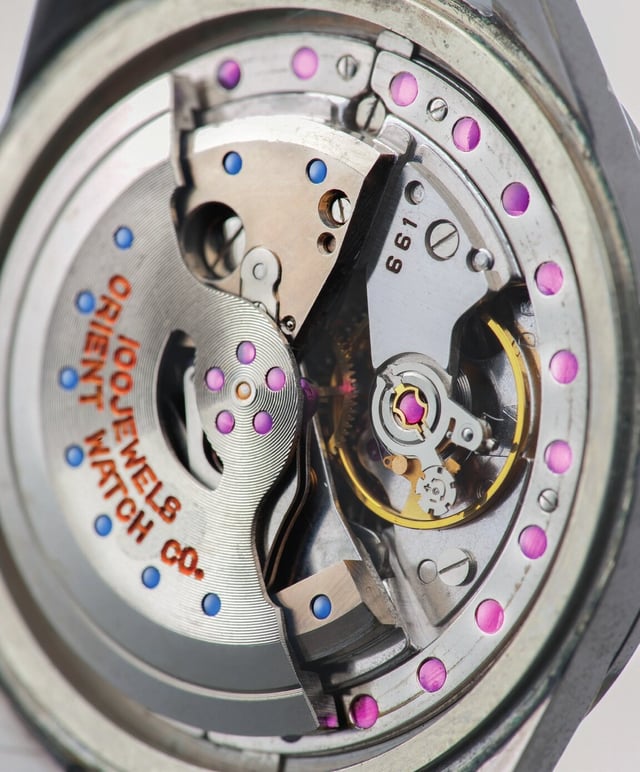
Rubies galore in the 100-jewel movement of the 1964 Grand Prix 100
WatchTime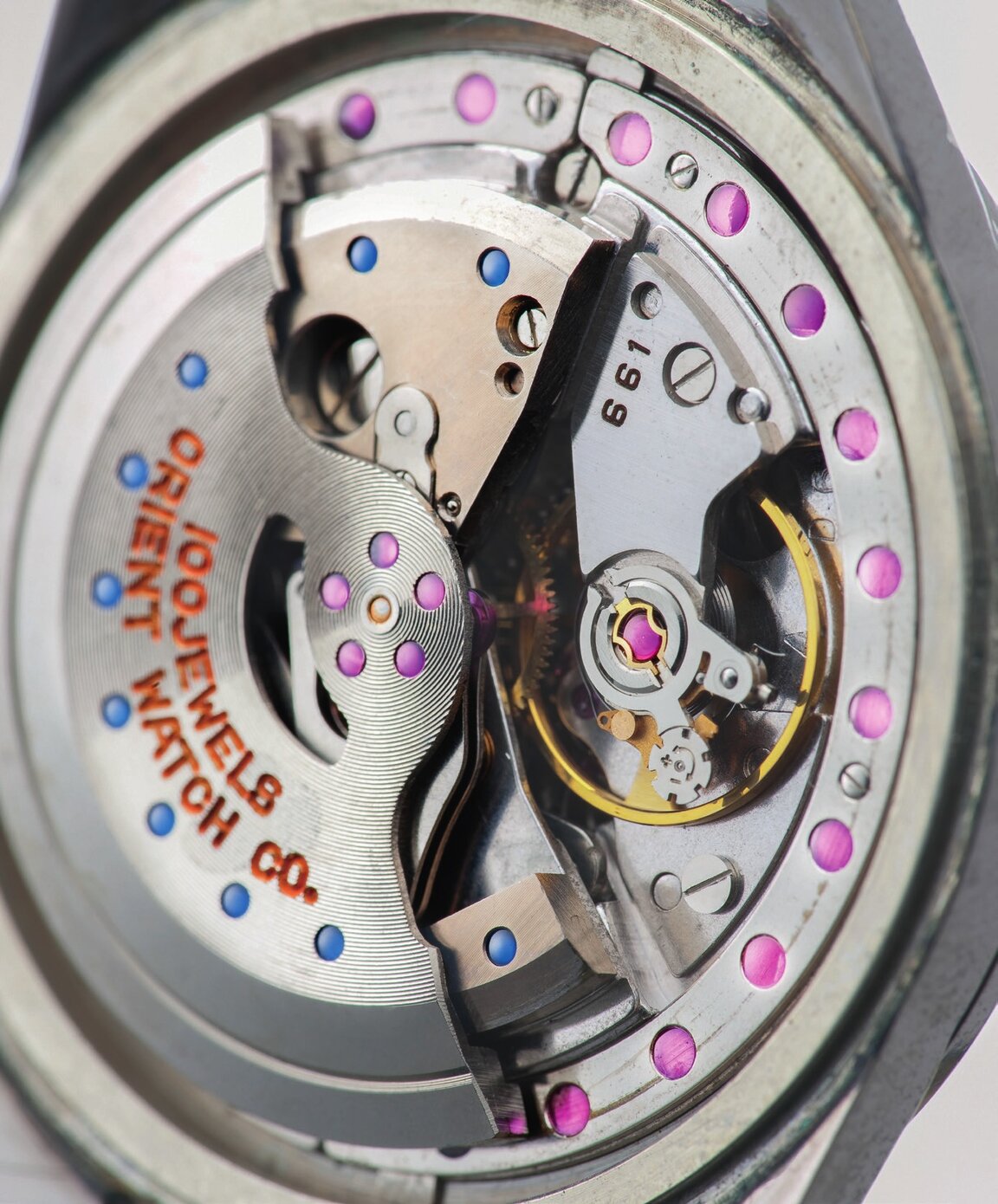
The first two watches by Orient still depended on pre-war movements, but this soon changed. The first model to take full advantage of this was the Orient Star Dynamic, launched in 1955. Named after a shining star, this understated and elegant model featured a centrally mounted seconds hand. Its hand-wound T-type movement was also the first to be fitted with a Nivaflex mainspring. Aimed at further perfecting performance, Orient began to expand the diameter of its movements, which resulted in the N-type caliber in 1958. This movement was fitted in the more upscale Royal Orient, a watch in which Orient also realized increased water resistance. Confident in the quality of its products, Orient also started exporting its watches outside of Japan, gaining a presence in, among others, Canada, the United States, and Brazil.
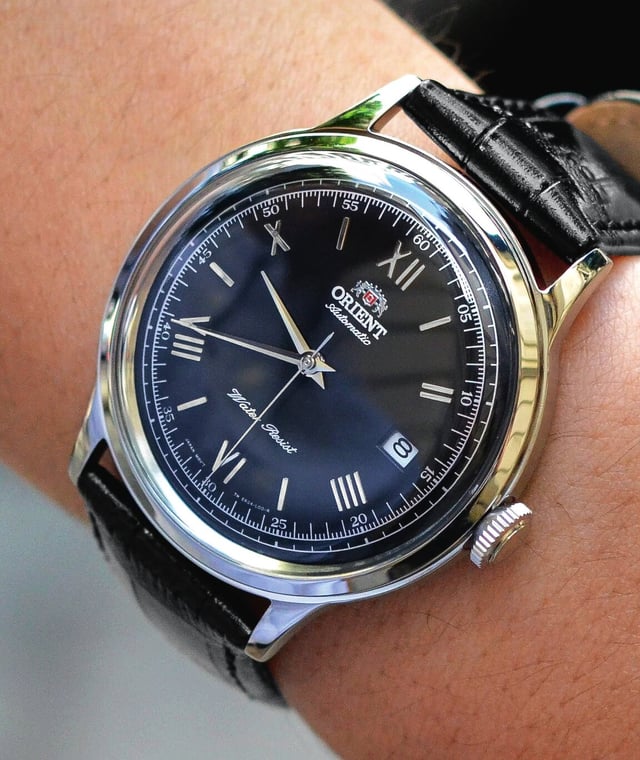
The Orient Bambino became an instant cult classic.
WatchTime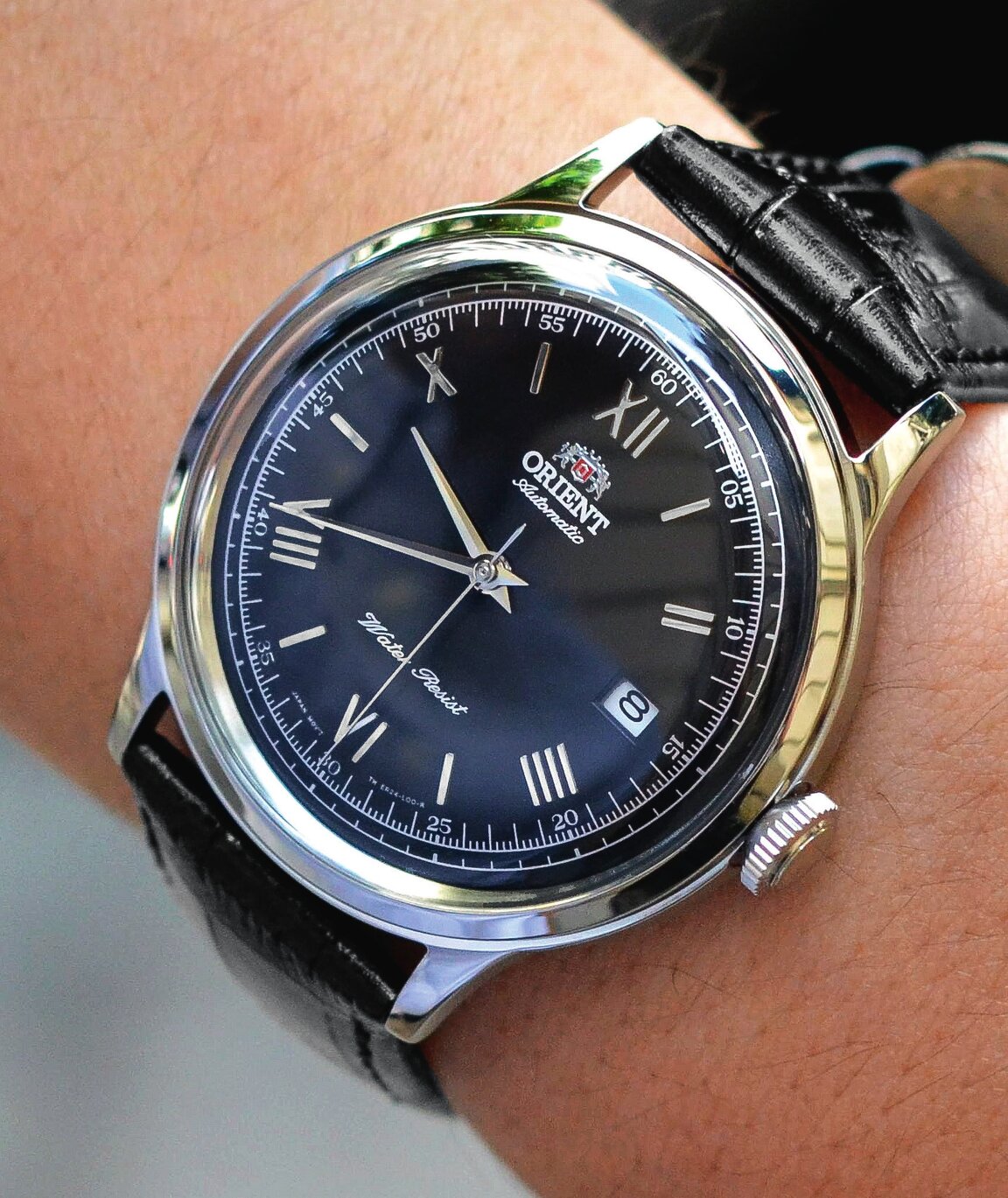
As Orient began to sell outside the borders of its home country, it also gained more exposure to overseas trends. In 1964, this resulted in the production of the brand’s first diving watch, a segment in which it would make quite a name for itself. In the 1960s, there was also a so-called “jewels competition” going on in the watch industry. In those days, the number of synthetic rubies, also called jewels, was thought by consumers to be equivalent to the quality of the movement. As these jewels reduce friction within a watch movement, there is some truth to it. However, many premium brands in Switzerland, the U.S., and Japan added as many jewels as possible in the ongoing battle for consumer favor — more than the watches actually needed for optimal performance.
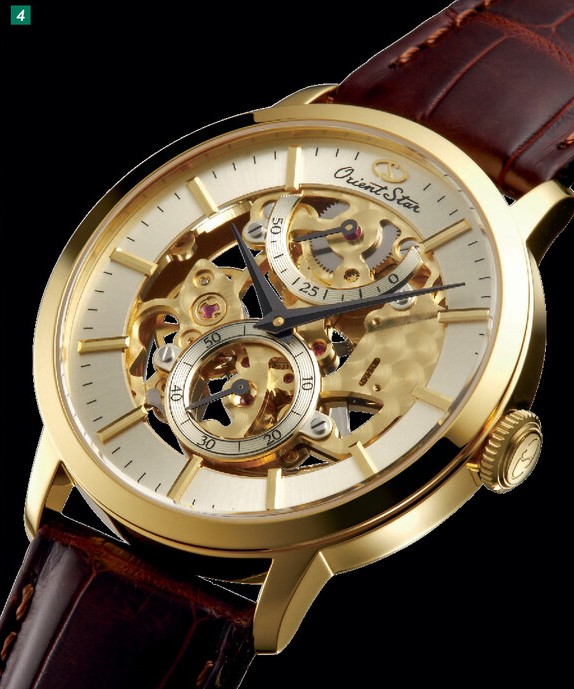
Skeletons play an important role in the collections of Orient and Orient Star. Here, the Vintage Skeleton Limited Edition from 2013.
WatchTime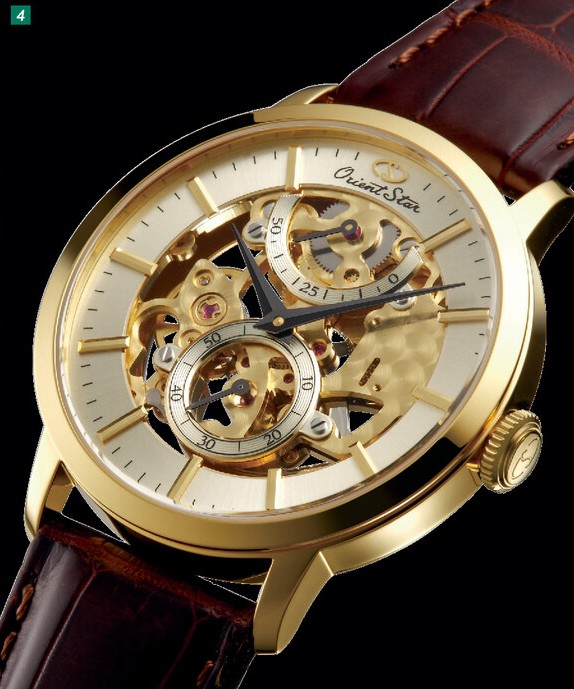
Orient initially launched the Grand Prix 64, with 64 jewels used in this self-winding caliber, but soon replaced it with the Grand Prix 100, which increased the total number of jewels in the watch to 100. For its time, it was a very modern watch that went beyond the number of jewels used. It came with a day and date complication, was water resistant up to 100 meters, and featured the Incabloc shock-protection system. Equally progressive was the Orient Flash, also launched in 1964. This watch was fitted with a mechanical movement with a large battery underneath that powered a miniature light bulb placed just outside the dial at 12 o’clock. It could be activated by a pusher at 2 o’clock and illuminated a faceted translucent ring surrounding the dial, allowing the time to be read with ease and style in the dark.
The 1960s were, in general, a good decade for Orient, as it also marked the launch of the King Diver and the Multi-Year Calendar. With the King Diver, Orient redesigned its original divers’ watch, placing the diving bezel underneath the crystal in a compressor-type case. It was fitted with the robust and reliable L-type movement that featured automatic winding. Another very successful Orient was the Multi-Year Calendar. With one adjustment, this watch showed the exact day and date for the entire month, while the extensive calendar layout on the dial also gave the watch a unique character.
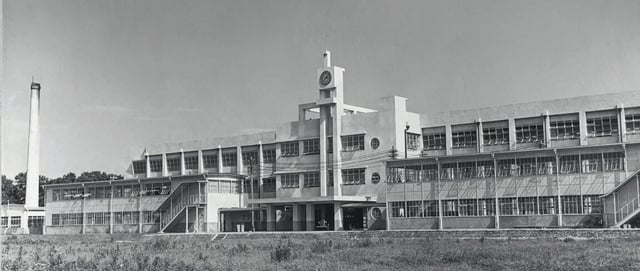
Orient’s manufacture in 1951
Orient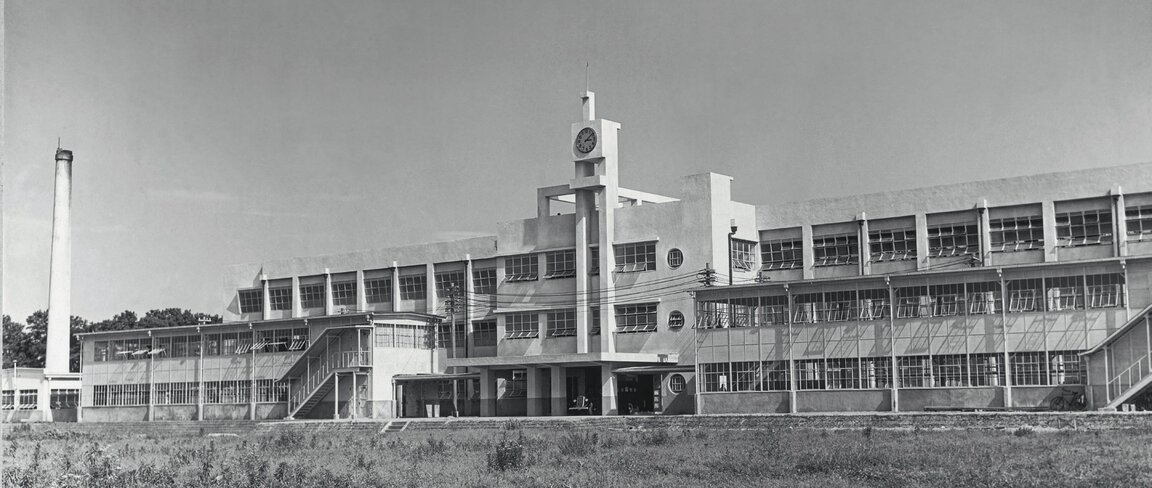
Orient’s technical prowess was also displayed by the “Fineness,” which launched in 1967 and was fitted with a Caliber 3900 movement. This allowed the watch to be particularly slender, as thanks to the use of a compact reverser and by offsetting the wheel train, the thickness of this automatic caliber was a mere 3.9 mm. In 1969, Orient also introduced the World Diver, which was, as its name indicates, a water-resistant watch with a world-time function. Powered by an automatic Caliber 34-1, it featured a day and date indicator, along with a 24-hour ring that turned around the dial, which featured a map of the world.
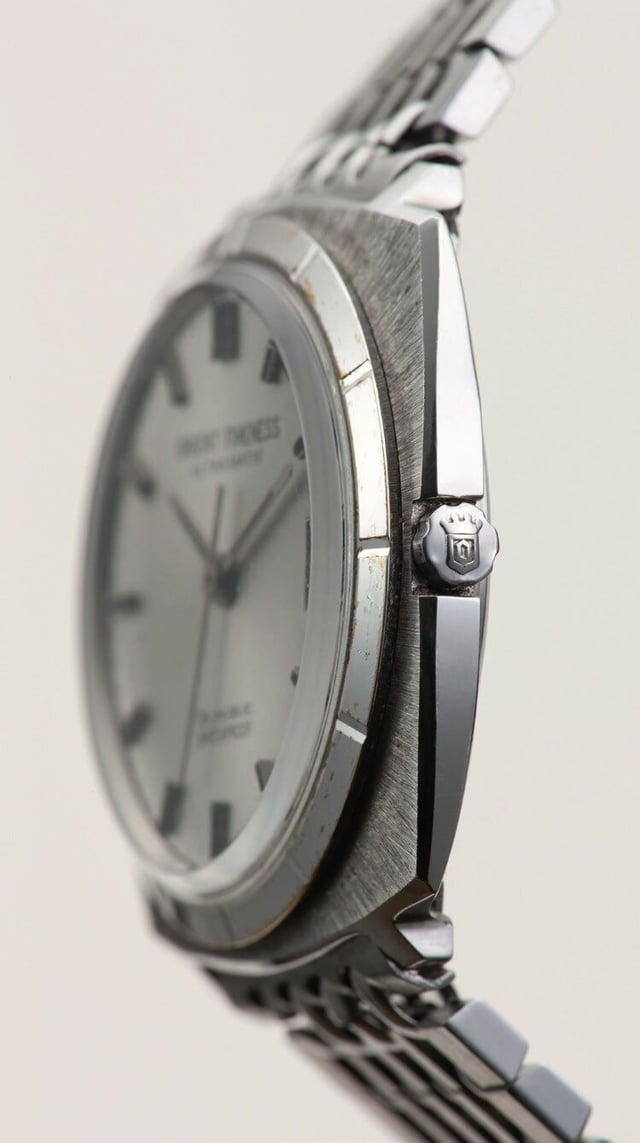
The slim profile of the Orient Fineness from 1967
WatchTime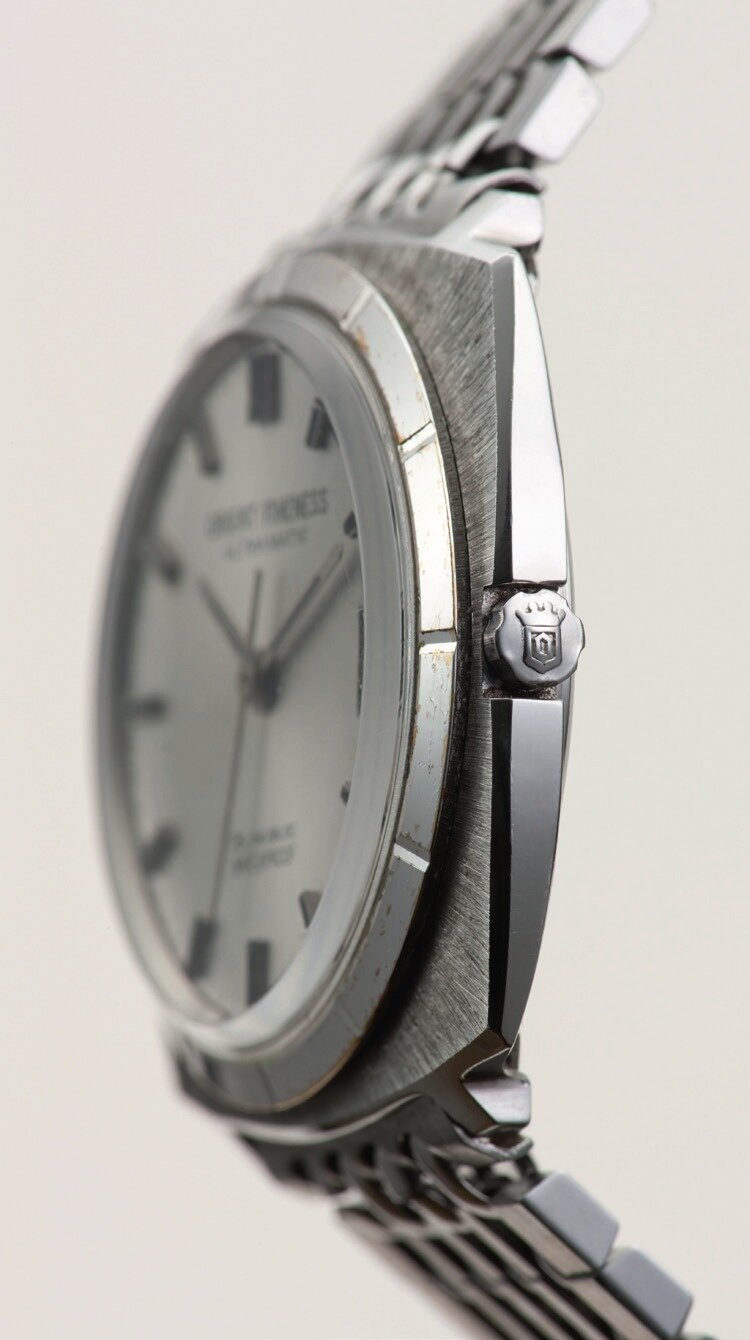
The 1970s were challenging times for the watch industry, but Orient met them head-on. The brand embraced the styling of the era right from the beginning, with larger and more expressive case designs, as well as colorful dials, including those with gradients. Innovation was another way Orient moved forward, and in 1971, the Caliber 46 series was launched. This movement was smaller and thinner than its predecessor and incorporated the magic lever, which allowed for higher winding efficiency. Although further improved over the years, this movement still plays a key role in Orient’s current collection.
On some occasions, Orient was also too far ahead of the curve, as with the watch it developed together with Sharp. Named Touchtron, it featured an LED display that lit up and showed the time when the case was touched. As the reliability of this operating system was not up to Orient’s standards, it was soon replaced by the Touchtron II, where a button press was required to see the time.
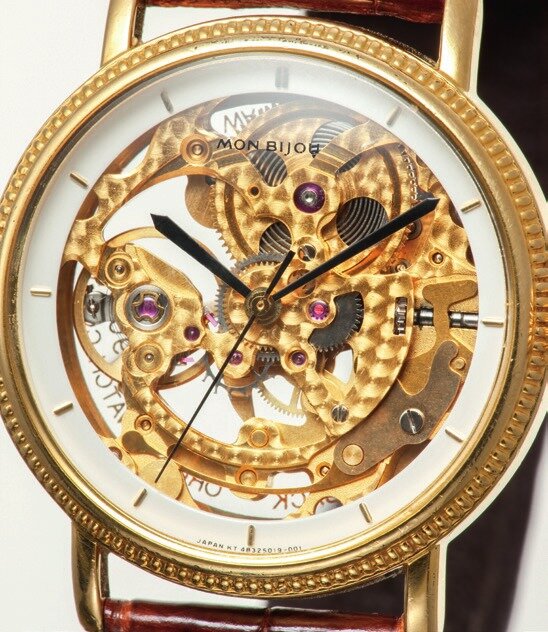
In 1991, the Mon Bijou started the skeleton trend at Orient.
WatchTime
In the 1990s, more steps were taken toward Orient as we know it today. In 1991, the brand launched the Mon Bijou, a skeleton watch. This marked the beginning of a new era in which this type of watch became synonymous with the brand. The year 1997 saw the launch of the very first M-Force, Orient’s line of sports watches. They were fitted with robust cases, increased water resistance, and a focus on legibility. In many cases, Orient also fitted these watches with a power-reserve indicator, another hallmark of the brand.
While its products were on point, Orient still faced challenging times, and in 2003, Seiko Epson stepped in to help. In 2009, Orient became a subsidiary of Seiko Epson, and to increase synergy, the two merged fully in 2017. This allowed Orient to take further advantage of Seiko Epson’s extensive knowledge and resources while maintaining its identity.
Today’s collection reflects Orient’s rich heritage without dwelling on it. As part of its revival collection, the brand offers updated versions of some of its greatest hits, such as the King Diver and the World Diver. Not a revival watch but certainly inspired by the past is the Bambino. This charming three-hander has reached cult status thanks to its timeless appeal, offering classic proportions, a domed crystal, and a convex dial at a very accessible price point.
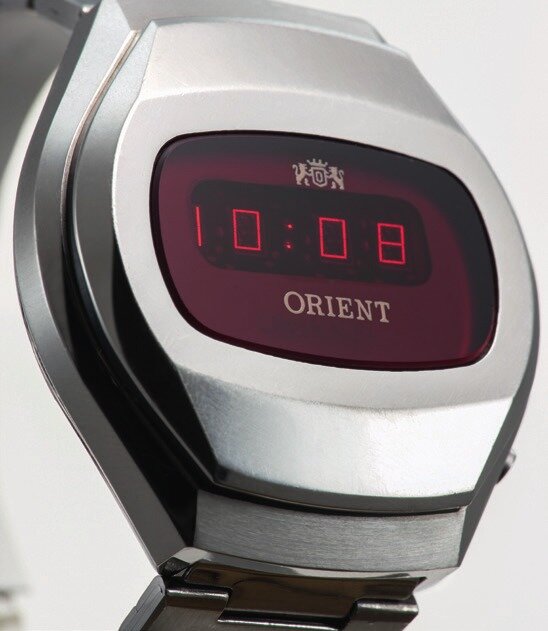
Orient’s innovative Touchtron from 1976
WatchTime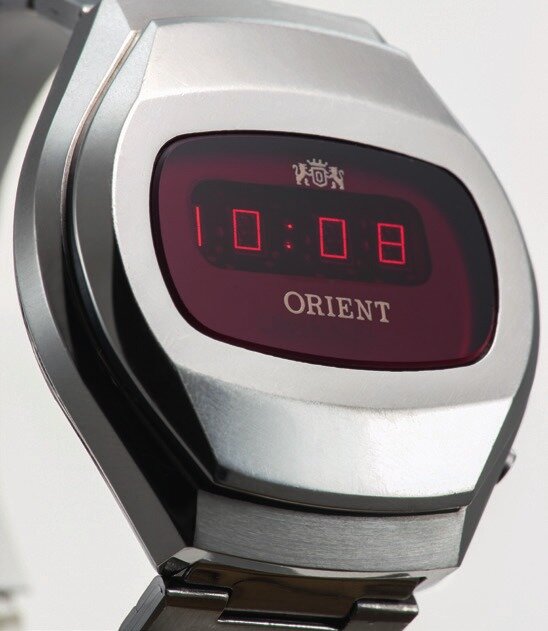
The M-Force is another Orient collection that has stood the test of time. Compliant with ISO standards, this 200-meter water-resistant dive watch stands out thanks to its rounded bezel and oversized crown guards, which give it a distinctive character. With a diameter of 45 mm, it looks imposing but wears comfortably, even on smaller wrists. Those who prefer something more understated may enjoy the dive watches in the Orient Star collection. This sub-brand focuses exclusively on mechanical watches and is home to Orient’s more exclusive models.
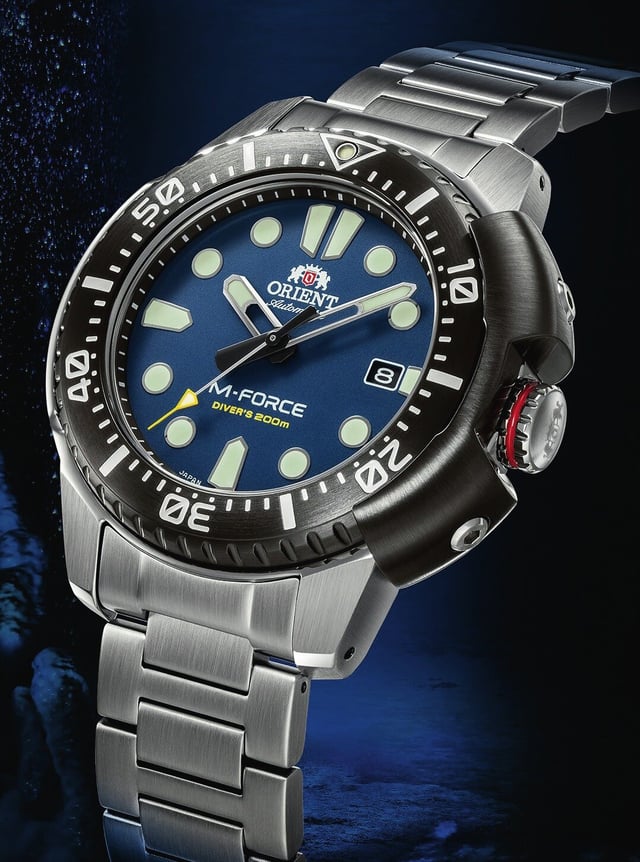
Orient has an expressive collection of sports watches with the M-Force.
WatchTime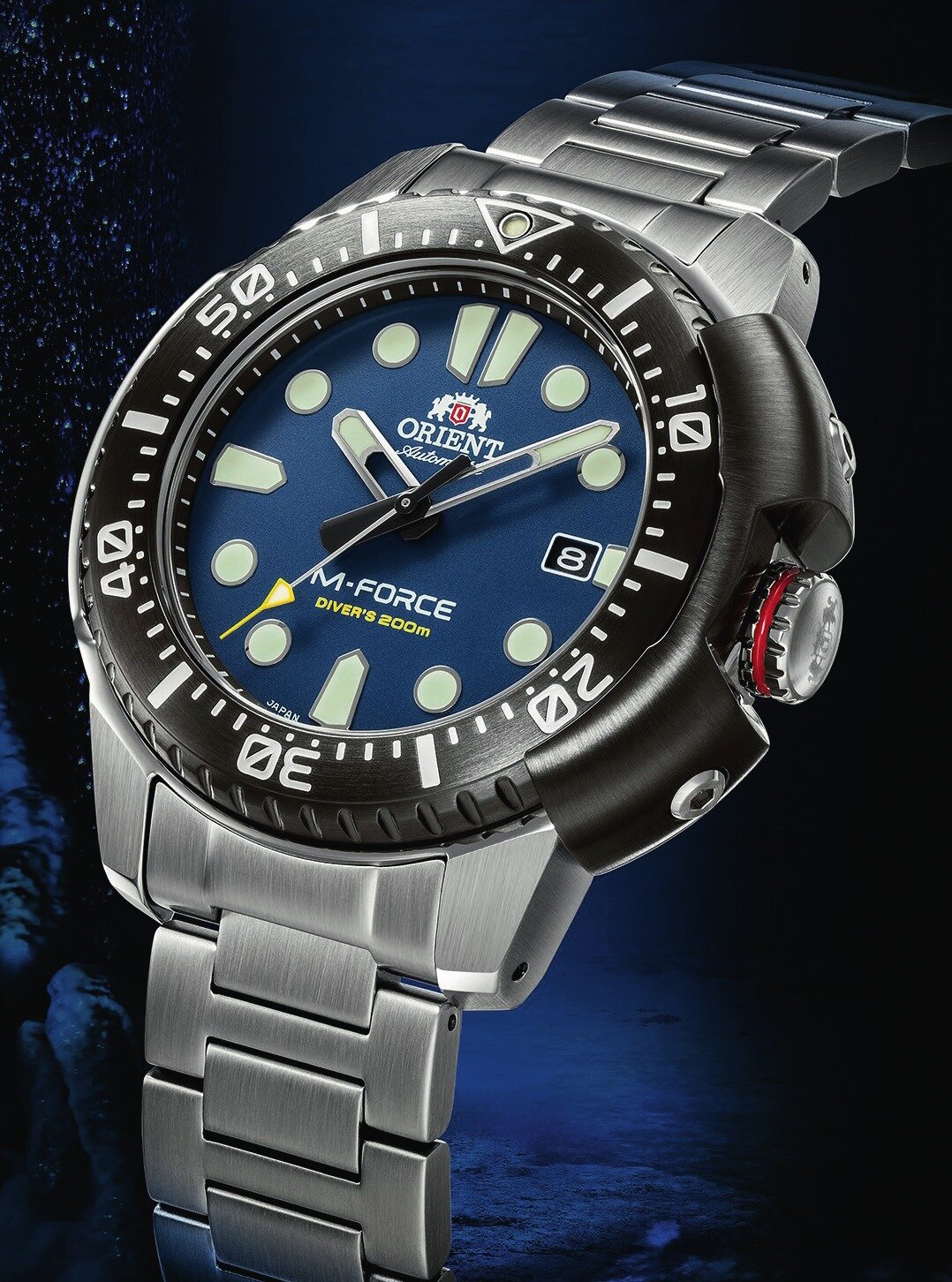
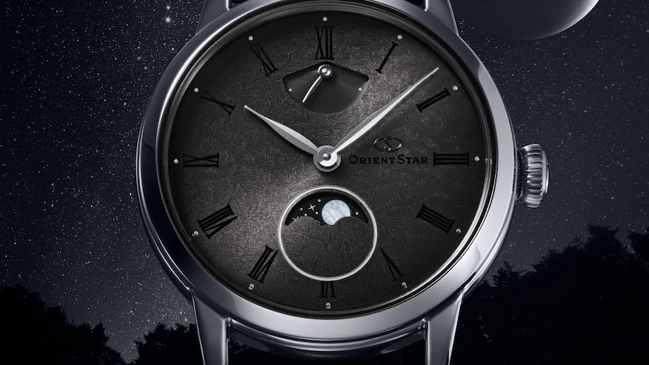
In addition to dive watches, Orient Star is also where the brand’s skeleton watches live — heirs to the legacy of the 1991 Mon Bijou. Made in the same complex as Grand Seiko’s famed Micro Artist Studio, these watches represent both the past and the future of Orient. They combine manual craftsmanship with modern technology, offering a 70-hour power reserve and features such as a silicon escape wheel. Heat-blued hands and stainless-steel cases polished by hand using Orient’s Sallaz method underscore the brand’s position as one of the quiet strengths of Japanese watchmaking.
To learn more, visit Orient's website, here.
This article originally appeared in the September / October 2024 issue of WatchTime Magazine. To subscribe, click here.