Complete, Annual, And Perpetual Calendars, And Why They Are Different
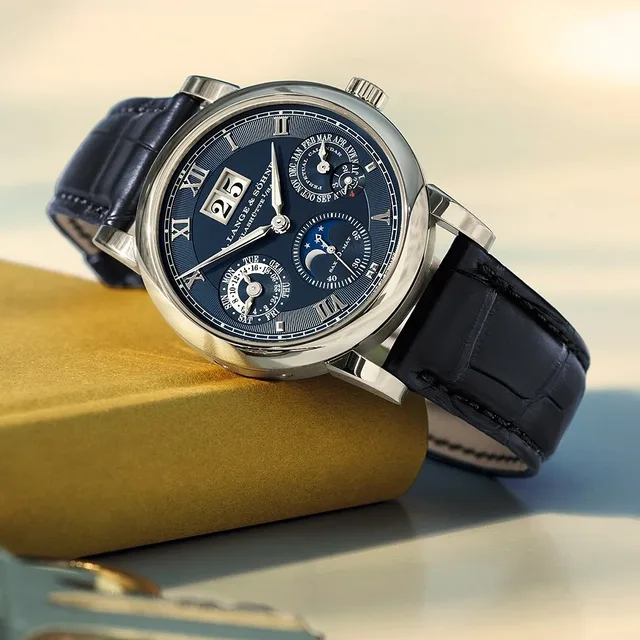
This article is from the WatchTime Archives and was originally published in 2022.
Ever since the first clocks were created, there has been a desire to add complications. Moon phases and calendar functions were among the first, and as pocket watches and later on, wristwatches appeared on the scene, these complications were there too implemented relatively quickly. While the impact of the moon in modern-day life dwindled for most people, knowing the day, date, and month became more and more important, in part explaining their continued popularity.
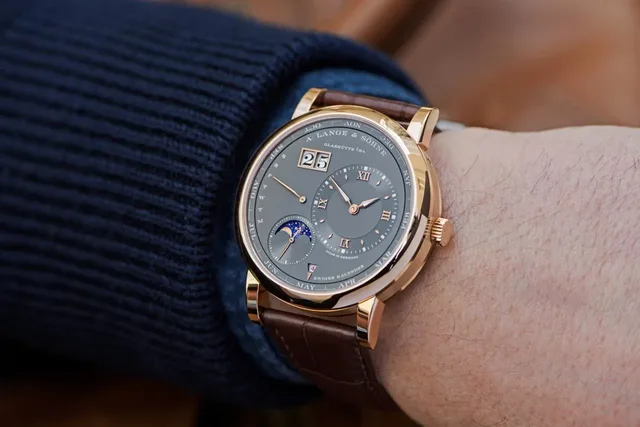
There are several ways in which a calendar function can be executed in wristwatches. The most basic, and popular, one, is simply showing just the date through either a window in the dial or with a hand. This latter is often referred to as a so-called pointer date. A complete, or full, calendar offers you additional information. There are quite a few varieties these days, but the most classic combines a day and date indicator, either as a subdial or a window, with a moon phase. These watches often have a classic appeal, with the downside that they need to be manually corrected at the end of every month that doesn't have 31 days.
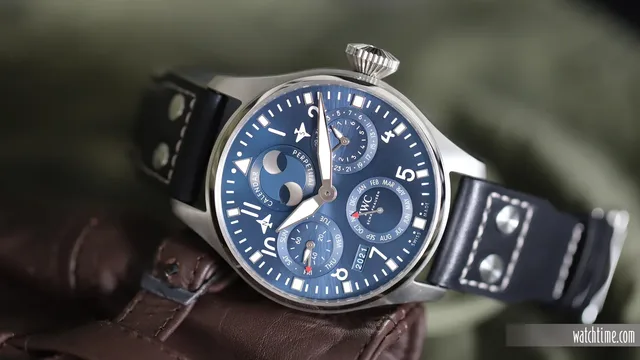
While it seems to be a small effort to do so, the technical ingenuity demanded to create a perpetual calendar, which would automatically correct itself for months with less than 31 days, as well as leap years. It was British watchmaker Thomas Mudge who first created this complication for a pocket watch in 1762. It wouldn't appear in a wristwatch until Patek Philippe re-cased one of their perpetual pocket watch movements in a 34.4mm case with a leather strap and sold it in 1927 to the American watch collector Thomas Emery. Other brands soon followed, and these days most high-end watch brands have one or more perpetual calendars in their collection.
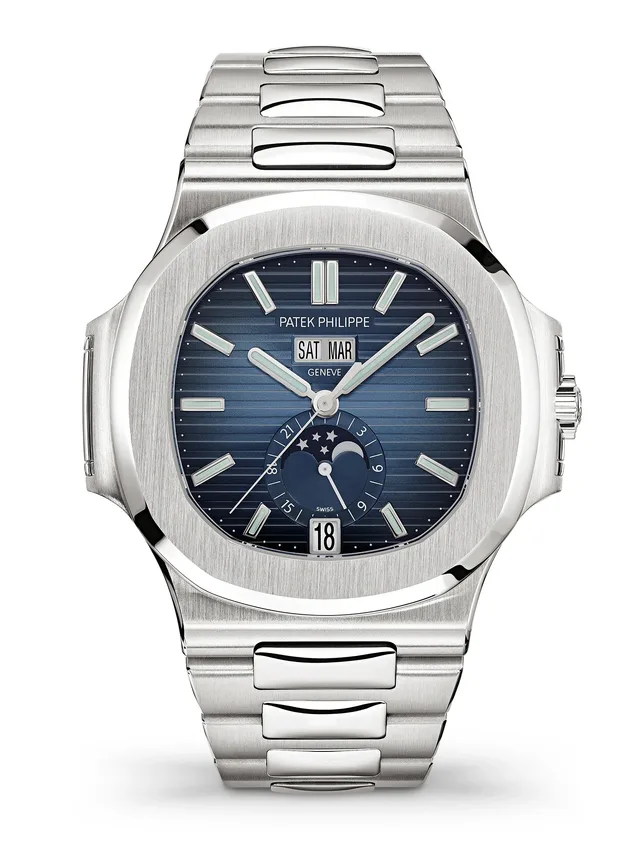
The mechanical complexity of the perpetual calendar made it one of the most coveted complications but also an expensive one. In 1996, it was again Patek Philippe that launched another breakthrough, the annual calendar. Part of the mechanism that makes the perpetual calendar so complex is dedicated to correcting for the leap year. With an annual calendar, you only have to manually adjust the date of the watch once a year, in February. This gives it quite an advantage over a full or complete calendar while at the same time being far less expensive than a perpetual calendar watch. While Patek Philippe patented this new complication, many brands found different solutions to the same problem, and as a result, there are now quite a few annual calendar watches to choose from.
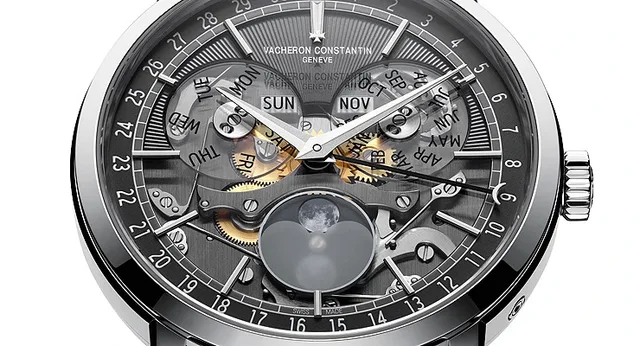
That all three different versions are very much alive and relevant becomes clear when we look at the recent introductions. As Omega expanded its collection of annual calendars in the Constellation Globemaster, Frederique Constant was doing the same for their Highlife Perpetual Calendar Manufacture, while Vacheron Constantin launched an open-worked version of its Traditionnelle Complete Calendar. Which one would you pick?
This article is from the WatchTime Archives and was originally published in February 2022.