Spotlight: The Master of Mechanical Magic
How Andreas Strehler’s passion for a good challenge has led to the most ingenious watches
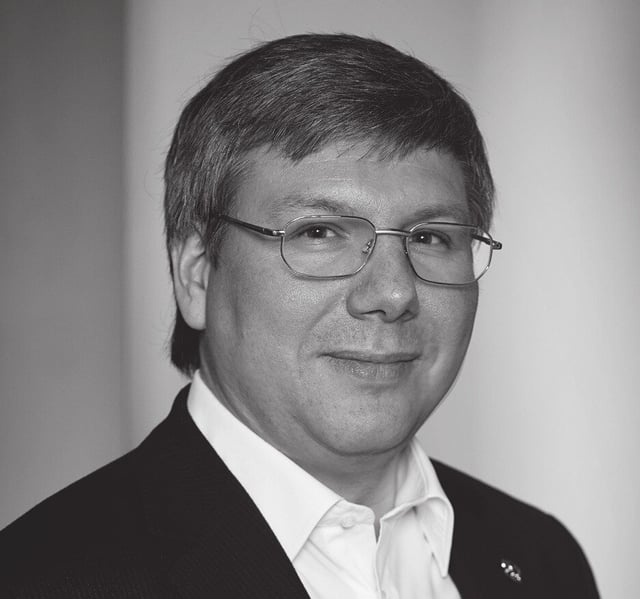
In the world of watches, there is a fruitful symbiosis between the larger brands and the smaller independent watchmakers. With their ingenuity and unique capabilities, the watchmakers can help the brands in the research and development of new movements and complications. In return, the increased financial security of such arrangements enables the watchmakers to develop projects of their own. It often results in a sort of dual career, and a perfect example of this is Andreas Strehler.
It was not Strehler’s childhood dream to become a watchmaker, as he liked to spend time with his grandfather in his bakery. While the smell of freshly baked gingerbread played an important role in his childhood, it was the visits to flea markets with his father that would bring him on the road of destiny. As a mechanic with his own taxi, Strehler’s father loved pocket watches, a passion he would pass on to his son. It eventually led Strehler to make a bold move and start training as a watchmaker. What made this move so bold was that the quartz crisis was in full swing, and the future of mechanical watchmaking was gloomy at best.
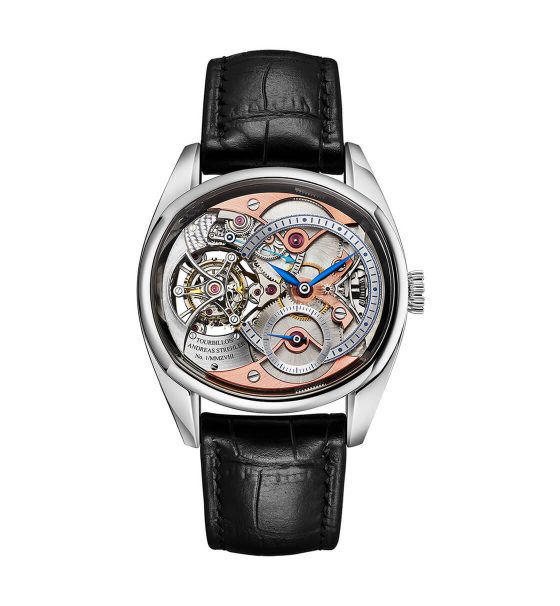
After getting his degree from the watchmakers’ school in Solothurn, Switzerland, Strehler was hired by Renaud & Papi, a company best known for its close relationship with Audemars Piguet. As its head prototypist, Strehler further educated himself in movement engineering, but after four years, he went independent. He started restoring old mechanical clocks and watches. As these rarely come with a (repair) manual, it often requires reinventing at least part of the timepiece in order to bring them back to their former glory. This allowed Strehler to hone his skills further and also inspired him to take the next step, creating timepieces of his own.
He started with something very complex yet gave it a simple name: Tischkalendar. This is (Swiss) German for desk calendar, and it was inspired by Abraham-Louis Breguet’s Montre Sympathique. This consisted of a clock to which a pocket watch could be attached. The clock would then not only wind the pocket watch but also adjust the time. Strehler went even further, as he built his desk calendar showing the day, date, and month, with the time shown on the inserted pocket watch. Once removed, the calendar would stop. When the pocket watch was inserted again days or even weeks later, it would automatically adjust itself, as its mechanical memory knows for how long it was absent.
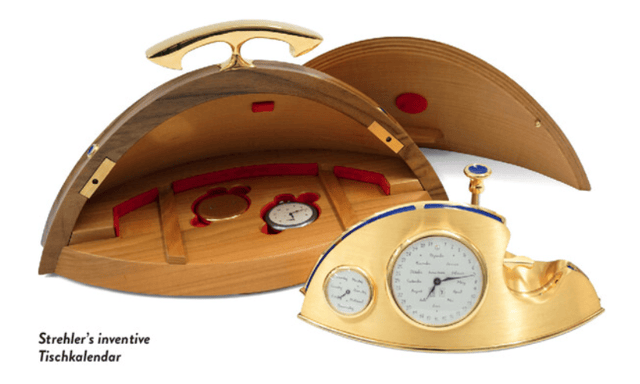
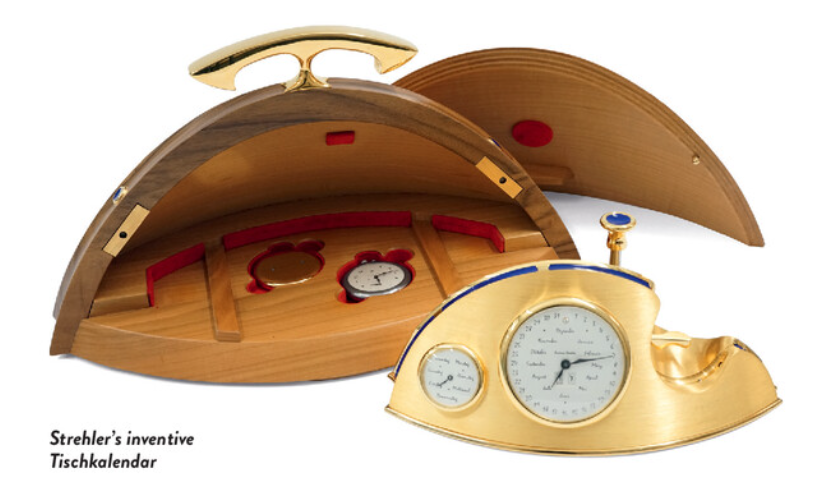
The “Tischkalendar” marked the beginning of a phase in the career of Strehler. It not only got him recognition as an independent watchmaker in his own right but also made it so that more and more brands consulted him in the development of movements of their own. These projects varied wildly, as, for example, back in 2003, Strehler worked with H. Moser & Cie., designing new movements and making them ready to go into production. The year before, Strehler was involved with Chronoswiss, where he developed a single-pusher chronograph complication to be added to a vintage Enicar Caliber 165. This would become the movement that would power Chronoswiss’s emblematic “Chronoscope.”
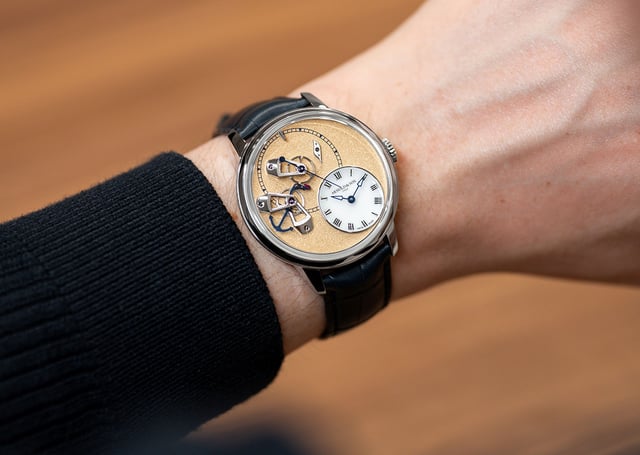
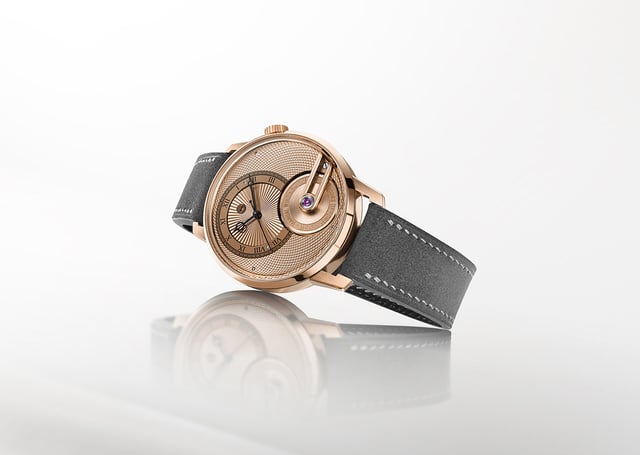
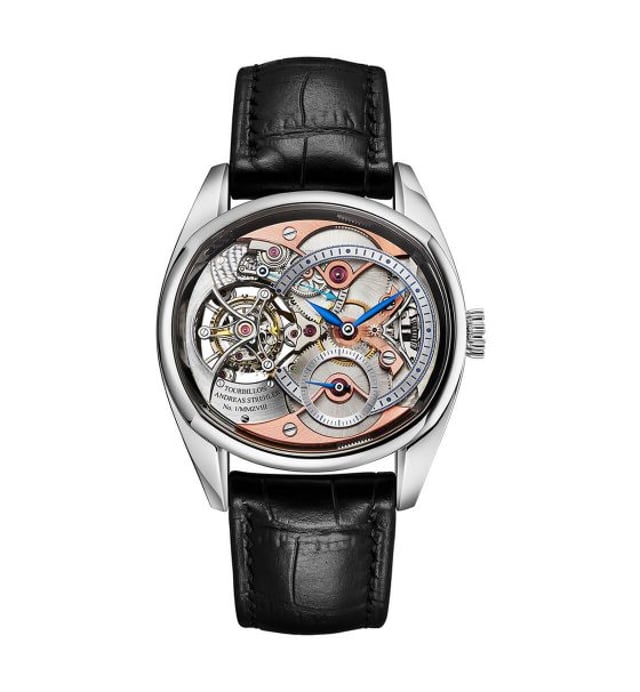
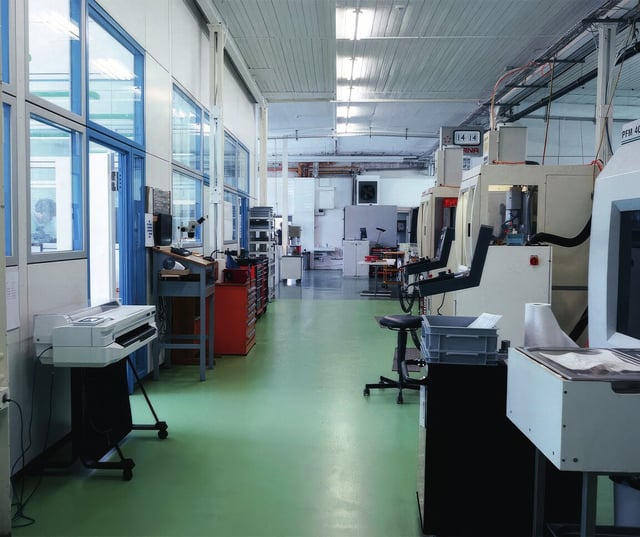
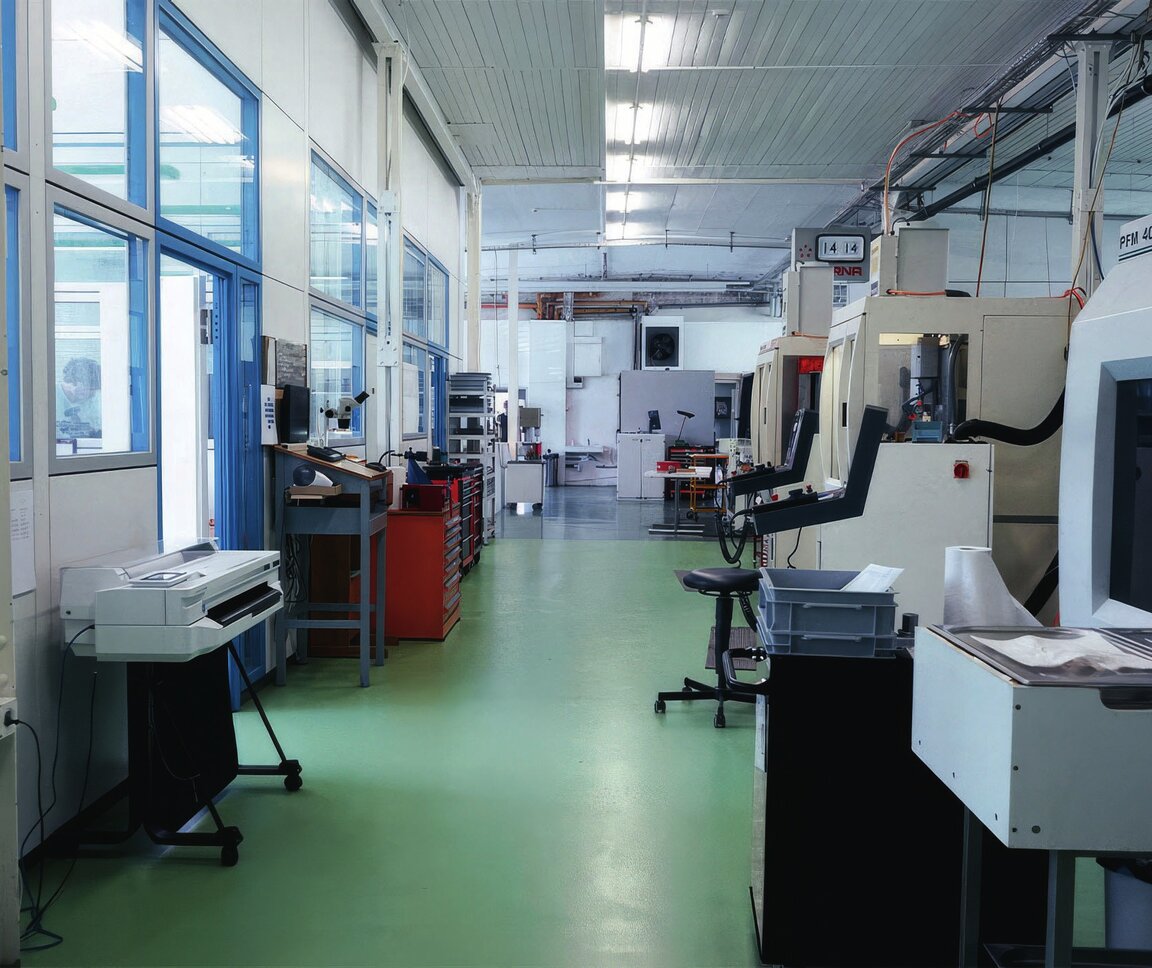
In expanding his capabilities, Strehler founded, in 2005, UhrTeil A.G. This is, in essence, an engineering firm that can help brands develop movements and complications. UhrTeil A.G. delivers services that go from movement design to prototyping to creating watch parts and even entire movements for third-party brands. It also gave Strehler the capability to extend the collection of watches made under his own name. His style is instantly recognizable, opting for cushion-shaped cases with perfectly fitting movements. They, more often than not, feature butterfly-shaped bridges, which also highlight the different finishing techniques utilized in the movement, which is done by hand.

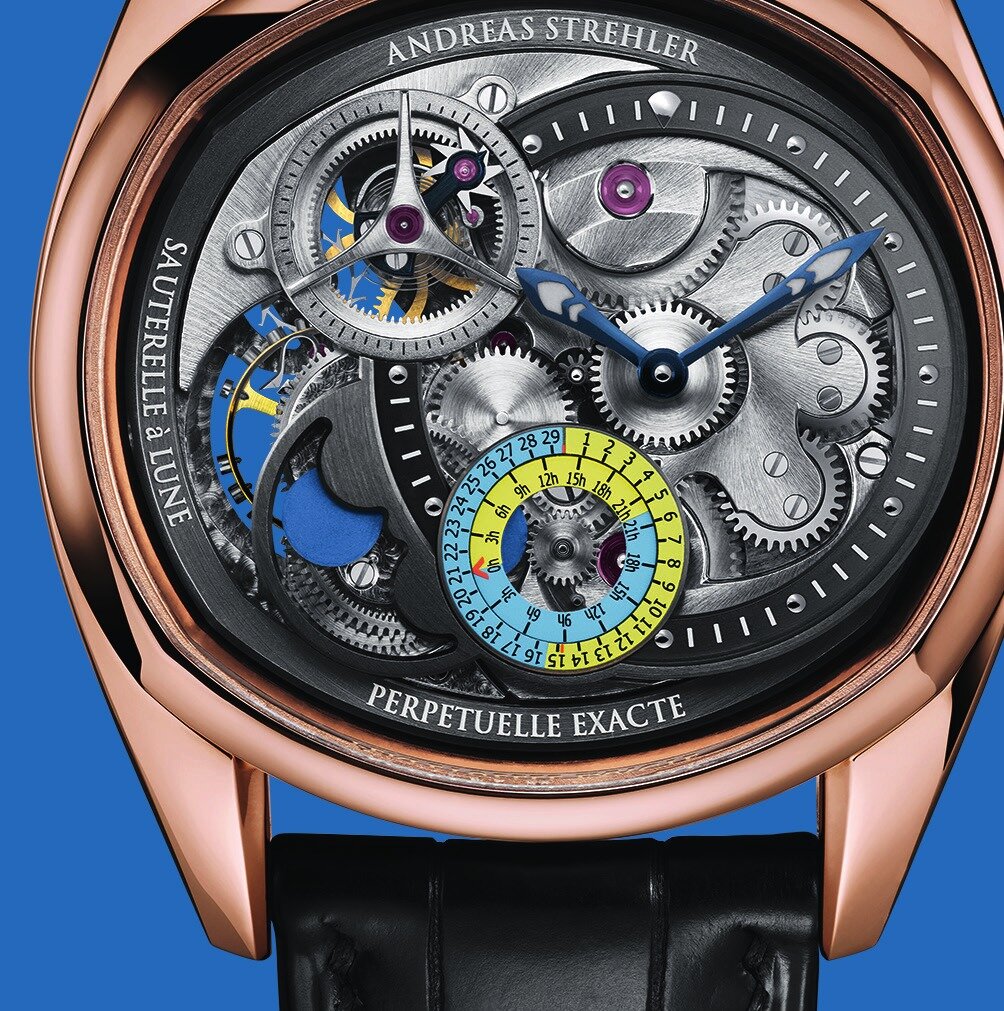
Another thing that Strehler’s watches stand out for is the long power reserve: 78 hours is more or less standard, which he achieves by using a double mainspring barrel. Here, we also see the true qualities of Strehler as a movement designer shine because, for some reason, he always seems to find enough space within the confined dimensions available to not only fit everything but also to position it in such a way that it looks good as well. Even when we look at one of his most complex watches, the Lune Exacte, with the world’s most precise moon-age indication, the movement itself is a mere 5.9 mm thick. This allows Strehler to keep the overall thickness of the watch at 10 mm.
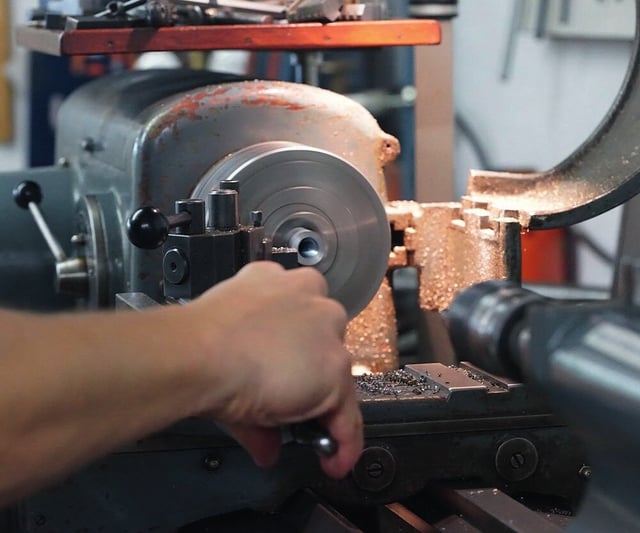
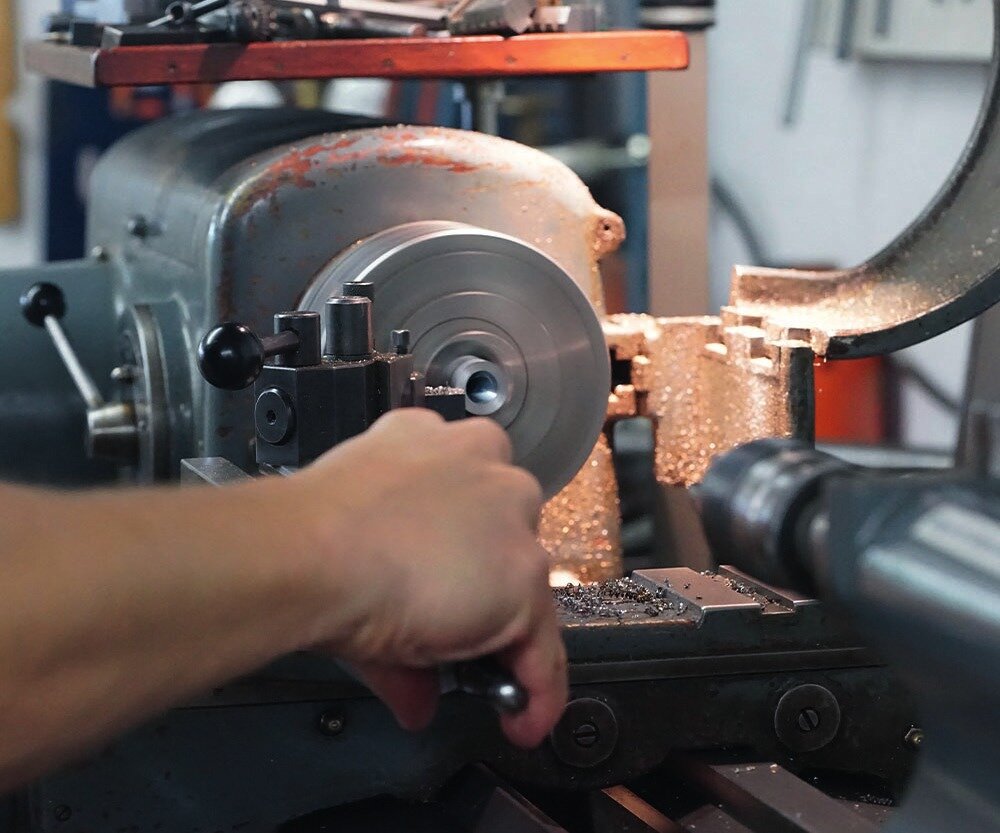
Where many would create what is commercially popular, Strehler clearly walks to his own beat, taking on challenges in which he has a personal interest. Like many watchmakers, Strehler is constantly looking for ways to make mechanical watches more precise. An important aspect of this is ensuring that there is a constant, linear supply of power going to the balance. Various solutions to ensure this already exist, but Strehler set out to develop one that met his personal requirements. Not only did he want an effective device, but also one that would not take up too much space in the movement and one that he could also use in future movements, regardless of the rate at which it would be beating.
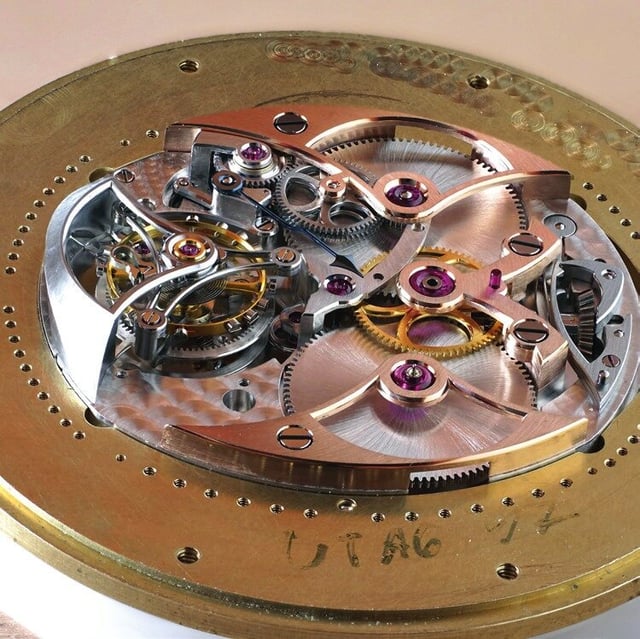
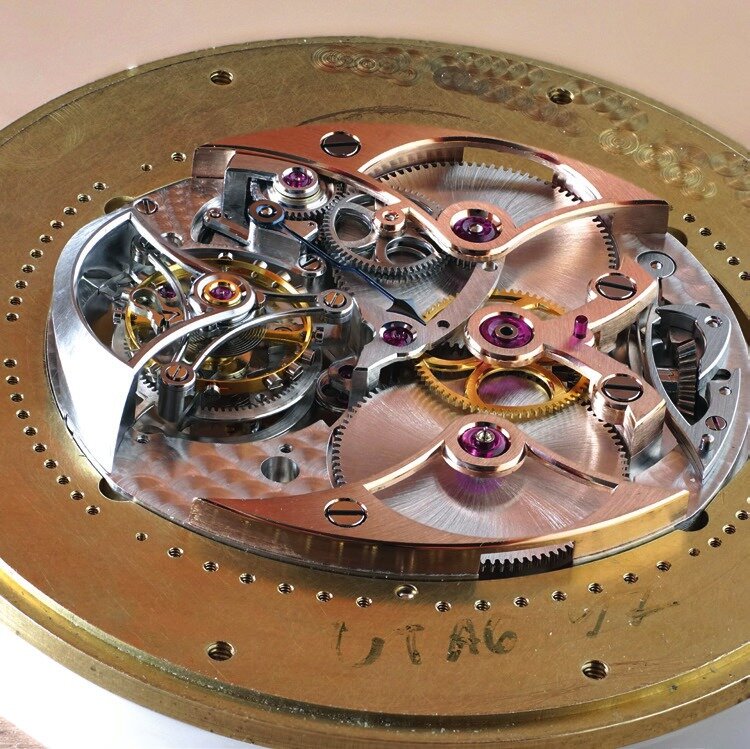
Strehler tackled this by placing a remontoir d’égalité on the seconds wheel. By tensioning a hairspring, the same amount of energy is built up by a star-shaped satellite, and when it releases, it transfers that energy to the balance. This takes place every second, with the additional benefit of being able to showcase a dead-beat seconds function on the watch. More importantly, the remontoir d’égalité acts as a filter and insulates the balance from everything else that is happening within the movement.
While Strehler showcases this clever solution in his “Sauterelle” watch, he also offers it with added complications, such as world time or a moon-phase. In fact, the “Sauterelle à Lune Perpetuelle” was the very first watch with a moon-phase that Strehler created, and at the time, it was immediately the most precise. Thanks to clever engineering, it only needed adjusting once every 14,000 years. This was a record within the industry that didn’t last long. Strehler developed a computer program that could calculate the precise gear tooth ratios so that he could obtain the most precise result. He actually found one that was even better than the one he utilized in the first “Sauterelle à Lune Perpetuelle,” and he decided to use that as well. The result was a moon-phase display that only needed adjusting once every 2,045,000 years. He elaborated on this incredible achievement with the next step called “Lune Exacte.” While nothing changed about the precision of the complication, Strehler now added a Vernier scale to make the age of the moon more tangible and allow it to be set with a three-hour precision.
While Strehler loves to develop unusual complications and safeguard traditions through the watches that bear his name, in 2020, he started planning for a different type of watch. While maintaining his high standards, Strehler went on a quest to develop a more obtainable watch for daily wear. Using just his last name for this brand, its first watch, the Sirna, is just that. It is an elegant watch, housed in a 40 mm stainless-steel case, that tells the time with just three hands. It does so against a backdrop of laser-engraved titanium, designed by renowned watch designer Eric Giroud. In Strehler tradition, even this dial is hand polished before it is anodized. The watch is powered by Caliber SA-30, which was specifically created for this timepiece. This is a robust movement that is easy to maintain and offers a power reserve of 60 hours. An oscillating weight made of 18k yellow gold winds the movement on the motion of your wrist, while its particular design ensures that not too much of the stunning caliber behind it is hidden.
Andreas Strehler
Andreas Strehler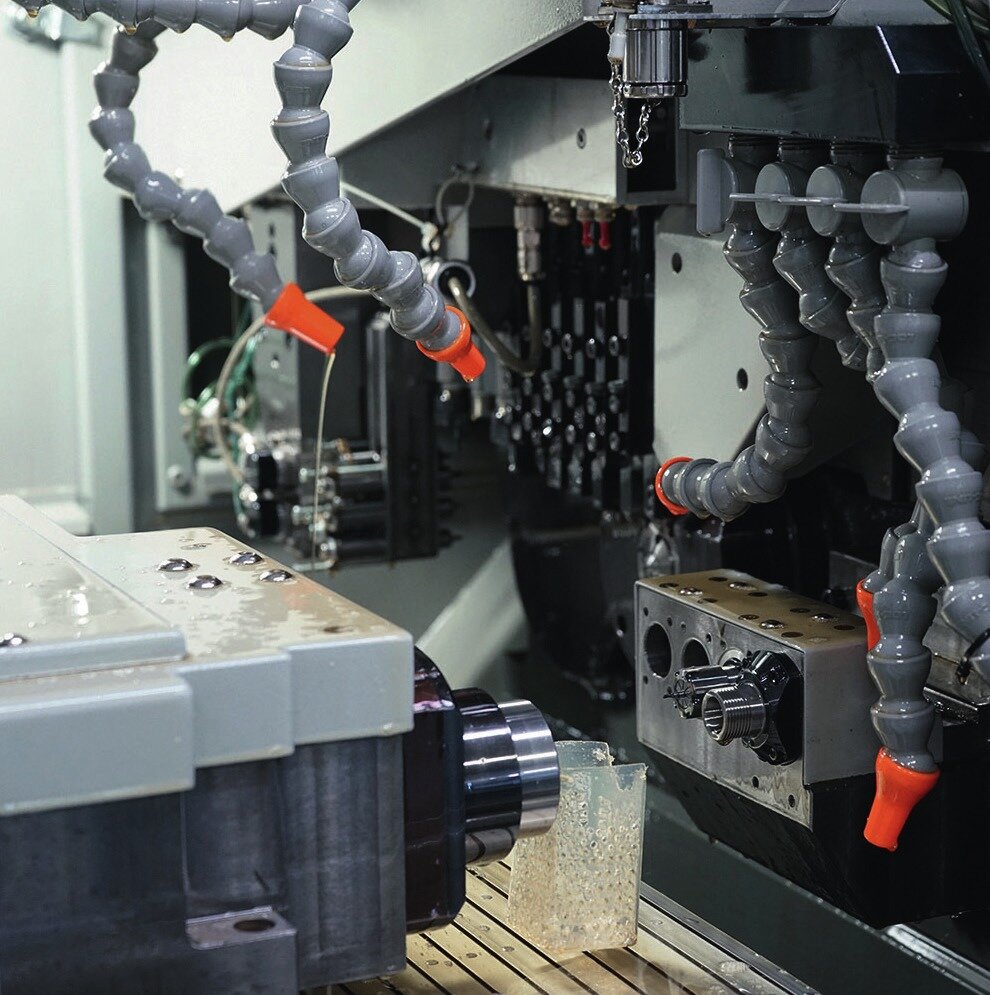
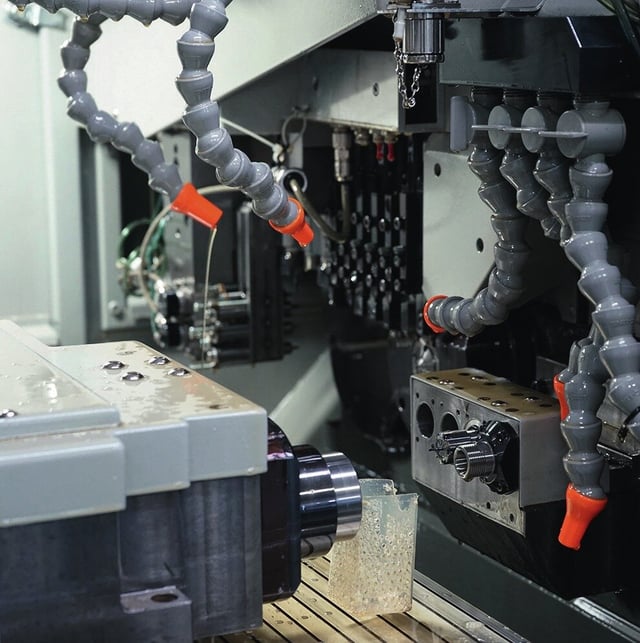
Also, the Sirna is not safe from Strehler’s quest for perfection. While it may be the entry piece into his universe, even the hands are made and finished in his own workshops. For Strehler, this serves two purposes, as it is not only to get the desired set of hands to fit his watch. It also allows him to transfer knowledge and crafts that would otherwise be at risk of getting lost to the next generation of watchmakers. This is a noble investment that helps ensure that mechanical watchmaking will remain a perpetual story.
To learn more, visit Andreas Strehler, here.