Jun 21, 2018
Reading time 4 min.
In Memoriam: Kazuo Kashio, Casio Chairman and CEO (1929 - 2018)
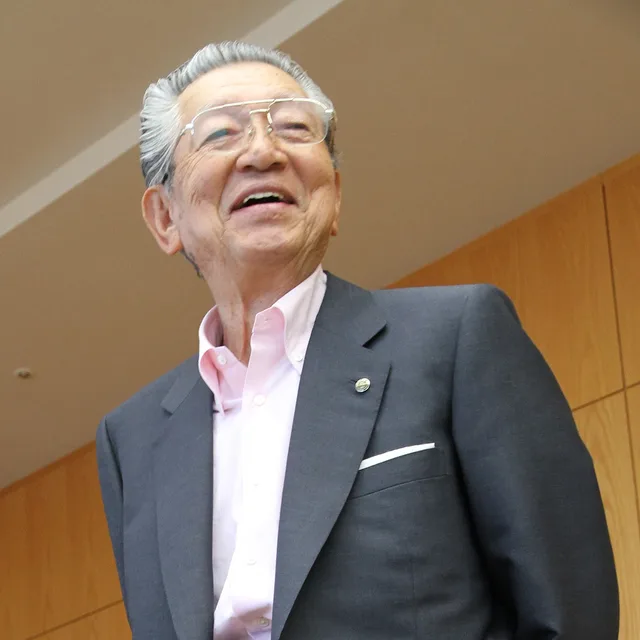
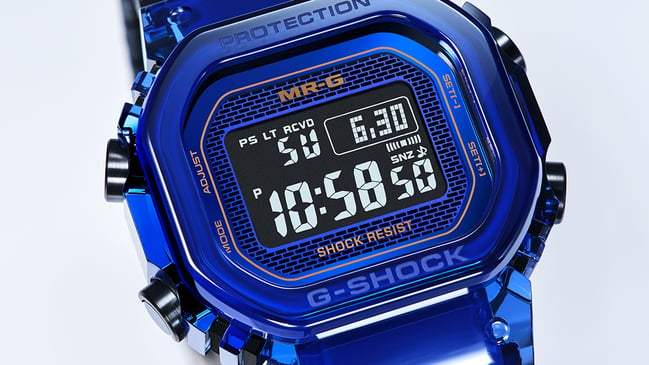
Both the watch world and the electronics industry lost one of their giants this week, as Kazuo Kashio — co-founder of Casio Computer Co. Ltd. and a driving force behind the success of the company's most influential timepiece, the G-Shock — passed away at the age of 89.
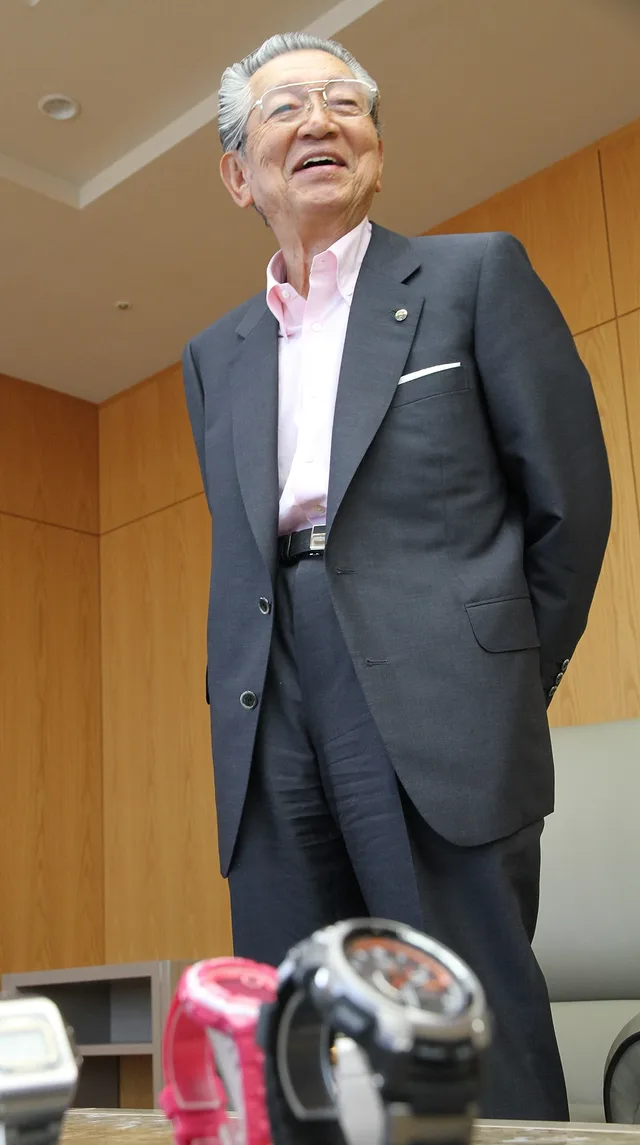
Kazuo Kashio, photographed at his Tokyo office in 2010
PR
Kazuo Kashio was one of the four brothers who founded Casio Computer in 1957. The eldest of the four, Tadao Kashio, had founded the firm's predecessor, Kahsio Seisakujo, with their father, Shigeru, in 1946. That company's leader product was a cigarette holder called a Yubiwa pipe. After seeing early versions of electronic calculators at a Tokyo trade show in 1949, Tadao, an engineer, shifted the company's focus, using profits from the Yubiwa pipe to invest in developing its own calculators, which would eventually become the company's signature product. In 1957, when Kazuo and his two siblings, Toshio and Yukio, joined their older brother in the business, the firm became Casio Computer ("Casio" being an Anglicized version of the family name) and saw years of innovations, including the world's first compact all-electronic calculator, and spectacular growth.
After Tadao died in 1993, Kazuo became president and CEO, using his background in sales and marketing to further spur the company's growth, and in recent decades put renewed emphasis on its timepiece business, which began in 1974 with the Casiotron digital watch, and reached new heights of popularity with the launch of the iconic G-Shock in 1983.
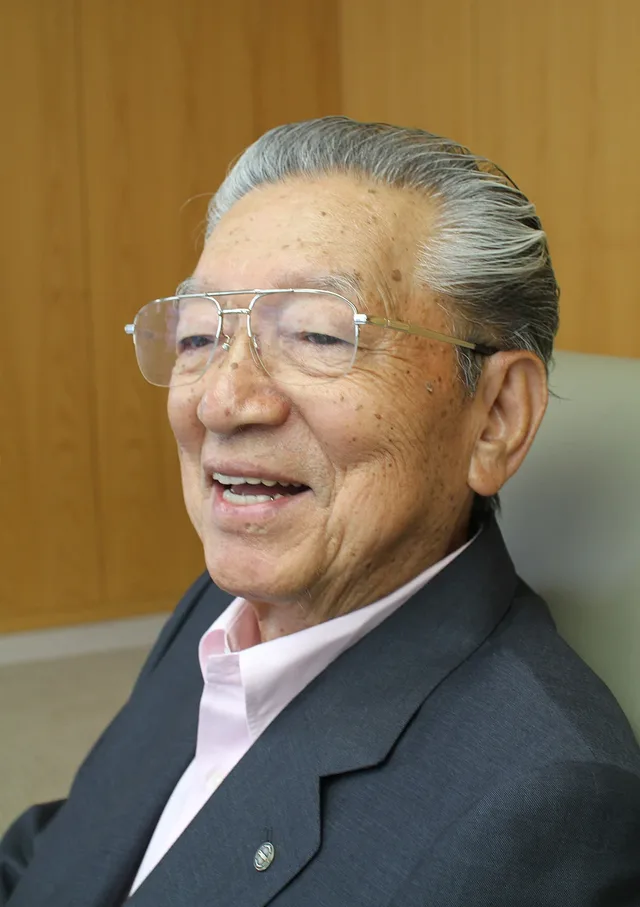
Kashio once said of the G-Shock that his company "didn't expect it to be accepted as a fashion watch so enthusiastically."
PR
I was privileged to interview Mr. Kashio in 2010, during my first press trip to Japan, which was also Casio's first-ever press trip focusing on its watch business. In his large office in the heart of the bustling Shibuya district, surrounded by picture windows with breathtaking views of the Tokyo skyline, Kashio recalled the huge and somewhat unexpected splash the first G-Shock made when it was released in the U.S. "The G-Shock's mostly black look was different from conventional watches at the time," he said. "It was amazing to see people stand in line to buy the new models. With its shock resistance and durability, it was intended to be a casual watch. We did not expect it to be accepted as a fashion watch so enthusiastically." Kashio took pride in the G-Shock's influential role of overturning the conventional view of the "watch as a fragile, valuable item" and presided over the model's evolution into a sub-brand of its own. The G-Shock's influence, it should be pointed out, went far beyond its sector and into the watch world as a whole. From my 2010 profile: "The humble, plastic, mass-market G-Shock, in fact, pioneered some of the trends that have emerged only recently in the expensive, luxury end of the sports-watch market: big, bulky, shaped cases; unconventional materials; multi-part case construction; black-on-black color schemes; and an emphasis on hardening the case and protecting the movement from shocks. All of these were novel ideas when the G-Shock made its debut."
Kazuo Kashio, who became Chairman and CEO of the company in 2015, led Casio's management team for 27 years; among his more recent notable accomplishments outside the timepiece sector was his 1995 introduction of one of the first consumer-marketed digital cameras in 1995, the Casio QV-10, paving the way for another huge growth industry in the world of electronic communications. In its official statement, Casio said of Mr. Kashio, "he devoted his life to the creation of new products that help improve people's lives and learning." Or, as the man himself put it in 2010, "When I think about the future, I realize that if we only serve the market with existing products, then that market will not grow very much."
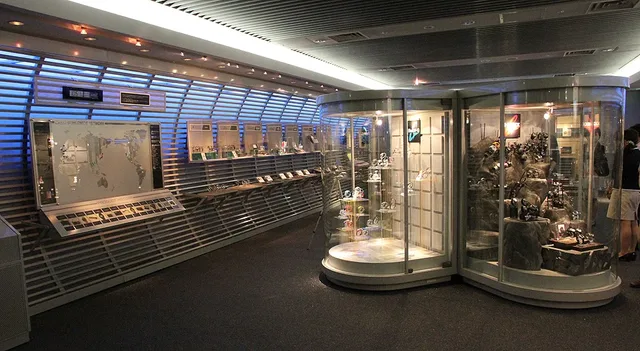
Kashio's legacy: vintage G-Shocks and other historical Casio products on display at Casio's in-house museum in its Tokyo HQ
PR