It's a Date: Seven Notable Date Complications
The world's most practical complication
In watchmaking, any function other than telling time is considered a complication. One of the oldest and still most popular complications is the date function. It is perhaps also the most practical, as it’s surprising how often we need (or want) to know the date in everyday life. This complication comes in many forms, from rather simple to quite complex.
Pointer Date
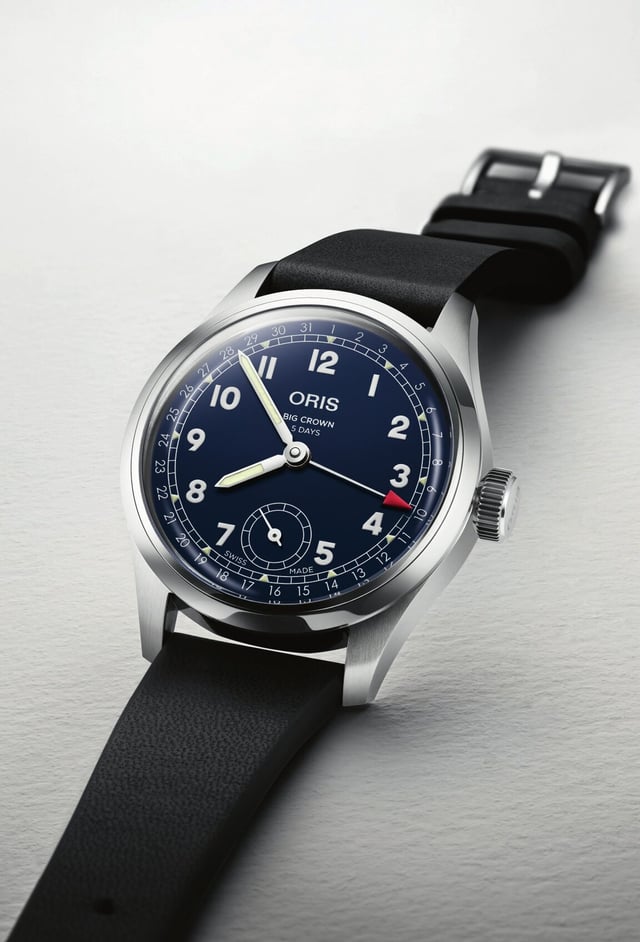
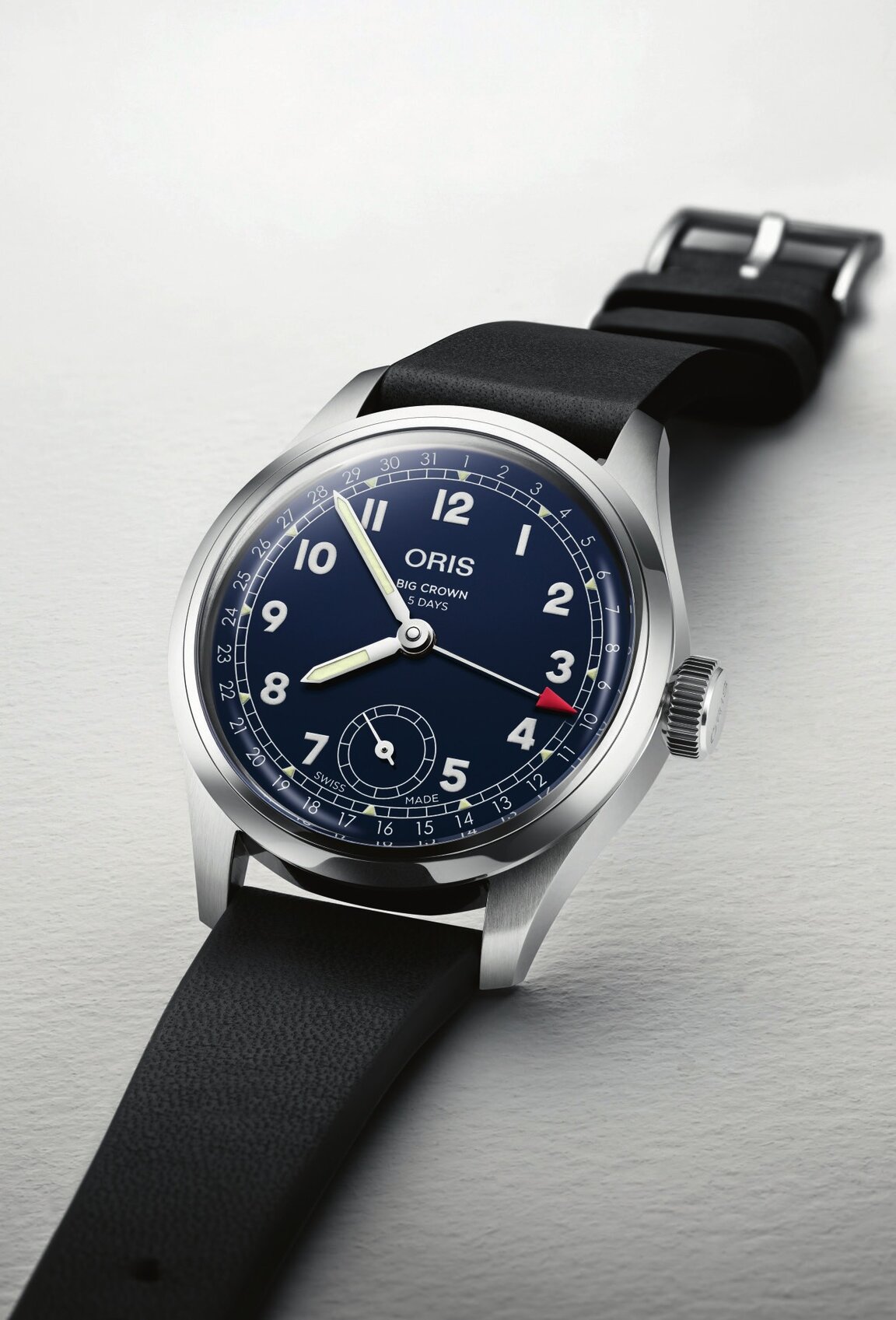
The pointer date is exactly what its name says: an extra hand mounted at the center of the dial, which points to the numerals printed on the outer edge of the dial. One brand that is still known for this type of watch is Oris. In 1938, Oris introduced the Big Crown. It was the brand’s first pilot’s watch and next to an oversized crown that could be operated with gloves on, a distinct feature was the pointer date. It is a very legible way of indicating the date, and many watch enthusiasts still appreciate that it maintains the symmetric look of the dial.
This Big Crown Pointer Date is a direct descendant of the original one. It still has an oversized crown and that extra hand with a bright red arrowhead pointing at the current date. With a diameter of 38 mm, it maintains that vintage character, which is further stabilized by the sub-seconds display and the domed crystal. Inside, it is all modern, as the beating heart of this Oris Big Crown Pointer Date is Caliber 403. This robust movement first appeared in the 250-piece Hölstein Edition of 2021, but now made it into the regular Oris collection. It features a 5-day power reserve, protection against magnetism, and a 10-year recommended service interval — further testimony to its robust design and build.
Price: $3,700
Date Window
The date window is today the most popular way to integrate the complication into a watch. It was patented in 1915 by a Swiss watchmaker named A. Hammerly, who in that same year also founded the brand that is most likely Movado, who first used the date window in a serial-produced watch. That watch had a hole with a disc mounted at 3 o’clock position, which is convenient and only a cut of it needs to be shown. It is under revision that the common format used today emerged.
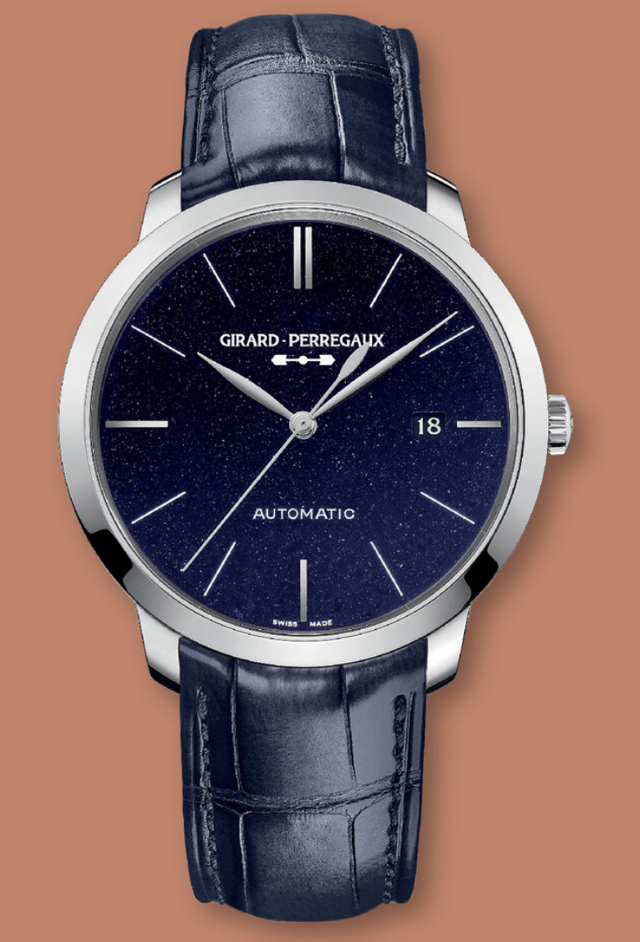
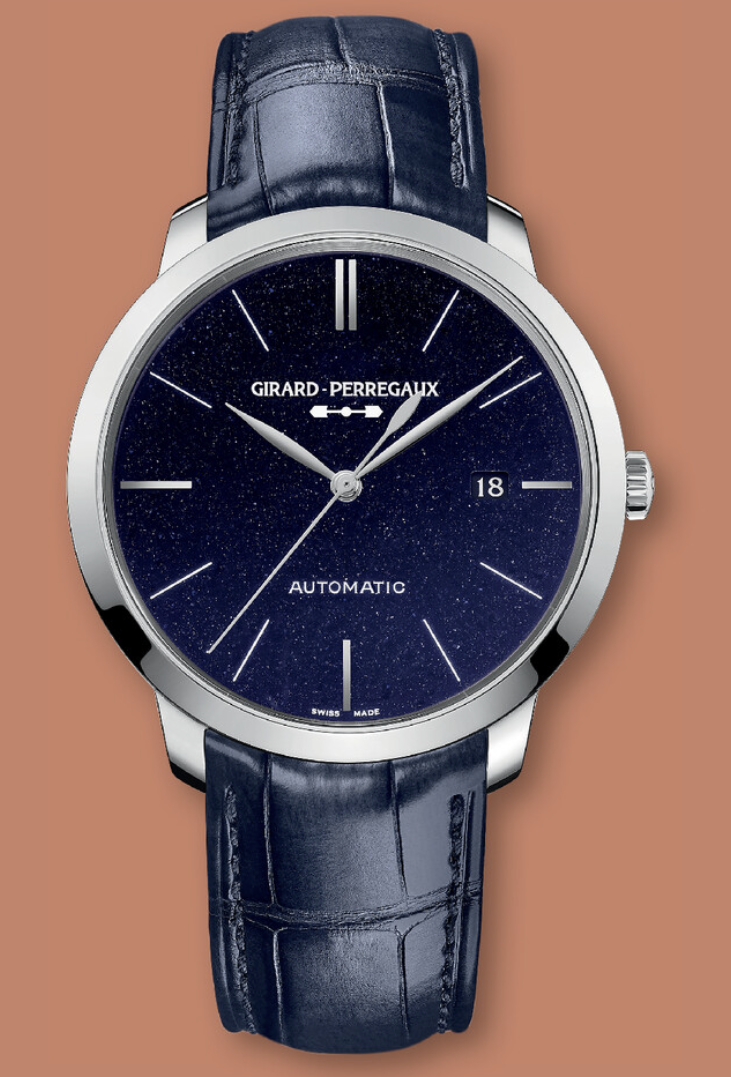
Girard-Perregaux is a sibling brand to Ulysse Nardin, and as an established name in fine watchmaking, it was not surprising that it chose to put a date window at 3 o’clock in its 1960s thin, classically styled watches. In this spotlight feature, the brand highlights the 1966 Orion model in 18k pink gold. It features a rich blue aventurine dial that pairs elegantly with the date window and fine baton hands and markers.
Price: $10,100
Oversized Date
To make the date function easier to read, you can put a magnifying glass over the date window (like Rolex does with its integrated “Cyclops” in the sapphire crystal). Another option is to make the date window and wheels themselves larger. This has proven quite popular, and many brands use such watches in their collections.
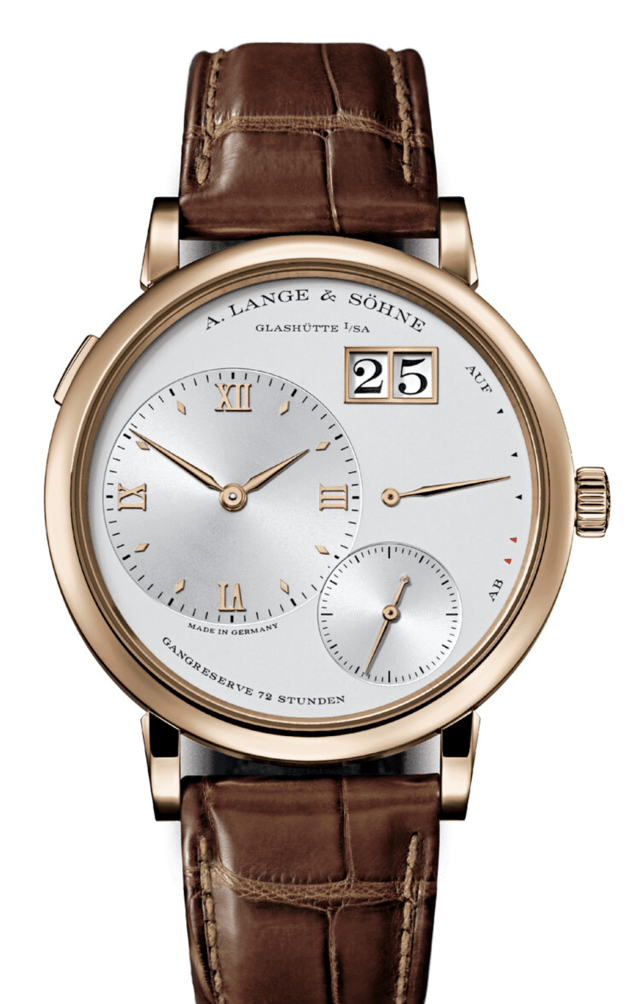
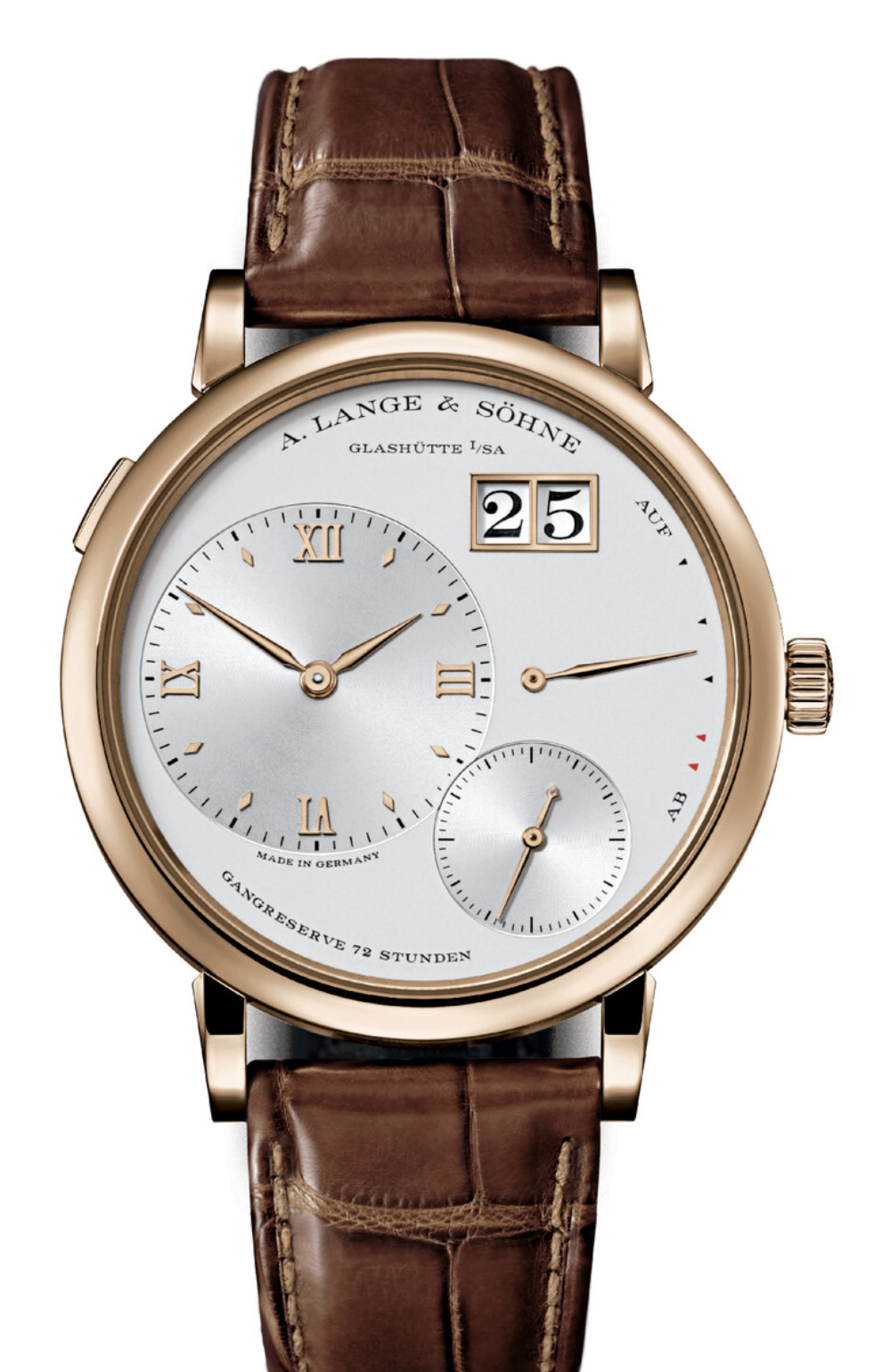
A. Lange & Söhne is known for its outsize date. This German brand made it one of the cornerstones of its identity. The inspiration came from the famous 5-Minute Clock in Dresden’s Semper Opera House. Lange prefers the classic approach with two numerals printed on two wheels, placed in the same window.
The Lange 1 was among the first watches that A. Lange & Söhne launched when it was revived in 1994. While the layout is unconventional, the movement is finely finished and features two mainspring barrels. The power reserve is 72 hours.
Price: $44,700
Day-Date
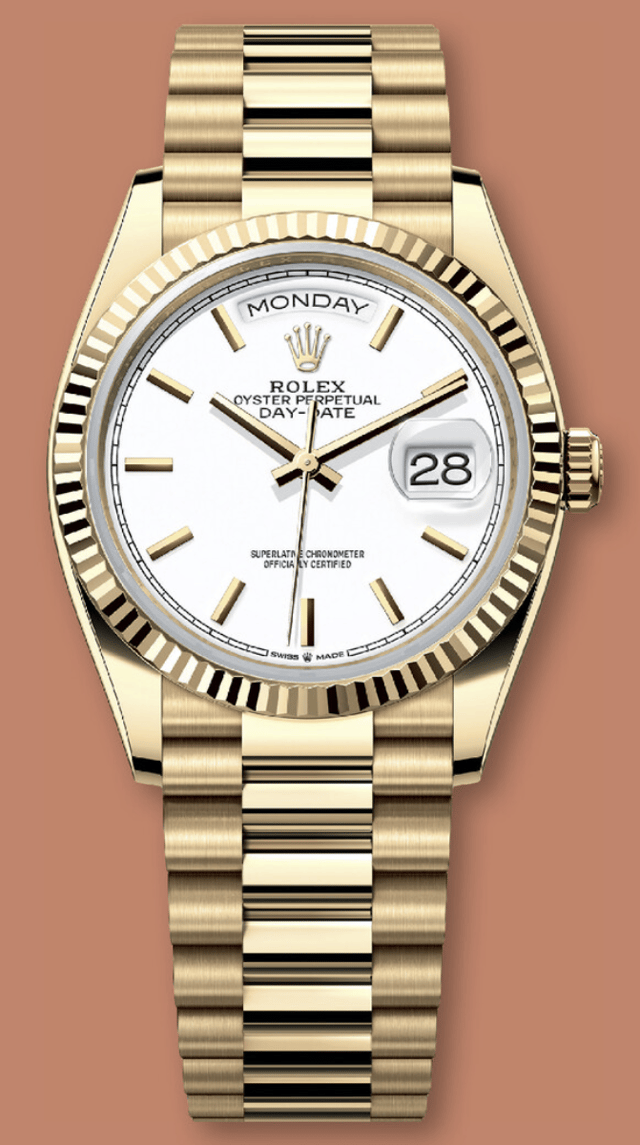
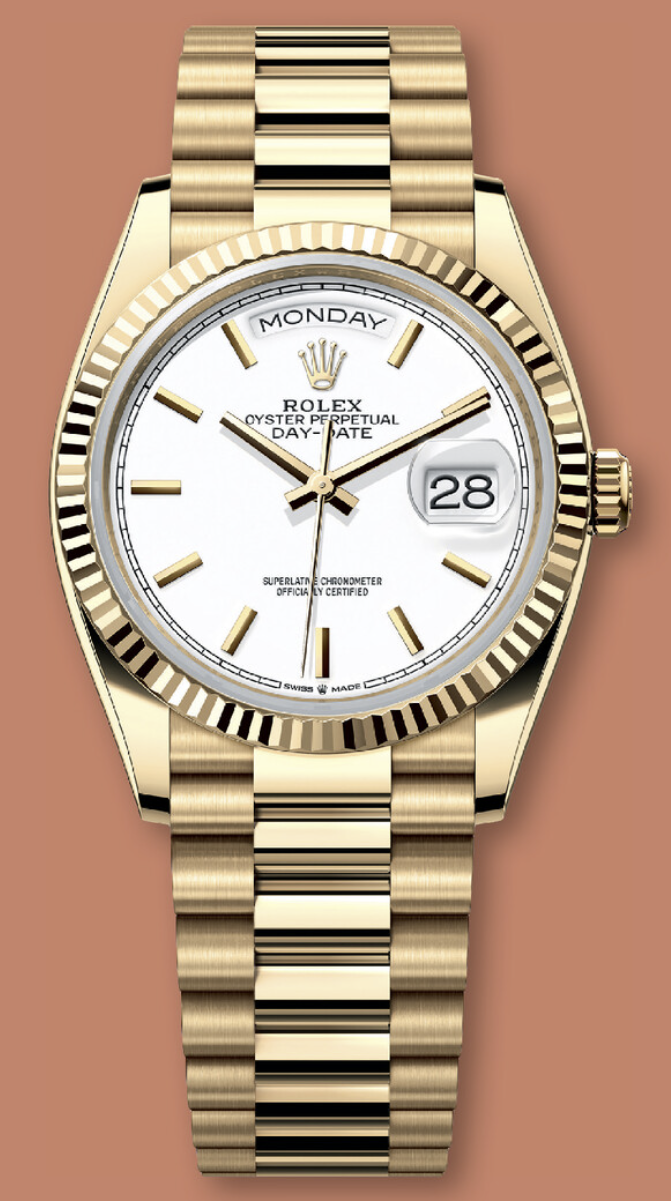
Another helpful calendar feature, next to the date, is a day indication. The most famous one was launched by Rolex in 1956. It is still known as the Day-Date, but also called the “President,” not only for its top-tier Rolex status but also because it was famously worn by several U.S. Presidents. The day is spelled out in full and shown in a window at 12 o’clock, while the date sits at 3 o’clock.
The Day-Date is only made in precious metals, which enhances its exclusivity. As Rolex nears the model’s 70th anniversary, it remains one of the most coveted and iconic watches in the lineup. The model shown features a white dial, gold baton hands and indexes, and fluted bezel in 18k yellow gold.
Price: $35,000
Full Calendar
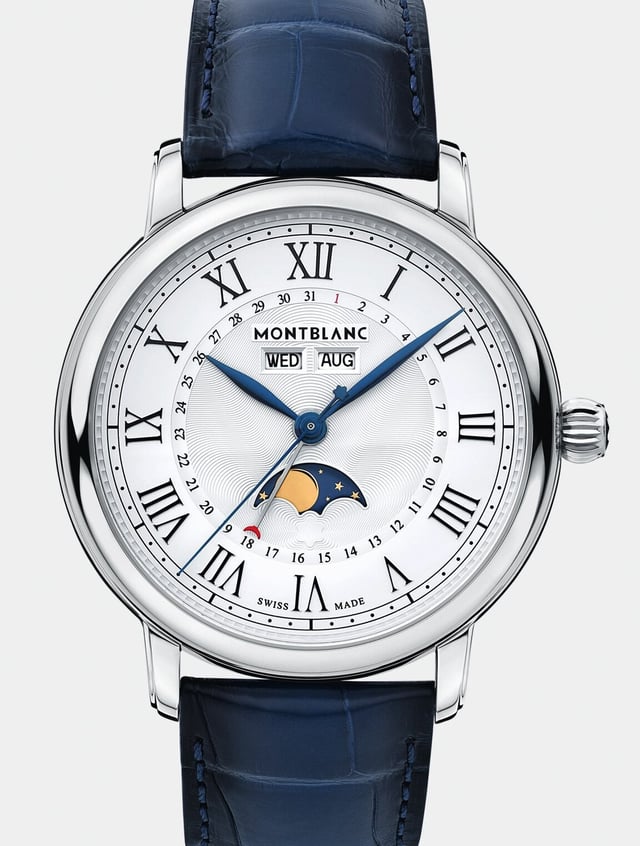
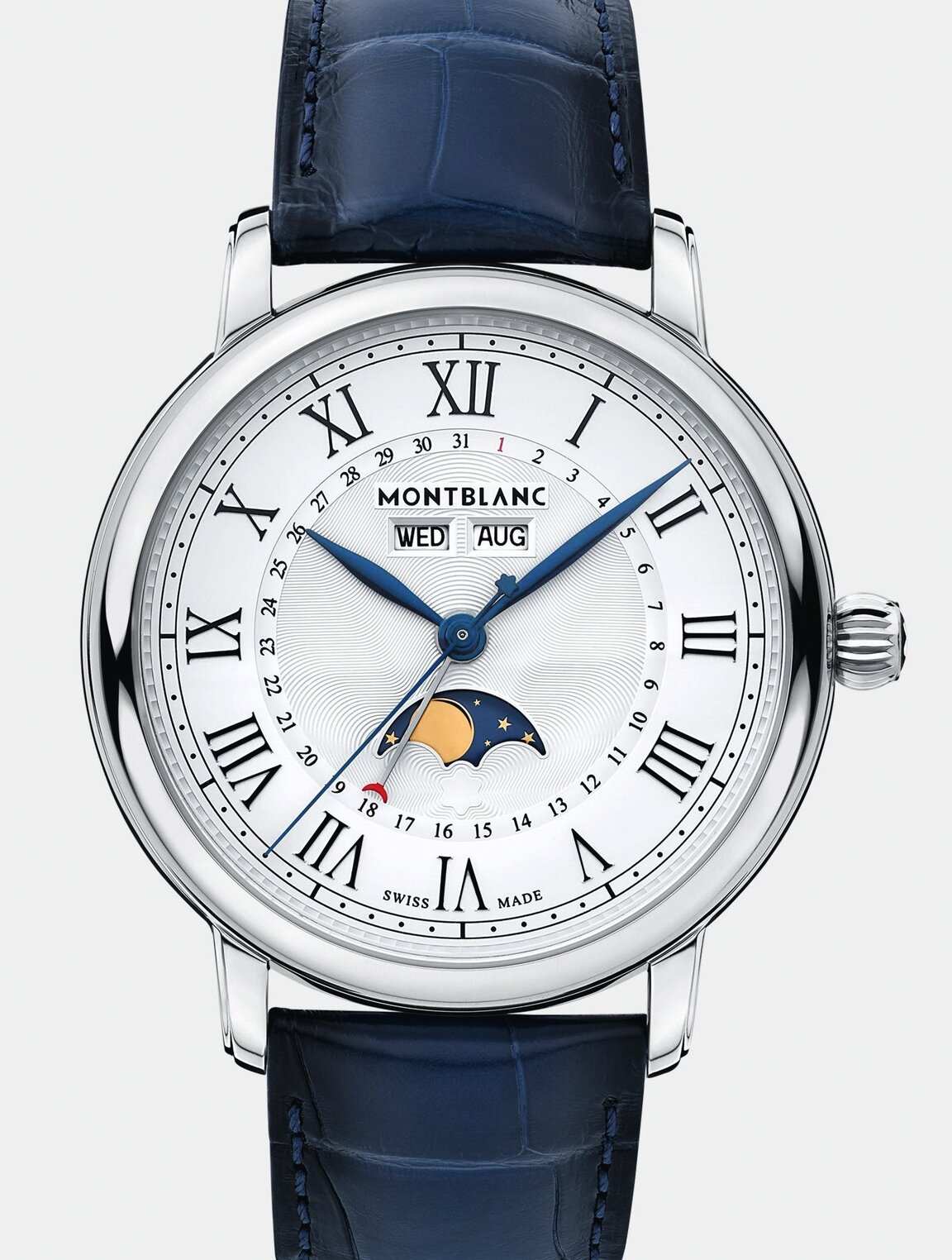
A so-called full calendar goes further than the day-date by adding a month and moon-phase indicator. Some use subdials, others use windows. A separate build is also presented by some brands. The moon-phase indicator is not always useful, but it adds poetic charm.
Montblanc’s Star Legacy Full Calendar uses windows to display the day and month, with a hand pointing to the date and a moon-phase at 6 o’clock. This classic execution uses a Sellita SW-based movement, enhanced by a Dubois-Dépraz full calendar module. Roman numerals and applied blue indices enhance the traditional look.
Price: $3,800
Annual Calendar
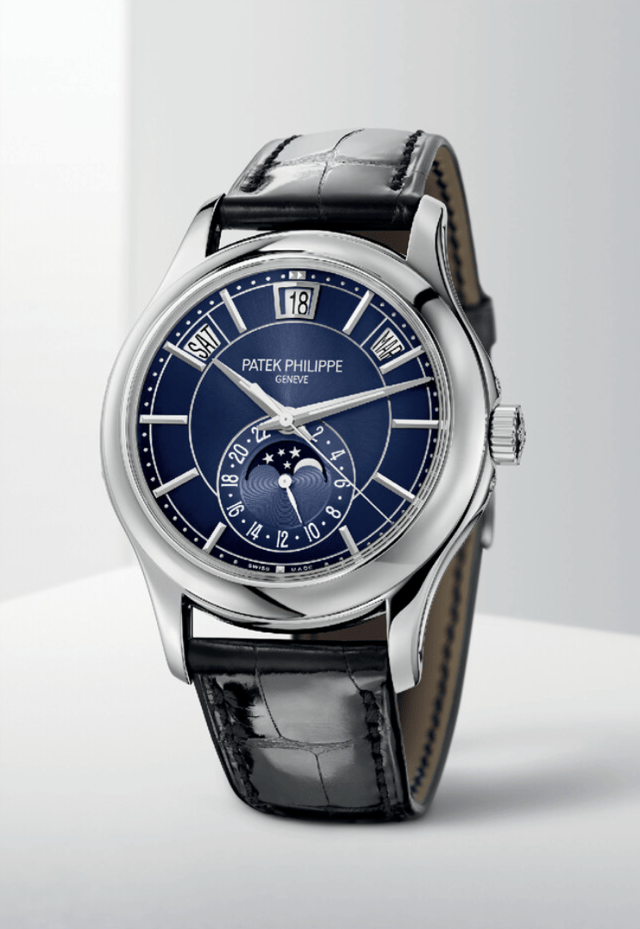
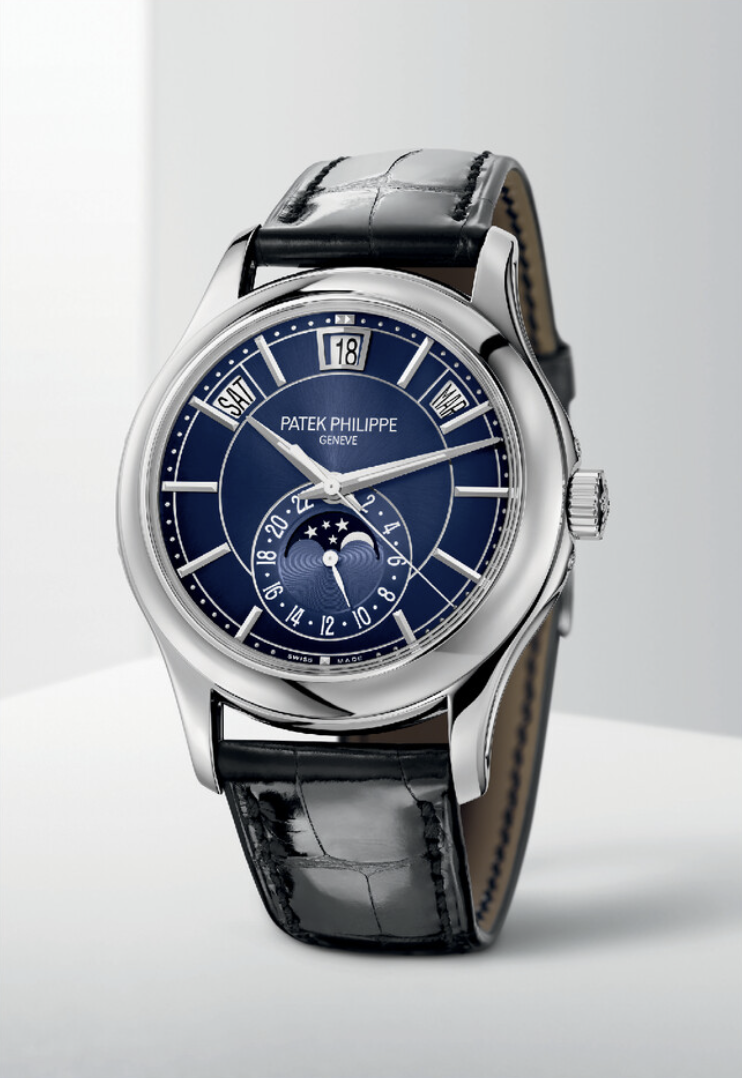
An annual calendar is simpler than a perpetual calendar but more complex than a full calendar. It tracks all months except February, and only needs adjustment once per year.
Patek Philippe invented the annual calendar and still leads in this category. Their Ref. 5205G model, shown here, displays the day, date, and month through three windows at the top of the dial, plus a moon-phase with 24-hour indication at 6 o’clock. The case is white gold, and the dial features a beautiful gradient effect from blue to black.
Price: $57,370
Perpetual Calendar
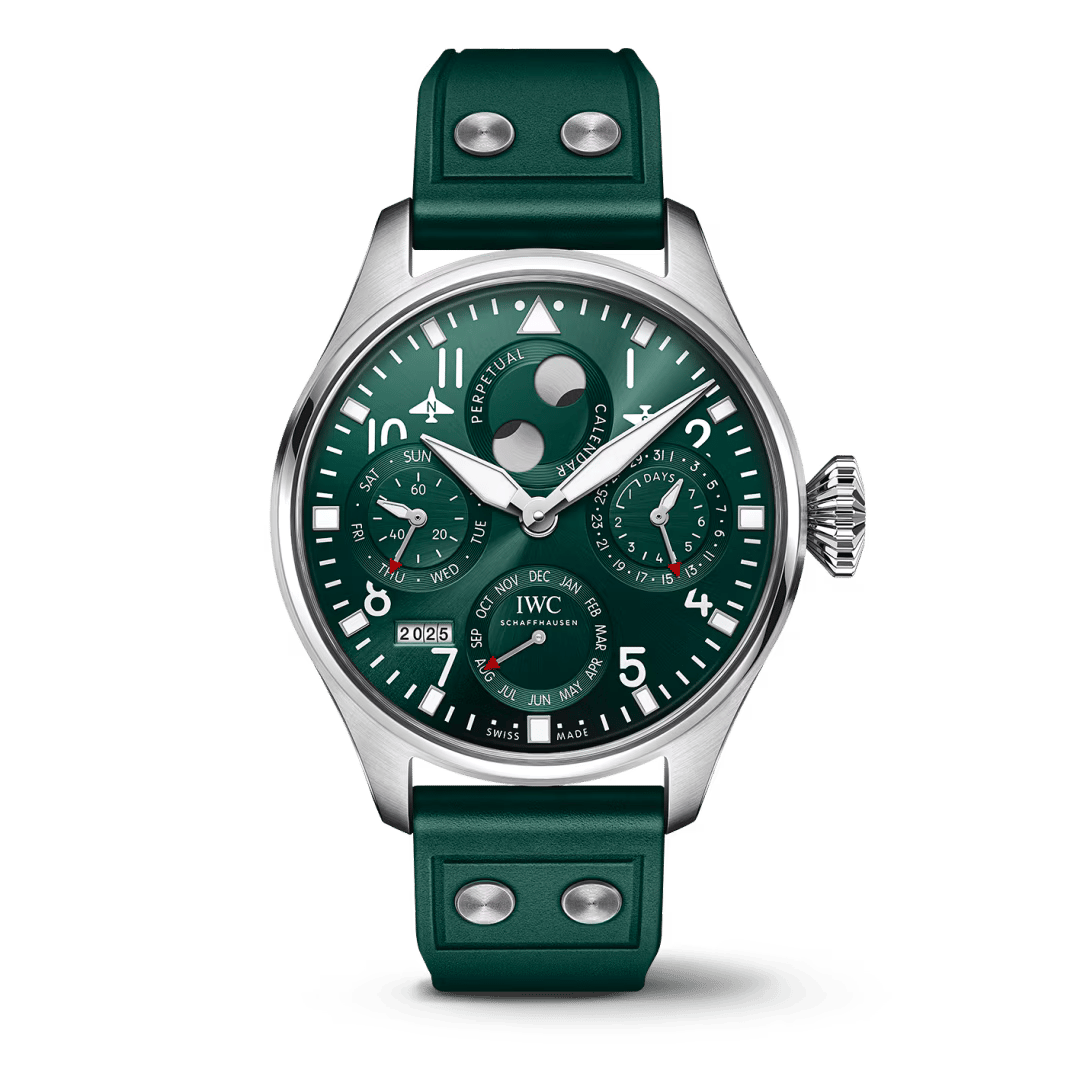
The perpetual calendar was first created by Thomas Mudge in 1762. Patek Philippe made the first wristwatch version in 1925. The benefit of a perpetual calendar is that it automatically accounts for leap years and month length variations — you rarely have to adjust it.
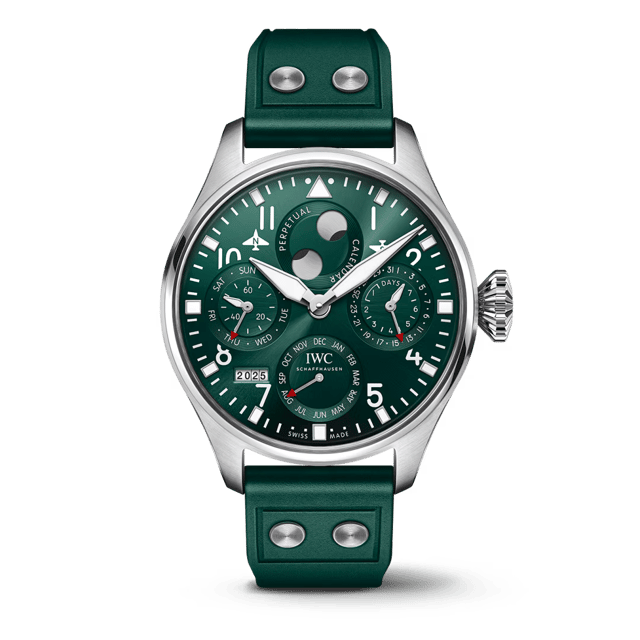
Many brands now offer this complication, including IWC, who presents a modern take with its Pilot’s Watch Perpetual Calendar. The large green dial features four subdials, a moon-phase display for both hemispheres, and a 168-hour (7-day) power reserve. The Caliber 52615 movement is automatic and highly complex, consisting of 375 components.
Price: $33,000
This article was originally published in the November / December 2023 print issue. To subscribe to WatchTime Magazine, click here.