Made in Japan: Beyond the “Big Three”
A spotlight on Japanese independents

The “Made in Japan” label means premium. It’s recognized around the world to stand for quality and desirability, and the reputation is deserved. There’s a fastidiousness in the national character that’s well suited to the likes of perfect uniformity in tiny parts, tight tolerances, and obsessive testing. It all manifests gloriously in the country’s watchmaking scene, and it’s one that’s even more dynamic than many watch fans might realize.
That scene has long been dominated by massive corporations, the “Big Three”: Seiko, Citizen and Casio. Each is, of course, much more than a watch brand. Within the Seiko universe are multiple sub-brands as well as the likes of Grand Seiko, Credor and, a bit further removed, Orient. Casio has its sub-brands such as G-Shock, and the Citizen Group is more akin to a traditional conglomerate that includes its own spinoffs as well as acquired brands of Swiss and other origins. They all churn out a great variety and volume of products.
And together they offer a ton of interest for watch enthusiasts. But they also cast as imposing a shadow as that of Mt. Fuji itself. Startups and independent watchmaking even outside of Switzerland have blossomed to varying degrees in the U.S., Germany, France and elsewhere. So one might reasonably ask: Where are Japan’s smaller, less corporate voices and visions?
Japan might be known for many things, but entrepreneurship isn’t at the top of the list. Design and craftsmanship, though? Certainly. And although the country’s been slightly behind the curve, it’s increasingly producing independent-minded brands and watchmakers that run the gamut in terms of style, design and price as well as brand and business models. And they’ve been gaining international attention.
Some of the names highlighted here are relatively recognized abroad, and others less so. But together they represent the brands and individuals building a more varied and vibrant Japanese watchmaking scene.
HAJIME ASAOKA
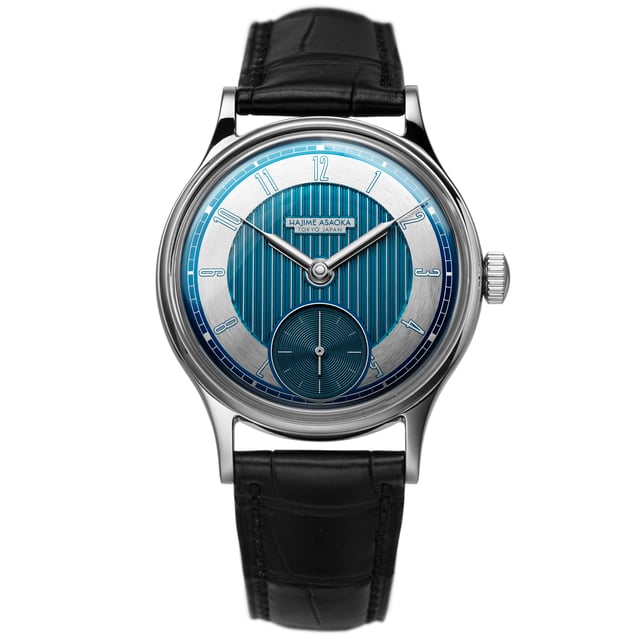
Hajime Asaoka Tsunami “Art Deco” (~US$30,000)
Hajime Asaoka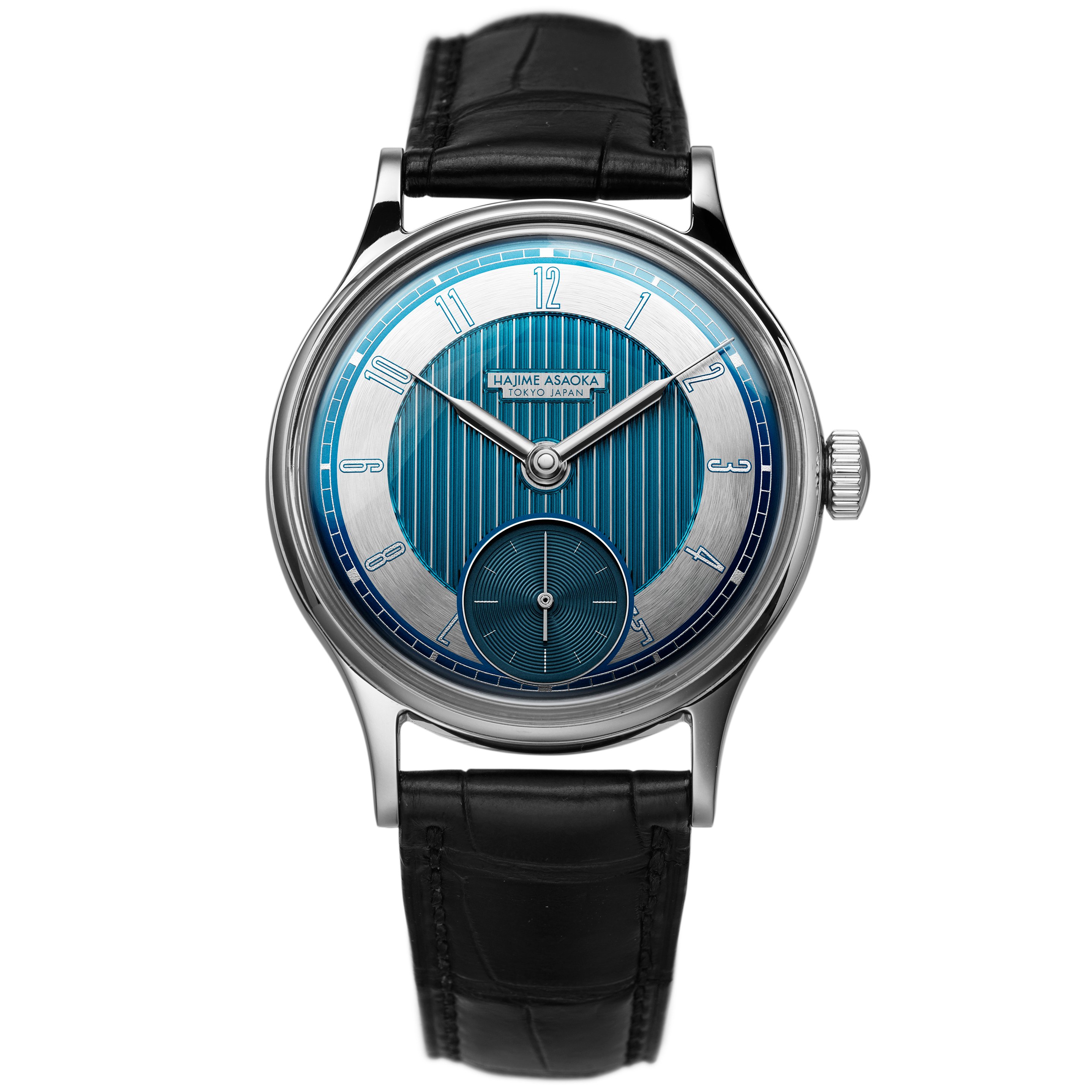
Hajime Asaoka made an immediate splash with his first watch in 2009, which also happened to feature the first Japanese-made tourbillon. Arguably, he was the country’s first independent watchmaker to get serious international attention, and he remains the best known. With a background in product design, Asaoka is self-taught in watchmaking and “takes on every part of the watchmaking process himself.” With an approach and price point reminiscent of Swiss independent counterparts, his eponymous brand produces only a handful of pieces each year. Asaoka isn’t content as just a quiet pioneer of Japanese indy watchmaking, but he’s behind even more in the country’s rising scene. Under his company Precision Watch Tokyo Co., Ltd., are his Hajime Asaoka brand, as well as other labels: Kurono, Takano, and Otsuka Lotec.
KURONO
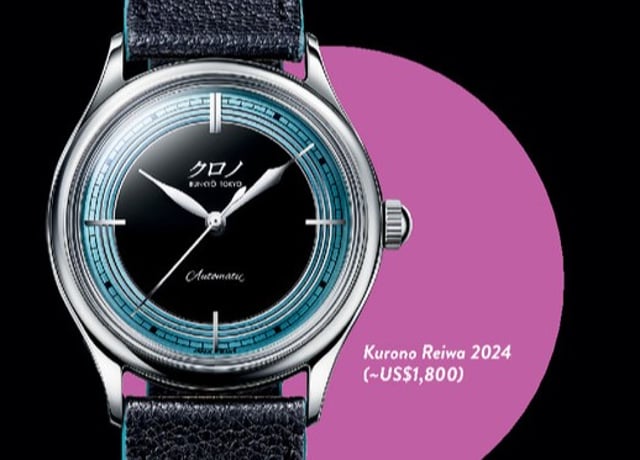
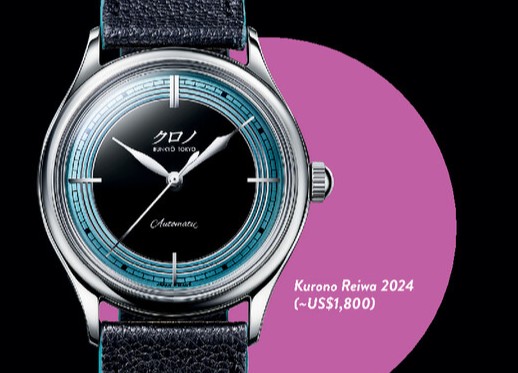
For those who love Hajime Asaoka’s Art Deco style but find the prices out of reach, there’s still hope. He created the brand Kurono specifically as a more accessible expression of his vision. Using sourced Japanese movements (from Seiko and Miyota) allows greater volume at lower prices for Kurono watches than Hajime Asaoka’s fully handmade “atelier” products, but elements such as the designs, dials and cases receive a similar level of consideration and execution. Relatively accessible, yes, with prices around $1,500 to $5,000, but each batch of Kurono watches is also limited, in-demand, and consequently still tough to get. They often end up more expensive on the second-hand market.
TAKANO
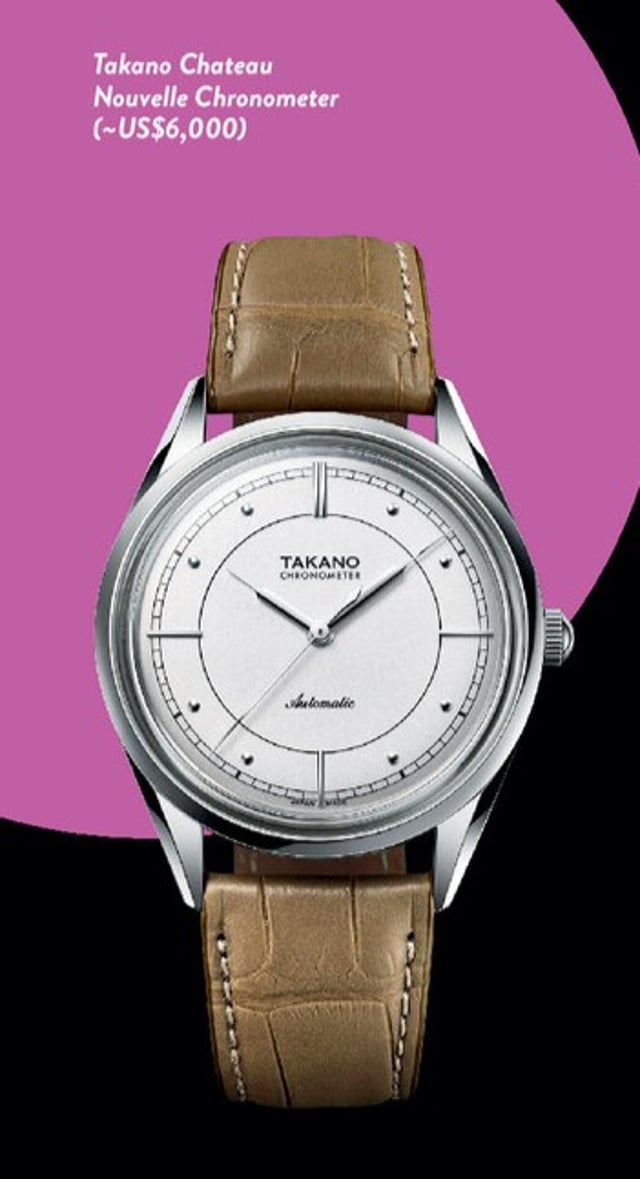
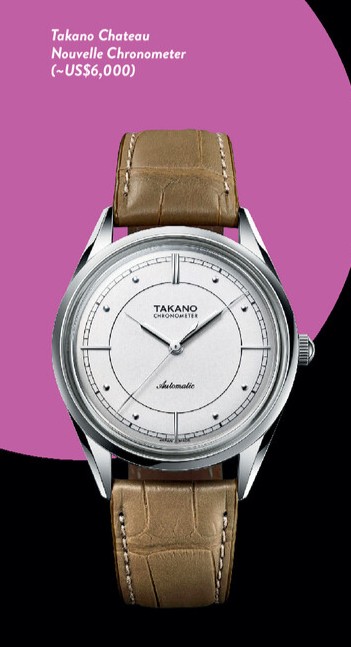
The once defunct Japanese brand Takano isn’t exactly well known internationally. It existed from 1899, and its name faded in the 1960s until being resurrected in 2024 by Hajime Asaoka and his company, Precision Watch Tokyo. With high-end and entry-level watches in the group’s portfolio, Takano helps fill out its range. Priced around the $6,000 mark for a three-hand dress watch, it also fills the niche of a heritage and retro-inspired brand. Takano’s first watches are called the Chateau Nouvelle Chronometer, being Japanese in components, movement (Miyota) and assembly, but chronometer certified in France by the Observatoire de Besançon.
OTSUKA LOTEC
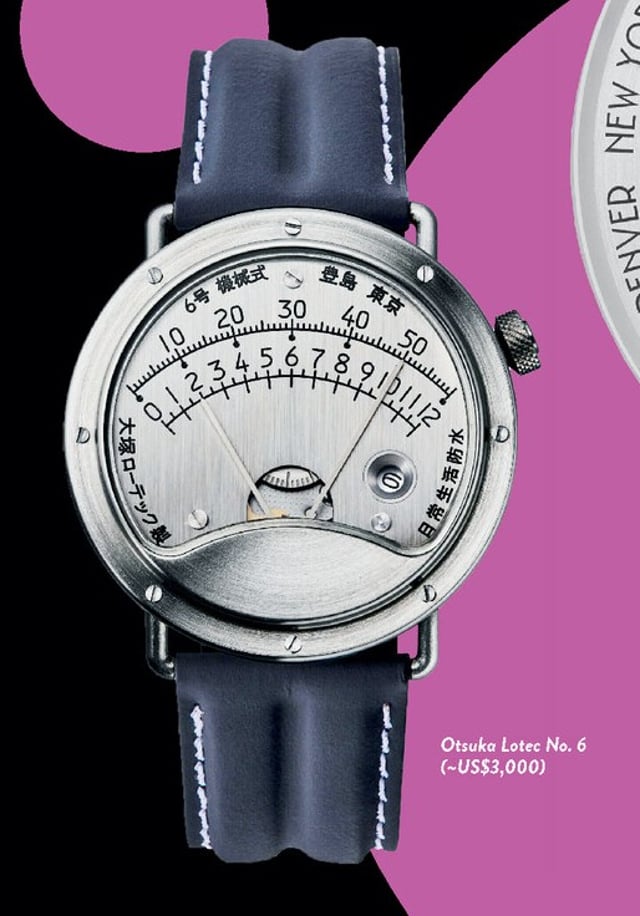
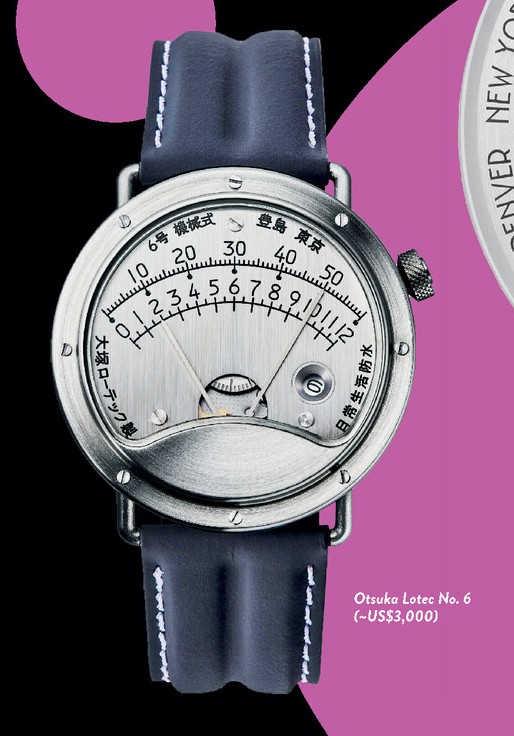
Behind the exciting brand Otsuka Lotec is Jiro Katayama. With a background in product and automotive design, Katayama presents a unique vision inspired by the likes of vintage gauges and cameras and executed with restraint and creativity. Verging on steampunk in style, he designs, develops and manufactures his own cases and modules to supplement the sourced movements (Miyota) he uses. While making the prototypes himself, he oversees production supported by Hajime Asaoka’s Precision Watch Tokyo in terms of equipment and personnel.
KAZUO MAEDA
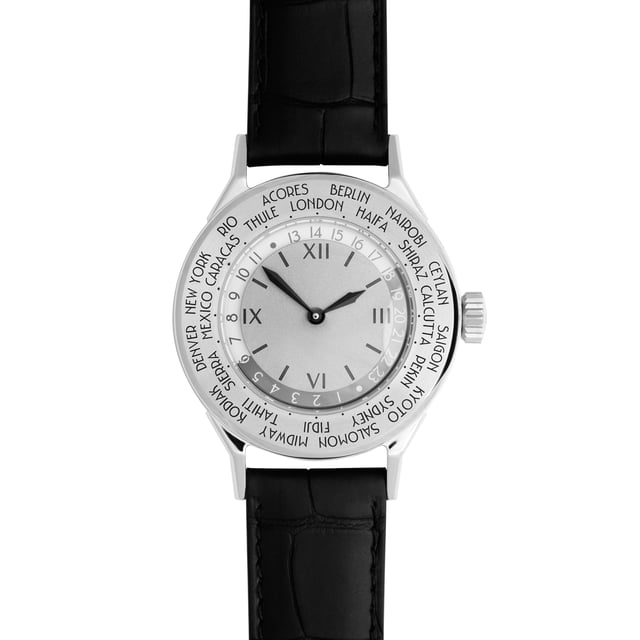
Kazuo Maeda Heures Universelles (US$28,800)
Kazuo Maeda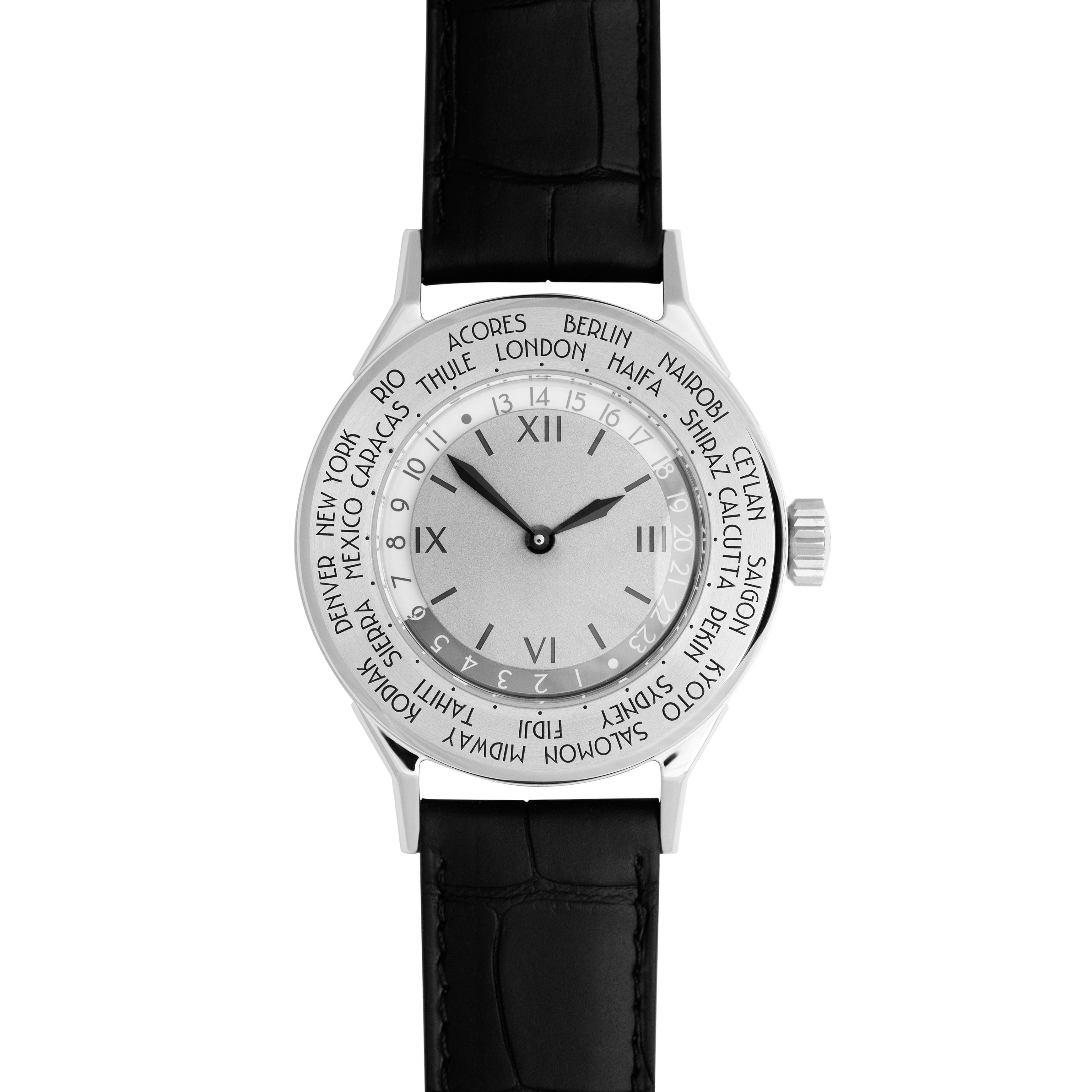
Kazuo Maeda was unknown even in Japan when it surfaced on Instagram in 2024 with a world time watch that then appeared among nominees for the GPHG awards. Apparently based in Kyoto, there’s little information about this brand, including key details of its watch, such as the origin of its movement. A tribute to Louis Cottier pocketwatches from around the 1930s, it’s got a tantalum-tungsten-alloy case, a world time complication, and grand feu enamel lettering on its bezel. With these features and refined aesthetics, the brand certainly presents enough to intrigue watch fans.
NAOYA HIDA & CO.
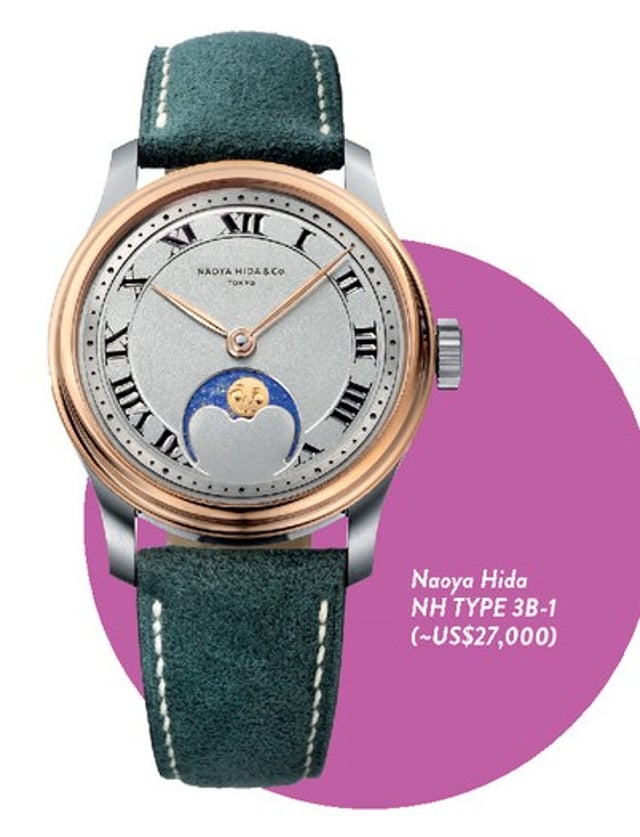
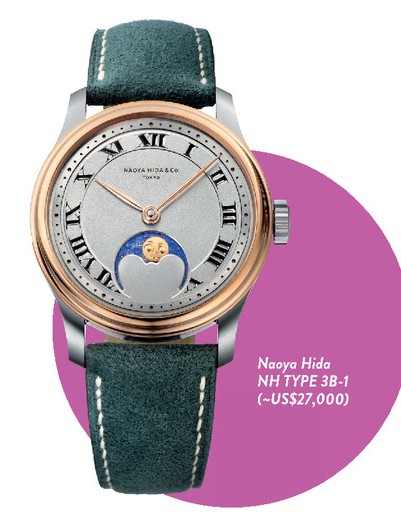
Naoya Hida’s background is in the sales and marketing side of the luxury watch industry, including representing F.P. Journe and Ralph Lauren watches in Japan. His experience comes through in his taste and vision, which focuses on classical European style with refined aesthetics and details. With a small team, including a watchmaker (Kosuke Fujita) and engraver (Keisuke Kano), the brand uses modified Swiss movements (ETA) with many components produced and work performed in-house. Having gradually increased production to 100 units in 2023 since beginning in 2019 with seven watches sold, Naoya Hida has gained a following among some prominent international collectors.
KIKUCHI NAKAGAWA
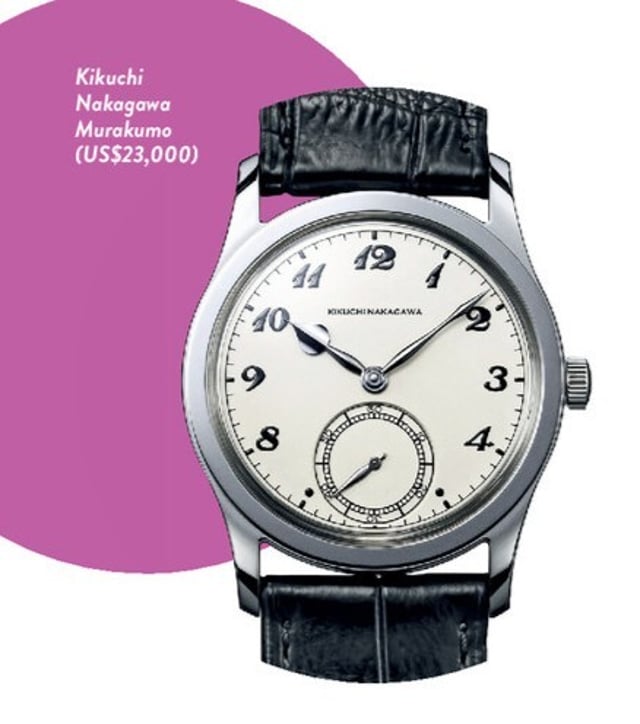
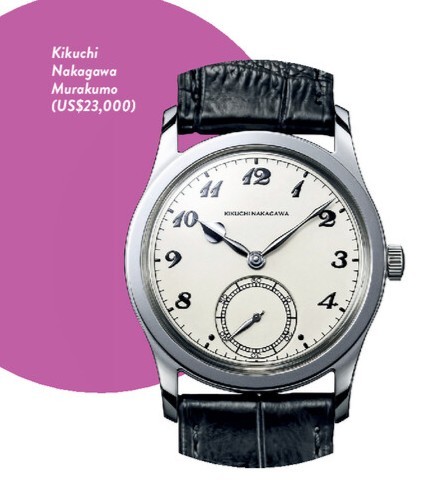
Yusuke Kikuchi and Tomonari Nakagawa are the two names behind this quiet brand founded in 2018. Both are trained watchmakers, and Nakagawa has a background in swordsmithing, which one likes to think comes through in the watches’ black polish case finishing. With classic designs, the brand is transparent regarding its Japanese and Swiss production partners, including suppliers of dials, cases, hands and other small components. The micro-rotor movement that powers its two models is made by Vaucher. After receiving a mention by musicians Ed Sheeran and John Mayer on a Hodinkee video about watch collecting, the brand closed all orders due to high demand.
MASAHIRO KIKUNO
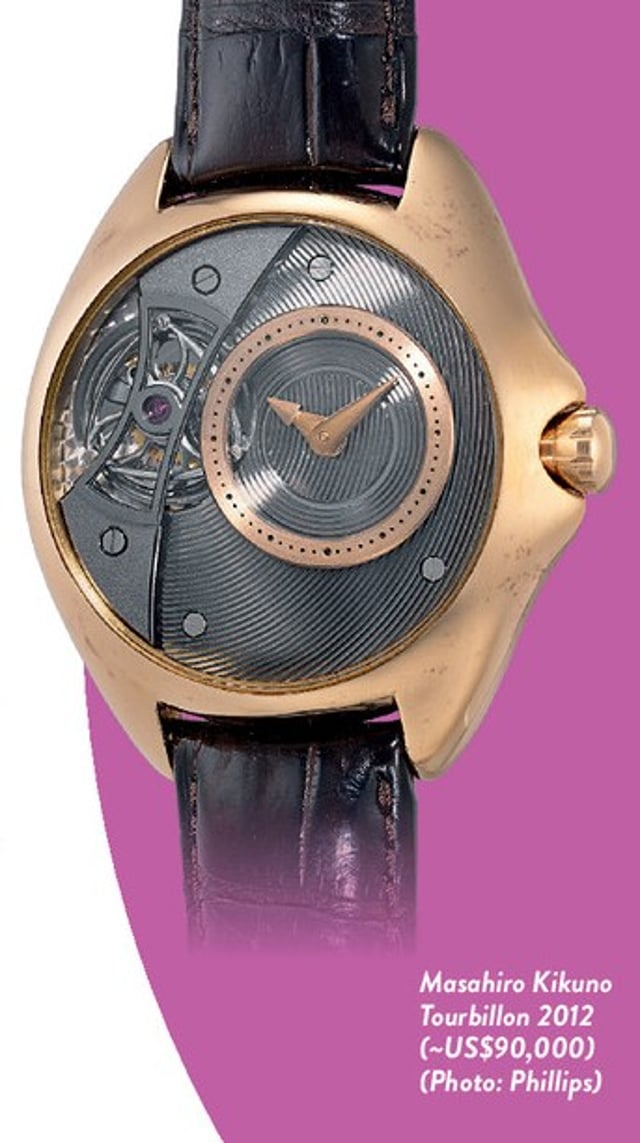
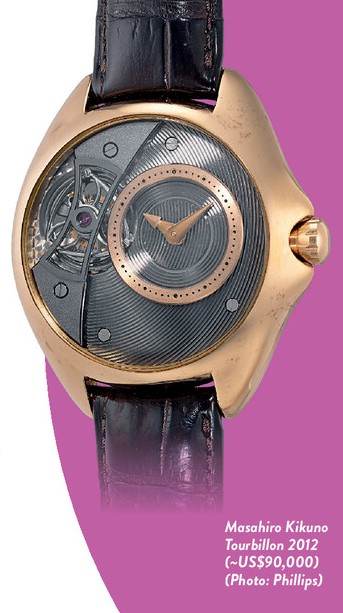
Minute repeaters, automata, tourbillons and other exotic complications are just part of what characterizes Masahiro Kikuno’s work. Only producing a couple of watches per year, each of his creations is handmade and literally homemade, as his studio and machining workshop are right in his home. His most representative model uses a time-telling system prevalent in Japanese clocks from the Edo period, which display hours of different lengths according to sunrise and sunset times that change seasonally and are adjusted to the user’s latitude. With low production numbers, a waiting list and prices of five and six figures, Kikuno is a rare breed of watchmaker that most collectors will only ever be able to admire from afar.
DAIZOH MAKIHARA
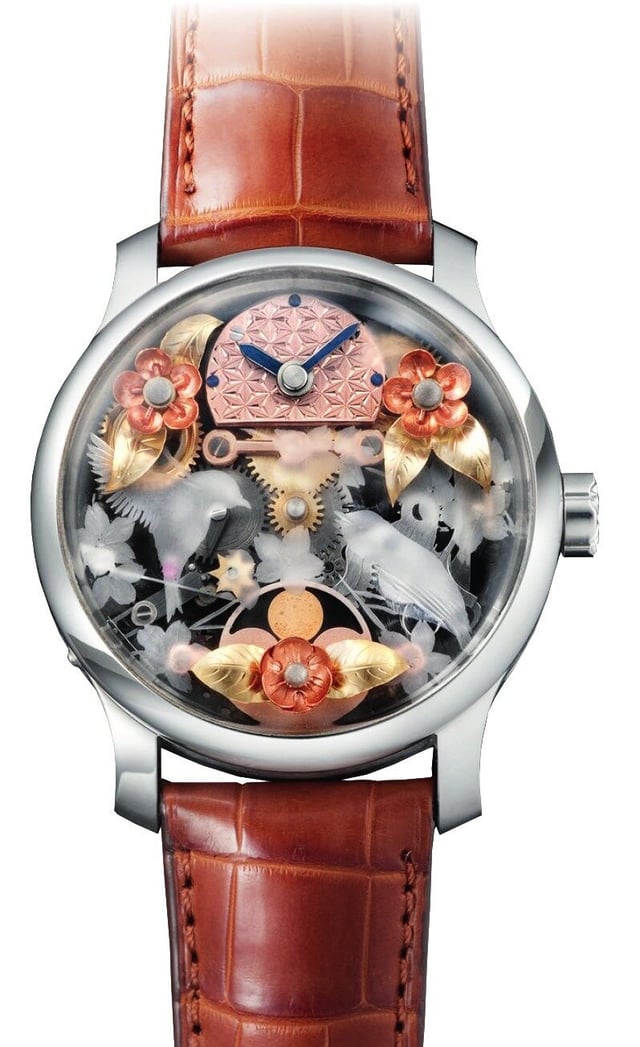
Daizoh Makihara Kacho Fugetsu (~US$154,000)
Daizoh Makihara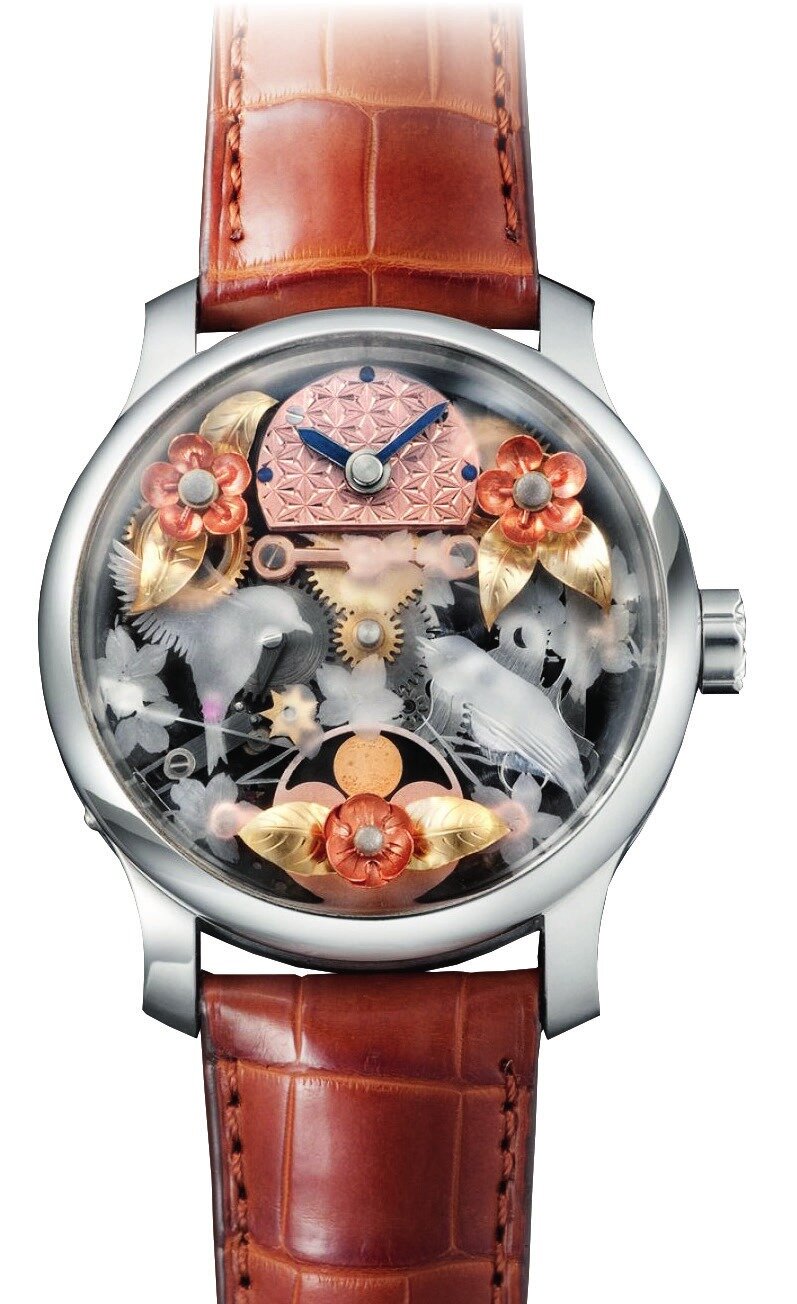
Like Masahiro Kikuno, Daizoh Makihara is another example of the watchmaker ideal: a lone artisan painstakingly designing, crafting, finishing and decorating nearly every component by himself, by hand. He does, however, also work with partners, such as those that produce the Japanese glass-cutting technique known as edo kiriko, which adorns his watches’ dials alongside the likes of flower automata, which mechanically open and close. He’s only known to have produced a couple of models so far, but he represents yet another fascinating facet of the Japanese watchmaking scene.
MINASE
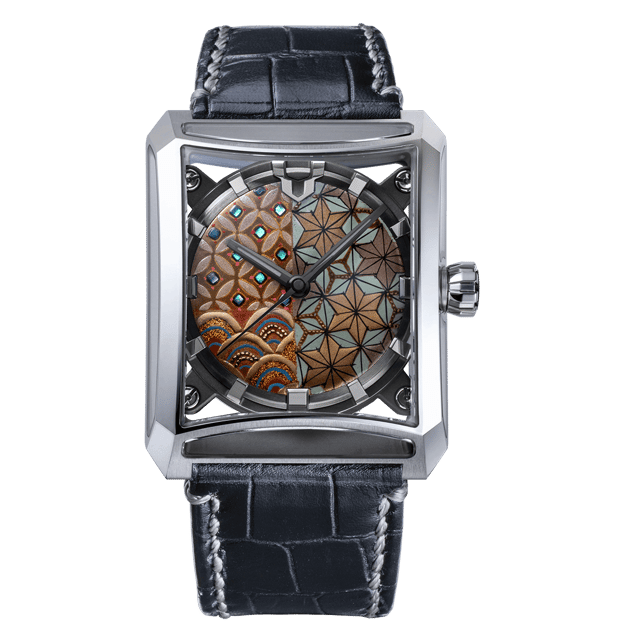
Minase 7 Windows Urushi Hakase (US$15,450)
Minase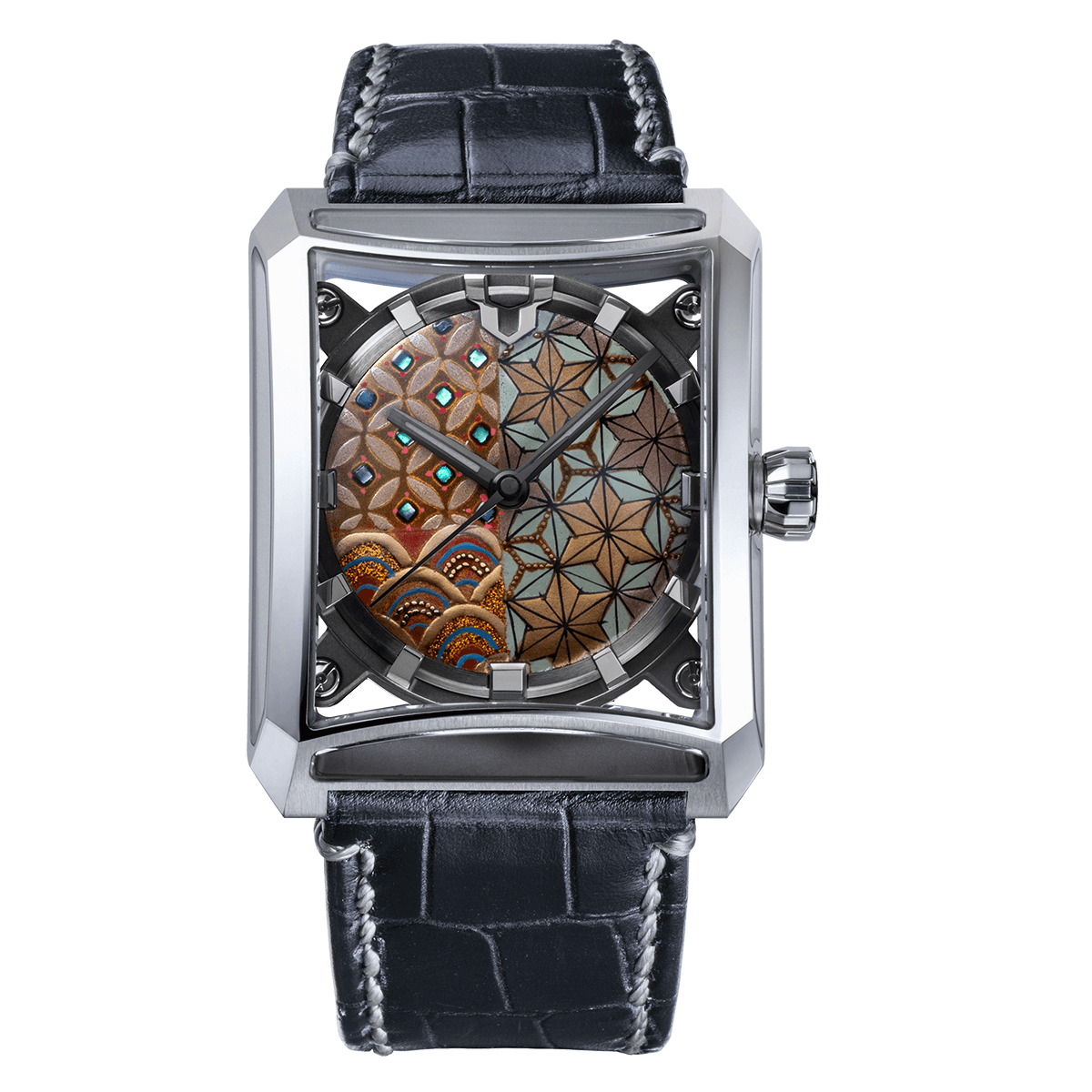
Minase is like no other brand highlighted here, as they’re a larger operation. Beginning as Kyowa Co., Ltd., a supplier of drilling tools and then watch components for other brands, it released its first own collection of complete watches in 2005. Taking on the name of its hometown in northern Japan, a Minase signature is its complex, architectural case structures, some of which incorporate “windows” on the case sides. Reminiscent of Grand Seiko’s approach, it also emphasizes dial treatments and Sallaz case finishing. Most models are powered by Swiss (ETA) movements, and prices range from around $3,500 to well into five figures for the likes of precious metals and exotic handcrafts, such as hand-painted lacquer dials.
This article was originally published in the January / February 2025 Issue. To subscribe to the print edition of WatchTime Magazine, click here.