Garmin Marq Gen 3 Pushes the Luxury Smartwatch Further
Six purpose-built watches, one ambitious platform
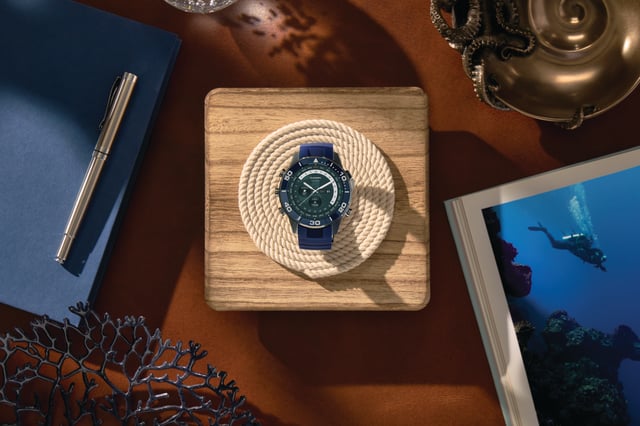
On a lovely Tuesday afternoon off the coast of Mallorca, I saw a representative from Garmin control a catamaran’s autopilot from his wrist. The watch also displayed depth information supplied by the onboard equipment, putting some of the morning’s lengthy presentation into practice. I was still working through the finer points of training readiness and satellite messaging; watching them drive the boat was easier to appreciate.
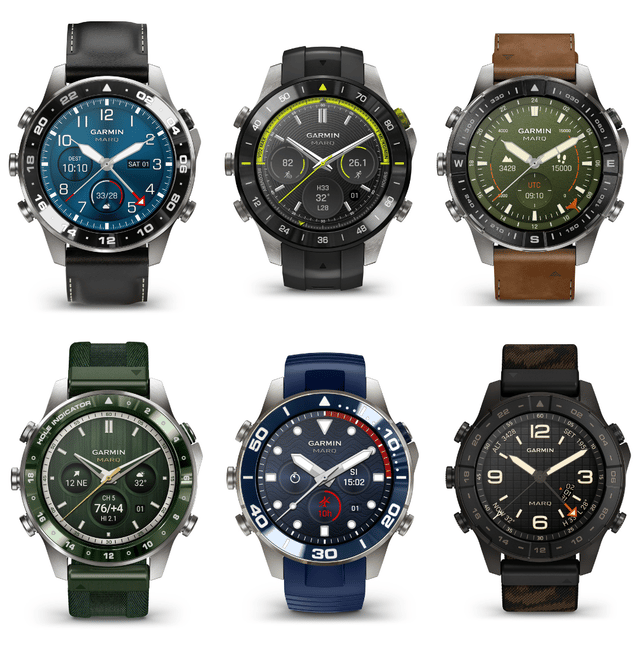
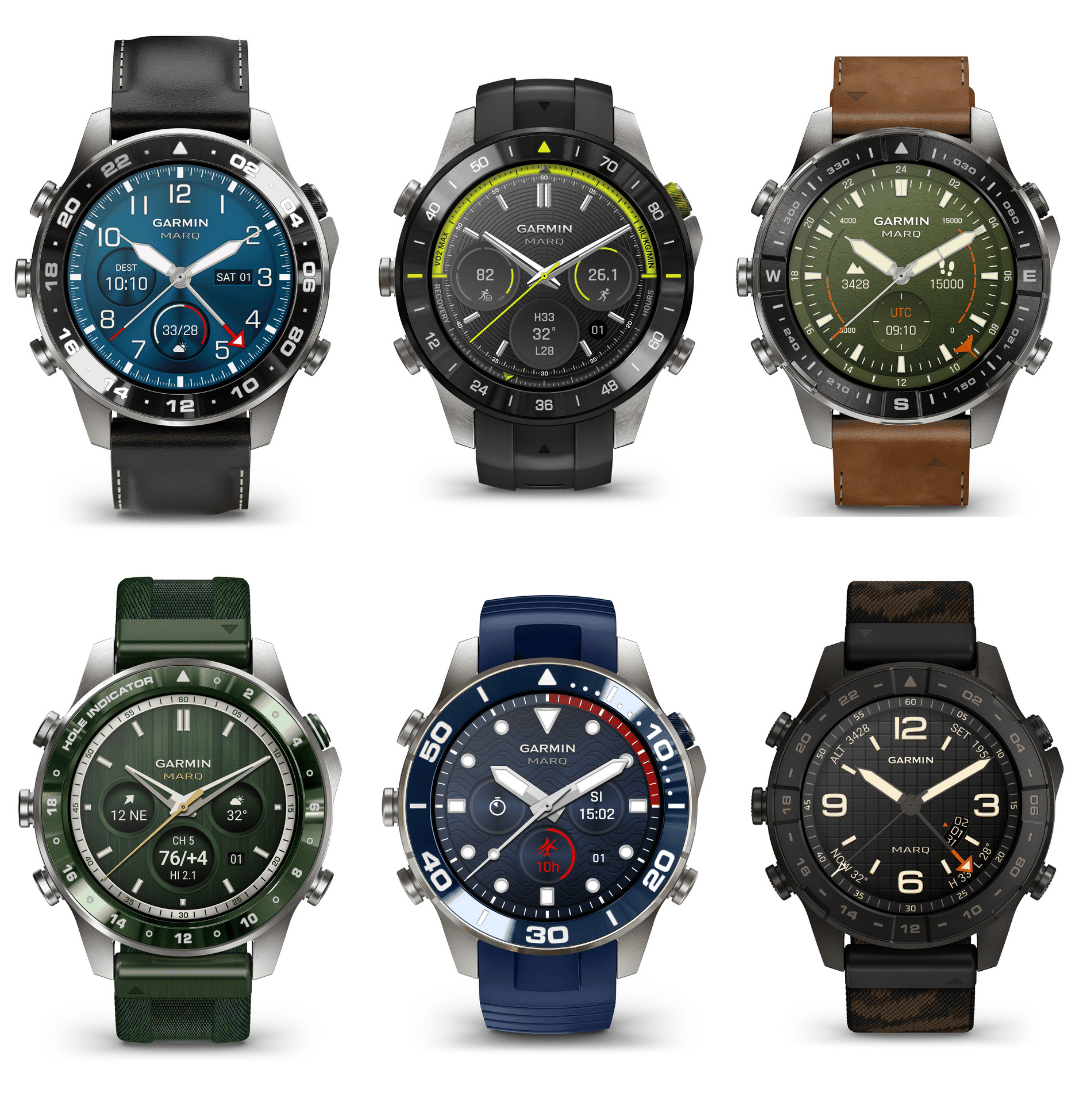
Garmin brought us to the island last month to preview the Marq Gen 3, launching today with six models priced from $2,500 to $3,100. The updated collection includes the Athlete, Adventurer, Golfer, Aviator, Commander, and the new Diver — each built around a different pursuit — with larger displays, expanded navigation, and LTE and satellite communication across the line. With the Marq, Garmin is also spending time on the things a watch enthusiast might notice first, including case finishing, bezel treatments, and straps that merit a look of their own.
From Early GPS to the Marq
Garmin arrived at watches through navigation. “We didn’t necessarily set out to become a watch company,” recalled Brad Trenkle, Garmin’s co-chief operating officer. The Forerunner 201, introduced in 2003, put GPS tracking on a runner’s wrist, answering two useful questions: how far have I gone, and how fast am I going? Watches for golf, diving, aviation, and other pursuits followed.
The Marq came out of a request Garmin kept hearing from customers who already depended on those tools. They wanted something they could keep wearing after their hobby or professional use, with materials and finishing more at home beside the other timepieces in their collections.
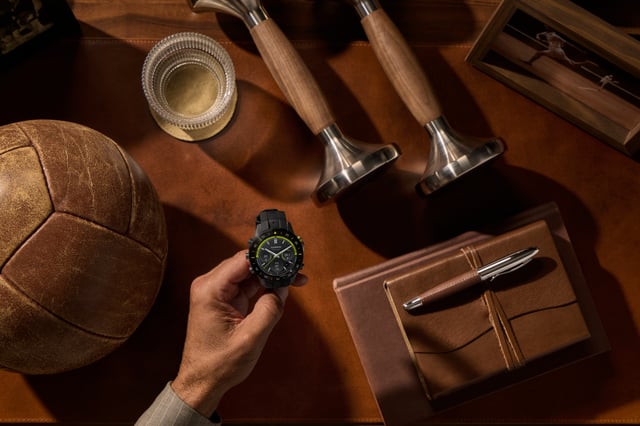
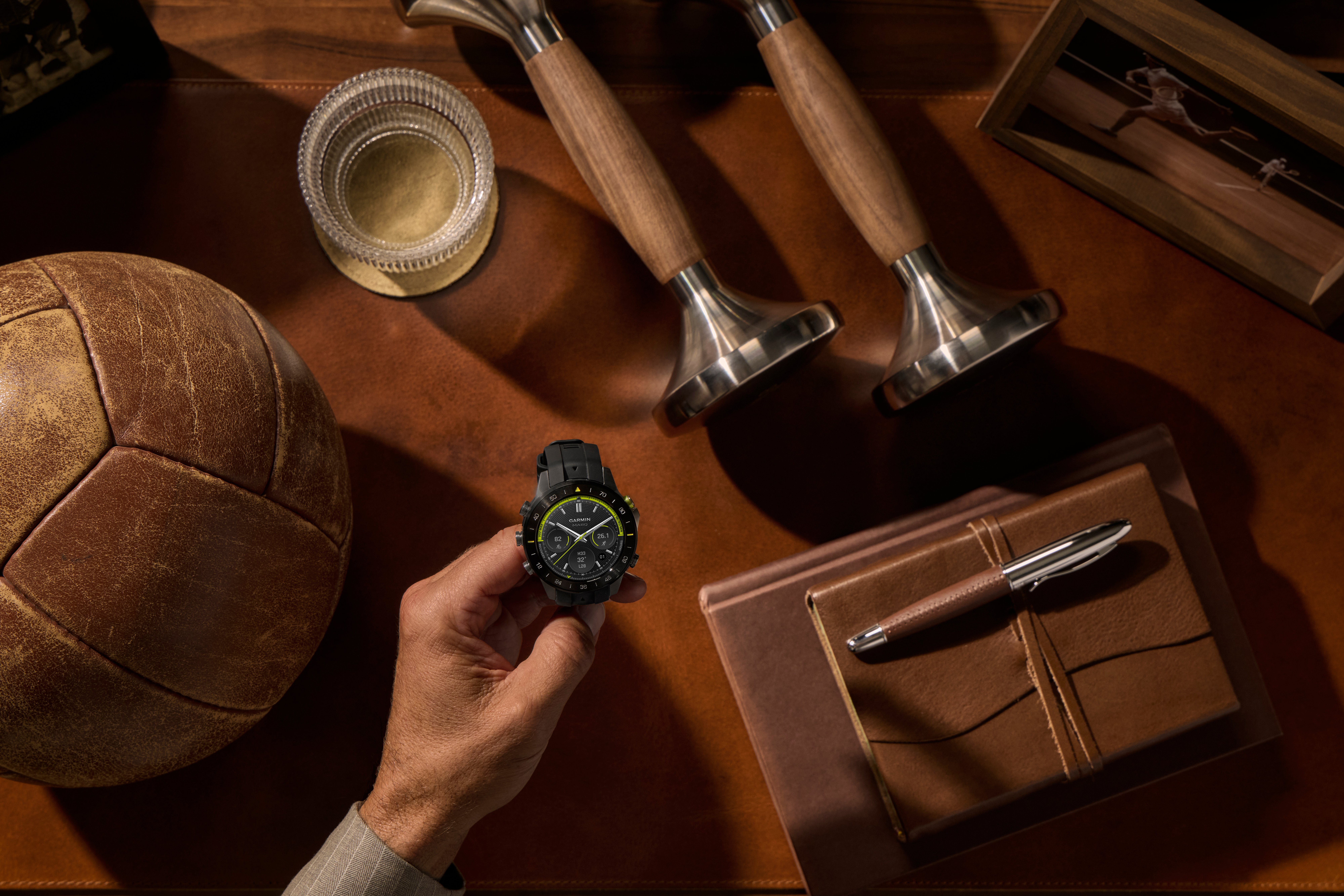
The first Marq collection debuted in March 2019, during Garmin’s 30th anniversary year, with five models for flying, driving, sailing, exploration, and sport. Titanium cases, sapphire crystals, and ceramic bezel details helped establish its place at the top of the range. Gen 2 followed in October 2022 with AMOLED touchscreens and Grade 5 titanium cases across the Athlete, Adventurer, Golfer, Captain, and Aviator.
“We want the Marq to feel like a traditional watch on your wrist,” said Todd Register, Garmin’s senior creative leader and product manager. “We don’t want it to feel like an extension of your phone.” He described the approach as “performance luxury,” with the materials chosen for what they contribute during an activity as well as how they look. That helps explain where the Marq sits within Garmin’s range and what the additional money buys.
What Changes for Gen 3
The new cases measure 47mm by 47mm by 15mm, with Grade 5 titanium, sapphire crystals, ceramic bezels, and 10 ATM of water resistance. At 62 grams for the case, or 86 grams with a silicone strap, they’re surprisingly comfortable. After the boat demonstration, I forgot I was still wearing the Diver — which I can’t say I’ve ever done with a press watch. From the side, however, the thickness is substantial, perhaps particularly for the otherwise light weight.
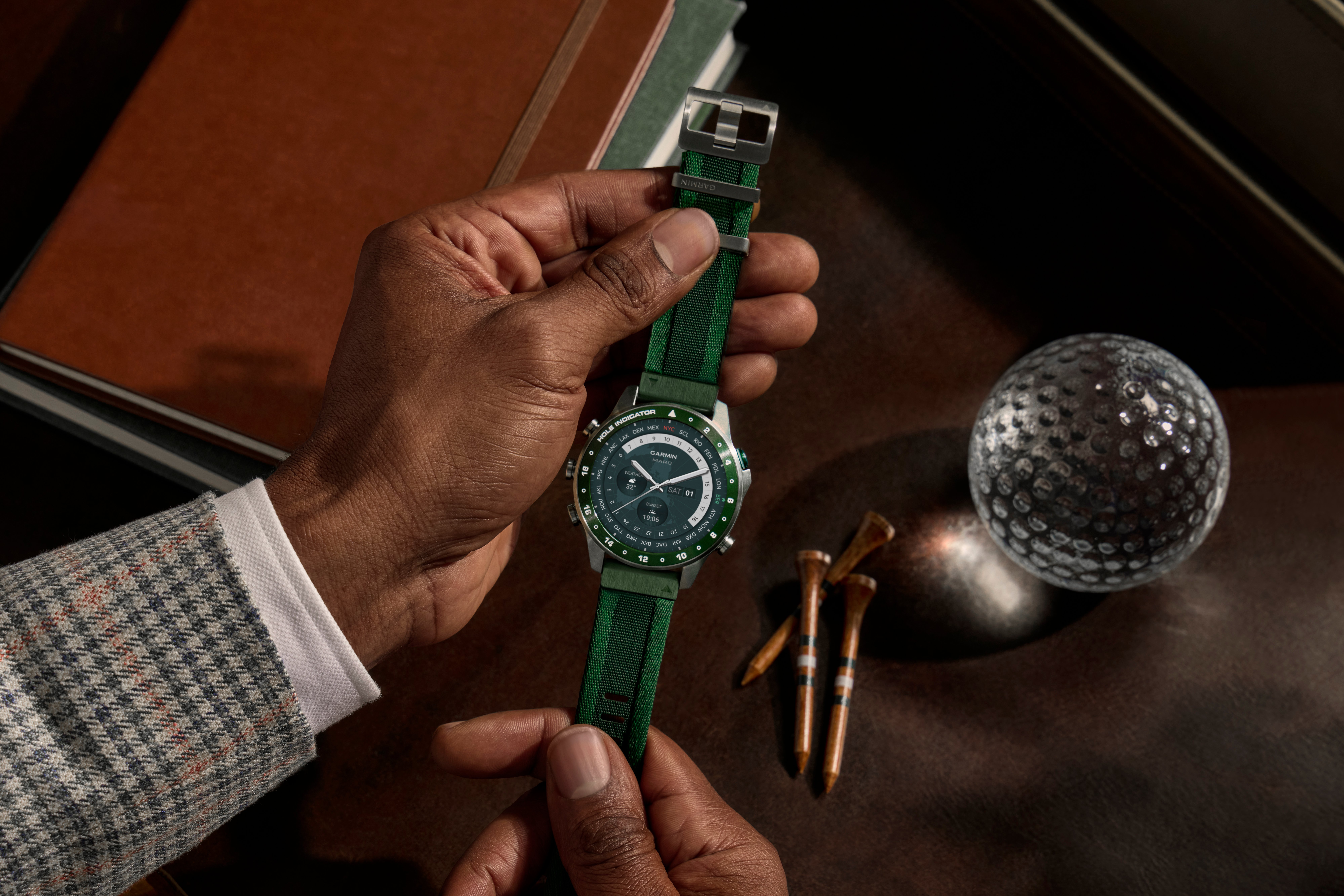
The borderless AMOLED display grows to 1.4 inches, with 36 percent more display area, 452 × 452-pixel resolution, and peak brightness of 3,000 nits. I found it difficult to read from the side, which may discourage someone peering at your notifications, but it also makes reading the watch at a glance a bit tricky depending on the angle.
Storage increases to 128GB, accommodating worldwide preloaded TopoActive maps and address search. Preloaded ClimbPro supplies information about a climb without requiring the wearer to prepare and load a course beforehand. Embedded inReach connectivity adds LTE calls, location sharing, and text and voice messages over LTE or an established satellite connection, plus SOS communication with Garmin Response. These features require supported coverage and an active inReach plan. Garmin’s U.S. plans currently start at $7.99 per month, with additional satellite messaging charges depending on the plan. Satellite communication needs a clear view of the sky and will not work underwater.
A speaker, microphone, LED flashlight, fifth-generation optical heart rate sensor, and ECG functionality in supported regions round out the hardware changes. Garmin quotes up to 18 days of battery life, or seven days with the display always on.
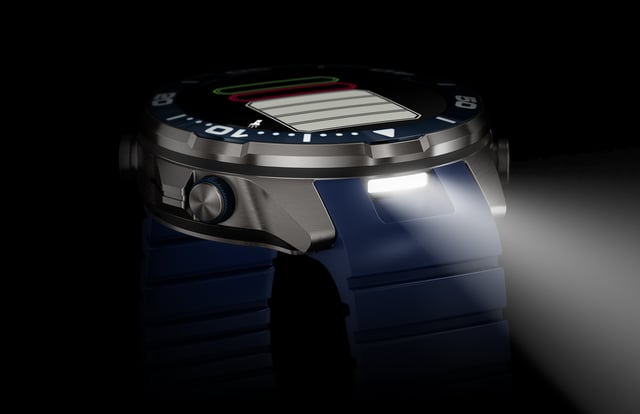
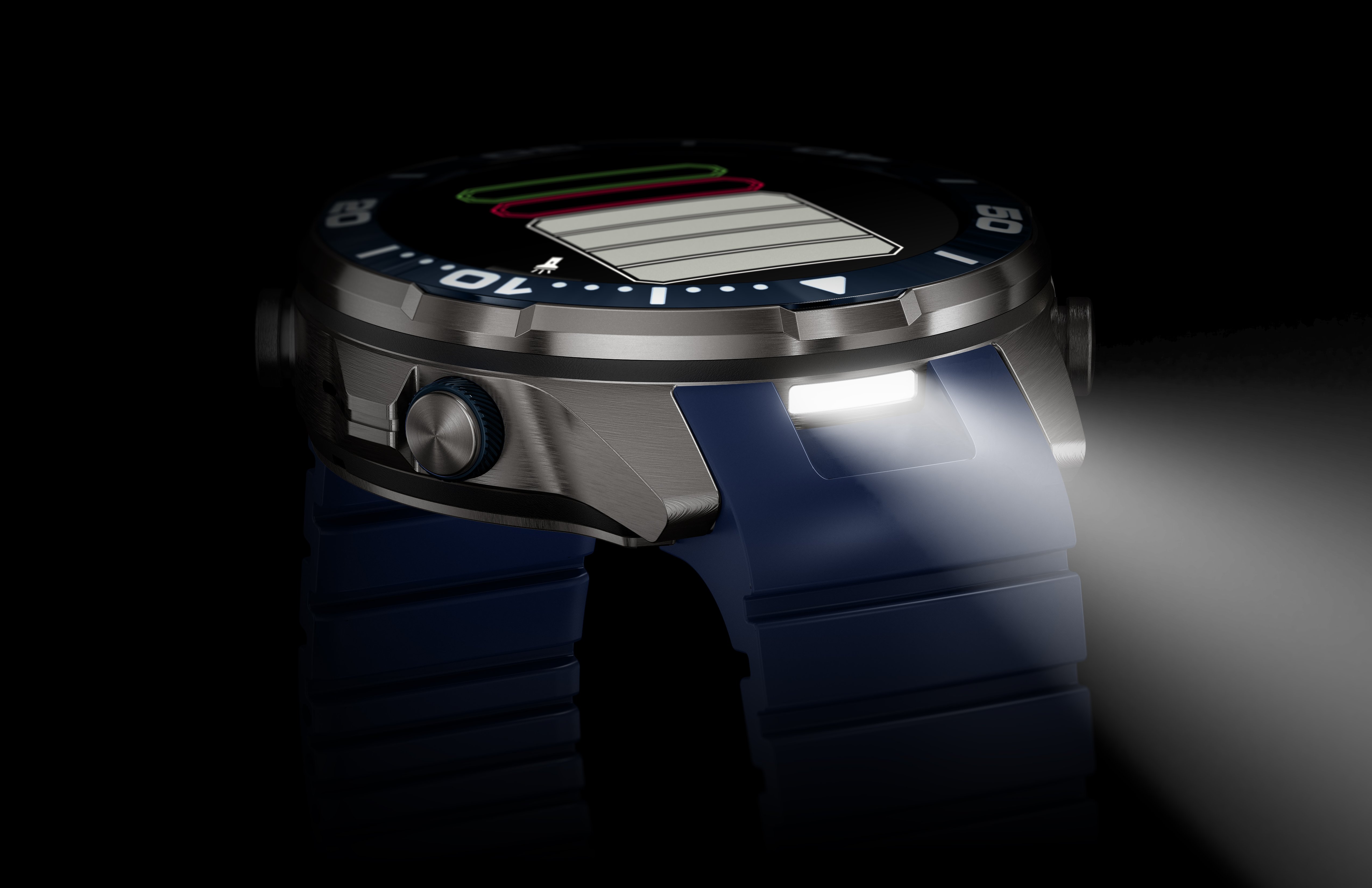
There are also six shared watch-face designs — World Timer, Panda, Diver, Sticks, Flieger, and Calendar — alongside the faces developed for each model. Each offers three to five styles, with adjustable colors and complications. An optional low-light “lume” mode switches on automatically in dim conditions, giving the display the appearance of luminous hands and markers. The Calendar face shows meetings and a 12-hour availability ring, including double bookings. That gives the collection something useful to do on an ordinary workday, too.
Marq Athlete
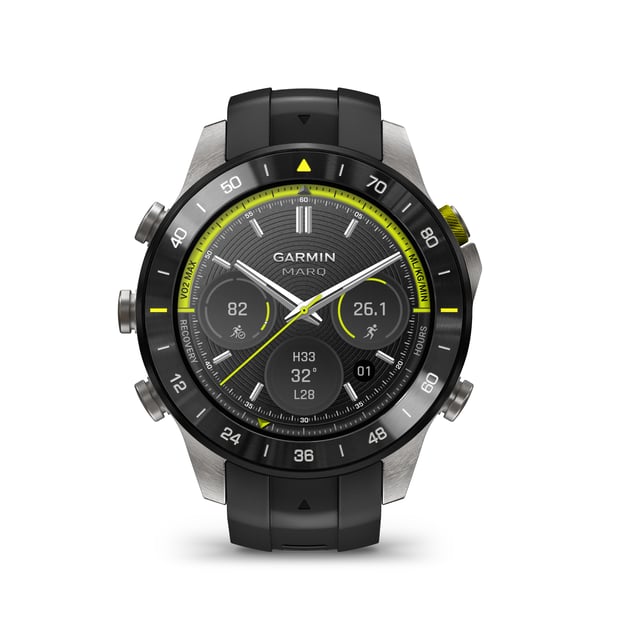
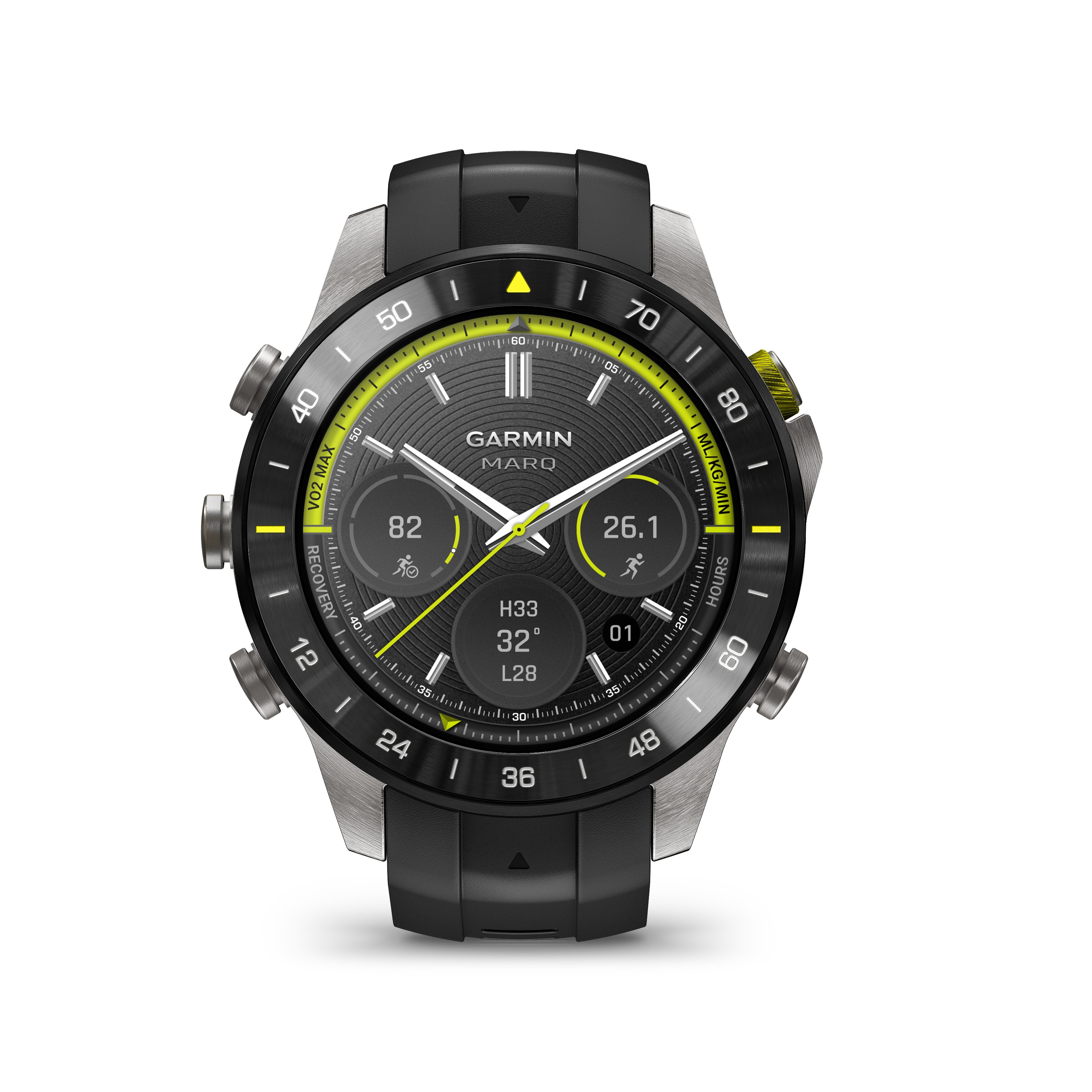
At $2,500, the Athlete is the entry point for the collection, with a brushed black ceramic bezel, titanium case, yellow accents, and integrated silicone strap. Its bezel carries VO2 max and recovery-time scales, putting fitness and the time needed between efforts into the design itself.
Training Readiness uses sleep, recovery, and recent training data to help guide the next workout. Enhanced stamina metrics track endurance, while running economy measures efficiency with a compatible chest strap such as Garmin’s HRM 600. Selected connected rowing machines can also supply power data. Register described Garmin’s early running watches as bringing “elite tools onto everyone’s wrists.” For someone already checking recovery times, building them into the watch face is a sensible bit of design.
Marq Adventurer
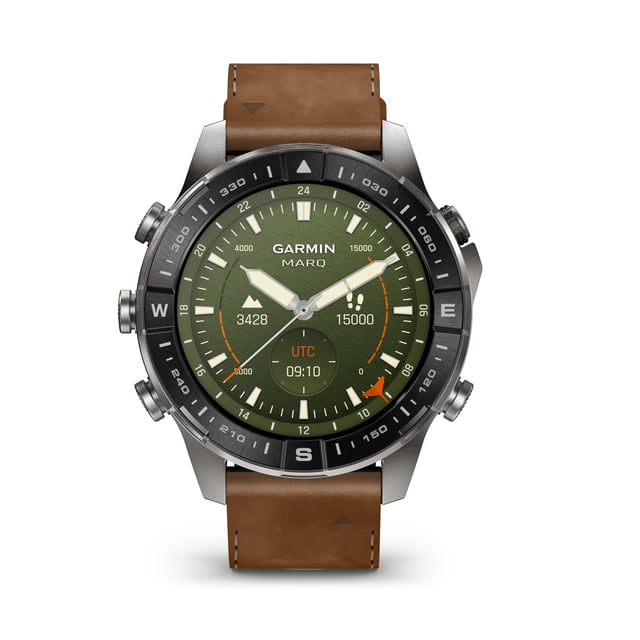
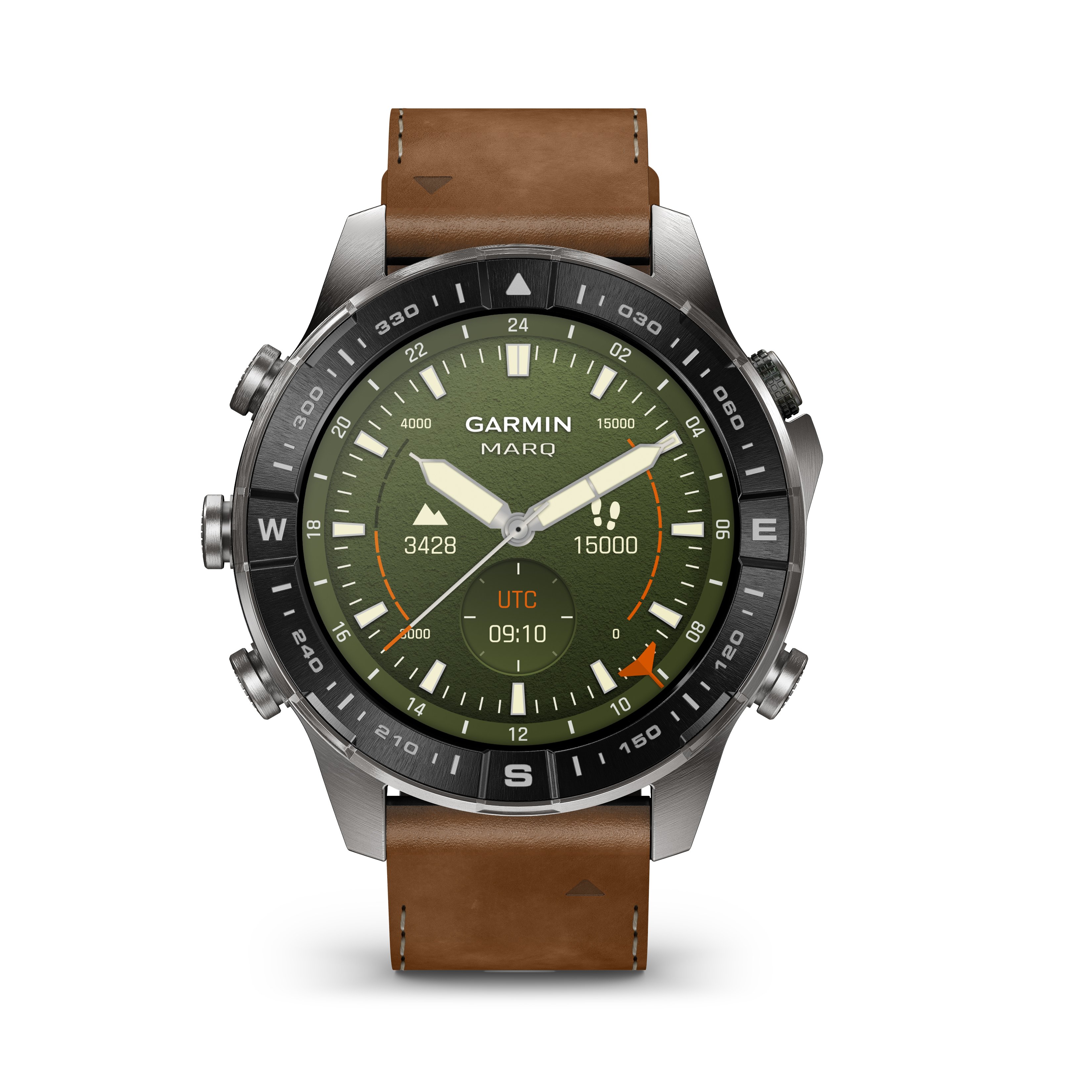
The Adventurer’s leather strap came with a small story about the people making it. Register recalled engineers favoring heavily treated leather for its durability, while the designers wanted it to retain its natural feel and develop a patina. There was some convincing to do about why wear could be desirable.
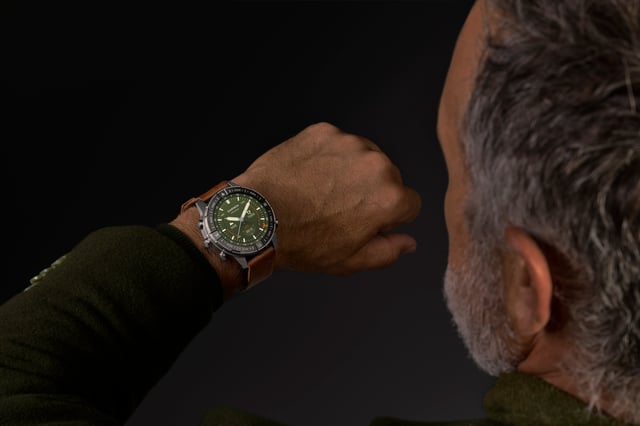
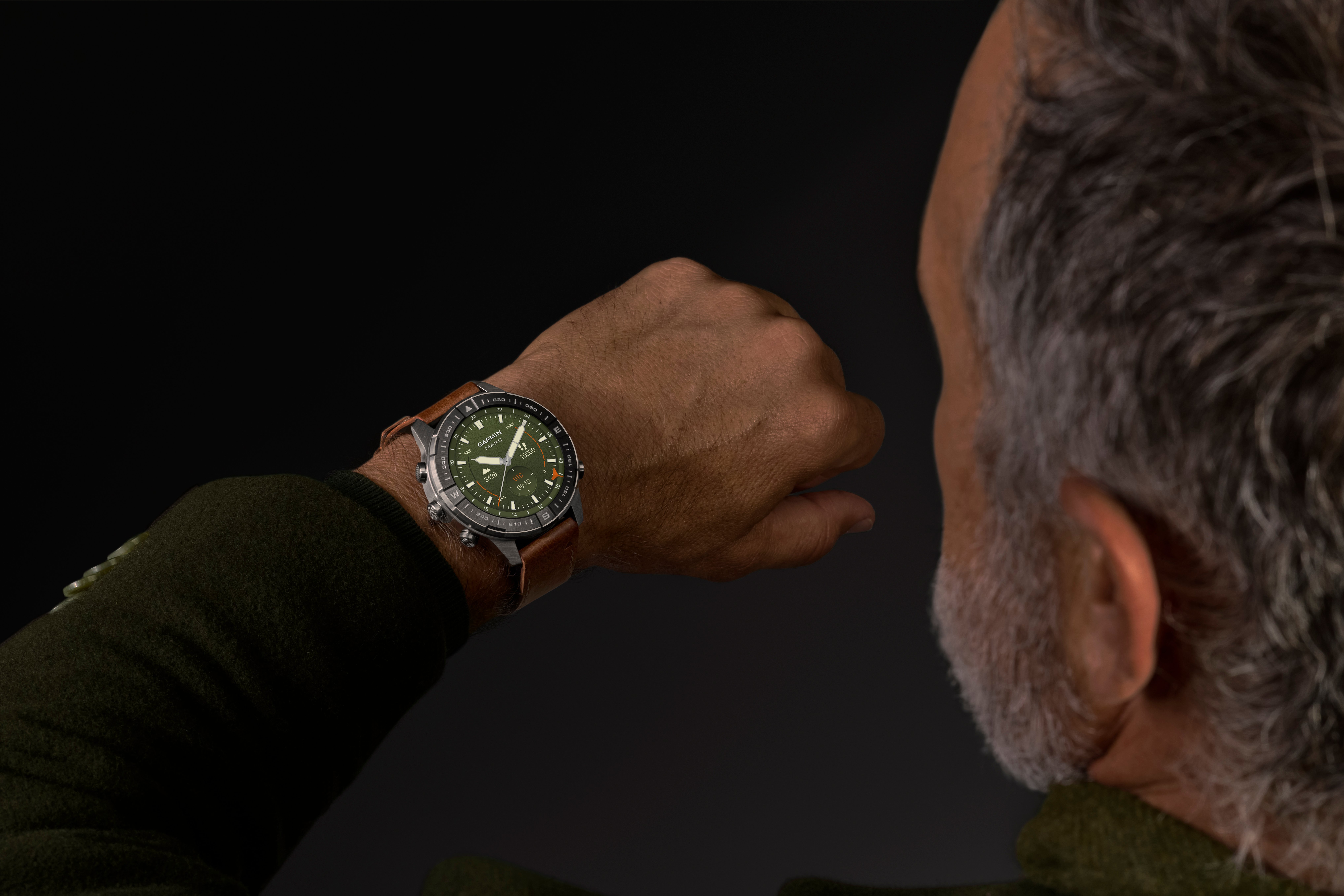
The resulting $2,700 watch has a vegetable-tanned, full-grain Italian leather strap with a performance-rubber lining to help it tolerate sweat. A muted green display sits within a 360-degree compass bezel, whose sunburst brushing meets a polished inner chamfer. Cardinal-point notches and knurled buttons give it a rugged feel and some useful grip.
“We want the watch to be a discovery,” Register said of the smaller finishing details. The polished inner chamfer is easy to miss until it catches the light. Out on a trail, mapping and preloaded ClimbPro provide a different sort of detail: where to go and what lies ahead on a climb. Register’s description was more direct: “It shows you how much suffering you have left to get to the top.”
Marq Golfer
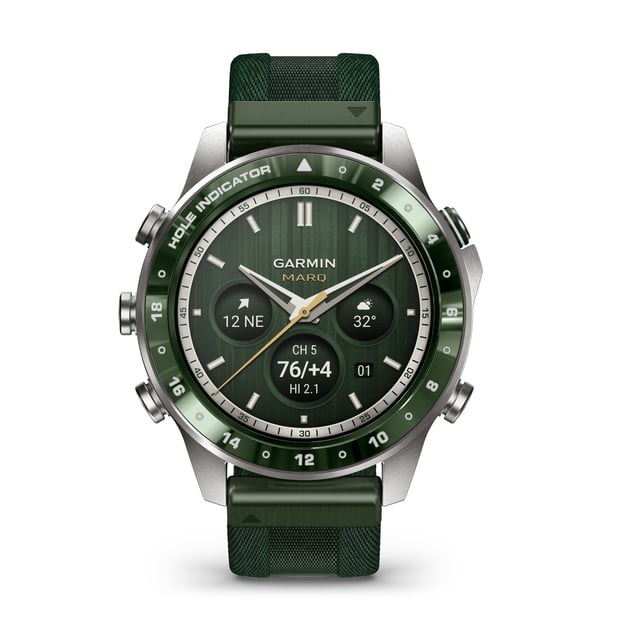
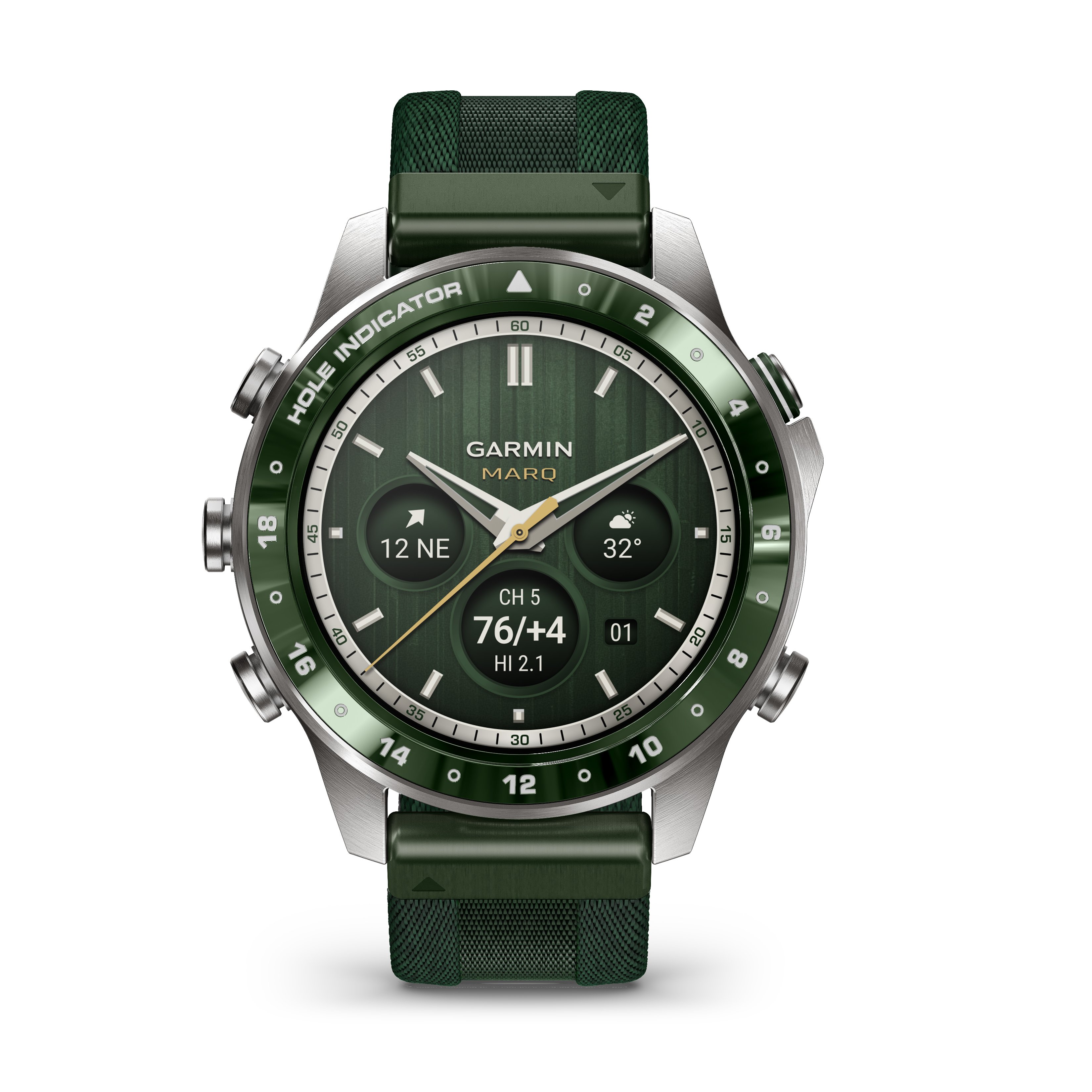
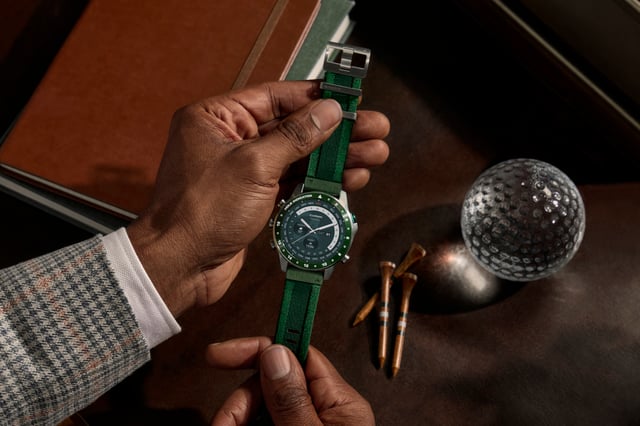
The $2,800 Golfer commits to pine green across its ceramic bezel, watch face, and jacquard-woven strap. Ceramic end links carry the color into the case, while recessed adjustment holes give the weave an unusual depth. With an 18-hole indicator around the bezel, the design leaves little doubt about which activity this one’s intended for.
More than 43,000 golf courses are preloaded, with Virtual Caddie recommending clubs based on the wearer’s game and playing conditions. Green contour data helps read the putting surface, though it requires an active Garmin Golf membership, priced at $9.99 per month or $99.99 per year.
Martin Resch, Garmin’s head of product management, Outdoor EMEA, described the aim of the watch as keeping the technology useful but out of the player’s way. “They just want the right information at the right time,” he said.
There are limits to when that advice can be consulted. The Rules of Golf generally permit distance measurement. However, they prohibit measuring elevation changes or using device-generated club recommendations based on the ball’s location during a round. Organizers can prohibit distance-measuring devices altogether. Some of the more ambitious assistance is therefore a matter for practice rounds.
Marq Aviator
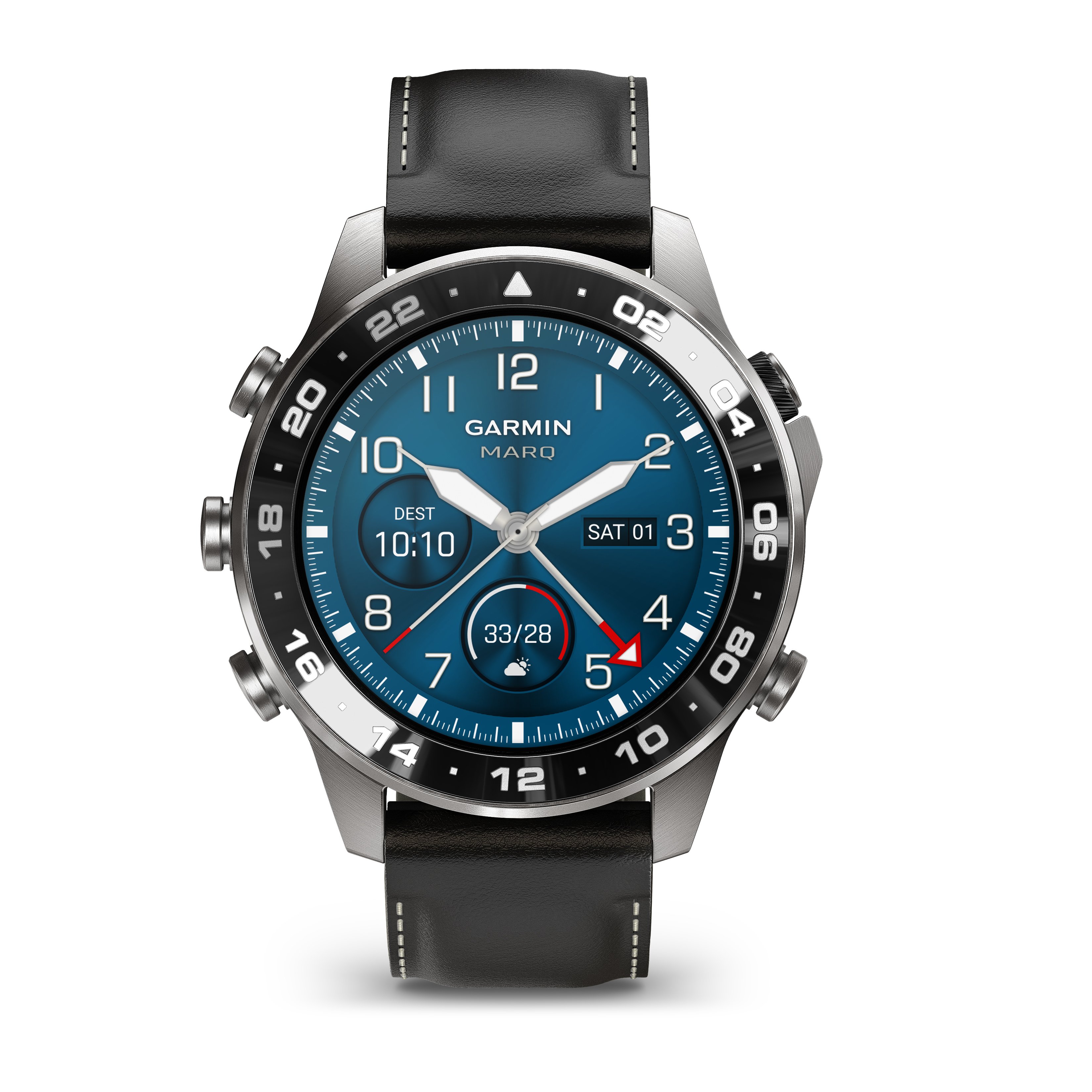
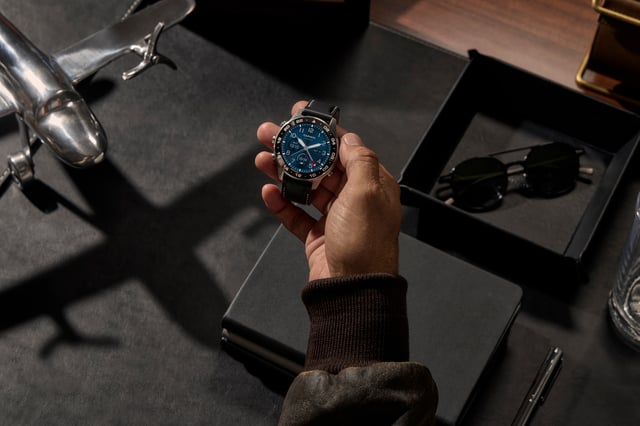
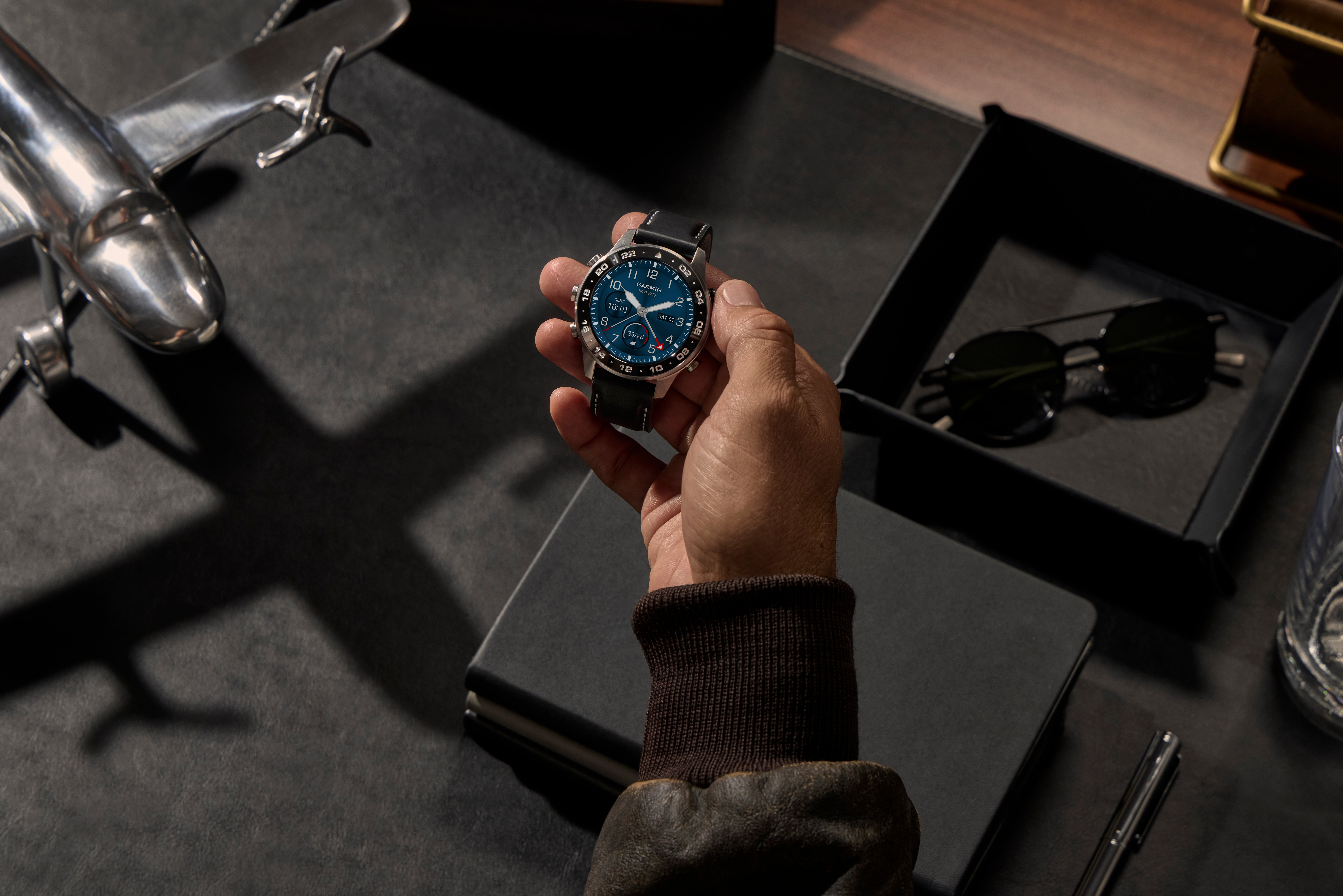
The Aviator is among the dressier models in the new generation, pairing a polished black ceramic bezel and white UTC markings with a sky-blue face. Its padded Italian calfskin leather strap closes with a Grade 5 titanium deployant clasp offering easy adjustment. The blue and polished black work well together on the $3,100 watch.
“Pilots live by routines,” Resch said, explaining how information on the wrist fits into flight preparation. A pilot-specific morning report provides aviation weather, while dynamic flight mapping shows airspace information, flight-plan, and weather overlays. A dedicated UTC hand and access to supported aircraft information from compatible Garmin avionics complete the flying-related functions.
Marq Diver
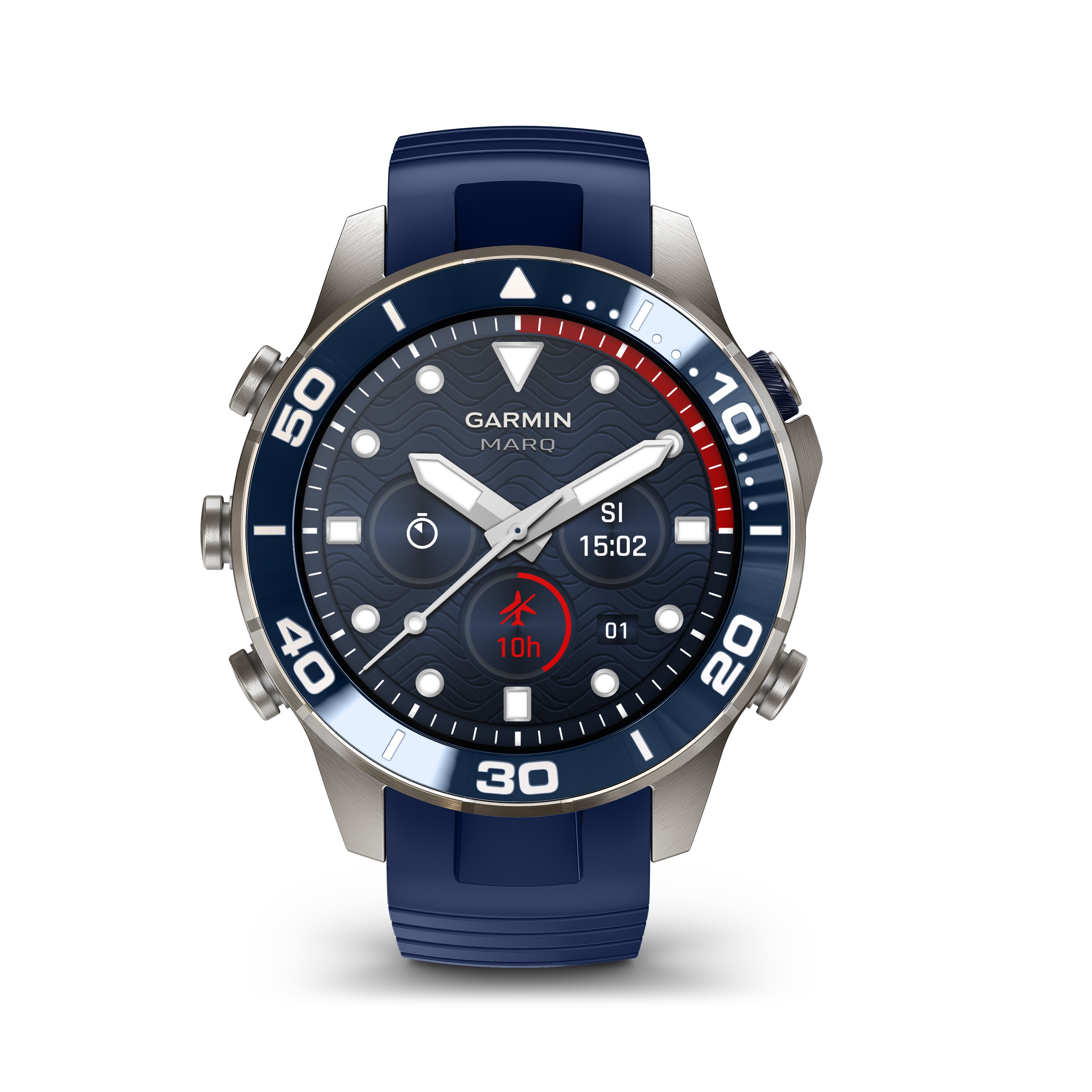
The new Diver brings Garmin’s dive-computer experience into a $3,100 Marq, in maritime blue with a silicone strap and 15mm of clasp microadjustment. The familiar accordion sections are sharply defined, and the adjustable clasp gives the strap more to offer than its appearance.
Like the rest of the Marq collection, the Diver has a fixed bezel. Its absence is most noticeable on a dive watch, where a rotating timing bezel is standard equipment. Adding one “would add all kinds of thickness,” Register explained, so Garmin instead provides a 60-minute quick timer on the display. At 15mm thick, the Diver has reason to avoid any additional bulk, though anyone accustomed to timing a dive with the bezel will need to adjust.
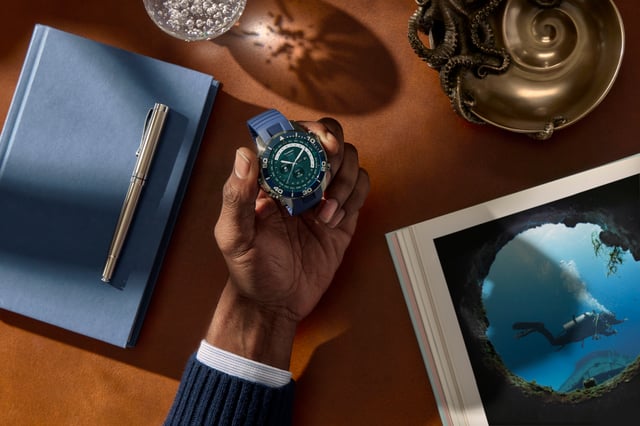
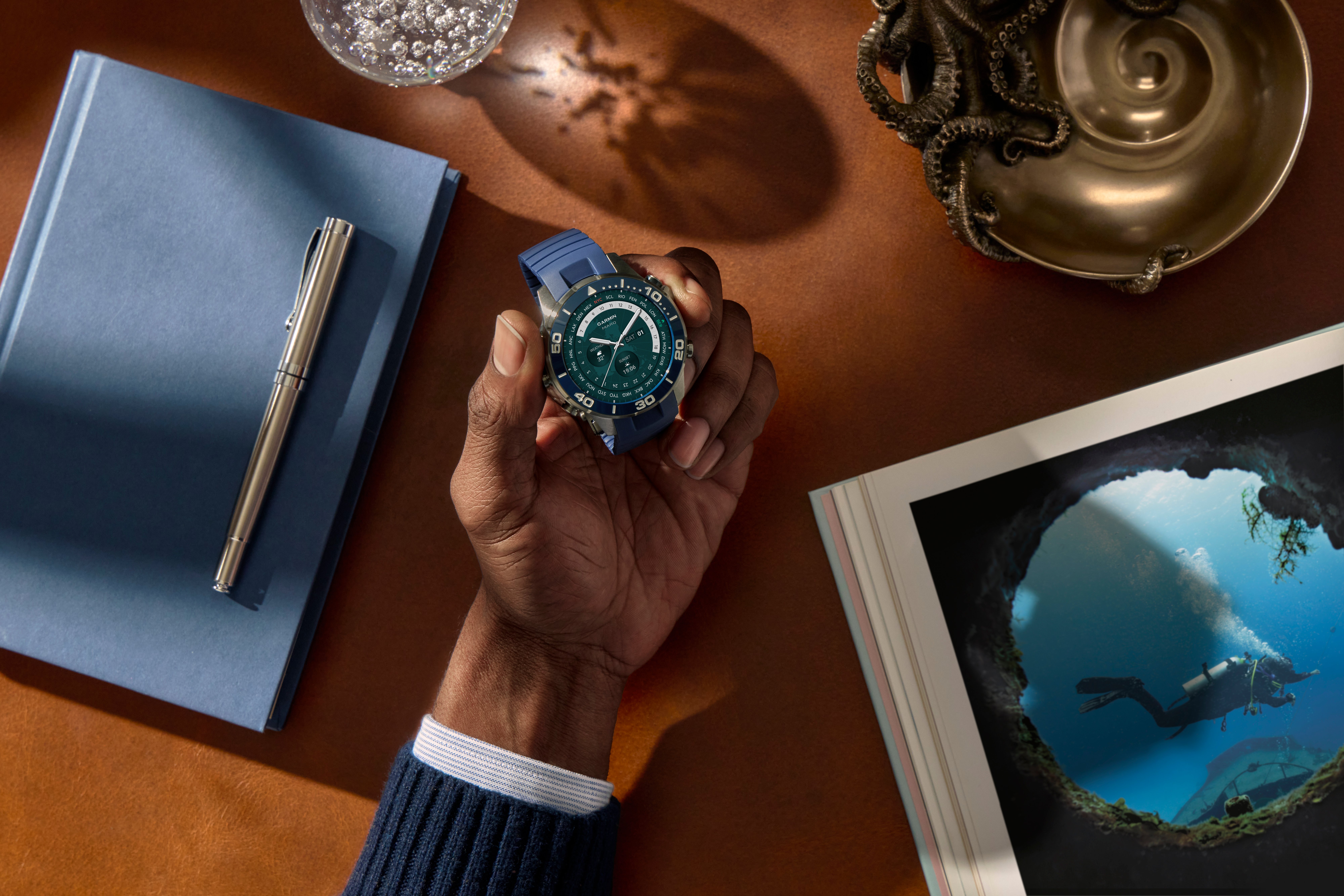
Scuba, apnea, and snorkeling functions support use to a maximum depth of 40 meters, distinct from the case’s 10 ATM rating. Dive Readiness helps inform health preparation for trips; dedicated displays provide depth, timing, navigation, and stop information; and preloaded DiveView maps show underwater topography. The sealed buttons can be operated underwater, marking a big distinction for the watch from traditional divers and their gasket-based pusher systems.
“Do divers really want dive tools plus all these other features?” Register recalled Garmin asking when developing its diving products. The response, he said, was “a resounding yes.” Above water, autopilot control and tack assist connect the Diver to compatible boating equipment — the capabilities that brought me onto the catamaran in the first place.
Marq Commander
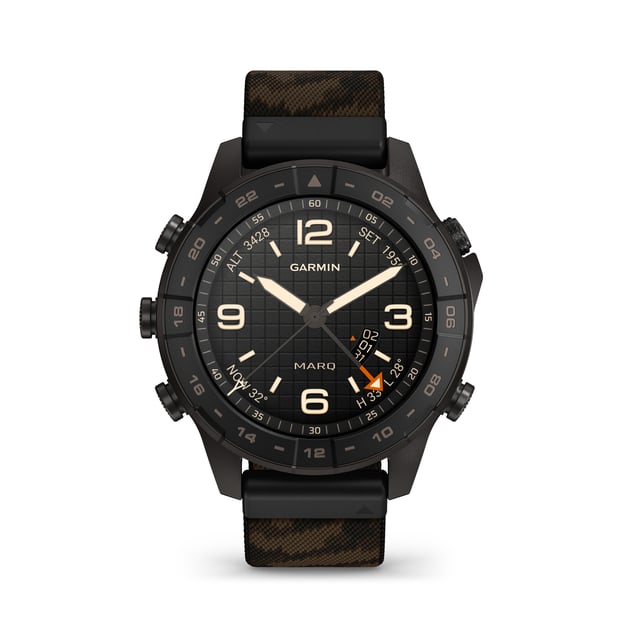
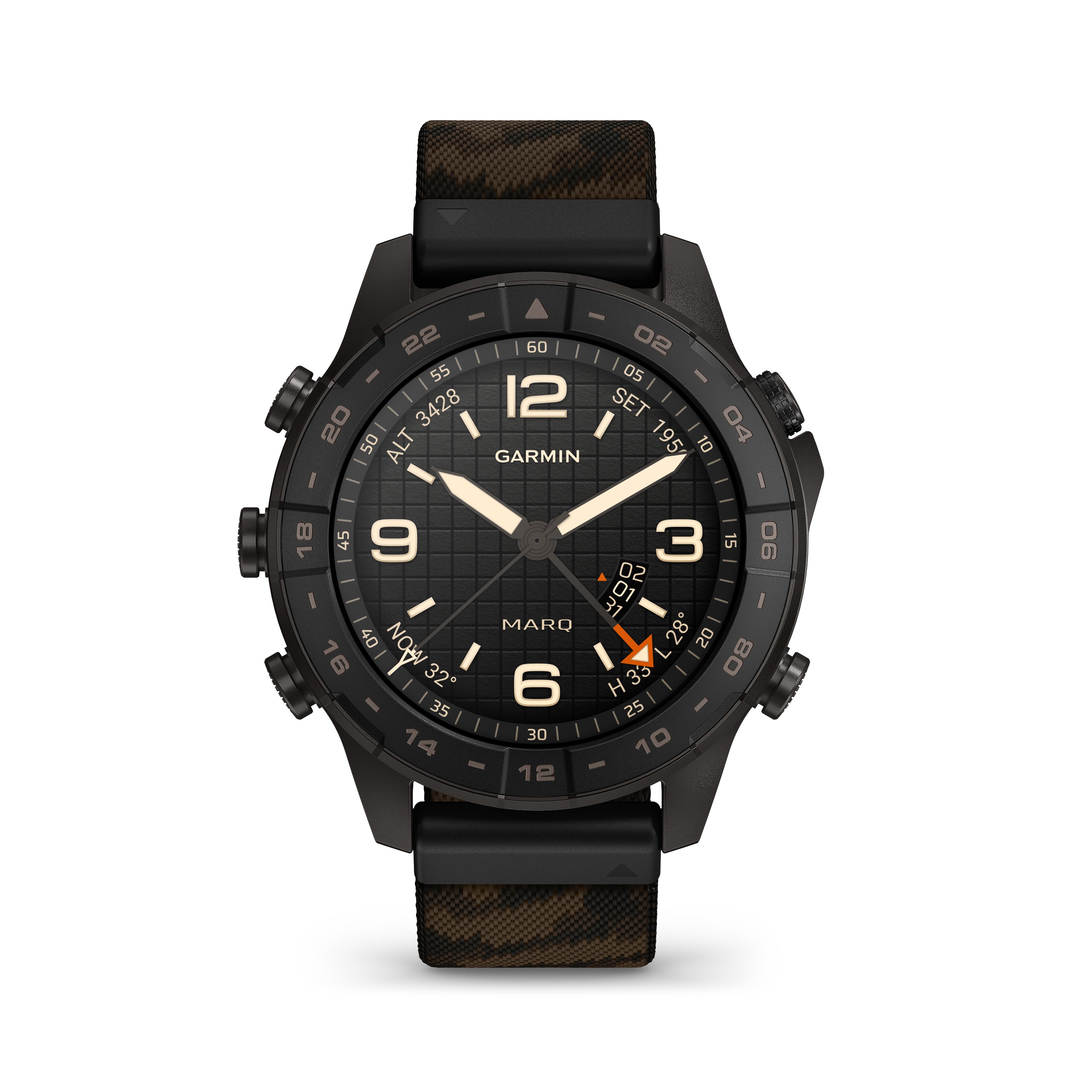
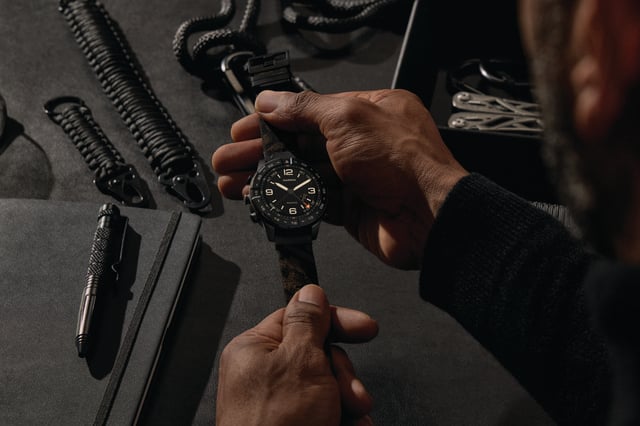
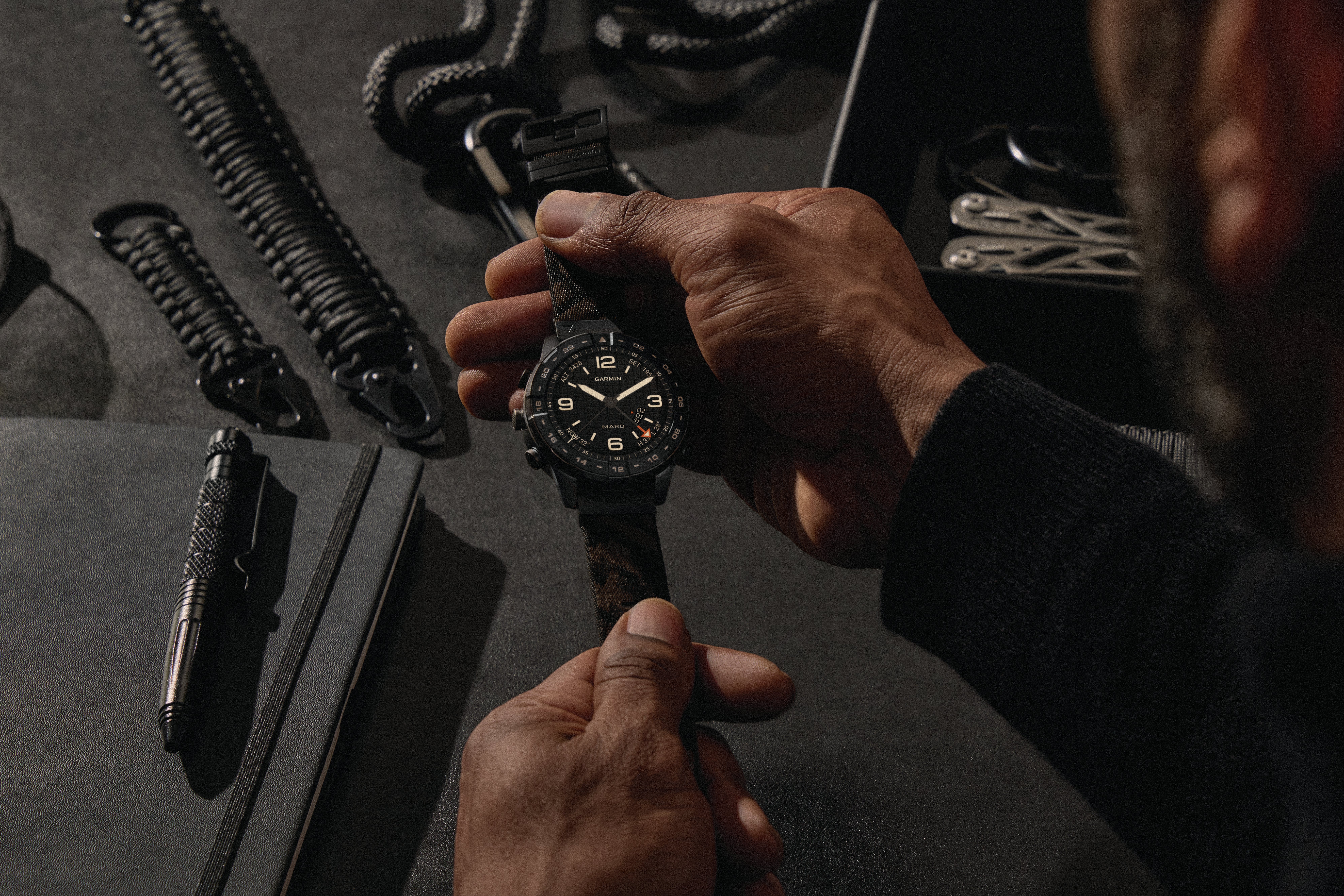
Lastly, the Commander joins the main titanium lineup at $3,100, having appeared only in carbon fiber in Gen 2. Its DLC-coated case and matte black ceramic bezel replace the brighter finishing elsewhere in the collection. Tan accents and a camouflage-pattern jacquard strap continue the subdued palette. UTC markings and micro-knurled buttons complete the design.
The tactical functions include night-vision compatibility, stealth mode, and an Applied Ballistics solver. Stealth mode restricts connectivity and location recording, while strength-training and rucking tools address physical preparation — including changes to carried weight during a rucking activity.
Resch described Garmin’s tactical business as growing out of servicemen choosing its existing devices: “They trusted our device from the get-go.” The Commander gives that customer an option alongside the likes of Breitling or IWC, with a substantial set of functions to consider when deciding where the watch budget goes.
A Wider View of Garmin
This was my first real introduction to Garmin as a company. Previously, I knew it mostly through the watch on one runner’s wrist or another, or as the cutting-edge GPS in my grandparents’ burgundy Jeep Grand Cherokee sometime in the early 2000s. There’s a whole universe beyond the watch industry proper here, and spending time with the people developing Marq made that much easier to see.
The titanium finishing impressed me, coming from a company that found its way into watches through electronics and navigation. So did the pusher system. Nanomolding bonds polymer and metal into the case, allowing an inductive sensor to register a press through a sealed wall. A mechanical element outside that wall supplies the click. Eliminating the conventional pusher opening while preserving its feel is a quietly significant development for a watch meant to be operated underwater.
I still wonder how much of the information wearables collect translates into useful changes for most people. Asked about that, Trenkle described users beginning with a mile-long run, then gradually becoming more ambitious. “Within three months we see them joining groups,” he said, pointing to first 5Ks and 10Ks as examples of what might follow. Register was comfortable with owners leaving some capabilities alone: “You don’t have to use all the features,” he said, adding that “you can aspire to use them.”
There is a fine line between James Bond and Inspector Gadget. The Marq leaves some of that distinction to the wearer, whose daily use might be quite ordinary even if the watch can help steer a boat. The enthusiasm behind developing those functions was apparent, and so was the effort to make the watch itself worth wearing.
The proportions leave more work to do. At 47mm across and 15mm thick, the Marq occupies considerable wrist space, limiting its appeal to anyone who prefers a smaller watch and leaving much of the women’s market poorly served. Titanium helps with comfort, but only so much with size. A smaller, thinner Marq would bring this work to considerably more wrists. That seems as worthwhile an ambition for Gen 4 as adding another feature.
For someone who already relies on Garmin, though, the appeal of having those tools in a watch finished to this degree is easy to understand. Marq gives the rest of us a good reason to pay closer attention to a company whose work reaches well beyond the wrist.