Oct 27, 2015
Reading time 4 min.
WatchTime Exclusive: Inside Rolex Bienne
On a rare tour of Rolex’s movement-manufacturing complex in Bienne, Switzerland, WatchTime witnessed the making of the Rolex Cosmograph Daytona Caliber 4130.
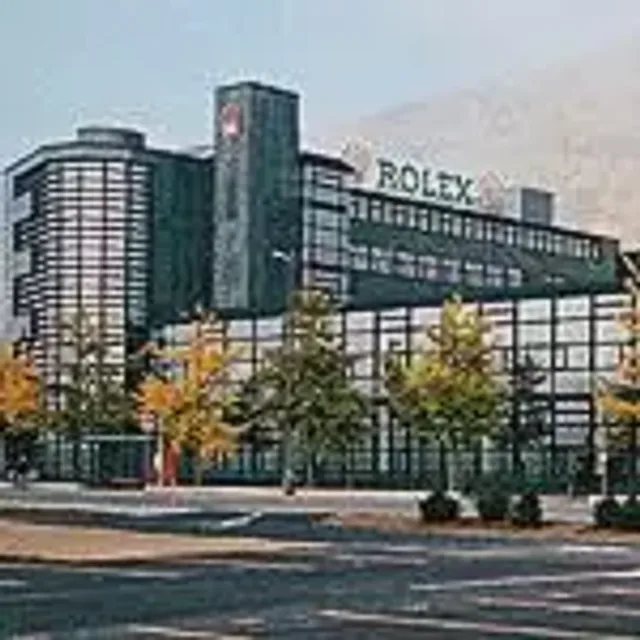
On a rare tour of Rolex’s movement-manufacturing complex in Bienne, Switzerland, WatchTime's Joe Thompson and Norma Buchanan witnessed the making of the Cosmograph Daytona Caliber 4130.
The first thing that strikes you is its sheer size. The Rolex movement-making complex, on the outskirts of Bienne, Switzerland, is a study in gigantism. It consists of four monolithic buildings, occupying 170,000 cubic meters of space. It’s imposing, and, with its air of impregnability, a little mysterious. We ride out there one February afternoon because Rolex has agreed to give us, two WatchTime editors, a tour of the facility, a mainplate-to-hairspring view of how it makes its movements, 750,000-plus of them per year. Before the tour, we receive a background briefing, a combination of live presentation and film. It takes place in a proportionately large auditorium attached to what is surely the biggest watch-company reception area we’ve ever been in: a two-story-high, light-filled atrium with a Rolex-green marble floor. This complex, Manufacture des Montres Rolex SA, located in an industrial zone called Champs-de-Boujean, is the sister of Rolex SA in Geneva, which makes cases, bracelets and dials; assembles the watches; and does the company’s gem-setting. Rolex corporate headquarters are also in Geneva.
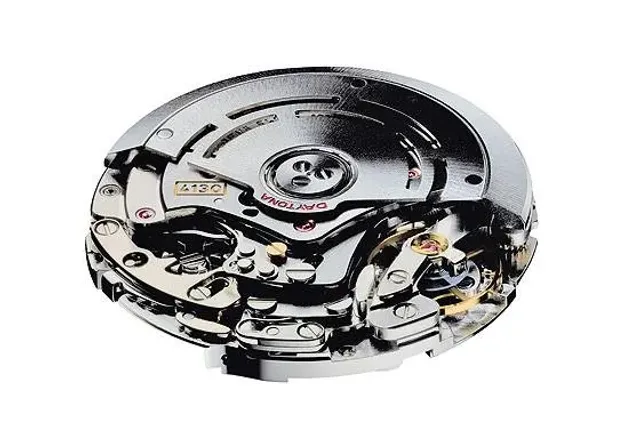
The Cosmograph Daytona Caliber 4130, introduced in 2000
PR
Here in Bienne, about 2,000 employees make movement components, 50 million of them per year, assemble the movements, and send them to Switzerland’s chronometer-testing agency, COSC (Contrôle Officiel Suisse des Chronomètres) to receive chronometer certification. (All Rolex-made movements receive certification except for most in the Cellini collection — although Cellini Prince models are COSC-certified.) Rolex Bienne then ships the movements to Rolex Geneva for casing. The four Bienne buildings, set against the backdrop of the Jura mountains, are called Rolex III, IV, V and VI. (Rolex I and II are old, former factory buildings near the center of Bienne. Rolex no longer owns them.) The company also has a factory in the town of Le Locle, employing 150 people, where some movement assembly takes place.
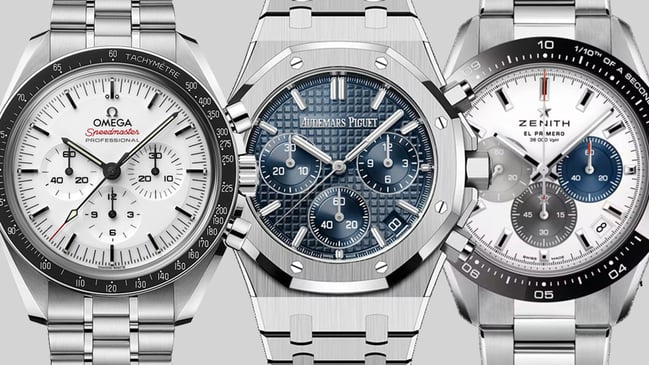
Until 2004, Rolex Bienne and Rolex Geneva had different owners. The former belonged to the descendants of Jean Aegler, whose Aegler SA factory in Bienne provided movements to Rolex founder Hans Wilsdorf starting in 1905. Rolex Geneva was, and still is, owned by the Hans Wilsdorf Foundation, which Wilsdorf established in 1945. Several years ago, Rolex Geneva bought the Bienne facility and the two were merged. That move, along with Rolex’s long-term project of acquiring many of its suppliers of components and equipment, has transformed the company into a vertically integrated manufacture. Class over, we set out on the tour. It will have a theme, says François Paschoud, one of the facility’s technical directors: We will be following the manufacturing steps of Rolex’s famous Caliber 4130, the chronograph movement that Rolex launched in 2000 to replace the Zenith El Primero caliber it had been using in its Cosmograph Daytona models. That introduction was a major event for Rolex; it meant that from that point on all movements used in the Rolex brand were made in-house (watches in Rolex’s sister brand, Tudor, have ETA movements).
Click here to download the full article in WatchTime's Rolex E-Special.
This article was originally posted on December 28, 2012 and has been updated.